
This lesson provides essential techniques for safely approaching and navigating the different types of roundabouts found on British roads. Understanding these rules is a critical requirement for your AM licence theory test and will ensure you stay safe and predictable when riding your moped or light quadricycle.
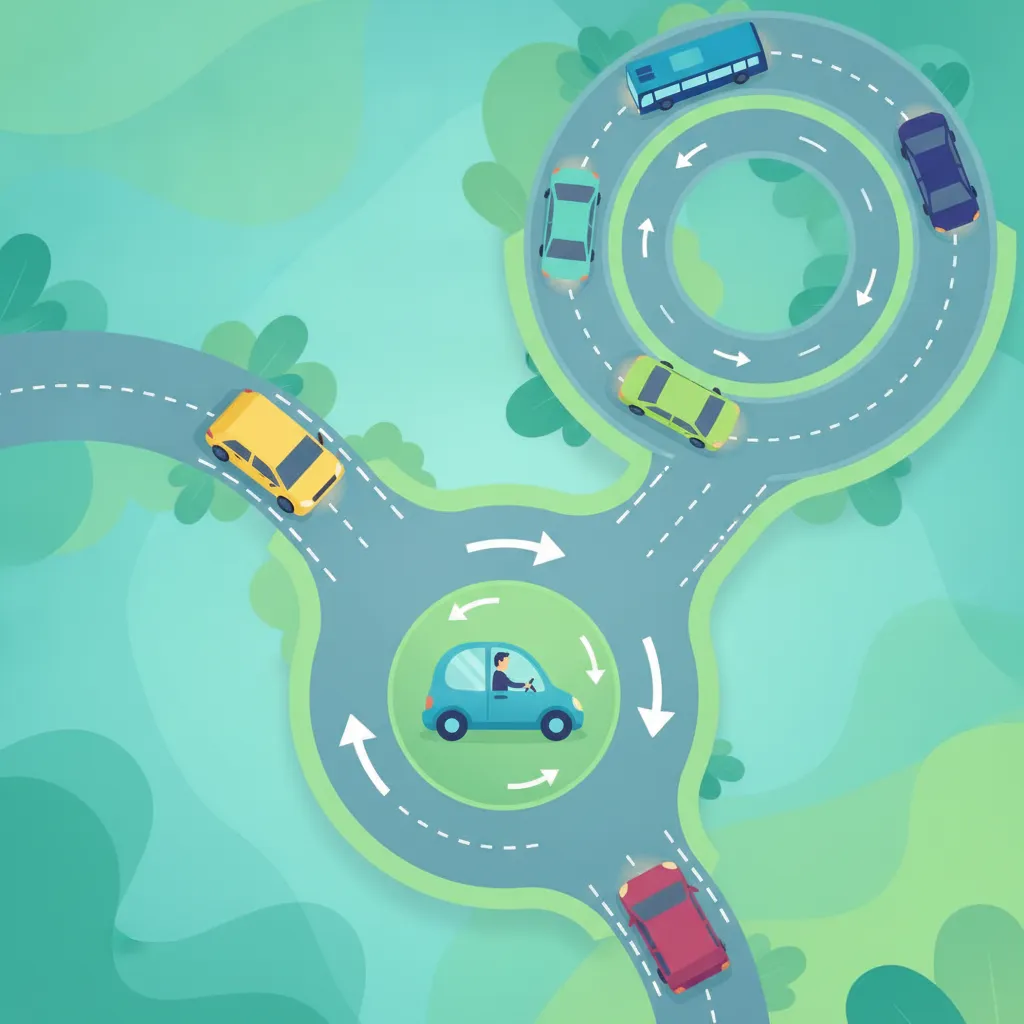
Lesson content overview
Roundabouts are a common feature of the road network in Great Britain, designed to enhance traffic flow and improve safety at junctions. For riders of mopeds and light quadricycles preparing for their Great Britain Category AM theory test, understanding how to safely and correctly navigate different types of roundabouts is fundamental. This lesson will focus on the specific techniques and rules for two distinct types: mini-roundabouts and multi-lane roundabouts.
Mastering these junctions requires not only a good grasp of the Highway Code but also an awareness of your vehicle's unique characteristics, such as visibility and manoeuvrability. By the end of this lesson, you will be equipped with the knowledge to approach, circulate, and exit these roundabouts confidently and safely.
Mini-roundabouts are compact circular junctions, typically found in urban or residential areas. Unlike their larger counterparts, they often feature a painted central island rather than a raised kerb, designed to slow traffic and simplify decision-making at smaller intersections. Despite their size, they operate under specific rules that are crucial for AM riders to follow.
A mini-roundabout is a small, usually one-lane junction where the central island is often marked by a painted white disc or similar road marking, rather than a physical raised structure. They are designed to manage traffic flow efficiently in confined spaces, such as residential streets or car parks, and require all vehicles to pass around the central marking in a clockwise direction.
The key distinguishing feature is their size and the reliance on road markings over physical barriers. While their tight radius means speeds are naturally lower, riders must still exercise extreme caution due to potential conflicts with other road users.
Approaching and circulating a mini-roundabout safely requires adherence to specific rules and techniques. The primary principle governing mini-roundabouts is giving way to traffic from the right.
Approach at a Safe Speed: Begin to slow down well before reaching the mini-roundabout. Your speed should be low enough that you can stop safely and comfortably if necessary, typically below 15 km/h. This allows you ample time to assess the situation and react to other traffic.
Observe and Give Way to the Right: As you approach the give-way line (if present) or the entrance of the roundabout, look to your right. Any traffic already on the mini-roundabout or approaching from your immediate right has priority. You must give way to them.
Enter When Safe: Once there is a safe gap in the traffic from your right, you may proceed. Move clockwise around the central painted island, ensuring your vehicle does not mount or pass over the central marking.
Signal Your Intentions: Although mini-roundabouts are small, signalling your intentions remains important. Signal left if you intend to take the first exit, and signal right if you intend to take an exit past 12 o'clock. If going straight ahead, you do not need to signal on approach, but signal left as you pass the exit before your intended one.
Exit Safely: Maintain your low speed and check your mirrors before exiting. Be aware of pedestrians or cyclists who may be crossing the exit point.
Always assume other drivers may not see you, especially on a moped or light quadricycle due to your smaller profile. Make eye contact where possible and be prepared for unpredictable behaviour.
Despite their apparent simplicity, mini-roundabouts are common sites for minor collisions and near misses, often due to misunderstandings of priority rules or excessive speed.
One frequent error is failing to give way to traffic from the right. Some riders mistakenly assume that because the roundabout is small, they have priority, leading to immediate conflict with vehicles already circulating or approaching from the right. This directly violates Highway Code Rule 169.
Another mistake is approaching too fast. The tight radius of a mini-roundabout means that entering at high speed can lead to overshooting your exit, loss of control, or an inability to stop safely if a hazard appears. Rule 209 explicitly states that you must reduce speed to a point where you can stop safely.
Finally, riding over the central island is not only illegal but can also be dangerous. Even if the island is painted, mounting it can cause a loss of control, especially in wet conditions, and may damage your vehicle. Always keep your moped or light quadricycle entirely on the road surface.
Multi-lane roundabouts are larger, more complex junctions with two or more concentric circulating lanes. They are designed to manage higher volumes of traffic and typically feature more explicit road markings and signage to guide drivers to the correct lane for their intended exit. For AM riders, correct lane discipline and timely signalling are paramount for safe navigation.
A multi-lane roundabout is a circular junction with multiple lanes for traffic to circulate. These can range from dual-lane roundabouts (two lanes) to triple-lane roundabouts (three lanes), though the latter are less common for everyday AM routes. Each lane is typically designated for specific exit directions, indicated by arrows painted on the road surface and/or overhead signs.
The complexity of these roundabouts means that pre-planning your route and understanding which lane to use is essential. They demand greater awareness of surrounding traffic, as vehicles will be moving alongside you in parallel lanes.
Correct lane selection before entering a multi-lane roundabout is the single most critical step to ensure a smooth and safe manoeuvre. This prevents dangerous last-minute lane changes inside the roundabout.
1. Identify Your Exit: Before you even reach the roundabout, look for road signs or markings that indicate the direction of your desired exit. These signs will typically show which lane corresponds to which exit.
2. Select the Appropriate Lane:
Always double-check lane markings and signs, as configurations can vary. Never assume standard lane usage; follow the specific guidance for that particular roundabout. Rule 211 of the Highway Code mandates using the lane appropriate for your intended exit.
Once you have selected your lane and entered the roundabout, maintaining that lane is crucial. Highway Code Rule 212 states that you should remain in your chosen lane throughout the roundabout unless road markings specifically permit a lane change.
Clear and timely signalling is vital to communicate your intentions to other road users, preventing confusion and potential collisions. Highway Code Rule 213 outlines the correct procedure for signalling your exit.
Signalling too early can mislead other drivers into thinking you are taking an earlier exit, potentially causing them to pull out in front of you. Conversely, failing to signal at all can cause following drivers to brake suddenly or misjudge your path.
Understanding and adhering to the relevant sections of the Highway Code is not just about passing your theory test; it's about ensuring your safety and the safety of others on the road. Here are the core rules specific to roundabout navigation in Great Britain:
The techniques discussed for mini-roundabouts and multi-lane roundabouts are based on ideal driving conditions. However, real-world riding often involves less-than-perfect scenarios, requiring adjustments to your approach.
Roundabouts are busy junctions where mopeds and light quadricycles often interact closely with other vulnerable road users (VRUs).
The principles for navigating roundabouts are built on safety reasoning that addresses common collision types and human factors.
Successfully navigating roundabouts is a vital skill for all AM riders in Great Britain. By consistently applying these principles, you will enhance your safety and contribute to smoother traffic flow:
These principles form the foundation for safe and confident riding through Great Britain's complex network of roundabouts, ensuring you are well-prepared for your AM licence theory test and for safe riding on the roads.
Explore all units and lessons included in this driving theory course.
Lesson content overview
Explore all units and lessons included in this driving theory course.
Explore search topics learners often look for when studying Mini-Roundabouts and Multi-Lane Roundabouts. These topics reflect common questions about road rules, driving situations, safety guidance, and lesson level theory preparation for learners in Great Britain.
Browse additional driving theory lessons that cover connected traffic rules, road signs, and common driving situations related to this topic. Improve your understanding of how different rules interact across everyday traffic scenarios.
Understand advanced lane selection, correct positioning, and signalling techniques for complex multi-lane roundabouts. Essential driving theory for safe navigation and avoiding common mistakes on UK roads.

This lesson tackles the complexities of large roundabouts, which often have multiple lanes and exits. It stresses the importance of reading signs on the approach to select the correct lane for your destination. You will learn about maintaining lane discipline while on the roundabout and signalling correctly as you pass exits and prepare to leave.

This lesson addresses the unique challenges of mini-roundabouts and large, multi-lane or spiral roundabouts. You will learn the subtle differences in rules and approach for mini-roundabouts and the importance of strict lane discipline on larger ones. The lesson stresses the need for advanced planning and awareness when navigating these complex junctions.

This lesson explains how to handle mini-roundabouts, which are common in urban and residential areas. The primary rule is to approach with caution and give priority to any traffic approaching from your right. You will also learn about correct signalling and the importance of being aware of cyclists and motorcyclists who may be harder to see.

This lesson explains the critical rules of priority that govern traffic flow at junctions, roundabouts, and crossings throughout Great Britain. You will learn how to determine who has right-of-way at both marked and unmarked intersections, and the specific rules for giving way to traffic on roundabouts. The lesson also reinforces the hierarchy of road users from the Highway Code, ensuring you understand when to yield to pedestrians and other vulnerable users.

This lesson clarifies who has priority at junctions, whether they are marked with signs and lines or are unmarked. It covers the fundamental rule for roundabouts in the UK: give priority to traffic approaching from your right. You will learn the correct procedures for approaching, signalling, and choosing the appropriate lane on roundabouts and at other junctions.

This lesson details how to safely navigate junctions controlled by traffic signals. It explains the meaning of filter arrows, which allow you to proceed in a specific direction even if the main light is red. You will also learn about respecting advanced stop lines for cyclists and how to approach a junction when the traffic lights are not working.
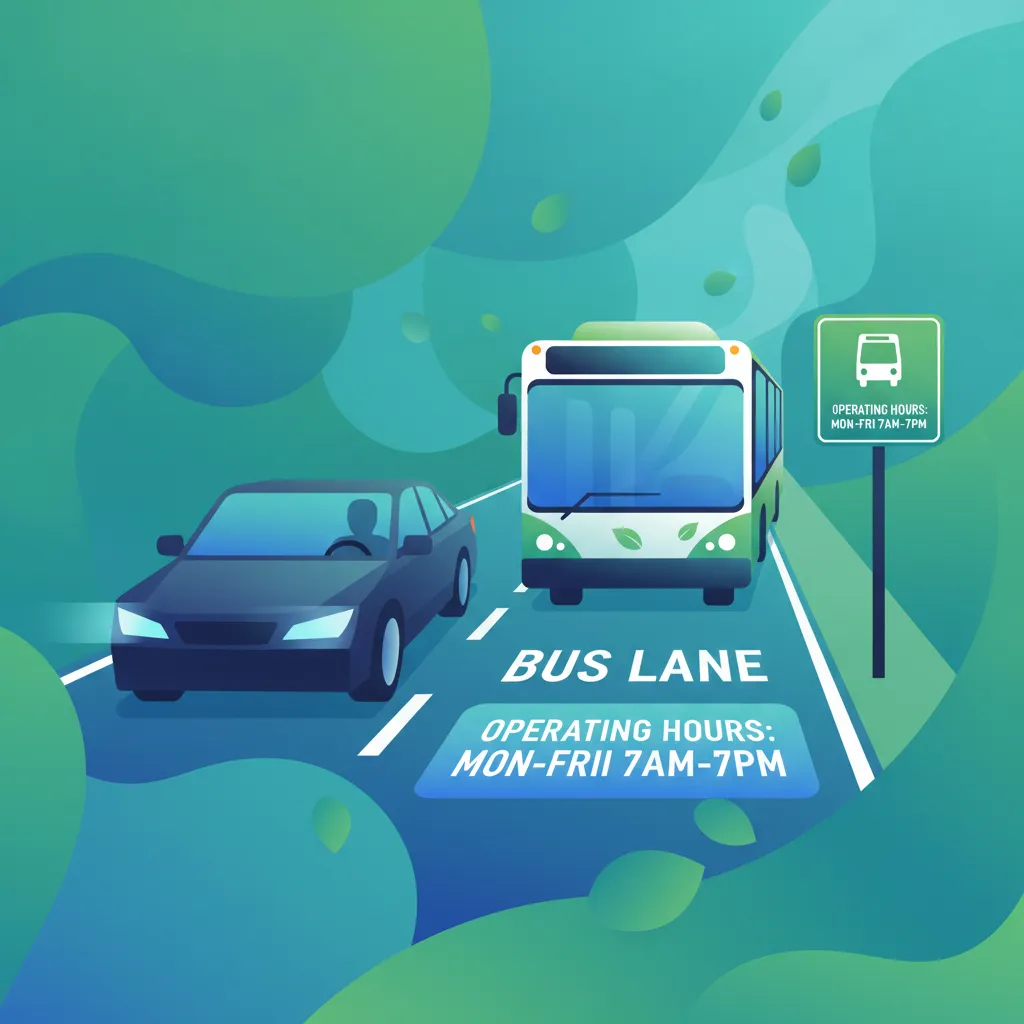
This lesson explores the specifics of bus lane markings, operating times, and priority situations where buses have precedence over other traffic. It emphasizes correct lane discipline, lawful entry and merging practices, and the exemptions granted to designated passenger vehicles. Learners will also understand how bus lane enforcement works and what penalties may be incurred for non-compliance, ensuring safe and efficient movement through urban traffic systems.
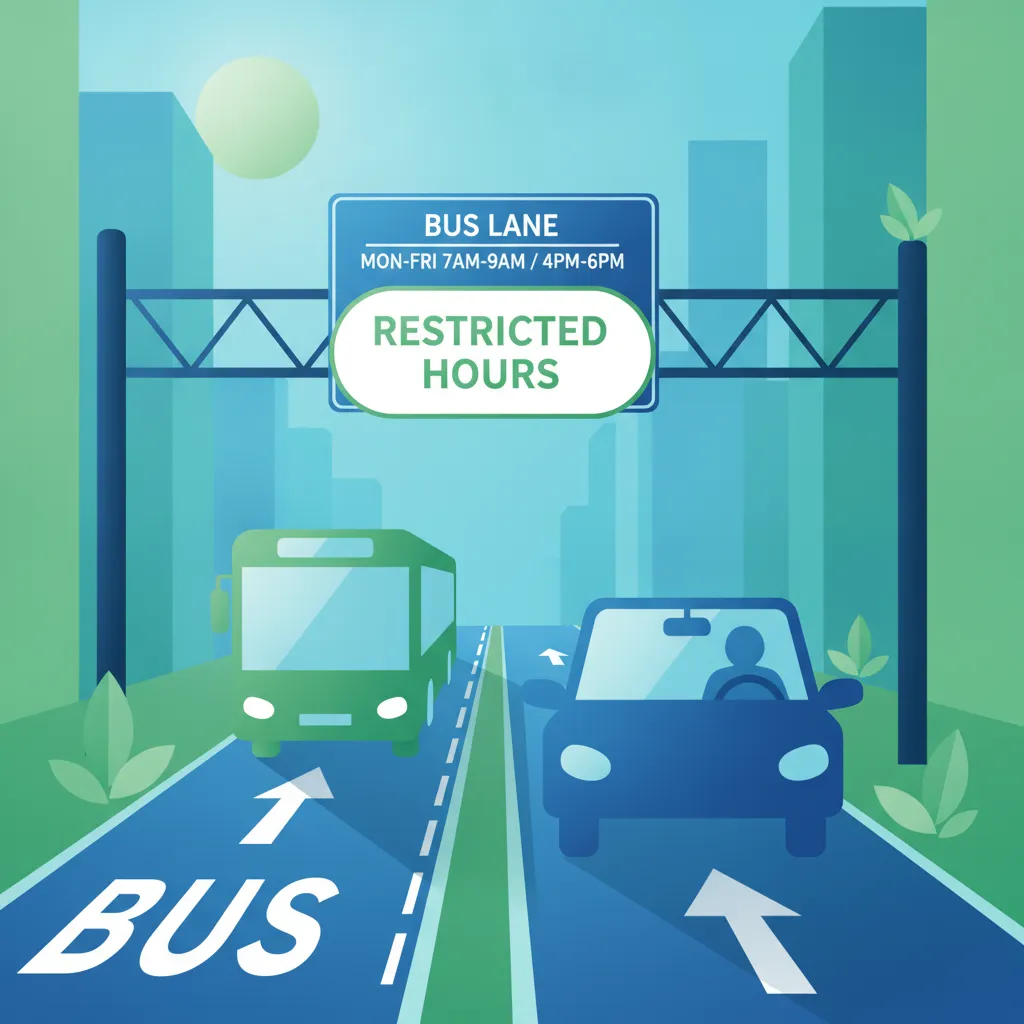
This lesson covers the importance of maintaining correct lane discipline when driving a large passenger vehicle. It details how to position your vehicle safely within a lane on various road types, including multi-lane carriageways and motorways. You will learn the specific rules governing bus lanes, including how to interpret markings, adhere to operating times, and understand the exemptions and penalties associated with their use to ensure legal and efficient driving.

This lesson provides a step-by-step guide to dealing with roundabouts. It covers how to choose the correct lane on approach based on your destination, when and how to signal your intentions, and how to safely enter and exit the roundabout. Emphasis is placed on maintaining good observation and anticipating the actions of other drivers.
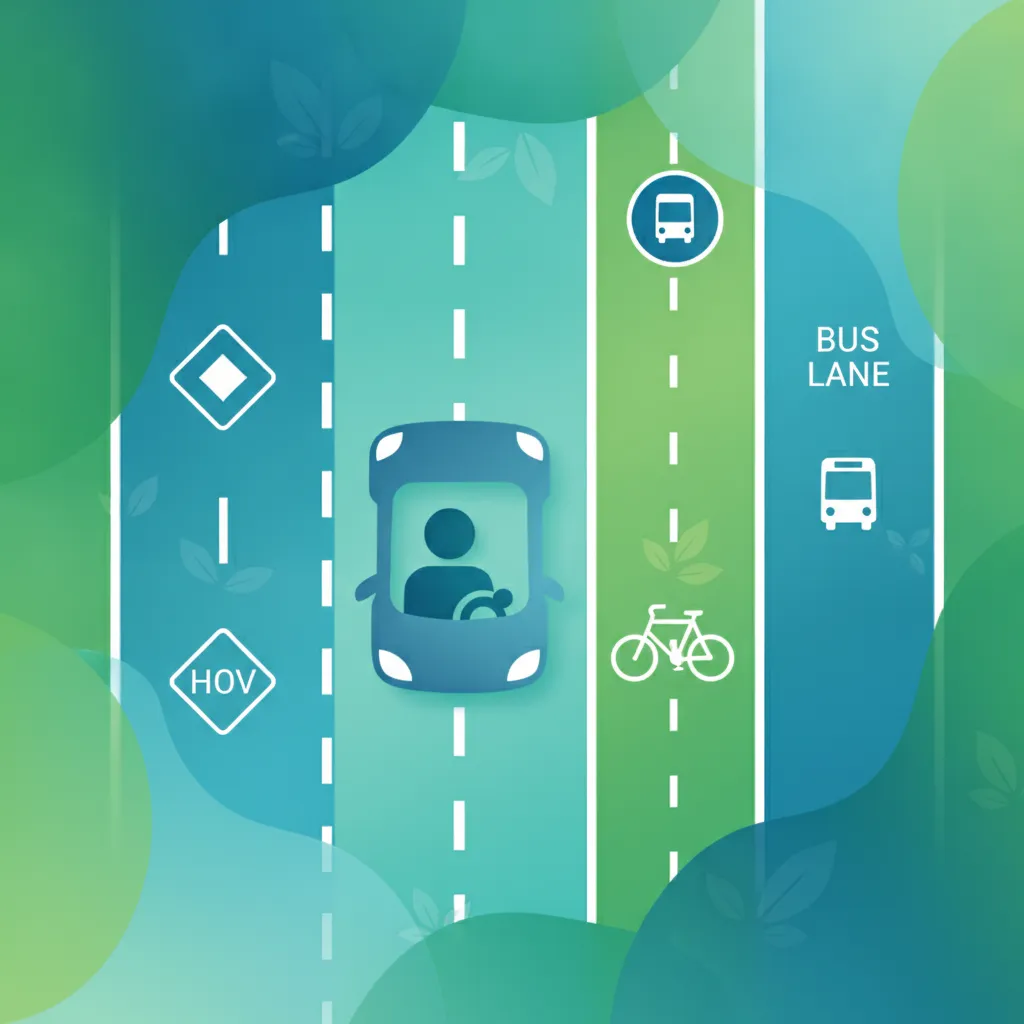
This lesson covers lanes designated for specific types of traffic to improve flow and safety. You will learn to identify mandatory and advisory cycle lanes, and understand the signs indicating the operational hours of bus lanes. The rules governing these lanes are critical for avoiding penalties and ensuring the safety of all road users.
Learn about frequent errors and potential dangers at mini and multi-lane roundabouts. Understand how to avoid collisions and ensure safety according to the Highway Code for AM licence holders.
This lesson explains how to handle mini-roundabouts, which are common in urban and residential areas. The primary rule is to approach with caution and give priority to any traffic approaching from your right. You will also learn about correct signalling and the importance of being aware of cyclists and motorcyclists who may be harder to see.
This lesson tackles the complexities of large roundabouts, which often have multiple lanes and exits. It stresses the importance of reading signs on the approach to select the correct lane for your destination. You will learn about maintaining lane discipline while on the roundabout and signalling correctly as you pass exits and prepare to leave.
This lesson provides a step-by-step guide to dealing with roundabouts. It covers how to choose the correct lane on approach based on your destination, when and how to signal your intentions, and how to safely enter and exit the roundabout. Emphasis is placed on maintaining good observation and anticipating the actions of other drivers.
This lesson addresses the unique challenges of mini-roundabouts and large, multi-lane or spiral roundabouts. You will learn the subtle differences in rules and approach for mini-roundabouts and the importance of strict lane discipline on larger ones. The lesson stresses the need for advanced planning and awareness when navigating these complex junctions.
This lesson teaches the systematic approach to safely navigating junctions, emphasizing the importance of adjusting your speed and position well in advance. You will learn the 'Mirror-Signal-Manoeuvre' routine, how to perform effective all-round observation checks, and when to give way to other traffic. The content focuses on making safe judgments about gaps in traffic, a crucial skill for vulnerable AM riders when turning or emerging from a junction.

This lesson focuses on the markings that control traffic at intersections. It explains the primary rule of a yellow box junction: do not enter unless your exit is clear. You will also learn the difference between the solid white 'Stop' line and the broken 'Give Way' line, which dictate your priority over other traffic.

This lesson explains how to drive safely through areas where roadworks are taking place. It stresses the importance of obeying all temporary signs, especially mandatory speed limits, which are in place for your safety and the safety of road workers. You will learn about navigating narrow lanes, contraflow systems, and how to follow official diversion signs.

This lesson teaches you to interpret warning signs, which are typically triangular and designed to alert you to potential hazards ahead. You will learn the meanings of common signs indicating sharp curves, slippery surfaces, roadworks, or areas with frequent pedestrian or animal crossings. Understanding these signs is crucial for anticipating dangers and adjusting your speed and position defensively, which is especially important for vulnerable riders of AM vehicles.
This lesson details how to safely navigate junctions controlled by traffic signals. It explains the meaning of filter arrows, which allow you to proceed in a specific direction even if the main light is red. You will also learn about respecting advanced stop lines for cyclists and how to approach a junction when the traffic lights are not working.

This lesson prepares you for the challenges of countryside driving. It emphasizes that the national speed limit on these roads is often too fast for the conditions. You will learn how to approach sharp bends, use passing places on single-track roads, and anticipate hazards like slow-moving tractors, horse riders, or mud on the road surface.
Find clear answers to common questions learners have about Mini-Roundabouts and Multi-Lane Roundabouts. Learn how the lesson is structured, which driving theory objectives it supports, and how it fits into the overall learning path of units and curriculum progression in Great Britain. These explanations help you understand key concepts, lesson flow, and exam focused study goals.
No. At mini-roundabouts, just like any other roundabout in Great Britain, you must give priority to traffic approaching from your right unless signs or road markings indicate otherwise.
You must signal left in good time before the exit you intend to take. Ensure you cancel your signal once you have safely left the roundabout so other drivers are not misled.
Changing lanes unexpectedly on a roundabout is extremely dangerous and often causes accidents. Maintaining your lane helps other road users predict your movement, which is especially important for smaller vehicles like mopeds.
While you should avoid it if possible, you may drive over the central marking if your vehicle is too large to navigate around it, but you must still prioritize traffic from the right.
Dive into our comprehensive question bank to find exactly what you need for your Great Britain theory test. Use our advanced filters to pinpoint specific subjects or test your knowledge on challenging areas, ensuring you're fully prepared for success.