
This lesson details the specific speed limits for Category AM vehicles, including mopeds and light quadricycles, across various Great Britain road types. You will learn to interpret road signs and select appropriate speeds for safe, legal riding, building on your understanding of vehicle control from Unit 5.
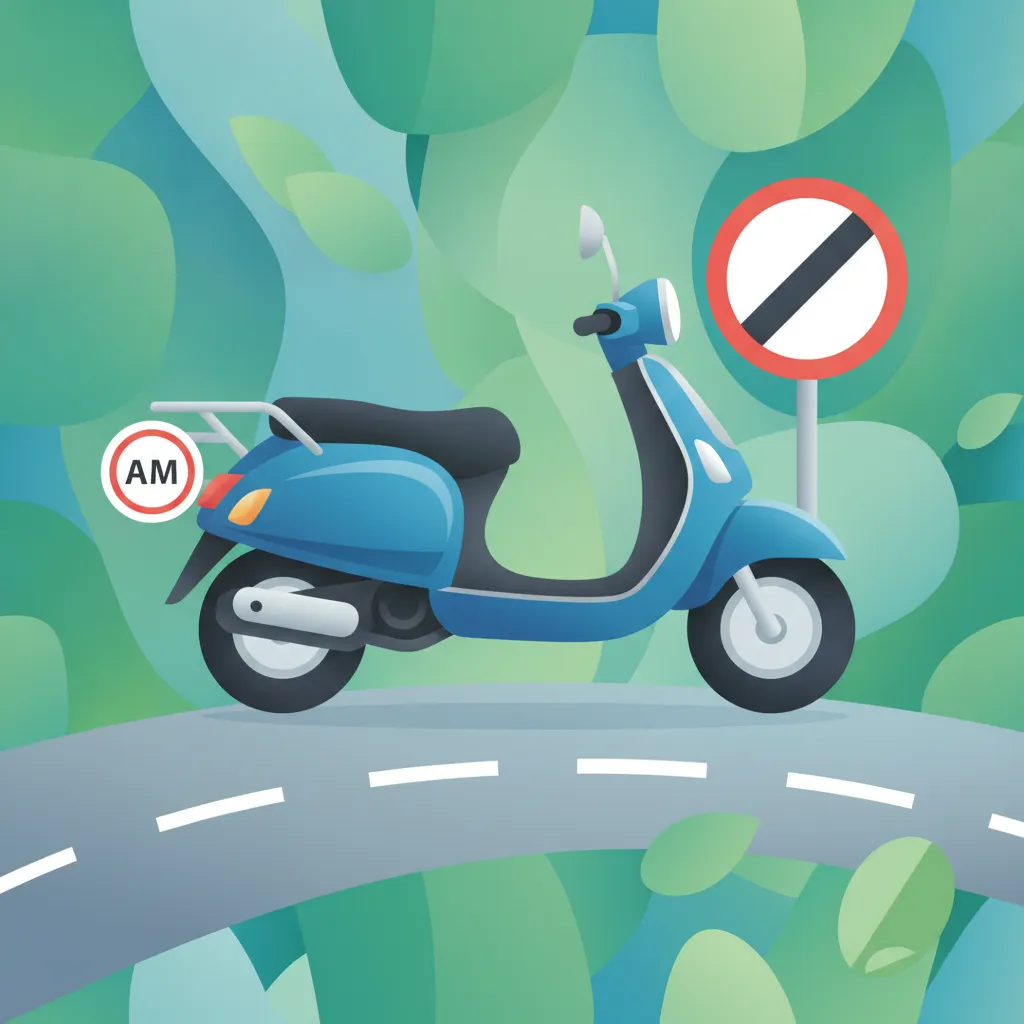
Lesson content overview
Operating a Category AM vehicle, such as a moped or a light quadricycle, on Great Britain's roads requires a thorough understanding of specific speed limits. These limits are not arbitrary; they are set to ensure the safety of all road users, reflecting the unique characteristics and capabilities of these smaller, lower-powered vehicles. This lesson will clarify the statutory speed limits, the concept of the National Speed Limit (NSL) as it applies to AM vehicles, and the critical importance of adapting your speed to prevailing conditions, even if it means travelling well below the maximum limit.
Mastering these regulations and developing effective speed management skills are fundamental for legal compliance, preventing accidents, and ensuring your personal safety on the road. Remember, every speed limit posted is a maximum, not a target. Your primary responsibility is always to ride at a speed that is safe for the current circumstances.
To ride a moped or light quadricycle safely and legally, you must grasp several key principles that govern your speed choices. These principles combine legal requirements with common-sense road safety.
The highest speed at which a vehicle is legally permitted to travel on a particular stretch of road. Exceeding this limit is a criminal offence.
A speed limit clearly displayed on a physical road sign. These signs often show a numerical value within a red circle.
The default maximum speed allowed on roads where no specific speed limit signs are posted, varying based on the type of road (e.g., single carriageway, dual carriageway, motorway) and the vehicle category. For AM vehicles, these limits are distinct from those for cars.
The speed a rider should actually travel at, given the current conditions such as weather, traffic, road surface, and visibility. This speed may often be lower than the posted maximum speed limit.
The continuous process of adjusting your speed to match the evolving road environment, traffic flow, weather conditions, your vehicle's state, and your own riding competence.
These principles work together to guide your riding decisions. While legal compliance with posted and national speed limits is non-negotiable, safety always dictates that your actual speed should be adjusted downwards if conditions are anything less than ideal.
Category AM vehicles, encompassing mopeds and light quadricycles, have specific legal speed limits that apply across different road types in England, Scotland, and Wales. These are often lower than the limits for cars and motorcycles, reflecting their engine size and design characteristics.
In most built-up areas, the default speed limit is 30 miles per hour (mph) unless otherwise indicated by specific signage. A built-up area is typically identifiable by the presence of street lighting placed at regular intervals, usually no more than 185 metres (200 yards) apart.
This 30 mph limit is crucial for safety where pedestrians, cyclists, and other vulnerable road users are more common. It provides drivers with more time to react to hazards and reduces the severity of potential collisions. Even if your moped can go faster, you must not exceed 30 mph in these zones. Local authorities can also implement 20 mph zones or limits in built-up areas, often near schools or residential streets, which must always be obeyed if signposted.
Outside of built-up areas, on single carriageway roads where no specific speed limit signs are posted, the National Speed Limit (NSL) for Category AM vehicles is 30 mph. This is a common point of confusion, as the NSL for cars on the same type of road is 60 mph.
You must be vigilant for "national speed limit" signs, which are circular with a white background and a single black diagonal stripe. However, for AM vehicles, this sign on a single carriageway means you cannot exceed 30 mph. This limit acknowledges the lower power and lighter build of mopeds and light quadricycles, which can make them more susceptible to adverse road conditions and less stable at higher speeds.
When riding on a dual carriageway outside of a built-up area where no specific speed limit signs are displayed, the NSL for Category AM vehicles is 50 mph. Again, this differs from the 70 mph limit typically allowed for cars and motorcycles on dual carriageways.
Dual carriageways are roads with a central reservation separating opposing flows of traffic, which generally allows for smoother, faster traffic flow. However, the 50 mph limit for AM vehicles ensures that mopeds and light quadricycles can maintain a safer speed relative to other vehicles, while also acknowledging their limited acceleration and braking capabilities compared to larger vehicles. Always check for specific posted speed limits, as these will always override the NSL.
Category AM vehicles are permitted to use motorways, but with specific conditions and speed limits. The National Speed Limit for AM vehicles on motorways is 60 mph, provided that the vehicle is capable of safely achieving and maintaining this speed.
This condition is crucial. Many mopeds and light quadricycles have a top design speed of around 45 km/h (approximately 28 mph), making them unsuitable for motorways where traffic typically flows at much higher speeds. Attempting to ride a vehicle incapable of maintaining 60 mph on a motorway would create a significant hazard due to the large speed differential with other traffic. If your AM vehicle cannot safely maintain 60 mph, you should avoid motorways and plan an alternative route using A-roads or other suitable roads.
Do not use a motorway if your Category AM vehicle cannot comfortably maintain a speed of at least 60 mph. Creating a significant speed differential with faster traffic poses a severe danger to yourself and other road users.
Understanding statutory speed limits is only part of responsible riding. A truly safe rider always considers the "maximum safe speed" – the speed at which they can safely control their vehicle and react to hazards, which may be significantly lower than the legal maximum.
The Highway Code explicitly states that "driving too fast for the conditions may be an offence," even if you are technically below the posted speed limit. This principle encourages defensive driving and continuous risk assessment. For example, travelling at 30 mph in a built-up area might be legal on a clear, dry day, but it could be dangerously fast during heavy rain, thick fog, or when approaching a busy school at closing time.
The maximum safe speed depends on a multitude of factors that demand constant vigilance and adaptation.
Safe speed management for AM vehicle riders involves constant adaptation to external factors. Your speed should never be static; it must change dynamically as conditions around you evolve.
Adverse weather conditions significantly impact your ability to see, steer, and stop, necessitating a reduction in speed.
Temporary speed limits are frequently implemented for specific reasons and override any permanent posted limits or the NSL.
Always assume temporary speed limits are legally binding. Ignoring them not only puts you and others at risk but also results in penalties.
Your vehicle's condition and how it is loaded also influence the appropriate safe speed.
Exceeding a posted or national speed limit is a serious legal offence in Great Britain. The consequences can include:
Beyond formal penalties, driving or riding at an inappropriate speed for the conditions can be considered "careless driving" or "dangerous driving" under the Road Traffic Act 1988, even if you are not exceeding the posted limit. If an accident occurs and it is determined that your speed was unsafe for the conditions, you could face severe legal repercussions, regardless of the speed limit.
Understanding the physics of speed is vital:
Mastering speed limits and practicing speed adaptation are cornerstones of safe riding for your Great Britain AM Licence.
By diligently applying these principles, you will not only comply with the law but also significantly enhance your safety and the safety of others on Great Britain's roads.
Explore all units and lessons included in this driving theory course.
Lesson content overview
Explore all units and lessons included in this driving theory course.
Explore search topics learners often look for when studying Speed Limits Specific to AM Vehicles. These topics reflect common questions about road rules, driving situations, safety guidance, and lesson level theory preparation for learners in Great Britain.
Browse additional driving theory lessons that cover connected traffic rules, road signs, and common driving situations related to this topic. Improve your understanding of how different rules interact across everyday traffic scenarios.
Learn how to adjust your speed safely for AM vehicles based on weather, traffic, and road conditions in Great Britain. Understand hazard perception and choose a maximum safe speed appropriate for the circumstances.
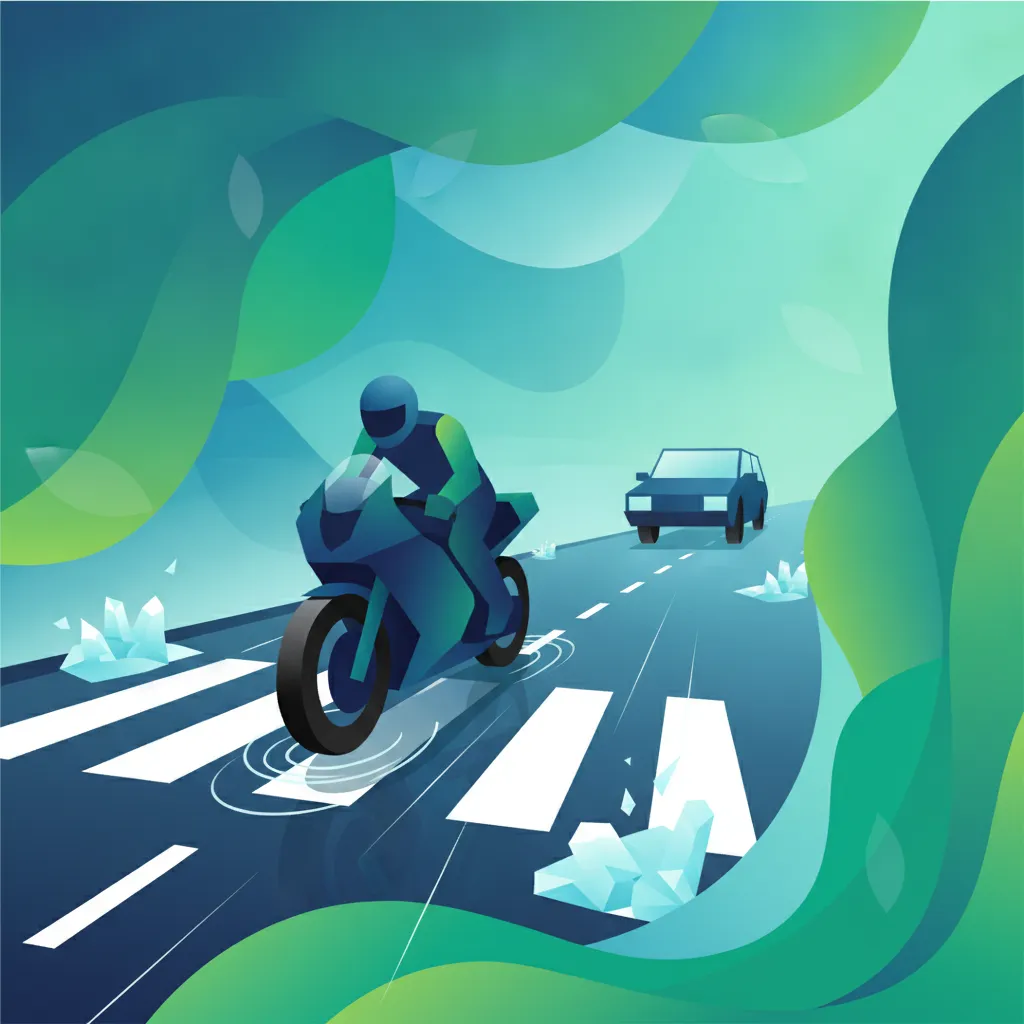
This lesson provides essential advice for riding safely in adverse weather conditions that reduce tyre grip. You will learn how rain, ice, and wet leaves dramatically increase braking distances and affect handling. Key strategies covered include reducing speed, increasing following distances, making smooth control inputs, and anticipating slippery areas to maintain control and avoid skidding on compromised road surfaces.
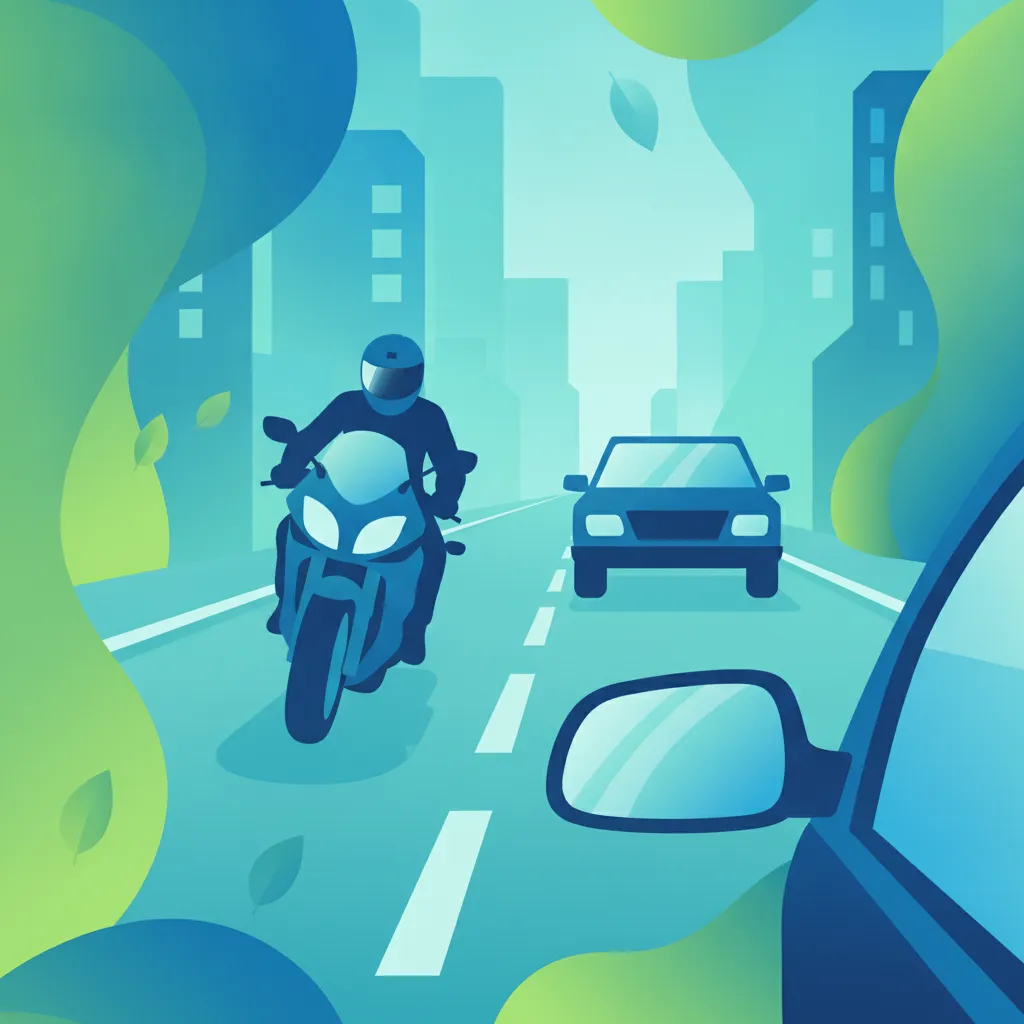
This lesson teaches strategic road positioning techniques to maximize your visibility and safety in traffic. You will learn how to choose the correct lane position to avoid the blind spots of larger vehicles and how to communicate your intentions through predictable riding. Key skills covered include effective use of shoulder checks, making eye contact with drivers, and maintaining a safe following distance, all of which are crucial for defensive riding on British roads.

This lesson focuses on the challenges of riding when you can't see or be seen clearly. It covers the correct use of lights in fog, rain, and at night to maximize both your vision and your visibility to others. You will learn why reducing speed is critical, how to use reflective clothing effectively, and strategies for dealing with the glare from other vehicles' headlights to ensure you can navigate safely in all lighting conditions.
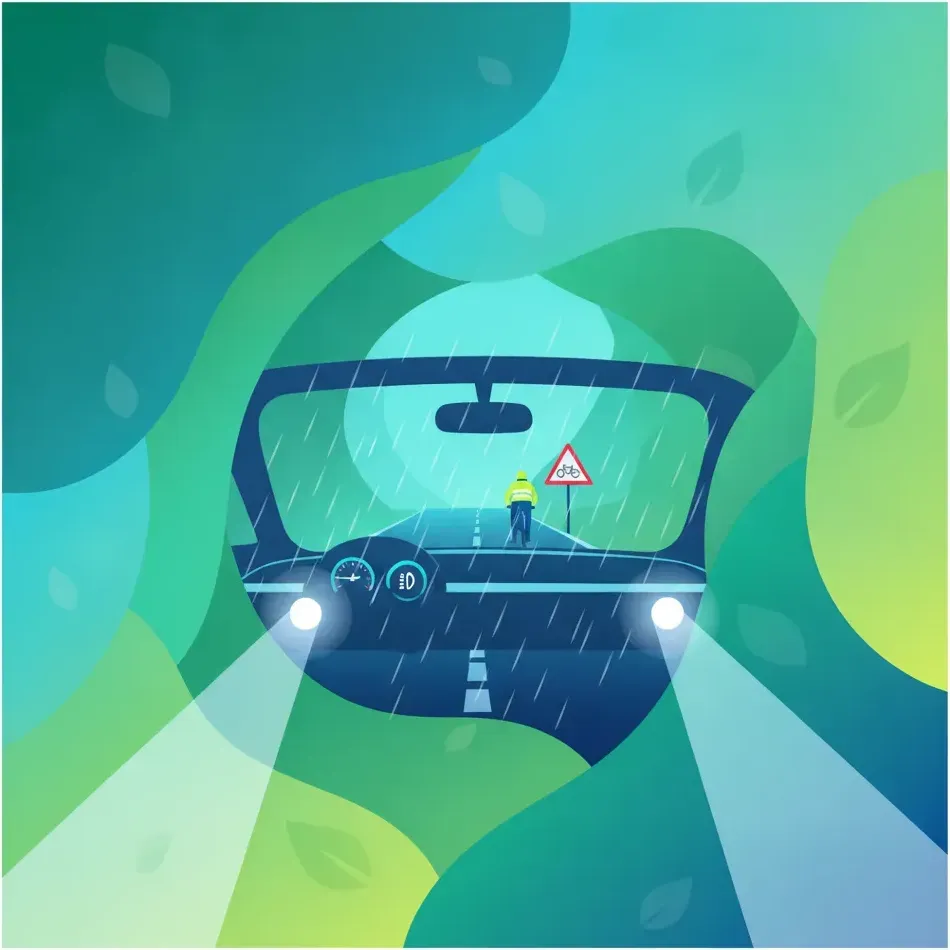
This lesson details the legal requirements and best practices for using lights and reflectors on your moped or light quadricycle. It covers the correct operation of headlamps, daytime running lights, brake lights, and indicators to communicate your intentions clearly to other road users. You will also learn how to enhance your visibility further with strategically placed reflectors and reflective tape, ensuring you remain conspicuous in low-light conditions and compliant with British lighting regulations.

This lesson provides essential techniques for safe riding during nighttime and in poor visibility conditions like dawn or dusk. It covers the correct use of your headlamp's main and dipped beams, strategies for reducing glare from oncoming traffic, and the critical role of reflective clothing. You will also learn how to identify common nighttime hazards and manage fatigue, ensuring you can navigate British roads safely after dark while complying with all relevant road rules.
This lesson focuses on developing advanced hazard perception skills and using them to manage your speed proactively. You will learn to constantly scan the road for potential dangers, anticipate the actions of other road users, and adjust your speed to give yourself more time to react. This defensive approach to speed management is fundamental to staying safe and avoiding emergency situations while riding in complex traffic environments.

This lesson provides essential advice for driving when weather conditions are poor. It explains how rain can cause aquaplaning and why you must double your following distance. You will also learn techniques for driving in icy conditions, including gentle use of controls to avoid skidding, and the correct use of lights in fog.
This lesson teaches riders how to be constantly aware of blind spots to prevent collisions. You will learn the importance of the 'lifesaver' shoulder check before changing position, turning, or moving off. The content emphasizes active visual scanning of the road ahead and around you, along with developing the judgment needed to accurately assess traffic speed and create safe gaps for maneuvering in various traffic situations.
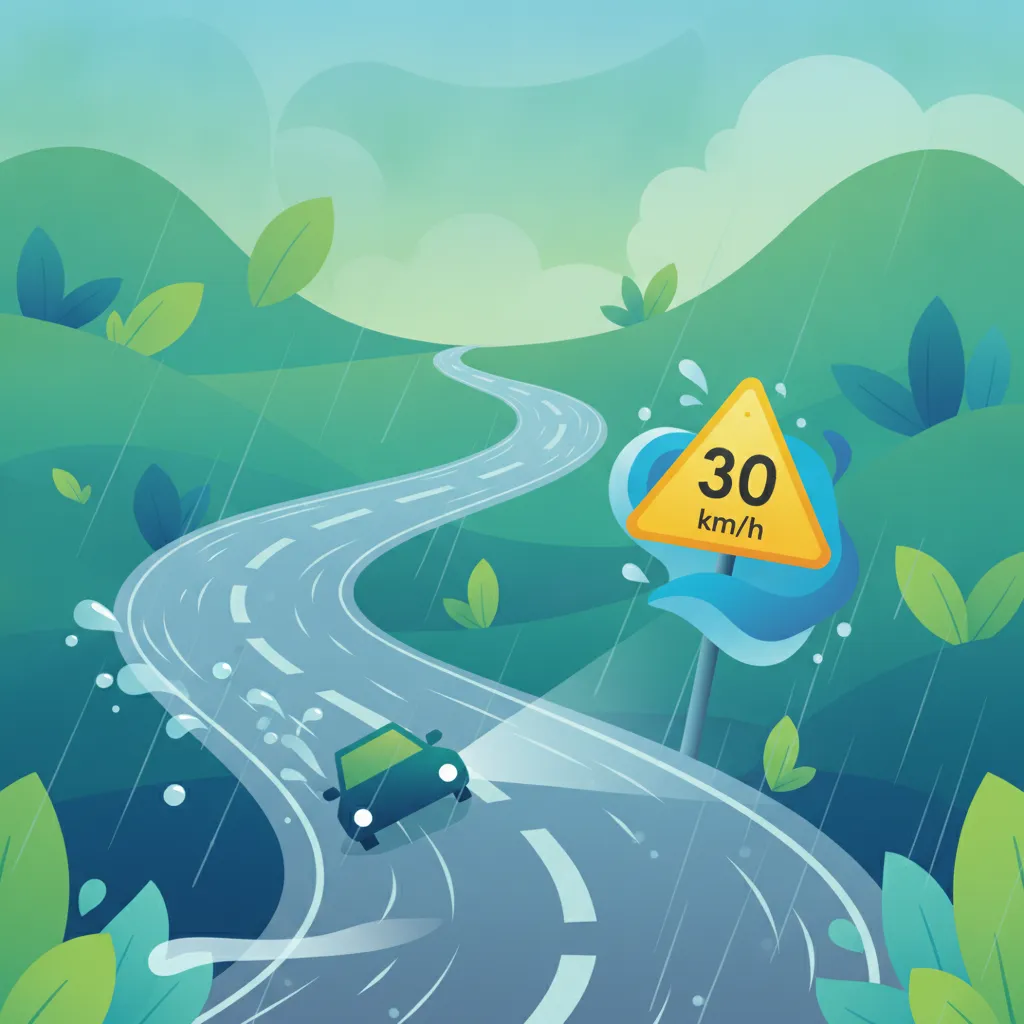
This lesson explains that safe driving often requires travelling at a speed lower than the legal limit. It covers how to adjust your speed for adverse conditions such as rain, which can double your stopping distance, or fog, which severely reduces visibility. The goal is to always be able to stop safely in the distance you can see to be clear.
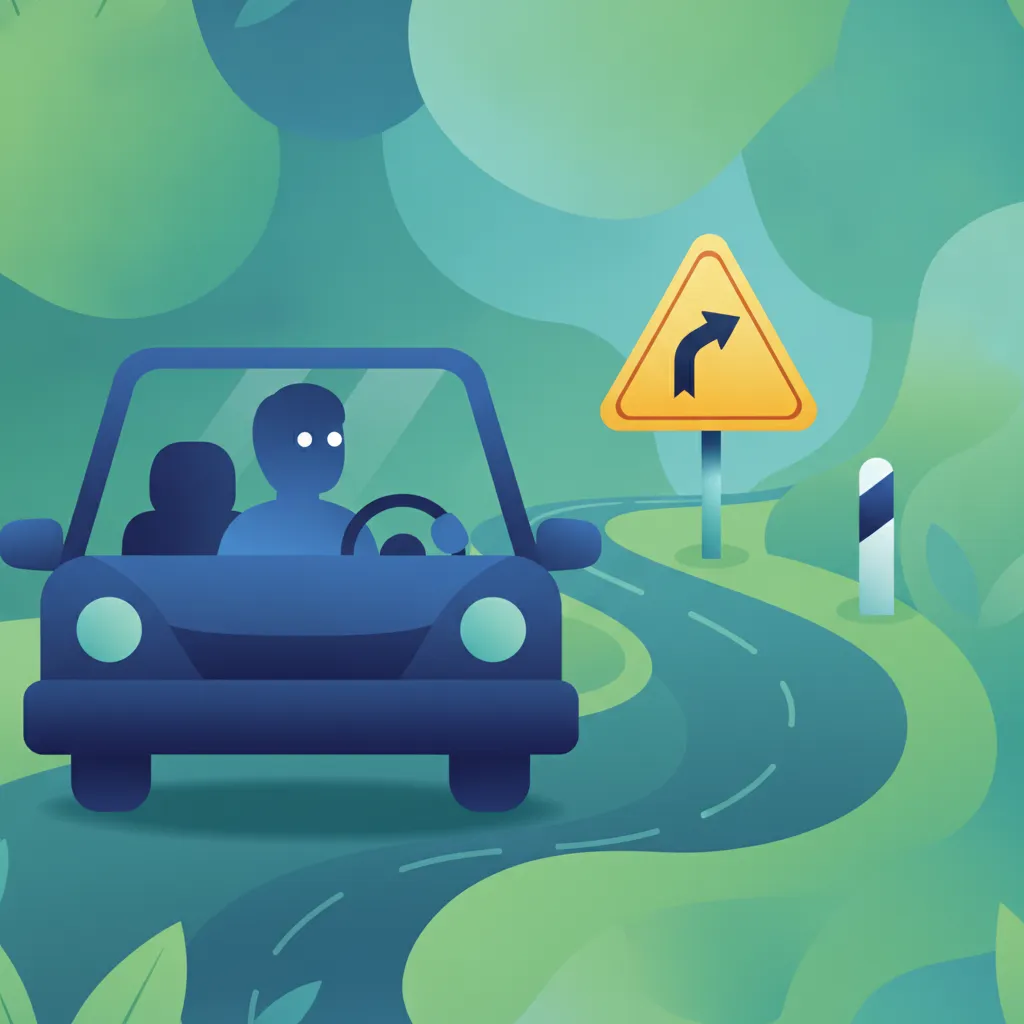
This lesson teaches you to interpret warning signs, which are typically triangular and designed to alert you to potential hazards ahead. You will learn the meanings of common signs indicating sharp curves, slippery surfaces, roadworks, or areas with frequent pedestrian or animal crossings. Understanding these signs is crucial for anticipating dangers and adjusting your speed and position defensively, which is especially important for vulnerable riders of AM vehicles.
Understand the specific national speed limits for AM vehicles on different UK roads and how they compare to posted limits. Learn the legal requirements and safe speed choices for mopeds and light quadricycles in Great Britain.
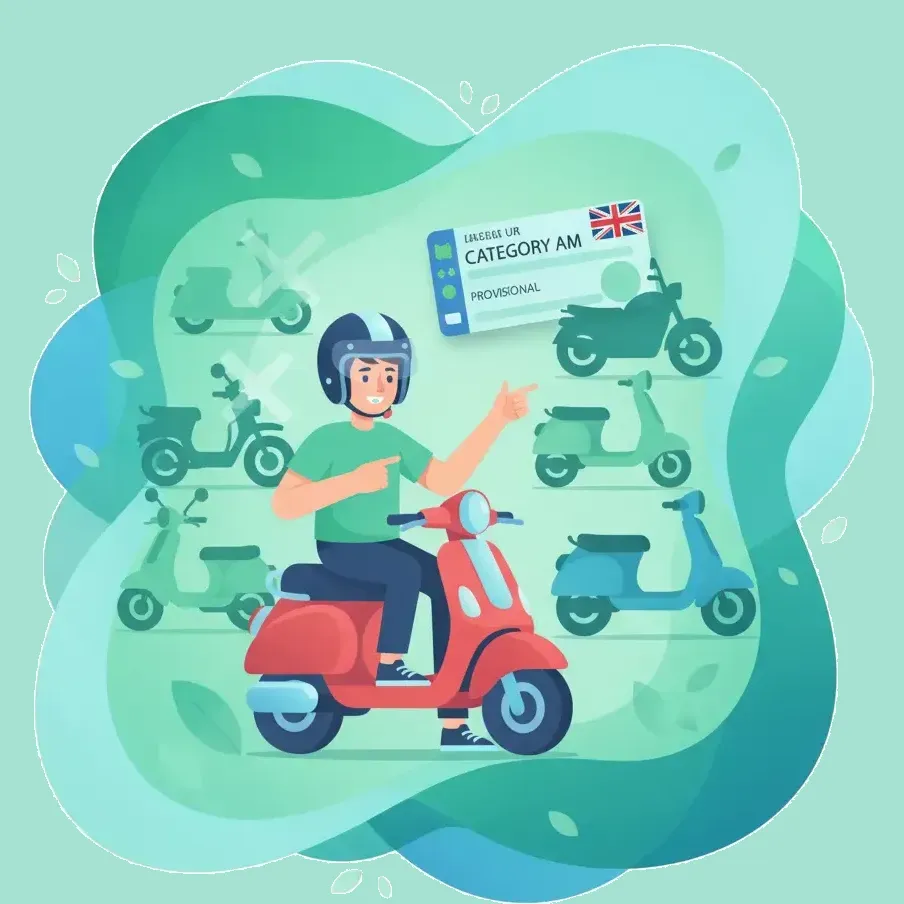
This lesson provides a detailed definition of Category AM, specifying the types of vehicles it covers, including mopeds and light quadricycles. It clarifies the legal technical specifications, such as maximum engine size and speed caps, that define these vehicles in Great Britain. You will learn about the key differences between two- and three-wheeled options and understand how these classifications are crucial for legal compliance, road safety, and passing the theory test.
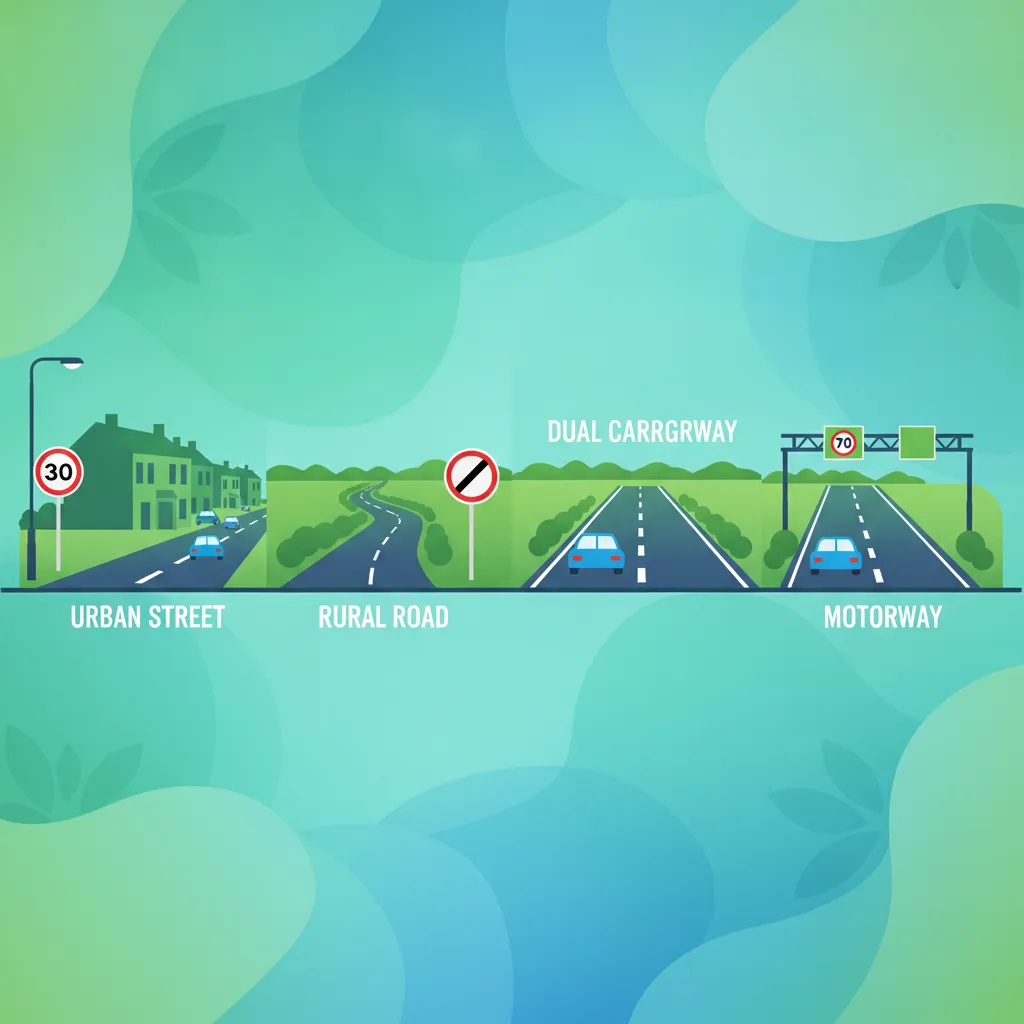
This lesson details the default speed limits for cars in Great Britain. You will learn the 30 mph limit for built-up areas, 60 mph on single carriageways, and 70 mph on dual carriageways and motorways. It also covers how to identify these roads and the importance of looking for signs indicating a different limit is in force.
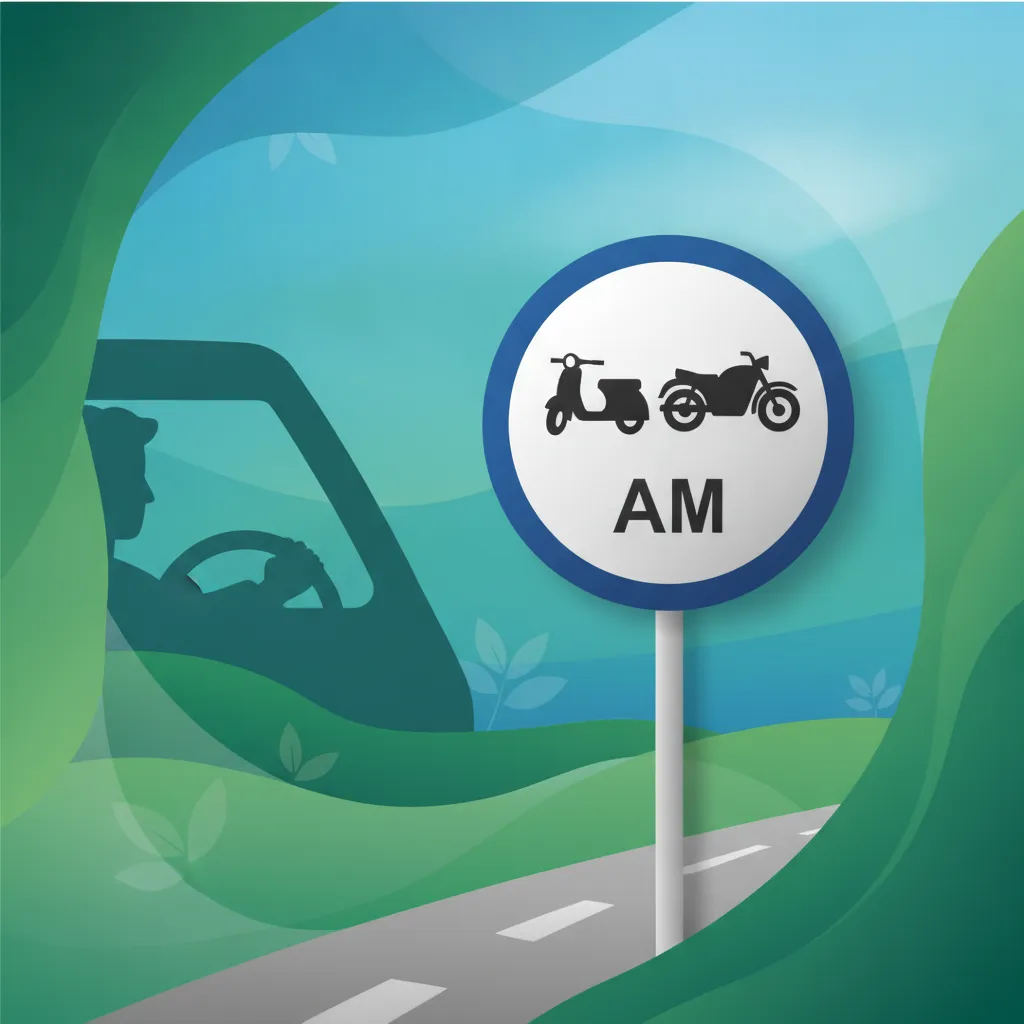
This lesson focuses on regulatory road signs, which convey legally enforceable instructions that all road users must follow. You will learn to identify and understand signs dictating speed limits, prohibited actions like 'no entry' or 'no overtaking', and mandatory directions at junctions. The content explains the distinct shapes and colours used for these signs, ensuring you can comply with their instructions correctly and avoid penalties while riding your AM vehicle.
This lesson details the legal requirements and best practices for using lights and reflectors on your moped or light quadricycle. It covers the correct operation of headlamps, daytime running lights, brake lights, and indicators to communicate your intentions clearly to other road users. You will also learn how to enhance your visibility further with strategically placed reflectors and reflective tape, ensuring you remain conspicuous in low-light conditions and compliant with British lighting regulations.
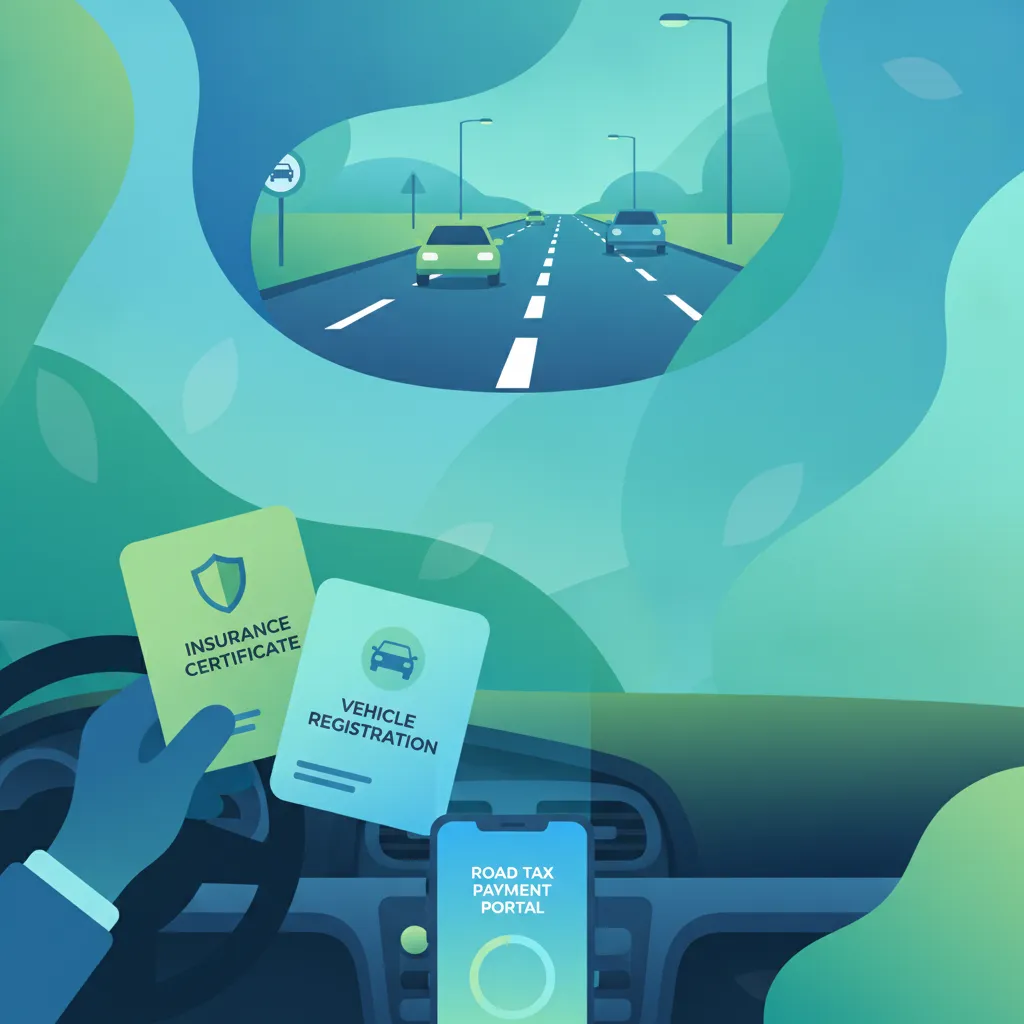
This lesson guides you through the compulsory insurance and tax obligations for Category AM vehicles in Great Britain. It differentiates between third-party and comprehensive insurance policies and explains the legal necessity of each. Furthermore, it details the process for vehicle tax and registration, highlighting the severe consequences of non-compliance, which can include fines, penalty points, and even vehicle seizure, ensuring you understand how to keep your vehicle road-legal.
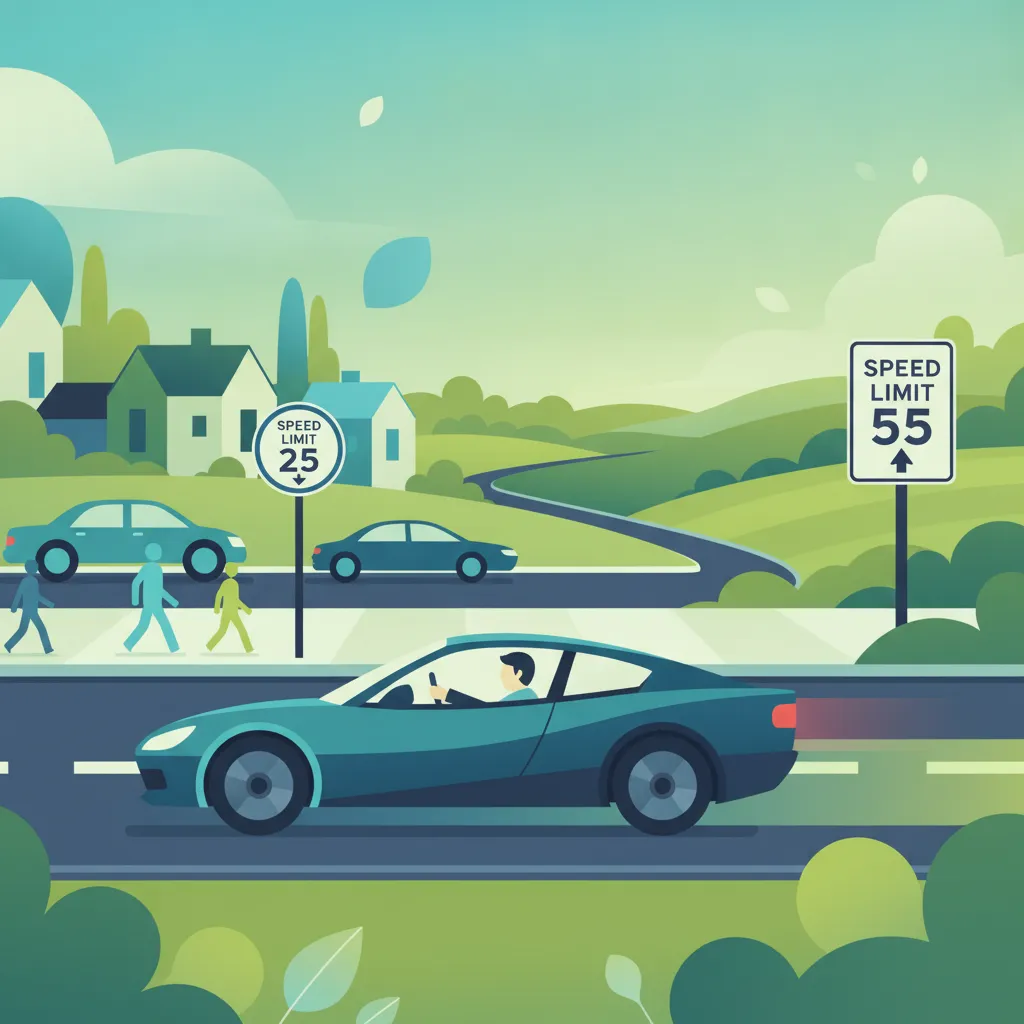
This lesson details speed management techniques applicable to urban, rural, and motorway environments, focusing on compliance with legal speed limits and developing appropriate speed perception. It covers strategies for monitoring speed and adjusting for road conditions, traffic density, and overall passenger safety. The lesson also reviews enforcement mechanisms and emphasizes the importance of speed compliance for accident avoidance and regulatory adherence, a critical skill for all professional drivers.
This lesson focuses on the regulations and best practices for driving a bus or coach on motorways. It details the specific speed limits applicable to PCVs and reinforces strict lane discipline. The content covers the correct procedures for safely joining from a slip road, overtaking other vehicles, and exiting the motorway. It also explains the features of smart motorways and the correct safety procedures to follow in the event of a breakdown, including the use of the hard shoulder.
This lesson teaches strategic road positioning techniques to maximize your visibility and safety in traffic. You will learn how to choose the correct lane position to avoid the blind spots of larger vehicles and how to communicate your intentions through predictable riding. Key skills covered include effective use of shoulder checks, making eye contact with drivers, and maintaining a safe following distance, all of which are crucial for defensive riding on British roads.
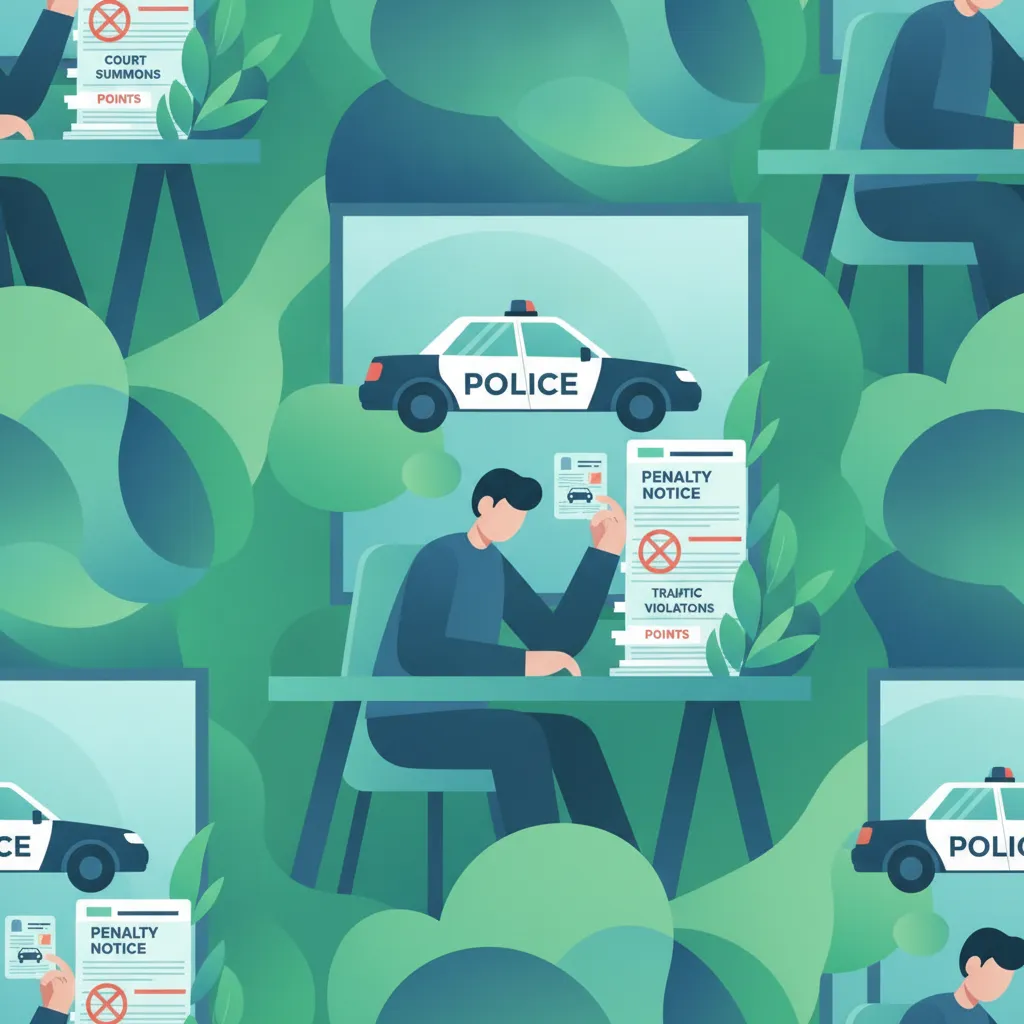
This lesson explains the legal consequences of committing traffic offences in Great Britain. It details the penalty points system, explaining how points are issued for various offences like speeding or using a mobile phone, and the thresholds that can lead to a driving ban. Understanding these penalties, fines, and potential licence revocation reinforces the importance of consistent, lawful riding and helps you appreciate the value of a clean driving record.
This lesson focuses on the challenges of riding when you can't see or be seen clearly. It covers the correct use of lights in fog, rain, and at night to maximize both your vision and your visibility to others. You will learn why reducing speed is critical, how to use reflective clothing effectively, and strategies for dealing with the glare from other vehicles' headlights to ensure you can navigate safely in all lighting conditions.
Find clear answers to common questions learners have about Speed Limits Specific to AM Vehicles. Learn how the lesson is structured, which driving theory objectives it supports, and how it fits into the overall learning path of units and curriculum progression in Great Britain. These explanations help you understand key concepts, lesson flow, and exam focused study goals.
No. While you are subject to the same general speed limits as other vehicles, you must always adhere to the maximum design speed of your vehicle. Importantly, learners and riders of Category AM mopeds are legally prohibited from riding on motorways.
Yes, on most roads, the posted speed limit signs (such as 30 mph or 60 mph) apply to all vehicles, including mopeds. However, your vehicle's specific performance limitations mean you must always ride at a speed that is safe for the conditions, regardless of the maximum limit.
Exceeding the speed limit is a legal offence. In the context of your theory test, you must show you understand that speed limits are legal maximums, not targets. Penalties include points on your licence and potential disqualification, which is especially severe for new riders under the New Drivers Act.
In built-up areas, if there are street lights and no speed limit signs, the limit is typically 30 mph. On national speed limit roads, different rules apply for single and dual carriageways. Always look for repeater signs to confirm the limit.
Dive into our comprehensive question bank to find exactly what you need for your Great Britain theory test. Use our advanced filters to pinpoint specific subjects or test your knowledge on challenging areas, ensuring you're fully prepared for success.