
This lesson explores the vital techniques for maintaining control of your moped or light quadricycle when road conditions become challenging due to weather. By understanding how rain, ice, and surface grip affect your vehicle, you will build the defensive riding skills needed to stay safe and pass your Category AM theory test.
Lesson content overview
Riding a moped or light quadricycle in adverse weather conditions presents significant challenges, primarily due to reduced tyre grip. This lesson provides essential knowledge and strategies to ensure your safety and maintain control when faced with wet, slippery, or icy roads. Understanding how various factors affect your vehicle's interaction with the road surface is crucial for both passing your Great Britain Category AM theory test and safe riding in the real world.
Our focus is on the physics of tyre-road interaction and how it deteriorates when moisture, ice, oil, or leaves are present, leading to a reduction in friction. This necessitates adapting your speed, increasing following distances, and making smooth, precise control inputs. Mastery of these concepts is vital to prevent skidding, aquaplaning, and potential collisions.
The ability of your vehicle's tyres to grip the road surface is fundamental to safe riding. This grip, or traction, is determined by the coefficient of friction (μ) between the tyre and the road. In dry, ideal conditions, this coefficient is relatively high, allowing for effective braking, acceleration, and cornering. However, adverse weather drastically reduces this friction, making driving significantly more challenging.
When water, ice, oil, or other contaminants are present on the road, they act as a lubricant, dramatically lowering the friction coefficient. For example, dry asphalt might have a friction coefficient of around 0.7, whereas wet asphalt can drop to about 0.5, and ice can be as low as 0.1 to 0.2. This reduction in friction has direct and severe consequences:
Aquaplaning, also known as hydroplaning, is a particularly dangerous condition that occurs on wet roads. It happens when a layer of water builds up between your tyres and the road surface, causing the tyre to lose contact with the road and ride on top of the water layer.
When aquaplaning occurs, you lose the ability to steer, brake, or accelerate effectively. The vehicle essentially floats uncontrollably. While commonly associated with high speeds, aquaplaning can occur at lower speeds if the water is deep enough and tyre tread depth is insufficient. The depth of the water, the speed of the vehicle, and the condition of the tyres (especially tread depth) are key factors. Mopeds, with their smaller contact patches and lighter weight, can be particularly susceptible to aquaplaning, even at moderate speeds, if not ridden cautiously.
Mopeds and light quadricycles, while agile, possess inherent characteristics that make them more susceptible to instability and loss of control in low-grip conditions compared to larger, heavier vehicles.
These factors underscore the heightened caution required by AM licence holders when riding in wet, slippery, or icy conditions.
Adapting your riding style is not just recommended; it's a critical safety measure when facing adverse road conditions. The fundamental principle is to operate all controls with utmost smoothness and to allow significantly more time and space for all manoeuvres.
The most crucial adjustment you can make in wet, slippery, or icy conditions is to reduce your speed. This directly correlates with the ability to maintain control and stop safely. Lower speeds give your tyres more time to disperse water, reducing the risk of aquaplaning, and provide a larger margin for error if you encounter an unexpected patch of reduced grip.
On wet roads, aim to reduce your speed by at least 15-20% compared to dry conditions, and even more drastically (e.g., halving your speed) on icy or snow-covered surfaces. Remember that speed limits are maximums for ideal conditions, not targets for every situation.
Because reduced grip increases braking distances, it is imperative to increase your following distance from the vehicle ahead. The Highway Code recommends a minimum "two-second rule" in dry conditions; this should be significantly extended in adverse weather.
To gauge your following distance, choose a fixed point like a road sign or bridge. When the vehicle in front passes that point, start counting "one thousand and one, one thousand and two..." You should not reach the same point until you have counted the appropriate number of seconds.
Maintaining traction is key, and this is achieved through smooth, progressive control inputs. Sudden movements are far more likely to cause a skid when grip is compromised.
Braking: Apply brakes gently and progressively. Avoid sudden, harsh braking, which can lock up your wheels and lead to a skid. Use both front and rear brakes (if applicable) with caution, gradually increasing pressure. On mopeds, the front brake is generally more powerful, but the rear brake can help stabilise the vehicle if applied smoothly first.
Accelerating: Ease off the throttle smoothly and avoid rapid acceleration. Sudden bursts of power can cause the drive wheel to spin, leading to a loss of control. Use higher gears if possible to reduce the torque applied to the driving wheel, especially on icy surfaces.
Steering: Make steering adjustments gently and gradually. Sharp, sudden turns can overwhelm the limited lateral grip, causing the vehicle to slide. Plan your turns well in advance and initiate them with smooth, controlled movements.
Beyond general wet roads, certain conditions pose even greater threats to tyre grip and require specific cautionary measures. Anticipation and early detection of these hazards are vital for safe riding.
Black ice is one of the most treacherous hazards because it is virtually invisible. It is a thin, clear layer of ice that forms on the road surface, often appearing as a wet patch, reflecting the dark road underneath. It typically forms when temperatures are at or just below freezing, especially in shaded areas, on bridges, and underpasses where cold air can circulate both above and below the road surface.
If you encounter black ice, avoid sudden braking or steering. Try to keep your steering straight, ease off the throttle gently, and allow the vehicle to roll over the patch. If you must brake, do so with extreme gentleness.
Autumn brings fallen leaves, which become incredibly slippery when wet. They can obscure potholes and other hazards, and when compressed by traffic, they form a slick, greasy layer that drastically reduces grip.
Other debris like mud, gravel, or sand can also reduce grip, so always assess the road surface ahead.
Oil spills, especially when mixed with rain, create an extremely slick surface. These are common near junctions, roundabouts, and parking areas where vehicles may leak fluids. Look for rainbow-coloured sheen on wet surfaces as an indicator of oil.
Painted road markings (such as white lines, arrows, or zebra crossings) also become very slippery when wet. The paint has a different texture than asphalt and offers significantly less grip. Always exercise extra caution when riding over painted surfaces, especially when braking or cornering. Try to minimise the time your tyres spend on them.
Riders of mopeds and light quadricycles in Great Britain are legally obliged to adjust their riding behaviour to suit prevailing conditions. The Highway Code and other regulations provide specific guidance and mandatory rules to ensure safety.
Several Highway Code rules directly address safe riding in adverse weather:
Adequate tyre tread depth is not just a recommendation; it's a legal requirement under the Road Vehicles (Construction and Use) Regulations 1986.
Visibility is another critical factor in adverse weather. Even if grip is your primary concern, being seen by others and seeing the road surface yourself is equally important.
Understanding the common pitfalls associated with riding in adverse conditions can help you proactively avoid dangerous situations. Many incidents stem from a failure to adequately adjust riding behaviour.
Safe riding in adverse weather is not a one-size-fits-all approach. Your strategy needs to be dynamic, adapting to the specific type of weather, the road you are on, your vehicle's condition, and the presence of other road users.
Understanding the direct links between your actions (or inactions) and their outcomes in adverse conditions is fundamental to developing safe riding habits.
| Condition Followed | Expected Outcome |
|---|---|
| Speed reduced appropriately | Braking distances stay within control; aquaplaning risk minimised. |
| Following distance increased | Sufficient reaction and braking time; reduces rear-end collisions. |
| Smooth, progressive control inputs | Maintains tyre grip; prevents skids and loss of steering. |
| Tyre tread depth maintained | Better water evacuation; reduced aquaplaning risk. |
| Headlights used in reduced visibility | Improves own visibility and signals presence to others; reduces collision risk. |
| Failure to adjust speed | Increased stopping distance leads to collisions or loss of control. |
| Hard braking on wet surface | Wheel lock-up, loss of steering, possible crash. |
| Riding through an oil patch at high speed | Sudden friction drop causes skidding; possible crash. |
| Neglecting to observe road surface condition | Unanticipated loss of grip; increased crash likelihood. |
Riding safely in adverse conditions involves more than just following rules; it requires an understanding of underlying physics, human psychology, and practical data.
To solidify your understanding and prepare for your Great Britain Category AM theory test, explore related topics and practice questions that test your knowledge of riding in challenging conditions.
Explore all units and lessons included in this driving theory course.
Lesson content overview
Explore all units and lessons included in this driving theory course.
Explore search topics learners often look for when studying Riding in Wet, Slippery and Icy Conditions. These topics reflect common questions about road rules, driving situations, safety guidance, and lesson level theory preparation for learners in Great Britain.
Browse additional driving theory lessons that cover connected traffic rules, road signs, and common driving situations related to this topic. Improve your understanding of how different rules interact across everyday traffic scenarios.
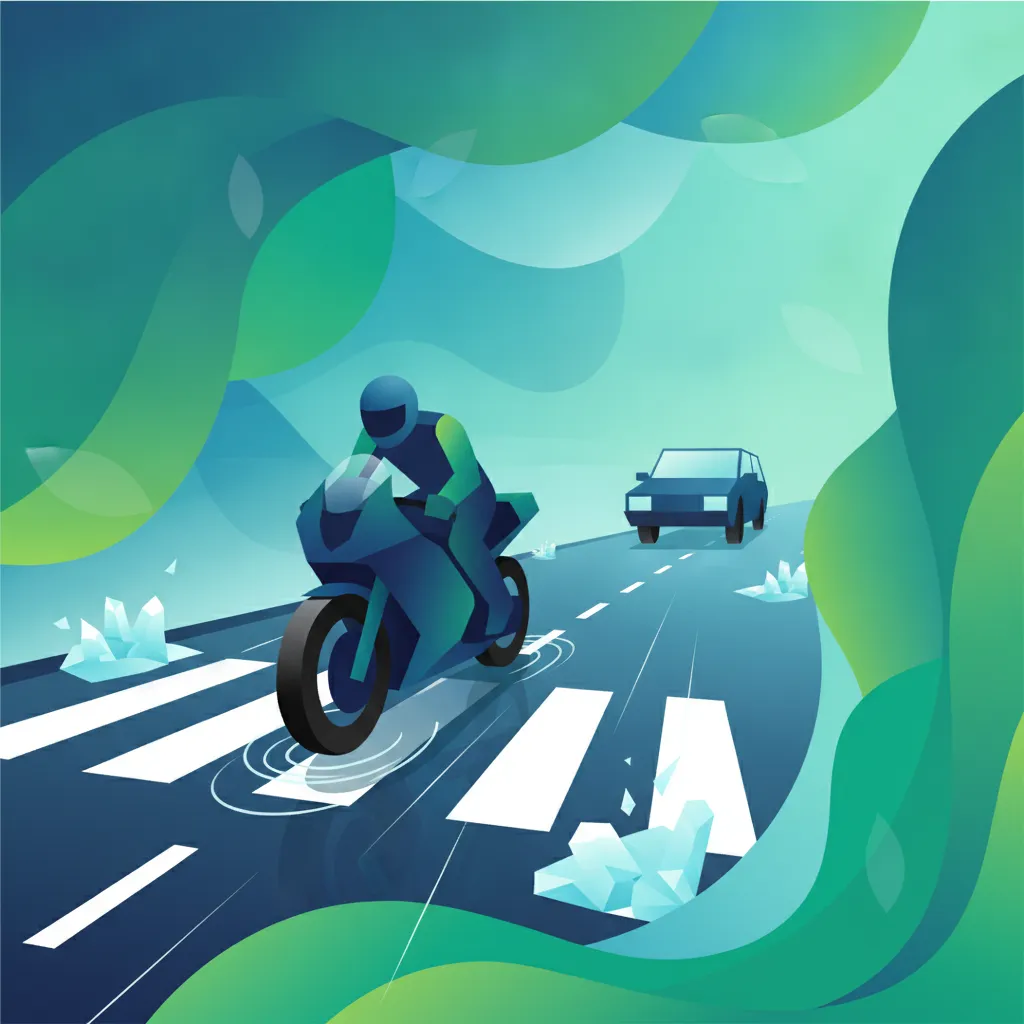
Learn about common road surface hazards like black ice, wet leaves, and oil spills. Understand how these affect tyre grip and essential techniques for maintaining control on your moped or light quadricycle in GB.

This lesson explores the crucial concept of tyre grip and how it is affected by various road surfaces and conditions. You will learn to identify potential hazards that reduce traction, such as wet leaves, manhole covers, oil spills, and loose gravel. The content provides strategies for adjusting your riding style, including speed and lean angle, to safely navigate these surfaces and prevent a loss of control.
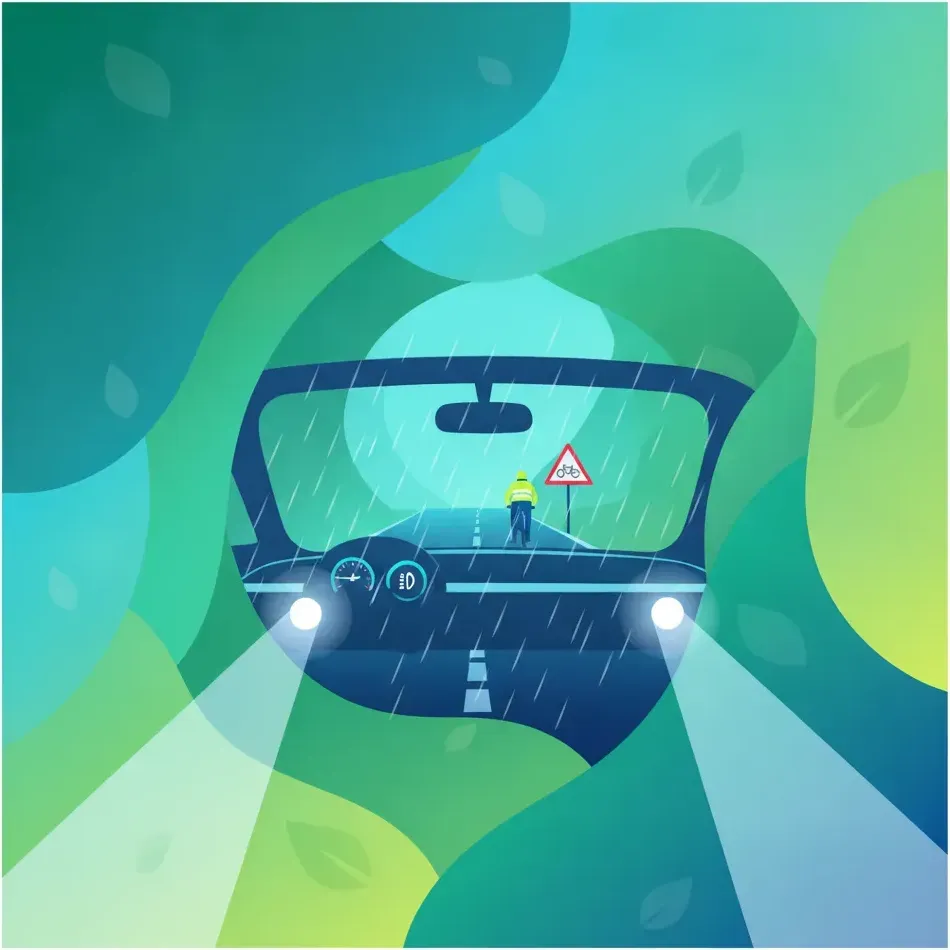
This lesson details the legal requirements and best practices for using lights and reflectors on your moped or light quadricycle. It covers the correct operation of headlamps, daytime running lights, brake lights, and indicators to communicate your intentions clearly to other road users. You will also learn how to enhance your visibility further with strategically placed reflectors and reflective tape, ensuring you remain conspicuous in low-light conditions and compliant with British lighting regulations.

This lesson addresses the critical safety topics of impairment, distraction, and social pressures. It explains how alcohol and drugs severely affect judgment, coordination, and reaction time, outlining the strict legal limits and harsh penalties in Great Britain. The content also covers modern distractions like mobile phones and the importance of resisting negative peer pressure to maintain focus and make responsible decisions as a rider.
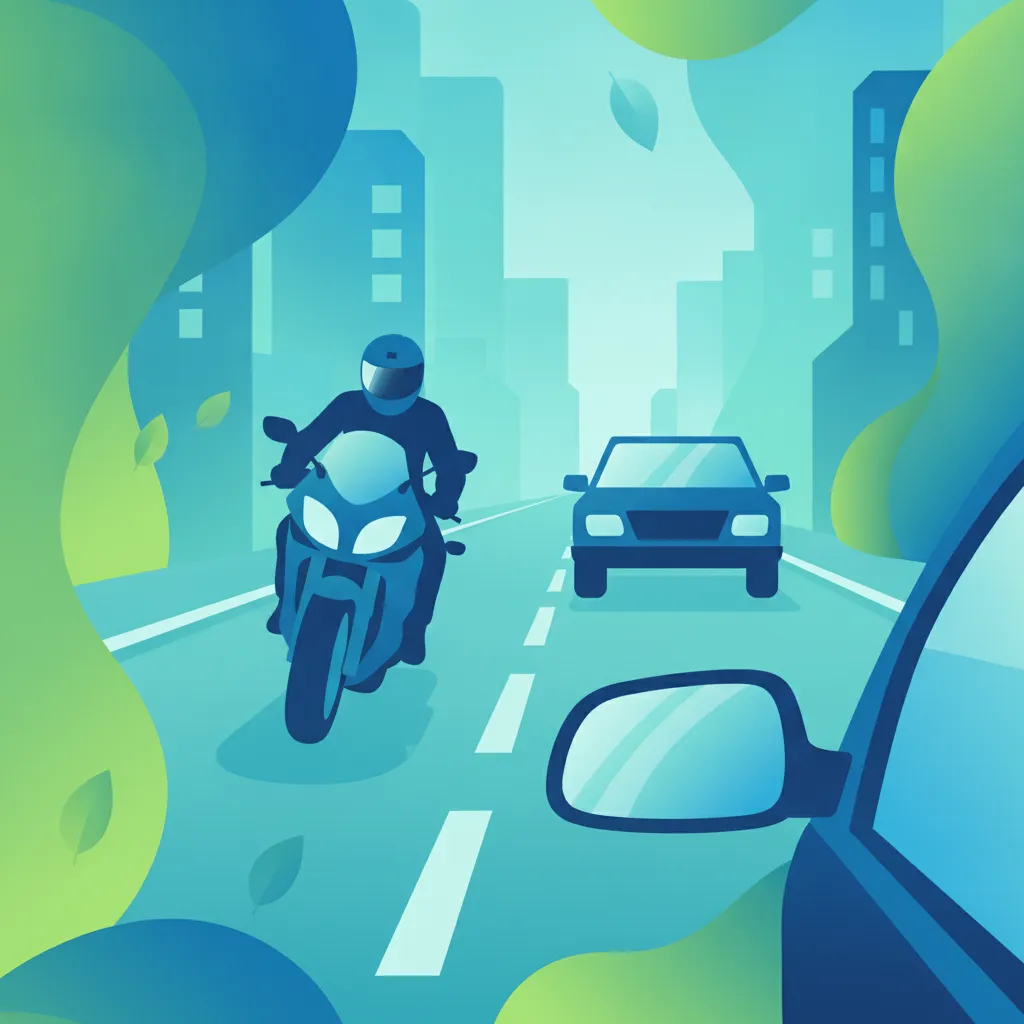
This lesson teaches strategic road positioning techniques to maximize your visibility and safety in traffic. You will learn how to choose the correct lane position to avoid the blind spots of larger vehicles and how to communicate your intentions through predictable riding. Key skills covered include effective use of shoulder checks, making eye contact with drivers, and maintaining a safe following distance, all of which are crucial for defensive riding on British roads.
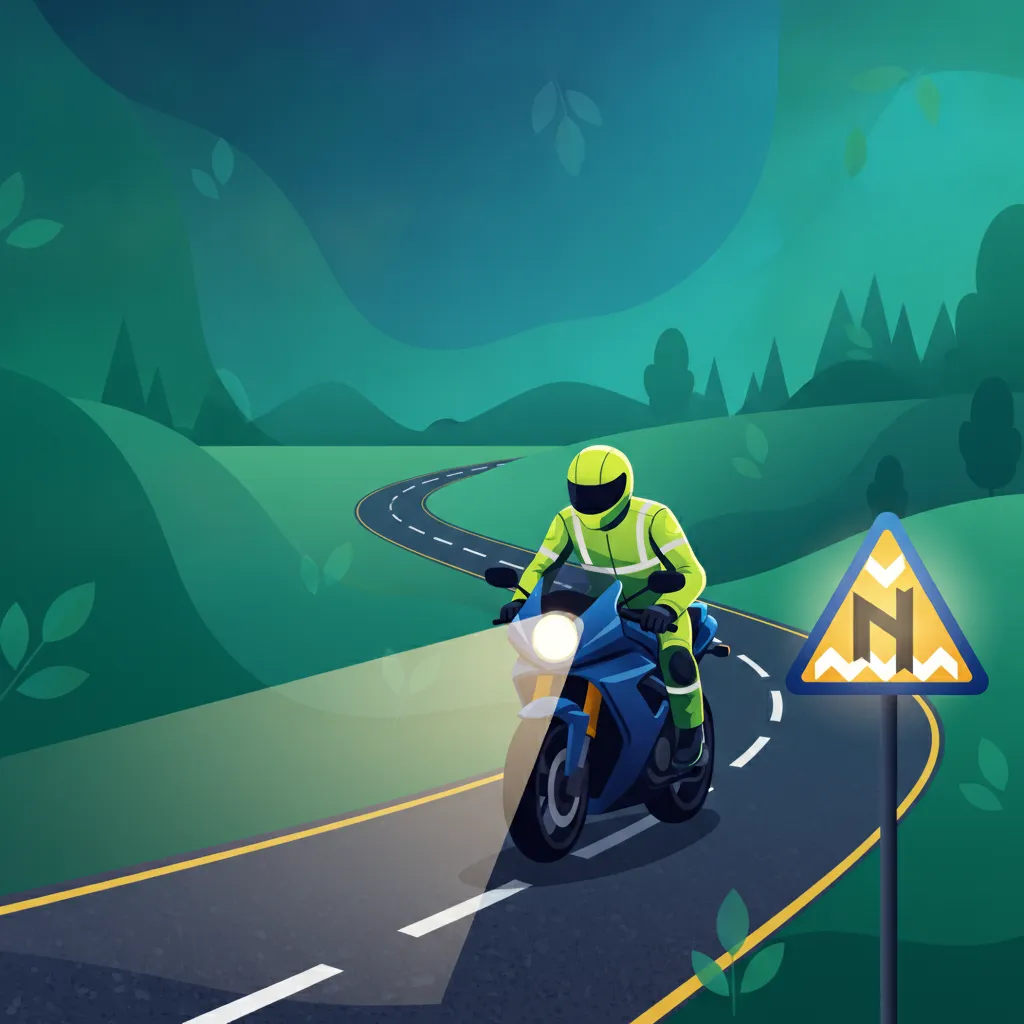
This lesson provides essential techniques for safe riding during nighttime and in poor visibility conditions like dawn or dusk. It covers the correct use of your headlamp's main and dipped beams, strategies for reducing glare from oncoming traffic, and the critical role of reflective clothing. You will also learn how to identify common nighttime hazards and manage fatigue, ensuring you can navigate British roads safely after dark while complying with all relevant road rules.
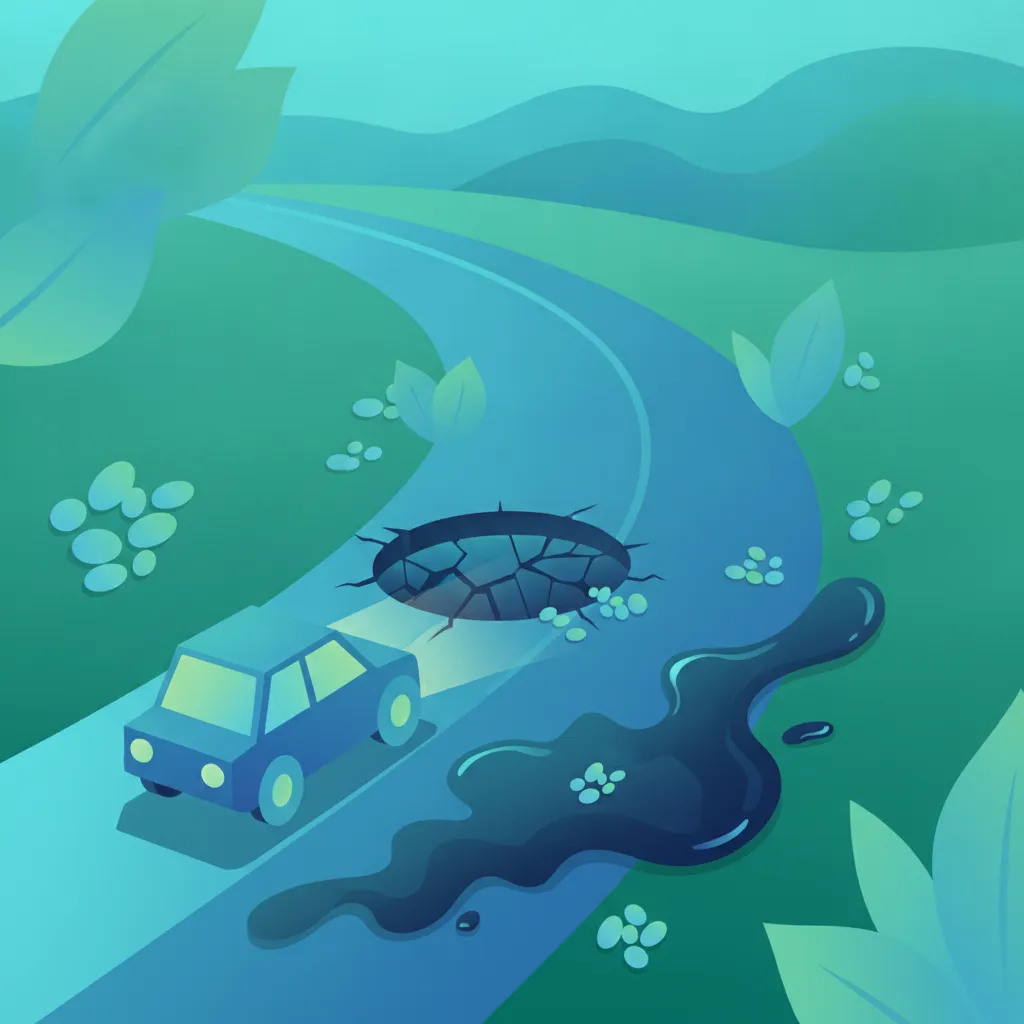
A motorcyclist is particularly vulnerable to imperfections in the road surface. This lesson teaches you how to actively scan the road ahead to spot hazards like potholes, patches of gravel, or slippery diesel spills. You will learn safe techniques for either avoiding these hazards or crossing them with minimal risk if avoidance is not possible.

This lesson focuses on the challenges of riding when you can't see or be seen clearly. It covers the correct use of lights in fog, rain, and at night to maximize both your vision and your visibility to others. You will learn why reducing speed is critical, how to use reflective clothing effectively, and strategies for dealing with the glare from other vehicles' headlights to ensure you can navigate safely in all lighting conditions.
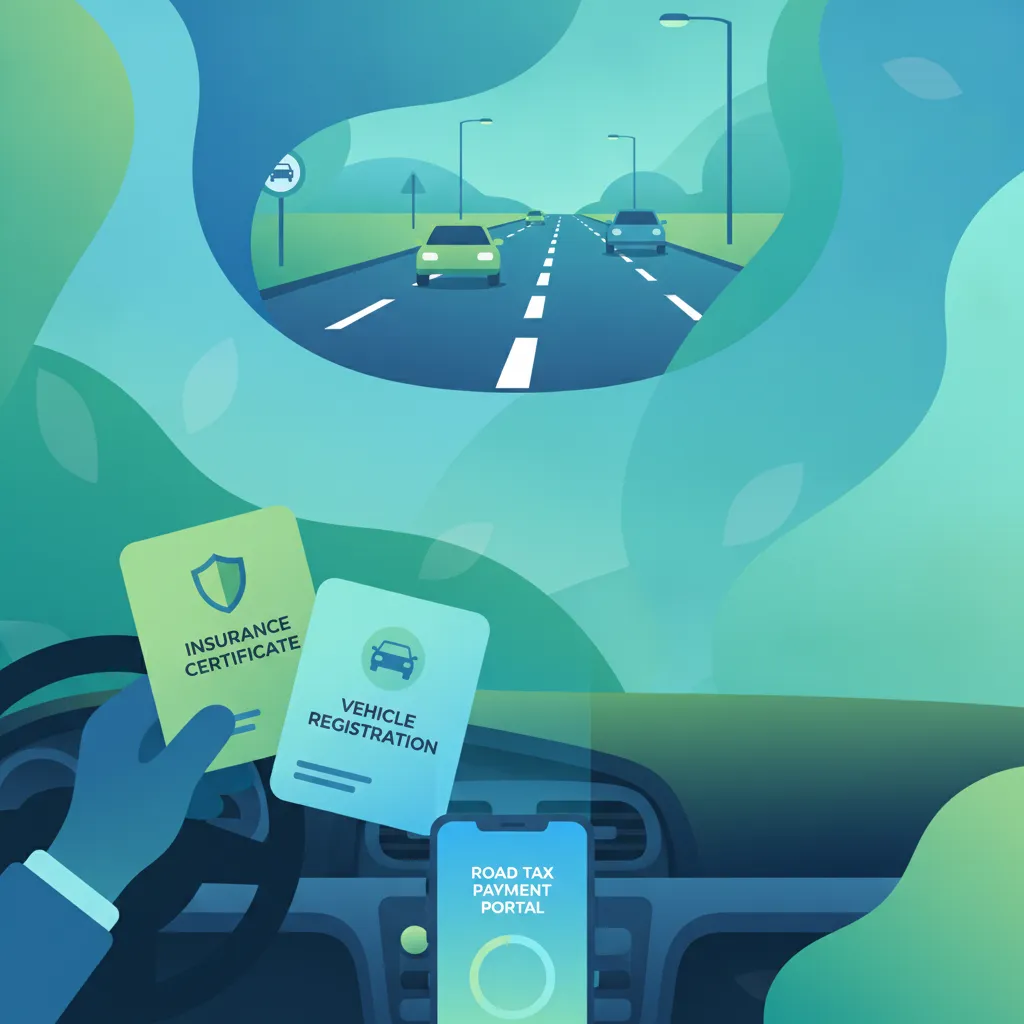
This lesson guides you through the compulsory insurance and tax obligations for Category AM vehicles in Great Britain. It differentiates between third-party and comprehensive insurance policies and explains the legal necessity of each. Furthermore, it details the process for vehicle tax and registration, highlighting the severe consequences of non-compliance, which can include fines, penalty points, and even vehicle seizure, ensuring you understand how to keep your vehicle road-legal.
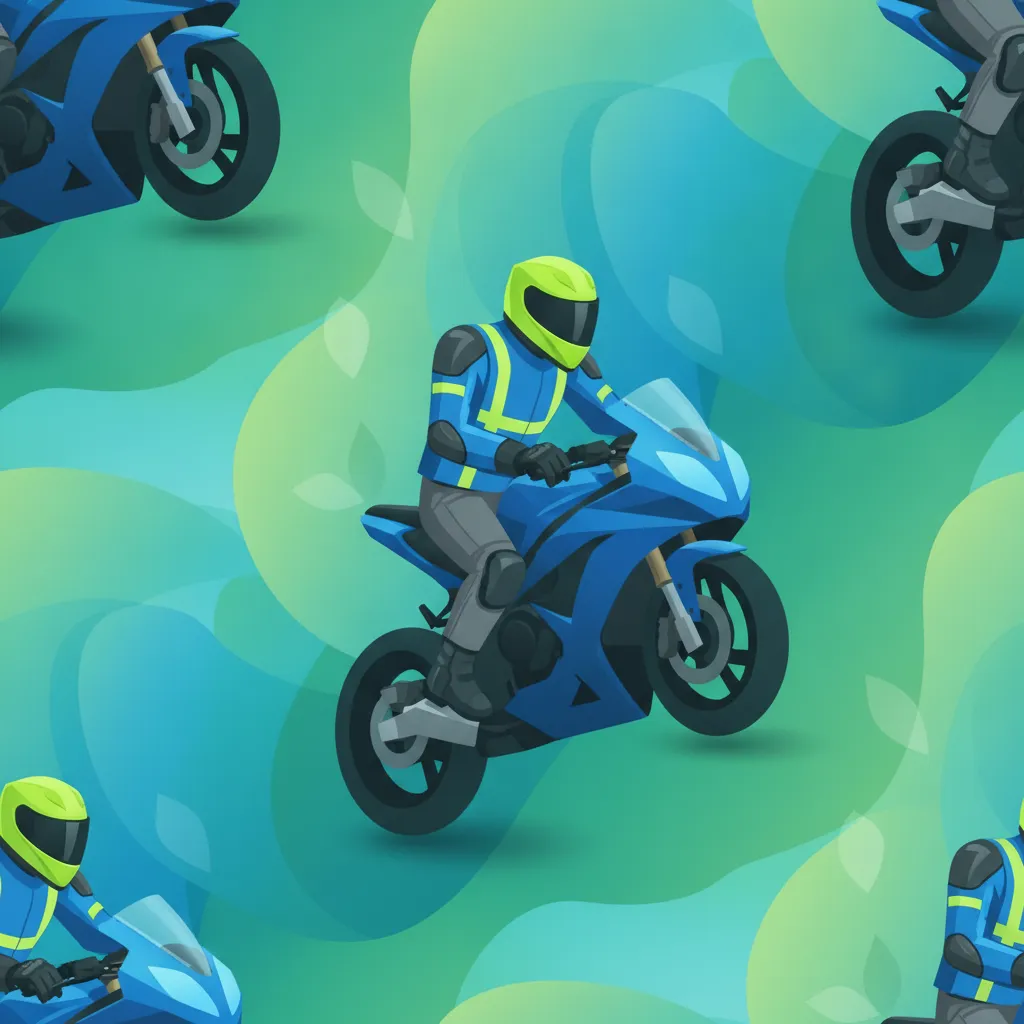
This lesson explains the range of protective clothing recommended for AM riders to minimize injury in the event of a fall. It covers the benefits of abrasion-resistant materials, armour inserts for jackets, and the importance of sturdy gloves and boots. You will learn how to select gear that offers a balance of protection, comfort, and weather resistance, as well as best practices for maintaining your equipment to ensure its long-term effectiveness and adherence to safety standards.
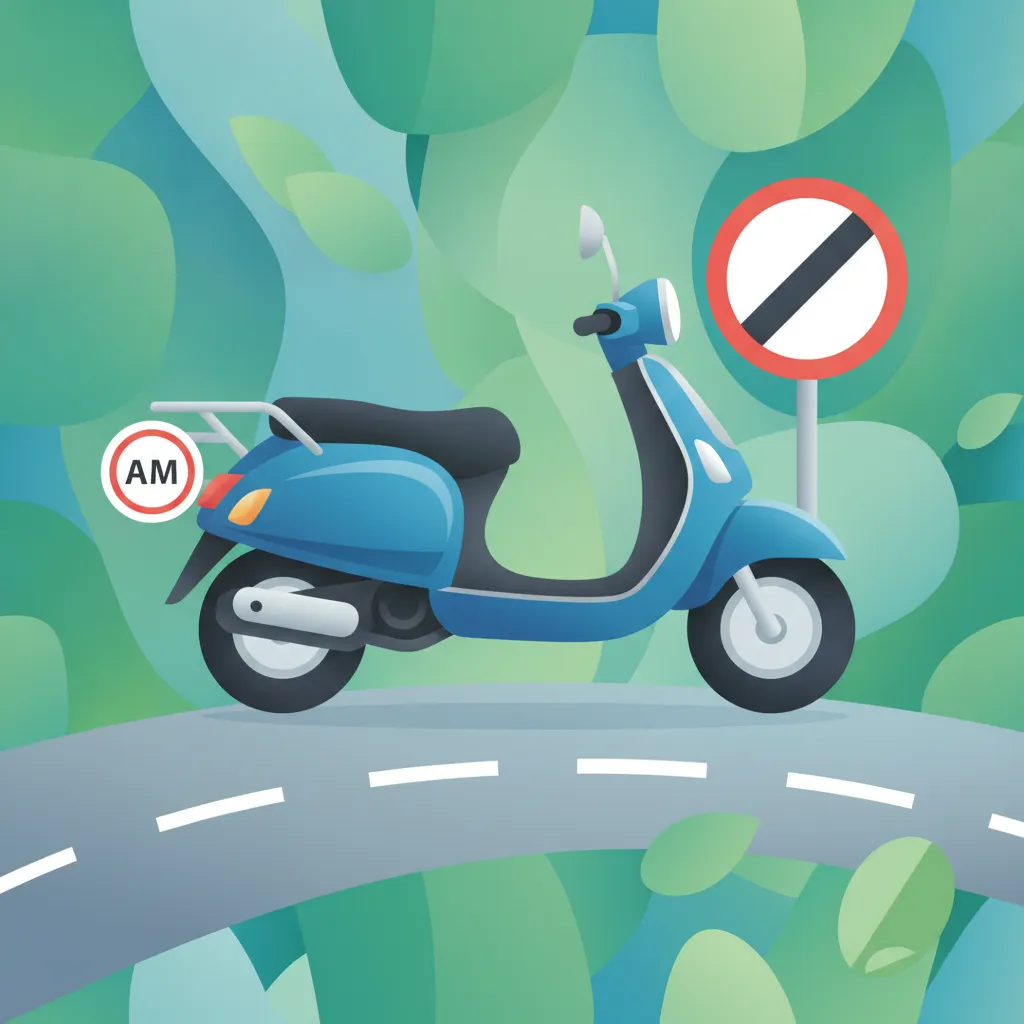
This lesson clarifies the specific speed limits that apply to Category AM vehicles on various British roads, from 30 mph zones in built-up areas to national speed limits on single and dual carriageways. It emphasizes that the posted limit is a maximum, not a target, and teaches you how to choose an appropriate speed based on factors like weather, traffic, and road layout. Understanding these rules is vital for both legal compliance and personal safety.
Explore key strategies for managing risks in adverse weather. This lesson covers adapting speed, increasing following distances, and making smooth control inputs to enhance safety and prevent skids for AM licence holders in Great Britain.
This lesson focuses on the challenges of riding when you can't see or be seen clearly. It covers the correct use of lights in fog, rain, and at night to maximize both your vision and your visibility to others. You will learn why reducing speed is critical, how to use reflective clothing effectively, and strategies for dealing with the glare from other vehicles' headlights to ensure you can navigate safely in all lighting conditions.
This lesson explains the range of protective clothing recommended for AM riders to minimize injury in the event of a fall. It covers the benefits of abrasion-resistant materials, armour inserts for jackets, and the importance of sturdy gloves and boots. You will learn how to select gear that offers a balance of protection, comfort, and weather resistance, as well as best practices for maintaining your equipment to ensure its long-term effectiveness and adherence to safety standards.
This lesson explores the crucial concept of tyre grip and how it is affected by various road surfaces and conditions. You will learn to identify potential hazards that reduce traction, such as wet leaves, manhole covers, oil spills, and loose gravel. The content provides strategies for adjusting your riding style, including speed and lean angle, to safely navigate these surfaces and prevent a loss of control.
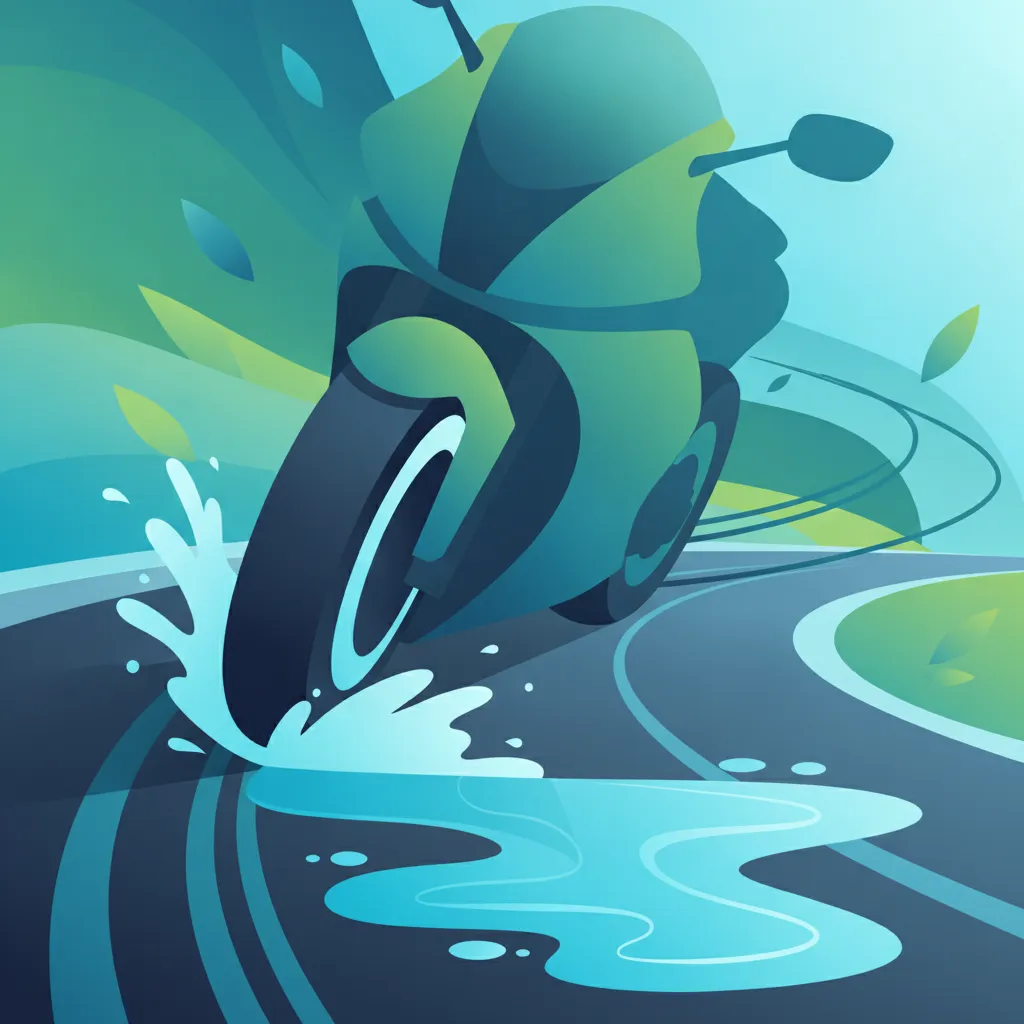
Riding in the rain requires significant adjustments to your technique. This lesson covers how to ride smoothly to maintain traction, the importance of increasing your following distance, and how to deal with reduced visibility from spray and fogged visors. You will also learn what aquaplaning is and how to avoid or manage it.
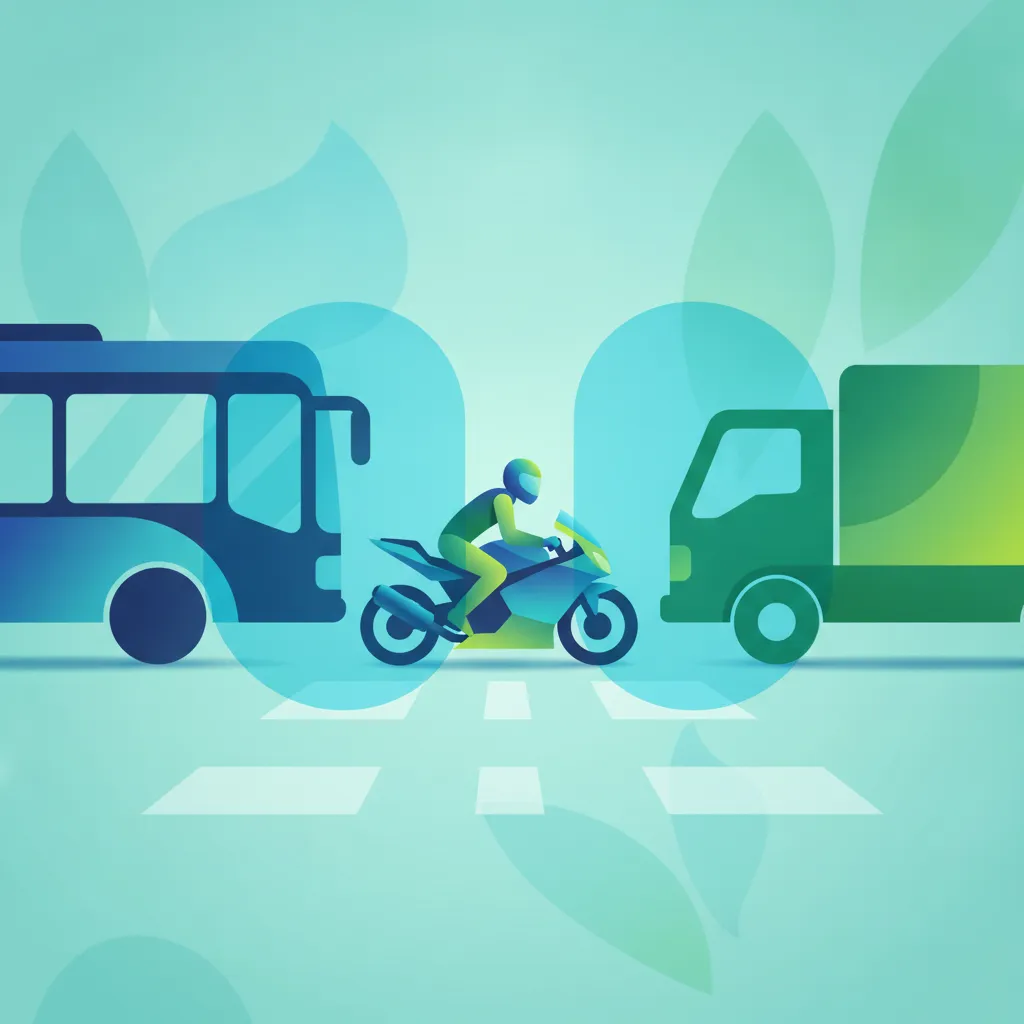
This lesson highlights why motorcyclists are considered vulnerable road users. It covers the increased risk of serious injury in a collision due to lack of physical protection compared to car occupants. You will learn about common visibility challenges and how to adopt proactive, defensive strategies to mitigate risks and anticipate potential hazards on the road.
This lesson focuses on developing advanced hazard perception skills and using them to manage your speed proactively. You will learn to constantly scan the road for potential dangers, anticipate the actions of other road users, and adjust your speed to give yourself more time to react. This defensive approach to speed management is fundamental to staying safe and avoiding emergency situations while riding in complex traffic environments.
This lesson teaches strategic road positioning techniques to maximize your visibility and safety in traffic. You will learn how to choose the correct lane position to avoid the blind spots of larger vehicles and how to communicate your intentions through predictable riding. Key skills covered include effective use of shoulder checks, making eye contact with drivers, and maintaining a safe following distance, all of which are crucial for defensive riding on British roads.
This lesson provides essential techniques for safe riding during nighttime and in poor visibility conditions like dawn or dusk. It covers the correct use of your headlamp's main and dipped beams, strategies for reducing glare from oncoming traffic, and the critical role of reflective clothing. You will also learn how to identify common nighttime hazards and manage fatigue, ensuring you can navigate British roads safely after dark while complying with all relevant road rules.

This lesson identifies behaviours that significantly increase a rider's risk of being involved in a collision. It explains the dangers of excessive speed, following too closely, and aggressive riding. You will learn how a rider's attitude and choices directly contribute to their safety and the legal penalties associated with these offences.
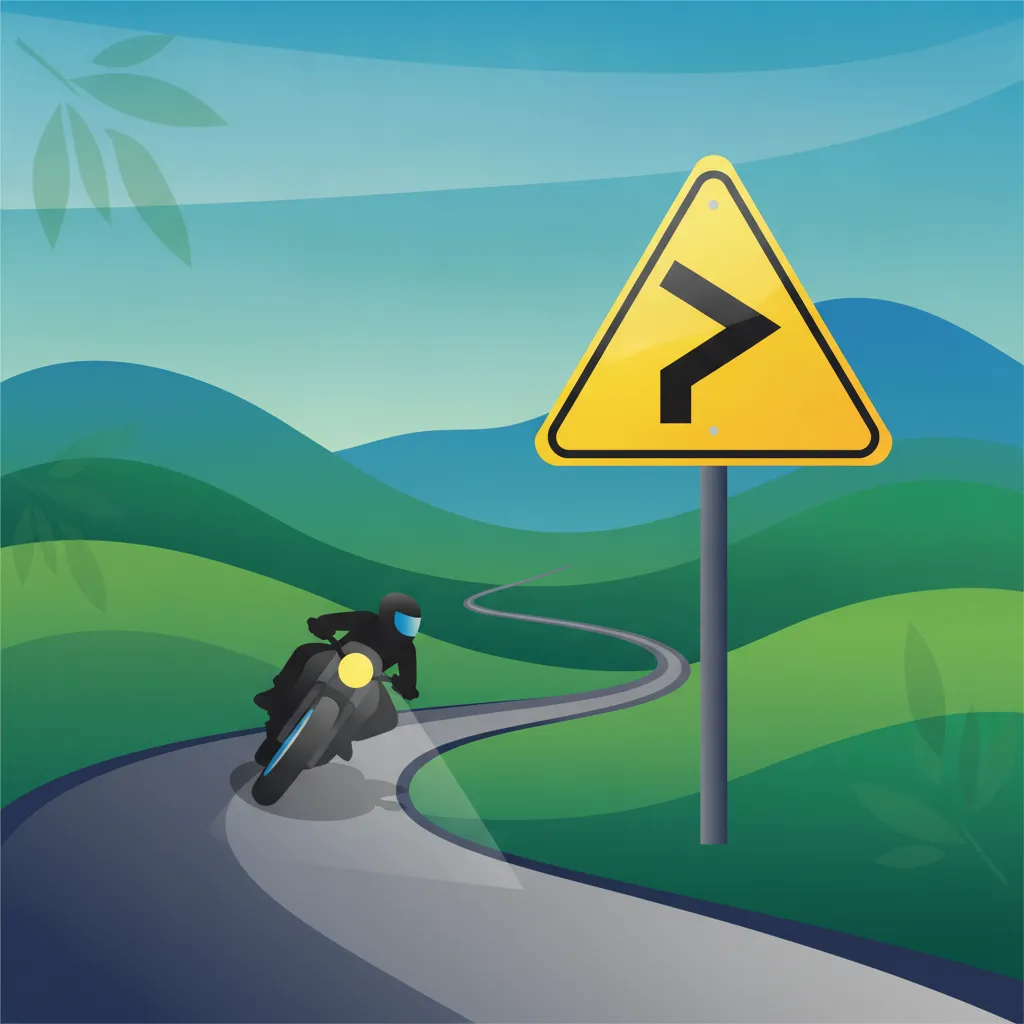
This lesson explains the function of warning signs, which are mostly triangular and alert road users to potential dangers ahead. You will learn to identify signs for bends, junctions, slippery surfaces, and other hazards particularly relevant to motorcyclists. Acting on these warnings allows a rider to adjust speed and position proactively, enhancing safety.
Find clear answers to common questions learners have about Riding in Wet, Slippery and Icy Conditions. Learn how the lesson is structured, which driving theory objectives it supports, and how it fits into the overall learning path of units and curriculum progression in Great Britain. These explanations help you understand key concepts, lesson flow, and exam focused study goals.
Mopeds and light quadricycles have less rubber in contact with the road than cars. When roads are wet, a layer of water can reduce traction significantly, and surface contaminants like oil or diesel are lifted, making the road surface much more slippery and prone to skidding.
Treat wet leaves with the same caution as ice. They significantly reduce grip and can hide potholes or markings. You should reduce your speed, avoid sudden braking or steering, and maintain a steady pace to keep the vehicle stable.
In icy or snowy conditions, your braking distance can be up to ten times greater than on a dry road. You must increase your following distance significantly and start slowing down much earlier than usual to avoid the need for harsh braking.
Always use both brakes gently and progressively. Using only the front brake on a slippery surface can cause the front wheel to lock and slide, while using only the rear brake may lead to a fishtail effect. Smooth, balanced application is key to stability.
Dive into our comprehensive question bank to find exactly what you need for your Great Britain theory test. Use our advanced filters to pinpoint specific subjects or test your knowledge on challenging areas, ensuring you're fully prepared for success.