
This lesson details the specific legal requirements you must follow while holding a provisional driving licence in Great Britain. By understanding these restrictions, you will ensure you meet all DVLA regulations while gaining the vital experience needed to progress to your full licence.
Lesson content overview
Learning to drive is an exciting and pivotal step towards independence, but it comes with a strict set of legal responsibilities and restrictions, particularly for those holding a provisional licence. These rules are not arbitrary; they are meticulously designed to ensure your safety and the safety of other road users during this crucial learning phase. Understanding and adhering to these regulations is paramount for legal compliance, successful progression to a full driving licence, and fostering responsible driving habits from the outset.
This lesson provides a comprehensive guide to the legal constraints placed on Great Britain Category B learner drivers. It covers everything from displaying mandatory L-plates and the stringent criteria for a supervising driver to prohibitions on motorway driving and specific rules regarding alcohol, mobile phone use, and night driving.
A provisional driving licence allows you to learn to drive on public roads, but it explicitly states that you must abide by specific conditions. These conditions act as a protective framework, acknowledging that new drivers lack the experience and developed hazard perception skills of seasoned motorists.
The core purpose of these restrictions is multi-faceted:
These foundational principles underpin every rule discussed in this lesson. By understanding the 'why' behind each restriction, you can better appreciate its importance for your learning journey and overall road safety.
One of the most visible requirements for a provisional licence holder is the display of L-plates. These serve as a clear signal to other road users that the vehicle is being driven by a learner.
L-plates are red rectangular plates displaying a capital "L" on a white background. They must conform to specific dimensions and design standards set by the Driver and Vehicle Standards Agency (DVSA). These plates inform other motorists that the driver of the vehicle is still learning and may exhibit less predictable behaviour or require more time to react.
When a learner driver is operating a vehicle on a public road, L-plates must be displayed at both the front and the rear of the vehicle.
The plates must be:
In Wales, you also have the option to display D-plates (for 'Dysgwr', the Welsh word for learner) instead of L-plates. These are identical in design but feature a 'D' instead of an 'L'.
Failure to display L-plates correctly while driving as a provisional licence holder is a violation of traffic law. This can result in a fine and, in some cases, penalty points on your provisional licence. Crucially, it deprives other road users of vital information, potentially leading to impatience or unsafe manoeuvres around your vehicle.
Driving on a provisional licence means you cannot drive alone. You must always be accompanied by a qualified supervising driver. This individual acts as your immediate safety net and guide.
The criteria for a supervising driver are strict to ensure they are competent and capable of overseeing a learner:
Many learners mistakenly believe that any relative with a full licence can supervise them. Always verify that your chosen supervisor meets all these criteria, especially the age and 3-year experience rule. An unqualified supervisor means you are effectively driving unsupervised, which is illegal and can lead to severe penalties.
The supervising driver's role is active and demanding. They must:
Failure to meet these seating or attentiveness requirements means the supervision is invalid, and you could be deemed to be driving unsupervised, leading to significant legal penalties.
Certain road environments are considered too complex or high-risk for learner drivers and are thus off-limits.
One of the most significant restrictions is the prohibition on driving on motorways.
Motorways in Great Britain are high-speed, multi-lane roads with complex traffic flow, requiring advanced decision-making, observation, and speed management skills. These conditions are unsuitable for drivers who are still gaining experience and developing their hazard perception.
This restriction applies to:
The only exception is if you are driving with an Approved Driving Instructor (ADI) in a car fitted with dual controls. In this specific scenario, the ADI may take you onto a motorway as part of structured training, but it is not mandatory. If you are learning with a family member or friend, motorways are strictly off-limits.
Learner drivers must plan their routes carefully to avoid motorways and use alternative A-roads or dual carriageways instead. Violating this rule can result in significant penalties, including penalty points, a fine, and potential licence revocation.
While learners must generally adhere to the posted speed limits for the road type and class of vehicle (Category B cars), there is a specific additional restriction for dual carriageways that are not motorways.
A road where the two directions of traffic are separated by a central reservation or barrier. It is distinct from a motorway and may have junctions, roundabouts, and local accesses.
On dual carriageways, a learner driver may not exceed 30 mph, even if the posted speed limit for fully qualified drivers is higher (e.g., 50 mph, 60 mph, or 70 mph). If the posted limit is already lower than 30 mph, then that lower limit applies. This restriction is designed to give learners more time to process information, react to hazards, and make decisions on roads that often involve faster-moving traffic and multiple lanes.
Always pay close attention to road signs indicating speed limits. Even if a dual carriageway feels like it could safely accommodate higher speeds, as a learner, you must strictly adhere to the 30 mph maximum unless a lower limit is explicitly signposted.
Failure to observe this learner-specific speed limit can lead to penalty points and fines, just like any other speeding offence.
Learner drivers are subject to strict rules regarding alcohol, drugs, and mobile phone use, reflecting a zero-tolerance approach to anything that could impair their focus and judgment.
Both the learner driver and the supervising driver must be completely free from the influence of alcohol or drugs.
Even a small amount of alcohol or a mild sedative medication can significantly impair your ability to drive safely, especially as a learner. It is always safest to ensure you are completely unimpaired before getting behind the wheel.
Violation of these rules carries severe penalties, including immediate disqualification, heavy fines, and potential imprisonment, mirroring or even exceeding those for full licence holders due to the added risk of inexperience.
The use of mobile phones is a major cause of distraction and is strictly regulated for all drivers, but especially for learners.
Your mobile phone should be switched off and stored out of sight, or placed in silent mode where it cannot tempt you to interact with it while the vehicle is moving. The penalties for using a handheld mobile phone while driving are substantial, including penalty points (which can quickly lead to licence revocation for new drivers) and a hefty fine.
Driving in reduced light conditions presents additional challenges, which is why specific rules apply to learner drivers at night.
Learner drivers are generally prohibited from driving between sunset and sunrise unless they are accompanied by an Approved Driving Instructor (ADI).
A driving instructor who is officially registered with the Driver and Vehicle Standards Agency (DVSA). ADIs undergo rigorous training and testing to ensure they meet high standards of instruction.
This means that if you are learning with a family member or friend, your driving practice must be confined to daylight hours. Even if there are streetlights or good visibility, the legal definition of 'night-time' applies from the moment the sun sets until it rises again.
Night driving introduces several complexities that are particularly challenging for novice drivers:
An ADI is equipped to teach you how to handle these specific challenges, making night driving lessons a structured and safe learning experience. Without an ADI, the risks are deemed too high for an inexperienced driver.
Beyond the driver themselves, the vehicle used for learning must also meet certain legal requirements to ensure safety and compliance.
It is a legal requirement for any vehicle used on public roads to have valid insurance. For learner drivers, this typically means:
Always double-check your insurance policy before you start driving. An invalid insurance policy can lead to severe penalties, including fines, penalty points, vehicle seizure, and even disqualification.
Generally, Category B provisional licence holders are not permitted to tow a trailer or caravan. Special training and a different licence category (BE) are typically required for towing heavier loads. Therefore, learner drivers should avoid towing anything until they have obtained their full licence and any necessary additional qualifications.
Violating any of the learner driver restrictions can lead to serious consequences, not just for the learner but sometimes for the supervising driver too.
These regulations are not intended to make learning difficult, but rather to make it safe and effective. They directly address key areas of risk for inexperienced drivers:
By adhering to these restrictions, you are not just complying with the law; you are actively engaging in safer learning practices that will build a strong foundation for your future as a responsible, fully qualified driver.
To summarise the essential rules for Great Britain Category B learner drivers:
These rules are your guidelines for safe, legal, and effective learning. Embrace them, and you will be well on your way to earning your full driving licence.
Explore all units and lessons included in this driving theory course.
Lesson content overview
Explore all units and lessons included in this driving theory course.
Explore search topics learners often look for when studying Learner Driver Restrictions. These topics reflect common questions about road rules, driving situations, safety guidance, and lesson level theory preparation for learners in Great Britain.
Browse additional driving theory lessons that cover connected traffic rules, road signs, and common driving situations related to this topic. Improve your understanding of how different rules interact across everyday traffic scenarios.
Understand the specific prohibitions and speed limits learner drivers face on motorways and dual carriageways in Great Britain. This lesson clarifies when learners can and cannot drive on these high-speed roads and the consequences of non-compliance.
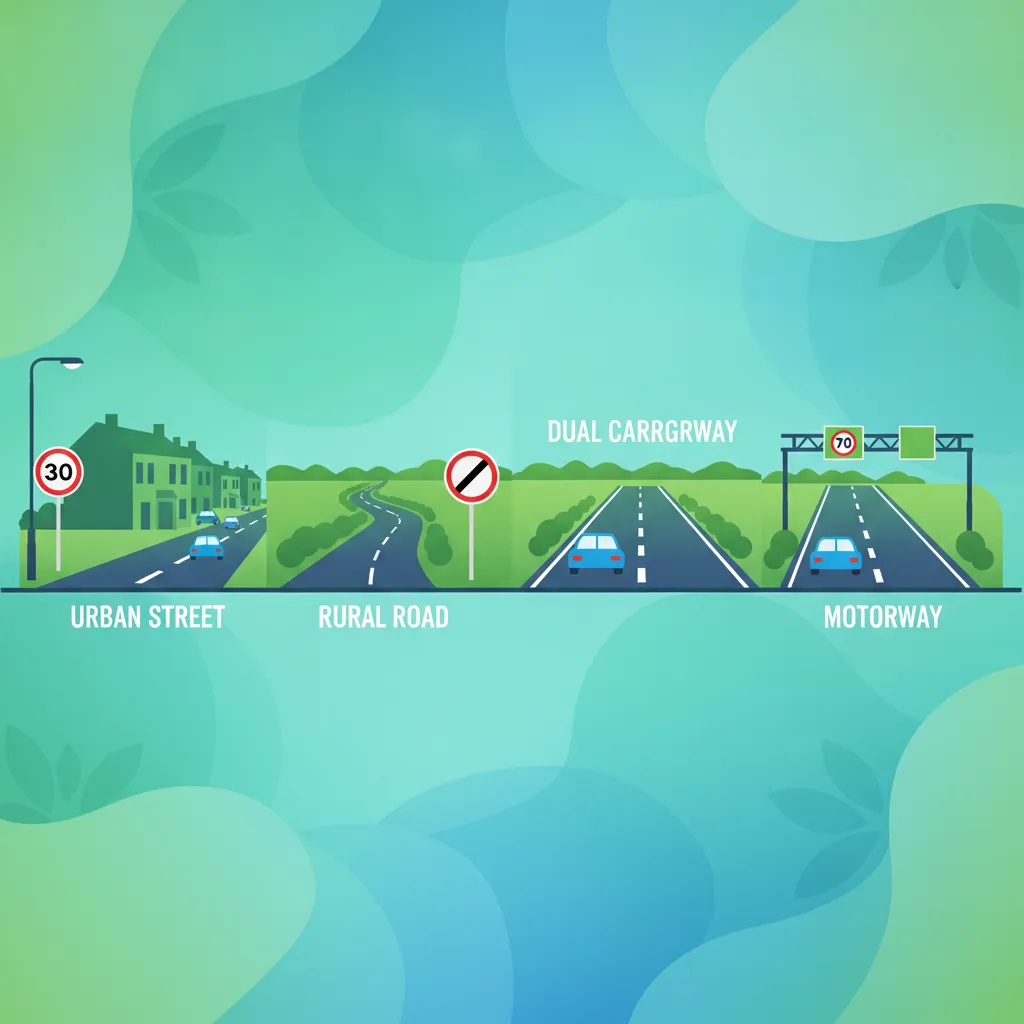
This lesson details the default speed limits for cars in Great Britain. You will learn the 30 mph limit for built-up areas, 60 mph on single carriageways, and 70 mph on dual carriageways and motorways. It also covers how to identify these roads and the importance of looking for signs indicating a different limit is in force.

This lesson contrasts the challenges of different road types. It covers how to handle the hidden bends, poor surfaces, and unexpected hazards of rural roads. It then details the specific procedures for using dual carriageways and motorways, including using slip roads, adhering to strict lane discipline, and safely overtaking at high speeds.
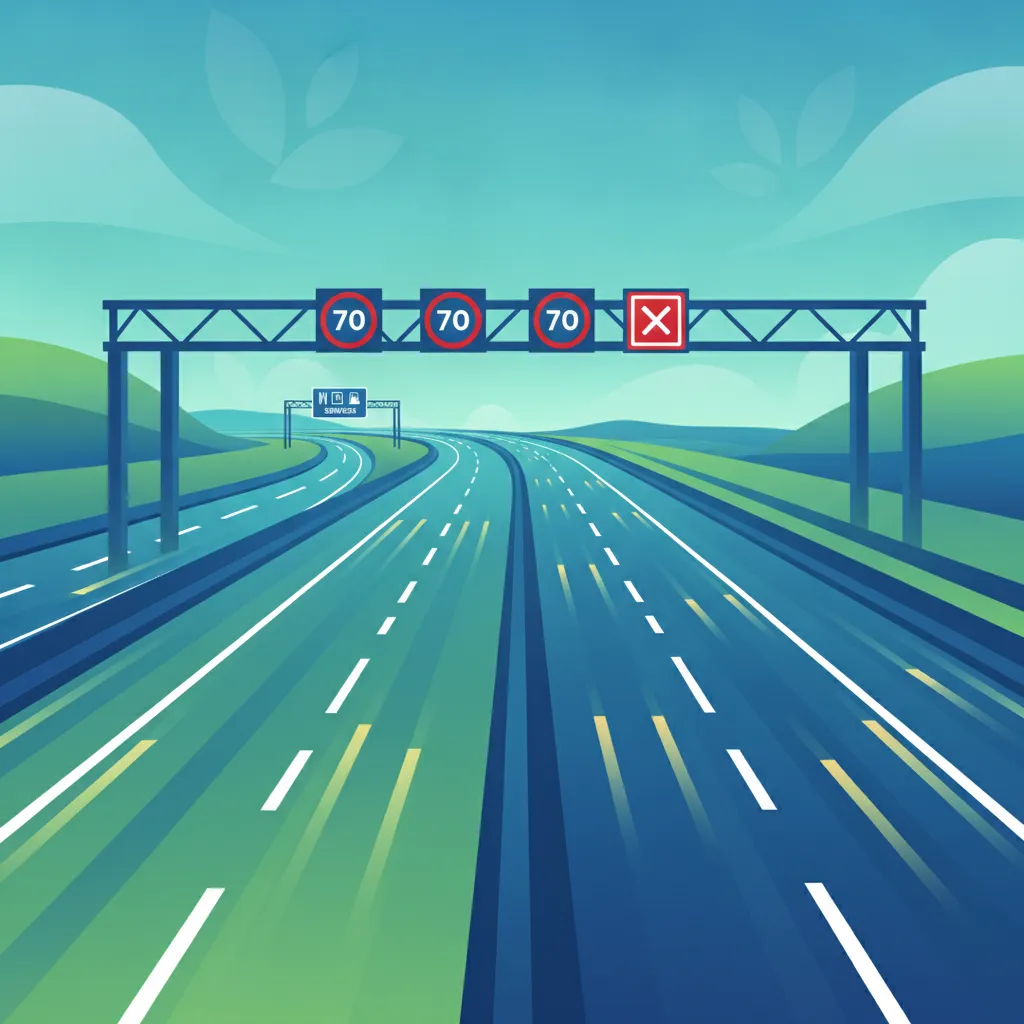
This lesson covers the unique aspects of motorway driving, from joining and leaving the carriageway to the strict lane discipline of keeping to the left unless overtaking. It explains the features of smart motorways, such as variable speed limits and the meaning of a Red X symbol above a lane. The safe procedure for handling a breakdown is also a key topic.
This lesson focuses on the regulations and best practices for driving a bus or coach on motorways. It details the specific speed limits applicable to PCVs and reinforces strict lane discipline. The content covers the correct procedures for safely joining from a slip road, overtaking other vehicles, and exiting the motorway. It also explains the features of smart motorways and the correct safety procedures to follow in the event of a breakdown, including the use of the hard shoulder.
This lesson clarifies the specific speed limits that apply to Category AM vehicles on various British roads, from 30 mph zones in built-up areas to national speed limits on single and dual carriageways. It emphasizes that the posted limit is a maximum, not a target, and teaches you how to choose an appropriate speed based on factors like weather, traffic, and road layout. Understanding these rules is vital for both legal compliance and personal safety.

This lesson explains how to drive safely through areas where roadworks are taking place. It stresses the importance of obeying all temporary signs, especially mandatory speed limits, which are in place for your safety and the safety of road workers. You will learn about navigating narrow lanes, contraflow systems, and how to follow official diversion signs.
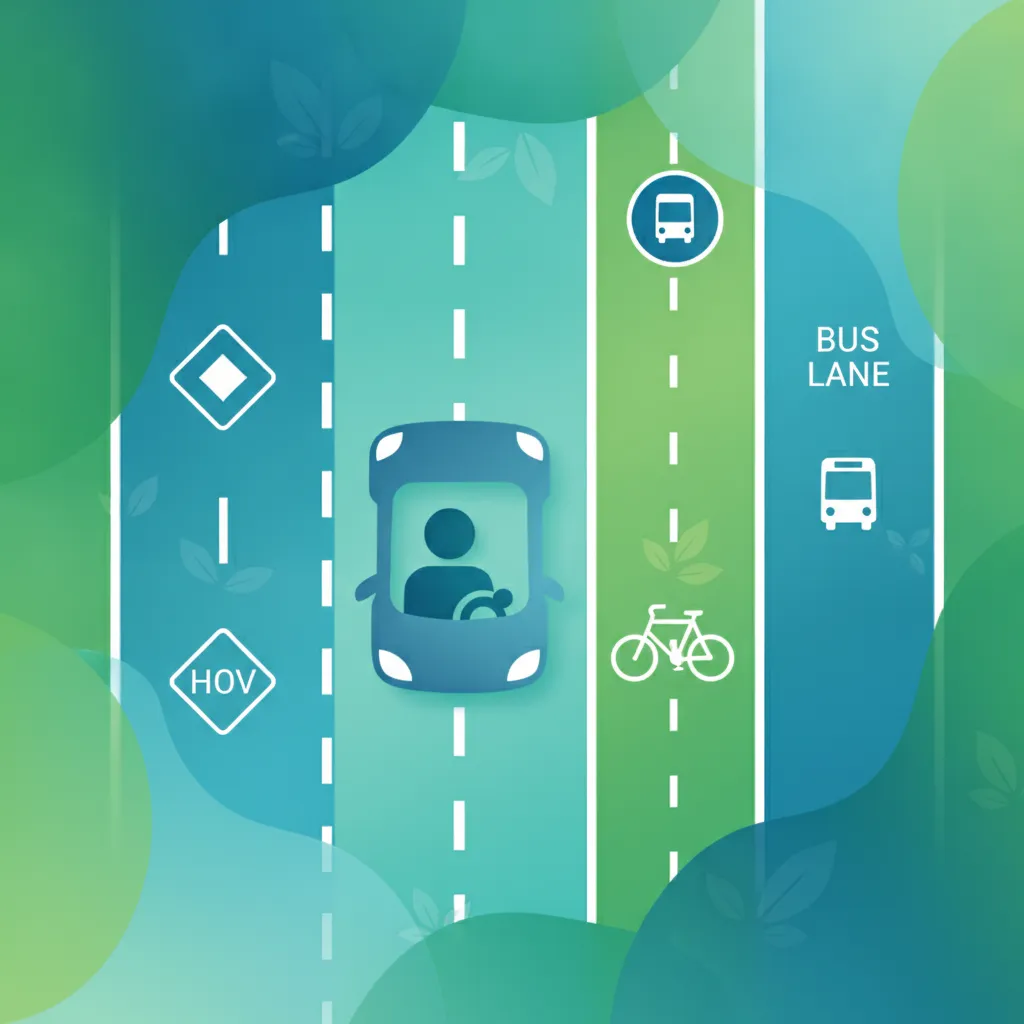
This lesson covers lanes designated for specific types of traffic to improve flow and safety. You will learn to identify mandatory and advisory cycle lanes, and understand the signs indicating the operational hours of bus lanes. The rules governing these lanes are critical for avoiding penalties and ensuring the safety of all road users.
This lesson examines the unique rules and restrictions governing buses and coaches, focusing on bus lane priority, time-based restrictions, and loading zone limitations. Learners will explore the criteria for using bus-only routes and understand the legal consequences of non-compliance. The content also reviews signage indicating bus gate operation and areas where passenger vehicles are prohibited from stopping or loading outside of designated zones, ensuring lawful and efficient urban navigation.
This lesson explains how lines running parallel to the kerb control traffic movement. You will learn that broken white lines divide lanes, while solid white lines generally prohibit crossing them. The specific rules for double white lines, including when you are permitted to cross, are also covered in detail to ensure safe overtaking.
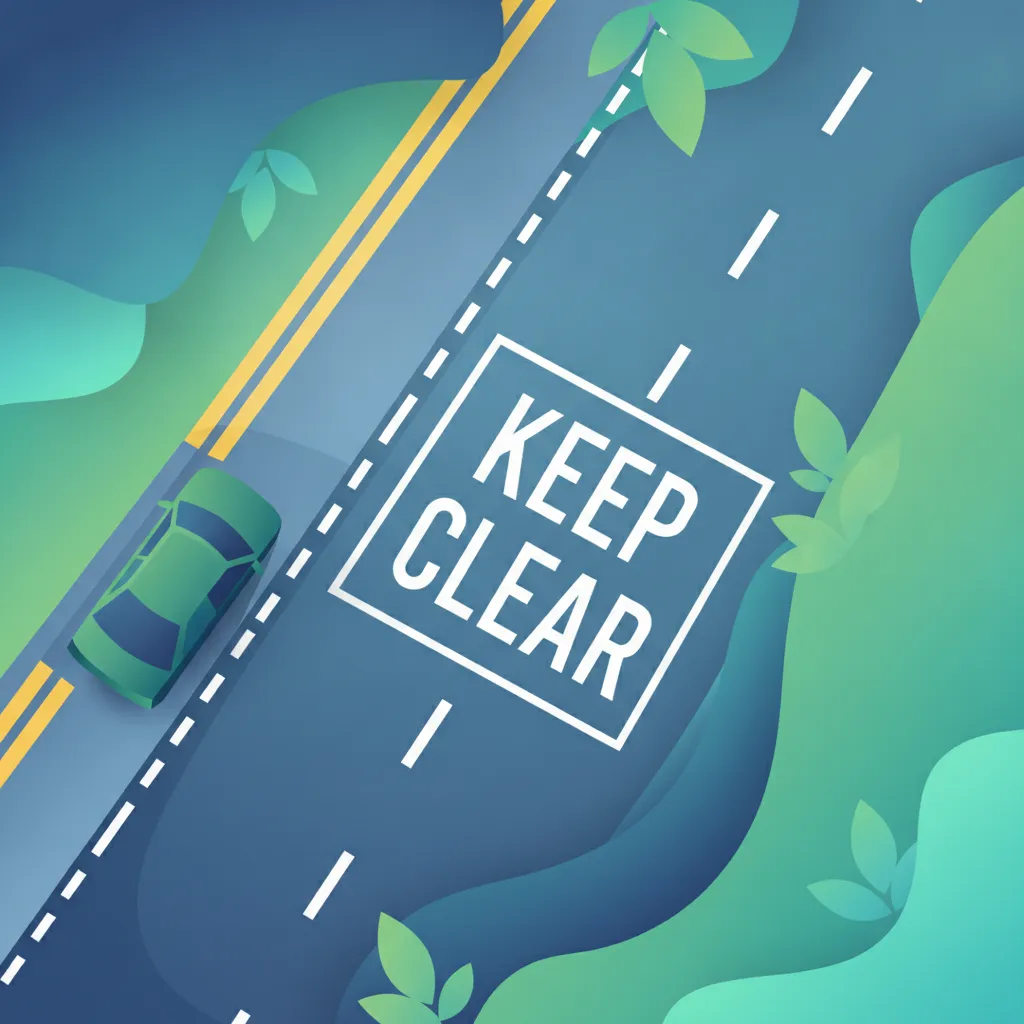
This lesson explains markings found at the side of the road that regulate parking and stopping. You will learn the meaning of single and double yellow lines, and the stricter rules associated with red lines on 'Red Routes'. The lesson also covers markings for parking bays, loading zones, and hatched areas that are designed to separate traffic.
Explore specific situations and advanced rules for learner drivers in Great Britain. Understand exceptions to general restrictions, such as for Approved Driving Instructors, and learn about the detailed responsibilities of supervising drivers beyond the basic requirements.
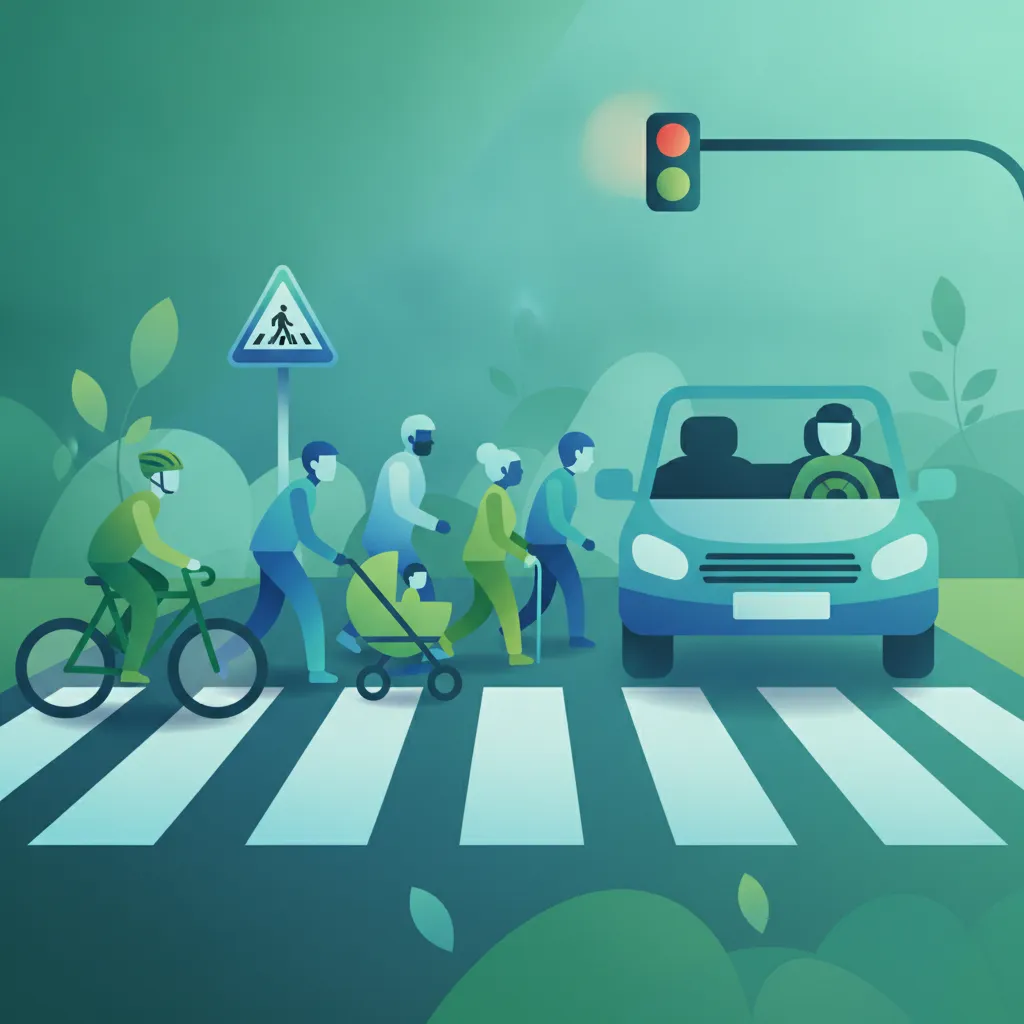
This lesson focuses on a driver's legal and ethical duty of care to all road users. It explains the concept of a road user hierarchy, which prioritizes the safety of vulnerable groups such as pedestrians, cyclists, and motorcyclists. You will learn the principles of defensive driving, anticipating potential hazards, and maintaining a courteous attitude on the road to ensure safety for everyone.

This lesson provides essential guidance for handling on-road emergencies. It outlines the steps to take if your vehicle breaks down, including making yourself visible and getting to a place of safety. You will also learn the basics of what to do at an accident scene, including assessing the situation, calling for help, and providing simple first aid until professional assistance arrives.
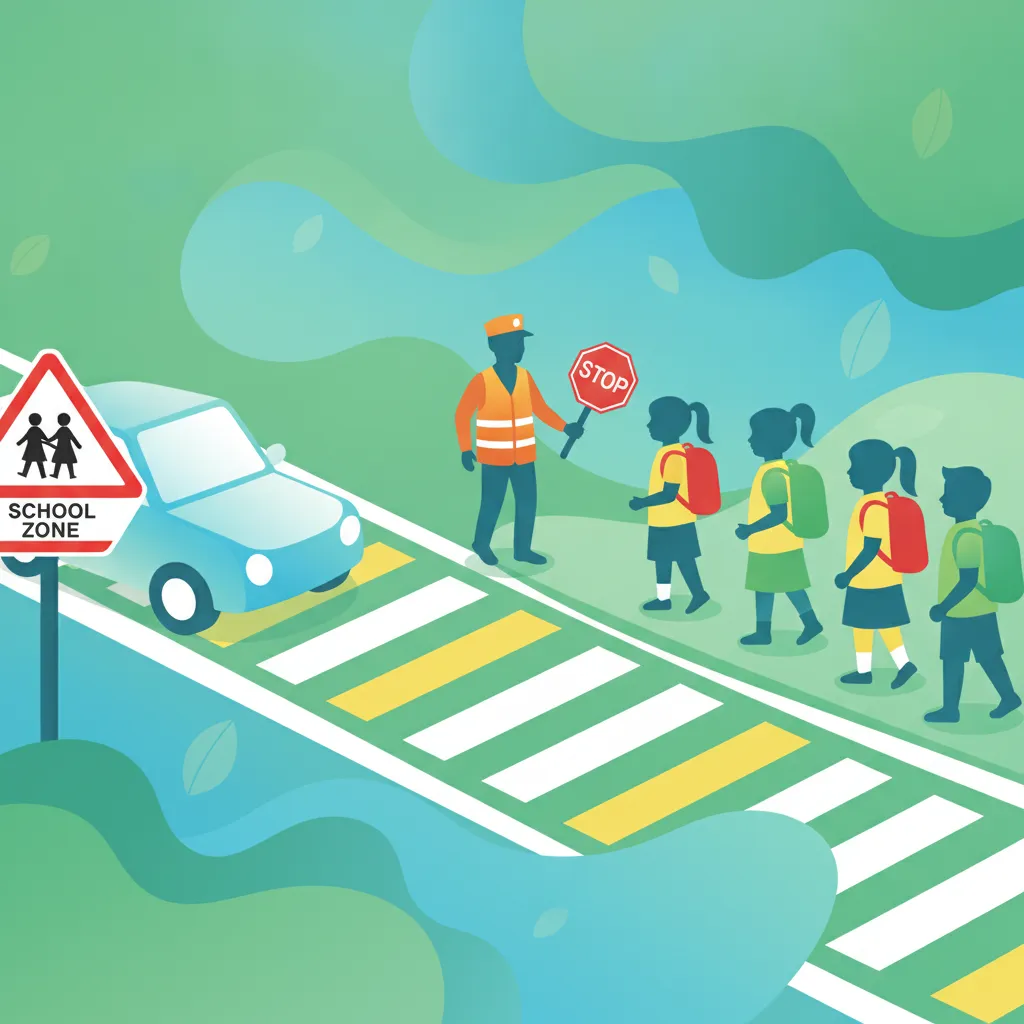
This lesson highlights the need for heightened awareness and reduced speed around schools, parks, and residential areas. Children can be unpredictable, so you must be prepared for them to step into the road without warning. The lesson covers specific signs for school zones and the legal requirement to stop for a school crossing patrol.

This lesson outlines the fundamental responsibilities of an AM driver on British roads, focusing on adherence to the Highway Code and cultivating a safety-first mindset. You will learn the principles of defensive riding, the importance of being visible to others, and the need to protect vulnerable road users like pedestrians and cyclists. The content also covers legal duties such as vehicle maintenance and conducting risk assessments before every journey to promote responsible road behaviour.
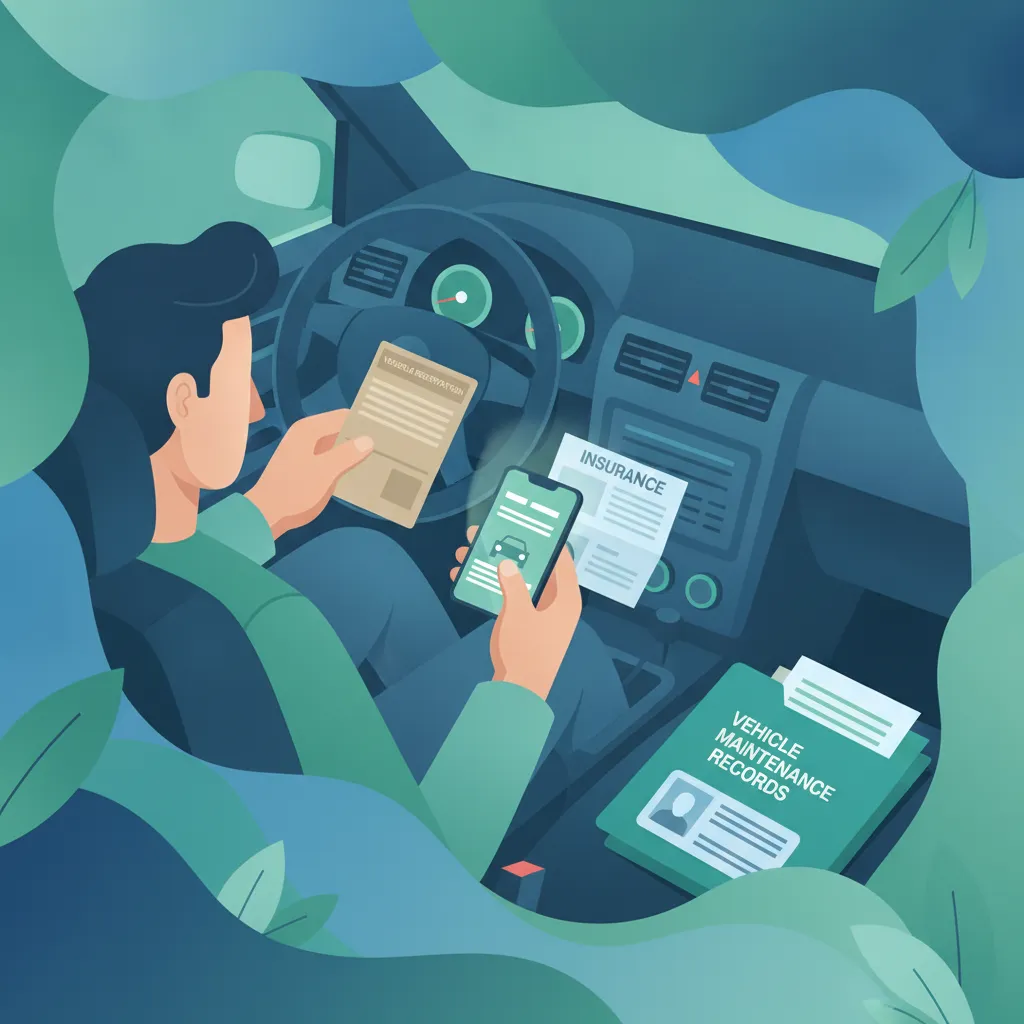
This lesson details the crucial documentation required for legal driving in the UK. It explains the purpose of the V5C registration document, the MOT test certificate, and proof of insurance and road tax (Vehicle Excise Duty). You will learn where to keep these documents and when you might be required to present them to authorities.
This lesson outlines the statutory framework governing UK driving licences, focusing on Category B. It details the functions of the Driver and Vehicle Licensing Agency (DVLA) and the Driver and Vehicle Standards Agency (DVSA). Key topics include the various licence categories, age and medical fitness requirements, and the legal standing of the Highway Code.
This lesson examines the unique rules and restrictions governing buses and coaches, focusing on bus lane priority, time-based restrictions, and loading zone limitations. Learners will explore the criteria for using bus-only routes and understand the legal consequences of non-compliance. The content also reviews signage indicating bus gate operation and areas where passenger vehicles are prohibited from stopping or loading outside of designated zones, ensuring lawful and efficient urban navigation.
This lesson covers the unique aspects of motorway driving, from joining and leaving the carriageway to the strict lane discipline of keeping to the left unless overtaking. It explains the features of smart motorways, such as variable speed limits and the meaning of a Red X symbol above a lane. The safe procedure for handling a breakdown is also a key topic.

This lesson addresses the critical safety topics of impairment, distraction, and social pressures. It explains how alcohol and drugs severely affect judgment, coordination, and reaction time, outlining the strict legal limits and harsh penalties in Great Britain. The content also covers modern distractions like mobile phones and the importance of resisting negative peer pressure to maintain focus and make responsible decisions as a rider.

Explore the critical topics of driver liability, insurance, and legal penalties in Great Britain. This lesson distinguishes between civil and criminal liability in the context of road incidents. It details the compulsory third-party insurance every driver must have and explains the penalty points system for traffic offences, including fines and potential disqualification.
Find clear answers to common questions learners have about Learner Driver Restrictions. Learn how the lesson is structured, which driving theory objectives it supports, and how it fits into the overall learning path of units and curriculum progression in Great Britain. These explanations help you understand key concepts, lesson flow, and exam focused study goals.
No, a supervising driver must be at least 21 years old and have held a full driving licence for the vehicle category they are supervising in for at least three years.
Yes, you must clearly display L-plates on both the front and the rear of the vehicle. These must be visible to other road users at all times while you are driving.
Learner drivers are prohibited from driving on motorways unless they are accompanied by an approved driving instructor in a car fitted with dual controls.
Driving without a valid supervising driver is a serious offence that can lead to penalty points on your provisional licence, a fine, and potential prosecution for driving otherwise than in accordance with your licence.
Dive into our comprehensive question bank to find exactly what you need for your Great Britain theory test. Use our advanced filters to pinpoint specific subjects or test your knowledge on challenging areas, ensuring you're fully prepared for success.