
This lesson explores the distinct challenges of riding on different road types, from the unpredictable surfaces of rural lanes to the fast-paced environment of motorways. It provides essential knowledge for your motorcycle theory test, helping you understand how to adapt your riding style to maintain safety in diverse environments.

Lesson content overview
This comprehensive lesson, part of the Great Britain Motorcycle Theory Course (A, A1, A2), delves into the distinct challenges and specific riding techniques required for rural roads, dual carriageways, and motorways. Navigating these faster road environments demands heightened awareness, strict adherence to rules, and advanced hazard perception skills. Mastery of these areas is not only crucial for passing your motorcycle theory test but, more importantly, for ensuring your safety and the safety of others on the road.
The core principles of risk anticipation, precise lane discipline, effective speed management, correct manoeuvre protocols, and maximising visibility are central to safe riding across all these road types. Each environment presents unique risks and demands tailored approaches to minimise collision probability and maintain control, especially given the increased speeds involved.
Rural roads, found outside built-up areas, often present a deceptive environment. While they typically feature lower traffic density, they are far from low risk. Speed limits on these roads commonly range from 30 to 60 mph, but the actual safe speed can vary significantly due to unpredictable terrain, variable surfaces, and limited visual guidance. Unlike urban roads, rural routes frequently lack continuous street lighting, well-maintained surfaces, or clear sightlines. This means motorcyclists must be acutely aware of their surroundings and prepared for unexpected hazards at all times.
One of the most significant challenges on rural roads is the prevalence of hidden bends and corners. These are road sections where the curve is not visible from your current position, often concealed by hedges, hills, or other topography. Such bends require a different approach to cornering than those with clear visibility.
To negotiate a hidden bend safely, risk anticipation is paramount. You must reduce your speed before entering the bend, while the motorcycle is still upright. This allows you to maintain stability and provides a crucial safety margin to react to any unseen hazards around the corner. Attempting to brake or make significant steering adjustments mid-bend, particularly while leaned, can drastically reduce tyre grip and lead to a loss of control. Always assume there might be an obstacle, an oncoming vehicle, or a surface hazard just beyond your sightline.
When approaching any bend where you cannot see the exit, apply the "limit point" technique. Reduce your speed so that you can always stop within the distance you can see to be clear.
Rural roads are notorious for their varied and often unpredictable surfaces. Unlike main arterial routes, they may not receive the same level of maintenance, leading to a higher incidence of surface hazards. These can include:
When encountering such hazards, speed management is critical. Reduce your speed significantly and avoid sudden braking or steering inputs. Try to ride around the hazard if it's safe to do so, but if avoidance is not possible, aim to ride over it as upright as possible with a light grip on the handlebars, allowing the motorcycle to absorb the impact. Never assume your tyres will maintain grip over a hazardous surface at speed.
Wildlife is a common and often unpredictable hazard on rural roads, especially during dawn, dusk, or at night. Animals such as deer, badgers, pheasants, and even domestic animals can suddenly dart into the road, leaving little time to react. Similarly, agricultural vehicles (tractors, trailers, harvesters) are frequently encountered. These vehicles are often slow-moving, wide, and may deposit mud or debris on the road surface. They can also obscure your view of the road ahead, particularly around bends or crests.
When riding in rural areas, scan far ahead and to the sides for any movement. Be prepared to slow down or stop suddenly. Give agricultural vehicles a wide berth, and only overtake them when you have a clear, safe line of sight and the road markings permit. Remember, visibility maximisation is not just about being seen, but also about seeing early enough to react.
Dual carriageways are roads with at least two lanes of traffic in each direction, separated by a central reservation (a barrier or grass median). They are designed for higher speeds, typically with a national speed limit of 70 mph for motorcycles in Great Britain. Effective lane discipline and proper use of slip roads are crucial for safe operation on these roads.
Entering a dual carriageway requires careful execution, primarily involving the slip road acceleration lane. This is a dedicated ramp designed to help you build up speed to match the flow of traffic on the main carriageway before you merge.
Accelerate: Use the accelerator lane to build up speed, aiming to match the speed of traffic already on the dual carriageway. Do not merge too slowly, as this forces other vehicles to brake suddenly.
Mirror and Blind Spot Checks: Continuously check your rear-view mirrors and perform a blind spot check (a quick head turn over your shoulder) to identify any vehicles in the lane you intend to merge into.
Signal Early: Once you have identified a safe gap in traffic, signal your intention to merge well in advance (at least 2 seconds before the manoeuvre).
Merge Smoothly: Steer smoothly into the leftmost lane, maintaining your speed and avoiding abrupt movements.
On dual carriageways, lane discipline is vital. You must keep to the leftmost lane unless you are overtaking slower traffic. The right-hand lane (or lanes) should be used solely for overtaking and then returning to the left.
Riding continuously in the right-hand lane without overtaking is a common violation that causes congestion and frustration for other road users, increasing the risk of accidents.
Exiting a dual carriageway also involves a specific procedure using the slip road deceleration lane. This lane is designed to allow you to reduce your speed safely after leaving the main carriageway.
Identify Exit: Look for road signs indicating your exit well in advance.
Signal Early: Signal your intention to exit to the left at least 2 seconds before you reach the start of the deceleration lane.
Move to Deceleration Lane: Check your mirrors, blind spots, and move smoothly into the deceleration lane while maintaining your speed. Do not start braking on the main carriageway.
Decelerate: Once fully within the deceleration lane, smoothly reduce your speed to match the appropriate limit for the exit road or roundabout.
Abrupt braking on the main carriageway before entering the deceleration lane can create a hazard for following traffic. Similarly, exiting at too high a speed can lead to loss of control on the sharper curves of the exit ramp.
Motorways are the fastest category of roads, designed for high-speed traffic flow with no at-grade intersections and typically featuring hard shoulders and multiple lanes. The national speed limit for motorcycles on motorways is 70 mph, unless variable speed limits or specific signs indicate otherwise. Due to the high speeds, the consequences of errors are greatly magnified, making strict adherence to rules and superior riding skills non-negotiable.
The process for joining a motorway is similar to a dual carriageway but often requires greater vigilance due to higher traffic volumes and speeds. The slip road acceleration lane is your critical asset here.
Motorway lane discipline is stricter than on dual carriageways. The fundamental rule is to keep to the left-hand lane unless you are overtaking.
Driving in any lane other than the leftmost lane when it is clear to do so is known as 'lane hogging' and is illegal. It impedes traffic flow and can be prosecuted as careless driving.
Motorways have a minimum speed limit of 30 mph. This rule exists to maintain smooth traffic flow and prevent slower vehicles from becoming a hazard to faster-moving traffic. You should not travel below this speed unless traffic conditions (e.g., congestion, roadworks) or safety considerations (e.g., severe weather) make it unavoidable. Riding significantly below the general flow of traffic increases the risk of rear-end collisions.
Overtaking on motorways requires careful planning and execution due to the high speeds.
The hard shoulder is the paved strip immediately adjacent to the leftmost lane of a motorway. It is strictly reserved for emergencies and breakdowns. You must not ride on the hard shoulder to bypass traffic, make phone calls, or for non-emergency stops. The only exceptions are:
If you must stop on the hard shoulder, position your motorcycle as far to the left as possible, switch on your hazard warning lights, and move to a safe location away from the carriageway, if possible behind a barrier.
Exiting a motorway requires the same precise and early actions as on a dual carriageway, but often at higher initial speeds.
Regardless of whether you're on a rural road, dual carriageway, or motorway, several overarching principles are critical for motorcycle safety.
Speed management is perhaps the most critical skill on faster roads. While speed limits indicate the maximum permissible speed, the safe speed can often be lower. Factors influencing safe speed include:
On high-speed roads, other drivers have less time to react to your presence. Visibility maximisation is paramount.
Weather and visibility conditions can drastically alter the safety of riding on faster roads.
| Condition | Variation in Riding | Reasoning |
|---|---|---|
| Heavy Rain | Reduce speed, increase following distance, use rear-light reflectors, avoid aggressive lane changes. | Wet surfaces drastically reduce tyre grip; visibility is impaired; braking distances increase. |
| Fog/Low Visibility | Use dipped headlamps, wear high-visibility clothing, increase following distance, avoid overtaking. | Improves your conspicuity; reduces your reaction time if hazards appear suddenly. |
| Ice/Snow | Avoid riding if possible. If unavoidable, significantly reduce speed, avoid sudden movements, and increase following distance dramatically. Observe any variable speed limits. | Ice completely removes tyre grip, making high-speed riding extremely dangerous. |
| Strong Winds | Grip handlebars firmly, anticipate being pushed sideways, be especially cautious when passing large vehicles or through gaps in barriers. | High winds can destabilise a motorcycle, particularly at speed. |
| Night Riding | Use dipped beams, be extra vigilant for wildlife and surface changes, reduce speed. | Reduced visibility makes hazard detection difficult for both you and other road users. |
Adhering to the specific rules governing faster roads is essential for safety and to avoid legal penalties.
These are maximum limits; always ride at a speed appropriate to the conditions.
While not a legal requirement, it is strongly recommended that riders report hazardous road surfaces (e.g., large potholes, significant oil spills) to the relevant highway authority. This contributes to the safety of all road users.
Many accidents on faster roads stem from preventable errors. Here are some frequent violations:
These violations often lead to unpredictable traffic behaviour and significantly increase the risk of collision. Prioritising safety through correct procedures and adherence to regulations is paramount.
This lesson covers the distinct challenges of rural roads, dual carriageways, and motorways for motorcycle riders. Rural roads demand extra caution due to hidden bends, poor surfaces, wildlife, and agricultural vehicles, requiring speed reduction before corners. Dual carriageways and motorways require strict lane discipline—always keep left unless overtaking—with proper use of slip roads for joining and exiting. High-speed environments also demand superior visibility through clothing and lighting, appropriate speed management for conditions, and awareness of minimum speed limits on motorways. Understanding these procedures and avoiding common violations like lane hogging, late signalling, and incorrect merging is essential for both theory test success and real-world safety.
A short set of high-value points that capture the most important learning from this lesson.
Rural roads require heightened awareness due to hidden bends, variable surfaces, and unexpected hazards like wildlife and agricultural vehicles
Always reduce speed before entering a bend while the motorcycle is upright; braking while leaned drastically reduces tyre grip
Keep to the leftmost lane on dual carriageways and motorways unless actively overtaking slower traffic
Use slip road acceleration lanes to match traffic speed before merging; do not enter too slowly
Maximize visibility on high-speed roads using dipped headlights, bright clothing, and strategic lane positioning to avoid blind spots
Explore all units and lessons included in this driving theory course.
Perform a blind spot check (head turn over shoulder) before every lane change or merge on faster roads
The national speed limit for motorcycles on dual carriageways and motorways in GB is 70 mph, but safe speed depends on conditions
Hard shoulders are for emergencies only; riding or stopping on them for non-emergency reasons is illegal
Use the two-second rule for following distance in good conditions, and increase it significantly in adverse weather
Enter slip roads at full speed and use deceleration lanes only after leaving the main carriageway
Lane hogging by riding continuously in the right-hand or middle lane when the left lane is clear
Failing to signal early enough before lane changes or exits; always signal at least 2 seconds in advance
Braking or steering sharply while leaned into a rural road bend, leading to loss of traction
Merging onto motorways or dual carriageways too slowly without matching the speed of traffic
Ignoring or failing to adjust for surface hazards like gravel, oil spills, wet leaves, or potholes on rural roads
Lesson content overview
A short set of high-value points that capture the most important learning from this lesson.
Rural roads require heightened awareness due to hidden bends, variable surfaces, and unexpected hazards like wildlife and agricultural vehicles
Always reduce speed before entering a bend while the motorcycle is upright; braking while leaned drastically reduces tyre grip
Keep to the leftmost lane on dual carriageways and motorways unless actively overtaking slower traffic
Use slip road acceleration lanes to match traffic speed before merging; do not enter too slowly
Maximize visibility on high-speed roads using dipped headlights, bright clothing, and strategic lane positioning to avoid blind spots
Explore all units and lessons included in this driving theory course.
Perform a blind spot check (head turn over shoulder) before every lane change or merge on faster roads
The national speed limit for motorcycles on dual carriageways and motorways in GB is 70 mph, but safe speed depends on conditions
Hard shoulders are for emergencies only; riding or stopping on them for non-emergency reasons is illegal
Use the two-second rule for following distance in good conditions, and increase it significantly in adverse weather
Enter slip roads at full speed and use deceleration lanes only after leaving the main carriageway
Lane hogging by riding continuously in the right-hand or middle lane when the left lane is clear
Failing to signal early enough before lane changes or exits; always signal at least 2 seconds in advance
Braking or steering sharply while leaned into a rural road bend, leading to loss of traction
Merging onto motorways or dual carriageways too slowly without matching the speed of traffic
Ignoring or failing to adjust for surface hazards like gravel, oil spills, wet leaves, or potholes on rural roads
Explore search topics learners often look for when studying Rural Roads, Dual Carriageways and Motorways. These topics reflect common questions about road rules, driving situations, safety guidance, and lesson level theory preparation for learners in Great Britain.
Browse additional driving theory lessons that cover connected traffic rules, road signs, and common driving situations related to this topic. Improve your understanding of how different rules interact across everyday traffic scenarios.
Understand the specific hazards of rural roads, dual carriageways, and motorways for your Great Britain driving theory. Learn about hidden bends, surface issues, and high-speed road challenges for safer riding.
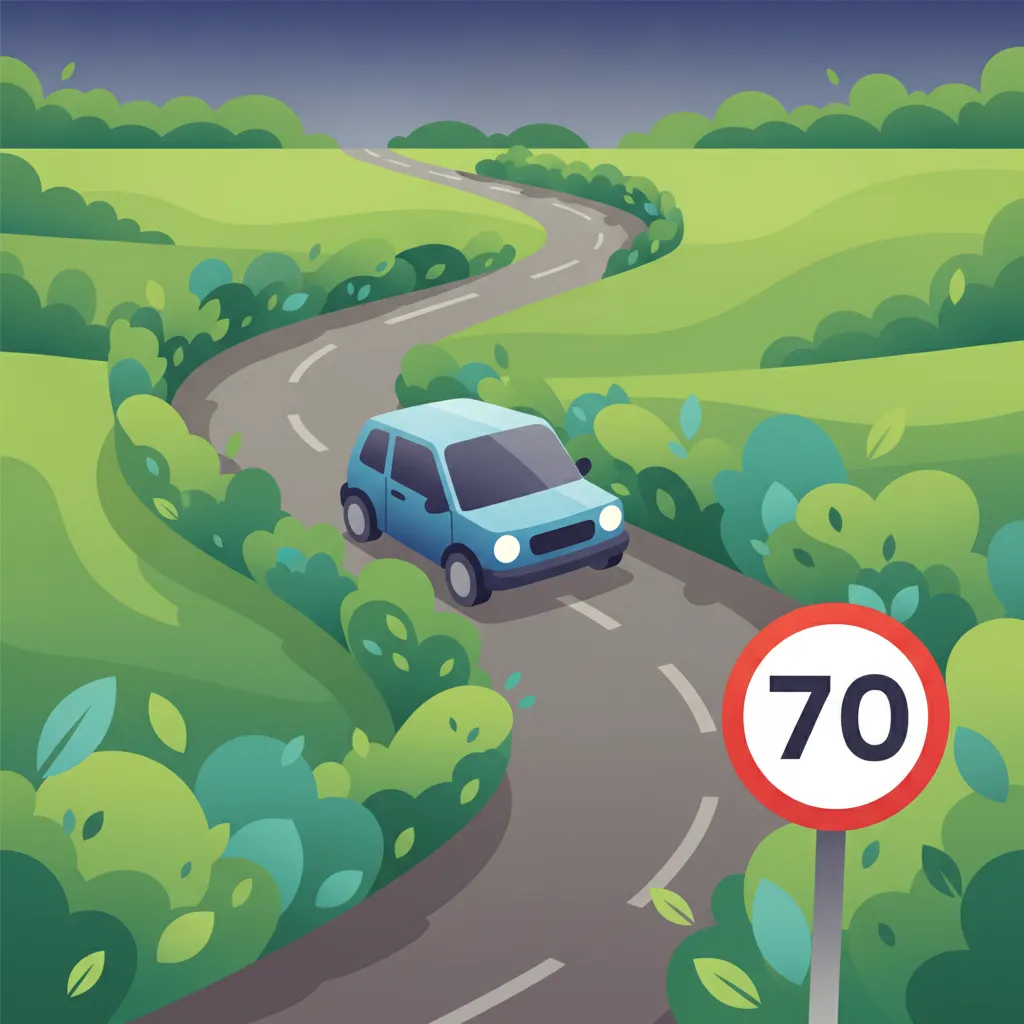
This lesson addresses the unique set of challenges that rural roads present to HGV drivers. It covers how to safely navigate narrow and winding lanes, the importance of anticipating hazards like slow-moving agricultural machinery, mud on the road, and wildlife. You will learn how the national speed limit applies to your vehicle on these roads and why it is often necessary to travel at a much lower speed to ensure safety.

This lesson prepares you for the challenges of countryside driving. It emphasizes that the national speed limit on these roads is often too fast for the conditions. You will learn how to approach sharp bends, use passing places on single-track roads, and anticipate hazards like slow-moving tractors, horse riders, or mud on the road surface.

This lesson addresses the unique challenges of driving a large vehicle on rural roads. It provides techniques for positioning the vehicle through sharp bends and on narrow lanes, and for safely navigating unmarked or uncontrolled junctions. Learners will be taught to anticipate hidden hazards common in the countryside, such as slow-moving farm vehicles, animals on the road, and concealed entrances. The correct use of passing places and strategies for meeting oncoming traffic are also covered.

This lesson prepares you for the specific challenges of driving in the countryside. It explains the correct procedure for overtaking horse riders: slow down and pass wide, ensuring you do not spook the animal. You will also learn how to anticipate and safely manage encounters with slow-moving tractors and other farm machinery.

This lesson covers the unique aspects of motorway driving, from joining and leaving the carriageway to the strict lane discipline of keeping to the left unless overtaking. It explains the features of smart motorways, such as variable speed limits and the meaning of a Red X symbol above a lane. The safe procedure for handling a breakdown is also a key topic.

This lesson explains how to drive safely through areas where roadworks are taking place. It stresses the importance of obeying all temporary signs, especially mandatory speed limits, which are in place for your safety and the safety of road workers. You will learn about navigating narrow lanes, contraflow systems, and how to follow official diversion signs.

This lesson addresses the critical importance of child safety in school transport zones and around school buses. It covers the specific regulations, such as 20 mph speed limits and stopping restrictions indicated by zigzag lines. Learners will focus on the unpredictable nature of children and the need for heightened vigilance and readiness to stop unexpectedly. The content also includes procedures for the safe transport of pupils, ensuring their security both inside and outside the vehicle.

This lesson teaches you to interpret warning signs, which are typically triangular with a red border. These signs are crucial for anticipating potential dangers, from changes in road layout to the presence of pedestrians or animals. By understanding these warnings, you can adjust your driving to safely navigate upcoming hazards.
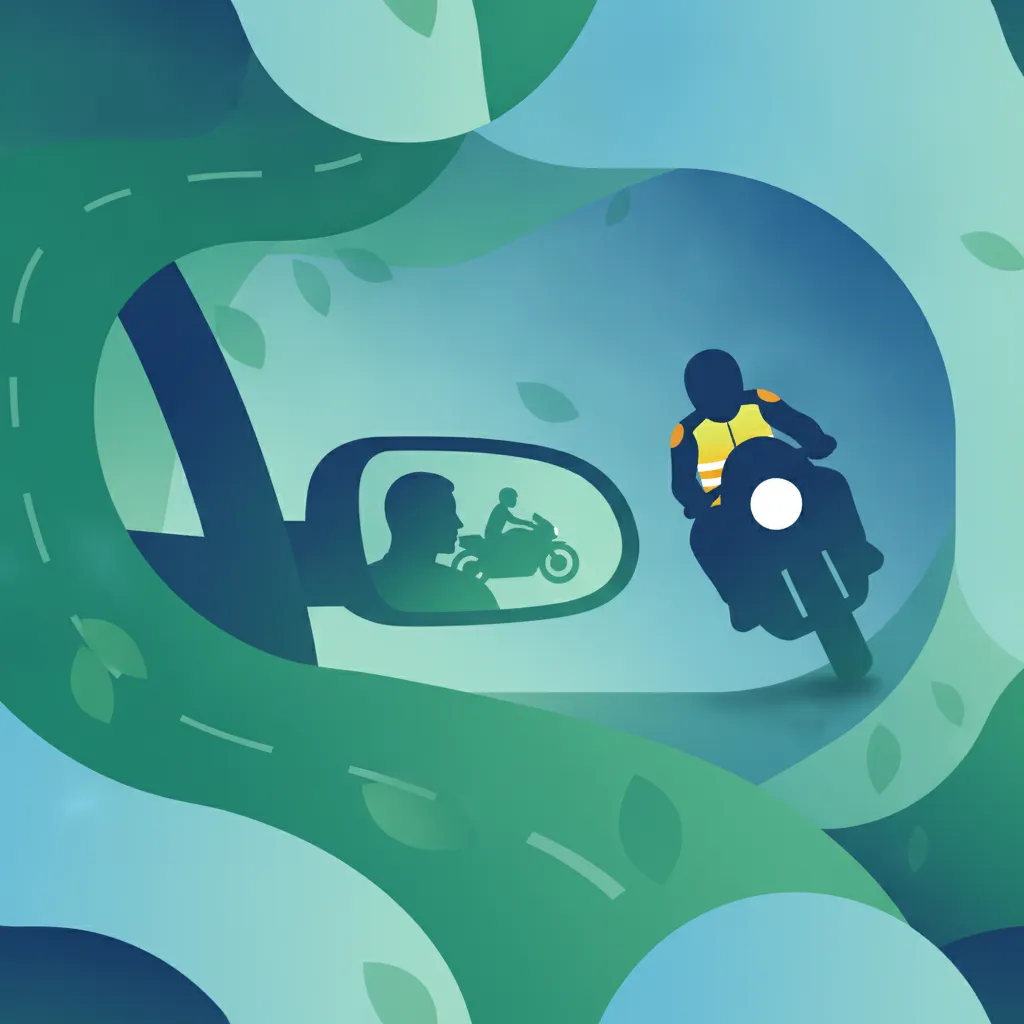
This lesson focuses on the unique risks faced by motorcyclists and scooter riders when sharing the road with HGVs. It explains how their small size and rapid acceleration can make them difficult to see, especially when they are filtering through traffic. Drivers will learn the importance of making extra mirror checks—'look twice'—before any maneuver and giving motorcyclists extra space, as they can be more affected by wind buffeting and road surface imperfections.

This lesson introduces the skill of hazard perception, a critical component of the official theory test and safe driving. It teaches you to actively scan your environment for potential dangers, such as a pedestrian about to cross or a car waiting to emerge from a junction. By identifying these situations early, you can take action to avoid them turning into actual dangers.
Master the essential rules for navigating dual carriageways and motorways in Great Britain. Covers lane discipline, speed limits, merging, overtaking, and safety procedures for higher-speed roads.
This lesson covers the unique aspects of motorway driving, from joining and leaving the carriageway to the strict lane discipline of keeping to the left unless overtaking. It explains the features of smart motorways, such as variable speed limits and the meaning of a Red X symbol above a lane. The safe procedure for handling a breakdown is also a key topic.

This lesson focuses on the regulations and best practices for driving a bus or coach on motorways. It details the specific speed limits applicable to PCVs and reinforces strict lane discipline. The content covers the correct procedures for safely joining from a slip road, overtaking other vehicles, and exiting the motorway. It also explains the features of smart motorways and the correct safety procedures to follow in the event of a breakdown, including the use of the hard shoulder.
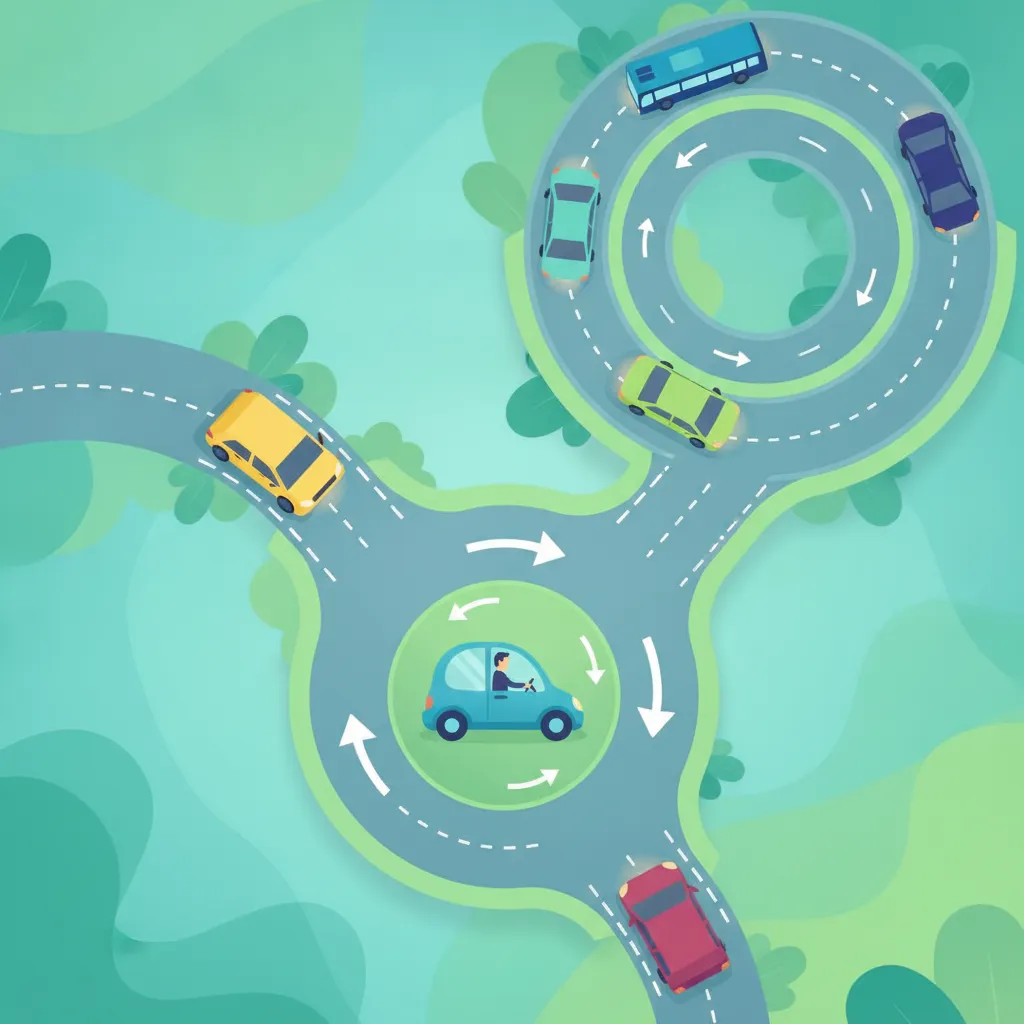
This lesson provides specific techniques for safely navigating the two main types of roundabouts in Great Britain. For multi-lane roundabouts, it covers how to choose the correct lane on approach, maintain your lane while circulating, and signal your exit correctly. It also explains the unique rules for mini-roundabouts, emphasizing the importance of giving way to traffic from the right and navigating them with caution due to their small size.

This lesson teaches the skill of joining a major road like a dual carriageway or motorway. It explains how to use the slip road to build up your speed to match the traffic flow on the main road. The focus is on observation, signalling, and finding a safe gap before merging smoothly and decisively into the traffic stream.
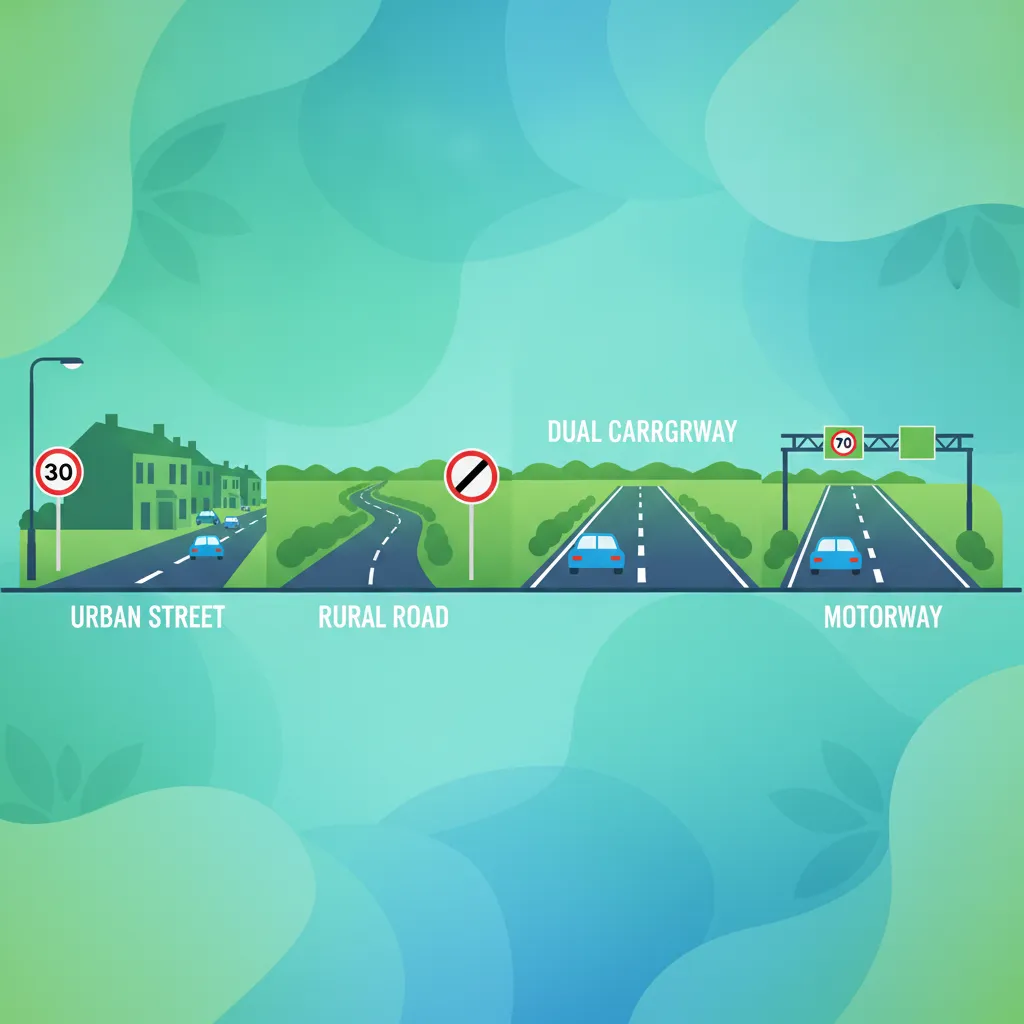
This lesson details the default speed limits for cars in Great Britain. You will learn the 30 mph limit for built-up areas, 60 mph on single carriageways, and 70 mph on dual carriageways and motorways. It also covers how to identify these roads and the importance of looking for signs indicating a different limit is in force.
This lesson examines the unique rules and restrictions governing buses and coaches, focusing on bus lane priority, time-based restrictions, and loading zone limitations. Learners will explore the criteria for using bus-only routes and understand the legal consequences of non-compliance. The content also reviews signage indicating bus gate operation and areas where passenger vehicles are prohibited from stopping or loading outside of designated zones, ensuring lawful and efficient urban navigation.

This lesson focuses on the specific rules and best practices for driving HGVs on motorways in Great Britain. It covers mandatory speed limits for goods vehicles, lane discipline including restrictions on using the outside lane, and procedures for safely joining and leaving the motorway. The lesson also includes up-to-date information on driving on smart motorways, including understanding the signs and using emergency refuge areas correctly.
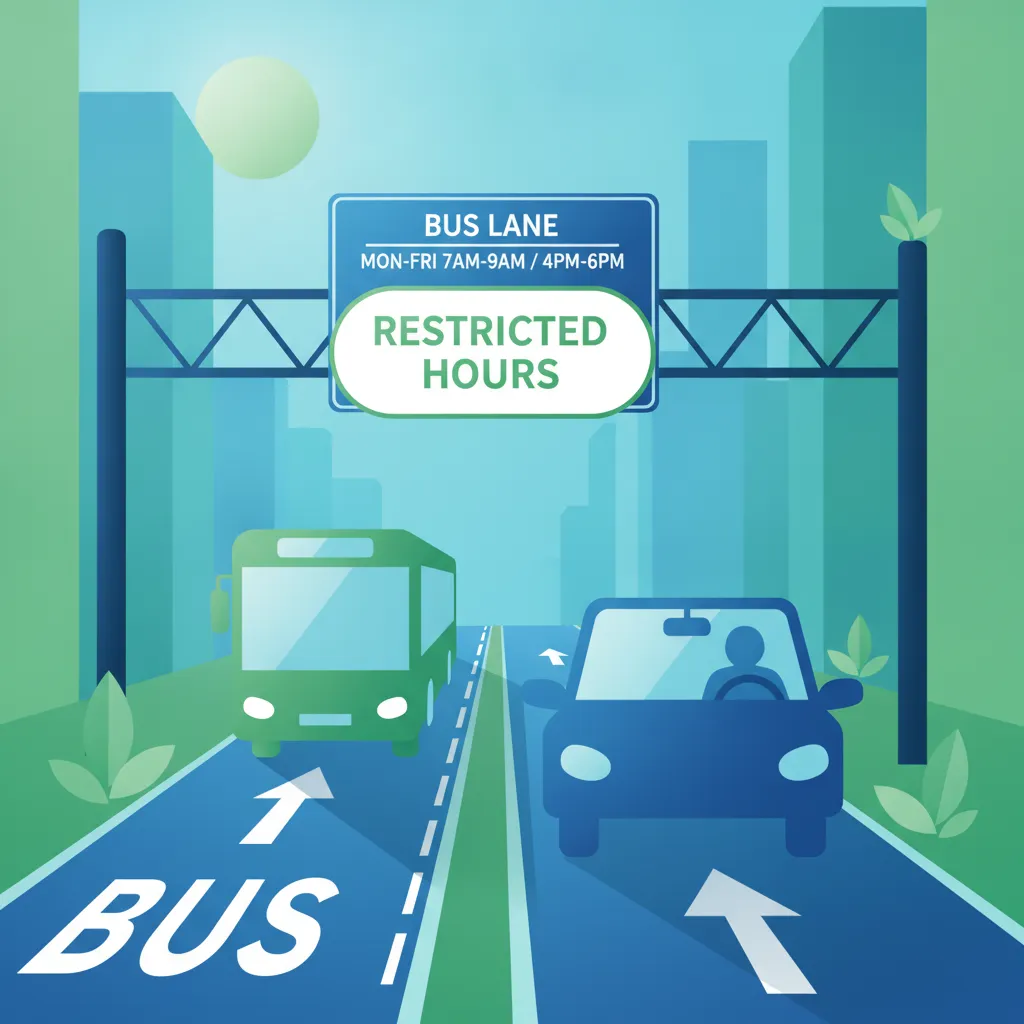
This lesson covers the importance of maintaining correct lane discipline when driving a large passenger vehicle. It details how to position your vehicle safely within a lane on various road types, including multi-lane carriageways and motorways. You will learn the specific rules governing bus lanes, including how to interpret markings, adhere to operating times, and understand the exemptions and penalties associated with their use to ensure legal and efficient driving.
This lesson explains markings found at the side of the road that regulate parking and stopping. You will learn the meaning of single and double yellow lines, and the stricter rules associated with red lines on 'Red Routes'. The lesson also covers markings for parking bays, loading zones, and hatched areas that are designed to separate traffic.
This lesson focuses on regulatory road signs, which convey legally enforceable instructions that all road users must follow. You will learn to identify and understand signs dictating speed limits, prohibited actions like 'no entry' or 'no overtaking', and mandatory directions at junctions. The content explains the distinct shapes and colours used for these signs, ensuring you can comply with their instructions correctly and avoid penalties while riding your AM vehicle.
Find clear answers to common questions learners have about Rural Roads, Dual Carriageways and Motorways. Learn how the lesson is structured, which driving theory objectives it supports, and how it fits into the overall learning path of units and curriculum progression in Great Britain. These explanations help you understand key concepts, lesson flow, and exam focused study goals.
No. Learner motorcyclists are legally prohibited from riding on motorways in Great Britain until they have passed their full test and hold a full motorcycle licence.
Rural roads often feature unpredictable surfaces like loose gravel, mud from farming, and hidden hazards such as blind bends, junctions, or wild animals, requiring a much higher degree of anticipation.
Match your speed to the traffic already on the main carriageway while on the slip road, look for a safe gap, and move into the left lane when it is clear, ensuring you do not force other vehicles to change speed or direction.
Unless specific signage indicates otherwise, the national speed limit for motorcycles on a dual carriageway is 70 mph.
Dive into our comprehensive question bank to find exactly what you need for your Great Britain theory test. Use our advanced filters to pinpoint specific subjects or test your knowledge on challenging areas, ensuring you're fully prepared for success.