
This lesson explores the legal alcohol limits for drivers in Great Britain and the critical impact of substances on your ability to drive safely. It serves as a vital component of your driver responsibility training, helping you understand the severe consequences of impairment and ensuring you are prepared for exam questions on this topic.
Lesson content overview
Driving under the influence of alcohol is a serious offence with severe consequences, both legal and safety-related. This lesson provides a comprehensive overview of the legal alcohol limits for drivers in England, Wales, and Scotland, outlining how alcohol impairs driving ability and the penalties for non-compliance. As a Category B learner driver in Great Britain, understanding these rules is crucial not only for passing your theory test but, more importantly, for ensuring your safety and the safety of all road users.
Even a small amount of alcohol can significantly affect your coordination, vision, and judgement, greatly increasing your risk of an accident. The law sets clear thresholds to minimise the probability of such incidents. Adhering to these limits, and ideally choosing to abstain completely when driving, is a fundamental aspect of responsible driving.
Alcohol is a central nervous system depressant, meaning it slows down brain function. This impairment manifests in several ways that are highly detrimental to safe driving, affecting your physical and mental capabilities. Understanding these physiological and cognitive effects highlights why legal alcohol limits are essential for road safety.
Even at low levels, alcohol can degrade a driver's abilities, leading to increased risk of accidents. The primary effects include:
These impairments collectively significantly increase the likelihood of a crash, which is why legal limits are strictly enforced. The law aims to protect all road users by setting thresholds that minimise these dangerous effects.
The Blood Alcohol Concentration (BAC) is the amount of alcohol present in a driver's bloodstream, typically expressed as milligrams of alcohol per 100 millilitres of blood (mg/100ml) or as a percentage. These statutory limits define the maximum permissible alcohol concentration for a driver.
The legal alcohol limits for ordinary drivers of Category B vehicles differ across Great Britain:
It is crucial to remember these differences depending on where you are driving. Exceeding these limits in either jurisdiction constitutes a criminal offence under the Road Traffic Act 1988.
These limits represent the maximum permissible levels, not recommended safe driving levels. Many drivers experience impairment well below these thresholds.
For learner drivers holding a provisional Category B licence, a zero-tolerance approach is effectively applied in practice, though specific legislation for England and Wales doesn't set a zero legal limit for learners. The higher safety expectations for inexperienced drivers mean that any detectable alcohol can lead to severe consequences, including immediate disqualification.
In Scotland, the lower general limit of 0.05% BAC already aligns with stricter standards. For new drivers (in their first two years after passing their test) in Scotland, even minimal alcohol presence is discouraged and can lead to a quicker loss of licence under the New Drivers Act provisions.
Professional drivers operate under stricter alcohol limits due to their heightened responsibility for passenger safety, vehicle size, and the nature of their work. These limits align with EU directives that were retained in UK law.
This lower limit reflects the greater risks associated with larger vehicles and the responsibility of transporting members of the public or heavy loads.
To enforce legal alcohol limits, police use various methods to measure a driver's alcohol concentration. These tests are legally admissible evidence in court.
The most common initial test is the Breath Alcohol Test (BrAT), often referred to as a breathalyser test. This preliminary test measures the amount of alcohol in a driver's exhaled air.
It's a common misunderstanding that breathalyser measurements are exact BAC values. They are estimations converted to BAC.
In certain circumstances, or if a breath test cannot be conducted or is inconclusive, police may require a blood test or urine test.
Both blood and urine samples must be taken within a reasonable timeframe after the suspected offence to be admissible in court, as alcohol levels diminish over time.
Your body processes alcohol primarily through the liver, where it is broken down and eliminated from your bloodstream. This process happens at a relatively constant rate for most people, regardless of how much you drink.
There is no quick fix to sober up. Coffee, cold showers, or fresh air do not speed up alcohol elimination. Only time allows your body to process the alcohol. It is vital to plan your journey and ensure you are well below the limit, or ideally sober, before driving.
The penalties for drink driving in Great Britain are severe and are designed to deter individuals from driving under the influence of alcohol. These sanctions reflect the seriousness of the offence and the significant danger it poses to public safety.
For exceeding legal alcohol limits, drivers face a range of penalties:
In more serious cases, such as those involving very high BAC levels, dangerous driving, or repeat offenders, imprisonment is a very real possibility.
Under the Road Traffic Act 1988, it is a criminal offence to refuse to provide a breath, blood, or urine specimen when required by a police officer, without a reasonable medical excuse. This refusal is treated as seriously as, or even more seriously than, being over the limit.
Driving safely requires full mental and physical capacity. When alcohol is combined with other impairing factors, the effects can be significantly amplified, increasing risk even if your BAC is below the statutory limit. This is known as combined impairment.
Many prescription and over-the-counter medications can cause drowsiness, dizziness, or impaired concentration. When these effects are combined with alcohol, the impairment can be much greater than either substance alone. This is often referred to as a synergistic effect.
Always read the labels on your medications and consult your doctor or pharmacist about driving while taking them, especially if you also consume alcohol.
Fatigue is a major contributor to road accidents. Alcohol acts as a depressant, and its effects are compounded when you are already tired.
Prioritising adequate rest and abstaining from alcohol before driving, especially when feeling tired, is essential for road safety.
Police officers have the authority to stop any driver they suspect of drink driving. Their procedures are governed by specific legislation to ensure fairness and adherence to the law.
Understanding these procedures ensures you know your obligations and rights should you be stopped on suspicion of drink driving.
The most effective way to avoid the risks and legal consequences of drink driving is to separate drinking from driving entirely.
If there is any doubt at all, do not drive. The consequences of drink driving far outweigh any perceived convenience.
By internalising these principles, you will not only be better prepared for your theory test for the Great Britain Category B driving licence but will also develop into a safer, more responsible driver, contributing to the safety of everyone on the road.
This lesson covers the strict legal alcohol limits for GB drivers, distinguishing between England and Wales at 0.08% BAC and Scotland's lower 0.05% limit. It explains how alcohol impairs critical driving abilities including reaction time, vision, coordination and judgment. The lesson details severe penalties for drink driving including mandatory 12-month disqualification for first offences, substantial fines and potential imprisonment. It emphasises that no amount of alcohol is truly safe for driving and that only time eliminates alcohol from your system, with combined impairment from medication or fatigue creating additional risks even below legal limits.
A short set of high-value points that capture the most important learning from this lesson.
The legal BAC limit is 80mg/100ml (0.08%) in England and Wales, but Scotland applies a stricter limit of 50mg/100ml (0.05%)
Alcohol is a central nervous system depressant that reduces peripheral vision, slows reaction times by up to 30% at 0.08% BAC, impairs depth perception, and diminishes judgment
Professional drivers including bus, coach, taxi and HGV drivers operate under a stricter limit of 20mg/100ml (0.02% BAC) due to their heightened responsibility
Learner drivers should aim for zero alcohol before driving, as even small amounts can significantly impair critical driving skills
The liver eliminates alcohol at approximately 0.015% BAC per hour, meaning coffee, cold showers and fresh air do not speed up sobering up
Explore all units and lessons included in this driving theory course.
England and Wales: 80mg/100ml | Scotland: 50mg/100ml | Professional drivers: 20mg/100ml
Refusing to provide a breath, blood or urine specimen when lawfully required carries the same 12-month minimum disqualification as being over the limit
Breathalyser results are estimates converted to BAC using a standard conversion factor, not direct measurements of blood alcohol
Combined impairment from alcohol plus medication or fatigue can make you unfit to drive even if your BAC is below the statutory limit
First offence drink driving carries a mandatory minimum 12-month driving ban and fines up to £5,000 or more, with imprisonment possible for serious cases
Assuming the legal limit represents a safe amount to drink before driving, when impairment occurs well below statutory limits
Believing that breathalyser readings are exact BAC measurements rather than estimates converted from breath alcohol concentration
Thinking you can speed up alcohol elimination with coffee, cold showers, fresh air or other remedies when only time allows sobering up
Underestimating how long alcohol stays in your system, risking being over the limit the morning after drinking
Not accounting for individual factors like body weight, gender, food intake and liver health that affect how quickly BAC rises and falls
Lesson content overview
A short set of high-value points that capture the most important learning from this lesson.
The legal BAC limit is 80mg/100ml (0.08%) in England and Wales, but Scotland applies a stricter limit of 50mg/100ml (0.05%)
Alcohol is a central nervous system depressant that reduces peripheral vision, slows reaction times by up to 30% at 0.08% BAC, impairs depth perception, and diminishes judgment
Professional drivers including bus, coach, taxi and HGV drivers operate under a stricter limit of 20mg/100ml (0.02% BAC) due to their heightened responsibility
Learner drivers should aim for zero alcohol before driving, as even small amounts can significantly impair critical driving skills
The liver eliminates alcohol at approximately 0.015% BAC per hour, meaning coffee, cold showers and fresh air do not speed up sobering up
Explore all units and lessons included in this driving theory course.
England and Wales: 80mg/100ml | Scotland: 50mg/100ml | Professional drivers: 20mg/100ml
Refusing to provide a breath, blood or urine specimen when lawfully required carries the same 12-month minimum disqualification as being over the limit
Breathalyser results are estimates converted to BAC using a standard conversion factor, not direct measurements of blood alcohol
Combined impairment from alcohol plus medication or fatigue can make you unfit to drive even if your BAC is below the statutory limit
First offence drink driving carries a mandatory minimum 12-month driving ban and fines up to £5,000 or more, with imprisonment possible for serious cases
Assuming the legal limit represents a safe amount to drink before driving, when impairment occurs well below statutory limits
Believing that breathalyser readings are exact BAC measurements rather than estimates converted from breath alcohol concentration
Thinking you can speed up alcohol elimination with coffee, cold showers, fresh air or other remedies when only time allows sobering up
Underestimating how long alcohol stays in your system, risking being over the limit the morning after drinking
Not accounting for individual factors like body weight, gender, food intake and liver health that affect how quickly BAC rises and falls
Explore search topics learners often look for when studying Legal Limits for Alcohol and Impairment Effects. These topics reflect common questions about road rules, driving situations, safety guidance, and lesson level theory preparation for learners in Great Britain.
Browse additional driving theory lessons that cover connected traffic rules, road signs, and common driving situations related to this topic. Improve your understanding of how different rules interact across everyday traffic scenarios.
Understand the detailed physiological and cognitive effects of alcohol on driving. This lesson covers reduced vision, slowed reactions, and impaired judgement, crucial for safe driving and passing the GB theory test.
This lesson covers the strict laws and significant safety risks associated with drink and drug riding. It explains the legal blood alcohol limits in Great Britain, the procedures for roadside testing, and the severe penalties for infringement, including fines, disqualification, and imprisonment. You will also learn how various substances, including some prescription medications, can dangerously impair your riding ability.
This lesson addresses the critical safety topics of impairment, distraction, and social pressures. It explains how alcohol and drugs severely affect judgment, coordination, and reaction time, outlining the strict legal limits and harsh penalties in Great Britain. The content also covers modern distractions like mobile phones and the importance of resisting negative peer pressure to maintain focus and make responsible decisions as a rider.
Learn about the severe legal penalties for drink driving in the UK, including fines, licence disqualification, and potential imprisonment. Understand the risks to your licence and future driving.
This lesson details the consequences of committing traffic offences. It explains how penalty points are added to your licence for infractions like speeding or using a mobile phone. You will learn about the threshold for disqualification (totting-up) and the specific, stricter rules that apply to new drivers within the first two years of passing their test.
This lesson covers the strict laws and significant safety risks associated with drink and drug riding. It explains the legal blood alcohol limits in Great Britain, the procedures for roadside testing, and the severe penalties for infringement, including fines, disqualification, and imprisonment. You will also learn how various substances, including some prescription medications, can dangerously impair your riding ability.
Explore the critical topics of driver liability, insurance, and legal penalties in Great Britain. This lesson distinguishes between civil and criminal liability in the context of road incidents. It details the compulsory third-party insurance every driver must have and explains the penalty points system for traffic offences, including fines and potential disqualification.
This lesson outlines the serious legal and professional consequences of committing traffic offences. It covers common issues such as speeding, using a mobile phone, and the strict limits on alcohol, explaining the system of fixed penalty notices and penalty points. The content makes clear how accumulating points can lead to fines, licence suspension or revocation, and the loss of a professional driving career. The importance of understanding and following company policy on incident reporting is also stressed.
This lesson explains the legal consequences of committing traffic offences in Great Britain. It details the penalty points system, explaining how points are issued for various offences like speeding or using a mobile phone, and the thresholds that can lead to a driving ban. Understanding these penalties, fines, and potential licence revocation reinforces the importance of consistent, lawful riding and helps you appreciate the value of a clean driving record.
This lesson addresses the critical safety topics of impairment, distraction, and social pressures. It explains how alcohol and drugs severely affect judgment, coordination, and reaction time, outlining the strict legal limits and harsh penalties in Great Britain. The content also covers modern distractions like mobile phones and the importance of resisting negative peer pressure to maintain focus and make responsible decisions as a rider.
This lesson explains the legal consequences of committing traffic offences. It covers how the penalty points system works, the number of points for common offences like speeding, and how accumulating 12 points can lead to disqualification under the 'totting-up' procedure. You will also learn about the specific rules for new riders, who can have their licence revoked with just 6 points.
Gain a comprehensive understanding of the legal repercussions for violating goods vehicle regulations, which can range from civil penalties to criminal prosecution. This lesson details the fines, penalty points, and potential vehicle seizure enforced by authorities like the DVSA and the police. It clarifies how serious offences are handled in court and how repeated infractions can lead to escalating sanctions, impacting both your licence and professional career.
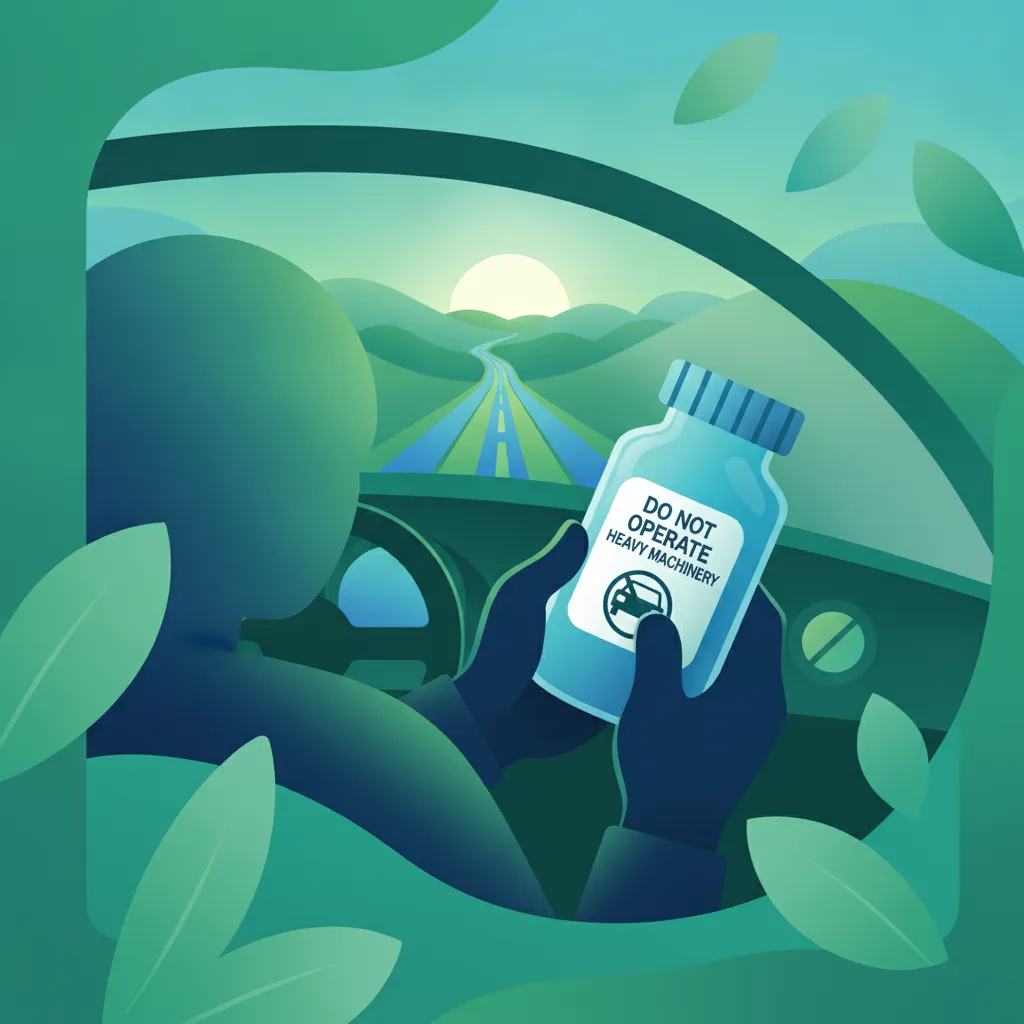
This lesson covers the dangers and illegality of driving under the influence of drugs. It explains that police can test for various illicit substances at the roadside and that certain prescription or over-the-counter medicines can also impair driving. You will learn about your responsibility to read medicine labels and consult a doctor or pharmacist about driving.
This lesson outlines the serious consequences of failing to comply with road transport law. It details the graduated system of fines and penalties that can be issued by the DVSA and police for offences ranging from drivers' hours violations to vehicle defects. The lesson also explains more severe sanctions, such as vehicle prohibition, licence suspension, and referral to the Traffic Commissioner, which can impact both the driver and their employer.
Find clear answers to common questions learners have about Legal Limits for Alcohol and Impairment Effects. Learn how the lesson is structured, which driving theory objectives it supports, and how it fits into the overall learning path of units and curriculum progression in Great Britain. These explanations help you understand key concepts, lesson flow, and exam focused study goals.
While the rules for driving are similar, Great Britain (England, Scotland, and Wales) has specific laws. Always ensure you are studying the current legal limits applicable to the Great Britain theory test as defined by the DVSA.
The law provides a specific limit, but it is impossible to accurately predict how alcohol affects you based on a number of drinks. Alcohol affects coordination, reaction times, and judgement, making it dangerous to drive after any consumption.
Penalties are severe and can include a criminal record, heavy fines, a driving ban, and even a prison sentence. These consequences will significantly impact your ability to drive and can affect future employment opportunities.
Yes. It is an offence to drive if your ability to drive is impaired by drugs, including prescription or over-the-counter medication. Always consult your doctor or pharmacist about how medication may affect your driving.
Dive into our comprehensive question bank to find exactly what you need for your Great Britain theory test. Use our advanced filters to pinpoint specific subjects or test your knowledge on challenging areas, ensuring you're fully prepared for success.