
This lesson teaches you how to calculate and maintain appropriate following distances for large goods vehicles in Great Britain. By understanding how heavy loads and adverse conditions affect stopping physics, you will be better prepared to handle real-world risks and answer exam questions on safe spacing.

Lesson content overview
Operating a Category C heavy goods vehicle (HGV) in Great Britain demands exceptional road safety awareness, and maintaining an adequate following distance is one of the most critical aspects. This lesson will explore the principles, rules, and practical techniques essential for ensuring a safe buffer zone from the vehicle ahead, accounting for the unique characteristics of HGVs. By mastering these techniques, you significantly reduce the risk of collisions and enhance overall road safety for yourself and other road users.
Heavy goods vehicles, due to their substantial mass, length, and laden weight, have significantly longer stopping distances compared to smaller passenger cars. This fundamental difference makes the management of following distances an absolute priority for Category C drivers. An insufficient gap between your HGV and the vehicle in front dramatically increases the risk of a rear-end collision, especially when faced with sudden braking, unexpected hazards, or adverse road conditions.
Adequate following distance provides crucial time for the driver to:
Without this safety buffer, the physics of momentum dictate that a heavy vehicle will continue to travel a considerable distance, making a collision almost inevitable. This is why standard car-following rules must be adapted and extended for professional HGV drivers.
The "two-second rule" serves as the baseline for judging a safe following distance under ideal driving conditions. While primarily designed for cars, it provides a foundational concept that HGV drivers must understand and then adapt.
The two-second rule dictates that a driver should be able to count at least two seconds from when the rear of the vehicle ahead passes a fixed point on the road (such as a bridge, road sign, or lamppost) to when the front of your own vehicle reaches that same point. This temporal measurement is crucial because it inherently adjusts for speed: at higher speeds, two seconds covers a greater distance, providing a proportionally larger physical gap.
This rule is rooted in the average perception-reaction time of a driver, typically around 1.5 seconds, plus a margin for initial braking. Highway Code Rule 112 advises drivers to leave a safe distance, stating that the two-second rule is recommended as a practical method. For HGVs, this rule represents an absolute minimum and should almost always be extended.
Applying the two-second rule accurately is a practical skill that improves with conscious effort:
Choose a Fixed Point: As the vehicle ahead passes a distinct, fixed object by the side of the road (e.g., a tree, signpost, or road marking), note this point.
Start Counting: Immediately begin counting "one thousand and one, one thousand and two" (or "only a fool breaks the two-second rule" if you prefer a mnemonic).
Assess Your Position: If the front of your vehicle reaches the chosen fixed point before you finish counting to "one thousand and two," you are following too closely.
Adjust Your Speed: Gently ease off the accelerator to increase your following distance until you can comfortably count to at least two seconds.
Practising this method regularly, even in ideal conditions, will help you develop a natural sense of appropriate following distances, which is vital for professional driving.
The basic two-second rule is rarely sufficient for Category C vehicles due to their size, weight, and the environments they operate in. Professional drivers must dynamically extend this baseline according to prevailing conditions. This extended following time is defined as the additional temporal buffer added to the base two seconds, based on influencing factors such as load, weather, road surface, gradients, and visibility.
A fully laden HGV carries immense kinetic energy, which requires a significantly greater distance to dissipate during braking. The cargo's weight, how it is distributed, and whether it is secured correctly directly affect the vehicle's braking efficiency and stability.
Practical Action: For fully loaded goods vehicles, always add at least one second to your base following distance. If the load is particularly heavy, unstable, or you are on challenging terrain, add even more.
Drivers must be familiar with guidelines such as those from the Vehicle Certification Agency (VCA) regarding braking performance standards for HGVs, and understand that their vehicle's performance will vary significantly with load.
Adverse weather dramatically reduces tyre-road friction and impairs driver perception, necessitating a substantial increase in following distance. This is known as adverse condition compensation.
Road gradients directly influence a vehicle's stopping dynamics, requiring careful adjustment of following distances. Highway Code Rule 170 specifically advises reducing speed and increasing following distance on steep gradients.
Reduced visibility, whether due to environmental factors like fog or simply the absence of daylight, limits a driver's ability to perceive hazards, thus demanding a greater following distance.
While physical conditions like load and weather are critical, the driver's own state plays a significant role. Factors that can increase a driver's perception-reaction time include:
If you are not feeling fully alert or are operating under any impairment, you must compensate by significantly increasing your following distance. Professional drivers have a responsibility to be fit for duty, and recognizing reduced capabilities is paramount for safety.
Adhering to safe following distances is not merely good practice; it is a legal requirement outlined in the Highway Code and supported by broader vehicle safety regulations in Great Britain.
Several key rules within the Highway Code reinforce the necessity of maintaining safe following distances, applicable to all drivers, but particularly critical for HGV operators:
Failure to adhere to these rules can result in serious consequences, including fines, penalty points, and potential liability in the event of an accident.
Beyond the Highway Code, broader regulations govern the safe operation of HGVs, indirectly impacting following distances:
Professional HGV drivers must be acutely aware of common errors that compromise safe following distances, as the consequences for heavy vehicles can be severe.
Tailgating is perhaps the most dangerous and common violation of safe following distance.
Ignoring the combined effects of a heavy load and a downhill gradient is a serious oversight.
Treating adverse weather conditions as minor inconveniences rather than significant safety hazards is a common mistake.
Let's illustrate how to apply the principles of safe following distance for Category C vehicles in various real-world scenarios in Great Britain.
Safe following distances for Category C HGVs extend well beyond standard car-following rules due to the physics of heavy vehicles. The baseline two-second rule must be dynamically adjusted by adding extra seconds for factors including vehicle load, adverse weather conditions, steep gradients, and reduced visibility. Heavy loads increase stopping distance by 30-40%, while icy conditions can multiply stopping distances by many times. Professional drivers must continuously assess conditions and maintain a safety buffer sufficient to bring their loaded HGV to a complete stop within the visible clear distance, as required by Highway Code Rule 119. This lesson covers practical techniques for judging gaps, legal requirements, and real-world scenarios to help learners pass the DVSA Category C theory test.
A short set of high-value points that capture the most important learning from this lesson.
HGVs require significantly longer following distances than cars due to their mass, momentum, and longer stopping distances.
The two-second rule is the absolute minimum baseline for HGVs and must be extended based on load, weather, gradients, and visibility conditions.
A fully laden HGV can require 30-40% more stopping distance than an empty one due to increased kinetic energy and potential brake performance limitations.
Adverse weather conditions (wet, icy, foggy) drastically reduce tyre-road friction and visibility, demanding proportional increases in following time.
Professional HGV drivers must dynamically assess conditions continuously and adjust their safety buffer accordingly.
Explore all units and lessons included in this driving theory course.
Highway Code Rule 166 requires you to adjust speed and following distance to suit road, traffic, wind, and weather conditions—this applies to all HGV drivers.
In wet conditions, extend to at least three seconds; on icy roads, minimum four seconds or more; on steep downhill gradients, add one to two additional seconds to your gap.
The two-second rule works because it automatically adjusts for speed—at higher speeds, two seconds covers more distance, providing a proportionally larger gap.
If you are fatigued, distracted, or impaired, your perception-reaction time increases beyond the standard 1.5 seconds, requiring a greater following buffer.
Night driving reduces depth perception even on clear roads; maintain a minimum three-second gap on unlit roads at night.
Assuming a standard two-second gap is sufficient regardless of load, weather, or road conditions—this is the minimum baseline only.
Neglecting the combined effect of a heavy load and downhill gradient, which dramatically increases stopping distance beyond what either factor alone would suggest.
Maintaining the same following distance in fog, rain, or ice as on a dry road, without accounting for reduced tyre grip and extended braking distances.
Tailgating in slow-moving urban traffic because speeds are lower, forgetting that the vehicle ahead can brake suddenly.
Using high beams when following another vehicle at night, which dazzles the driver ahead and reduces their ability to react safely.
Lesson content overview
A short set of high-value points that capture the most important learning from this lesson.
HGVs require significantly longer following distances than cars due to their mass, momentum, and longer stopping distances.
The two-second rule is the absolute minimum baseline for HGVs and must be extended based on load, weather, gradients, and visibility conditions.
A fully laden HGV can require 30-40% more stopping distance than an empty one due to increased kinetic energy and potential brake performance limitations.
Adverse weather conditions (wet, icy, foggy) drastically reduce tyre-road friction and visibility, demanding proportional increases in following time.
Professional HGV drivers must dynamically assess conditions continuously and adjust their safety buffer accordingly.
Explore all units and lessons included in this driving theory course.
Highway Code Rule 166 requires you to adjust speed and following distance to suit road, traffic, wind, and weather conditions—this applies to all HGV drivers.
In wet conditions, extend to at least three seconds; on icy roads, minimum four seconds or more; on steep downhill gradients, add one to two additional seconds to your gap.
The two-second rule works because it automatically adjusts for speed—at higher speeds, two seconds covers more distance, providing a proportionally larger gap.
If you are fatigued, distracted, or impaired, your perception-reaction time increases beyond the standard 1.5 seconds, requiring a greater following buffer.
Night driving reduces depth perception even on clear roads; maintain a minimum three-second gap on unlit roads at night.
Assuming a standard two-second gap is sufficient regardless of load, weather, or road conditions—this is the minimum baseline only.
Neglecting the combined effect of a heavy load and downhill gradient, which dramatically increases stopping distance beyond what either factor alone would suggest.
Maintaining the same following distance in fog, rain, or ice as on a dry road, without accounting for reduced tyre grip and extended braking distances.
Tailgating in slow-moving urban traffic because speeds are lower, forgetting that the vehicle ahead can brake suddenly.
Using high beams when following another vehicle at night, which dazzles the driver ahead and reduces their ability to react safely.
Explore search topics learners often look for when studying Maintaining Safe Following Distances. These topics reflect common questions about road rules, driving situations, safety guidance, and lesson level theory preparation for learners in Great Britain.
Browse additional driving theory lessons that cover connected traffic rules, road signs, and common driving situations related to this topic. Improve your understanding of how different rules interact across everyday traffic scenarios.
Understand how to adjust safe following distances for Category C vehicles during rain, fog, ice, and snow. Learn essential adaptations for UK roads to prevent accidents and ensure compliance with DVSA theory test requirements.

This lesson details how different adverse weather conditions uniquely affect the handling and stability of a heavy goods vehicle. It covers the increased stopping distances in rain, reduced visibility in fog, severe traction loss on ice, and the dangerous effect of strong crosswinds on high-sided vehicles. You will learn specific techniques for adjusting speed, increasing following distances, and using vehicle controls smoothly to maintain safety in challenging weather.

This lesson equips drivers with strategies for maintaining control of a heavy vehicle during adverse weather conditions like heavy rain, ice, snow, and strong crosswinds. It covers the physics of traction loss, aquaplaning, and skidding, and explains how to use smooth inputs for steering, acceleration, and braking. The function of electronic stability control systems and other driver aids is also discussed as part of a proactive approach to safety in challenging environments.

This lesson provides essential advice for driving when weather conditions are poor. It explains how rain can cause aquaplaning and why you must double your following distance. You will also learn techniques for driving in icy conditions, including gentle use of controls to avoid skidding, and the correct use of lights in fog.
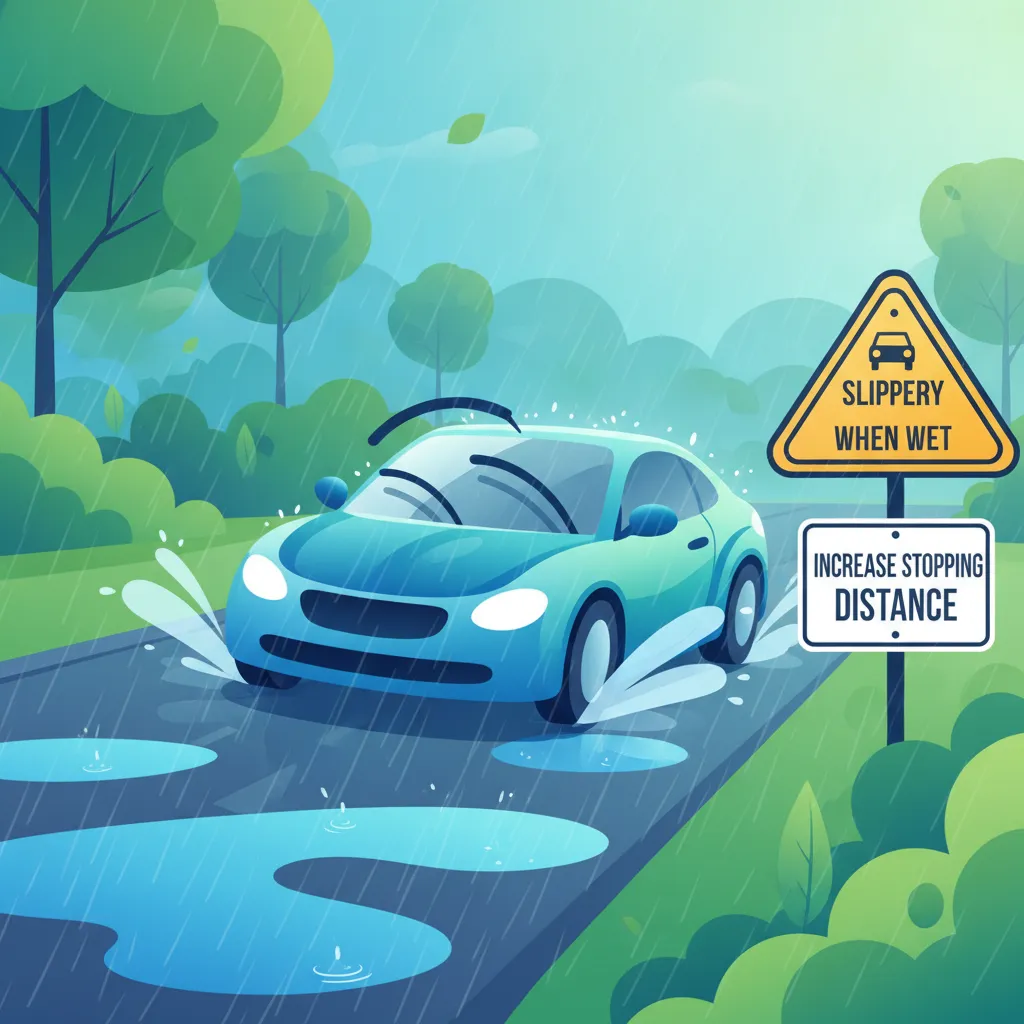
This lesson explains how different weather conditions impact the handling and stability of a large passenger vehicle. It covers the risks of aquaplaning in heavy rain, the effect of high winds on vehicle stability, and the severe reduction in visibility caused by fog. Learners will understand how ice and snow dramatically increase stopping distances and require extremely gentle control inputs to prevent skidding. Strategies for adapting speed and increasing following distances are emphasized.
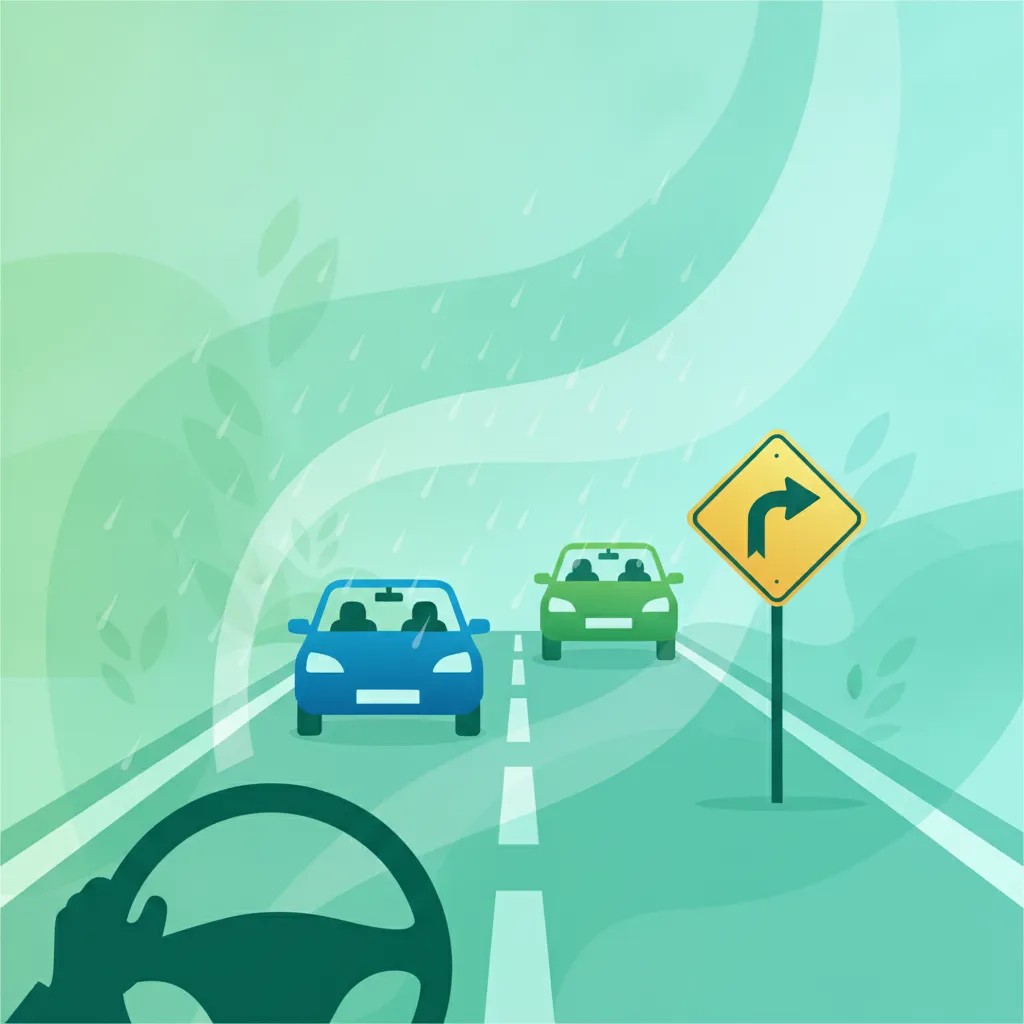
This lesson teaches a practical method for maintaining a safe distance from the vehicle in front. The 'two-second rule' provides a minimum time gap in dry conditions, which should be doubled to four seconds in the wet. Adhering to this rule gives you sufficient time to react and brake safely if the vehicle ahead stops suddenly.

This lesson explores how to maintain safe following distances specific to large passenger vehicles, accounting for their higher inertia and longer braking distances. It covers time-gap calculations, such as the four-second rule, and dynamic following distance adjustments based on speed and road conditions. Emphasis is placed on avoiding tailgating, ensuring a sufficient safety buffer is always present, and developing an awareness of convoy driving scenarios where multiple large vehicles are present.

This lesson explains the functions and legal requirements for all exterior vehicle lights. You will learn when it is appropriate to use dipped and main beam headlights, the specific conditions for using fog lights, and the correct application of hazard warning lights. Proper use of lighting is vital for seeing and being seen by other road users.
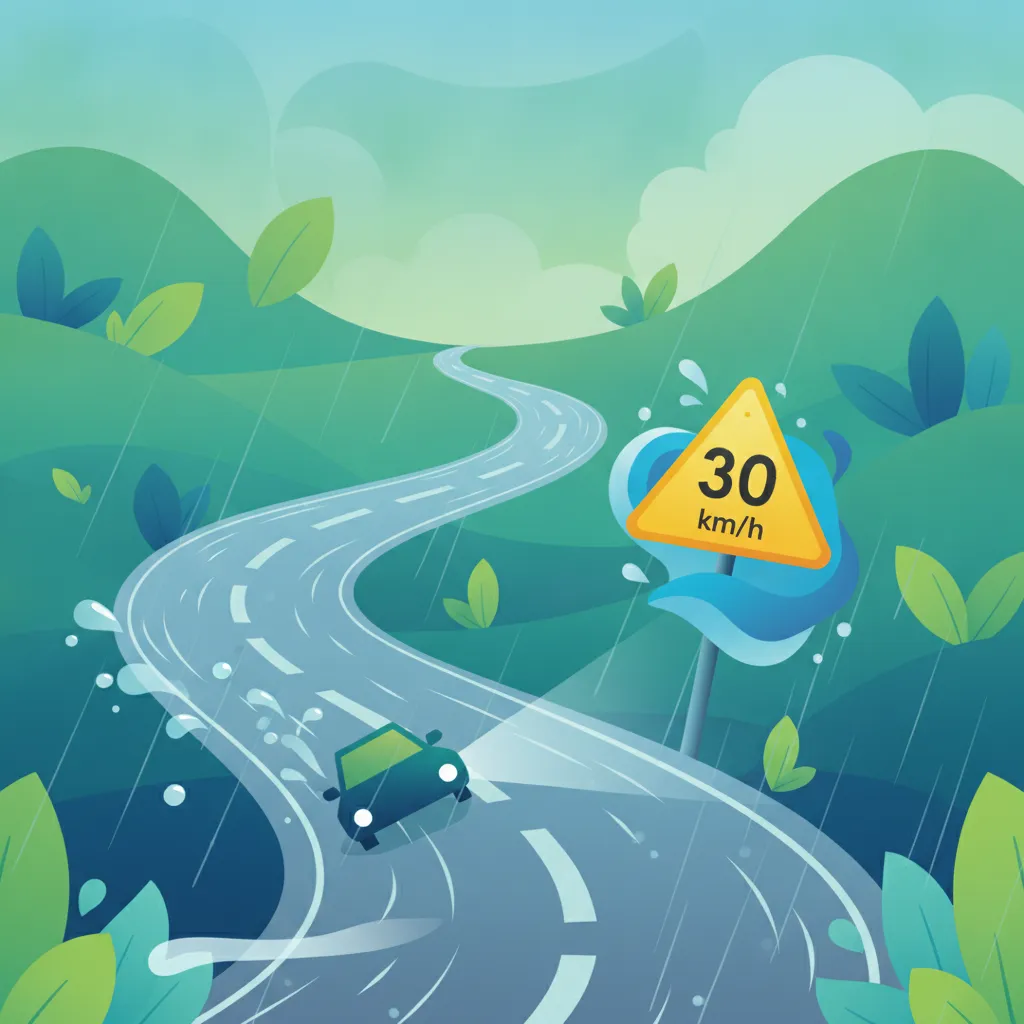
This lesson explains that safe driving often requires travelling at a speed lower than the legal limit. It covers how to adjust your speed for adverse conditions such as rain, which can double your stopping distance, or fog, which severely reduces visibility. The goal is to always be able to stop safely in the distance you can see to be clear.
Learn how vehicle load and road gradients affect stopping distances for heavy goods vehicles in Great Britain. This lesson covers essential adjustments to following distance for safely navigating hills and carrying heavy cargo.

This lesson covers the principles of safe loading to prevent items from shifting or falling and causing a hazard. It explains that any load must be securely fastened and must not obstruct your view. You will also learn how overloading or distributing weight incorrectly can dangerously affect the vehicle's steering, braking, and overall stability.
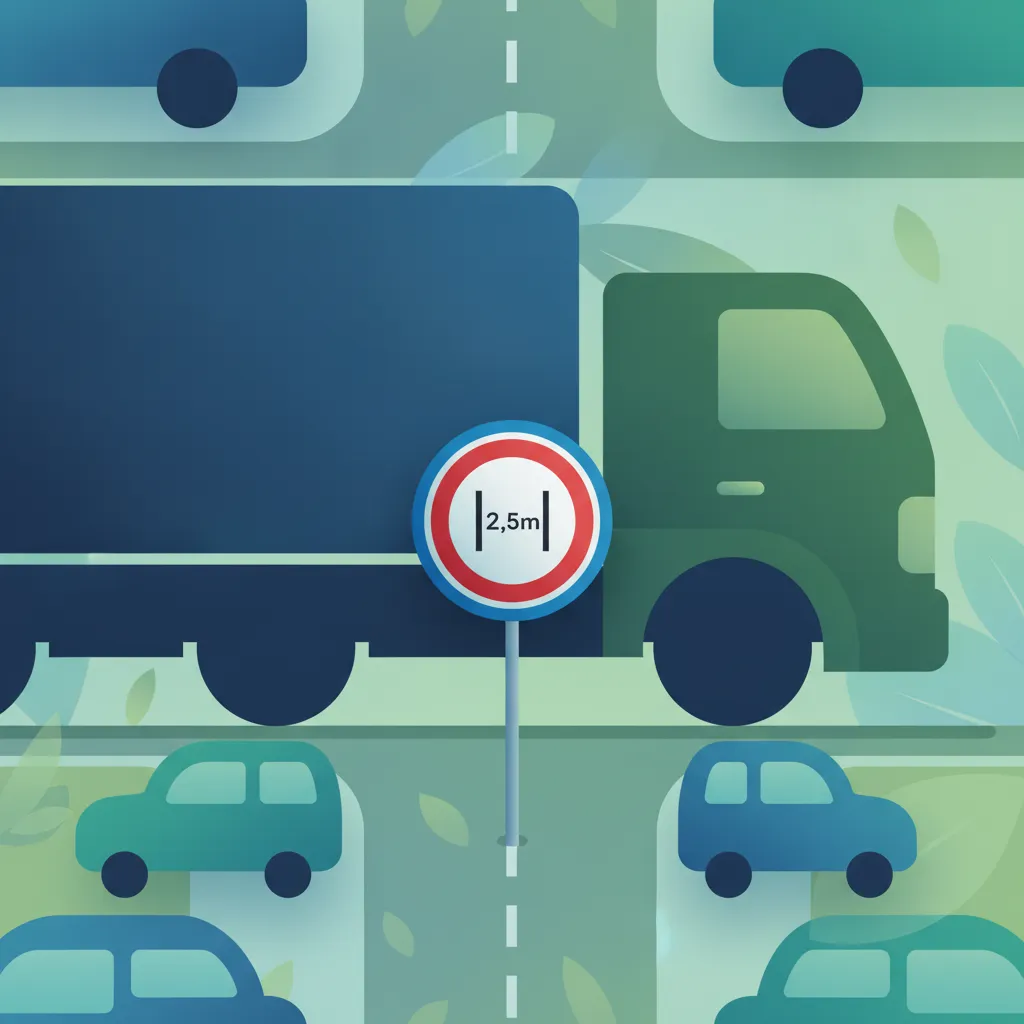
This lesson offers a deep dive into the specific regulations concerning weight, width, and axle load restrictions for goods vehicles. It covers how to read and comply with the associated road signs to avoid overloading weak bridges and entering restricted areas. Learners will understand the importance of correct load assessment and the serious penalties for non-compliance, which are enforced through DVSA roadside inspections and weighbridges.
This lesson explores how to maintain safe following distances specific to large passenger vehicles, accounting for their higher inertia and longer braking distances. It covers time-gap calculations, such as the four-second rule, and dynamic following distance adjustments based on speed and road conditions. Emphasis is placed on avoiding tailgating, ensuring a sufficient safety buffer is always present, and developing an awareness of convoy driving scenarios where multiple large vehicles are present.

This lesson teaches essential techniques for safely navigating steep inclines and descents in a heavy vehicle. It focuses on the correct use of auxiliary braking systems, such as engine brakes and retarders, to control speed without overheating the service brakes. Proper gear selection for both ascending and descending gradients is explained in detail to ensure the driver maintains full control of the vehicle's momentum at all times, preventing dangerous situations.
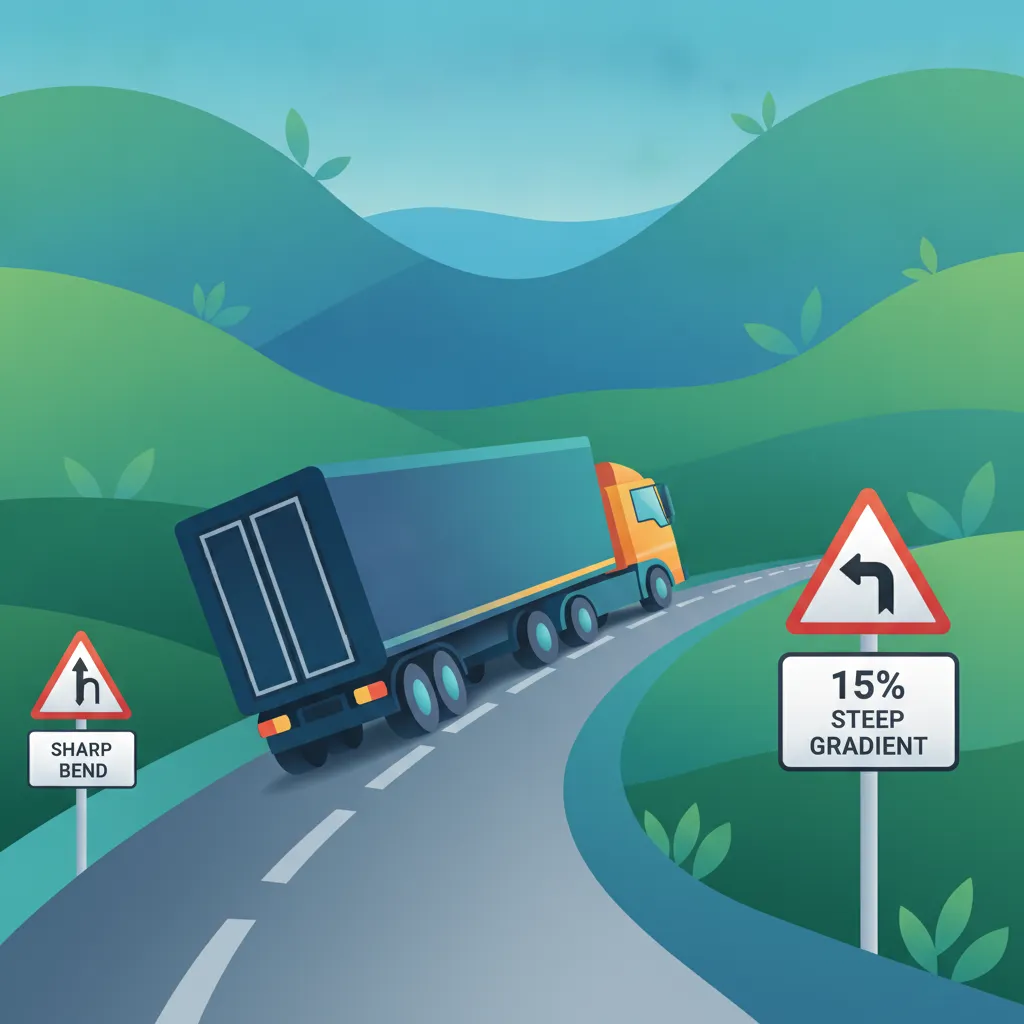
This lesson focuses on the principles of effective speed management for heavy goods vehicles, which extends beyond simply obeying the statutory speed limits. It covers how to adapt speed based on vehicle weight, load stability, road gradients, and prevailing traffic and weather conditions. You will also learn about the function of mandatory speed limiters and how intelligent use of speed and cruise control can significantly improve fuel efficiency and safety.
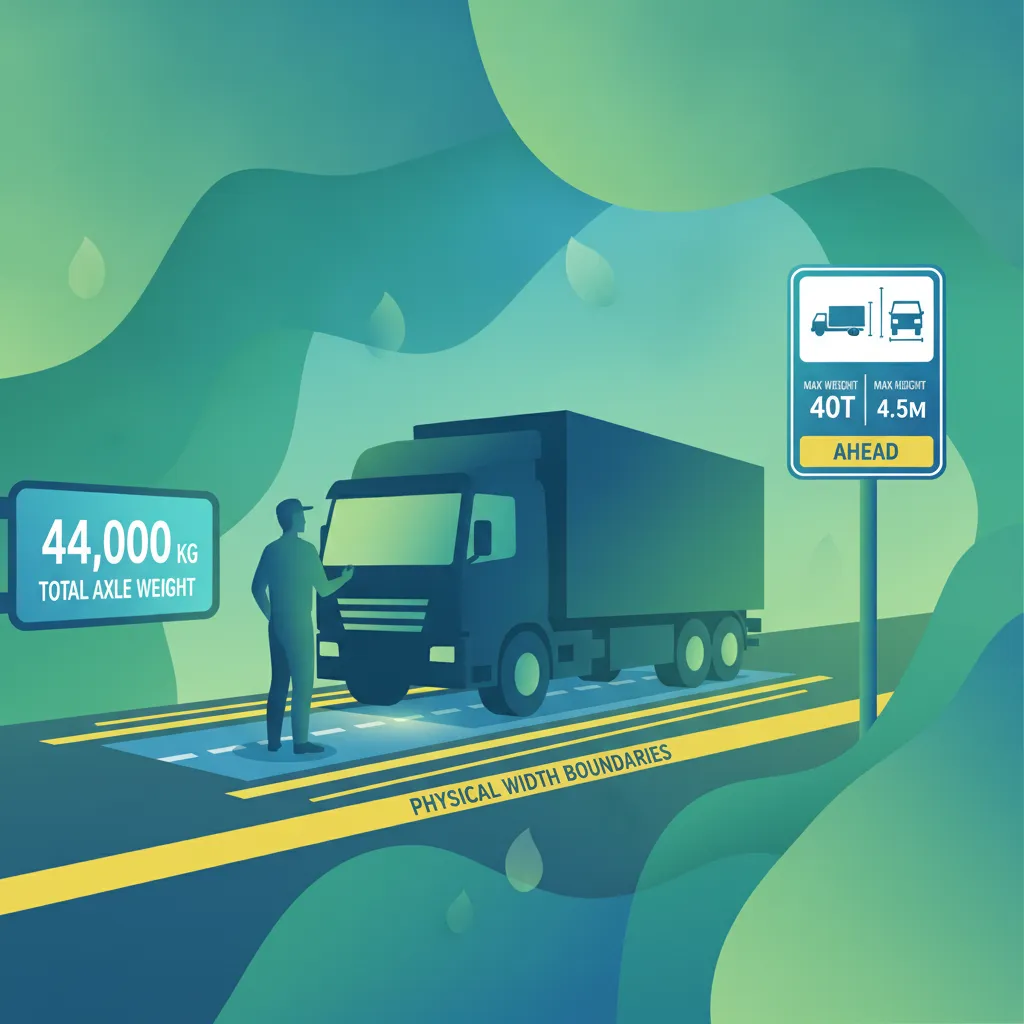
This lesson introduces the statutory limits governing the dimensions and mass of goods vehicles in Great Britain, including gross vehicle weight and individual axle loads. It explains how to calculate a vehicle's loaded weight to ensure it remains within legal parameters, preventing penalties and safety risks. Understanding these regulations is crucial for preventing damage to road infrastructure and ensuring the vehicle's stability and safe operation on every journey.

This lesson focuses on the specific rules and best practices for driving HGVs on motorways in Great Britain. It covers mandatory speed limits for goods vehicles, lane discipline including restrictions on using the outside lane, and procedures for safely joining and leaving the motorway. The lesson also includes up-to-date information on driving on smart motorways, including understanding the signs and using emergency refuge areas correctly.

This lesson analyzes the significant impact that large goods vehicles have on overall traffic flow, particularly in congested urban areas and on narrow roads. It discusses how their size can contribute to lane blockages, reduced overtaking opportunities, and bottlenecks at junctions. Learners will study strategies to minimize these effects, such as careful lane selection, maintaining steady speeds, and allowing adequate space, to promote safer and more efficient traffic movement for everyone.

This lesson delves into the core principles of correct weight distribution within a goods vehicle to ensure safety and stability. It explains how to balance a load evenly across the axles to prevent overloading and maintain optimal braking and steering performance. Learners will understand how incorrect load placement can dangerously affect vehicle dynamics, reinforcing the importance of careful planning before every journey to ensure stability on the road.

This lesson addresses the unique challenges of driving a large vehicle on rural roads. It provides techniques for positioning the vehicle through sharp bends and on narrow lanes, and for safely navigating unmarked or uncontrolled junctions. Learners will be taught to anticipate hidden hazards common in the countryside, such as slow-moving farm vehicles, animals on the road, and concealed entrances. The correct use of passing places and strategies for meeting oncoming traffic are also covered.
Find clear answers to common questions learners have about Maintaining Safe Following Distances. Learn how the lesson is structured, which driving theory objectives it supports, and how it fits into the overall learning path of units and curriculum progression in Great Britain. These explanations help you understand key concepts, lesson flow, and exam focused study goals.
The two-second rule is a minimum for cars in ideal conditions. Because heavy goods vehicles are significantly heavier and have longer braking distances, you must increase this gap to at least four seconds, or even more in wet or icy conditions, to safely manage the vehicle's momentum.
The greater the gross vehicle weight, the more kinetic energy the vehicle possesses at any given speed. This means the brakes must work harder for longer to bring the vehicle to a stop, necessitating a larger safety buffer between you and the vehicle in front.
In wet conditions, your braking distance can double. For a Category C vehicle, you should at least double your normal following distance, ensuring you have enough time to react and stop if the traffic ahead slows suddenly.
Yes, you may encounter questions requiring you to understand how total stopping distance is comprised of thinking distance and braking distance. You must demonstrate an understanding that heavy vehicle mass increases the braking component significantly.
Dive into our comprehensive question bank to find exactly what you need for your Great Britain theory test. Use our advanced filters to pinpoint specific subjects or test your knowledge on challenging areas, ensuring you're fully prepared for success.