
Driving Theory
British Driving Theory Courses

Lesson 5 of the Weather, Motorways, Rural Roads, Roadworks and Emergency Situations unit

GB Goods Vehicle Theory: Emergency Procedures and Incident Response

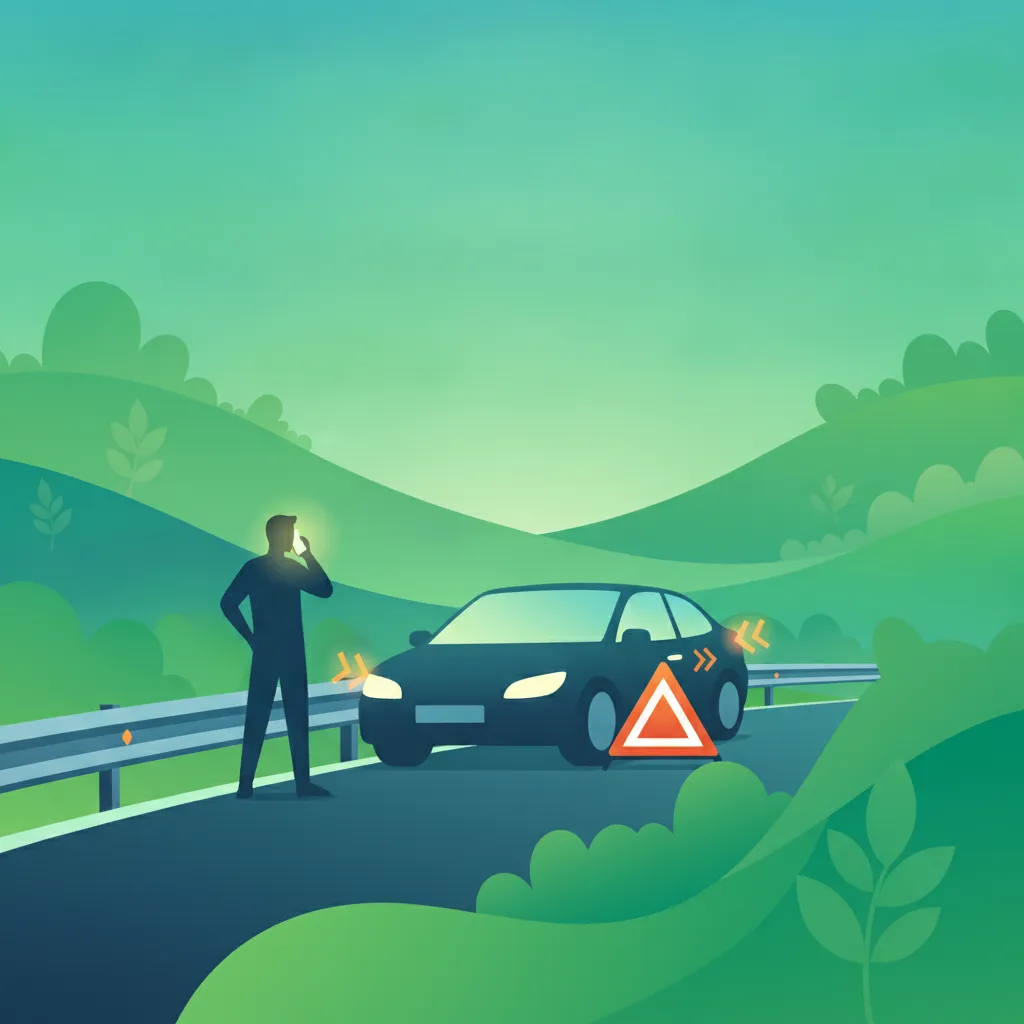
This lesson teaches you how to manage critical on-road situations, ensuring you can protect yourself, your cargo, and other road users in the event of an emergency. It builds on your knowledge of vehicle mechanics and safety to ensure you are fully prepared for the incident response section of the Category C driving theory exam.
emergency proceduresincident responsebreakdown safetyCategory C theoryHGV safety
GB Goods Vehicle Theory: Emergency Procedures and Incident Response

Lesson content overview

GB Goods Vehicle Theory

Emergency Procedures and Incident Response for Category C Drivers

Operating a professional goods vehicle comes with significant responsibilities, not least the ability to effectively manage unforeseen emergencies. This lesson, tailored for professional goods vehicle theory for Great Britain, equips Category C licence holders with essential knowledge and step-by-step procedures for handling critical incidents. From vehicle breakdowns and accidents to fires and official reporting, mastering these protocols is crucial for maintaining safety, complying with legal obligations, and ensuring operational continuity on the roads of Great Britain.

Understanding On-Road Emergencies for Goods Vehicles

On-road emergencies can range from minor mechanical failures to serious collisions. For drivers of heavy goods vehicles (HGVs), the impact of such incidents can be far-reaching, affecting not only the occupants and vehicle but also other road users, cargo, and the flow of traffic. Therefore, a proactive and organised approach to emergency preparedness is paramount.

Importance of Emergency Preparedness for Category C Drivers

Effective emergency procedures are vital for several reasons. Firstly, they protect lives, preventing secondary incidents and safeguarding both vehicle occupants and other road users. Secondly, they ensure compliance with stringent UK road legislation, including the Highway Code, the Road Traffic Act 1988, and DVSA regulations. Failure to adhere to these can result in severe legal penalties, including fines, licence points, or even disqualification. Finally, proper incident management helps to minimise disruption to logistics chains and reduce vehicle downtime, safeguarding cargo and operational efficiency.

Core Principles of Incident Management for HGVs

Successful management of any emergency situation relies on a set of core principles that guide a driver's actions. These principles ensure a systematic and safe response, regardless of the incident's nature.

  • Risk Assessment: Before, during, and after an incident, always evaluate immediate hazards. This includes identifying dangers from traffic, fire, spills, or unstable loads to prioritise your actions and ensure personal safety.
  • Visibility Management: Make your vehicle and any warning signals as conspicuous as possible to other road users. This is critical to prevent secondary collisions and to alert emergency services to your location.
  • Control of Scene: Take immediate steps to secure the incident area. This involves preventing further traffic hazards and communicating clearance needs to authorities, reducing the risk to all involved.
  • Fire Safety (Prevention & Suppression): Implement measures to prevent fires and know how to safely extinguish one if it occurs. This protects occupants, cargo, and the surrounding environment.
  • Emergency Communication: Promptly and accurately report incidents to the relevant authorities. This ensures timely assistance, legal compliance, and proper documentation.
  • First-Aid Responsibilities: Provide immediate assistance to any injured persons until professional medical help arrives. This legal duty can significantly impact the outcome for casualties.
  • Documentation & Reporting: Meticulously record incident details for legal, insurance, and regulatory purposes. Accurate documentation is crucial for investigations and claims.

Managing Vehicle Breakdowns Safely

A vehicle breakdown is an unplanned mechanical failure that renders your goods vehicle unsafe or impossible to drive. This can include engine failure, a tyre puncture, brake failure, or transmission issues. Your immediate priority is to move the vehicle to a safe location and alert other road users.

Safe Stopping Positions for Commercial Vehicles

When a breakdown occurs, choosing the safest possible stopping position is paramount to minimise your exposure to moving traffic.

  • Motorways: On motorways, you must stop on the hard shoulder. This designated lane is specifically for emergency stopping. If the hard shoulder is obstructed or unavailable, pull as far onto the left side of the carriageway as safely possible, activate your hazard warning lights, and seek immediate assistance.
  • Lay-bys and Pull-off Areas: On other roads, such as dual carriageways or rural roads, a lay-by or designated pull-off area is the preferred safe stopping location. These areas are designed to keep stopped vehicles completely clear of the main traffic flow.
  • Verge: If no lay-by is available on a single carriageway, pull as far onto the verge as possible, ensuring your vehicle is stable and not obstructing any pedestrian pathways or junctions.
  • Carriageway (Last Resort): Stopping on the main carriageway should only be a last resort if it is absolutely impossible to move the vehicle to a safer location. In such cases, extreme caution must be exercised, and warning signals must be deployed immediately. Rule 245 of The Highway Code mandates stopping on the hard shoulder on motorways and advises moving to the side of the road if on a dual carriageway. Rule 231 reminds drivers not to park where they cause an obstruction or danger.

Warning

Never stop directly in a live running lane unless absolutely unavoidable. This creates an immediate and severe hazard for fast-moving traffic.

Effective Use of Hazard Warning Lights

Hazard warning lights are flashing amber lights on your vehicle that serve a critical purpose: to warn other road users of a stationary vehicle causing an obstruction or a potential danger.

  • When to Use: You must switch on your hazard warning lights immediately when your vehicle is stationary on a road and causing a hazard to traffic due to a fault, an accident, or any other incident creating danger.
  • Purpose: The primary purpose is to increase the visibility of your stopped goods vehicle, giving approaching drivers ample time to react and adjust their speed or lane position. This aligns with Highway Code Rule 244.
  • Common Mistakes: A common mistake is leaving hazard lights on while the vehicle is moving, which can confuse other drivers about your intentions. Hazard lights are strictly for stationary hazards. Another error is failing to activate them immediately after stopping, especially in poor visibility or high-speed traffic.

Correct Placement of Warning Triangles

Warning triangles are reflective, orange triangular devices that must be placed on the road to give approaching traffic an advance warning of your stationary vehicle. Their correct placement is a mandatory requirement under the Highway Code (Rule 237).

  • Distance Requirements:
    • Single Carriageway: Place the warning triangle at least 30 metres behind your vehicle.
    • Dual Carriageway: Place the warning triangle at least 45 metres behind your vehicle.
    • Motorway: Place the warning triangle at least 50 metres behind your vehicle.
  • Placement Method: When safe to do so, place the first triangle before exiting the vehicle or as soon as you have secured a safe position. Always face oncoming traffic while placing it to monitor traffic flow. If you are unable to place a triangle due to immediate traffic conditions, ensure you are wearing a reflective vest and place it as soon as it becomes safe, or use alternative warning signals if available and permitted.
  • Exceptions and Common Mistakes: Failure to place triangles at the prescribed distances, or not placing them at all, significantly increases the risk of a secondary collision. In low visibility conditions such as fog or heavy rain, the distance should be increased further to provide even more warning time.

Fire Safety Protocols for Heavy Goods Vehicles

Vehicle fires, especially in goods vehicles carrying significant fuel loads, can be extremely dangerous. All Category C goods vehicles are legally required to carry a suitable fire extinguisher, as stipulated by DVSA Goods Vehicle Regulations. Knowing how to use it correctly can be life-saving.

Essential Fire Extinguisher Types and Use (PASS Method)

For goods vehicles, a powder fire extinguisher is generally mandated because it is effective against various types of fires, including:

  • Class A fires: Ordinary combustibles (wood, paper, textiles).
  • Class B fires: Flammable liquids (petrol, diesel, oil).
  • Class C fires: Flammable gases.
  • Electrical fires: Live electrical equipment.

Warning

Never use a water-based fire extinguisher on a fuel or electrical fire. Water can spread flammable liquids and create an electrical hazard, making the situation worse.

When using a fire extinguisher, remember the PASS acronym for the correct operating procedure:

Fire Extinguisher Operation (PASS)

  1. Pull the safety pin. This unlocks the operating lever.

  2. Aim the nozzle at the base of the fire, not the flames themselves.

  3. Squeeze the handle to discharge the extinguishing agent.

  4. Sweep the nozzle from side to side at the base of the fire until it appears to be out.

Immediate Actions in Case of a Vehicle Fire

If you detect a fire in your goods vehicle, your immediate actions are crucial:

  1. Stop Safely: Pull over to the safest possible location immediately, away from any flammable materials or buildings.
  2. Evacuate: Get yourself and any passengers out of the vehicle and to a safe distance, well away from the vehicle and potential hazards.
  3. Call Emergency Services: Dial 999 (or 112) immediately and clearly state your location and that your vehicle is on fire.
  4. Attempt Extinguishment (if safe): If the fire is small and contained (e.g., small engine fire, dashboard fire), and you have a suitable extinguisher, you may attempt to put it out using the PASS method. Ensure you have a clear escape route.
  5. Do Not Risk Your Life: If the fire is large, spreading rapidly, or involves hazardous materials, do not attempt to fight it. Prioritise your safety and wait for the fire services.

Initial Actions at the Scene of an Accident

Being involved in or witnessing an accident requires a calm and methodical response. Your actions can significantly impact the safety of others and the subsequent investigation.

Providing First Aid and Assistance to Casualties

Under the Road Traffic Act 1988, drivers involved in an accident have a legal duty to provide reasonable assistance to injured persons, provided doing so does not increase personal danger.

  1. Assess the Scene: Before approaching, ensure the scene is safe. Look for hazards like oncoming traffic, spilled fuel, or unstable vehicles.
  2. Call 999/112: Contact emergency services immediately. Provide a precise location, details of the incident, and the number and condition of any injured persons.
  3. Check for Responsiveness: Gently check casualties for consciousness. If unconscious, check their airway, breathing, and circulation.
  4. Provide Basic First Aid:
    • Control Bleeding: Apply direct pressure to wounds using a clean cloth.
    • Manage Shock: Keep the injured person warm, comfortable, and reassure them.
    • Do Not Move Unnecessarily: Unless absolutely necessary (e.g., immediate danger from fire or traffic), do not move injured persons, especially if spinal injuries are suspected.
    • Stay with the Injured: Remain with casualties until emergency services arrive.

Securing the Accident Scene and Preventing Secondary Collisions

Preventing further accidents is a primary concern after an initial incident.

  • Turn Off Engines: Switch off your vehicle's engine and any other vehicles involved, if safe to do so.
  • Activate Hazard Lights: Immediately switch on your hazard warning lights and those of any other damaged vehicles.
  • Deploy Warning Triangles: Place warning triangles at the prescribed distances to warn approaching traffic. In low visibility or on high-speed roads, consider extending these distances.
  • Wear High-Visibility Clothing: Always wear a high-visibility vest or jacket when exiting your vehicle on the roadside, especially on motorways or busy roads, to make yourself visible to passing traffic.
  • Move to Safety: If no one is seriously injured and vehicles can be moved, carefully move them to a safer location off the main carriageway to avoid obstruction.

Interacting with Vulnerable Road Users

When an incident involves pedestrians, cyclists, motorcyclists, or horse riders, extra care and attention are required. These vulnerable road users are at higher risk of serious injury.

  • Prioritise Their Safety: If a vulnerable road user is involved, their immediate safety and well-being are the top priority. Move them to a safe, sheltered location if their injuries permit and there is an immediate danger.
  • Clear Warnings: Ensure warning devices clearly indicate the presence of vulnerable individuals on or near the road.
  • Communicate Details: When reporting to emergency services, clearly state that vulnerable road users are involved and provide details of their condition and location. Rule 226 of the Highway Code reminds drivers not to block pedestrian crossings.

Official Incident Reporting and Documentation

Accurate and prompt reporting of incidents is not only a legal requirement but also crucial for insurance claims and regulatory compliance.

Reporting Accidents to the Police and DVSA

Certain accidents must be reported to the police and, for goods vehicle operators, potentially to the Driver and Vehicle Standards Agency (DVSA).

  • Police (999/112):
    • Dial 999 or 112 immediately for life-threatening injuries, fires, or if a crime has occurred.
    • You must report an accident to the police within 24 hours if:
      • Someone is injured (other than yourself).
      • Another vehicle or property is damaged, and the owner is not present.
      • Animals are injured (other than those in your vehicle).
      • The accident causes a significant obstruction on a main road for more than 30 minutes.
      • You exchange details with another driver but there is still a belief of fault, or there are any concerns.
    • If no one is injured and vehicles are movable, you might use a non-emergency number (e.g., 101) or report to a local police station. However, under the Road Traffic Act 1988, Section 39(6), reporting promptly is mandatory for specific circumstances.
  • DVSA Incident Reporting: Operators of Category C vehicles must report certain incidents to the DVSA, especially those involving:
    • Fatalities or serious injuries.
    • Dangerous goods (ADR) incidents, usually within 24 hours of occurrence, as per DVSA Notification Regulations 2022.
    • Significant vehicle defects discovered post-incident.
    • Failure to report mandated incidents can lead to regulatory action against the driver and the operator.

Completing the Accident Report Form

An accident report form is essential for insurance purposes and internal company records. You should aim to collect as much detail as possible at the scene.

  • Key Information to Record:
    • Date, time, and precise location of the incident.
    • Weather and road conditions.
    • Details of all vehicles involved (registration numbers, make, model).
    • Driver details (name, contact, licence number).
    • Details of any injured parties.
    • A clear description of how the incident occurred.
    • Names and contact details of any witnesses.
    • Photographs of vehicle positions, damage, road markings, and anything relevant to the incident.
    • Police reference number (if applicable).
  • Timeliness: Complete the form as soon as possible after the incident while details are fresh in your mind.

Adapting Emergency Procedures to Different Conditions

Emergency procedures are not rigid; they must be adapted to the prevailing conditions to remain effective.

Weather and Visibility Considerations for HGV Emergencies

Adverse weather conditions significantly impact driver reaction times and visibility, necessitating adjustments to standard procedures.

  • Fog or Heavy Rain: In dense fog or heavy rain, visibility is severely reduced. You must increase the distance for placing warning triangles, potentially doubling them (e.g., up to 60-90 metres) to provide earlier warning. Use reflective clothing and, if permitted, additional electronic warning devices.
  • Snow or Ice: Slippery conditions require extreme caution. Ensure your vehicle's wheels have maximum traction before exiting. Be aware that braking distances increase drastically. Position warning devices with even greater care, as pedestrians may also be less stable.

Road Type and Traffic Context Variations

The environment in which an emergency occurs dictates specific adaptations.

  • Motorway: Prioritise moving to the hard shoulder. If this isn't possible, activate hazard lights, pull as far left as possible, and call for immediate assistance. Utilise any available electronic overhead warning signs if safe to do so. Deploy the warning triangle 50 metres behind.
  • Urban Residential Streets: In congested urban areas, preventing obstruction is key. Use kerbside lay-bys or pull-off areas. Ensure warning triangles do not block pedestrian footpaths or access points. Always consider the presence of high pedestrian traffic.
  • Dual Carriageway: Use the hard shoulder if available. Place warning triangles 45 metres behind.

Heavy goods vehicles often carry significant and sometimes unstable loads. An emergency can exacerbate load-related hazards.

  • Secure Load Before Stopping: If you anticipate an emergency stop or breakdown, and it is safe to do so, attempt to secure the load further before coming to a complete halt.
  • Load Shift: If you experience a load shift, carefully engage the parking brake and lock the transmission to prevent further vehicle movement. Immediately warn other road users of potential cargo hazards, such as spilled goods or an unstable vehicle.
  • Hazardous Goods: If transporting dangerous goods (ADR), adhere to specific emergency instructions (e.g., HAZCHEM codes) and immediately inform emergency services of the nature of the cargo.

Additional Safety Measures for Trailer-Coupled Vehicles

Driving an HGV with a trailer adds complexity to emergency situations.

  • Increased Warning Area: A coupled trailer significantly increases the overall length of your vehicle. You may need to place additional warning signals or adjust triangle distances to account for the increased length and width of the hazard.
  • Trailer Lights: Ensure all trailer lights, including hazard lights, are fully functional and visible. A fault in the trailer's electrical system could leave it unlit, creating an invisible hazard.
  • Jack-knifing Risk: If brake failure or a loss of control occurs, there is a risk of jack-knifing. Apply emergency braking techniques appropriate for articulated vehicles (as learned in Lesson 5).

Compliance with Great Britain's road traffic laws is non-negotiable for professional drivers. Failure to adhere to these regulations during an emergency can result in severe penalties.

Highway Code Rules for Emergency Stops and Warnings

The Highway Code provides clear directives for drivers during emergencies.

  • Rule 244 (Hazard Warning Lights): "You must switch on your hazard warning lights when your vehicle is stationary on a road and causing a hazard to traffic, or when it is unable to move due to a breakdown or incident."
  • Rule 237 (Warning Triangles): "If you break down on a road, you must place a warning triangle at the specified distance (30m single carriageway, 45m dual carriageway, 50m motorway) behind your vehicle to warn approaching traffic."
  • Rule 245 (Stopping on Motorways): "Stopping on a motorway should only be done on the hard shoulder; if unavailable, pull as far onto the left side of the carriageway as possible and use hazard lights."
  • Rule 231 (Parking): "Vehicles must not be parked where they cause an obstruction or danger to other road users."
  • Rule 226 (Pedestrian Crossings): "Drivers must not block a pedestrian crossing while managing an incident."

Road Traffic Act 1988 Duties

The Road Traffic Act 1988 is the primary legislation governing road use and offences in Great Britain.

  • Section 39(6) (Reporting Accidents): This section outlines the legal obligation for drivers to report accidents to the police, especially those involving death, serious injury, or significant damage to another vehicle or property, particularly if the owner is not present, or if the accident causes an obstruction for over 30 minutes. Failure to comply can lead to serious legal consequences, including imprisonment or licence disqualification.
  • Duty to Provide Assistance: Drivers are also expected to provide reasonable assistance to any injured persons at the scene, within the bounds of personal safety.

DVSA Regulations for Commercial Vehicle Safety

The Driver and Vehicle Standards Agency (DVSA) enforces specific regulations for goods vehicles.

  • Fire Extinguisher Carriage: DVSA Goods Vehicle Regulations mandate that drivers of Category C vehicles must carry a suitable fire extinguisher (typically a powder type for Class B and C fires).
  • Vehicle Lighting Devices: The Road Vehicles (Construction and Use) Regulations 1986, Regulation 8(1), states that "Vehicle lighting devices (including hazard lights) must be in working order." Drivers are expected to check these before commencing a journey.
  • Reporting Dangerous Goods Incidents: DVSA Notification Regulations 2022 require accidents involving dangerous goods to be reported to the DVSA within 24 hours to prevent environmental hazards and ensure the safety of subsequent handling.

Common Mistakes and Best Practices in Emergency Response

Understanding common pitfalls can help Category C drivers avoid critical errors during emergency situations.

Avoiding Critical Errors During Incidents

  • Stopping Without Warning Triangles: A common and dangerous mistake is activating hazard lights but failing to place warning triangles. This significantly increases the risk of a rear-end collision, especially on high-speed roads.
  • Using Hazard Lights While Moving: Hazard lights are for stationary hazards only. Using them while moving, even slowly, can confuse other road users and lead to unpredictable driving behaviour around your vehicle.
  • Incorrect Fire Extinguisher Type: Using a water extinguisher on a fuel or electrical fire will likely spread the fire and create further hazards, rather than containing it.
  • Delayed Incident Reporting: Failing to contact the police immediately after an accident involving serious injury or significant damage can lead to legal charges under the Road Traffic Act.
  • Improper Motorway Positioning: Stopping in a live lane on a motorway due to lack of immediate hard shoulder access is extremely dangerous. Always strive to move as far left as possible, even if not fully on the hard shoulder.
  • Neglecting High-Visibility Clothing: Exiting your vehicle on a busy or high-speed road without wearing a high-visibility vest dramatically reduces your detectability and increases your risk of being struck by passing traffic.
  • Blocking Pedestrian Crossings: While attending to an incident, inadvertently positioning your vehicle or warning devices across a pedestrian crossing compromises pedestrian safety and is a legal offence.

Proactive Measures for HGV Drivers

  • Regular Vehicle Checks: Before each journey, conduct thorough vehicle checks, including lights, tyres, brakes, and fluid levels, to minimise the risk of breakdowns.
  • Emergency Kit: Always carry an emergency kit that includes a suitable fire extinguisher, at least two warning triangles, a high-visibility vest, a first-aid kit, and a fully charged mobile phone.
  • Route Planning: Plan your route, identifying safe stopping areas like lay-bys or service stations, especially for longer journeys.
  • Stay Calm: In an emergency, staying calm and following established procedures will lead to a more effective and safer outcome. Panic can lead to poor decision-making.

Essential Vocabulary for Emergency Response

Learn more with these articles

Check out these practice sets


Search topics related to Emergency Procedures and Incident Response

Explore search topics learners often look for when studying Emergency Procedures and Incident Response. These topics reflect common questions about road rules, driving situations, safety guidance, and lesson level theory preparation for learners in Great Britain.

emergency procedures for HGV drivers theory testwhat to do in a vehicle breakdown Category CDVSA theory test incident response questionsreporting an accident as a goods vehicle driverhow to use a fire extinguisher on an HGVCategory C licence safety and emergency protocolsHighway Code advice for HGV breakdowns

Related driving theory lessons for Emergency Procedures and Incident Response

Browse additional driving theory lessons that cover connected traffic rules, road signs, and common driving situations related to this topic. Improve your understanding of how different rules interact across everyday traffic scenarios.

Securing Accident Scenes and Preventing Secondary Collisions for HGVs

Learn essential techniques for securing accident scenes and preventing secondary collisions. This lesson covers hazard management, effective use of warning devices, and protecting vulnerable road users after an incident, crucial for Category C drivers in Great Britain.
incident responsescene safetysecondary collisionsHGVsHighway Code
Load Securing, Center of Gravity, and Vehicle Dynamics lesson image

Load Securing, Center of Gravity, and Vehicle Dynamics

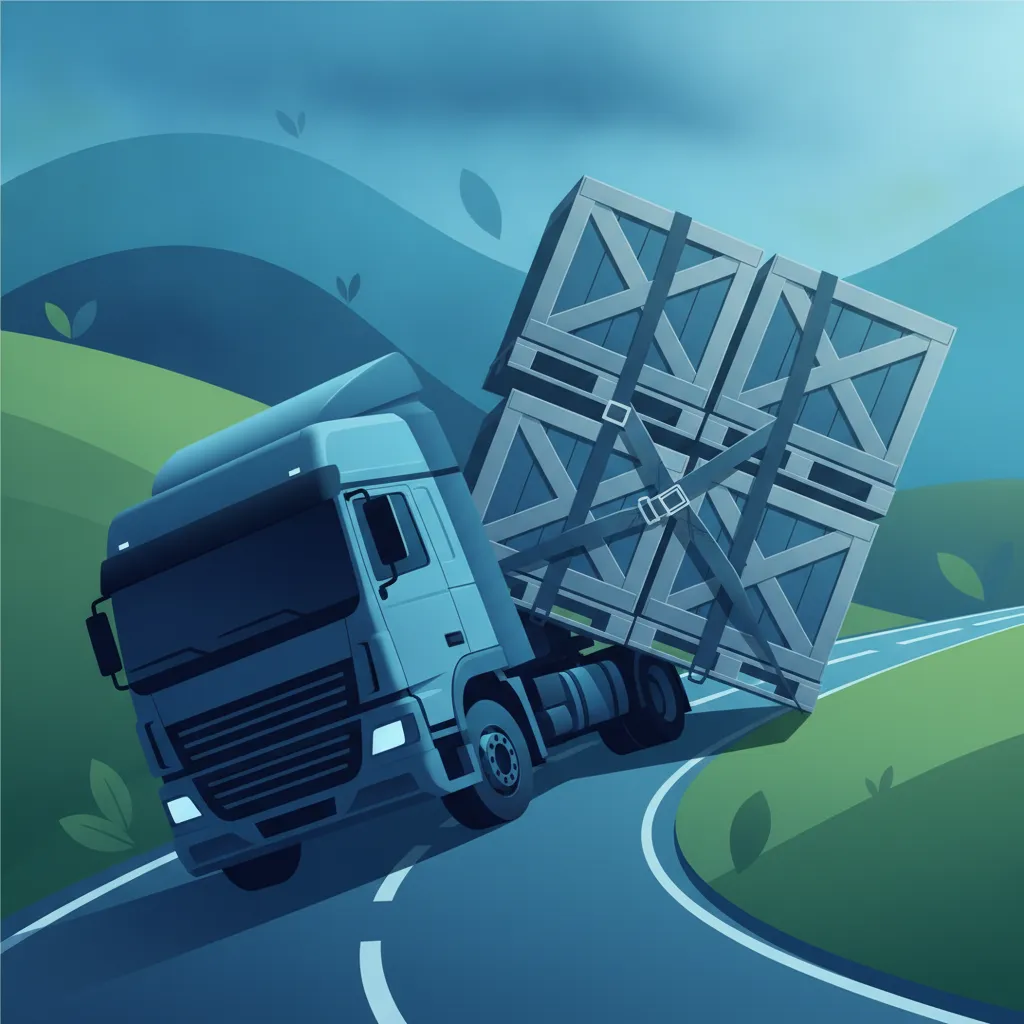
This lesson covers the principles of safe loading to prevent items from shifting or falling and causing a hazard. It explains that any load must be securely fastened and must not obstruct your view. You will also learn how overloading or distributing weight incorrectly can dangerously affect the vehicle's steering, braking, and overall stability.

GB Category B TheoryVehicle Safety, Lights, Tyres, Loads and Passenger Safety
View lesson
Strategies for Minimising Collision Risks lesson image

Strategies for Minimising Collision Risks

This lesson synthesizes safety concepts into a proactive strategy for collision avoidance. It teaches the principles of defensive driving, which involves anticipating potential hazards created by other road users or road conditions and planning an escape route. Maintaining high levels of situational awareness, managing distractions, and leaving a significant safety margin around the vehicle are presented as fundamental techniques for minimizing risk on every journey.

GB Goods Vehicle TheoryBlind Spots, Vulnerable Road Users and Urban Delivery Risks
View lesson
Maintaining Safe Following Distances lesson image

Maintaining Safe Following Distances

This lesson reinforces the vital safety rule of maintaining an adequate following distance from the vehicle ahead. It explains why the standard 'two-second rule' must be extended for heavy vehicles, especially in poor weather or when heavily laden, to account for longer stopping distances. You will learn practical methods for judging a safe gap in various traffic situations, creating a crucial safety buffer to react to unforeseen hazards.

GB Goods Vehicle TheorySpeed, Braking, Following Distance, Gradients and Heavy Vehicle Control
View lesson
Securing Cargo – Methods and Regulations lesson image

Securing Cargo – Methods and Regulations

This lesson provides a comprehensive guide to the various methods and equipment used for securing cargo in compliance with DVSA regulations. It covers the correct application of straps, chains, and other restraint systems based on the type, weight, and shape of the load. Proper inspection of securing equipment and understanding the forces acting on cargo during transit are emphasized to prevent load shifts that could lead to accidents or vehicle damage.

GB Goods Vehicle TheoryLoads, Cargo Security, Stability and Safety Checks
View lesson
School Transport Zones and Child Safety lesson image

School Transport Zones and Child Safety

This lesson addresses the critical importance of child safety in school transport zones and around school buses. It covers the specific regulations, such as 20 mph speed limits and stopping restrictions indicated by zigzag lines. Learners will focus on the unpredictable nature of children and the need for heightened vigilance and readiness to stop unexpectedly. The content also includes procedures for the safe transport of pupils, ensuring their security both inside and outside the vehicle.
GB Passenger Vehicle TheoryVulnerable Road Users, Pedestrians, Cyclists and School Areas
View lesson
Emergency Response Procedures and Accident Reporting lesson image

Emergency Response Procedures and Accident Reporting

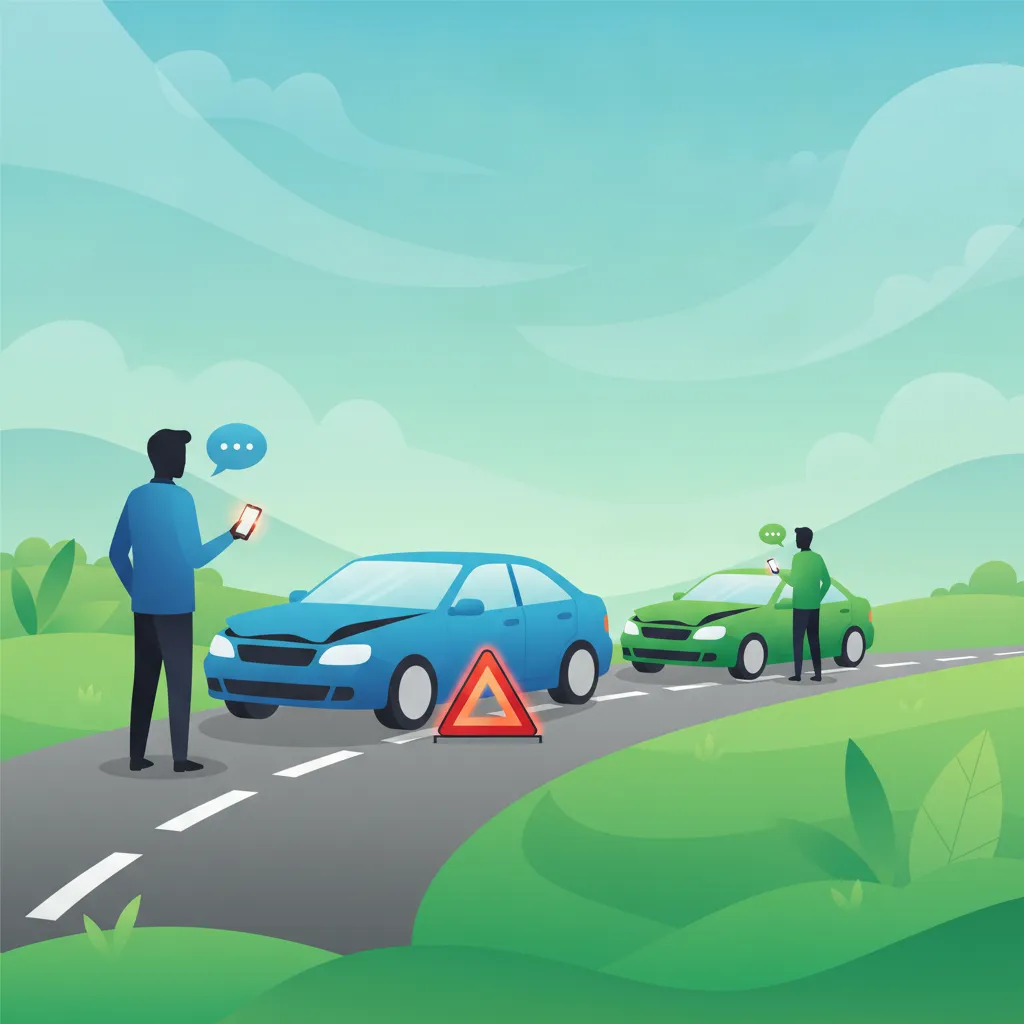
Knowing what to do at an accident scene can save lives. This lesson outlines the critical steps: ensuring your own safety, making the scene safe for others, assessing casualties, and calling the emergency services. It also covers your legal obligations to stop, report the collision, and exchange details with other parties involved.
Motorcycle Theory GBRisk Behaviour, Emergencies, Penalties and Defensive Riding
View lesson
Identifying and Avoiding Blind Spots of Larger Vehicles lesson image

Identifying and Avoiding Blind Spots of Larger Vehicles

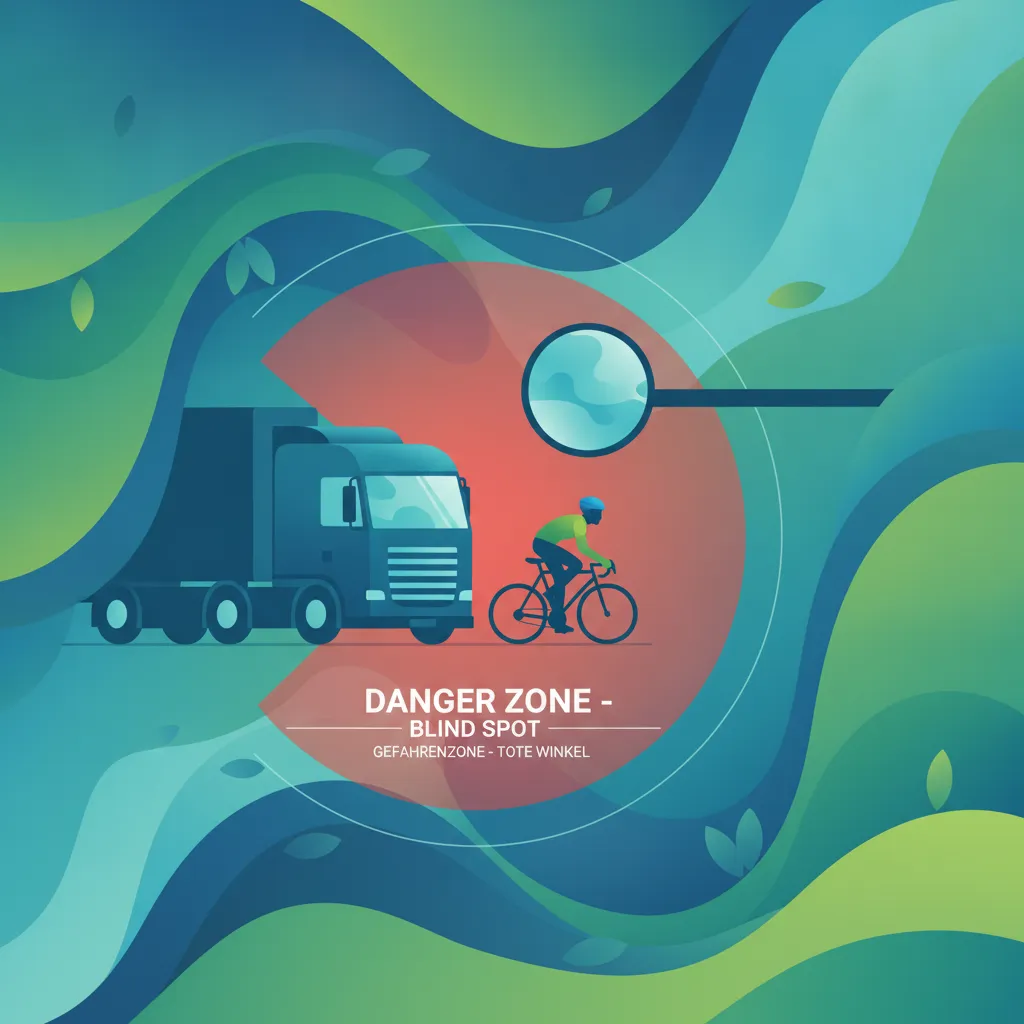
This lesson highlights the significant danger posed by the large blind spots of HGVs and buses. You will learn to identify these hazardous areas around a vehicle where the driver cannot see you. The lesson provides practical strategies for staying out of these zones, especially at junctions and when overtaking, to prevent serious accidents.
Motorcycle Theory GBLane Positioning, Blind Spots, Filtering, Overtaking and Space Management
View lesson
Navigating Roadworks and Temporary Restrictions lesson image

Navigating Roadworks and Temporary Restrictions

This lesson provides guidance on how to safely and compliantly navigate through roadworks, which are a common feature of the road network. It covers the interpretation of temporary signs, strict adherence to reduced speed limits, and how to maneuver through narrow lanes and contraflow systems. The paramount importance of protecting road workers by driving with extra care and attention is a central theme of this lesson.

GB Goods Vehicle TheoryWeather, Motorways, Rural Roads, Roadworks and Emergency Situations
View lesson
Positioning Around Larger Vehicles and Parked Cars lesson image

Positioning Around Larger Vehicles and Parked Cars

This lesson focuses on the critical skill of positioning your AM vehicle safely in relation to larger vehicles and roadside hazards like parked cars. You will learn to identify and stay out of the extensive blind spots of lorries and buses, especially at junctions. The content also provides strategies for maintaining a safe 'space cushion' around your vehicle and navigating narrow gaps or filtering in traffic without compromising your safety.

GB AM Moped TheoryJunctions, Roundabouts, Crossings and Road Positioning
View lesson
Identifying and Managing Blind Spots lesson image

Identifying and Managing Blind Spots

This lesson provides a detailed map of the significant blind spots located to the front, sides, and rear of a typical heavy goods vehicle. It explains the purpose of the different classes of mirrors and how to adjust them correctly for maximum visibility. Learners will be taught effective scanning techniques—'mirror-signal-manoeuvre'—to actively check these zones before changing position, ensuring they are aware of any hidden hazards or other road users.

GB Goods Vehicle TheoryBlind Spots, Vulnerable Road Users and Urban Delivery Risks
View lesson

Legal Duties for Reporting Road Incidents and Accidents

Understand your legal duties and reporting obligations after an accident or breakdown. This lesson details when and how to report incidents to the police and DVSA, and essential documentation requirements for goods vehicle operators in Great Britain.

incident reportinglegal obligationsRoad Traffic ActDVSA regulationsdocumentation
Emergency Response Procedures and Accident Reporting lesson image

Emergency Response Procedures and Accident Reporting

Knowing what to do at an accident scene can save lives. This lesson outlines the critical steps: ensuring your own safety, making the scene safe for others, assessing casualties, and calling the emergency services. It also covers your legal obligations to stop, report the collision, and exchange details with other parties involved.

Motorcycle Theory GBRisk Behaviour, Emergencies, Penalties and Defensive Riding
View lesson

Frequently asked questions about Emergency Procedures and Incident Response

Find clear answers to common questions learners have about Emergency Procedures and Incident Response. Learn how the lesson is structured, which driving theory objectives it supports, and how it fits into the overall learning path of units and curriculum progression in Great Britain. These explanations help you understand key concepts, lesson flow, and exam focused study goals.

Where should I park my HGV if I have a breakdown on a motorway?

You should aim to stop on the hard shoulder or an emergency area as far to the left as possible, with your wheels turned away from the carriageway. Never attempt to repair the vehicle in a dangerous position and always wait behind the safety barrier if available.

What is the priority when reporting an accident as a professional driver?

Your first priority is safety: ensure you and others are not in danger. After securing the scene, you must assess injuries, call emergency services (999) if required, and then follow your company's specific incident reporting procedure.

Do I need to carry a fire extinguisher in my Category C vehicle?

Yes, professional drivers are expected to be familiar with the fire safety equipment carried in their vehicle. You must know the type of extinguisher appropriate for the cargo you are carrying and how to use it safely without putting yourself at undue risk.

What information must I provide to my transport office after an incident?

You must provide accurate details regarding the location, nature of the incident, any injuries sustained, damage to the vehicle or cargo, and the names of any other parties involved. Prompt and precise reporting is a legal and professional requirement.

Start Your Targeted Practice Question Search Now

Dive into our comprehensive question bank to find exactly what you need for your Great Britain theory test. Use our advanced filters to pinpoint specific subjects or test your knowledge on challenging areas, ensuring you're fully prepared for success.

Search Practice Questions

Continue your British driving theory learning journey

British road signsBritish article topicsGB AM Moped Theory courseSearch British road signsMotorcycle Theory GB courseGB Category B Theory courseBritish driving theory homeBritish road sign categoriesBritish driving theory topicsGB Goods Vehicle Theory courseSearch British theory articlesBritish driving theory coursesBritish driving theory articlesBritish driving theory practiceBritish practice set categoriesGB Passenger Vehicle Theory courseBritish driving licence proceduresSearch British driving theory practiceBritish driving theory terminology A–ZBritish driving theory terms and glossaryGB Road Signs and Traffic Signals unit in GB Category B TheoryHelmet, Visibility and Protective Behaviour unit in GB AM Moped TheoryAM Licence Basics and Small Vehicle Responsibility unit in GB AM Moped TheoryMotorcycle Licence Basics and Rider Responsibility unit in Motorcycle Theory GBVehicle Size, Weight, Dimensions and Road Space unit in GB Goods Vehicle TheoryCategory B Licence Basics and Driver Responsibility unit in GB Category B TheoryProtective Equipment, Visibility and Rider Condition unit in Motorcycle Theory GBGoods Vehicle Licence Scope and Professional Responsibility unit in GB Goods Vehicle TheoryPassenger Safety, Comfort, Accessibility and Driver Conduct unit in GB Passenger Vehicle TheoryPassenger Vehicle Licence Scope and Professional Responsibility unit in GB Passenger Vehicle TheoryRural Road Challenges and Speed Limits lesson in Weather, Motorways, Rural Roads, Roadworks and Emergency SituationsWeather Impact on Heavy Vehicle Handling lesson in Weather, Motorways, Rural Roads, Roadworks and Emergency SituationsDriving on Motorways with Goods Vehicles lesson in Weather, Motorways, Rural Roads, Roadworks and Emergency SituationsEmergency Procedures and Incident Response lesson in Weather, Motorways, Rural Roads, Roadworks and Emergency SituationsNavigating Roadworks and Temporary Restrictions lesson in Weather, Motorways, Rural Roads, Roadworks and Emergency Situations