
This lesson explores the essential interpersonal skills required for professional passenger vehicle drivers. By mastering communication and conflict management, you will learn how to maintain a safe and welcoming environment for your passengers while staying fully prepared for your DVSA theory test.

Lesson content overview
Operating a passenger vehicle, whether a bus, coach, or minibus, extends far beyond mastering driving mechanics. It demands a high level of interpersonal skill, encompassing effective communication, unwavering professionalism, and a commitment to passenger hospitality. This lesson, crucial for those preparing for their Category D, D1, D1E, or DE licence in Great Britain, explores how driver conduct profoundly influences passenger perception, safety outcomes, and the overall quality of public transport service. By cultivating these essential soft skills, drivers not only enhance the trust placed in them but also contribute significantly to a smoother, safer operation on and off the road.
The behaviour and interactions of a driver are pivotal to the success of any passenger transport service. Every interaction, from a brief greeting to handling a complex inquiry or difficult situation, contributes to the passenger's experience and shapes their perception of the service provider. For professional drivers in Great Britain, understanding these dynamics is not merely about customer service; it is an integral component of operational safety and regulatory compliance.
Effective interpersonal skills foster an environment of trust and confidence, which is essential for ensuring passengers feel secure and valued. When drivers communicate clearly and maintain a professional demeanor, it significantly reduces the likelihood of misunderstandings, mitigates potential conflicts, and encourages adherence to safety instructions. This commitment to excellent service ultimately reflects the operator's dedication to public safety and convenience.
Driver conduct directly impacts several critical areas within passenger transport. Firstly, it influences passenger perception and satisfaction, which in turn affects loyalty and the reputation of the transport operator. A positive interaction can turn a routine journey into a pleasant experience, while a negative one can lead to complaints and a loss of confidence.
Secondly, and perhaps most importantly, driver behaviour is intrinsically linked to safety. Clear communication of safety messages ensures passengers are aware of potential hazards and comply with necessary precautions, such as using seat belts or remaining clear of closing doors. Professionalism can also de-escalate tension, preventing situations that could compromise the safety of passengers, the driver, or other road users. Thirdly, adherence to high standards of conduct ensures compliance with various legal and regulatory requirements, including those set by the Driver and Vehicle Standards Agency (DVSA) and the Equality Act 2010.
Professionalism is the bedrock of positive public interaction for any bus, coach, or minibus driver. It dictates how a driver presents themselves, behaves, and communicates, setting a standard that instills confidence and respect among passengers and the public alike. For Category D drivers, maintaining a professional standard is not just an expectation but a mandatory part of their role as public service providers.
A driver's outward presentation, including their demeanor and physical appearance, is often the first point of contact with passengers and significantly influences initial perceptions. A courteous, respectful, and responsible attitude must be maintained at all times, reflecting the high standards expected by the DVSA and transport operators. This means avoiding any form of discrimination or offensive language, ensuring every passenger is treated with equal respect.
The visible aspects of professionalism include a clean, tidy uniform, correctly worn, with any required name badges or identification clearly visible. Punctuality is another key aspect; adhering to the timetable and starting service on time demonstrates reliability and respect for passengers' schedules. Passengers subconsciously look for these indicators of professionalism, which reassure them that they are in capable hands.
Beyond personal presentation, professional conduct also encompasses strict adherence to all legal obligations and operator policies. This includes a comprehensive understanding of the DVSA Code of Practice for Driver Conduct, as well as any specific internal rules set by the transport company. These policies often cover aspects such as dress code, acceptable behaviour towards passengers, and procedures for handling specific situations.
For instance, drivers must understand and follow rules regarding vehicle maintenance checks, route adherence, and the proper handling of fares or tickets. Compliance with these established guidelines not only ensures operational efficiency but also safeguards the driver and the operator from potential liabilities. Any deviation from these standards can undermine trust and may lead to disciplinary action or legal repercussions.
Clear communication is an indispensable skill for passenger vehicle drivers, acting as a direct link between the driver and the safety and satisfaction of their passengers. It involves not just what is said, but how it is conveyed, using a combination of verbal and non-verbal techniques to ensure information is understood without ambiguity. This is particularly vital for drivers of buses, coaches, and minibuses, where passenger numbers and diverse needs necessitate universally comprehensible messaging.
Effective verbal communication involves using explicit, concise language delivered with appropriate volume and pace. Drivers must articulate clearly, ensuring that all safety instructions, service information, and responses to enquiries are easily understood by everyone on board. This can include announcing stops, providing updates on delays, or explaining specific vehicle features.
For example, when making safety announcements, a driver might say, "Please hold the rail while the vehicle is moving. Thank you," rather than a vague instruction. It's crucial to select language that is straightforward and avoids jargon. In settings where multilingual passengers are common, pre-recorded announcements or clear signage in multiple languages can supplement verbal instructions.
Non-verbal communication plays an equally important role. This includes hand signals, facial expressions, and eye contact, all of which can reinforce verbal messages or convey important information silently. A reassuring smile, direct eye contact when speaking to a passenger, or a clear hand signal to indicate "wait" can significantly enhance the message.
Consider the act of greeting passengers: a friendly nod and eye contact, combined with a verbal welcome, conveys warmth and approachability. Conversely, a driver who avoids eye contact or appears disengaged might inadvertently communicate disinterest, even if their verbal message is polite. Body language should always align with the intended message of professionalism and helpfulness.
A critical aspect of clear communication is ensuring it is accessible to all passengers, including those with disabilities. The Equality Act 2010 mandates that drivers make reasonable adjustments to ensure passengers with impairments receive equitable service and information. This means not relying solely on visual cues or spoken announcements.
For instance, for passengers with visual impairments, audible announcements of stops, delays, and safety instructions are essential. These should be delivered using the vehicle's public address system to ensure they are heard throughout. For those with hearing impairments, visual displays or written information can supplement verbal announcements. Drivers must be prepared to adapt their communication style, using simpler language, slower speech, or visual aids for passengers with cognitive or learning difficulties, ensuring everyone has equal access to vital information.
Always be prepared to adapt your communication method. Combining verbal announcements with visual cues and, if possible, written information, creates a more inclusive environment for all passengers, particularly those with sensory impairments.
Hospitality standards define the level of service and courtesy a driver must extend to passengers and the wider public. For drivers of buses, coaches, and minibuses, these standards go beyond basic politeness; they encompass a proactive willingness to assist and create a welcoming, comfortable atmosphere. Adherence to these guidelines not only enhances passenger satisfaction and loyalty but also directly reflects the operator's commitment to delivering a high-quality public service.
Friendliness, expressed through a warm greeting and a genuine smile, makes passengers feel welcome and valued from the moment they board. It sets a positive tone for the journey and can significantly improve the passenger experience. However, friendliness must always be balanced with professionalism, maintaining appropriate boundaries.
Patience is equally vital. Drivers often face a variety of enquiries, sometimes repeated, and may interact with passengers who are slow to board or alight. Allowing sufficient time for enquiries without rushing passengers demonstrates respect and understanding. For example, a driver waiting patiently for an elderly passenger to safely board and find a seat before moving the vehicle exemplifies excellent hospitality, ensuring safety without making the passenger feel rushed or a burden.
A key component of hospitality is offering assistance, especially to those who may need it most. This includes helping boarding passengers with reduced mobility, parents with young children, or individuals carrying heavy luggage. Drivers should be observant and ready to offer help proactively, without waiting to be asked, while always maintaining safety as the paramount concern.
Operator-specific Service Level Agreements (SLAs) and Bus Service Regulations often detail the expected level of assistance, particularly for passengers with special needs. By consistently meeting and exceeding these standards, drivers contribute positively to the operator's brand image and foster a loyal passenger base. Ignoring a request for assistance or showing indifference can lead to passenger dissatisfaction and potentially violate accessibility regulations.
Despite best efforts, situations may arise where a driver encounters difficult or confrontational behaviour from passengers or other members of the public. Conflict management strategies are structured approaches designed to defuse, manage, or resolve such disputes without compromising safety. For professional drivers, mastering these techniques is crucial to maintaining order and protecting everyone on board.
The primary goal in any confrontational situation is de-escalation – to calm the situation and prevent it from worsening. This requires a calm tone of voice, active listening, and a non-confrontational posture. Drivers should avoid matching aggression with aggression. Instead, they should acknowledge the passenger’s feelings, show empathy, and try to understand the root cause of their distress.
For example, if a passenger is aggressive about a delayed service, the driver should calmly explain the reasons for the delay, perhaps offer information about the operator's compensation policy, and ask, "How can I help you with this situation?" Offering choices, if possible, can also give the passenger a sense of control and reduce their aggression. Maintaining a professional distance and avoiding physical contact are paramount.
Maintain a calm and steady tone of voice, avoiding shouting or mirroring aggression.
Actively listen to the passenger's concerns, allowing them to express themselves without interruption.
Acknowledge their feelings and show empathy ("I understand you're upset about the delay").
Clearly and concisely explain the situation or relevant policy without becoming defensive.
Offer reasonable solutions or choices, if available, to empower the passenger.
Maintain professional boundaries and avoid any physical confrontation.
If de-escalation attempts fail and disruptive behaviour persists, drivers may need to apply authoritative intervention. This involves clearly stating expectations and potential consequences, reminding the individual of the rules of conduct on public transport. This should still be done calmly but with firm resolve. For instance, a driver might say, "Your behaviour is disrupting other passengers. If it continues, I will have to contact our control centre."
The driver's authority to ask misbehaving passengers to leave the vehicle, especially if their behaviour endangers others or violates public order, is a critical part of maintaining safety. However, this decision should not be taken lightly and must always align with operator policy and legal frameworks.
When a situation cannot be resolved through de-escalation or authoritative intervention, drivers must follow established escalation protocols. This typically involves contacting the control centre or depot immediately, providing a clear and factual account of the situation. The control centre can then advise on the next steps, which might include involving transport police or other law enforcement agencies.
Crucially, drivers must never physically intervene with an aggressive passenger without explicit authority or in self-defence, as this can lead to legal complications. The Road Traffic Act 1988 outlines prohibitions against threatening, abusive, or insulting words or behaviour, and drivers are legally bound to avoid such conduct themselves. Following operator policies for dealing with anti-social behaviour provides a structured approach, ensuring that incidents are handled safely and legally.
Safety messaging involves delivering safety-related information clearly and effectively to ensure passenger compliance with vital safety rules. For drivers of public service vehicles, these messages are not merely suggestions; they are directives aimed at preventing accidents and protecting lives.
Mandatory safety announcements must be made before the vehicle starts moving. This includes reminding passengers to keep clear of closing doors, to use seat belts where provided, and to be seated or hold on to rails if standing. For example, a driver must clearly announce, "Doors closing – please stand clear," before initiating door closure and vehicle movement. This simple action significantly reduces the risk of injuries related to doors or sudden vehicle movements.
During the journey, in-movement messaging might include reminders to remain seated when the vehicle is in motion, especially on coaches where seat belts are common. Drivers should also announce when the vehicle is about to stop, allowing passengers to prepare for alighting safely. These announcements should be delivered confidently and clearly, repeated as necessary, and tailored to any special needs or language barriers that might be present.
In an emergency, the driver's ability to deliver clear, confident, and concise instructions is paramount. This includes guiding passengers to emergency exits, explaining the use of alarming devices, and managing behaviour during an evacuation. The driver's calm demeanour during such events can prevent panic and ensure a more orderly and safe response.
Drivers must be familiar with the vehicle's emergency equipment and evacuation procedures, as outlined in Passenger Service Vehicles Regulations and DVSA Safety Announcements standards. Practising these instructions, even mentally, can significantly improve a driver's effectiveness during a real crisis. The clarity of communication during an emergency directly impacts the safety and survival of passengers.
Beyond direct passenger interactions, drivers frequently engage with the broader public, including pedestrians, other road users, and various stakeholders. Having established public interaction protocols ensures uniform handling of enquiries, complaints, and coordination with authorities, fostering fairness and aligning with operator policies.
Drivers are often the first point of contact for passenger enquiries, whether about route information, estimated arrival times, or potential delays. Providing accurate, timely information is crucial. If a bus is delayed due to traffic congestion, the driver should explain the situation honestly and, if possible, offer alternative routes or an estimated delay time. Providing inaccurate information to appease passengers can undermine trust and cause further frustration.
When faced with a complaint, the driver should listen actively, acknowledge the passenger's concern, and direct them to the proper channels for resolution, such as the operator's customer service department. While drivers may not be able to resolve every complaint on the spot, a professional and empathetic response can significantly diffuse dissatisfaction. Details of complaints or incidents should be logged immediately according to operator procedures, ensuring proper record-keeping for investigation.
Drivers must also be prepared to coordinate with external authorities, such as the police or traffic officers, especially during incidents or emergencies. In such situations, communication should be concise and factual, following their instructions promptly and avoiding any contradictory statements to passengers. This legal obligation ensures authority compliance and contributes to the smooth resolution of incidents.
Interaction protocols also cover coordination with ground staff or other transport personnel, ensuring seamless service and information flow. Understanding when and how to report incidents, such as anti-social behaviour or accidents, to the control centre is a vital part of a driver's public interaction responsibilities.
The conduct of bus, coach, and minibus drivers in Great Britain is governed by a robust framework of laws and regulations designed to protect passengers and ensure a high standard of public service. Adhering to these legal requirements is not merely a matter of professional best practice but a mandatory obligation for every driver.
The Equality Act 2010 is central to passenger transport, mandating that drivers must not discriminate against or harass passengers based on protected characteristics such as age, disability, gender reassignment, race, religion or belief, sex, sexual orientation, marriage or civil partnership, or pregnancy and maternity. This means treating all passengers equally and providing necessary assistance to those with disabilities without prejudice. Refusing assistance to a disabled passenger or making dismissive remarks about disability-related requests are direct breaches of this Act, leading to potential legal claims and significant penalties.
Furthermore, drivers must comply with the Data Protection Act 2018 (which incorporates GDPR requirements) when handling any personal data of passengers. This includes collecting details for complaints or incident reports. Drivers must obtain consent before recording personal information and ensure it is handled securely and not disclosed without permission. Violation of data protection laws can result in severe fines and reputational damage for the operator.
Failure to comply with these legal and professional standards can lead to severe consequences for drivers. Violations of the DVSA Code of Practice for Driver Conduct or operator policies can result in internal disciplinary actions, including verbal warnings, suspensions, or even dismissal. More serious infractions, particularly those involving safety breaches or discriminatory behaviour, can lead to:
Drivers must also refrain from using a mobile phone while the vehicle is moving unless it is a hands-free device for essential communication. Using a handheld phone is a direct violation of the Road Vehicles (Construction and Use) Regulations, leading to fines, penalty points, and a significantly increased risk of accidents due to distraction.
The ability to adapt communication and conduct based on prevailing conditions is a hallmark of an experienced and professional passenger vehicle driver. Different environments, times of day, and passenger demographics call for nuanced approaches to ensure safety and maintain high service standards.
Environmental factors significantly influence how drivers interact with passengers and the public. During heavy rain or low visibility (e.g., fog), drivers should increase the volume and clarity of safety announcements, repeating key messages, as audibility might be reduced and passengers may be distracted by the weather. At nighttime, lower vocal tones should be maintained to avoid startling passengers, though clarity remains paramount, and brighter interior lighting can aid passengers in reading notices.
Operational contexts also require adjustment. On urban routes with high passenger turnover, drivers need to be concise with individual queries to maintain the timetable and prevent excessive dwell times. Conversely, on a rural route with few stops, there might be more opportunity to deliver safety messages directly and comprehensively, ensuring they are not missed due to low interaction frequency. When the vehicle is overloaded, safety announcements regarding increased braking distances become critical, and stricter boarding controls may need to be enforced.
The presence of vulnerable passengers necessitates tailored communication strategies.
In scenarios involving an aggressive passenger, the driver must immediately switch to conflict de-escalation scripts, increase monitoring of the individual, and be prepared to involve the control centre. Similarly, during special events (e.g., concerts, sports matches), drivers must anticipate higher passenger volumes and be ready with pre-announced crowd-control instructions and answers to frequent enquiries about routes or security.
Always be prepared for the unexpected. Regular assessment of the situation – from weather conditions to passenger mood – allows for proactive adjustments in your behaviour and communication, ensuring safety and service quality.
Effective driver behaviour and public interaction are cornerstones of professional passenger transport. Mastering these skills ensures safety, builds passenger trust, and enhances the overall quality of service. For drivers holding a Category D, D1, D1E, or DE licence, a comprehensive understanding of these principles is not just beneficial but mandatory.
By integrating these principles into daily operations, drivers not only fulfil their professional duties but also become ambassadors for safe, reliable, and passenger-focused public transport.
Explore all units and lessons included in this driving theory course.
Lesson content overview
Explore all units and lessons included in this driving theory course.
Explore search topics learners often look for when studying Driver Behaviour and Public Interaction. These topics reflect common questions about road rules, driving situations, safety guidance, and lesson level theory preparation for learners in Great Britain.
Browse additional driving theory lessons that cover connected traffic rules, road signs, and common driving situations related to this topic. Improve your understanding of how different rules interact across everyday traffic scenarios.
Understand essential driver conduct and communication strategies for passenger transport in Great Britain. Learn how to manage interactions, ensure passenger safety, and maintain high service standards as required by the DVSA theory test.
This lesson examines the unique rules and restrictions governing buses and coaches, focusing on bus lane priority, time-based restrictions, and loading zone limitations. Learners will explore the criteria for using bus-only routes and understand the legal consequences of non-compliance. The content also reviews signage indicating bus gate operation and areas where passenger vehicles are prohibited from stopping or loading outside of designated zones, ensuring lawful and efficient urban navigation.

This lesson provides a thorough understanding of the core safety principles required to protect passengers. It covers secure seating, safe standing zones, and the proper handling of passenger luggage to prevent hazards. Learners will also identify the location and use of emergency equipment, understand seatbelt compliance, and learn how to conduct on-board safety briefings. The focus is on risk assessment and hazard identification to maintain a secure environment for all passengers.

In this lesson, learners will study the specific signage and markings related to bus stops and designated passenger loading zones. Topics include correct stop approach, positioning the bus for safe boarding and alighting, and the proper use of these areas. Learners will also examine the legal expectations for passenger loading zones, including restrictions on stopping outside these zones and best practices for managing passenger flow safely and efficiently during busy periods.

This lesson focuses on the regulations and best practices for driving a bus or coach on motorways. It details the specific speed limits applicable to PCVs and reinforces strict lane discipline. The content covers the correct procedures for safely joining from a slip road, overtaking other vehicles, and exiting the motorway. It also explains the features of smart motorways and the correct safety procedures to follow in the event of a breakdown, including the use of the hard shoulder.
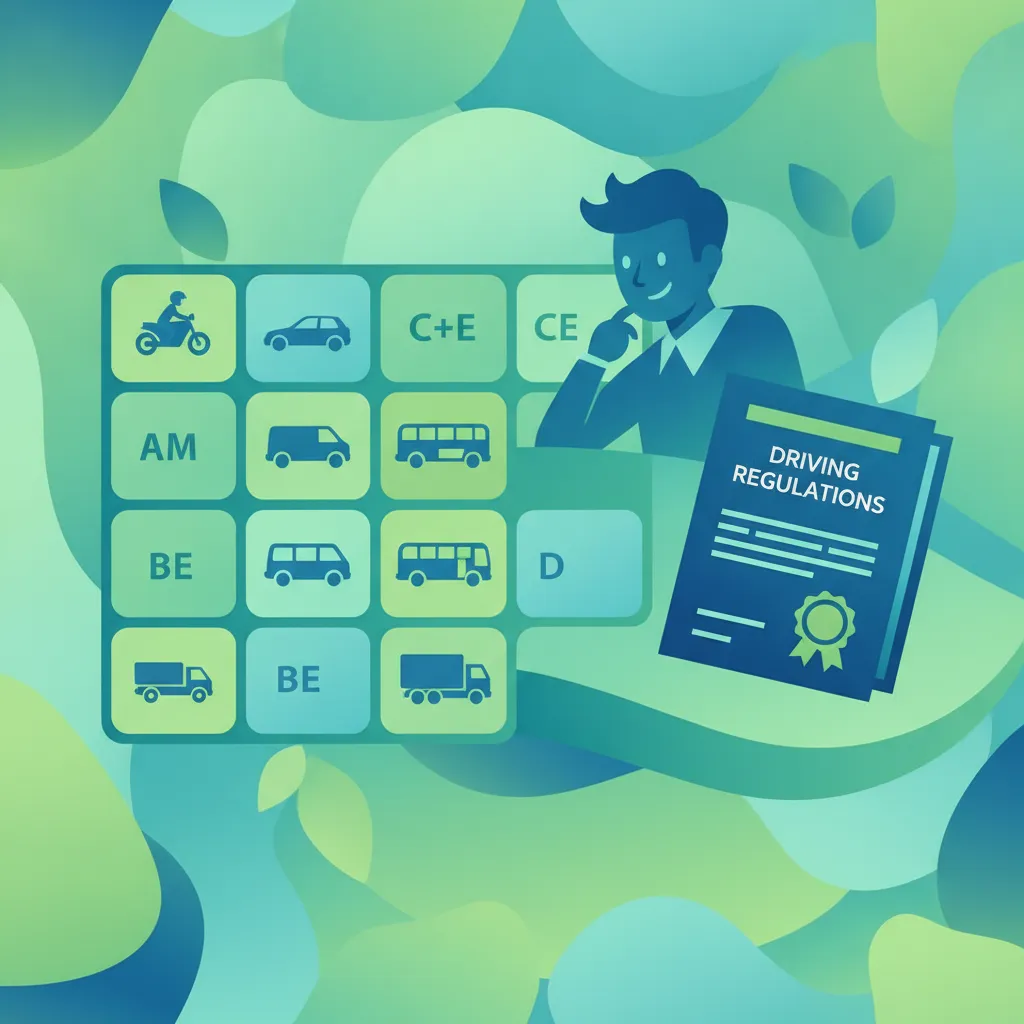
This lesson provides a comprehensive overview of the four passenger vehicle licence categories: D1, D, D1E, and DE. It details the specific legal criteria, vehicle types, and eligibility requirements for each. Learners will understand how DVSA theory test mandates intersect with DVLA licensing procedures, clarifying the privileges and limitations of each category. The content also explains the key statutory provisions from the Highway Code that govern passenger vehicle operation in Great Britain.

This lesson explores safe boarding protocols, focusing on correct door operation, managing internal passenger movement, and providing assistance for passengers with reduced mobility. It emphasizes the importance of establishing safety zones near doorways, managing standing passengers during boarding, and using audible alarms. The lesson also covers the proper sequence for wheelchair boarding and the use of loading bays to ensure smooth passenger flow and minimize risks during the boarding process.

This lesson focuses on the legal and practical requirements for providing accessible transport for passengers with reduced mobility. It covers wheelchair access, ramp usage, and securement devices, as well as procedures for safely assisting passengers with mobility aids. The discussion highlights relevant disability legislation and the importance of proper loading and unloading protocols to protect both passengers and the driver from injury, ensuring compliance with accessibility standards in Great Britain.

This lesson covers the full range of road signs encountered by passenger vehicle drivers, focusing on regulatory, warning, and informational signs. It explains the visual characteristics of sign shapes, colors, and symbols, particularly those associated with bus lane usage and priority rules. By mastering sign hierarchy and meaning, drivers can quickly interpret the sign's intent and adjust their driving behaviour accordingly, ensuring full compliance with the Highway Code and enhancing road safety.

This lesson addresses the serious danger of driver fatigue, a major cause of incidents involving commercial vehicles. It details the complex EU and GB domestic rules on drivers' hours, including driving limits and required rest periods. Learners will be taught to recognize the physical and mental signs of fatigue and understand the importance of taking quality rest to maintain alertness and ensure their own safety and that of others.
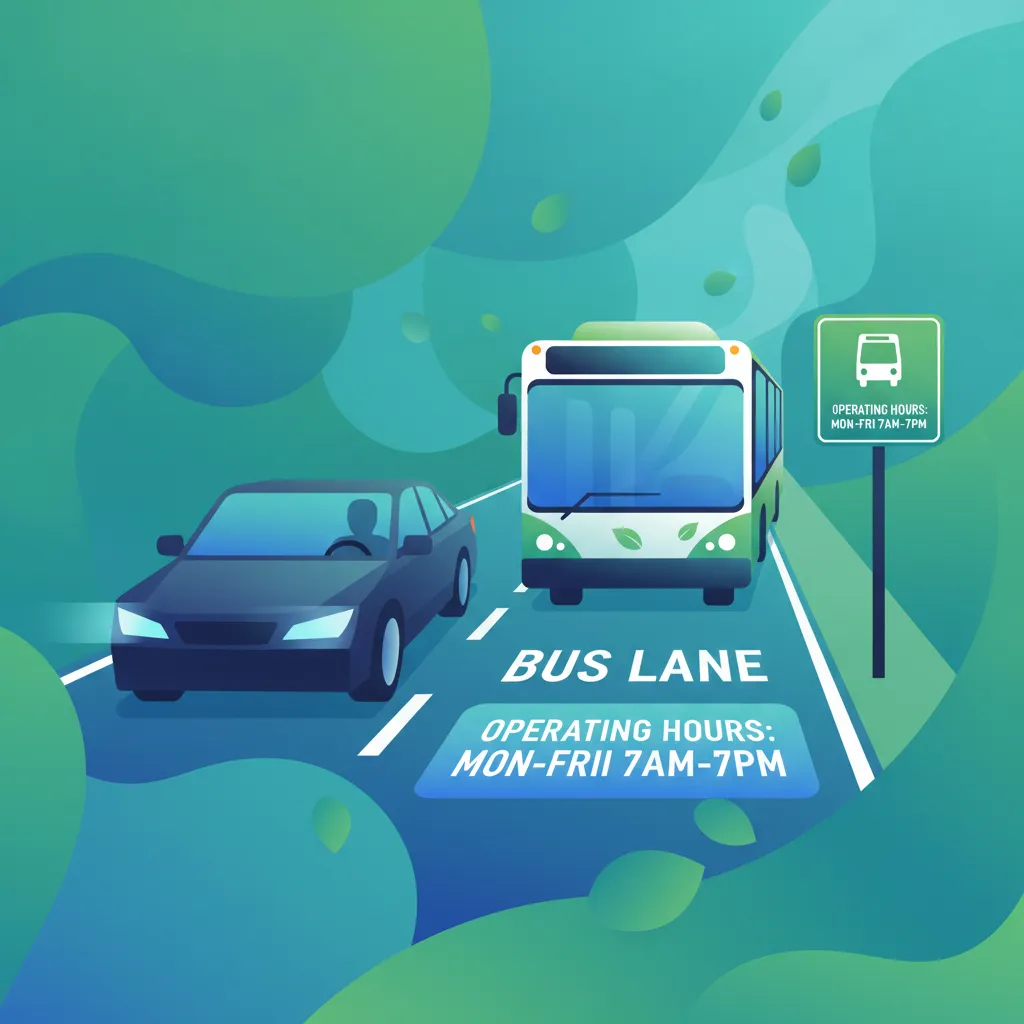
This lesson explores the specifics of bus lane markings, operating times, and priority situations where buses have precedence over other traffic. It emphasizes correct lane discipline, lawful entry and merging practices, and the exemptions granted to designated passenger vehicles. Learners will also understand how bus lane enforcement works and what penalties may be incurred for non-compliance, ensuring safe and efficient movement through urban traffic systems.
Explore the legal obligations and ethical standards for professional passenger vehicle drivers in GB. Covers equality, non-discrimination, data protection, and penalties for violations, as part of Category D theory preparation.
This lesson examines the professional duties and ethical standards expected of passenger vehicle drivers, highlighting the duty of care owed to passengers and other road users. It covers the importance of maintaining professional standards, adhering to ethical conduct, and fostering public confidence through responsible behaviour. The content addresses industry accountability mechanisms and outlines how drivers are expected to act with integrity and respect for passenger wellbeing.

This lesson defines the critical duty of care that professional goods vehicle drivers owe to the public, their cargo, and their workplace. It covers how professional standards and industry codes of practice contribute to accident prevention and a positive safety culture. Learners will understand that this responsibility extends beyond personal safety to include protecting vulnerable road users and maintaining the integrity of the goods being transported, which is crucial for professional trust.

This lesson focuses on the essential role of public trust in maintaining the reputation and reliability of passenger transport services. Learners will explore how passenger welfare is central to building confidence, emphasizing the impact of a strong safety culture and effective risk management on service perception. The content highlights the driver's responsibility in upholding stakeholder expectations, including community safety and the broader societal role of public transportation, ensuring a high standard of service.
This lesson examines the unique rules and restrictions governing buses and coaches, focusing on bus lane priority, time-based restrictions, and loading zone limitations. Learners will explore the criteria for using bus-only routes and understand the legal consequences of non-compliance. The content also reviews signage indicating bus gate operation and areas where passenger vehicles are prohibited from stopping or loading outside of designated zones, ensuring lawful and efficient urban navigation.
This lesson provides a thorough understanding of the core safety principles required to protect passengers. It covers secure seating, safe standing zones, and the proper handling of passenger luggage to prevent hazards. Learners will also identify the location and use of emergency equipment, understand seatbelt compliance, and learn how to conduct on-board safety briefings. The focus is on risk assessment and hazard identification to maintain a secure environment for all passengers.
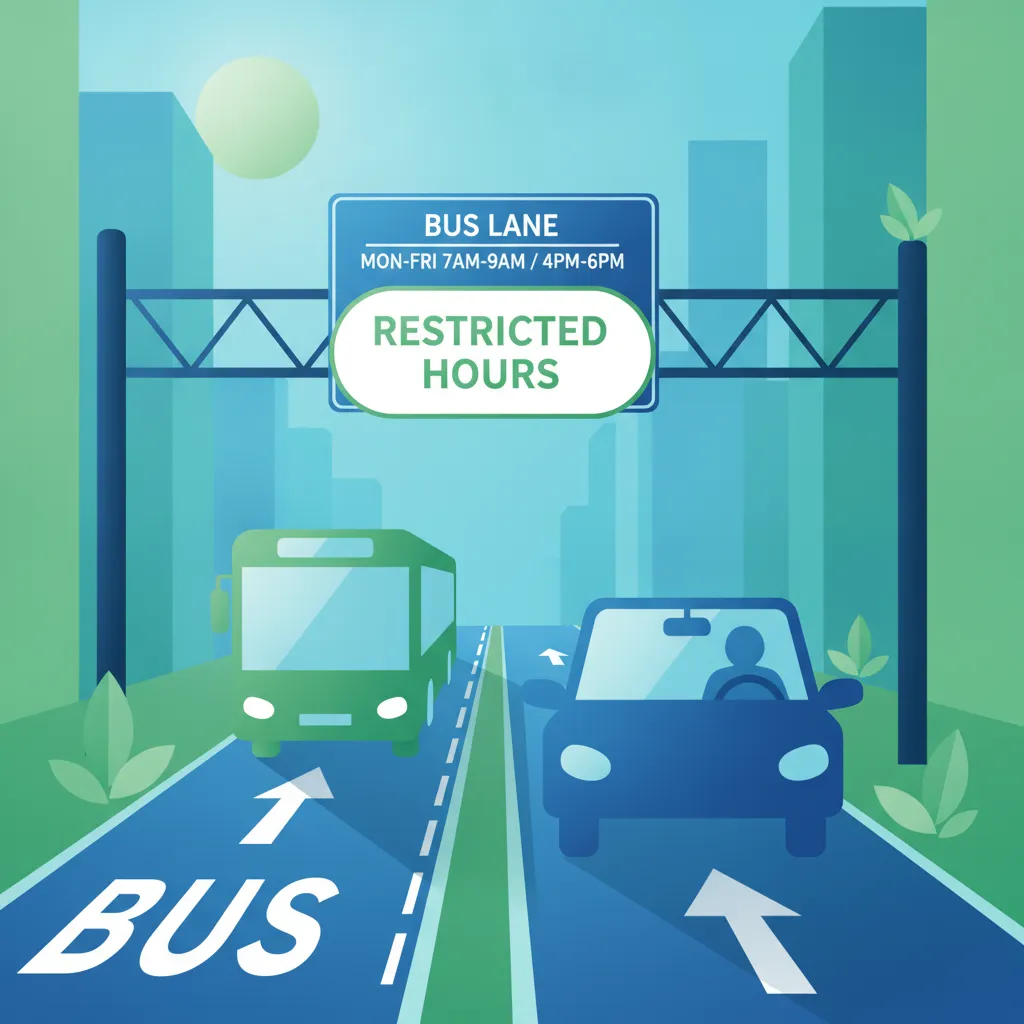
This lesson covers the importance of maintaining correct lane discipline when driving a large passenger vehicle. It details how to position your vehicle safely within a lane on various road types, including multi-lane carriageways and motorways. You will learn the specific rules governing bus lanes, including how to interpret markings, adhere to operating times, and understand the exemptions and penalties associated with their use to ensure legal and efficient driving.

This lesson emphasizes that professional drivers are ambassadors for their company and the entire logistics industry. It covers the importance of maintaining a professional appearance and attitude, communicating clearly and courteously with customers and the public, and handling deliveries efficiently. Developing strong customer service and conflict resolution skills can enhance company reputation and contribute to a more positive working environment for everyone.
This lesson focuses on the legal and practical requirements for providing accessible transport for passengers with reduced mobility. It covers wheelchair access, ramp usage, and securement devices, as well as procedures for safely assisting passengers with mobility aids. The discussion highlights relevant disability legislation and the importance of proper loading and unloading protocols to protect both passengers and the driver from injury, ensuring compliance with accessibility standards in Great Britain.

This lesson focuses on the unique aspects of long-distance coach services. It covers essential pre-journey planning, including route selection and scheduling mandatory breaks to comply with drivers' hours regulations. The importance of using a tachograph correctly is explained, alongside strategies for managing driver fatigue. The lesson also addresses considerations for passenger comfort on long journeys, secure luggage handling, and contingency planning for unexpected delays or incidents.
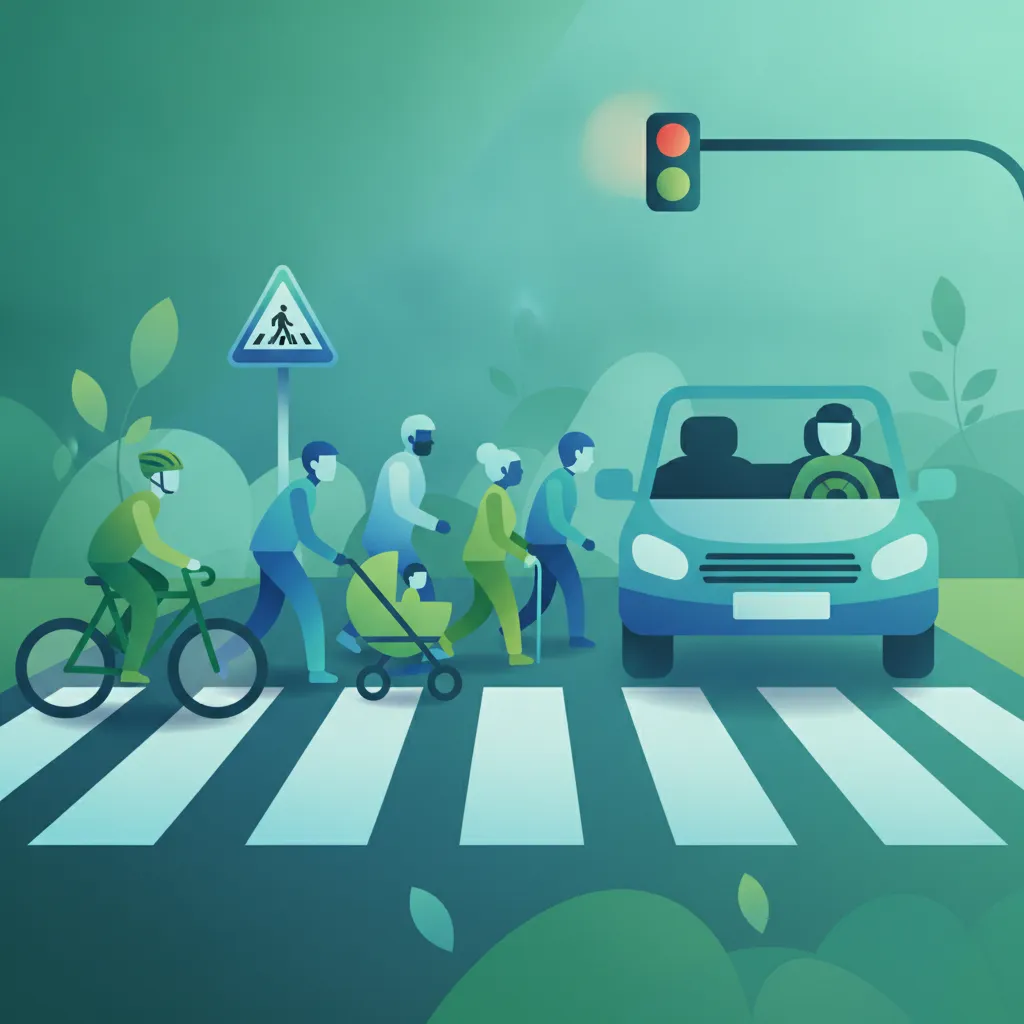
This lesson focuses on a driver's legal and ethical duty of care to all road users. It explains the concept of a road user hierarchy, which prioritizes the safety of vulnerable groups such as pedestrians, cyclists, and motorcyclists. You will learn the principles of defensive driving, anticipating potential hazards, and maintaining a courteous attitude on the road to ensure safety for everyone.
Find clear answers to common questions learners have about Driver Behaviour and Public Interaction. Learn how the lesson is structured, which driving theory objectives it supports, and how it fits into the overall learning path of units and curriculum progression in Great Britain. These explanations help you understand key concepts, lesson flow, and exam focused study goals.
Professional driving is not just about vehicle control; it is about managing a public-facing service. The DVSA includes these topics because your interaction with passengers directly impacts their safety, comfort, and the overall efficiency of your journey.
The test looks for calm, professional, and safety-oriented responses. Always prioritize the safety of the vehicle and passengers; never engage in verbal disputes or escalate the situation. Stick to clear, polite communication and follow company procedures.
While it sounds like a soft skill, effective communication and maintaining a professional environment are core components of passenger safety. Exam questions often test your ability to maintain a 'calm cabin' environment to reduce driver distraction.
Dive into our comprehensive question bank to find exactly what you need for your Great Britain theory test. Use our advanced filters to pinpoint specific subjects or test your knowledge on challenging areas, ensuring you're fully prepared for success.