
This lesson details the legal responsibilities of professional passenger vehicle drivers in Great Britain. We examine how traffic offences lead to penalty points and how these impact your Category D, D1, or DE licence and career longevity. You will also learn the critical importance of accurate incident reporting as part of your professional duty.
Lesson content overview
Operating a passenger vehicle in Great Britain, such as a bus, coach, or minibus, comes with significant responsibilities. As a professional driver holding a Category D, D1, D1E, or DE licence, your actions on the road directly impact public safety. Understanding the penalties for traffic offences, the legal consequences, and your duty to report incidents is not just a matter of compliance; it is fundamental to maintaining your licence, career, and the trust placed in you.
This lesson outlines the serious legal and professional implications of traffic offences, covering common issues like speeding, using a mobile phone, and the strict limits on alcohol and drugs. It explains the system of fixed penalty notices and penalty points, clarifying how accumulating points can lead to fines, licence suspension or revocation, and potentially the end of a professional driving career. The importance of understanding and following company policy on incident reporting is also stressed, ensuring you are fully prepared for your theory test and professional career as a Great Britain Passenger Vehicle Theory – Bus, Coach and Minibus Driver.
The legal system in Great Britain uses a structured approach to enforce traffic laws, aiming to deter unsafe driving and promote road safety. For professional drivers, these penalties are often more stringent, reflecting the higher duty of care associated with carrying passengers.
A Fixed Penalty Notice (FPN) is a common method for dealing with minor to moderate traffic offences. It is essentially a standardised monetary fine issued by the police or Driver and Vehicle Standards Agency (DVSA) officers, often on the spot or via post. An FPN allows for a quick resolution without requiring a court appearance, provided the driver accepts the penalty and pays the fine within the specified timeframe.
Many FPNs also carry penalty points, which are endorsed on your driving licence. Ignoring an FPN or failing to pay the fine will typically lead to a court summons, where you may face a higher fine, more penalty points, and additional court costs.
Example FPNs:
Penalty points, also known as endorsement points, are recorded on your driving licence for certain traffic offences. These points remain on your record for a set period, typically 4 to 11 years, depending on the severity of the offence. Their purpose is to act as a cumulative deterrent; the more offences you commit, the more points you accumulate.
The accumulation of penalty points is particularly critical for professional drivers. Reaching a certain threshold of points within a specific timeframe can trigger an automatic disqualification from driving, which can have devastating consequences for your career. It is crucial to understand that points are applied automatically once you accept an FPN or are convicted in court.
The ultimate consequence of serious or repeated traffic offences is the temporary or permanent removal of your driving entitlement.
The distinction between these two is vital. A suspension is a temporary ban, whereas a revocation is a more severe, long-term measure requiring you to restart the licensing process.
For those holding a Category D, D1, D1E, or DE licence, the stakes are significantly higher. The legal framework recognises the increased public safety risk associated with operating passenger-carrying vehicles (PSVs). This means professional drivers face stricter thresholds and more severe penalties for the same offences compared to private car drivers.
One of the most critical distinctions for professional drivers in Great Britain is the lower penalty point threshold for disqualification. While private drivers typically face disqualification upon accumulating 12 points within a 3-year period, professional PSV drivers often face an immediate disqualification for a lower number of points.
Professional Driver Point Threshold: For many professional driving roles, especially those involving vehicles over 3.5 tonnes, accumulating just 6 penalty points can lead to an automatic 6-month disqualification from driving. This is a critical difference that professional drivers must always be aware of.
This reduced tolerance reflects the enhanced responsibility of transporting passengers and the potential for greater harm if an incident occurs. Maintaining a clean driving record is paramount for your professional viability.
Certain offences carry particularly harsh penalties when committed by a professional driver operating a PSV:
The courts and regulatory bodies like the DVSA take a much graver view of these offences when committed by someone entrusted with public transport.
Beyond legal penalties, traffic offences have profound implications for your professional career:
Understanding the specific offences that commonly lead to penalties is crucial for professional drivers.
Speed limits are set for a reason: to ensure safety for all road users, especially in urban areas and near vulnerable road users. For PSV drivers, exceeding speed limits is particularly dangerous due to the vehicle's size, weight, and passenger load.
Using a handheld mobile phone at the wheel is strictly prohibited in Great Britain. This includes making calls, texting, checking notifications, or using apps. This rule applies even when stationary in traffic or at a red light, as long as the engine is running.
Operating any vehicle while under the influence of alcohol or drugs is one of the most serious driving offences, and this is especially true for PSV drivers. The legal alcohol limit in England, Wales, and Scotland is 80 milligrams per 100 millilitres of blood (or 35 micrograms of alcohol per 100 millilitres of breath) for private drivers. However, many transport companies operate a zero-tolerance policy, and specific categories of professional driving may have lower legal limits.
Professional drivers have a duty to ensure their vehicle is in a safe and roadworthy condition before and during operation. This includes daily checks for defects such as faulty brakes, tyres, lights, or steering issues.
Beyond avoiding offences, a professional driver's duty extends to reporting incidents thoroughly and promptly. Incident reporting is not just a bureaucratic task; it is a critical component of safety management, risk mitigation, and continuous improvement within the transport industry.
The law mandates the reporting of certain incidents. For drivers of Public Service Vehicles, the Public Service Vehicles (Conduct of Drivers, Conductors and Passengers) Regulations 1990 (as amended by the Public Service Vehicles (Conduct of Drivers, etc.) Regulations 2003) specify reporting requirements.
An incident involving at least one moving vehicle on a road that results in injury or significant property damage.
Failure to report an RTA as required can result in legal penalties, including fines and penalty points.
Every transport operator will have its own detailed company policy on incident reporting, which often goes beyond the statutory minimums. These policies typically cover:
Ensure Safety: Secure the scene, check for injuries, and call emergency services if necessary.
Gather Information: Collect details of all parties involved (names, contact, vehicle registration), witness statements, time, date, location, and environmental conditions.
Document: Take photographs of damage, road conditions, and relevant signage.
Notify Employer: Contact your dispatcher or manager immediately as per company policy.
Contact Police: If legally required, report the incident to the police within 24 hours.
Complete Internal Report: Fill out all company incident forms thoroughly and accurately.
Your employment as a professional driver is governed not only by statutory law but also by your employer's internal rules and policies. These company policies are designed to uphold organisational safety standards, legal compliance, and operational efficiency.
It's common for company policies to be stricter than the minimum requirements set by law. For example:
Adhering to company policy is a contractual obligation. Non-compliance, even if not a criminal offence, can lead to internal sanctions.
Transport operators typically have a graduated disciplinary system for policy breaches or traffic offences. This might include:
It is vital to be fully aware of your employer's driver handbook, health and safety policies, and employment contract. These documents outline the specific expectations and the consequences of failing to meet them.
Several key pieces of legislation and regulatory bodies govern driving standards and penalties in Great Britain.
These fundamental acts form the backbone of road traffic law in the UK. They define numerous offences, such as dangerous driving, careless driving, drink and drug driving, and the mechanisms for issuing Fixed Penalty Notices and recording penalty points. The Road Traffic Offenders Act 1988 specifically details the procedures for dealing with road traffic offences, including the allocation of penalty points and the triggers for disqualification.
These regulations lay out specific rules of conduct for drivers of PSVs, including duties regarding passenger safety, cleanliness of the vehicle, and crucial requirements for reporting accidents. They reinforce the higher standards expected of professional passenger vehicle operators.
The DVSA is a key government agency responsible for enforcing road safety standards for vehicles and drivers, especially those operating commercially. The DVSA has powers to:
The DVSA's role is critical in maintaining the integrity and safety of commercial passenger transport.
Proactive measures are your best defence against penalties and legal consequences:
The system of penalties, legal consequences, and reporting duties for professional passenger vehicle drivers in Great Britain is designed to ensure the highest standards of safety and accountability. Understanding Fixed Penalty Notices, the cumulative impact of penalty points, the serious implications of licence suspension or revocation, and the heightened professional driver thresholds is essential.
Your professional integrity and career longevity depend on your vigilance, adherence to all traffic laws, compliance with company policies, and diligent incident reporting. By committing to safe driving practices and understanding your responsibilities, you contribute significantly to public safety and protect your valuable professional licence.
Explore all units and lessons included in this driving theory course.
Lesson content overview
Explore all units and lessons included in this driving theory course.
Explore search topics learners often look for when studying Penalties, Legal Consequences, and Reporting. These topics reflect common questions about road rules, driving situations, safety guidance, and lesson level theory preparation for learners in Great Britain.
Browse additional driving theory lessons that cover connected traffic rules, road signs, and common driving situations related to this topic. Improve your understanding of how different rules interact across everyday traffic scenarios.
Understand the specific traffic offences, penalty points, and legal consequences faced by professional bus and coach drivers in Great Britain. Learn how these impact your Category D licence and career.
This lesson outlines the serious consequences of failing to comply with road transport law. It details the graduated system of fines and penalties that can be issued by the DVSA and police for offences ranging from drivers' hours violations to vehicle defects. The lesson also explains more severe sanctions, such as vehicle prohibition, licence suspension, and referral to the Traffic Commissioner, which can impact both the driver and their employer.
This lesson details the consequences of committing traffic offences. It explains how penalty points are added to your licence for infractions like speeding or using a mobile phone. You will learn about the threshold for disqualification (totting-up) and the specific, stricter rules that apply to new drivers within the first two years of passing their test.
Gain a comprehensive understanding of the legal repercussions for violating goods vehicle regulations, which can range from civil penalties to criminal prosecution. This lesson details the fines, penalty points, and potential vehicle seizure enforced by authorities like the DVSA and the police. It clarifies how serious offences are handled in court and how repeated infractions can lead to escalating sanctions, impacting both your licence and professional career.
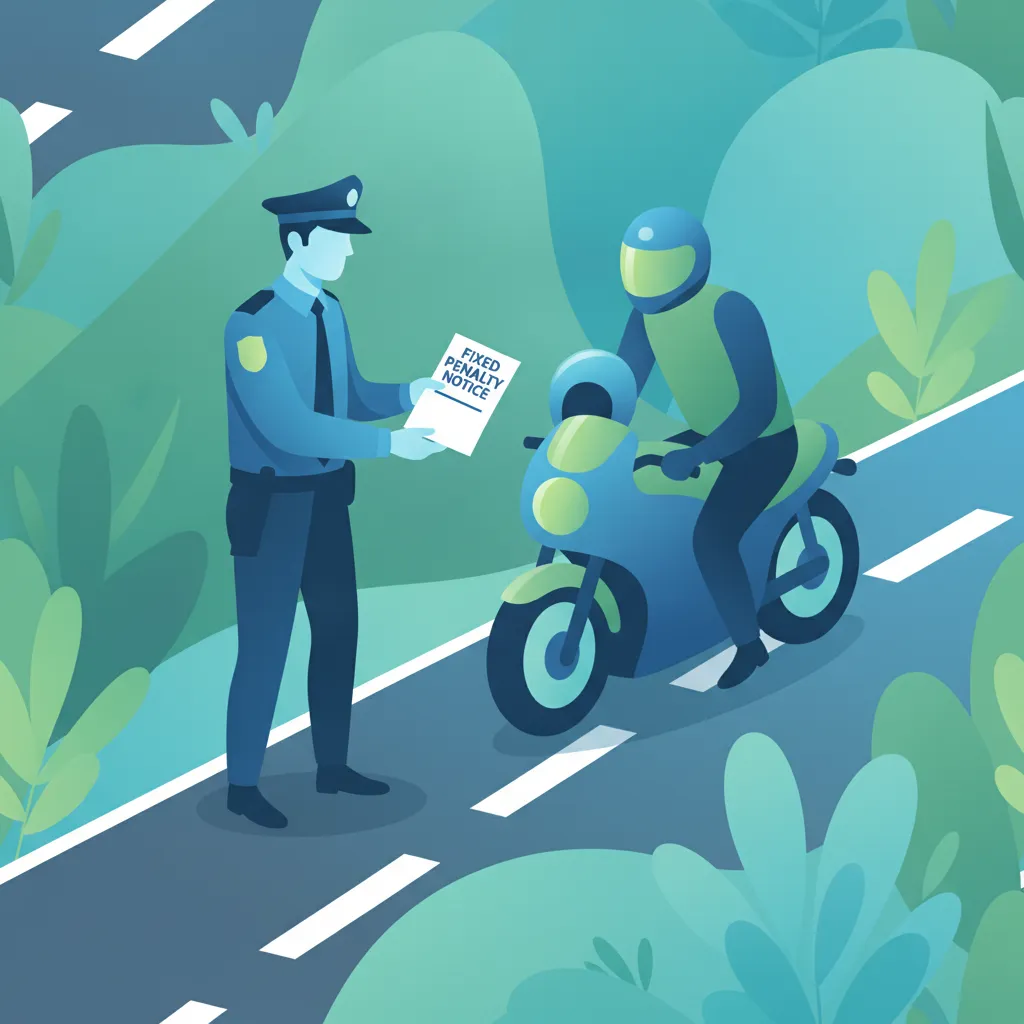
This lesson explains the legal consequences of committing traffic offences. It covers how the penalty points system works, the number of points for common offences like speeding, and how accumulating 12 points can lead to disqualification under the 'totting-up' procedure. You will also learn about the specific rules for new riders, who can have their licence revoked with just 6 points.

This lesson explains the legal consequences of committing traffic offences in Great Britain. It details the penalty points system, explaining how points are issued for various offences like speeding or using a mobile phone, and the thresholds that can lead to a driving ban. Understanding these penalties, fines, and potential licence revocation reinforces the importance of consistent, lawful riding and helps you appreciate the value of a clean driving record.
Explore the critical topics of driver liability, insurance, and legal penalties in Great Britain. This lesson distinguishes between civil and criminal liability in the context of road incidents. It details the compulsory third-party insurance every driver must have and explains the penalty points system for traffic offences, including fines and potential disqualification.
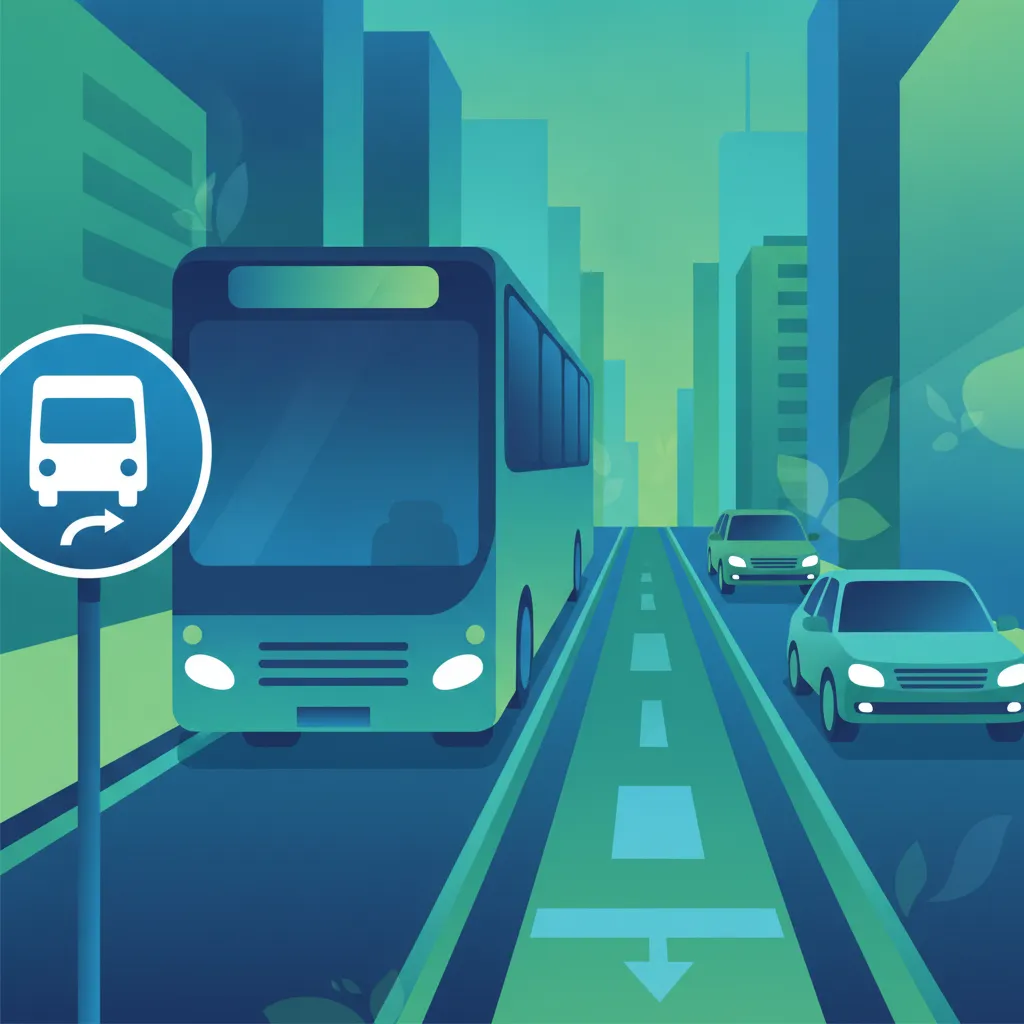
This lesson examines the unique rules and restrictions governing buses and coaches, focusing on bus lane priority, time-based restrictions, and loading zone limitations. Learners will explore the criteria for using bus-only routes and understand the legal consequences of non-compliance. The content also reviews signage indicating bus gate operation and areas where passenger vehicles are prohibited from stopping or loading outside of designated zones, ensuring lawful and efficient urban navigation.
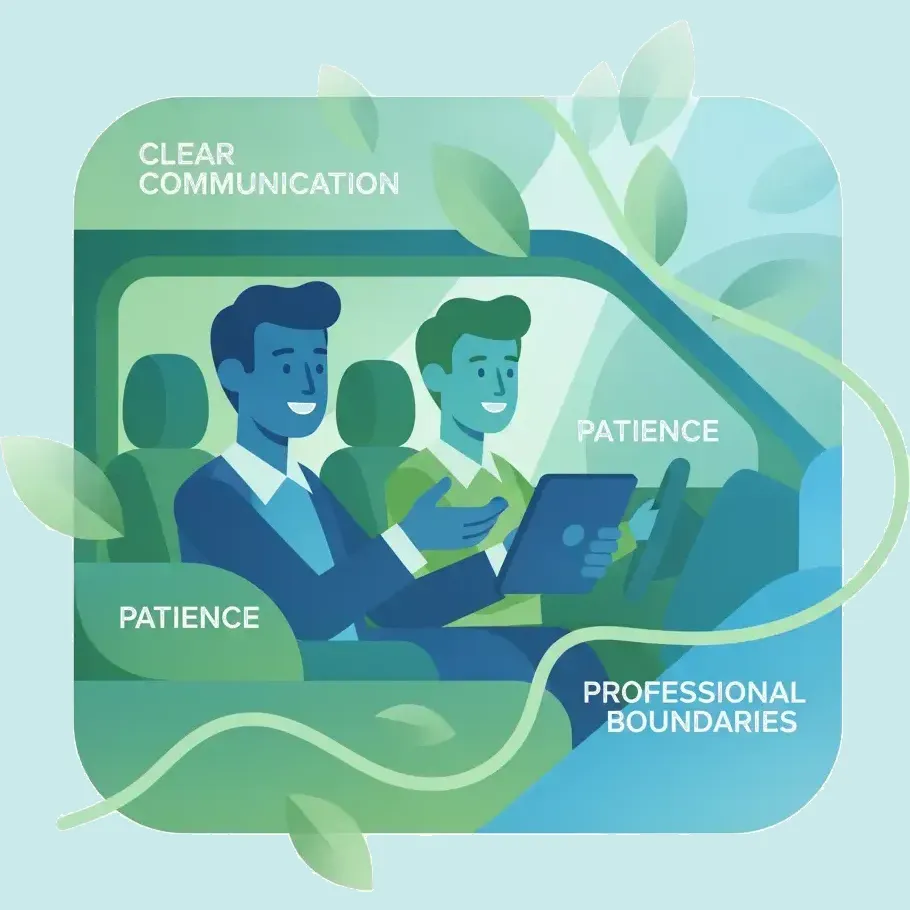
This lesson examines the professional duties and ethical standards expected of passenger vehicle drivers, highlighting the duty of care owed to passengers and other road users. It covers the importance of maintaining professional standards, adhering to ethical conduct, and fostering public confidence through responsible behaviour. The content addresses industry accountability mechanisms and outlines how drivers are expected to act with integrity and respect for passenger wellbeing.
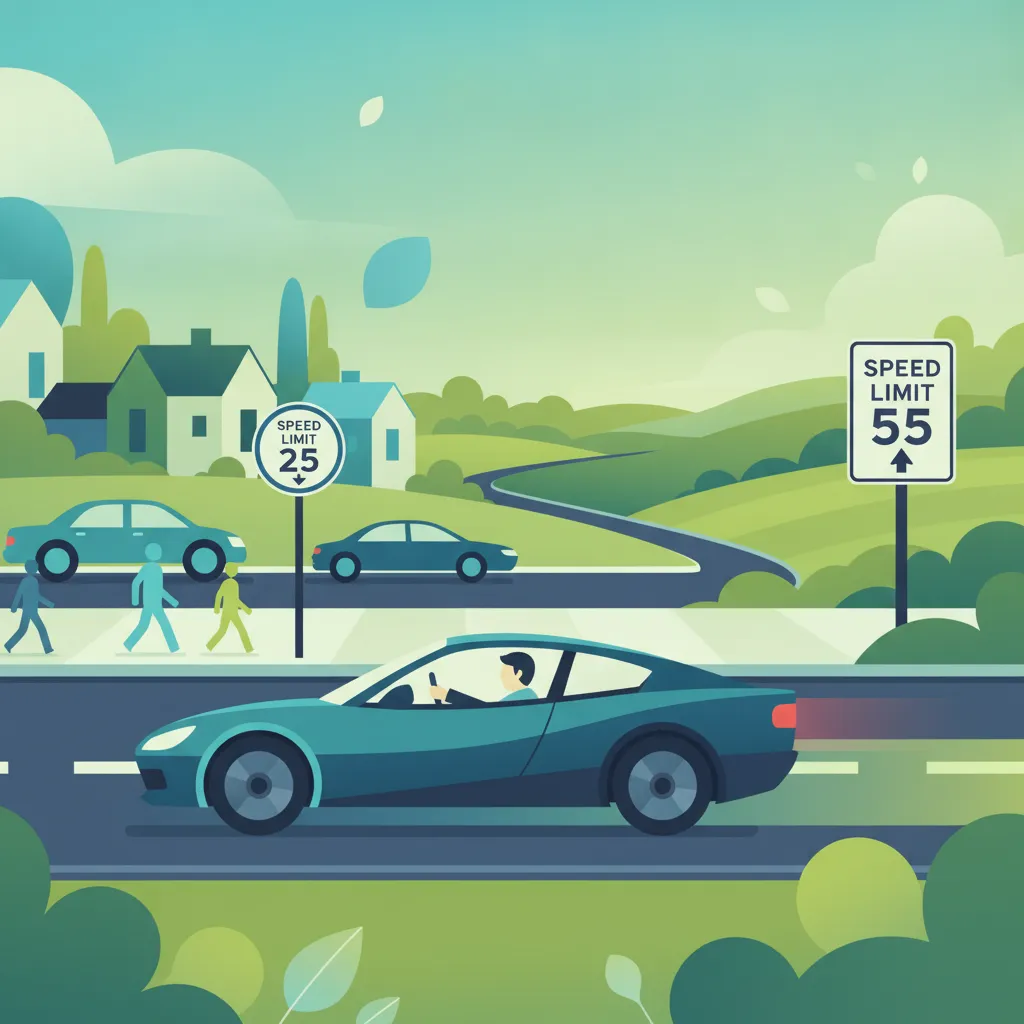
This lesson details speed management techniques applicable to urban, rural, and motorway environments, focusing on compliance with legal speed limits and developing appropriate speed perception. It covers strategies for monitoring speed and adjusting for road conditions, traffic density, and overall passenger safety. The lesson also reviews enforcement mechanisms and emphasizes the importance of speed compliance for accident avoidance and regulatory adherence, a critical skill for all professional drivers.
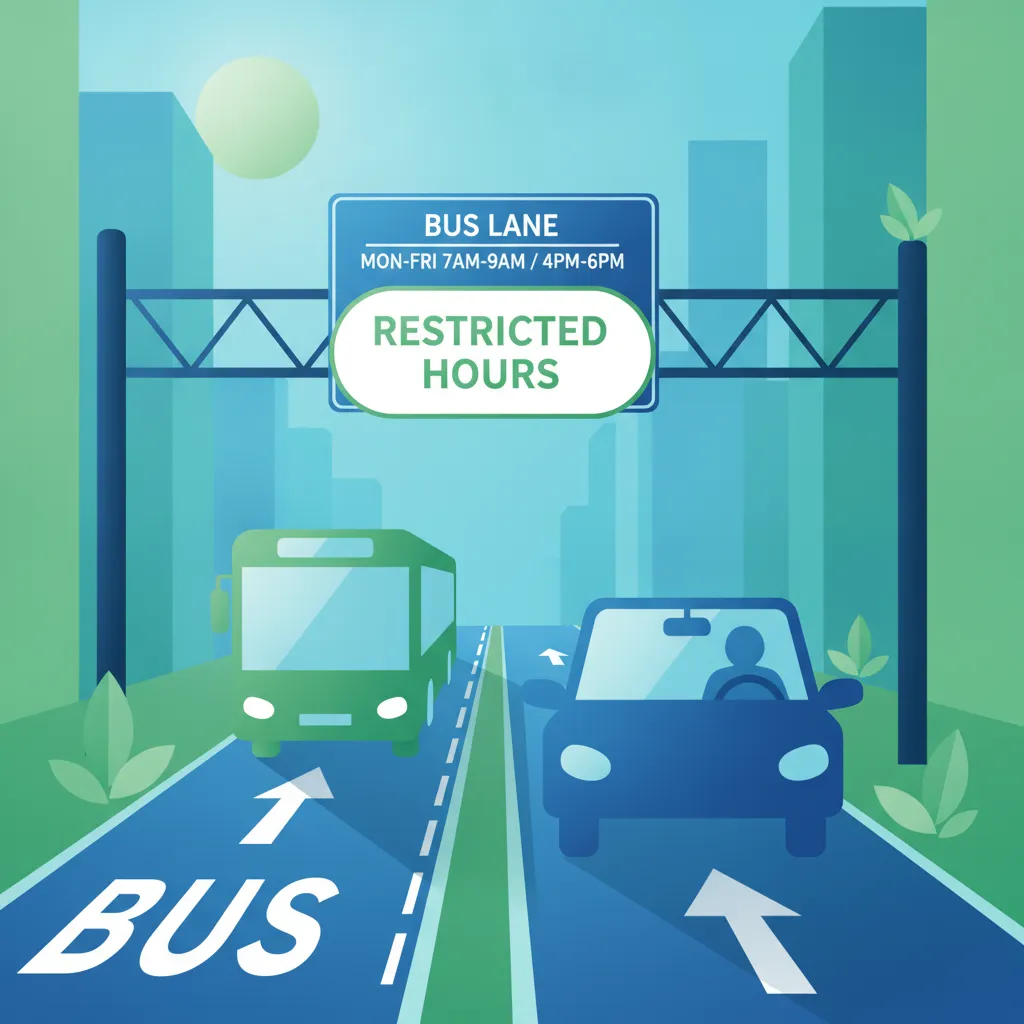
This lesson covers the importance of maintaining correct lane discipline when driving a large passenger vehicle. It details how to position your vehicle safely within a lane on various road types, including multi-lane carriageways and motorways. You will learn the specific rules governing bus lanes, including how to interpret markings, adhere to operating times, and understand the exemptions and penalties associated with their use to ensure legal and efficient driving.
Essential guidance for Great Britain's professional drivers on legal obligations for reporting accidents and near-misses, and adhering to strict company policies for safe operations.

Knowing what to do at an accident scene can save lives. This lesson outlines the critical steps: ensuring your own safety, making the scene safe for others, assessing casualties, and calling the emergency services. It also covers your legal obligations to stop, report the collision, and exchange details with other parties involved.
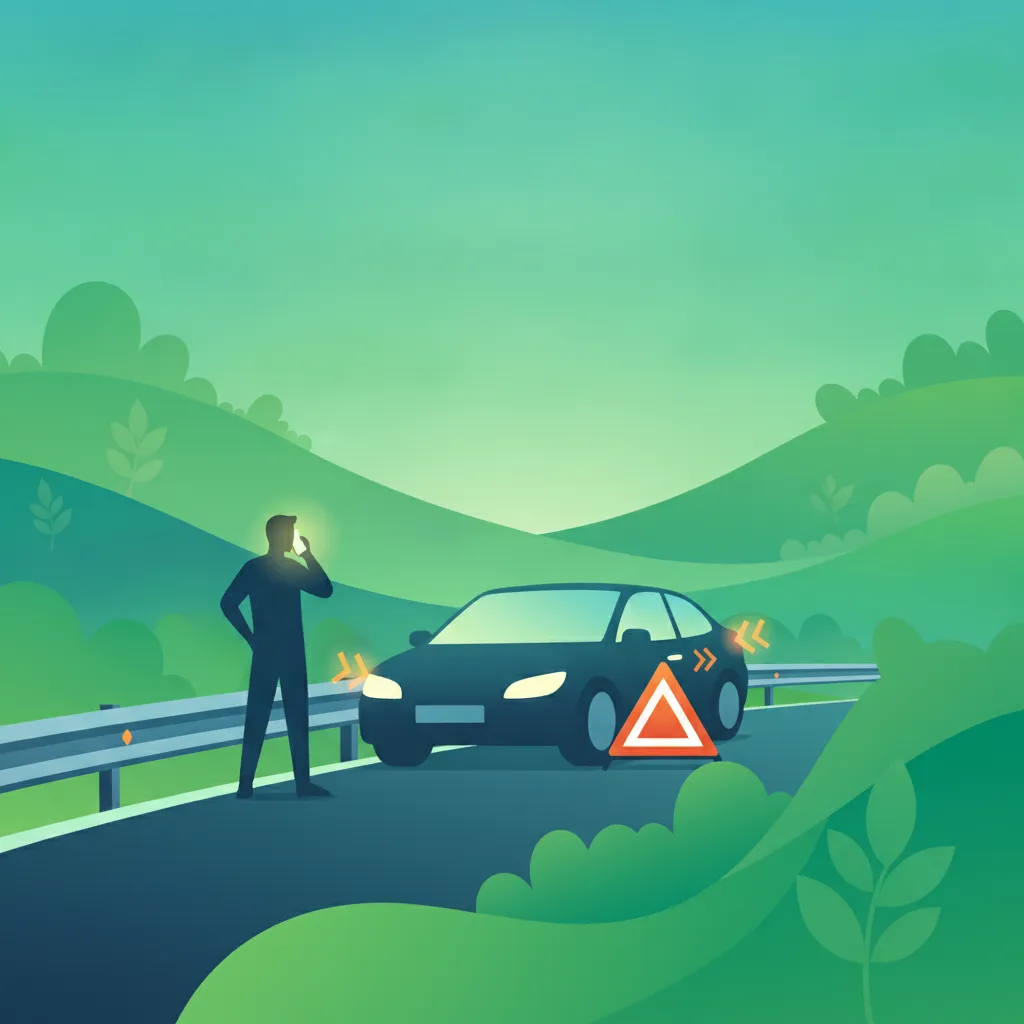
This lesson equips drivers with the knowledge to manage on-road emergencies effectively and safely. It provides clear, step-by-step procedures for vehicle breakdowns, including where to stop and how to use warning devices. It also covers initial actions at the scene of an accident, fire safety protocols including the use of an extinguisher, and the correct way to report incidents to emergency services and the transport office.
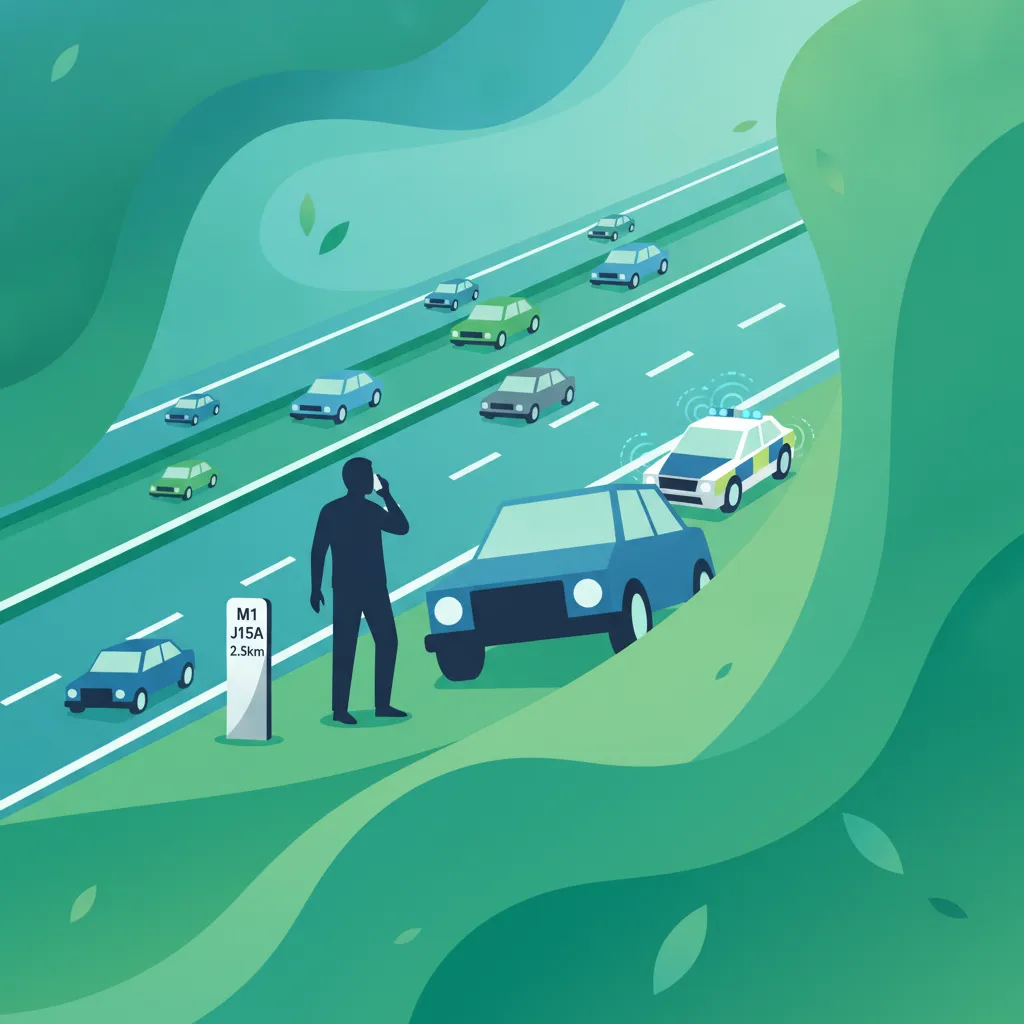
This lesson details the immediate actions a driver must take in the event of an accident or on-board emergency. It covers how to protect the scene, use hazard warning lights, and contact the emergency services via 999 or 112, providing clear and concise information. The content also includes the location and use of the first aid kit and fire extinguisher. It emphasizes the driver's role in calmly assisting passengers and cooperating with emergency responders upon their arrival.
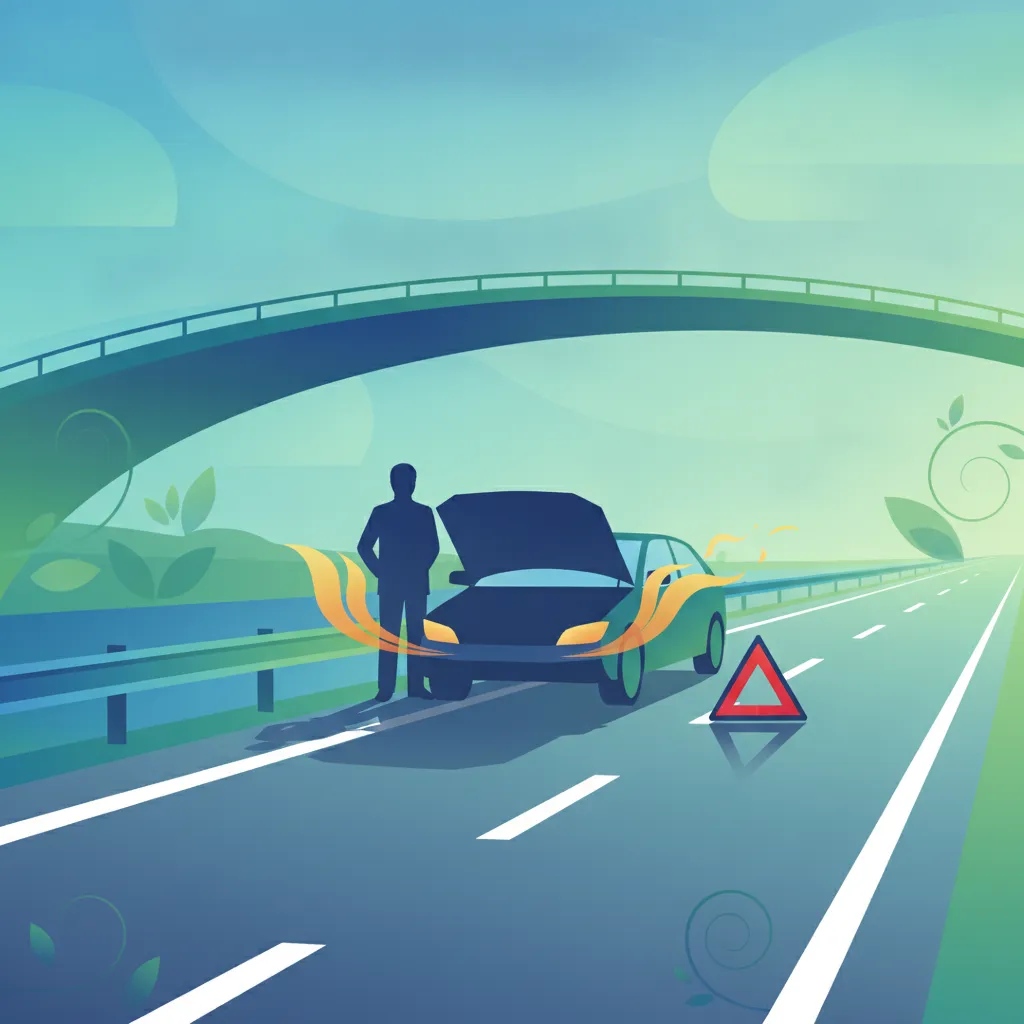
This lesson provides a clear, step-by-step guide for managing an emergency situation like a breakdown or a road traffic collision. You will learn the correct procedures for making the scene safe, when and how to contact the emergency services (999 or 112), and what information to provide. It also covers your legal obligations regarding reporting accidents and exchanging details, ensuring you are prepared to act correctly and calmly under pressure.
Find clear answers to common questions learners have about Penalties, Legal Consequences, and Reporting. Learn how the lesson is structured, which driving theory objectives it supports, and how it fits into the overall learning path of units and curriculum progression in Great Britain. These explanations help you understand key concepts, lesson flow, and exam focused study goals.
While the penalty point system is consistent, the impact on a professional driver is often greater because your livelihood depends on holding a valid licence. Losing your licence due to accumulated points or a serious offence effectively ends your career as a bus or coach driver.
You must follow your company's specific incident reporting policy, which typically involves documenting details, capturing witness information, and notifying your supervisor immediately. Failing to report an incident can be viewed as a serious breach of professional duty.
A fixed penalty notice is an administrative way to deal with certain offences without going to court. It usually involves a fine and penalty points on your licence. As a professional, you must disclose these to your employer according to your contract.
Yes. Serious offences such as dangerous driving, driving while impaired by drink or drugs, or using a handheld mobile phone can result in immediate disqualification, heavy fines, or even imprisonment, which will lead to the revocation of your vocational licence.
Dive into our comprehensive question bank to find exactly what you need for your Great Britain theory test. Use our advanced filters to pinpoint specific subjects or test your knowledge on challenging areas, ensuring you're fully prepared for success.