
German road sign 133-10, officially 'Fußgänger - Aufstellung rechts', is a crucial danger warning sign. It alerts you to the potential presence of pedestrians, especially on the right side of the road, who might appear unexpectedly. As part of the warning signs group, it emphasizes the need for early recognition and speed reduction. Drivers must be vigilant, anticipate potential hazards, and be ready to adjust their driving behaviour accordingly, combining the sign's message with road conditions and any supplementary information.
This German road sign, "Pedestrians - installed on the right," serves as a crucial warning for drivers, highlighting potential pedestrian activity or road arrangements on the right side. Mastering its meaning is essential for your theory test revision, helping you navigate German traffic rules effectively and avoid hazards.
German road sign 133-10, officially designated "Fußgänger - Aufstellung rechts", belongs to the danger warning signs group. It warns that vulnerable road users, animals, or crossing movements may appear suddenly, so recognition and early speed reduction are essential. You may see it in approaches to hazards, rural roads, urban conflict points, railway crossings, roadworks, and weather-sensitive sections, depending on how the road authority has arranged the location. This right-side version is used where the sign is placed on the right side of the carriageway or where the symbol must face traffic approaching from that side. Any right reference should be read as part of the direction, road side, lane arrangement, or placement shown by the sign. The practical meaning is not just the symbol itself, but the driving decision it triggers: adjust speed, position, priority, route choice, stopping behaviour, or attention before the situation becomes urgent. For learners, the key skill is anticipating what could go wrong before the hazard is visible. Always combine the sign with road markings, traffic lights, police instructions, and any supplementary plates at the same location.
German road sign 133-10 means "Pedestrians - installed on the right" and is officially listed as "Fußgänger - Aufstellung rechts". In practice, it tells drivers to recognise the situation early, adapt before reaching the controlled area, and check whether markings or supplementary plates change how the rule applies.
Get clear, practical answers to the most common questions about the 133-10 - Pedestrians - installed on the right road sign. Learn how the sign works, what rules it represents, and how it affects real driving situations. This FAQ strengthens your understanding and supports accurate decision making for the German driving theory exam in Germany.
Sign 133-10 warns drivers about the potential presence of pedestrians on the right side of the road. This means pedestrians could enter the roadway or be walking close to it, requiring you to be extra cautious and prepared to slow down or stop.
When you see sign 133-10, you must anticipate pedestrians on the right and reduce your speed well in advance. Be prepared to stop if necessary and scan the area for any pedestrians. It's vital to adapt your driving before the potential hazard becomes immediate.
Sign 133-10 can be found in various locations where pedestrians might pose a hazard, such as near residential areas, schools, bus stops, or rural roads where sidewalks are absent. The 'installed on the right' aspect specifies the side from which the warning is emphasized or where the sign itself is positioned.
A common mistake is failing to reduce speed early enough or only reacting when a pedestrian is already visible. Learners might also underestimate the importance of the 'on the right' aspect, focusing only on general pedestrian presence. The theory test expects you to anticipate the hazard proactively.
While sign 133-10 is a warning, it strongly implies that you must yield to pedestrians if they are present or about to enter the roadway. It prepares you for a situation where pedestrians might have priority, especially at crossings or if they are already on the road.
A clear reference image of the 133-10 - Pedestrians - installed on the right road sign used in Germany.
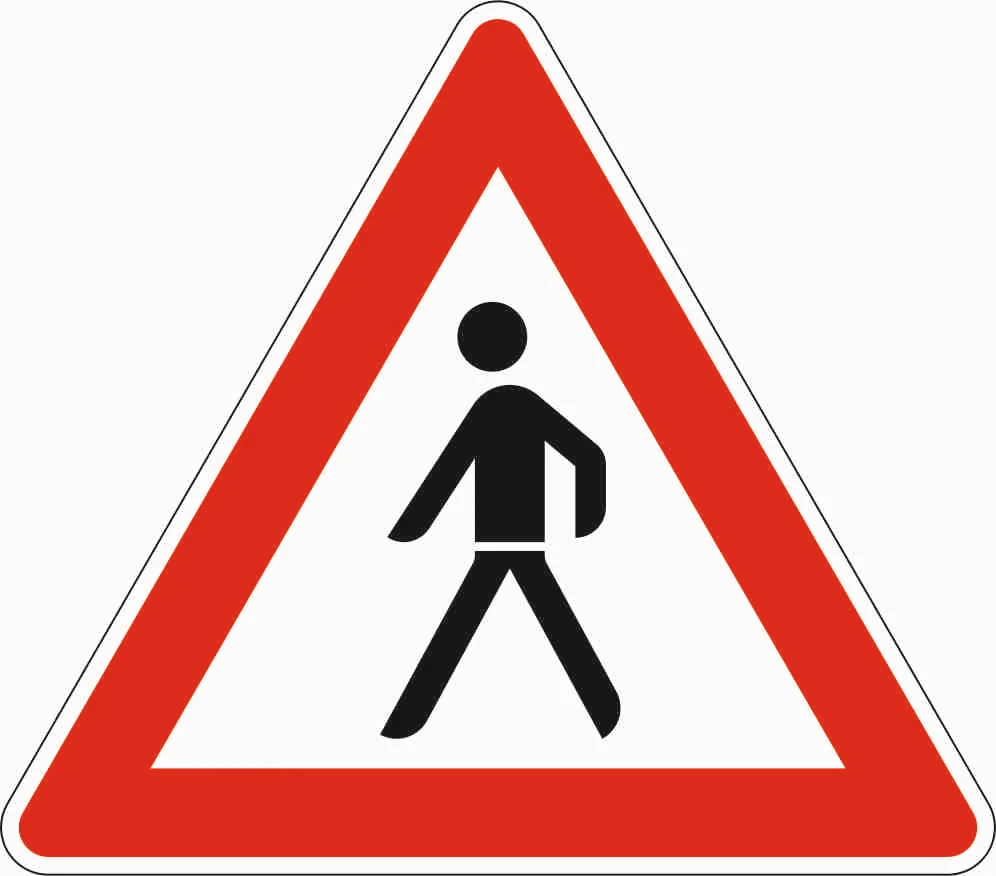
The 133-10 - Pedestrians - installed on the right road sign may also be known by these alternative names or terms.
The 133-10 - Pedestrians - installed on the right road sign is part of the German Danger Warning Signs category, which groups together signs with similar rules and functions.
Examining signs like 'Pedestrians - installed on the right' alongside related ones sharpens your recognition skills. This comparative study helps you avoid confusion and correctly interpret traffic situations for your German driving theory test revision.
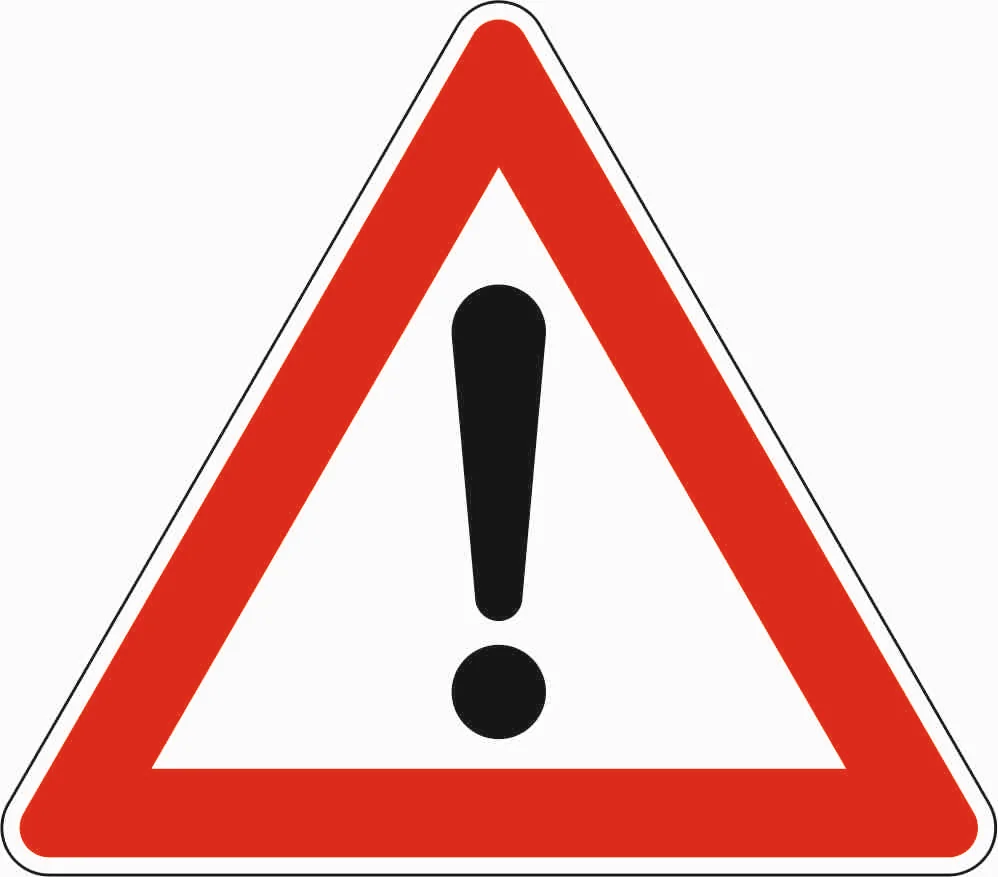
Sign 101: Danger Spot Ahead – Be Prepared for Hazards
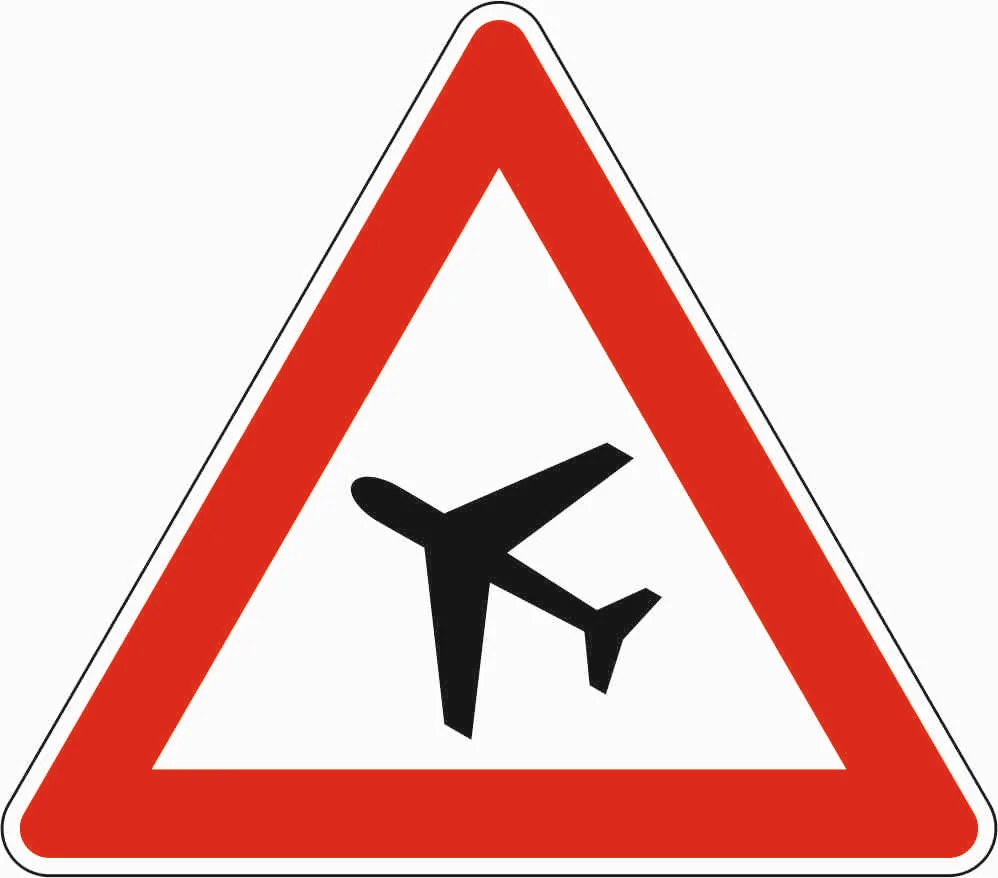
Warning: Aircraft Operations Ahead (Sign Installed on the Right)
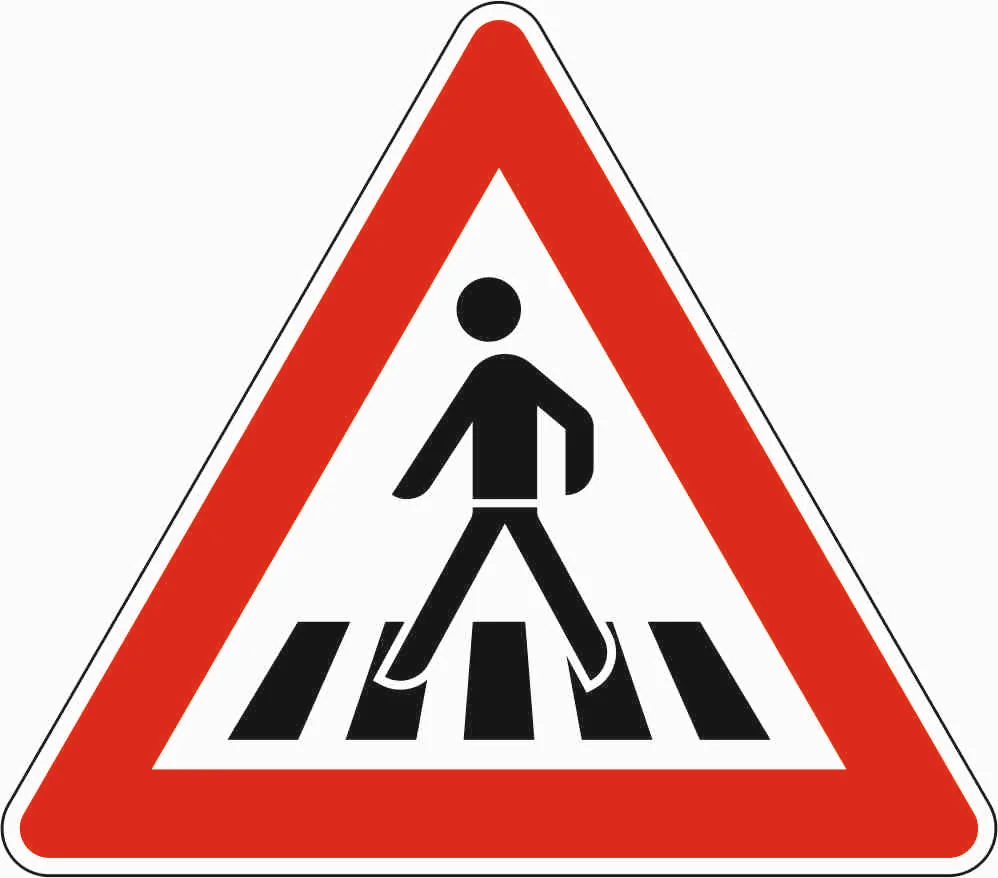
Beware of Pedestrians: Understand the "Pedestrian Crossing - Installed on the Right" Danger Warning Sign (101-11)
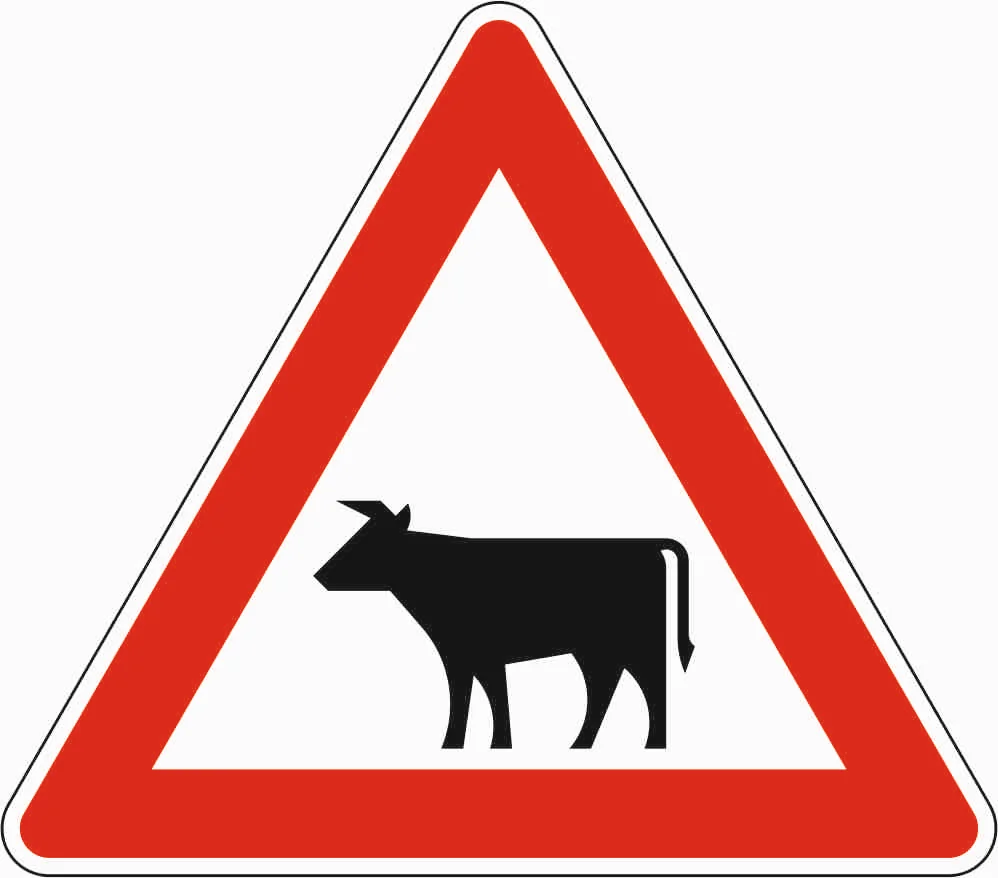
Warning: Cattle Crossing Ahead - Sign 101-12 (Installed on the Right)
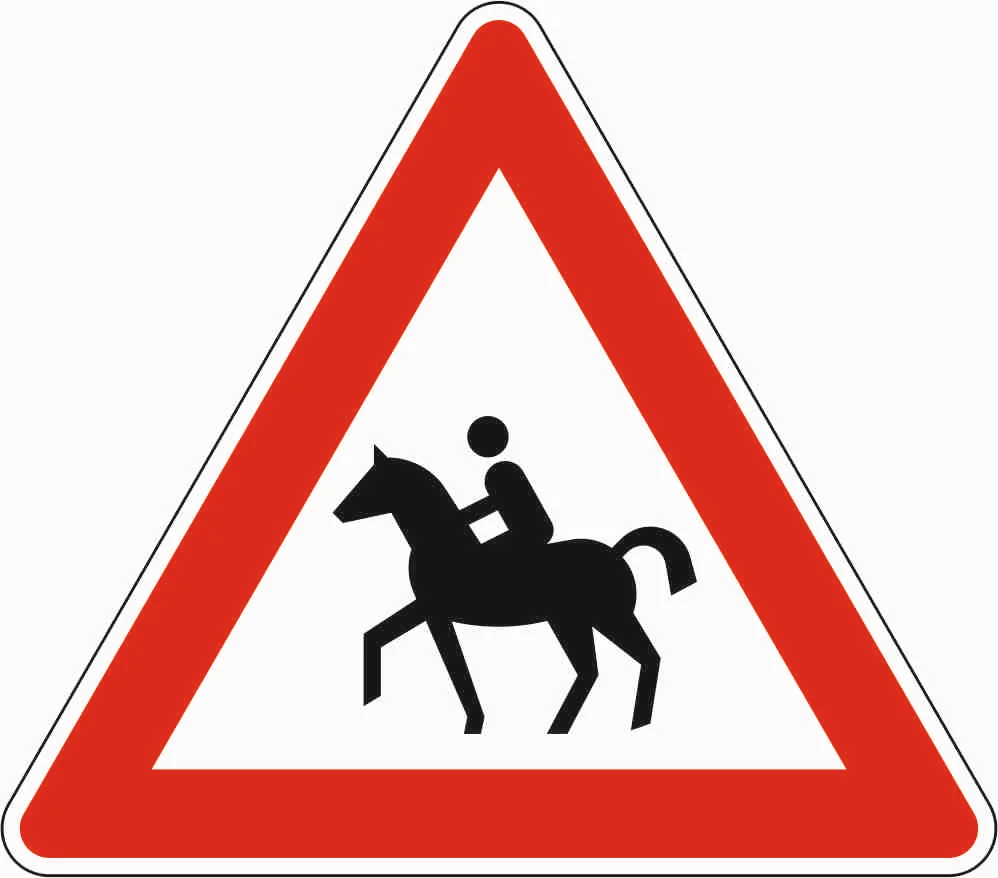
Understand German Road Sign 101-13: Reiter - Installed on the Right
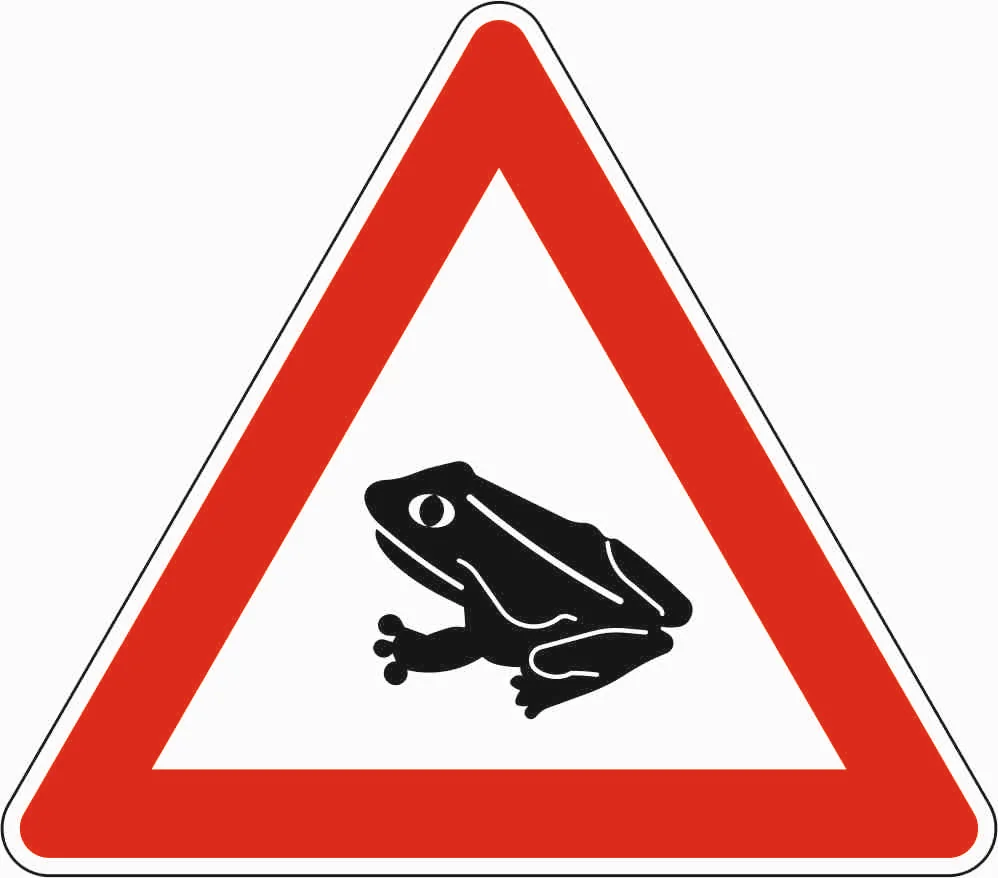
Beware of Amphibian Migration Crossing Ahead!

Beware of falling rocks on the right with sign 101-15
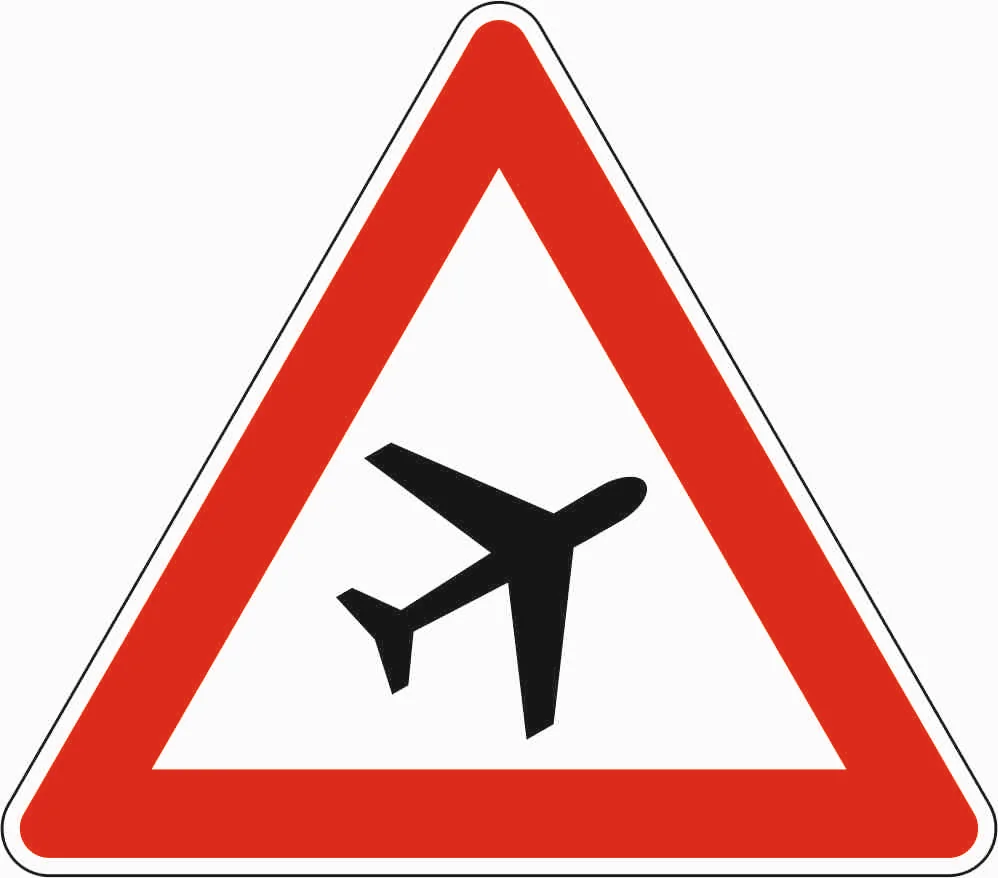
Prepare for Aircraft Operations Ahead with Warning Sign 101-20
Deepen your understanding of these specific road markings by exploring related traffic rules and situational hazard perception exercises. Applying the official StVO regulations ensures you recognize critical signage accurately during your theory test.
Stay Safe and Legal: Navigate German Roads with Confidence in Any Weather.
Protect Yourself and Others: Master German Rules for Animal Encounters
Prepare for your German driving theory test by mastering the specific challenges of the Deutsche Alpenstraße, Germany's Alpine route. This guide covers essential rules and safety considerations, including managing single-lane mountain passages, anticipating blind curves, and sharing the road with pedestrians and cyclists, ensuring you're equipped for this demanding driving environment.
Germany offers specific advantages for electric vehicle owners through the 'E-Kennzeichen', governed by the Elektromobilitätsgesetz and the eKFV. This article details the privileges, such as parking easements and charging regulations, and clarifies which vehicles are eligible. Mastering these rules ensures compliance and helps you leverage the full potential of driving an electric vehicle in Germany, a key consideration for any driver.
German road sign 133-20, officially designated "Fußgänger - Aufstellung links", belongs to the danger warning signs group. It warns that vulnerable road users, animals, or crossing movements may appear suddenly, so recognition and early speed reduction are essential. You may see it in approaches to hazards, rural roads, urban conflict points, railway crossings, roadworks, and weather-sensitive sections, depending on how the road authority has arranged the location. This left-side version is used where the sign is placed on the left side of the carriageway or where a mirrored symbol fits the approach direction. Any left reference should be read as part of the direction, road side, lane arrangement, or placement shown by the sign. The practical meaning is not just the symbol itself, but the driving decision it triggers: adjust speed, position, priority, route choice, stopping behaviour, or attention before the situation becomes urgent. For learners, the key skill is anticipating what could go wrong before the hazard is visible. Always combine the sign with road markings, traffic lights, police instructions, and any supplementary plates at the same location.
German road sign 142-10, officially designated "Wildwechsel - Aufstellung rechts", belongs to the danger warning signs group. It warns that vulnerable road users, animals, or crossing movements may appear suddenly, so recognition and early speed reduction are essential. You may see it in approaches to hazards, rural roads, urban conflict points, railway crossings, roadworks, and weather-sensitive sections, depending on how the road authority has arranged the location. This right-side version is used where the sign is placed on the right side of the carriageway or where the symbol must face traffic approaching from that side. Any right reference should be read as part of the direction, road side, lane arrangement, or placement shown by the sign. The practical meaning is not just the symbol itself, but the driving decision it triggers: adjust speed, position, priority, route choice, stopping behaviour, or attention before the situation becomes urgent. For learners, the key skill is anticipating what could go wrong before the hazard is visible. Always combine the sign with road markings, traffic lights, police instructions, and any supplementary plates at the same location.
Deepen your understanding of specific road sign categories or test your knowledge with practice questions. Explore our themed sign groups for targeted study or jump into quizzes to reinforce your recognition skills for the official German theory exam.
All German Road Signs List