
The Double Broken Midline (1006.5) is a vital road marking painted directly onto the carriageway. It functions much like an upright sign, guiding your vehicle's positioning, indicating where crossing is permitted, and defining restricted areas. You must read these markings early and adjust your position smoothly to ensure safe driving, especially when overtaking or changing lanes. Even if snow or dirt makes them harder to see, visible markings legally dictate traffic arrangements in Iceland.
The double broken midline is a vital road marking that dictates where you can safely cross lanes and position your vehicle on Icelandic roads. A precise understanding of this road sign meaning is essential for your driving theory test revision and ensuring correct traffic sign interpretation in real-world driving situations, especially concerning overtaking.
Double Broken Midline is a painted or surface-applied marking used to organise movement on the road itself. Road markings guide positioning, separate opposing flows, indicate priorities, reserve space for certain users, and show where stopping, crossing, or turning is allowed or restricted. The safest approach is to read the marking early and adjust lane position before reaching it, especially where overtaking, crossing, or lane choice is affected. In winter or poor maintenance conditions, markings may be harder to see, but where visible they remain an important part of the legal traffic arrangement.
This road marking controls or guides double broken midline directly on the carriageway. It must be read just as seriously as an upright sign because it tells you how to position the vehicle, where you may cross, and which part of the road is reserved or restricted.
Get clear, practical answers to the most common questions about the 1006.5 - Double Broken Midline road sign. Learn how the sign works, what rules it represents, and how it affects real driving situations. This FAQ strengthens your understanding and supports accurate decision making for the Icelandic driving theory exam in Iceland.
The Double Broken Midline road marking is designed to organise traffic flow directly on the road surface. It helps drivers position their vehicles correctly, shows where it is safe to cross or overtake, and indicates any areas that are reserved or restricted. Obeying it is crucial for maintaining order and safety on Icelandic roads.
You should react by observing the marking early and adjusting your lane position accordingly before you reach it. If the marking indicates that crossing or overtaking is forbidden, you must not do so. Always treat road markings with the same seriousness as upright signs, as they form part of the legal traffic rules.
Yes, in Iceland's variable weather conditions, road markings like the Double Broken Midline can be obscured by snow, ice, dirt, or general wear and tear. While you should always try to see and follow them, if a marking is worn or partly hidden, you must exercise extra caution, observe carefully, and be prepared for potential hazards or the intended traffic arrangement.
You are prohibited from driving across a Double Broken Midline if it forbids crossing or entry. You must not use any reserved or protected area indicated by the marking as ordinary carriageway. Ignoring lane-allocation markings or attempting to overtake/change lanes where forbidden by the marking are also strictly prohibited actions.
A common exam trap is assuming that a road marking, such as the Double Broken Midline, is less important or legally binding if there isn't a corresponding upright sign nearby. However, road markings are legally enforceable on their own. Learners sometimes underestimate their significance, especially in poor visibility conditions, leading to incorrect decisions during the theory test or in practice.
A clear reference image of the 1006.5 - Double Broken Midline road sign used in Iceland.
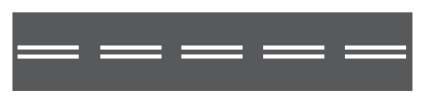
The 1006.5 - Double Broken Midline road sign may also be known by these alternative names or terms.
The 1006.5 - Double Broken Midline road sign is part of the Road Markings category, which groups together signs with similar rules and functions.
Reviewing related road markings like this Double Broken Midline helps solidify your understanding of traffic rules and improve sign recognition. Comparing similar road signs is a key technique for effective theory test revision and ensuring you navigate Iceland's roads safely.

Understand the Half-broken Line (Caution Line) for clear driving guidance on the carriageway.

Unbroken Line: Your Guide to this Essential Road Marking
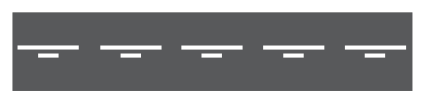
Master the Double Central Line Road Marking (1006.1) for Safer Driving

Understand the Double Central Line Road Marking in Iceland

Obey the Double Central Line road marking for safe lane guidance.

Understand the Double Central Line road marking and how it guides your driving.
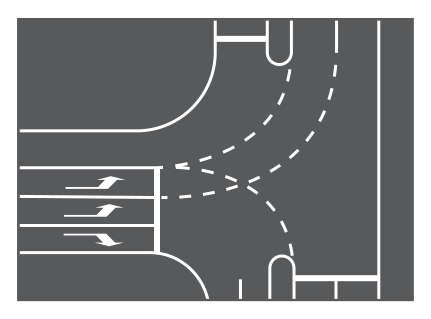
Master the 1010 Control Line: Essential Road Marking Guidance for Icelandic Drivers

Learn to interpret the Broken Border road marking (1012.1a) on Icelandic roads.
Explore curated theory modules and safety procedures that clarify how specific road signs dictate right-of-way and vehicle conduct on Icelandic roads. Apply this knowledge to your driving theory test preparation by linking visual signage to real-world traffic laws.
Deciphering your Icelandic driving licence categories is essential for legal and safe operation of vehicles. This guide will clarify the scope of common categories like B, BE, and A, detailing vehicle and trailer weight restrictions. Gaining a clear understanding of these entitlements prepares you for the demands of Icelandic traffic and the official theory examination.
Moving to Iceland and need to drive legally? This guide explains how expats can exchange their foreign driving license for an Icelandic one, focusing on the crucial 6-month residency rule and the differences for EEA, UK, and Japanese licenses versus those requiring a full test. Proper exchange ensures compliance with Icelandic traffic laws.
Don't let a false sense of security put you at risk on Icelandic roads.
Understand Your Rights and Responsibilities During Roadside Checks in Iceland.
Inscription For A Group Vehicle In Public Transport 1 is a painted or surface-applied marking used to organise movement on the road itself. Road markings guide positioning, separate opposing flows, indicate priorities, reserve space for certain users, and show where stopping, crossing, or turning is allowed or restricted. The safest approach is to read the marking early and adjust lane position before reaching it, especially where overtaking, crossing, or lane choice is affected. In winter or poor maintenance conditions, markings may be harder to see, but where visible they remain an important part of the legal traffic arrangement.
Inscription For A Group Vehicle In Public Transport 2 is a painted or surface-applied marking used to organise movement on the road itself. Road markings guide positioning, separate opposing flows, indicate priorities, reserve space for certain users, and show where stopping, crossing, or turning is allowed or restricted. The safest approach is to read the marking early and adjust lane position before reaching it, especially where overtaking, crossing, or lane choice is affected. In winter or poor maintenance conditions, markings may be harder to see, but where visible they remain an important part of the legal traffic arrangement.
After reviewing the full list of Icelandic road signs, reinforce your learning with targeted practice. Explore our sign group categories or take a specific quiz to test your recognition and recall. Ensure you're fully prepared to identify and interpret all traffic signs for your upcoming driving theory exam.
View All Icelandic Road Signs