
The Gátskjöld, Constructions sign (906F1) is a vital roadside marker designed to clearly indicate ongoing construction, road edges, or obstructions. It acts as a visual guide, helping drivers navigate safely, especially during darkness, poor weather conditions, or within tunnels by highlighting the road's alignment and potential hazards. Following these markers ensures you maintain a safe path and avoid unexpected contact with obstacles.
This 'Gátskjöld, Constructions' marker is crucial for navigating Icelandic roads safely, especially in poor visibility or complex areas. Proper sign interpretation helps you recognise road edges and potential hazards, vital for your theory test revision and driving knowledge.
Gátskjöld, Constructions is a roadside marking device rather than a conventional rule sign. Its job is to make the line of the road, the side of an obstacle, or the position of a restricted area visually obvious so that drivers can hold a safe path. These markers are particularly important where headlight guidance matters, such as tunnels, islands, works areas, and exposed rural roads with limited visual references. Good use of them means reading the road edge early and steering a smooth line instead of reacting sharply once the obstacle is already beside you.
This roadside marker highlights gátskjöld, constructions so that drivers can read the road edge, an obstruction, or a narrow feature in time. It is especially useful in darkness, poor weather, tunnels, and places where the shape of the road would otherwise be hard to judge.
Get clear, practical answers to the most common questions about the 906F1 - Gátskjöld, Constructions road sign. Learn how the sign works, what rules it represents, and how it affects real driving situations. This FAQ strengthens your understanding and supports accurate decision making for the Icelandic driving theory exam in Iceland.
The Gátskjöld, Constructions sign (906F1) serves as a roadside marker to make obstructions, construction areas, or narrow road sections clearly visible. Its primary goal is to help drivers perceive the road's edge or the boundary of a hazard, enabling them to steer a safe course.
These markers are especially crucial in conditions of low visibility, such as at night, in fog, or during snowfall. They are also vital in tunnels, along exposed rural roads, or around works areas where the natural road shape might be difficult to judge, providing essential guidance.
When you see the 906F1 Gátskjöld, Constructions marker, you should use it to gauge the road alignment and the position of the hazard. It's important to slow down if the marker indicates a tight passage and maintain a safe distance from the marked edge or obstacle. Treat it as active guidance, not just decoration.
Yes, drivers must avoid driving so close that they might clip the obstacle or edge being marked. You should not ignore the indicated safe side of an obstruction or use marked refuge or restricted areas as part of the normal carriageway. Relying solely on memory instead of reading the marker in changing conditions is also discouraged.
A common mistake is not treating these markers as active guidance, perhaps viewing them as mere decorations. Another error is relying on memory of the road layout rather than actively reading the markers, especially when visibility is poor or conditions change. Some learners might also get too close to the marked obstacle or hazard.
No, the Gátskjöld, Constructions marker indicates a restricted area, an obstruction, or a specific safe path. You must not use the marked refuge or restricted areas as ordinary carriageway. The sign's purpose is to guide you *around* or *past* the hazard safely, not to indicate an area you can drive on.
A clear reference image of the 906F1 - Gátskjöld, Constructions road sign used in Iceland.
The 906F1 - Gátskjöld, Constructions road sign may also be known by these alternative names or terms.
The 906F1 - Gátskjöld, Constructions road sign is part of the Other Roadside Markers category, which groups together signs with similar rules and functions.
Master Icelandic traffic signs by comparing similar ones, which aids memory and reduces confusion during your theory test revision. Understanding subtle differences between related road signs is crucial for accurate hazard perception and safe driving, making sign recognition a key part of your exam preparation.
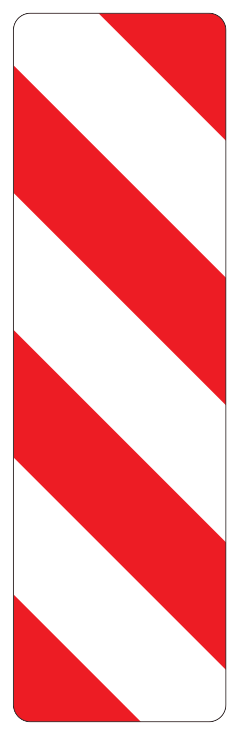
Object Marker Board - Left (902.1): Guiding You Safely Past Obstacles
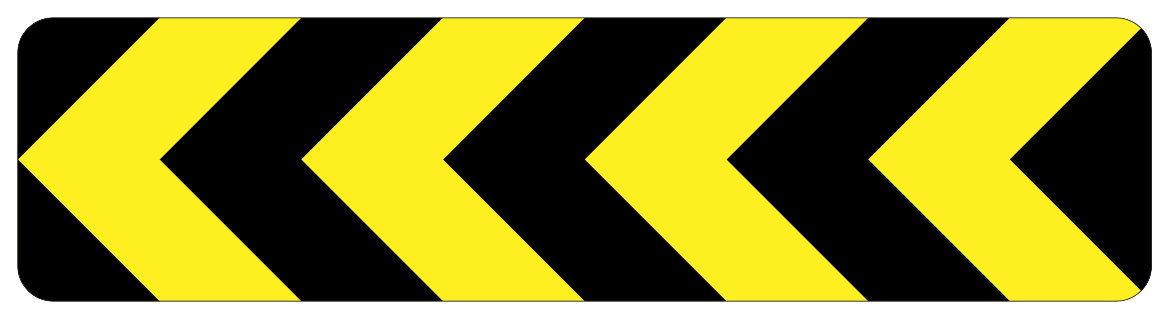
Transversal Construction markers guide you safely along road edges and obstacles.
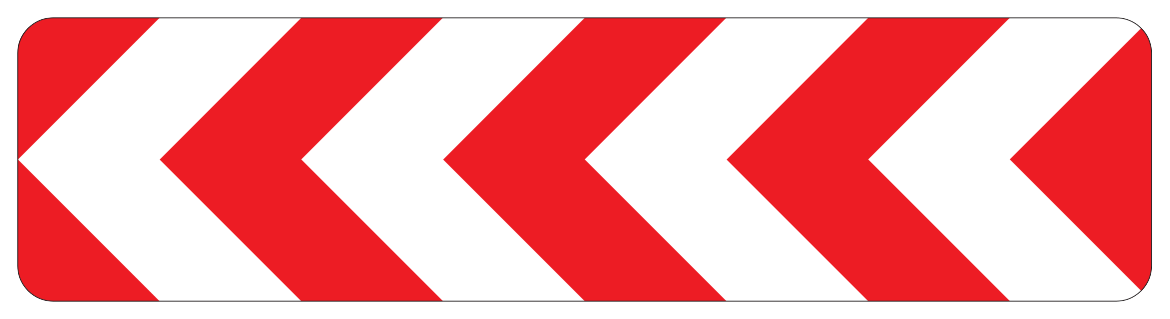
Understand and navigate safely with the Transversal, Construction roadside marker

Learn how the Object Marker Board sign guides you on Icelandic roads.

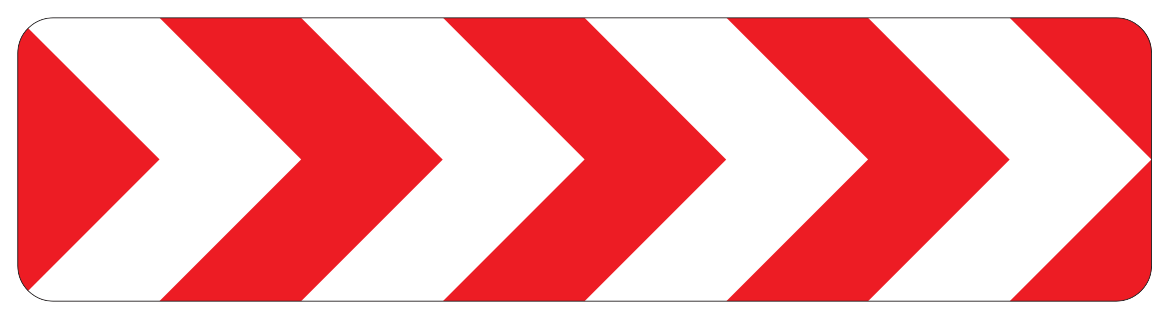
Follow the Directional Hazard Marker - Left to safely navigate obstacles and road edges.

Follow the Directional Hazard Marker - Right to safely navigate road edges and obstacles.
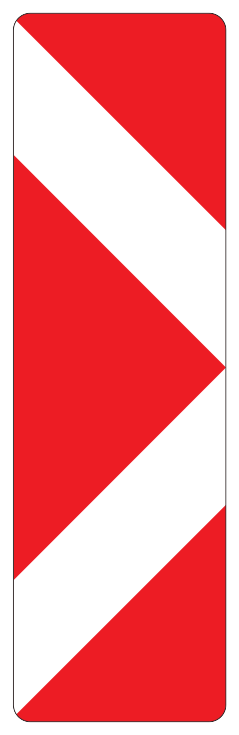
Understand the Directional Sign for Construction to navigate safely.
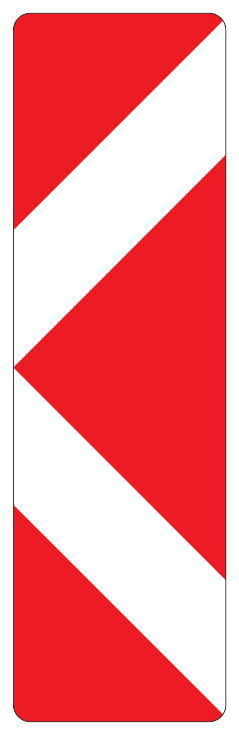
Navigate Safely with the Directional Sign, Construction (904F2) roadside marker.
Explore curated theory modules and safety procedures that clarify how specific road signs dictate right-of-way and vehicle conduct on Icelandic roads. Apply this knowledge to your driving theory test preparation by linking visual signage to real-world traffic laws.
Moving to Iceland and need to drive legally? This guide explains how expats can exchange their foreign driving license for an Icelandic one, focusing on the crucial 6-month residency rule and the differences for EEA, UK, and Japanese licenses versus those requiring a full test. Proper exchange ensures compliance with Icelandic traffic laws.
Don't let a false sense of security put you at risk on Icelandic roads.
Deciphering your Icelandic driving licence categories is essential for legal and safe operation of vehicles. This guide will clarify the scope of common categories like B, BE, and A, detailing vehicle and trailer weight restrictions. Gaining a clear understanding of these entitlements prepares you for the demands of Icelandic traffic and the official theory examination.
Understand Your Rights and Responsibilities During Roadside Checks in Iceland.
A Post For Delimiting A Central Island Or Restricted Area is a roadside marking device rather than a conventional rule sign. Its job is to make the line of the road, the side of an obstacle, or the position of a restricted area visually obvious so that drivers can hold a safe path. These markers are particularly important where headlight guidance matters, such as tunnels, islands, works areas, and exposed rural roads with limited visual references. Good use of them means reading the road edge early and steering a smooth line instead of reacting sharply once the obstacle is already beside you.
Gate Shield In Tunnels is a roadside marking device rather than a conventional rule sign. Its job is to make the line of the road, the side of an obstacle, or the position of a restricted area visually obvious so that drivers can hold a safe path. These markers are particularly important where headlight guidance matters, such as tunnels, islands, works areas, and exposed rural roads with limited visual references. Good use of them means reading the road edge early and steering a smooth line instead of reacting sharply once the obstacle is already beside you.
After reviewing the full list of Icelandic road signs, reinforce your learning with targeted practice. Explore our sign group categories or take a specific quiz to test your recognition and recall. Ensure you're fully prepared to identify and interpret all traffic signs for your upcoming driving theory exam.
View All Icelandic Road Signs