
This lesson details the critical safety protocols for driving near cyclists and cycle infrastructure on Irish roads. You will learn how to share the road responsibly, maintain legal clearance, and prevent common accidents, ensuring you are fully prepared for both the theory exam and your practical driving.
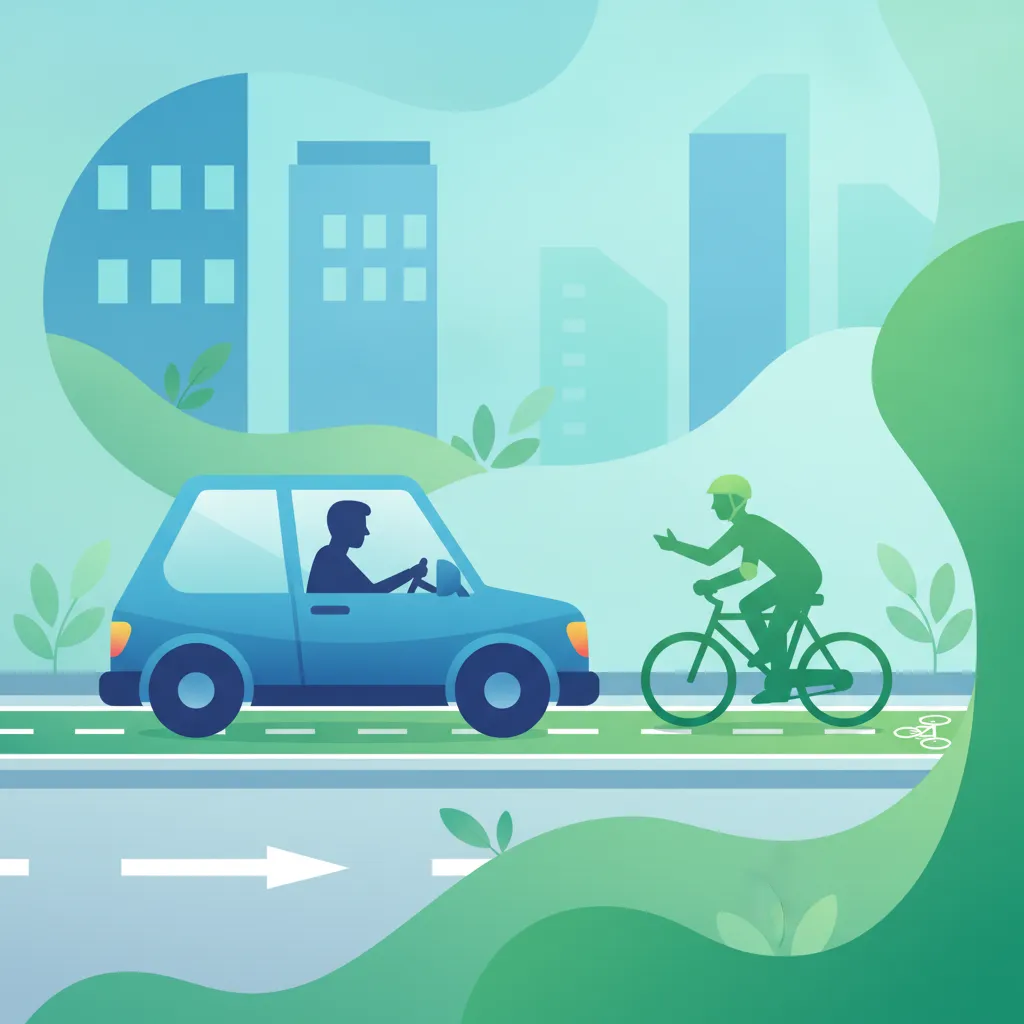
Lesson content overview
Sharing the road with cyclists is one of the most critical aspects of modern defensive driving. In Ireland, as sustainable transport initiatives expand, more people are using bicycles for commuting, leisure, and sport. Cyclists are classified as Vulnerable Road Users (VRUs) because they lack the structural protection of a vehicle, making them highly susceptible to severe injury or death in a collision.
As a driver preparing for your Category B passenger car theory test, you must develop a deep understanding of how to share the road safely with cyclists. This includes mastering official safe passing distances, understanding different types of cycle lanes, checking your blind spots, and avoiding the dangerous "dooring" hazard when parking.
To drive safely around cyclists, you must first understand the unique physical and environmental challenges they face. Unlike motor vehicles, bicycles have only two points of contact with the road, making them inherently less stable.
Road users who have no protective shield around them and are at a significantly higher risk of injury or death in a collision. This group primarily includes pedestrians, cyclists, motorcyclists, and horse riders.
Several key factors influence a cyclist’s behavior and stability on the road:
Because of these factors, you should never assume a cyclist will maintain a perfectly straight line. Always expect the unexpected and give them ample space.
Overtaking a cyclist requires precision, patience, and a clear understanding of lateral clearance. Attempting to squeeze past a cyclist in a single lane without changing position is one of the most common causes of serious road traffic collisions.
In Ireland, the Road Safety Authority (RSA) and road traffic regulations mandate specific minimum safe passing distances when overtaking cyclists:
When overtaking a cyclist in a speed zone of 50 km/h or less, you must maintain a minimum lateral clearance of 1.0 metre between your vehicle and the cyclist. This lower speed threshold typically applies in built-up urban areas, housing estates, and city centres.
When overtaking a cyclist in a speed zone greater than 50 km/h, you must maintain a minimum lateral clearance of 1.5 metres. Higher vehicle speeds generate greater wind turbulence, which can severely destabilise a cyclist. The extra half-metre provides a vital safety buffer.
Overtaking on Bends or Brows of Hills: Never attempt to overtake a cyclist near a bend, on the brow of a hill, or anywhere your forward visibility is restricted. If you cannot see far enough ahead to guarantee a safe return to your lane, you must wait behind the cyclist until it is safe to proceed.
Assess the Road Ahead: Check for oncoming traffic, road narrowings, pedestrian crossings, or upcoming junctions. Ensure there is enough space to complete the maneuver.
Check Mirrors and Blind Spots: Check your rearview and right-side wing mirrors, followed by a quick shoulder check to ensure no other vehicle is already overtaking you.
Signal Your Intention: Turn on your right indicator early to warn vehicles behind you that you intend to move out.
Move Out Fully: Cross over the center line of the road if safe to do so. Treat the cyclist as you would a slow-moving motor vehicle, utilizing the opposite lane to give them the required 1.0m or 1.5m clearance.
Accelerate and Pass: Pass the cyclist smoothly without revving your engine excessively, which can startle them.
Return Safely: Check your rearview mirror to ensure you have safely cleared the cyclist before signalling left and returning to your lane. Do not cut back in too quickly.
Cycle infrastructure is designed to keep cyclists separated from fast-moving motor traffic. As a motorist, you must understand the rules governing these dedicated spaces to prevent collisions and keep traffic flowing smoothly.
A mandatory cycle track is defined by a solid white line on the road surface.
A non-mandatory cycle track is defined by a broken white line.
Parking Restrictions: Parking on any cycle track—whether mandatory or non-mandatory—during its hours of operation is highly dangerous. It forces cyclists to swerve directly into the flow of fast-moving motor traffic, increasing the risk of head-on or rear-end collisions.
One of the most common and severe accidents involving cars and cyclists is the "left-hook" collision. This occurs when a motor vehicle turns left across the path of a cyclist who is traveling straight ahead on the inside (left) of the vehicle.
Every vehicle has blind spots—areas around the vehicle that cannot be seen using the interior rearview mirror or side wing mirrors. On a standard passenger car, the passenger-side (left) blind spot is particularly large. If a cyclist is riding parallel to your rear passenger door, they will be completely invisible to you unless you turn your head.
To prevent turning directly into a cyclist, you must follow a strict observation routine before executing any left turn or left-hand lane change:
"Dooring" is a colloquial term for a highly dangerous situation where a driver or passenger opens a vehicle door directly into the path of an oncoming cyclist.
Because cyclists often ride near the edge of the road or next to parked cars to allow other traffic to pass, they are highly vulnerable to suddenly opened car doors. A cyclist hitting an open door can be thrown from their bicycle, leading to severe impact injuries or being thrown under the wheels of passing vehicles.
[Parked Car] -> (Door Opens Suddenly)
                               \
[Approaching Cyclist] -------> [Collision / Swerve into Traffic]
To eliminate the risk of dooring, all drivers and passengers should adopt the Dutch Reach method. This simple habit is recommended by road safety authorities worldwide:
Your interaction with cyclists must change based on the environment, road type, and weather. Standard safety margins should be treated as minimums and increased when conditions degrade.
In wet conditions, both cars and bicycles require longer distances to stop. Cyclists also face reduced tyre grip on painted road markings, manhole covers, and metal expansion joints. When driving in the rain:
Strong gusts of wind can cause a cyclist to veer suddenly across the road.
At night or during dawn/dusk, cyclists can be incredibly difficult to spot, especially if they are not wearing high-visibility clothing or if their bicycle lights are dim or dirty.
This lesson covers the essential safety rules for drivers sharing Irish roads with cyclists, who are classified as Vulnerable Road Users due to their vulnerability in traffic. The RSA mandates specific minimum passing distances of 1.0 metre in 50 km/h zones and 1.5 metres in higher speed zones to account for wind turbulence and stability factors. Understanding the difference between mandatory (solid white line) and non-mandatory (broken white line) cycle tracks is critical for compliance, as entering a mandatory track is prohibited. Drivers must always perform a left-side shoulder check before turning to prevent dangerous left-hook collisions, and should adopt the Dutch Reach technique when opening doors to eliminate dooring hazards. Environmental conditions such as wet weather, high winds, and low visibility require increased margins and heightened observation to protect cyclists.
A short set of high-value points that capture the most important learning from this lesson.
Cyclists are classified as Vulnerable Road Users because they lack protective structures and are highly susceptible to injury from road surface conditions, weather, and traffic.
The RSA mandates a minimum lateral clearance of 1.0 metre when overtaking cyclists in speed zones up to 50 km/h, increasing to 1.5 metres in zones exceeding 50 km/h.
Mandatory cycle tracks are marked by solid white lines and motor vehicles must not enter or park on them during hours of operation.
The left-side blind spot is particularly dangerous for cyclists; a physical shoulder check is essential before any left turn or lane change to prevent left-hook collisions.
The Dutch Reach technique—opening car doors with the far hand—eliminates dooring risk by automatically turning your body to check for approaching cyclists.
Explore all units and lessons included in this driving theory course.
Mandatory cycle track = solid white line = never enter; Non-mandatory cycle track = broken white line = avoid but may cross if necessary and safe.
Never overtake a cyclist near bends, brows of hills, or anywhere forward visibility is restricted.
In wet weather, increase following distances and lateral clearance; road spray can impair a cyclist's vision.
Cyclists may swerve suddenly to avoid potholes, drainage grates, loose gravel, or wind turbulence from passing vehicles.
Use dipped headlights in urban areas at night to avoid blinding oncoming cyclists without compromising your own visibility.
Assuming a cyclist will ride in a perfectly straight line and not swerve to avoid road hazards or wind gusts.
Cutting back into your lane too quickly after overtaking a cyclist without checking your rearview mirror.
Relying solely on mirrors when turning left; cyclists in the left-side blind spot are invisible without a shoulder check.
Parking on any cycle track during its hours of operation, forcing cyclists to merge into fast-moving traffic.
Failing to yield right of way to cyclists already on a mandatory cycle track when entering or leaving a property or junction.
Lesson content overview
A short set of high-value points that capture the most important learning from this lesson.
Cyclists are classified as Vulnerable Road Users because they lack protective structures and are highly susceptible to injury from road surface conditions, weather, and traffic.
The RSA mandates a minimum lateral clearance of 1.0 metre when overtaking cyclists in speed zones up to 50 km/h, increasing to 1.5 metres in zones exceeding 50 km/h.
Mandatory cycle tracks are marked by solid white lines and motor vehicles must not enter or park on them during hours of operation.
The left-side blind spot is particularly dangerous for cyclists; a physical shoulder check is essential before any left turn or lane change to prevent left-hook collisions.
The Dutch Reach technique—opening car doors with the far hand—eliminates dooring risk by automatically turning your body to check for approaching cyclists.
Explore all units and lessons included in this driving theory course.
Mandatory cycle track = solid white line = never enter; Non-mandatory cycle track = broken white line = avoid but may cross if necessary and safe.
Never overtake a cyclist near bends, brows of hills, or anywhere forward visibility is restricted.
In wet weather, increase following distances and lateral clearance; road spray can impair a cyclist's vision.
Cyclists may swerve suddenly to avoid potholes, drainage grates, loose gravel, or wind turbulence from passing vehicles.
Use dipped headlights in urban areas at night to avoid blinding oncoming cyclists without compromising your own visibility.
Assuming a cyclist will ride in a perfectly straight line and not swerve to avoid road hazards or wind gusts.
Cutting back into your lane too quickly after overtaking a cyclist without checking your rearview mirror.
Relying solely on mirrors when turning left; cyclists in the left-side blind spot are invisible without a shoulder check.
Parking on any cycle track during its hours of operation, forcing cyclists to merge into fast-moving traffic.
Failing to yield right of way to cyclists already on a mandatory cycle track when entering or leaving a property or junction.
Explore search topics learners often look for when studying Interaction with Cyclists and Cycle Infrastructure. These topics reflect common questions about road rules, driving situations, safety guidance, and lesson level theory preparation for learners in Ireland.
Browse additional driving theory lessons that cover connected traffic rules, road signs, and common driving situations related to this topic. Improve your understanding of how different rules interact across everyday traffic scenarios.
Learn how to identify and interact safely with vulnerable road users such as pedestrians, cyclists, and children. This lesson explains the specific responsibilities of drivers under Irish traffic laws to prevent collisions and navigate shared spaces safely, focusing on hazard perception and defensive driving techniques in urban environments.
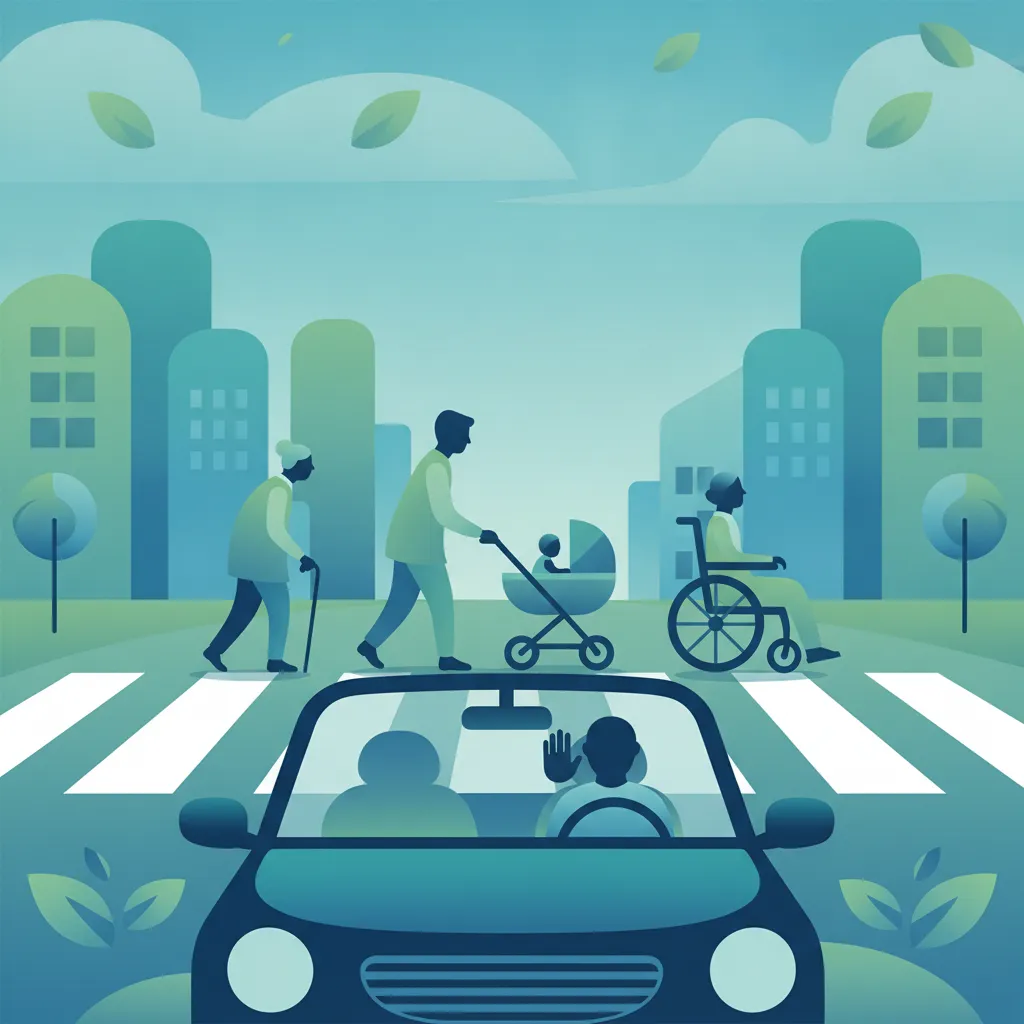
Children, the elderly, and disabled individuals often require extra time and understanding when navigating road networks. This lesson outlines special safety hazards, such as children unexpectedly running into school zones, or senior citizens needing longer times to cross wide junctions. You will learn how to recognise visually impaired pedestrians by their white canes or guide dogs, and the absolute requirement to drive slowly and patiently.
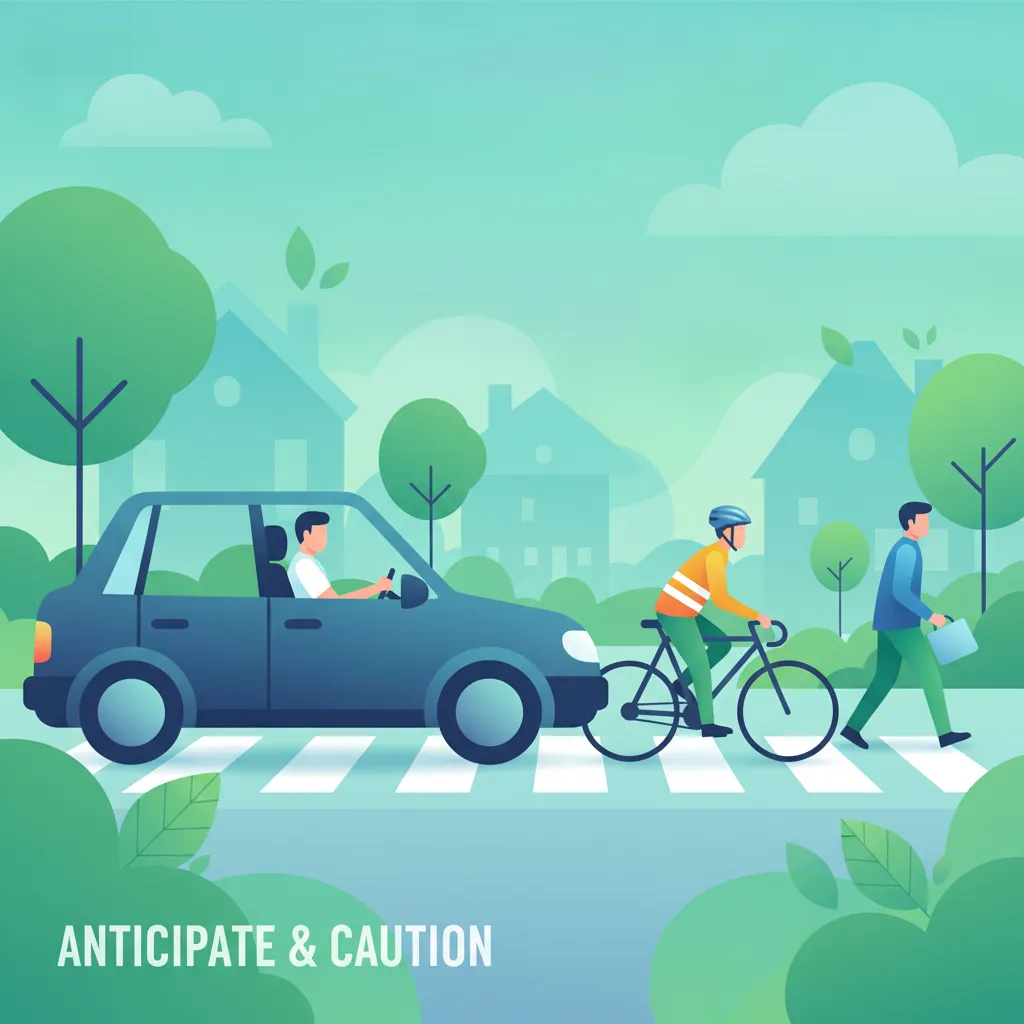
Safeguarding vulnerable road users requires more than simple obedience to traffic signs; it demands a defensive driving mindset. This lesson summarizes safe practices, including scanning far ahead in urban areas, keeping massive safety margins in wet weather, and executing thorough blind spot checks before reversing. By anticipating the unpredictable movements of others, you can prevent accidents and support a safe road culture.

Pedestrians are the most common vulnerable road users, and drivers must maintain constant vigilance to protect them. This lesson covers pedestrian priority, especially when you are turning into side roads or navigating busy urban centres. You will learn why you must yield to pedestrians already crossing, how to scan blind spots for hidden walkers, and the safety dangers of blocking footpaths or pedestrian zones with your car.
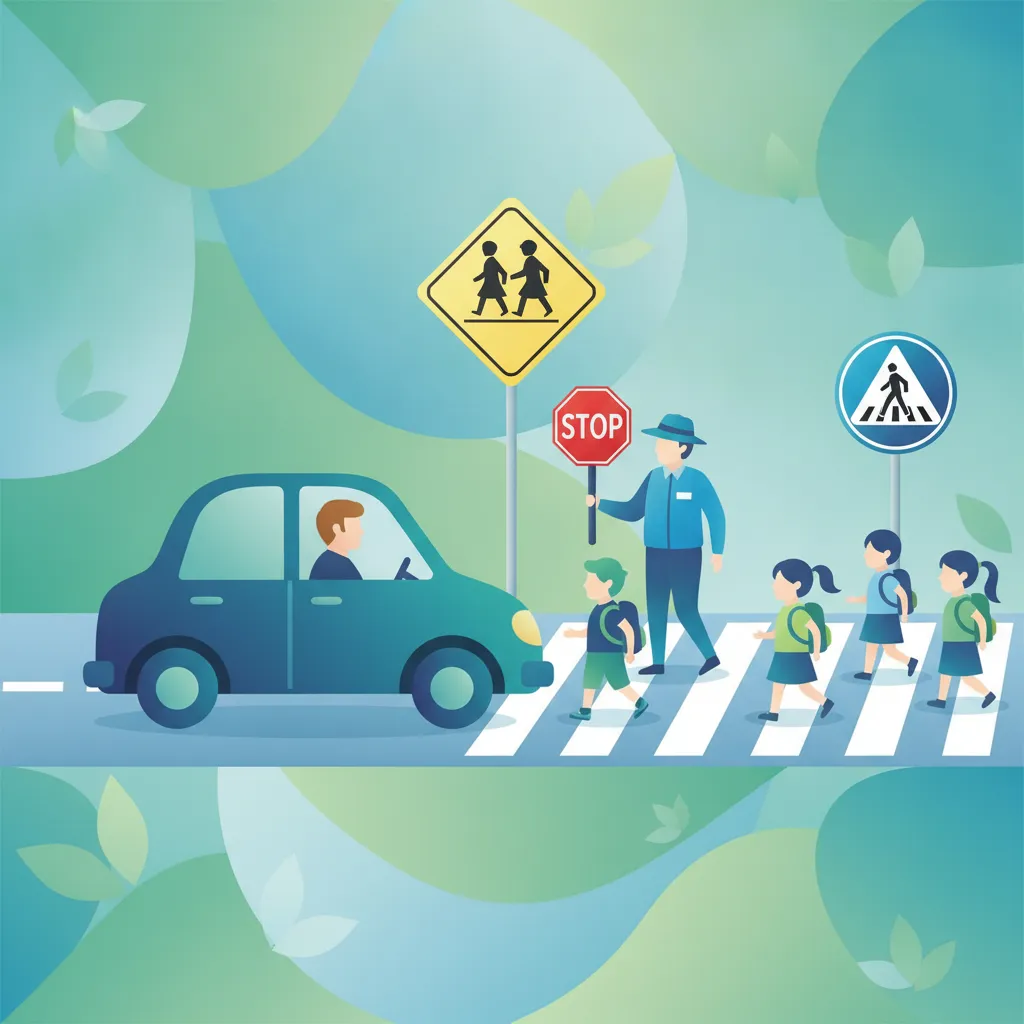
School zones and pedestrian crossings require high driver alertness and strict compliance with local speed limits in Ireland. This lesson details the legal rules of zebra and pelican crossings, explaining driver requirements when amber warning beacons are flashing. Drivers will study safety procedures for dropping off or picking up children, preventing common blind-spot accidents near schools.

Children often struggle to judge heavy vehicle speeds accurately, while elderly pedestrians may possess limited mobility or hearing impairments. This lesson addresses these unique risks, explaining how to adjust driving patterns in residential neighborhoods and near shopping districts. Drivers will learn to maintain a high safety margin, ensuring they can yield quickly to vulnerable road users.
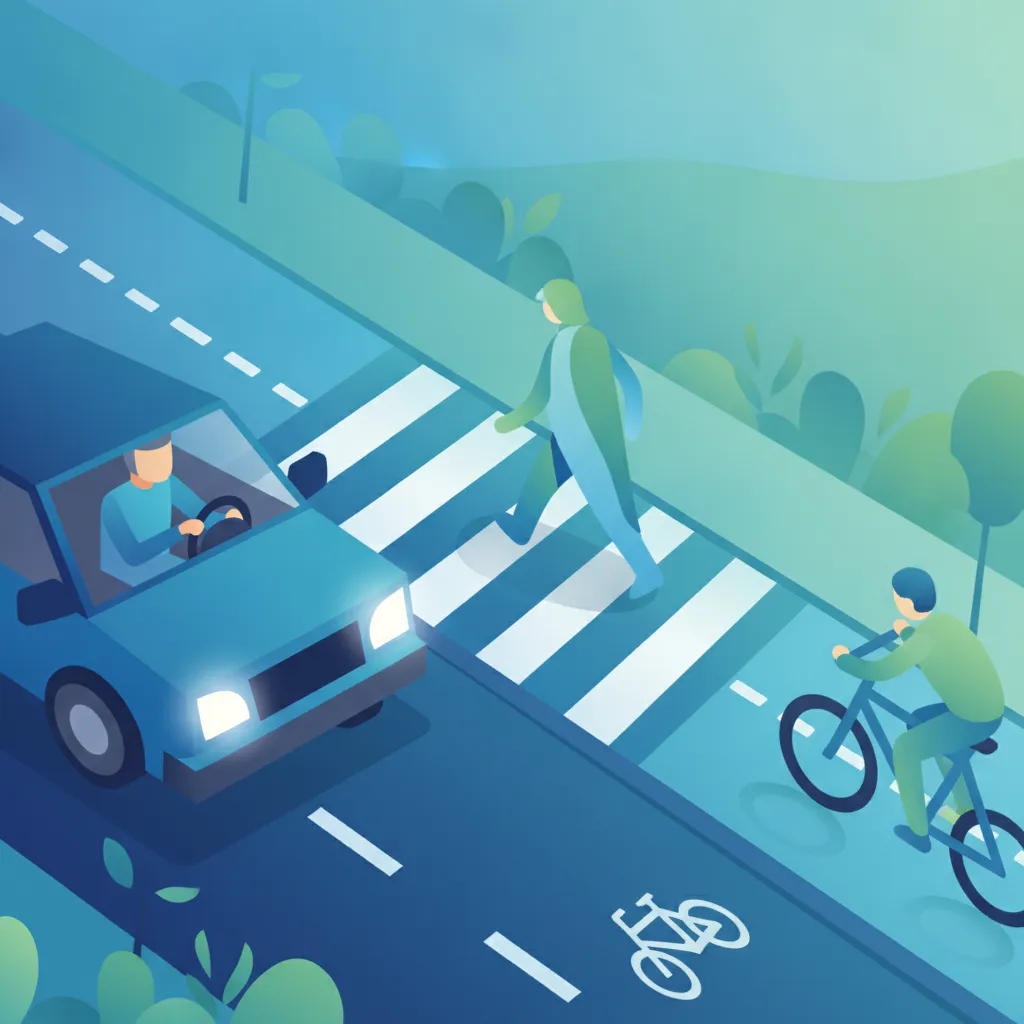
This lesson details how to approach zebra, pelican, and other pedestrian crossings safely, ensuring complete priority is given to walkers. It also covers the safe guidelines for overtaking cyclists and sharing lanes in busy urban centers without causing danger. Respecting these interactions is critical for maintaining overall safety and compliance with Irish road law.

This lesson covers the rules governing zebra, pelican, and toucan pedestrian crossings, focusing on driver obligations and rider safety. It details how to interact safely with cyclists, personal mobility devices, and pedestrians in busy urban sectors. Motorcyclists will learn to scan pavement edges, yield right-of-way, and maintain safe overtaking distances when passing slower road users.

Heavy vehicles require continuous visual scanning to identify small or slow-moving road users who may enter the path of travel. This lesson explores the typical behaviors of young children, elderly pedestrians, and visually impaired road users. Drivers will build strong hazard perception skills to anticipate sudden movements, ensuring they can brake safely and avoid serious accidents.

Bus stops often intersect with designated bicycle lanes and busy walking pathways, creating high-risk conflict areas for drivers. This lesson trains drivers to check blind spots for oncoming cyclists before pulling into or exiting public stop bays. It emphasizes yielding right-of-way to passengers crossing the road, preventing collision risks in active urban transport hubs.

This lesson focuses on managing the interactions between commercial goods vehicles and non-motorized or lightweight commuters. It outlines defensive driving techniques to utilize when overtaking cyclists, navigating pedestrian crossings, or negotiating shared junctions in Irish cities. Drivers will examine common cyclist behaviors at roundabouts and understand how to maintain massive safety margins to protect lives.
Develop essential skills for anticipating road hazards before they become critical situations. This theory guide covers techniques for scanning the road ahead, identifying potential dangers like emerging cyclists or obscured pedestrians, and adjusting your driving behavior to maintain safety in diverse traffic conditions and varying road environments.
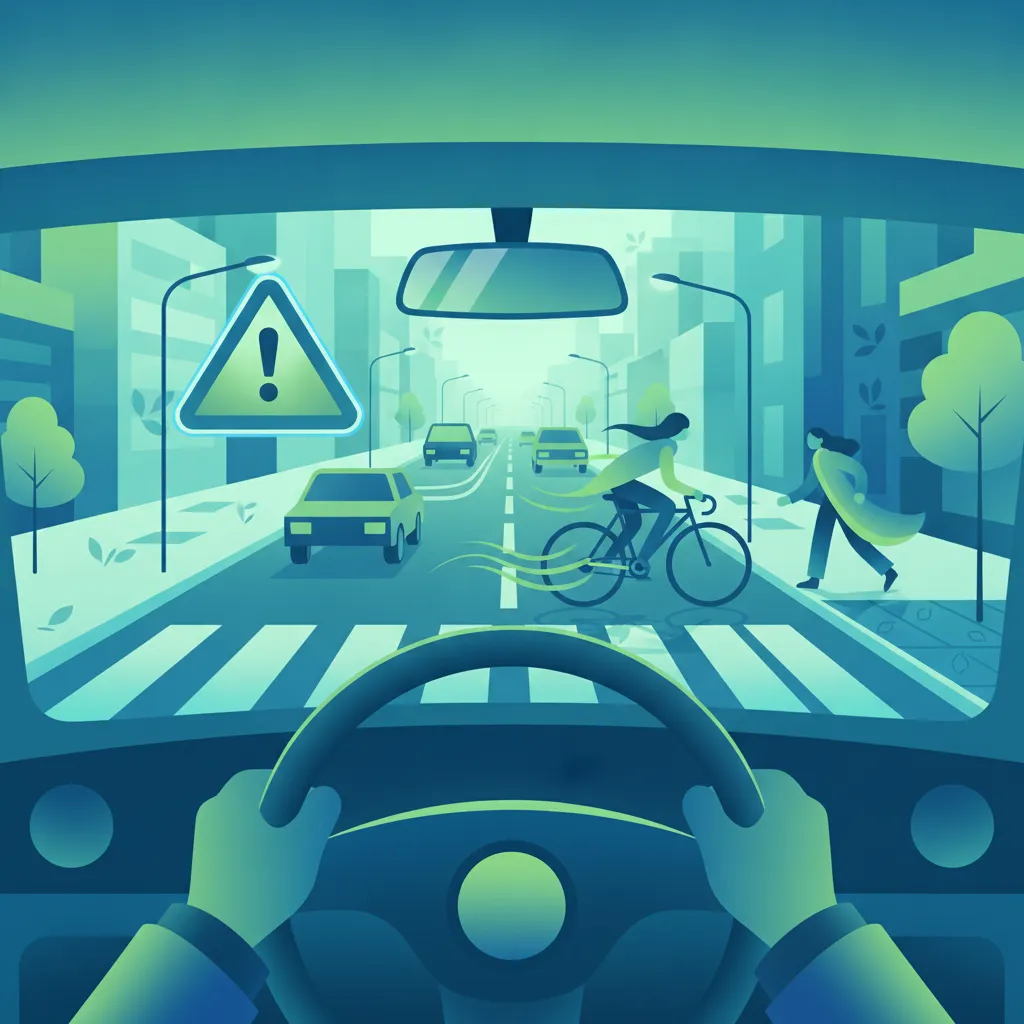
Proactive hazard perception involves constantly scanning the road ahead to identify potential dangers before they turn into actual emergencies. This lesson covers active scanning techniques, helping you look far ahead, check mirrors regularly, and identify subtle risk clues such as exhaust smoke from parked cars or children playing near kerbs. Anticipating these developments gives you the time to adjust speed and position safely.
Safeguarding vulnerable road users requires more than simple obedience to traffic signs; it demands a defensive driving mindset. This lesson summarizes safe practices, including scanning far ahead in urban areas, keeping massive safety margins in wet weather, and executing thorough blind spot checks before reversing. By anticipating the unpredictable movements of others, you can prevent accidents and support a safe road culture.
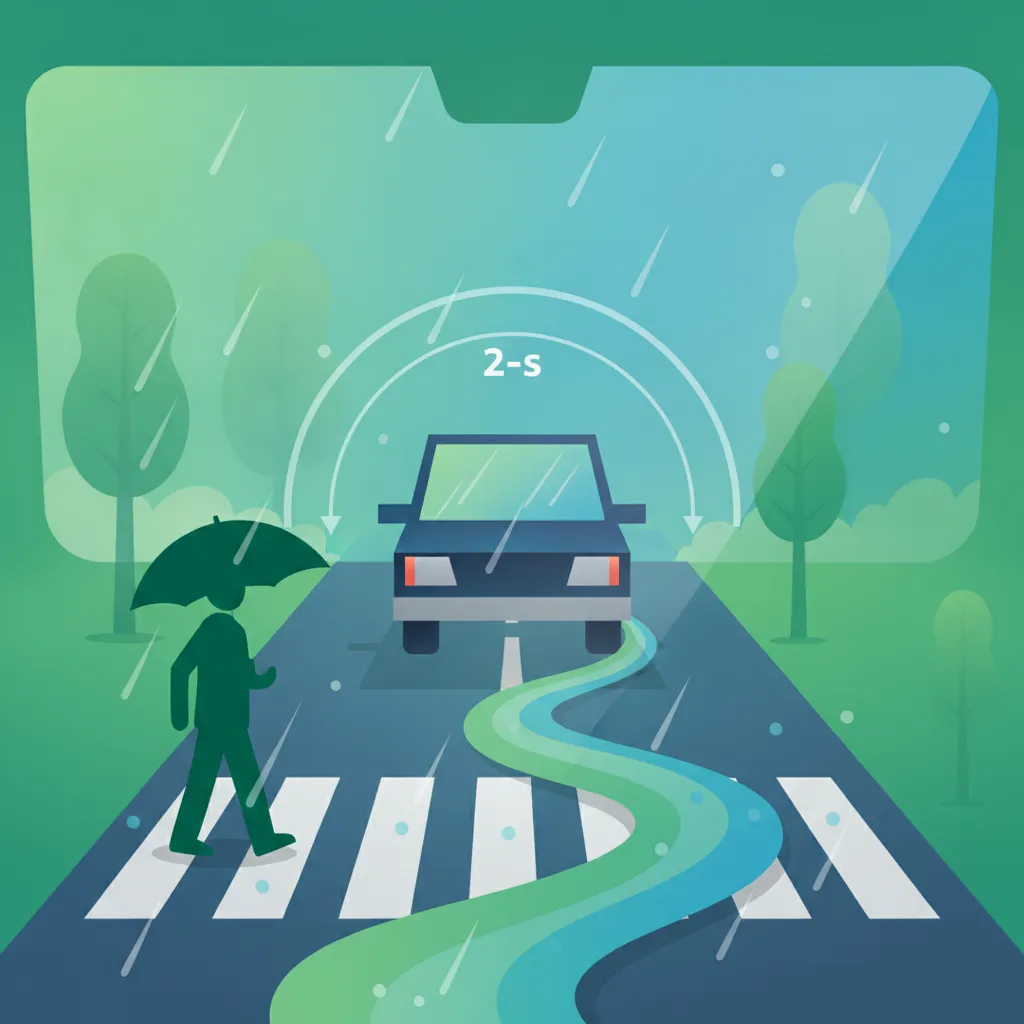
Maintaining an extensive buffer zone ahead of a large passenger vehicle is critical to ensuring enough space for emergency maneuvers. This lesson teaches the time-gap method, detailing how following distances must double on wet roads or increase with full passenger loads. It builds hazard anticipation skills, teaching drivers to read distant traffic cues and react early to hazards.

Defensive driving prepares you to react safely when facing unexpected mechanical failures or immediate road hazards. This lesson explains how to execute an emergency stop using Anti-lock Braking Systems (ABS) and how to recover from front and rear-wheel skids on slippery roads. You will learn the importance of remaining calm, avoiding panic-steering, and applying controlled evasive actions to prevent collisions.

This lesson teaches how to cultivate a proactive defensive riding mindset, focusing on situational awareness and constant hazard scanning. It describes the system of motorcycle control, encouraging riders to anticipate potential mistakes from other drivers, pedestrians, and cyclists. Motorcyclists will learn to position themselves defensively, leaving clear escape routes in all driving environments.
This lesson highlights the importance of smooth throttle adjustments for maintaining traction and stability on a moped. It teaches riders how to anticipate potential road hazards early, reducing the need for sudden emergency braking. Developing strong observation habits allows riders to adjust their speed smoothly and respond safely to traffic changes.
Heavy vehicles require continuous visual scanning to identify small or slow-moving road users who may enter the path of travel. This lesson explores the typical behaviors of young children, elderly pedestrians, and visually impaired road users. Drivers will build strong hazard perception skills to anticipate sudden movements, ensuring they can brake safely and avoid serious accidents.
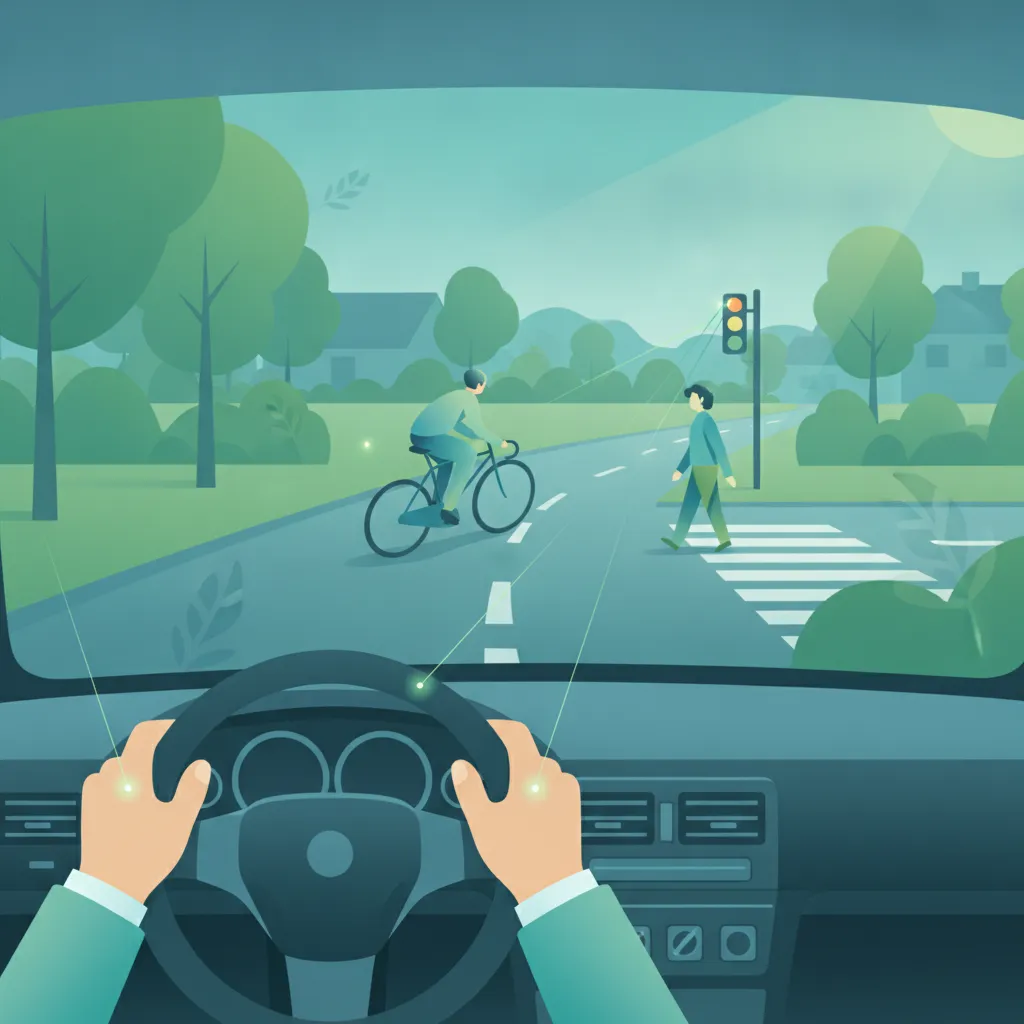
This lesson covers the strategic aspects of journey management, emphasizing the safety benefits of proactive route planning and weather checks. It teaches riders how to select safer roads, avoid high-congestion zones during rush hour, and schedule regular rest intervals. Motorcyclists will learn to pack essential tools, emergency contacts, and spare safety gear to remain prepared for any roadside situation.
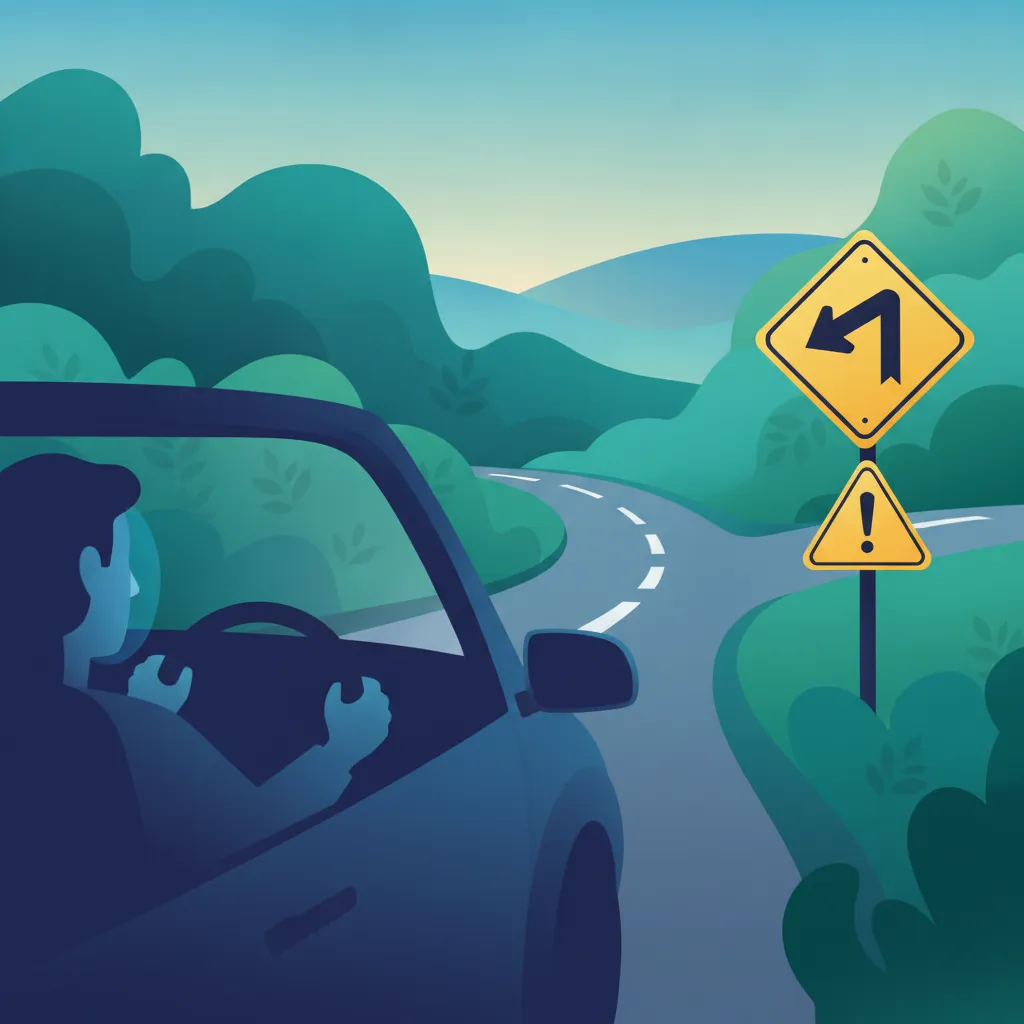
Warning signs in Ireland are typically diamond-shaped with yellow backgrounds and black symbols, indicating potential dangers on the road ahead. This lesson details signs for upcoming sharp bends, narrow roads, steep hills, pedestrian activity, and animal hazards. Learning to spot these warning indicators early allows you to reduce speed safely and adjust your vehicle positioning before encountering the hazard itself.
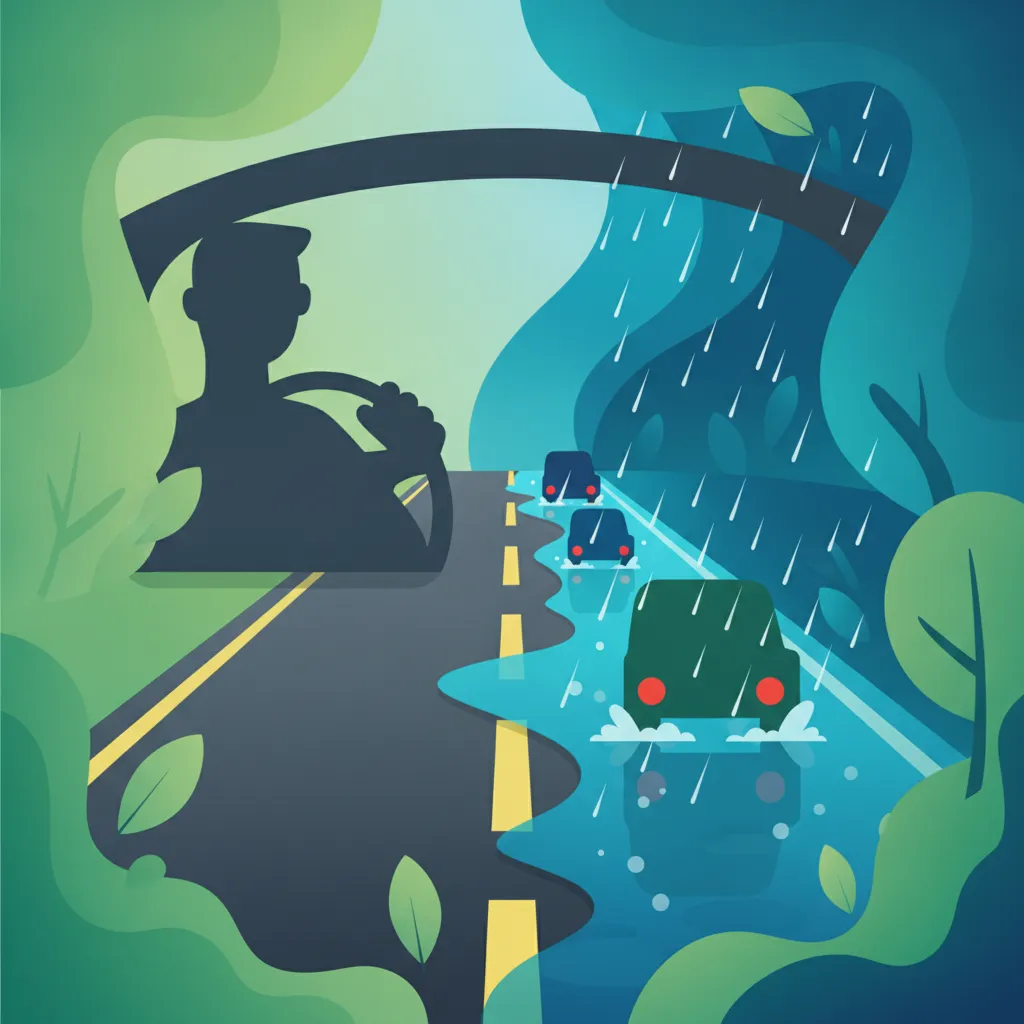
Adhering to legal speed limits is not always sufficient; you must continuously adapt your speed to match real-world hazards. This lesson teaches you how to reduce speed when encountering rain, fog, heavy traffic, or narrow winding rural roads with restricted visibility. You will learn the importance of matching your speed to your range of clear vision, ensuring you can stop safely within the distance you can see ahead.
Find clear answers to common questions learners have about Interaction with Cyclists and Cycle Infrastructure. Learn how the lesson is structured, which driving theory objectives it supports, and how it fits into the overall learning path of units and curriculum progression in Ireland. These explanations help you understand key concepts, lesson flow, and exam focused study goals.
Drivers are required to leave a minimum of 1 metre when overtaking a cyclist in speed zones up to 50 km/h, and at least 1.5 metres in speed zones higher than 50 km/h.
Dooring happens when a car occupant opens their door into the path of a cyclist. Always check your mirrors and the blind spot before opening your door, and encourage passengers to do the same.
No, you must not drive in a mandatory cycle track, which is marked by a continuous white line. You should only enter it when necessary to access a side road or park, while ensuring no cyclists are present.
Always check your left mirror and look over your shoulder at your blind spot before starting a left turn to ensure no cyclist is traveling alongside your vehicle.
Use the practice question search tool to pinpoint specific topics, road signs, or rules you need to master for your official Driver Theory Test. Refine your study strategy and ensure comprehensive preparation for all aspects of the Irish driving exam. Start your focused revision now and build confidence for your learner permit test.