
Traveling with a gas-powered vehicle in Italy requires awareness of specific infrastructure-based restrictions that go beyond standard traffic laws. This guide explains the safety rationale behind access limitations in critical tunnels like the Mont Blanc and Fréjus, as well as mandatory procedures for boarding ferries with LPG or methane systems. Mastering these rules is a vital part of comprehensive vehicle safety knowledge for any driver navigating Italy.
Article content overview
Driving a vehicle powered by LPG (GPL) or methane (CNG) is a popular, cost-effective, and environmentally conscious choice in Italy. However, operating these bi-fuel vehicles involves navigating more than just standard traffic laws. Due to the specific physical properties of gas—particularly its tendency to accumulate in enclosed, poorly ventilated spaces—Italian infrastructure authorities enforce strict regulations for driving through long tunnels and boarding maritime ferries. Ignoring these mandates can result in being denied access, facing heavy administrative penalties, or creating significant safety hazards for yourself and other road users.
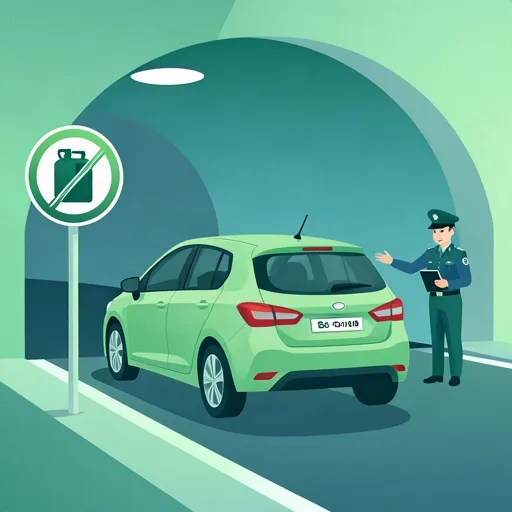
In the context of the Italian Highway Code and infrastructure safety standards, not all tunnels are treated equally. Major alpine crossings, such as the Mont Blanc Tunnel (Traforo del Monte Bianco) and the Fréjus Tunnel (Traforo del Fréjus), have historically implemented strict bans or limitations on vehicles powered by LPG (GPL) and, in certain cases, compressed natural gas. The primary rationale behind these restrictions is safety: in the event of a gas leak within an enclosed tunnel, the accumulation of gas poses an extreme risk of fire or explosion, compounded by the limited ventilation and the difficulty of emergency intervention in such confined spaces.
Drivers should look for regulatory signs at tunnel entrances. If you are approaching a mountain crossing or a long tunnel, remain vigilant for road signs that specifically prohibit vehicles carrying flammable gas.
Maritime travel presents a different set of challenges for bi-fuel vehicle owners. When boarding a ferry (traghetto) operated by companies like Tirrenia or Grandi Navi Veloci, it is a legal and safety requirement to declare your vehicle’s fuel type during the booking process and again at the point of boarding. Maritime authorities mandate these disclosures to ensure that vehicles powered by LPG or CNG are parked in designated, well-ventilated areas of the vehicle deck.
Failure to follow these steps can lead to the captain refusing entry to the vessel. Even if you are allowed on board, neglecting to close the tank valve or failing to inform the crew can lead to significant fines and puts the entire vessel at risk during the crossing.
The distinction between different fuel types is a core component of Italian vehicle theory. While modern LPG and CNG systems are equipped with sophisticated safety valves, the "worst-case scenario" logic still dictates infrastructure policy. Unlike petrol or diesel, which pool as liquids in the event of a leak, gas is heavier than air in the case of LPG, meaning it sinks and accumulates in low-lying areas or road depressions within a tunnel. This creates a volatile environment that is nearly impossible to clear through standard ventilation systems once a significant leak occurs.
When planning a trip across Italy, especially through the Alps or to the islands, it is essential to verify your vehicle’s compatibility with your intended path. If you are driving an LPG or CNG vehicle, consider the following:
Vehicles powered by LPG (GPL) or methane (CNG) face specific access restrictions in major Italian tunnels due to the risk of gas accumulation in enclosed spaces. The Mont Blanc and Fréjus tunnels may ban or limit gas-powered vehicles, requiring drivers to check official signage and operator websites before traveling. Ferry boarding mandates that drivers declare their fuel type, park in designated ventilated areas, and close the tank shut-off valve before leaving the vehicle. The safety rationale stems from LPG being heavier than air and pooling in tunnel depressions, making emergency intervention nearly impossible once a significant leak occurs.
A short set of high-value points that capture the most important ideas from this article.
Major Italian alpine tunnels like the Mont Blanc and Fréjus may restrict or ban LPG and CNG vehicles due to fire and explosion risk from gas accumulation in confined spaces.
Gas leaks in tunnels behave differently than liquid fuel spills—LPG sinks and pools in low areas, making ventilation ineffective in emergency situations.
Always verify current tunnel regulations through official signage and operator websites before planning your route, as rules are subject to periodic review.
When boarding ferries with a gas-powered vehicle, you must declare your fuel type at booking and again at boarding to be parked in designated well-ventilated areas.
Tunnel bans apply specifically to vehicles carrying pressurized flammable gas, enforced through signs like the B11 dangerous goods prohibition.
Close the manual gas shut-off valve on your tank before leaving the vehicle on a ferry and switch to petrol-only mode if your vehicle is bifuel.
The Carta di Circolazione documents your vehicle's fuel type and any technical limitations—keep it accessible for route planning and checkpoints.
Aftermarket gas conversions may face stricter local ordinances than factory-fitted systems.
The Italian Highway Code (Codice della Strada) and maritime safety codes govern these requirements alongside infrastructure-specific regulations.
Assuming all tunnels allow gas-powered vehicles without checking specific restrictions, particularly at major alpine crossings.
Failing to declare your LPG or CNG vehicle type during ferry booking or at the port checkpoint.
Forgetting to close the manual shut-off valve before leaving your vehicle on a ferry deck.
Not switching to petrol mode when operating a bifuel vehicle on a ferry deck, creating unnecessary risk.
Relying on outdated information—tunnel regulations change as ventilation and safety technology improves.
Article content overview
A short set of high-value points that capture the most important ideas from this article.
Major Italian alpine tunnels like the Mont Blanc and Fréjus may restrict or ban LPG and CNG vehicles due to fire and explosion risk from gas accumulation in confined spaces.
Gas leaks in tunnels behave differently than liquid fuel spills—LPG sinks and pools in low areas, making ventilation ineffective in emergency situations.
Always verify current tunnel regulations through official signage and operator websites before planning your route, as rules are subject to periodic review.
When boarding ferries with a gas-powered vehicle, you must declare your fuel type at booking and again at boarding to be parked in designated well-ventilated areas.
Tunnel bans apply specifically to vehicles carrying pressurized flammable gas, enforced through signs like the B11 dangerous goods prohibition.
Close the manual gas shut-off valve on your tank before leaving the vehicle on a ferry and switch to petrol-only mode if your vehicle is bifuel.
The Carta di Circolazione documents your vehicle's fuel type and any technical limitations—keep it accessible for route planning and checkpoints.
Aftermarket gas conversions may face stricter local ordinances than factory-fitted systems.
The Italian Highway Code (Codice della Strada) and maritime safety codes govern these requirements alongside infrastructure-specific regulations.
Assuming all tunnels allow gas-powered vehicles without checking specific restrictions, particularly at major alpine crossings.
Failing to declare your LPG or CNG vehicle type during ferry booking or at the port checkpoint.
Forgetting to close the manual shut-off valve before leaving your vehicle on a ferry deck.
Not switching to petrol mode when operating a bifuel vehicle on a ferry deck, creating unnecessary risk.
Relying on outdated information—tunnel regulations change as ventilation and safety technology improves.
Explore related topics, search based questions, and concepts that learners often look up when studying LPG and Methane Vehicle Rules. These themes reflect real search intent and help you understand how this topic connects to wider driving theory knowledge in Italy.
Find clear and practical answers to common questions learners often have about LPG and Methane Vehicle Rules. This section helps explain difficult points, remove confusion, and reinforce the key driving theory concepts that matter for learners in Italy.
No, but access is restricted in many long or poorly ventilated tunnels, such as the Mont Blanc and Fréjus, due to the risk of gas accumulation. Always check specific infrastructure rules before your journey.
You must inform the ferry staff that your vehicle is LPG or CNG powered during check-in. You are generally required to close the gas supply at the source before boarding and follow any specific parking instructions given by the crew.
The restrictions are based on safety engineering requirements. Gas, if leaked, can pool in confined, enclosed spaces like long tunnels, creating a significant fire or explosion risk, which necessitates stricter access control than for petrol or diesel vehicles.
Rules are managed by individual infrastructure operators. You should check the official website of the specific tunnel or ferry company you intend to use, as regulations may change and vary based on tank type and ventilation standards.
Refine your search or explore related Italian driving theory articles to build a stronger foundation for your exam. Dive deeper into specific traffic regulations, road signs, and practical driving scenarios that are essential for passing your official licence test.