
Identifying the nature of fluid leaks under your car is a core competency for any responsible driver and a key topic in the Polish driving theory curriculum. This guide teaches you how to use simple physical markers—such as color, smell, and location—to assess potential vehicle malfunctions. Mastering these basic maintenance checks helps you prevent engine failure and ensures you are better prepared for the technical questions on your driving exam.
Article content overview
For any learner driver preparing for the Polish driving theory exam, understanding vehicle maintenance is not just a requirement for the test—it is a fundamental skill for road safety. One of the most common questions new drivers ask is whether a puddle under their car signals a dangerous mechanical failure or a normal byproduct of vehicle operation. Distinguishing between harmless air conditioning (AC) condensate and critical coolant leaks is a core competency that helps prevent engine overheating and protects your vehicle from severe damage.
During hot summer days in Poland, it is entirely normal to find a puddle of water directly under the engine bay after you have parked. This occurs because the vehicle's air conditioning system is actively removing humidity from the air inside the cabin. As the warm, moist air passes over the cold AC evaporator, the water vapor condenses into liquid form. This water is then safely drained from the system onto the ground via a dedicated hose.
Under normal conditions, this is not a sign of a malfunction. However, if the fluid you observe possesses color, an oily texture, or a distinct chemical odor, you must treat it as a potential warning sign of a vehicle fault.
When conducting your pre-trip checks as required by the Polish driving license syllabus, always look under the front of your car for signs of fluid pooling. Identifying a leak early is the easiest way to avoid costly repairs and safety hazards.
To determine if your vehicle is safe to drive, you need to rely on sensory checks—looking at the color, checking the consistency, and identifying the scent.
A specialized liquid mixture circulated through the engine and radiator to regulate operating temperature and prevent overheating. Low levels can lead to rapid, catastrophic engine damage.
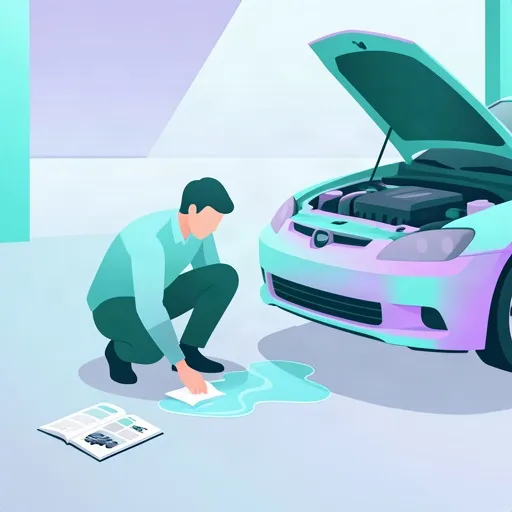
If you are unsure about the nature of a puddle, use the cardboard test. Place a piece of clean, white cardboard under the engine area of your parked car and leave it for a few hours or overnight. By examining the spot left on the cardboard, you can clearly see the color and viscosity of the fluid without guessing. If the liquid is clear, it is likely just water from the AC. If the cardboard shows a vibrant color or an oily patch, you should check your coolant levels immediately and consider contacting a mechanic.
| Fluid Type | Color | Consistency | Potential Risk |
|---|---|---|---|
| AC Condensate | Clear | Watery | None (Normal) |
| Engine Coolant | Green/Pink/Blue | Slippery/Sweet | High (Overheating) |
| Engine Oil | Brown/Black | Viscous/Oily | High (Lubrication loss) |
In the context of the Polish theory exam, you will be expected to understand that your vehicle's cooling system is vital for preventing engine seizure. If you ignore a coolant leak, your engine may overheat during city traffic or on long highway journeys. Overheating can lead to warped cylinder heads, blown gaskets, and permanent engine failure. If you suspect a leak, do not drive the vehicle; check the reservoir level, and if it is below the 'MIN' mark, seek professional assistance before driving again.
This article teaches learner drivers how to distinguish between harmless AC condensate and dangerous coolant leaks through sensory inspection—examining color, smell, texture, and location of fluid puddles. The cardboard test provides a practical diagnostic method for uncertain situations. Understanding these differences is essential for pre-trip safety checks required by Polish driving theory, helping drivers prevent engine overheating and costly repairs by identifying problems early and seeking professional help when coolant levels are critically low.
A short set of high-value points that capture the most important ideas from this article.
AC condensate is clear, odorless, and evaporates quickly, while coolant is colored, sweet-smelling, and oily to the touch.
Coolant leaks typically appear near the front of the engine, radiator, or water pump housing.
The cardboard test allows you to accurately identify unknown fluid by observing color and viscosity.
Treating colored, slippery, or aromatic puddles as potential coolant leaks prevents engine overheating damage.
Early detection of fluid leaks during pre-trip checks can avoid costly repairs and safety hazards.
AC drain is typically located under the passenger side or center of the engine bay.
Coolant is brightly colored (green, pink, blue, or orange) to make leaks easily identifiable.
If coolant levels are below the 'MIN' mark, do not drive—seek professional assistance.
Engine overheating from coolant loss can cause warped cylinder heads, blown gaskets, and permanent engine failure.
The reservoir is where coolant levels should be checked during vehicle inspections.
Assuming any puddle under the car indicates a serious problem when it may be normal AC condensation.
Failing to check fluid color before determining whether a leak is dangerous.
Ignoring a colored or oily puddle assuming it will evaporate on its own.
Driving the vehicle when coolant levels are low instead of seeking mechanical help.
Confusing engine oil leaks (brown/black, viscous) with coolant leaks due to unfamiliarity with fluid characteristics.
Article content overview
A short set of high-value points that capture the most important ideas from this article.
AC condensate is clear, odorless, and evaporates quickly, while coolant is colored, sweet-smelling, and oily to the touch.
Coolant leaks typically appear near the front of the engine, radiator, or water pump housing.
The cardboard test allows you to accurately identify unknown fluid by observing color and viscosity.
Treating colored, slippery, or aromatic puddles as potential coolant leaks prevents engine overheating damage.
Early detection of fluid leaks during pre-trip checks can avoid costly repairs and safety hazards.
AC drain is typically located under the passenger side or center of the engine bay.
Coolant is brightly colored (green, pink, blue, or orange) to make leaks easily identifiable.
If coolant levels are below the 'MIN' mark, do not drive—seek professional assistance.
Engine overheating from coolant loss can cause warped cylinder heads, blown gaskets, and permanent engine failure.
The reservoir is where coolant levels should be checked during vehicle inspections.
Assuming any puddle under the car indicates a serious problem when it may be normal AC condensation.
Failing to check fluid color before determining whether a leak is dangerous.
Ignoring a colored or oily puddle assuming it will evaporate on its own.
Driving the vehicle when coolant levels are low instead of seeking mechanical help.
Confusing engine oil leaks (brown/black, viscous) with coolant leaks due to unfamiliarity with fluid characteristics.
Explore related topics, search based questions, and concepts that learners often look up when studying Identifying Car Fluid Leaks. These themes reflect real search intent and help you understand how this topic connects to wider driving theory knowledge in Poland.
Find clear and practical answers to common questions learners often have about Identifying Car Fluid Leaks. This section helps explain difficult points, remove confusion, and reinforce the key driving theory concepts that matter for learners in Poland.
AC condensate is clear, odorless, and watery. It typically appears during hot weather after the air conditioning has been running and does not leave a greasy residue or stain on the ground.
Coolant is usually brightly colored, such as green, red, pink, or blue. It often has a distinct, slightly sweet smell and may feel more slippery than water to the touch.
Ignoring a coolant leak can lead to low coolant levels, which causes the engine to overheat rapidly and potentially leads to permanent, severe engine damage.
Placing a piece of clean cardboard under the engine area while the car is parked allows you to capture the dripping fluid, making it easier to see its true color and check for signs of oil or grease.
After finding your specific article, continue your targeted learning by exploring related topics or diving deeper into practice questions. Our extensive library ensures you have all the resources needed to confidently prepare for your Polish driving license theory exam. Discover more guides and solidify your understanding of Polish road rules.