
Learners preparing for the Portuguese theory exam will gain insight into how modern safety initiatives, such as the 'At Work' safety standards on motorways, form the foundation of responsible driving behavior. This article connects these professional innovations to the defensive driving techniques evaluated by the IMT, helping you grasp the core principles behind the 2030 national road safety targets.
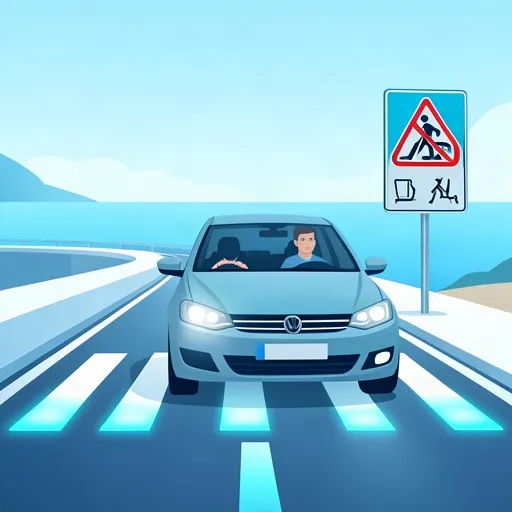
Article content overview
The pursuit of safer roads in Portugal is not merely a legal requirement; it is a collaborative effort involving state authorities, infrastructure managers, and every individual driver. As we align our driving behavior with the ambitious goals of the 2030 national road safety targets, understanding the synergy between professional safety innovation and the Código da Estrada becomes essential for every learner. Initiatives like those recognized in the 2026 European Road Safety Awards highlight how proactive safety culture—particularly in the 'At Work' sector—can drastically reduce risks on our motorways (autoestradas).
In the context of the Instituto da Mobilidade e dos Transportes (IMT) theory exam, the concept of "safety culture" extends far beyond knowing the rules of the road. It involves developing a defensive driving mindset that prioritizes the prevention of fatalities and serious injuries. When you study the Referencial de Educação Rodoviária, you are learning to recognize that road safety is a shared responsibility where the individual driver’s perception of hazards plays a critical role in accident prevention.
The inclusion of high-level safety initiatives in our curriculum—such as Brisa Autoestradas’ efforts to protect road workers—serves as a reminder that the road environment is complex. You are expected to translate this understanding into practice by respecting signage, adjusting your speed to road conditions, and maintaining constant vigilance for vulnerable road users or emergency situations.
A proactive method of driving that involves anticipating hazardous situations, adjusting to the actions of other road users, and maintaining a high level of situational awareness to prevent accidents, even in the face of errors by others or adverse environmental conditions.
The autoestrada is statistically the safest type of road due to its design, which eliminates level crossings and pedestrian traffic. However, safety is not passive; it requires the driver to understand the unique characteristics of these high-speed environments. Innovations in infrastructure, such as sound strips and modern rest area configurations, are designed to combat the "silent killer" of fatigue.
When preparing for the IMT exam, remember that the legal speed limits are maximums, not targets. Safety innovation research consistently shows that speed management and the use of Advanced Driver Assistance Systems (ADAS) are key to achieving the "Zero Deaths" vision. You will likely encounter questions regarding the specific equipment required for vehicle safety and how drivers must react when approaching zones where infrastructure work is being performed.
The Plano Nacional de Prevenção Rodoviária (PNPR) sets the strategic direction for Portugal, aiming to reduce fatalities through a multidisciplinary approach. This includes enforcement, education, and the continuous upgrading of technical standards. For the student, this means recognizing that the Código da Estrada is the baseline, while defensive driving is the mastery that keeps you and others safe.
Always remember that in the event of an emergency on a motorway, the use of hard shoulders is restricted. Familiarize yourself with the use of SOS telephones and the specific procedures for clearing a vehicle from a traffic lane to avoid secondary collisions.
To succeed in your IMT exam, you must be able to distinguish between mandatory legal conduct and recommended safety behaviors. Use the following terms to guide your study, as they represent the foundation of the current curriculum and reflect the themes of the national road safety strategy.
Article content overview
Explore related topics, search based questions, and concepts that learners often look up when studying Road Safety Innovation in Portugal. These themes reflect real search intent and help you understand how this topic connects to wider driving theory knowledge in Portugal.
Find clear and practical answers to common questions learners often have about Road Safety Innovation in Portugal. This section helps explain difficult points, remove confusion, and reinforce the key driving theory concepts that matter for learners in Portugal.
While the awards highlight industry innovations, they reflect the same defensive driving and hazard perception principles that the IMT tests in the theory exam, emphasizing the importance of responsible road usage.
It highlights the necessity of recognizing and respecting high-risk areas on roads, such as construction zones on motorways, which is a key aspect of safe driving behavior evaluated by the IMT.
It is an ethical and national target to eliminate fatal road accidents through integrated safety efforts, including infrastructure improvements, vehicle safety standards, and improved driver behavior.
If you haven't found what you're looking for, use our powerful article search to explore related topics, refine your understanding of Portuguese road rules, or discover new insights for your IMT driving exam preparation. Continue building your knowledge effectively.