
This lesson delves into how environmental context influences road sign interpretation for Moped AM riders in Sweden. You'll learn to effectively read signs whether navigating busy city streets or open country roads, building on your knowledge of specific sign types. Understanding these differences is crucial for safe riding and success in your Swedish driving theory exam.
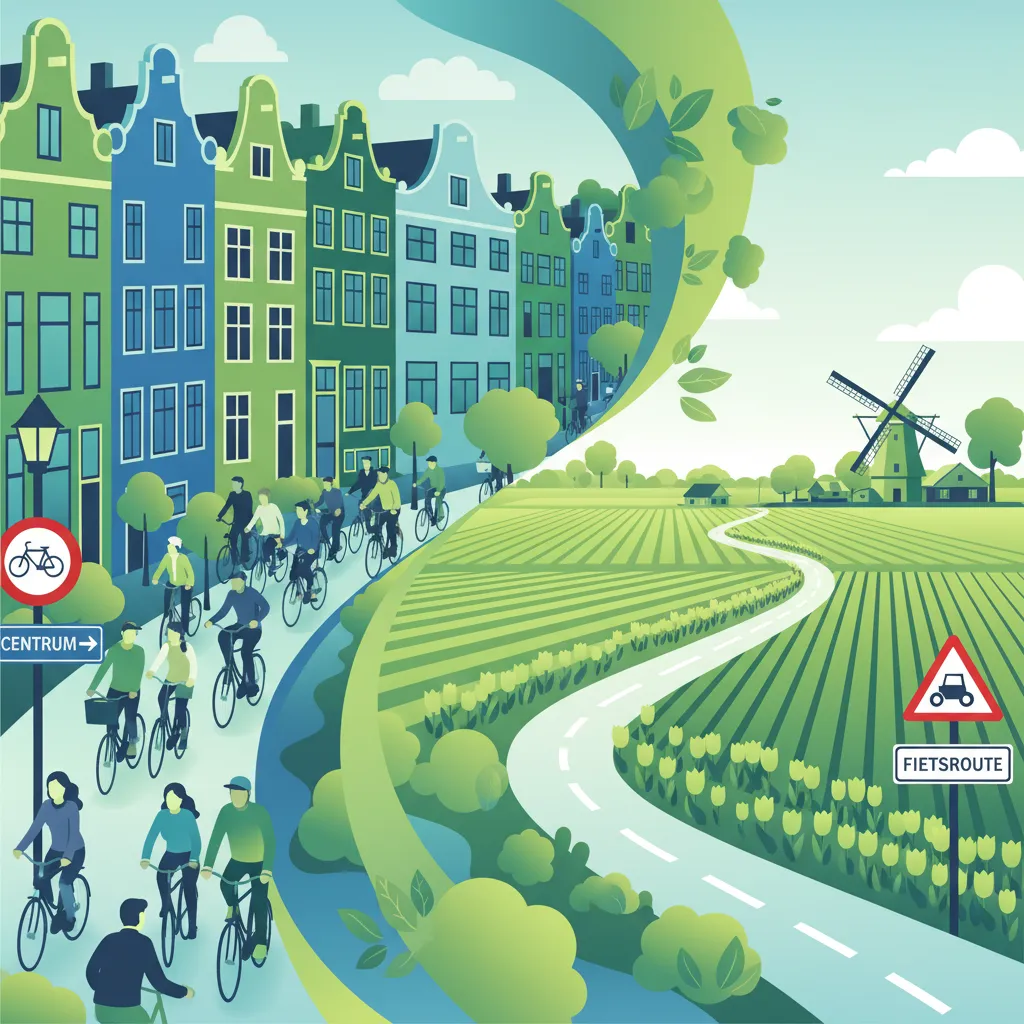
Lesson content overview
Navigating the diverse landscapes of Sweden, from bustling city centres to tranquil country roads, requires a keen understanding of road signs. For riders of Category AM mopeds, interpreting these signs correctly is not just a legal obligation but a fundamental aspect of safe riding. This lesson explores how the environment influences the perception, interpretation, and correct response to Swedish road signs, contrasting the high density and visual complexity of urban settings with the sparser signage of rural areas. By mastering these contextual differences, moped riders can better anticipate rules and hazards, ensuring safety and compliance regardless of their location.
Road signs serve as the primary communication method between road authorities and road users. They convey mandatory instructions, prohibitions, warnings about hazards, or helpful information. However, the effectiveness of a sign hinges entirely on a rider's ability to first detect it, then recognize its type, and finally interpret its meaning accurately within the surrounding environment.
The context in which a sign is encountered significantly impacts how it is perceived and processed. In a city, a sign might compete with numerous visual stimuli, demanding rapid processing. On a quiet country road, the same sign might be the only visual cue for a long stretch, requiring long-distance recognition. Understanding these environmental influences is crucial for all drivers, but particularly for moped riders who share the road with a wide range of vehicles and vulnerable road users.
Correct sign interpretation is a legal requirement under the Swedish Trafikförordningen (Traffic Ordinance) and is a primary safety mechanism that prevents collisions. It's especially vital when visual clutter or challenging long-distance visibility tests a rider's attentional capacity.
The physical characteristics of urban and rural settings present distinct challenges and considerations for interpreting road signs. Recognizing these differences helps riders develop adaptive scanning and decision-making strategies.
Urban areas are characterized by a high density of visual information, often referred to as visual clutter. This includes not only other traffic participants but also a multitude of static elements suchators as advertisements, shop fronts, streetlights, buildings, trees, and parked vehicles. These elements compete for the rider’s visual attention, making it challenging to spot and correctly interpret road signs.
Signs in urban settings may be partially obscured by street furniture or blend into a complex background, making their colour, shape, or specific symbol harder to discern quickly. The shorter sight distances in cities demand rapid processing and frequent reaffirmation of signs, especially when approaching intersections or complex junctions. For example, a "No entry" sign might be partially hidden behind a billboard on a narrow city street, or a speed limit sign could be placed behind a delivery van. Riders must ensure a sign is fully visible before acting upon it, and municipalities are required to place signs where they are not obscured.
In contrast to urban settings, rural areas typically feature lower sign density and greater distances between signs. While there are fewer competing visual stimuli, riders must contend with different challenges. Signs often need to be visible from greater distances, sometimes with limited surrounding illumination or against natural backdrops that can camouflage them.
In rural environments, mopeds rely on the sign’s retro-reflective properties to read it well ahead of a hazard, particularly at night. Retro-reflectivity is the property of a sign surface that reflects vehicle headlamp light back to the source, enhancing night visibility. This is crucial for advance warning signs (e.g., for curves or animal crossings) and regulatory signs (e.g., speed limits) that are placed well before the hazard. Riders need sufficient headlamp illumination to detect and interpret these signs from the required minimum sight distance, which must comply with Transportstyrelsen guidelines (e.g., 100 metres for a 50 km/h speed limit sign in daylight). Misreading a distant speed limit sign or assuming a far-away sign is optional can lead to significant safety risks.
Understanding the underlying principles of how road signs are designed and perceived helps Category AM riders develop effective strategies for interpretation.
The ability of a sign to be seen and correctly interpreted is highly dependent on its environmental context, including factors like lighting, background, and visual clutter. This principle ensures that signs can fulfill their safety function under various conditions. Moped riders must adapt their speed and scanning frequency to maintain an adequate perception distance—the distance needed to first notice a sign. For example, reducing speed in low-light conditions or heavy rain gives more time for a sign to become clear.
Road authorities in Sweden position signs according to a hierarchy of importance, ensuring that the most critical information is seen first. This hierarchy also dictates typical placement distances based on the road type and speed limit. In urban areas, primary signs (like stop signs or no-entry) often appear earlier or are repeated more frequently. In rural areas, while signs are spaced further apart, they are designed to be visible from greater distances to allow for sufficient reaction time. Understanding this helps riders anticipate where critical signs are likely to appear.
Sign surfaces are specifically designed to reflect light from vehicle headlamps at night and to be adequately illuminated by daylight. This significantly improves legibility under low-light conditions. Mopeds, with their generally lower headlamp output compared to cars, must be especially vigilant at night. Regular cleaning of headlamp lenses and ensuring correct headlamp alignment are essential to maximize sign illumination. The correct use of dipped beams (low beams) and fog lights is also critical for maintaining visibility without dazzling other road users.
The distance a rider needs to perceive, interpret, and react to a sign increases with speed. This relationship is critical for preventing premature or delayed responses that could lead to traffic violations or accidents. The total distance required to safely react to a sign involves:
Even though AM mopeds have a maximum speed of 45 km/h (approximately 12.5 metres per second), urban stop-and-go traffic or adverse conditions can dramatically reduce the safe perception distance. A common rule of thumb for safe reaction time is 2 seconds for perception and decision. At 45 km/h, this means covering about 25 metres before any physical braking even begins.
The human visual system and brain have limited attentional capacity. In dense urban scenes, the cognitive load on a rider is high due to the sheer volume of information to process, increasing the likelihood of missing a critical sign. In rural settings, while there's less clutter, perceptual decay over distance or in poor visibility can lead to misreading a sign's meaning. To mitigate these risks, riders must allocate their attentional resources efficiently. In dense urban sections, scanning should primarily focus on the roadway ahead and known sign-dense zones like intersections or roundabouts, rather than being distracted by non-relevant objects.
Several specific concepts further refine the understanding of sign interpretation for Category AM moped riders.
The relationship between a rider's speed, the distance to a sign, and the required reaction time is paramount for safety. For a moped travelling at 45 km/h, the total distance needed to safely perceive, interpret, and react to a new speed limit sign, for instance, is roughly 30–40 metres, accounting for perception, decision, and initial braking. This highlights why compliance with a sign must happen as soon as it can be done safely, not just when the sign is directly in front of the vehicle. Accelerating to the limit of 45 km/h and then braking abruptly at a "30 km/h" sign is not only unsafe but also illegal. Riders should reduce speed before reaching the sign in such scenarios.
Each type of road sign serves a distinct purpose, and its interpretation is heavily influenced by the environment.
Signs that impose a legal obligation or prohibition, such as speed limits, "No entry," or "No overtaking." They are mandatory and must be strictly obeyed.
Regulatory Signs (Regulationsskyltar): These signs, often round with red borders or blue backgrounds, are legally binding. In urban areas, they are frequently repeated at intersections, school zones, and near public transport stops due to complex traffic flows. In rural areas, they are placed at road entrances, curve entrances, or after long straight sections where speeds might increase. Mopeds must obey all regulatory signs, though it's important to remember that motorways (indicated by E-signs) are prohibited for AM use, rendering those specific signs irrelevant.
Signs that alert to a potential hazard ahead, typically triangular with a red border, such as "Sharp bend," "Animal crossing," or "Pedestrian crossing." They require caution and pre-emptive action.
Warning Signs (Varningsskyltar): These triangular signs, typically with red borders, alert riders to potential hazards. In cities, they are often clustered near traffic lights, pedestrian zones, and construction sites where hazards are more immediate. On country roads, they are placed at longer distances before hazards (e.g., 150 metres before a sharp curve) to allow ample time for reaction. Mopeds, due to their lower mass and speed, generally have shorter stopping distances, but anticipating hazards from warning signs is still crucial to avoid sudden manoeuvres and maintain control.
Signs that provide non-mandatory guidance, often blue or green rectangles, such as "Parking," "Bike lane," or "Tourist information." They aid navigation but do not override regulatory signs.
Information Signs (Informationsskyltar): These signs, usually rectangular with blue backgrounds, provide non-binding guidance. They are common near city centres, public transport hubs, and commercial districts for navigation, and near rest areas or scenic routes in rural settings. While helpful for orientation, information signs are not legally binding and should never take precedence over regulatory signs.
Road Markings: Often overlooked, road markings are an integral part of the sign system. In urban areas, they are frequently overlaid on the road surface, indicating lane arrows, bicycle lanes, or stop lines. These may be faded under heavy traffic. In rural areas, solid lines are typically used for overtaking restrictions. For AM riders, road markings can be the primary cue when physical signs are obscured, or they can reinforce sign messages.
Roads are dynamic environments, and signs can change temporarily or in real-time.
Signs installed for a limited period, often due to road works, special events, or emergencies. They typically have an orange background with black symbols.
Temporal (Temporary) Signs: These signs, often with an orange background and black symbols, are installed for a limited period, such as during road works or special events. They may replace or supplement permanent signs and can be placed in non-standard locations. It is mandatory to obey temporary signs while they are present, as they address immediate, often higher-risk, hazards. Common misunderstandings include assuming temporary signs are optional or only advisory. For example, a temporary "20 km/h" sign posted during a street market or an "Alternate route" sign during bridge maintenance must be followed.
Electronic signs capable of displaying changing information, such as real-time speed limits, warnings about accidents, or lane closures.
Digital/Variable Message Signs (VMS): These electronic signs provide real-time updates and are capable of displaying changing information, such as dynamic speed limits or warnings about accidents ahead. They are often more visible under low-light conditions due to their internal illumination. The message displayed on a VMS carries the same legal weight as a static sign for the duration it is shown. Riders must not ignore a VMS simply because it looks "digital" rather than "traditional"; its instructions are legally binding.
Understanding the specific legal framework governing road signs in Sweden is crucial for Category AM moped riders to ensure compliance and avoid penalties.
Under the Trafikförordningen (§ 2), it is mandatory for all road users to obey all visible regulatory signs. This rule applies at all times and on all road types where the sign is legally installed. The rationale is to ensure uniform traffic behaviour and reduce collision risks. For instance, a rider must reduce speed before a newly posted "50 km/h" sign appears, not just as they pass it. Failing to see a sign is generally not an acceptable excuse if it was legally placed and visible.
The Trafikförordningen (§ 2) also implicitly requires riders to maintain a speed that allows for a safe reaction to the next sign or hazard. This is particularly important when approaching sign clusters, such as those found at urban intersections or before complex rural hazards. Sufficient perception-decision-action time must be allocated. For example, reducing speed to 30 km/h well before entering a school zone where a "30 km/h" sign is posted ahead allows for smooth and safe compliance. Abrupt braking at the sign line, or "rolling" through a speed limit change, is both unsafe and a violation.
The correct use of headlamps significantly impacts sign visibility, especially at night or in adverse weather.
Trafikförordningen § 8 outlines headlamp usage rules: - Dipped beams (low beam): Mandatory in built-up areas at night to prevent glare to other road users and improve sign legibility. - High beams (full beam): Should only be used on unlit rural stretches when no oncoming traffic or vehicles ahead would be dazzled. They increase illumination range but are unsuitable for areas with other road users or frequent signs. - Fog lights: Should only be used when visibility is severely reduced, typically to less than 50 metres, due to fog, heavy rain, or snow. They are not a substitute for proper headlamp use and should not be used in clear conditions.
Moped riders must turn on dipped beams at dusk in a city and only use fog lights when visibility genuinely drops below 50 metres. Using high beams in an urban street, for example, can cause glare, reduce the rider's ability to read signs clearly, and potentially incur a warning or fine.
When multiple signs appear in sequence or in complex intersections, their priority must be understood. The Trafikförordningen (§§ 6-7) establishes a hierarchy. For instance, a "Stop" sign (B2) always overrides a "Yield" sign (B1). If both are present, the rider must come to a complete stop. Road markings, while important, are generally subordinate to physical signs if there is a conflict, unless the marking itself imposes a clear and higher-priority regulatory command (e.g., a solid stop line complementing a stop sign).
Temporary signs, typically with orange backgrounds, are mandatory while they are present. The Trafikförordningen (§ 42) states they must be obeyed during construction, special events, or emergency situations, as these temporary hazards often present higher risks. Similarly, Variable Message Signs (VMS) displayed on electronic boards also carry legal weight (Transportstyrelsen Regulation on VMS). The displayed message is as binding as a static sign. Ignoring a VMS displaying "Road closed ahead" or a temporary speed limit could lead to fines, safety risks, and legal penalties.
Ignoring or misinterpreting road signs is a frequent cause of traffic violations and accidents. Here are some common errors and the correct behaviours for AM moped riders:
| Violation / Edge Case | Why It’s Wrong | Correct Behaviour | Potential Consequence |
|---|---|---|---|
| Speeding through a temporary "20 km/h" sign in a construction zone | Ignores higher risk due to workers and equipment. | Reduce speed to 20 km/h as soon as the sign is visible; maintain until the zone ends. | Fine, penalty points, increased accident risk. |
| Missing a "No overtaking" sign because it was obscured by a parked van | Failure to perceive sign, leading to illegal overtaking. | Anticipate possible hidden signs in tight urban streets; reduce speed and be prepared to stop. | Fine, possible collision with oncoming traffic. |
| Continuing at the previous speed after a "30 km/h" sign appears only 10 m ahead | Insufficient reaction distance; violates "as soon as safely possible" rule. | Reduce speed before reaching the sign; maintain 30 km/h after passing it. | Fine, loss of vehicle control. |
| Using high beams in a built-up area at night | Causes glare for other road users, reduces sign legibility. | Use dipped beams; switch to high beams only on unlit rural stretches. | Warning or fine; increased accident risk. |
| Relying on road markings that are faded in a rural area while ignoring a missing speed limit sign | Misinterprets the environment, may exceed legal speed. | Treat lack of a speed limit sign as default speed limit for the road class (e.g., 70 km/h on secondary roads) and adjust accordingly. | Fine, potential speed violation. |
| Ignoring a Variable Message Sign indicating "Road closed ahead" | Disregards real-time hazard information. | Follow detour instructions; stop if necessary. | Fine, possible traffic obstruction. |
| Riding the wrong side of the road to avoid a poorly placed sign | Violates fundamental traffic direction rule. | Stay on the correct side; use caution to interpret sign correctly. | Fine, risk of head-on collision. |
| Accelerating to reach a "Green" traffic light without noticing an "All-way stop" sign before the intersection | Misses higher-priority stop requirement. | Stop completely, then proceed when safe. | Violation, collision risk. |
| Assuming a "School zone" sign is optional because children are not present | Misinterpretation of regulatory sign; safety depends on potential presence. | Reduce speed to indicated limit regardless of visual confirmation of children. | Fine, higher risk of injury to children. |
| Riding a moped on a motorway despite the "No entry for mopeds" sign | Illegal road use; high speed differential. | Exit motorway at the next allowed exit; follow standard road network. | Heavy fine, possible vehicle impoundment. |
Effective sign interpretation requires adjusting to varying conditions that affect visibility and road safety.
Different road types have distinct signage patterns and often default speed limits if no sign is present.
The condition and load of the moped can significantly affect how a rider should interpret and react to signs.
Certain signs are specifically related to vulnerable road users and demand heightened awareness from moped riders.
The relationship between sign interpretation and riding outcomes is a direct cause-and-effect chain:
Applying these concepts to real-world situations reinforces learning.
Setting: A busy city centre, daylight, heavy storefront signage, parked cars partially blocking the view of the road. You are approaching an intersection. Relevant Rule: You must obey a "Stop" sign (B2) as soon as it can be safely done (Trafikförordningen § 2). Correct Behaviour: As you approach, you reduce your speed to approximately 15 km/h. You actively scan the intersection, anticipating signs despite the visual clutter. You spot the "Stop" sign partially hidden behind a shop awning, bring your moped to a full stop before the stop line, and then proceed safely when clear. Incorrect Behaviour: You maintain 30 km/h, focused on the traffic ahead, and only spot the "Stop" sign when you are very close. You brake sharply, barely stopping in time, causing a near-miss with cross traffic.
Setting: A winding country road, dry conditions, daylight. You are travelling at 45 km/h, and a "Sharp left curve" warning sign (A1) is placed 150 metres before the actual curve. Relevant Rule: Reduce speed to a safe level before the curve (recommended for safety). Correct Behaviour: You see the warning sign well in advance. Understanding the speed-distance-perception relationship, you smoothly reduce your speed to about 30 km/h before reaching the curve, allowing you to enter and navigate it safely and stably. Incorrect Behaviour: You are momentarily distracted by the scenery and miss the sign. You maintain 45 km/h, enter the curve too fast, and must brake hard mid-turn, losing some control of the moped.
Setting: An urban road undergoing construction works. A temporary orange "20 km/h" sign is placed 30 metres before the worksite entrance, and visibility is slightly reduced due to dust. Relevant Rule: Temporary speed limits must be obeyed while present (Trafikförordningen § 42). Correct Behaviour: Recognizing the construction environment, you anticipate temporary signs and reduce your speed to below 20 km/h even before reaching the sign. You then cautiously proceed through the worksite at the indicated speed. Incorrect Behaviour: You continue at 30 km/h, assuming the sign is just advisory. You brake abruptly when you see the sign at 30 metres, creating a potential rear-end risk with any following vehicle.
Setting: A rural highway at night, with low ambient light. A VMS ahead displays "Speed limit 60 km/h due to accident ahead". Relevant Rule: VMS instructions are mandatory while displayed (Transportstyrelsen Regulation on VMS). Correct Behaviour: You switch to dipped beam headlamps to avoid dazzling others and to enhance sign visibility. You immediately note the VMS, understand it's a binding instruction, and safely reduce your speed to 55 km/h before entering the zone indicated by the VMS. Incorrect Behaviour: You assume the VMS is for cars only or just advisory and continue at your previous speed (e.g., 80 km/h, if the road previously allowed it), approaching the accident site too fast, creating a hazard.
Setting: Dense fog reduces visibility to about 30 metres. A "No overtaking" sign (C29) is typically placed 80 metres before a narrow bridge. Relevant Rule: You must comply with "No overtaking" as soon as visible. Correct Behaviour: You activate your fog lights (as visibility is below 50m) and reduce your speed significantly. Knowing a bridge is ahead, you anticipate a "No overtaking" sign, even if you can't see it clearly at 80m. You stay in your lane, prepared to stop, and do not attempt to overtake. Incorrect Behaviour: You rely solely on your limited vision and do not slow down enough. You do not see the "No overtaking" sign until you are 20 metres from it, by which point you are already attempting to overtake, causing a dangerous situation with oncoming traffic.
Effective sign interpretation is built on an understanding of human perception and the physics of driving.
This lesson teaches Moped AM riders how to interpret Swedish road signs effectively across different environments. Urban areas require riders to manage visual clutter by focusing scanning on known sign-dense zones and verifying signs are fully visible before acting, while rural areas demand long-distance scanning over extended distances with fewer but equally important signs. The core concept is the speed-distance-perception relationship: at 45 km/h, safe reaction to a sign requires approximately 30-45 metres total distance, meaning riders must begin speed adjustments before reaching a sign, not at it. Regulatory signs are legally binding under Trafikförordningen and must be obeyed immediately, temporary signs carry full legal weight while displayed, and correct headlamp use is essential for optimal sign visibility, especially at night or in adverse weather.
A short set of high-value points that capture the most important learning from this lesson.
Sign interpretation is context-dependent: urban environments require rapid processing amid visual clutter, while rural areas demand long-distance recognition with fewer cues
The speed-distance-perception relationship determines safe reaction: at 45 km/h, riders need approximately 30-45 metres total distance to perceive, decide, and brake for a sign
Regulatory signs are legally binding at all times and must be obeyed as soon as safely possible, not when directly in front of the vehicle
Temporary signs (orange background) and Variable Message Signs carry the same legal weight as permanent signs and must be followed while displayed
Headlamp type and condition directly affect sign visibility through retro-reflectivity; using dipped beams in cities prevents glare and maintains sign legibility
Explore all units and lessons included in this driving theory course.
Stop signs always override yield signs in hierarchy; road markings are subordinate to physical signs unless they impose a clear higher-priority command
Urban signs may be obscured by street furniture and require proactive scanning of known sign-dense zones like intersections
Rural warning signs are placed at longer distances (e.g., 150m before a curve) to allow ample reaction time for higher speeds
When a speed limit sign appears, riders must reduce speed before reaching it, not brake abruptly at the sign itself
Default rural speed limit is 70 km/h on secondary roads when no sign is present; riders must know and apply these defaults
Missing a regulatory sign because it was obscured by parked vehicles or advertisements in busy urban streets
Continuing at the previous speed after a new speed limit sign appears, only braking when directly at the sign
Using high beams in built-up areas at night, which causes glare and reduces the rider's ability to read signs
Assuming temporary signs are optional or advisory when they are legally mandatory during their display period
Relying solely on faded road markings while ignoring that a missing speed limit sign means applying the default limit for that road class
Lesson content overview
A short set of high-value points that capture the most important learning from this lesson.
Sign interpretation is context-dependent: urban environments require rapid processing amid visual clutter, while rural areas demand long-distance recognition with fewer cues
The speed-distance-perception relationship determines safe reaction: at 45 km/h, riders need approximately 30-45 metres total distance to perceive, decide, and brake for a sign
Regulatory signs are legally binding at all times and must be obeyed as soon as safely possible, not when directly in front of the vehicle
Temporary signs (orange background) and Variable Message Signs carry the same legal weight as permanent signs and must be followed while displayed
Headlamp type and condition directly affect sign visibility through retro-reflectivity; using dipped beams in cities prevents glare and maintains sign legibility
Explore all units and lessons included in this driving theory course.
Stop signs always override yield signs in hierarchy; road markings are subordinate to physical signs unless they impose a clear higher-priority command
Urban signs may be obscured by street furniture and require proactive scanning of known sign-dense zones like intersections
Rural warning signs are placed at longer distances (e.g., 150m before a curve) to allow ample reaction time for higher speeds
When a speed limit sign appears, riders must reduce speed before reaching it, not brake abruptly at the sign itself
Default rural speed limit is 70 km/h on secondary roads when no sign is present; riders must know and apply these defaults
Missing a regulatory sign because it was obscured by parked vehicles or advertisements in busy urban streets
Continuing at the previous speed after a new speed limit sign appears, only braking when directly at the sign
Using high beams in built-up areas at night, which causes glare and reduces the rider's ability to read signs
Assuming temporary signs are optional or advisory when they are legally mandatory during their display period
Relying solely on faded road markings while ignoring that a missing speed limit sign means applying the default limit for that road class
Explore search topics learners often look for when studying Sign Interpretation in Urban and Rural Settings. These topics reflect common questions about road rules, driving situations, safety guidance, and lesson level theory preparation for learners in Sweden.
Browse additional driving theory lessons that cover connected traffic rules, road signs, and common driving situations related to this topic. Improve your understanding of how different rules interact across everyday traffic scenarios.
Understand how traffic sign meaning and visibility change in Swedish urban environments compared to rural settings. Learn to interpret signs effectively in varying road conditions for your Moped AM theory.
This lesson explains the function of informational signs (Informationsskyltar), which provide guidance for navigation and access to services. It covers signs indicating distances to destinations, route numbers, and locations of fuel stations or parking areas. For moped riders, this includes identifying signs for designated moped or cycle lanes, helping them to plan and follow routes efficiently and legally.
This lesson prepares riders for encountering roadworks, which can introduce temporary and often confusing changes to the road layout. It explains how to interpret the specific orange-colored signs used in these zones, including new speed limits, lane diversions, and warnings about surface hazards. The key takeaway is to reduce speed and increase vigilance when navigating through construction areas.
This lesson focuses on regulatory signs (Regulationsskyltar), which issue mandatory instructions and prohibitions that all road users must follow. It details common signs such as speed limits, stop and give way signs, and mandatory direction arrows. Special attention is given to signs directly affecting mopeds, like 'no moped' signs and those indicating designated moped lanes, ensuring riders can navigate legally and safely.
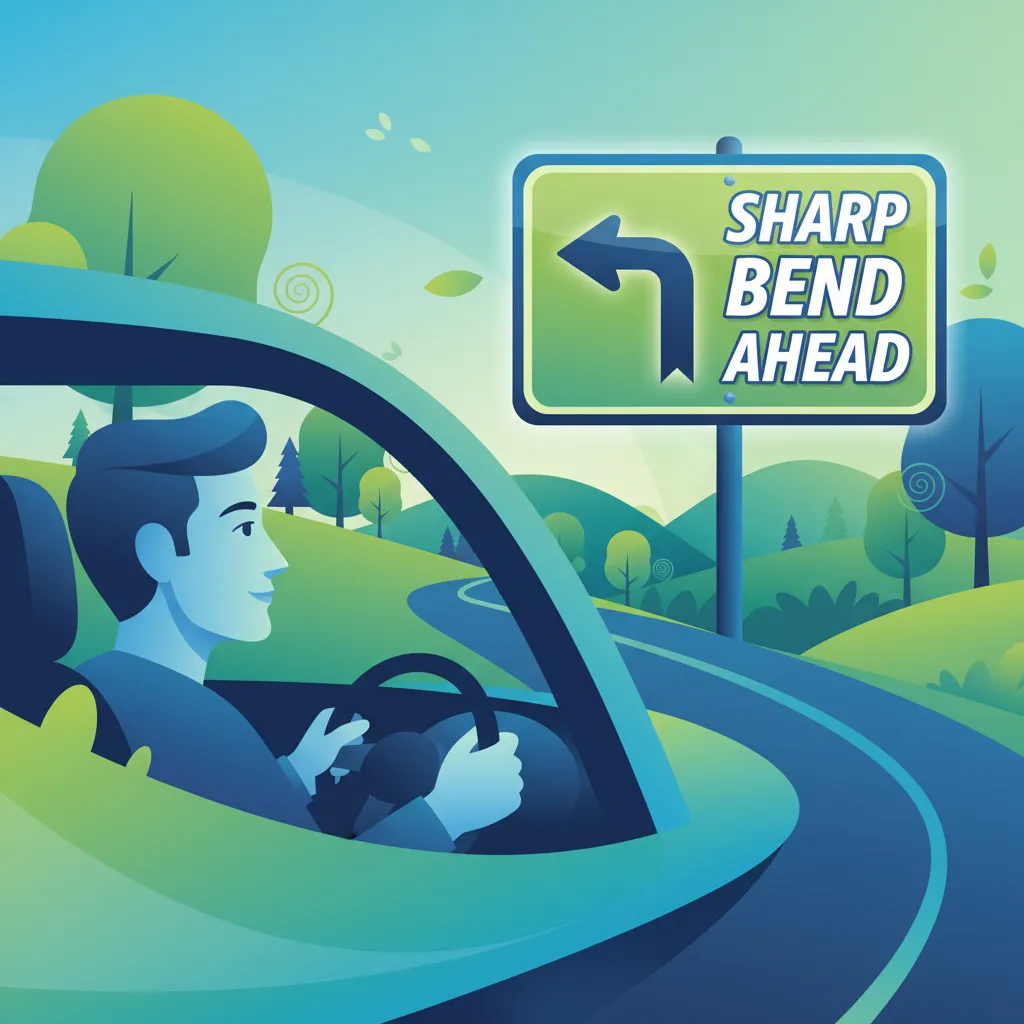
This lesson teaches riders to interpret warning signs (Varningsskyltar), which alert them to potential dangers on the road ahead. It covers a wide range of signs, including those for sharp curves, slippery surfaces, wildlife crossings, and upcoming roadworks. Understanding these triangular signs allows riders to anticipate hazards, adjust their speed and position proactively, and enhance their overall safety.

This lesson prepares you for the specific challenges of riding on rural roads in Sweden. You will learn how to read the road ahead for changes in surface quality, approach blind corners safely, and adjust your speed for narrow lanes with no shoulder. The content also covers how to anticipate and safely interact with slow-moving agricultural vehicles and the potential for wild animals on the road, ensuring you are prepared for the unpredictable nature of country riding.
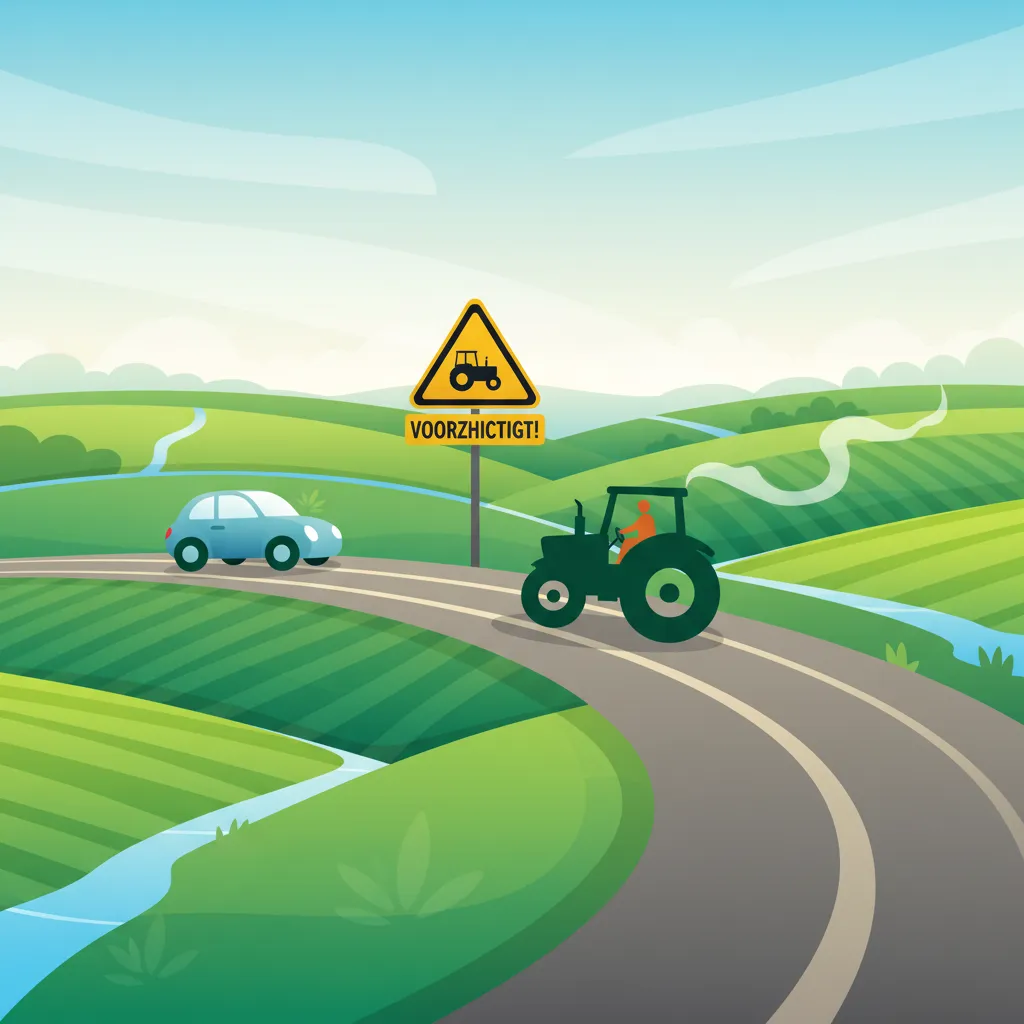
This lesson addresses the specific risks associated with driving on rural roads (landsvägar). You will learn how to manage higher speeds on narrow, winding roads with limited visibility due to curves and hills. The lesson covers procedures for safely overtaking slow-moving agricultural vehicles, managing encounters with oncoming traffic on narrow sections, and being constantly vigilant for wildlife, especially at dawn and dusk.
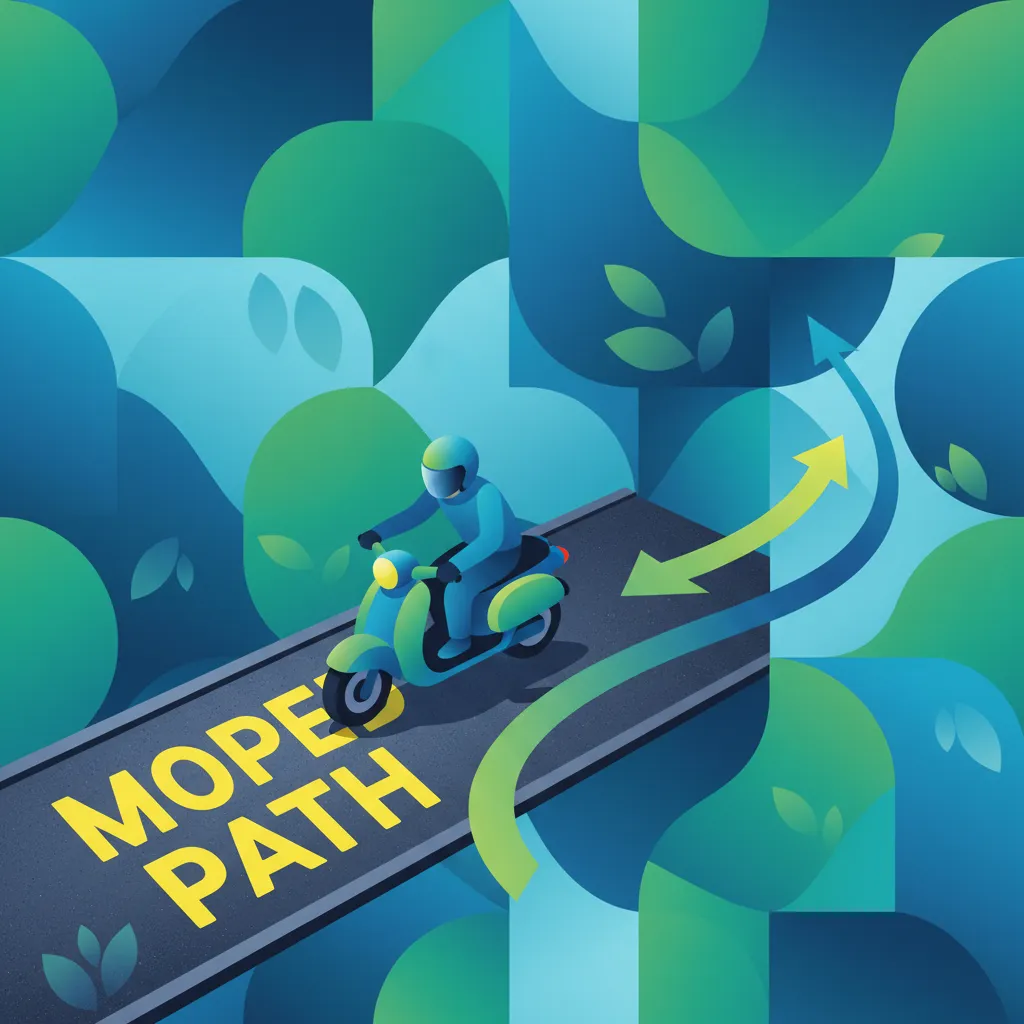
This lesson focuses on the importance of road markings (Vägmarkering) for guiding traffic flow and ensuring safety. It explains the meaning of different line types, such as solid and broken lines, and the function of stop lines and pedestrian crosswalks. The content highlights markings specific to cycle and moped lanes, teaching riders how to correctly position themselves on the road based on these visual cues.
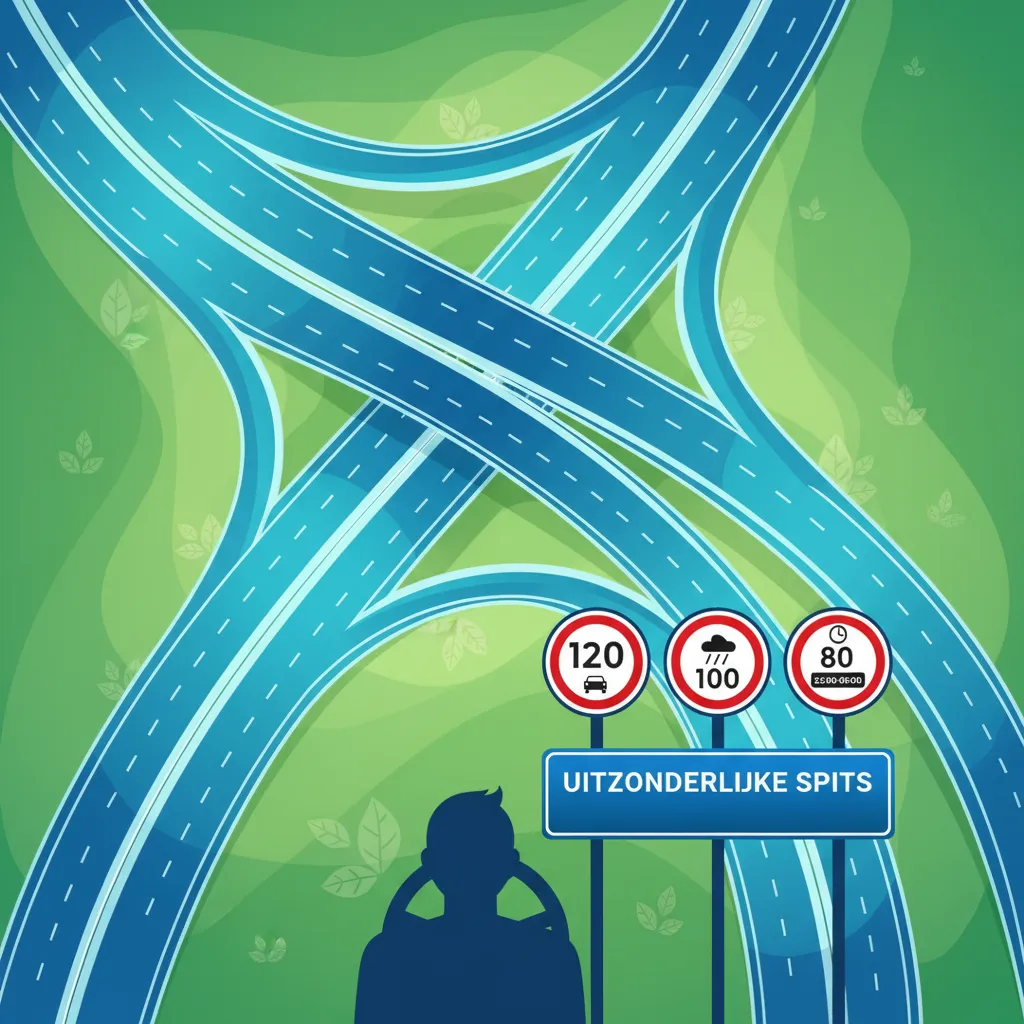
This lesson explains the general speed limit system in Sweden, including the default limits that apply in the absence of specific signs. It covers the standard speeds for built-up areas, roads outside built-up areas, and motorways, clarifying which are relevant to moped riders. Understanding this structure enables riders to determine the correct legal speed even when signs are not immediately visible.
This lesson offers a detailed guide to interpreting the various lines and symbols painted on the road surface. It clarifies the rules associated with solid versus broken lines regarding lane changes and overtaking. The content also explains the function of arrows, stop lines, and other markings that provide crucial positioning and priority information to the rider.
This lesson explains how to read and use Swedish informational and directional signs for effective route planning and navigation. You will learn to follow signs for specific destinations, identify road numbers, and recognize indicators for services such as fuel stations and rest areas. For motorcyclists on long journeys, this knowledge is crucial for making timely decisions about lane changes, exits, and stops without causing disruption to traffic flow.
Explore how to apply your knowledge of Swedish road signs and traffic conventions in real-world urban and rural driving situations. This lesson bridges theory with practical application for Moped AM riders.
This lesson explains the function of informational signs (Informationsskyltar), which provide guidance for navigation and access to services. It covers signs indicating distances to destinations, route numbers, and locations of fuel stations or parking areas. For moped riders, this includes identifying signs for designated moped or cycle lanes, helping them to plan and follow routes efficiently and legally.
This lesson teaches riders to interpret warning signs (Varningsskyltar), which alert them to potential dangers on the road ahead. It covers a wide range of signs, including those for sharp curves, slippery surfaces, wildlife crossings, and upcoming roadworks. Understanding these triangular signs allows riders to anticipate hazards, adjust their speed and position proactively, and enhance their overall safety.

This lesson provides practical instructions for safely navigating different types of intersections and roundabouts. It covers procedures for approaching, entering, and exiting roundabouts, emphasizing the rule to yield to traffic already circulating. The content also addresses how to handle signal-controlled and uncontrolled intersections, ensuring riders select the correct lane and manage their speed appropriately.
This lesson prepares riders for encountering roadworks, which can introduce temporary and often confusing changes to the road layout. It explains how to interpret the specific orange-colored signs used in these zones, including new speed limits, lane diversions, and warnings about surface hazards. The key takeaway is to reduce speed and increase vigilance when navigating through construction areas.
This lesson focuses on the importance of road markings (Vägmarkering) for guiding traffic flow and ensuring safety. It explains the meaning of different line types, such as solid and broken lines, and the function of stop lines and pedestrian crosswalks. The content highlights markings specific to cycle and moped lanes, teaching riders how to correctly position themselves on the road based on these visual cues.
This lesson focuses on regulatory signs (Regulationsskyltar), which issue mandatory instructions and prohibitions that all road users must follow. It details common signs such as speed limits, stop and give way signs, and mandatory direction arrows. Special attention is given to signs directly affecting mopeds, like 'no moped' signs and those indicating designated moped lanes, ensuring riders can navigate legally and safely.
This lesson consolidates the key regulations that apply specifically to moped operation in Sweden. It covers mandatory rules such as speed limits, helmet use, and requirements for vehicle lighting and reflectors. Furthermore, the lesson explains the legal consequences of violations, including the system of fines and potential demerit points, ensuring riders understand their full range of legal responsibilities on the road.

This lesson clarifies the regulations for operating a moped on cycle paths (Cykelbana) and other shared spaces in Sweden. It explains which types of mopeds are permitted on these paths and the specific rules that apply, such as lower speed limits and the duty to yield to cyclists. The content focuses on safe interaction and communication to ensure peaceful coexistence with other users in these environments.
This lesson teaches the crucial skill of adapting speed to prevailing conditions, emphasizing that the posted speed limit is a maximum, not a target. It covers various scenarios such as rain, fog, heavy traffic, and poor road surfaces, explaining why reducing speed is essential for maintaining vehicle control and safety. The goal is to cultivate a proactive mindset where the rider constantly assesses risk and adjusts their speed accordingly.
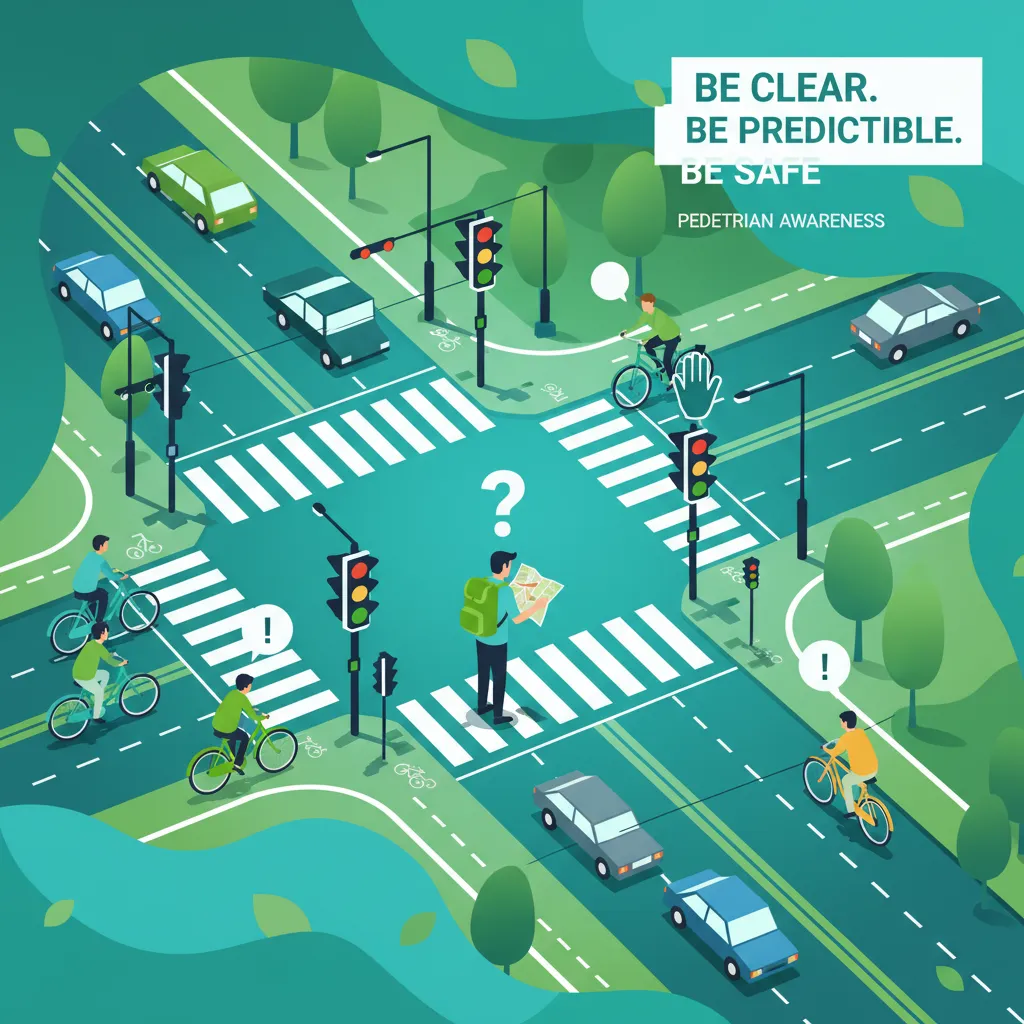
This lesson is dedicated to pedestrian safety, teaching riders to be constantly aware of people on foot, especially in busy urban environments. It reinforces the absolute duty to yield at marked crossings and encourages a cautious approach in areas like schools and shopping districts. The content stresses anticipating unpredictable actions, particularly from children or distracted pedestrians.
Find clear answers to common questions learners have about Sign Interpretation in Urban and Rural Settings. Learn how the lesson is structured, which driving theory objectives it supports, and how it fits into the overall learning path of units and curriculum progression in Sweden. These explanations help you understand key concepts, lesson flow, and exam focused study goals.
No, all road signs are equally important. Urban areas often have more regulatory and information signs due to higher traffic density and complex intersections, while rural areas might have fewer but crucial warning signs for upcoming hazards like wildlife or sharp bends. Both require careful attention for Moped AM safety in Sweden.
In busy urban environments, it's crucial for Moped AM riders to actively scan the road ahead and to the sides. Avoid target fixation, look for patterns in sign placement (e.g., before intersections), and always anticipate what information you might need next. Reducing speed can also give you more time to process visual information in Swedish cities.
The meaning of a specific road sign does not change based on its location in Sweden; a speed limit sign means the same speed limit everywhere. However, the context in which you interpret it changes. For example, a 'sharp bend' warning sign in a rural setting might indicate a higher-speed hazard than one within a built-up area where speeds are already low for a Moped AM rider.
If you're unsure about a sign's meaning while riding your Moped AM, especially in a new or complex situation, always err on the side of caution. Slow down, be prepared to stop, and if it's a regulatory sign, assume the most restrictive interpretation until you can confirm its meaning. This approach helps ensure safety and compliance with Swedish traffic rules.
Refine your study plan by exploring practice sets on specific Swedish traffic rules, road signs, or driving situations. Use the search to quickly access relevant questions and focus your preparation for the official driving licence theory exam.