
Welcome to the lesson on protective clothing for Category AM mopeds. While helmets are mandatory, this section dives deeper into the crucial importance of jackets, trousers, gloves, and footwear to ensure your comprehensive safety on Swedish roads. Understanding this is key for both passing your theory exam and riding responsibly.

Lesson content overview
Navigating the roads on a Category AM moped offers freedom, but it also demands a commitment to safety. While a helmet is the sole legally mandated piece of personal protective equipment (PPE) for moped riders in Sweden, selecting additional gear is a critical step towards mitigating injury risks. This lesson, part of your Swedish Driving License Theory Course – Category AM (Moped), delves into the essential role of abrasion-resistant clothing, impact-absorbing armor, appropriate gloves, and sturdy footwear in safeguarding your well-being on every journey.
The primary goal of protective gear for moped riders is to create a layered safety system that defends against two main categories of risk: abrasion (commonly known as road rash) caused by sliding on pavement, and impact forces transferred to the body during a fall or collision. Even at typical moped speeds, a fall can result in severe skin damage, fractures, and other serious injuries. Proper PPE dramatically reduces the severity of these outcomes, improving rider stability, confidence, and overall road safety.
Understanding the underlying physics is key. Kinetic energy, which increases with speed, is dissipated during a crash. Without protective gear, this energy is absorbed directly by your body's soft tissues and bones. Hardened protectors and specialized fabrics are designed to absorb and distribute this energy, thereby reducing peak stress on vulnerable areas. Furthermore, materials science plays a vital role; high-tenacity fibers resist wear, while visco-elastic foams and composite plates effectively dissipate impact energy.
In the context of Swedish law, while specific garments are not mandatory, the expectation of "reasonable care" for a prudent rider is paramount. Opting not to wear sensible protective gear may be considered contributory negligence in the event of an accident, potentially affecting liability assessments. This lesson provides the foundational knowledge required for understanding later quantitative analyses of injury reduction.
Effective personal protective equipment for moped riders is built upon several core principles that work in concert to enhance safety. Each principle addresses a specific type of risk or contributes to overall rider capability.
Abrasion resistance refers to a material's capacity to withstand surface wear when sliding across rough surfaces like asphalt or gravel. In a moped fall, the rider's body often slides along the road, leading to road rash. Garments with high abrasion resistance, often made from high-tenacity fibers, create a durable barrier between your skin and the abrasive surface, preventing deep skin trauma, reducing blood loss, and significantly lowering the risk of infection. Choosing clothing rated for high abrasion (e.g., compliant with EN 17092 standards) is crucial, and riders should avoid everyday clothing like cotton, which offers minimal protection.
Impact protection involves the use of hard or semi-hard modules, known as armor or protectors, strategically placed over vulnerable body zones such as shoulders, elbows, hips, knees, and shins. These protectors are designed to absorb and disperse kinetic energy during an impact. By increasing the stopping distance and spreading the force over a larger area, they reduce the peak stress exerted on bones and joints, thereby decreasing the likelihood of fractures and dislocations. It is vital that armor is CE-marked (EN 1621-1 or EN 1621-2) to ensure it meets European safety standards, and any armor that has sustained an impact must be replaced, even if visibly undamaged.
Visibility enhancements integrate high-visibility colors (such as fluorescent orange or yellow) and retro-reflective strips into clothing and footwear. These elements significantly increase the detection distance for other road users, particularly in low-light conditions, at night, or during inclement weather. High-visibility colors are effective during daylight, while retro-reflective materials bounce light back towards its source, making you more conspicuous when illuminated by headlights. Riders should ensure reflective elements are clean and positioned to be seen from the front, back, and sides.
Fit and mobility are crucial because protective equipment must conform closely enough to the body to remain in place during a crash, yet allow a full, unrestricted range of motion for controlling the moped. Incorrectly sized gear can bunch up or slip, leaving protective zones exposed. Moreover, ill-fitting jackets, pants, or gloves can obstruct proper operation of the brakes, clutch (if applicable), and throttle, potentially increasing accident risk. A good fit ensures comfort and does not impede your ability to react swiftly and precisely.
Condition and maintenance refer to the regular inspection and timely replacement of protective gear. Over time, gear can deteriorate due to wear, exposure to elements, or minor impacts. Tears, frayed stitching, cracked armor, or a loss of reflectivity can compromise protective performance, turning a safety asset into a liability. Riders should incorporate PPE checks into their pre-ride routines and replace any item that shows significant wear or damage, especially after any fall or collision.
The principle of legal reasonableness under Swedish traffic law dictates that a rider must exercise the "care and attention" expected of a prudent individual to avoid injury. While not all protective gear is legally mandatory for mopeds, deliberately omitting reasonable protective equipment may be interpreted as contributory negligence in accident liability assessments. This principle encourages riders to choose gear that offers a sensible level of protection, aligning with safety best practices.
Beyond the mandatory helmet, specific types of protective gear offer distinct safety advantages for Category AM moped riders.
Protective jackets and pants are designed as a rider's primary shield against road rash. These garments are constructed from high-tenacity woven or laminated fabrics such as Cordura®, Kevlar®, or Dyneema®. These advanced materials are engineered to resist significant surface wear when sliding on pavement, unlike everyday clothing that tears almost instantly.
The practical meaning is that a rider is continuously enveloped in a protective shell, not just during high-speed scenarios. While no specific statutory rule mandates their use for mopeds, the Swedish legal expectation of "reasonable care" strongly suggests their importance. A common misunderstanding is that a regular windbreaker provides sufficient abrasion protection, or that any brightly colored jacket offers adequate visibility without proper reflective elements. A CE-rated jacket, for instance, can drastically reduce the depth of road rash compared to a cotton T-shirt, which offers almost no protection.
Impact armor, also known as protectors, are CE-certified modules made from materials like plastic, composite, or visco-elastic foam. They are specifically designed to absorb and distribute the energy of an impact across a larger area, thereby lowering the peak force experienced by bones and joints.
These protectors are crucial because even low-speed falls can generate significant impact forces. For example, a low-speed collision at 30 km/h could easily cause a fracture without proper hip protection. While not legally mandatory, CE-marked armor is highly recommended and often required for participation in organized riding events. It's a common mistake to assume that non-certified soft foam offers the same level of protection or that armor can be reused after a significant impact without replacement.
Gloves are vital for protecting the hands and maintaining precise control over the moped. They are typically constructed from abrasion-resistant outer layers, often with reinforced palms and optional impact guards over the knuckles.
The practical benefit of wearing gloves extends beyond accident protection. They maintain a firm grip on the handlebars in adverse conditions like rain or cold, preventing slippage that could lead to a loss of control. In a fall, they protect hands from cuts, abrasions, and fractures. Using thin running gloves or neglecting to replace worn-out gloves are common oversights that can severely compromise safety. For instance, high-quality gloves ensure full brake control on wet asphalt, potentially reducing stopping distances.
Footwear for moped riders should consist of closed-toe, over-the-ankle boots made from durable materials like leather or reinforced synthetics. Key features often include oil-resistant soles and robust ankle support.
These boots offer protection against road rash to the feet and ankles, significantly reduce the risk of ankle sprains or fractures during a fall, and improve pedal feel and stability on the footpegs. Riding in sandals or open shoes is strongly discouraged and could be considered unsafe, potentially affecting liability in an accident. Many riders mistakenly believe that any sturdy shoe, like a hiking boot, provides sufficient ankle protection, or they wear low-cut sneakers that offer no ankle support and can easily slip off the footpegs. Over-the-ankle boots have been shown to drastically reduce the incidence of foot fractures in low-speed falls compared to sneakers.
Visibility enhancements are crucial components of protective gear, particularly for moped riders who share the road with larger, faster vehicles. These include retro-reflective strips or fabrics that comply with standards like EN 17373. Unlike simple bright colors, retro-reflective materials reflect light directly back to its source, making the rider significantly more conspicuous when illuminated by vehicle headlights.
The practical benefit is a greater detection distance for other road users, allowing them more time to react, especially at night or in low-visibility conditions like fog or heavy rain. Swedish traffic regulations, specifically Trafikförordning (§ 7), explicitly require motorcyclists and moped riders to use visible clothing or vests when riding after dark. Therefore, reflective elements are not just a recommendation but a vital part of legal compliance. A common misunderstanding is believing that bright-colored clothing alone is sufficient for night visibility, or neglecting to clean reflective surfaces, which significantly reduces their effectiveness. Riders with reflective jackets are considerably more likely to be noticed by drivers at night than those relying solely on high-visibility colors.
Understanding the legal landscape for moped protective gear in Sweden is crucial for every Category AM rider. While much of the additional protective equipment is not legally mandatory, certain items are required, and the principle of "reasonable care" always applies.
For all Category AM moped riders on public roads, regardless of speed:
Beyond these mandates, Swedish law expects a rider to exercise "reasonable care." This means using equipment that a prudent rider would deem necessary to minimize injury risk. While not explicitly codified in statutes for items like abrasion-resistant jackets, impact armor, gloves, or sturdy boots, the omission of such gear can have legal repercussions. In accident assessments, if a rider has deliberately neglected to wear reasonable protective gear, it may be considered contributory negligence. This could lead to a reduced compensation in liability claims or other penalties, as it implies the rider did not take all reasonable steps to protect themselves.
Always aim to wear full protective gear: a CE-certified helmet, abrasion-resistant jacket and pants with integrated impact armor, riding gloves, and sturdy over-the-ankle boots. This not only enhances your safety but also demonstrates reasonable care.
The effectiveness of your protective gear depends heavily on its condition and proper maintenance. Neglecting these aspects can compromise your safety significantly.
Before each ride, take a moment to visually inspect your gear:
Follow the manufacturer's instructions for cleaning your gear. Many technical fabrics require specific washing temperatures and detergents to maintain their protective properties and waterproof membranes. Regularly clean reflective surfaces with mild soap and water to ensure maximum conspicuity.
Visually inspect your helmet for damage and ensure the visor is clean.
Check your jacket and pants for tears, proper fit, and securely placed armor.
Verify your boots are sturdy, over-the-ankle, and have good sole condition.
Many riders, particularly new ones, make common errors regarding protective gear. Understanding these pitfalls can help you avoid unnecessary risks.
Riding with Damaged Gear: Continuing to use a jacket with a large tear after a previous crash or with cracked armor.
Using Non-Certified Armor: Believing that any hard plastic or generic foam offers adequate impact protection.
Ignoring Nighttime Visibility Requirements: Riding at dusk or night in bright-colored clothing but without reflective strips.
Poorly Fitted Gloves: Wearing gloves that are too loose or too tight.
Inadequate Footwear in Adverse Conditions: Riding in sneakers or sandals, especially during rain or on slippery surfaces.
Neglecting Post-Impact Armor Replacement: Reusing armor after a fall because it looks undamaged.
Optimal protective gear isn't a one-size-fits-all solution. Riding conditions, from weather to road type, necessitate specific adaptations to maximize safety and comfort.
Always consider the worst-case scenario for your riding conditions when selecting your gear. Over-dressing for protection is always safer than under-dressing.
Understanding the specific terminology associated with protective gear is key to making informed choices and discussing safety effectively.
This lesson covers the essential protective gear for Category AM moped riders in Sweden beyond the mandatory helmet, including abrasion-resistant jackets and pants, CE-certified impact armor, specialized gloves, and over-the-ankle boots. It explains how high-tenacity fabrics and armor absorb kinetic energy to prevent road rash and fractures, while retro-reflective elements are mandatory after dark under Trafikförordning (§ 7). The principle of 'reasonable care' means riders are expected to wear sensible protective gear, and omitting it may affect liability in accidents. Key maintenance points include replacing armor after any impact and keeping reflective elements clean for maximum visibility.
A short set of high-value points that capture the most important learning from this lesson.
Abrasion-resistant jackets and pants made from high-tenacity fibers like Cordura® or Kevlar® are essential for preventing severe road rash in falls
Impact armor must be CE-marked (EN 1621-1) to properly absorb and distribute kinetic energy during collisions
Gloves protect hands as the first point of contact during falls and maintain grip on handlebars in adverse conditions
Over-the-ankle boots provide critical ankle support and protection against twisting injuries and road rash
Retro-reflective elements are mandatory after dark under Trafikförordning (§ 7) and significantly increase detection distance for other road users
Explore all units and lessons included in this driving theory course.
The helmet is the only mandatory PPE for mopeds in Sweden, but visibility gear after dark is also legally required
Armor that has sustained any impact must be replaced even if no visible damage is apparent
Bright colors alone are insufficient for night visibility—retro-reflective material that reflects light back to its source is required
Fit matters: gear that is too loose can slide off during a crash, while gear that is too tight restricts blood flow and reaction time
Swedish law expects 'reasonable care'—omitting sensible protective gear may be considered contributory negligence in accident liability
Assuming any hard plastic or foam provides adequate impact protection without CE certification
Believing bright-colored clothing alone is sufficient for nighttime visibility without reflective elements
Reusing impact armor after a crash because it appears undamaged, despite possible micro-fractures
Wearing loose or tight gloves that can slide off during braking or restrict blood flow and reaction time
Choosing low-cut sneakers or open shoes instead of over-the-ankle boots, leaving ankles unprotected against twists and fractures
Lesson content overview
A short set of high-value points that capture the most important learning from this lesson.
Abrasion-resistant jackets and pants made from high-tenacity fibers like Cordura® or Kevlar® are essential for preventing severe road rash in falls
Impact armor must be CE-marked (EN 1621-1) to properly absorb and distribute kinetic energy during collisions
Gloves protect hands as the first point of contact during falls and maintain grip on handlebars in adverse conditions
Over-the-ankle boots provide critical ankle support and protection against twisting injuries and road rash
Retro-reflective elements are mandatory after dark under Trafikförordning (§ 7) and significantly increase detection distance for other road users
Explore all units and lessons included in this driving theory course.
The helmet is the only mandatory PPE for mopeds in Sweden, but visibility gear after dark is also legally required
Armor that has sustained any impact must be replaced even if no visible damage is apparent
Bright colors alone are insufficient for night visibility—retro-reflective material that reflects light back to its source is required
Fit matters: gear that is too loose can slide off during a crash, while gear that is too tight restricts blood flow and reaction time
Swedish law expects 'reasonable care'—omitting sensible protective gear may be considered contributory negligence in accident liability
Assuming any hard plastic or foam provides adequate impact protection without CE certification
Believing bright-colored clothing alone is sufficient for nighttime visibility without reflective elements
Reusing impact armor after a crash because it appears undamaged, despite possible micro-fractures
Wearing loose or tight gloves that can slide off during braking or restrict blood flow and reaction time
Choosing low-cut sneakers or open shoes instead of over-the-ankle boots, leaving ankles unprotected against twists and fractures
Explore search topics learners often look for when studying Protective Clothing, Gloves, and Footwear. These topics reflect common questions about road rules, driving situations, safety guidance, and lesson level theory preparation for learners in Sweden.
Browse additional driving theory lessons that cover connected traffic rules, road signs, and common driving situations related to this topic. Improve your understanding of how different rules interact across everyday traffic scenarios.
Understand the specific benefits and types of protective jackets, pants, gloves, and boots for Category AM mopeds. Learn how this gear is crucial for rider safety against abrasion and impact according to Swedish road rules.

This lesson provides a factual look at how protective gear works to reduce or prevent injuries in a crash. It explains the physics of impact absorption and abrasion resistance, using data to illustrate the significant difference in outcomes between riders with and without proper gear. The primary message is that dressing for the fall, not just for the ride, is a critical component of risk management.

This lesson focuses on the single most important piece of safety gear: the helmet. You will learn about the legal standards helmets must meet in Sweden (e.g., ECE ratings) and how to ensure a proper fit. The content also covers the full range of personal protective equipment (PPE), including jackets, pants, gloves, and boots, explaining the importance of abrasion resistance, impact armor, and high-visibility features for rider protection.

This lesson serves as a summary of the legal requirements for safety equipment in Sweden. It reiterates the mandatory helmet law for both the rider and any passenger. It also touches on the rider's responsibility to ensure the moped itself is legally equipped with functioning lights, brakes, and other essential safety features, linking personal gear with vehicle roadworthiness.

This lesson provides practical advice on selecting the appropriate riding gear for the diverse Swedish seasons. You will learn about the importance of layering for warmth in the cold, ventilated gear for summer heat, and effective waterproofs for rain. The content emphasizes how the right equipment not only keeps you comfortable and focused but also provides crucial protection and enhances your visibility to other road users, making it a critical component of overall motorcycle safety.

This lesson covers the legal requirement to wear a certified helmet while riding a moped in Sweden. It explains how to identify helmets that meet the approved EU standards (e.g., ECE 22.05 marking) and the critical importance of a correct, snug fit. The content also discusses different helmet types and the need to replace a helmet after an impact or after its recommended lifespan.
This lesson addresses the severe dangers of riding a moped in snow and icy conditions. It explains how to identify potential hazards like black ice and emphasizes that avoiding riding in such conditions is the safest strategy. For situations where it cannot be avoided, it provides advice on extremely gentle control inputs and vehicle preparation.

This lesson details the specific hazards associated with riding on wet roads, including significantly increased stopping distances and the risk of aquaplaning. It explains how to recognize conditions where aquaplaning is likely and the importance of reducing speed. Riders will learn to use smoother throttle, braking, and steering inputs to maintain traction and control.

This lesson provides an introduction to basic first-aid principles that can be applied at the scene of an accident. It covers critical actions such as assessing a casualty's consciousness, checking for breathing, and controlling severe bleeding. The content also addresses the important question of when and how to safely remove a helmet from an injured rider.
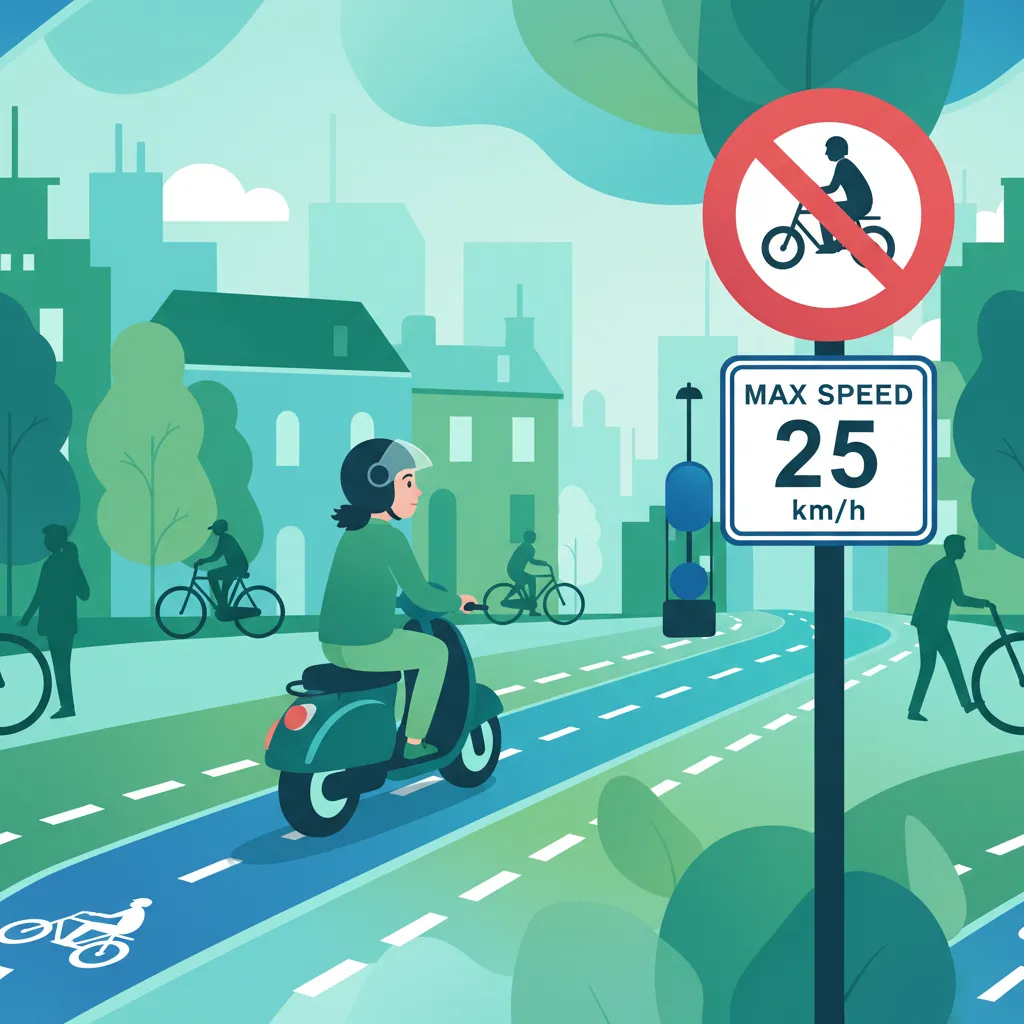
This lesson consolidates the key regulations that apply specifically to moped operation in Sweden. It covers mandatory rules such as speed limits, helmet use, and requirements for vehicle lighting and reflectors. Furthermore, the lesson explains the legal consequences of violations, including the system of fines and potential demerit points, ensuring riders understand their full range of legal responsibilities on the road.
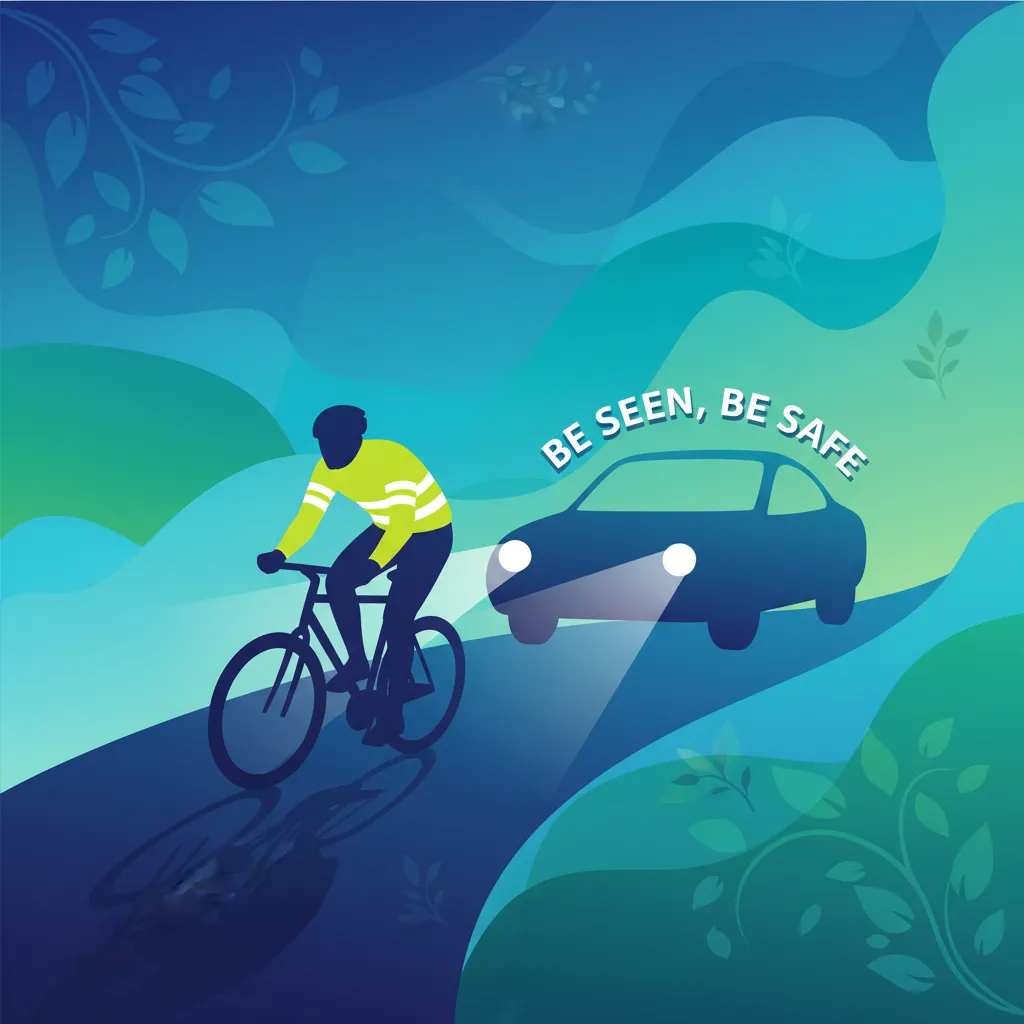
This lesson focuses on proactive strategies to increase a moped rider's visibility to other drivers. It strongly advocates for the use of high-visibility and reflective clothing, helmets, and accessories to stand out in traffic. Additionally, it revisits the concept of lane positioning as a tool to avoid being in other drivers' blind spots and to create a more prominent presence on the road.
Explore the critical role of dedicated protective clothing, including abrasion-resistant materials and impact armor, in preventing serious injuries. This lesson details the importance of proper gloves and boots for comprehensive rider safety.
This lesson provides a factual look at how protective gear works to reduce or prevent injuries in a crash. It explains the physics of impact absorption and abrasion resistance, using data to illustrate the significant difference in outcomes between riders with and without proper gear. The primary message is that dressing for the fall, not just for the ride, is a critical component of risk management.
This lesson addresses the severe dangers of riding a moped in snow and icy conditions. It explains how to identify potential hazards like black ice and emphasizes that avoiding riding in such conditions is the safest strategy. For situations where it cannot be avoided, it provides advice on extremely gentle control inputs and vehicle preparation.
This lesson focuses on proactive strategies to increase a moped rider's visibility to other drivers. It strongly advocates for the use of high-visibility and reflective clothing, helmets, and accessories to stand out in traffic. Additionally, it revisits the concept of lane positioning as a tool to avoid being in other drivers' blind spots and to create a more prominent presence on the road.
This lesson serves as a summary of the legal requirements for safety equipment in Sweden. It reiterates the mandatory helmet law for both the rider and any passenger. It also touches on the rider's responsibility to ensure the moped itself is legally equipped with functioning lights, brakes, and other essential safety features, linking personal gear with vehicle roadworthiness.
This lesson covers the legal requirement to wear a certified helmet while riding a moped in Sweden. It explains how to identify helmets that meet the approved EU standards (e.g., ECE 22.05 marking) and the critical importance of a correct, snug fit. The content also discusses different helmet types and the need to replace a helmet after an impact or after its recommended lifespan.
This lesson details the specific hazards associated with riding on wet roads, including significantly increased stopping distances and the risk of aquaplaning. It explains how to recognize conditions where aquaplaning is likely and the importance of reducing speed. Riders will learn to use smoother throttle, braking, and steering inputs to maintain traction and control.
This lesson focuses on the single most important piece of safety gear: the helmet. You will learn about the legal standards helmets must meet in Sweden (e.g., ECE ratings) and how to ensure a proper fit. The content also covers the full range of personal protective equipment (PPE), including jackets, pants, gloves, and boots, explaining the importance of abrasion resistance, impact armor, and high-visibility features for rider protection.
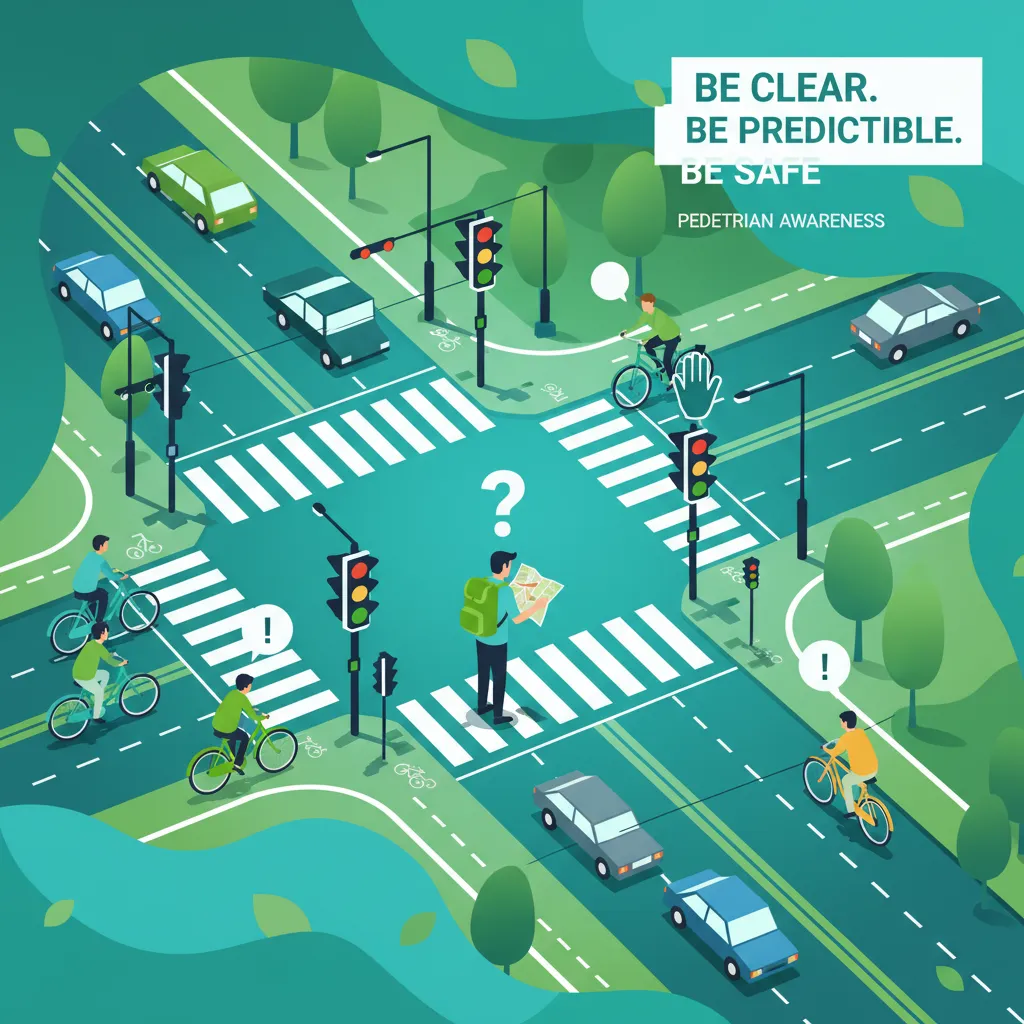
This lesson is dedicated to pedestrian safety, teaching riders to be constantly aware of people on foot, especially in busy urban environments. It reinforces the absolute duty to yield at marked crossings and encourages a cautious approach in areas like schools and shopping districts. The content stresses anticipating unpredictable actions, particularly from children or distracted pedestrians.

This lesson addresses the often-overlooked danger of rider fatigue, which can impair judgment and reaction time as much as alcohol. It provides strategies for managing fatigue, including maintaining a comfortable and ergonomic riding posture, staying hydrated, and taking frequent breaks on longer journeys. The goal is to ensure the rider remains physically and mentally alert at all times.
This lesson provides an introduction to basic first-aid principles that can be applied at the scene of an accident. It covers critical actions such as assessing a casualty's consciousness, checking for breathing, and controlling severe bleeding. The content also addresses the important question of when and how to safely remove a helmet from an injured rider.
Find clear answers to common questions learners have about Protective Clothing, Gloves, and Footwear. Learn how the lesson is structured, which driving theory objectives it supports, and how it fits into the overall learning path of units and curriculum progression in Sweden. These explanations help you understand key concepts, lesson flow, and exam focused study goals.
In Sweden, wearing an approved helmet is mandatory for all moped riders (Category AM). While specific jackets, gloves, and sturdy footwear are not legally mandated by law for Category AM, they are strongly recommended by authorities like Transportstyrelsen. This lesson focuses on why these items are crucial for your safety and often feature in theory exam questions about safe riding practices.
Motorcycle and moped-specific jackets and trousers are typically made from highly abrasion-resistant materials like leather or specialized textiles designed to withstand significant friction against the road surface. They often include built-in armour at key impact zones (shoulders, elbows, back, knees), which helps absorb shock and protect bones during a fall. Regular clothing offers very little protection against road rash and impacts.
Riding gloves protect your hands from abrasions, impacts, and even the elements. Your hands are vital for controlling the moped, and in a fall, they are often the first body part to make contact with the ground. Good gloves offer protection and can also improve grip on the handlebars, especially in wet conditions.
For optimal protection, sturdy boots that cover the ankle are highly recommended. They provide better support to prevent ankle twists or fractures in case of a fall or if the moped tips over. Avoid open-toed shoes, sandals, or lightweight trainers, as they offer minimal protection.
The Swedish AM theory test assesses your understanding of safe riding practices. Questions often cover the use of appropriate safety gear, including helmets, jackets, trousers, gloves, and footwear, to minimise risks. Demonstrating knowledge of why this gear is important shows you understand the principles of defensive and safe moped operation.
Refine your study plan by exploring practice sets on specific Swedish traffic rules, road signs, or driving situations. Use the search to quickly access relevant questions and focus your preparation for the official driving licence theory exam.