
Welcome to this crucial lesson on navigating Swedish tunnels and bridges. As a motorcyclist, understanding specific priority rules, managing environmental factors like wind and low light, and maintaining control in these unique environments is vital for safety and exam success. This lesson builds on your general knowledge of priority rules and prepares you for common theory test scenarios.
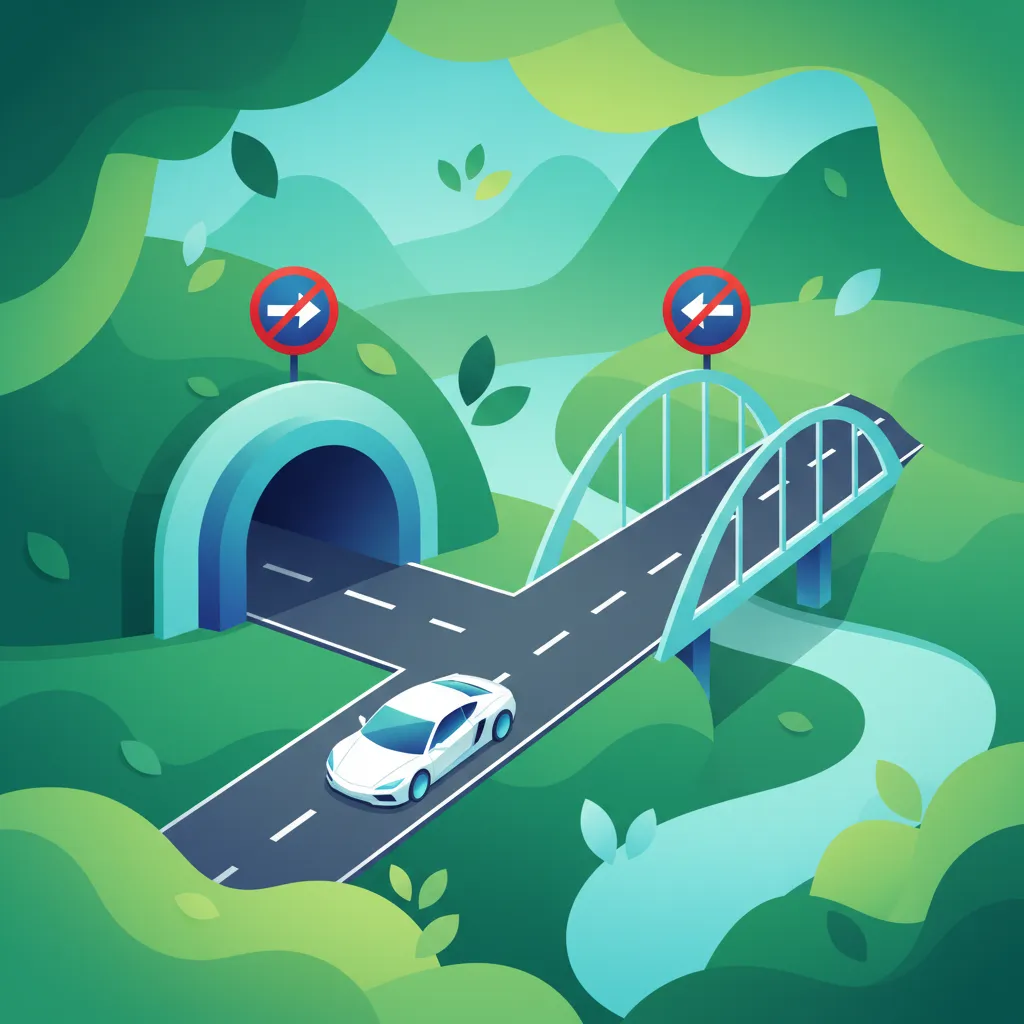
Lesson content overview
Riding a motorcycle through tunnels and over bridges presents unique challenges that demand specific awareness and adherence to traffic rules. These environments, while often efficient for travel, introduce amplified hazards such as limited sightlines, sudden changes in light, echoing sounds, and powerful wind effects. As a motorcyclist preparing for the Swedish Category A licence exam, understanding these specific priority rules and safety practices is crucial not only for passing your test but, more importantly, for ensuring your safety and the safety of others on the road.
This lesson delves into the precise regulations and recommended practices for navigating tunnels and bridges, covering everything from mandatory lighting and speed adaptation to managing crosswinds and maintaining safe following distances. By mastering these principles, you will be well-equipped to handle these specific traffic situations confidently and safely.
Tunnels and bridges are engineered structures designed to overcome geographical obstacles, but their very nature creates a distinct micro-environment on the road. For motorcyclists, the enclosed or elevated context significantly alters the dynamics of riding, making standard road rules insufficient. Visibility often changes abruptly upon entry and exit, natural light is replaced by artificial illumination, and external weather conditions, particularly wind, can have a profound impact on vehicle stability.
The confined geometry of tunnels limits escape routes and amplifies noise, potentially masking crucial auditory cues. On bridges, the elevation exposes vehicles to stronger, often unpredictable crosswinds. These factors necessitate a modified approach to priority, speed management, and lane discipline to mitigate risks and prevent accidents. Swedish traffic legislation and safety guidelines are specifically tailored to address these unique challenges, ensuring a safer passage for all road users, especially vulnerable ones like motorcyclists.
Safe conduct in tunnels and on bridges hinges on several core principles that transcend general road rules. These principles are designed to counteract the inherent dangers of these environments, ensuring that motorcyclists can maintain control and anticipate potential hazards effectively.
Visibility is paramount in enclosed spaces.
Standard night-time headlight setting that angles light downward to avoid dazzling oncoming drivers and ensures the vehicle is clearly seen.
Swedish law requires all motorised vehicles to use their low-beam headlights and rear lights continuously from the moment they enter a tunnel or covered bridge until they fully exit, regardless of ambient light conditions outside. This ensures that your motorcycle is clearly visible to other road users, especially as your eyes adjust to changing light levels.
Upon seeing the "Tunnel" sign, motorcyclists should immediately activate their low-beam headlights, even in bright daylight. Relying solely on daytime running lights (DRL) is insufficient and a common mistake that can lead to reduced visibility and a traffic offence.
While tunnels and bridges often have posted speed limits, these limits represent the maximum permissible speed under ideal conditions.
The requirement to adjust speed to posted limits and to a level that allows safe stopping within the visible distance, often lower than the open-road limit.
For motorcyclists, it is crucial to adapt speed not only to the signposted limit but also to prevailing conditions such as visibility, traffic density, and weather. The default maximum speed in most Swedish tunnels, if no specific limit is posted, is 70 km/h. However, if fog, smoke, or poor lighting reduces your visible distance, you must reduce your speed further to ensure you can stop safely within the distance you can see ahead. This is a dynamic calculation: your speed should never exceed what allows you to stop within the visible distance.
The confined nature of tunnels and the potential for sudden hazards on bridges necessitate an increased following distance. The standard 2-second rule, commonly applied on open roads, is insufficient here.
The temporal gap between your vehicle and the vehicle ahead, typically measured in seconds, to provide sufficient reaction time.
In tunnels and on bridges, motorcyclists should extend this to a minimum of 3 seconds. If strong crosswinds are present on a bridge, this distance should be further increased to at least 4 seconds. This additional time provides a vital buffer for reacting to sudden braking, vehicle instability due to wind, or unforeseen obstacles, compensating for reduced visual cues and limited escape routes.
Bridges, by their elevated and exposed nature, are particularly susceptible to strong crosswinds. These lateral forces can significantly destabilise a motorcycle, causing it to drift, requiring constant steering correction, and potentially leading to a loss of control.
Wind blowing perpendicular to the direction of travel, creating side-force on the vehicle.
Motorcyclists are particularly vulnerable to crosswinds due to their lightweight and smaller contact patch with the road.
When riding on bridges, it is essential to assess wind strength using visual cues such as wind flags or swaying vegetation, and to look for specific wind-limit signage. In strong crosswinds, reduce your speed considerably (often 10-20 km/h per Beaufort level increase), maintain a firm grip on the handlebars without tensing, avoid sudden steering inputs, and consider adjusting your body position by leaning slightly into the wind to counteract the lateral force. Overtaking other vehicles, especially larger ones, is highly discouraged in high wind conditions as the sudden removal of a windbreak can lead to an unexpected gust.
Lane discipline is crucial in tunnels and on bridges due to limited maneuvering space and the increased risk of head-on collisions.
In tunnels and covered bridges, the vehicle travelling closest to the interior wall (left side for right-hand traffic in Sweden) has priority, and overtaking is only permitted where road markings explicitly allow it.
In Sweden, traffic in tunnels and covered bridges typically adheres to an "enclosed-structure priority" rule: the vehicle travelling closest to the interior wall (the leftmost lane in right-hand traffic) often has priority. This means motorcyclists should generally keep to the leftmost lane unless specific road markings indicate otherwise or an overtaking zone is explicitly provided. Solid white lines are commonly used in tunnels and on bridges to strictly prohibit lane changes and overtaking. Overtaking is only permitted where broken white lines clearly designate an "overtaking zone" or indicate multiple lanes for travel in the same direction without restriction.
Respecting these lane restrictions is not just a legal obligation but a critical safety measure. Disobeying them creates unpredictable movements, significantly increasing the risk of collisions where escape routes are minimal.
Swedish traffic law, primarily outlined in the Trafikförordning (Road Traffic Ordinance), includes specific regulations governing conduct in tunnels and on bridges. These rules are designed to enhance safety and prevent incidents in these high-risk environments.
When approaching the entrance to a tunnel or bridge, especially those with limited lanes, it is common to encounter a "Väjningsplikt" (Yield) sign. This sign mandates that vehicles entering the confined structure must yield to traffic already within it. This rule prevents blockages at the entrance and ensures a smoother, safer flow of traffic within the limited space. As a motorcyclist, always be prepared to stop and give way if there is an existing vehicle inside the tunnel or on the bridge, or if the lane is not clear for your entry. This is particularly relevant if the tunnel or bridge narrows or if visibility into the structure is limited.
As established, specific speed limits are usually posted for tunnels and bridges. It is mandatory to obey these limits.
Under Trafikförordning §§ 11-12, drivers must always adapt their speed to prevailing conditions, irrespective of the posted limit.
If no specific limit is posted for a tunnel, the general urban speed limit of 50 km/h or the national road limit applies, but for tunnels, a practical upper limit of 70 km/h is often cited as a safe maximum unless otherwise indicated. Crucially, if visibility is reduced due to weather conditions like fog or heavy rain, or if artificial lighting fails, you must reduce your speed below the posted limit to a level that allows you to stop safely within the distance you can clearly see. This dynamic adjustment is a fundamental responsibility for every driver and rider.
Trafikförordning § 25 explicitly states that vehicles must use dipped beam (low-beam) headlights and rear lights when driving in tunnels.
This is not merely a recommendation but a legal requirement. Failure to activate your low-beam headlights and rear lights upon entering a tunnel or covered bridge, even during daylight hours, constitutes a traffic offence. The purpose is unambiguous: to ensure your motorcycle is visible to other road users and to make your presence known in a rapidly changing light environment. Always ensure your lights are on before you pass the tunnel entrance sign.
Trafikförordning §§ 3-4 details the meaning of road markings.
A road marking indicating that lane changes, crossing the line, and overtaking are strictly prohibited.
A solid white line down the length of a tunnel or bridge prohibits changing lanes or overtaking. Motorcyclists must adhere strictly to these markings. Overtaking is only permissible where a broken white line explicitly indicates an "overtaking zone". Even then, extreme caution is advised due to limited space and potential for head-on conflict.
On some bridges, especially long or high ones, you may encounter specific signage indicating "Wind limit X km/h" or a supplementary panel under a speed limit sign that states a temporary wind-adjusted speed restriction. These signs are advisory and legally binding. They indicate that due to predicted or actual strong winds, your speed must not exceed the specified limit, even if the general speed limit for the bridge is higher. This is a critical safety measure for motorcyclists, who are particularly susceptible to lateral wind forces. Always obey these signs and further reduce your speed if conditions feel more dangerous than the sign suggests.
Motorcyclists face unique challenges in tunnels and on bridges, and specific errors can lead to dangerous situations or legal violations. Understanding these common pitfalls helps in proactive risk management.
The Challenge: Entering a brightly lit tunnel from strong sunlight or vice-versa can cause temporary vision impairment as your eyes adjust. Poor interior lighting, smoke, or exhaust fumes can also significantly reduce visibility. Many riders misjudge safe speeds, assuming the posted limit is always safe, or neglect to activate proper lighting.
Correct Behaviour:
Entering a tunnel at high speed with insufficient lighting significantly increases the risk of rear-end collisions.
The Challenge: The urge to pass a slower vehicle can be strong, but tunnels and bridges often have strict "no overtaking" rules enforced by solid white lines. Some riders mistakenly assume an empty adjacent lane permits overtaking, or that motorway rules always apply.
Correct Behaviour:
The Challenge: On bridges, motorcyclists often underestimate the force of crosswinds. Ignoring wind flags or "wind limit" signs, or attempting to maintain high speeds in gusty conditions, can lead to loss of control, causing the motorcycle to drift or be blown into another lane or barrier.
Correct Behaviour:
The Challenge: Tunnels and bridges are often subject to maintenance or construction, leading to temporary speed limits (e.g., 30 km/h), lane closures, or altered traffic flow. Some riders disregard these temporary signs, assuming they are less important than permanent ones.
Correct Behaviour:
The specific conditions inside and around tunnels and on bridges require further adjustments to your riding technique.
Let's consider a few practical situations to solidify your understanding of these rules.
You are riding your motorcycle towards a long tunnel on a bright, sunny afternoon. The posted speed limit for the tunnel is 70 km/h, and you see the "Tunnel" sign ahead. Correct Behaviour: Well before reaching the tunnel entrance, you smoothly reduce your speed to approximately 60 km/h to allow your eyes to adjust and prepare for potential slower traffic. You activate your low-beam headlight and rear light as you approach the "Tunnel" sign. As you enter, you scan for any "Väjningsplikt" signs and ensure the lane is clear, maintaining a 3-second following distance from the vehicle ahead. Rationale: This ensures you are visible, have sufficient time to react, and your eyes can adjust safely to the change in lighting.
You are on a long steel bridge, and heavy fog has reduced visibility to about 30 metres. A wind flag indicates strong crosswinds of around 25 km/h, and a "Wind limit 50 km/h" sign is posted, though the general bridge speed limit is 80 km/h. Correct Behaviour: You immediately reduce your speed to 45 km/h, well below the 50 km/h wind limit and the general bridge limit, due to the combination of fog and strong wind. You increase your following distance to at least 4 seconds, lean slightly into the wind to maintain stability, and avoid any sudden steering or braking inputs. You do not attempt to overtake any vehicles. Rationale: This conservative approach minimizes the risk of losing control due to wind, provides ample stopping distance in limited visibility, and adheres to the mandatory wind-related speed reduction.
You are in a two-lane tunnel with a solid white line separating the lanes, indicating "no overtaking." The vehicle ahead is travelling significantly below the speed limit, at 40 km/h. Correct Behaviour: Despite the frustration of slow travel, you remain in your lane behind the slower vehicle, maintaining your extended following distance. You patiently wait for the tunnel to end or for a clearly marked overtaking zone with a broken white line to appear before considering any passing manoeuvre. Rationale: Violating the solid white line is illegal and highly dangerous in a confined space with no escape routes, preventing potential head-on or side collisions.
Before Entry: Activate low-beam headlights and rear lights. Scan for "Väjningsplikt" signs, posted speed limits, and assess external weather conditions (e.g., wind).
During Travel (Tunnels): Maintain strict lane discipline, respect solid white lines, and keep an extended 3-second following distance. Continuously assess visibility and adapt your speed accordingly.
During Travel (Bridges): Monitor wind indicators and "wind limit" signs. Reduce speed in strong crosswinds, adjust body position, maintain a firm grip, and increase following distance to 4 seconds.
Overtaking: Only overtake where explicitly permitted by broken lane markings and ensure sufficient space and visibility. Avoid overtaking in high winds.
Temporary Conditions: Always obey temporary signage (speed limits, lane closures) related to roadworks or special events.
This lesson covers the unique challenges and priority rules for motorcyclists navigating Swedish tunnels and bridges. Key requirements include mandatory use of low-beam headlights, strict adherence to posted speed limits with dynamic adjustments based on visibility and wind conditions, and extended following distances of 3–4 seconds in confined or exposed areas. Lane discipline is critical—solid white lines prohibit overtaking, and enclosed-structure priority rules apply. Crosswind management is particularly important on bridges, requiring speed reduction and proper body positioning to maintain stability.
A short set of high-value points that capture the most important learning from this lesson.
Low-beam headlights are legally mandatory upon entering any tunnel or covered bridge in Sweden, regardless of outside light conditions.
The default maximum speed in Swedish tunnels is 70 km/h if no specific limit is posted, but you must always reduce speed further when visibility is reduced.
Following distance in tunnels should be extended to at least 3 seconds (4 seconds in strong crosswinds) to compensate for limited escape routes.
Enclosed-structure priority applies in tunnels—you should generally keep to the left lane in right-hand traffic, and solid white lines strictly prohibit lane changes.
Wind limit signs on bridges are legally binding and may require reducing speed below the general bridge limit.
Explore all units and lessons included in this driving theory course.
Activate low-beam headlights before entering a tunnel, not after—relying on daytime running lights alone is insufficient and constitutes a traffic offence.
Your speed must never exceed what allows you to stop within the visible distance ahead of you.
Solid white lines in tunnels mean no overtaking and no lane changes under any circumstances.
At tunnel or bridge entrances with Väjningsplikt signs, you must yield to traffic already inside before entering.
In strong crosswinds on bridges, lean slightly into the wind and maintain a firm yet relaxed grip on the handlebars.
Relying solely on daytime running lights (DRL) instead of manually activating dipped beam headlights in tunnels.
Assuming the posted speed limit is always safe and failing to reduce speed for reduced visibility, fog, or wind conditions.
Attempting to overtake in tunnels with solid white lines, mistakenly believing an empty adjacent lane permits passing.
Ignoring wind flags or wind limit signs on bridges and maintaining speed despite strong crosswinds.
Failing to increase following distance in tunnels and bridges, keeping the standard 2-second rule instead of the required 3-4 seconds.
Lesson content overview
A short set of high-value points that capture the most important learning from this lesson.
Low-beam headlights are legally mandatory upon entering any tunnel or covered bridge in Sweden, regardless of outside light conditions.
The default maximum speed in Swedish tunnels is 70 km/h if no specific limit is posted, but you must always reduce speed further when visibility is reduced.
Following distance in tunnels should be extended to at least 3 seconds (4 seconds in strong crosswinds) to compensate for limited escape routes.
Enclosed-structure priority applies in tunnels—you should generally keep to the left lane in right-hand traffic, and solid white lines strictly prohibit lane changes.
Wind limit signs on bridges are legally binding and may require reducing speed below the general bridge limit.
Explore all units and lessons included in this driving theory course.
Activate low-beam headlights before entering a tunnel, not after—relying on daytime running lights alone is insufficient and constitutes a traffic offence.
Your speed must never exceed what allows you to stop within the visible distance ahead of you.
Solid white lines in tunnels mean no overtaking and no lane changes under any circumstances.
At tunnel or bridge entrances with Väjningsplikt signs, you must yield to traffic already inside before entering.
In strong crosswinds on bridges, lean slightly into the wind and maintain a firm yet relaxed grip on the handlebars.
Relying solely on daytime running lights (DRL) instead of manually activating dipped beam headlights in tunnels.
Assuming the posted speed limit is always safe and failing to reduce speed for reduced visibility, fog, or wind conditions.
Attempting to overtake in tunnels with solid white lines, mistakenly believing an empty adjacent lane permits passing.
Ignoring wind flags or wind limit signs on bridges and maintaining speed despite strong crosswinds.
Failing to increase following distance in tunnels and bridges, keeping the standard 2-second rule instead of the required 3-4 seconds.
Explore search topics learners often look for when studying Priority in Tunnel and Bridge Situations. These topics reflect common questions about road rules, driving situations, safety guidance, and lesson level theory preparation for learners in Sweden.
Browse additional driving theory lessons that cover connected traffic rules, road signs, and common driving situations related to this topic. Improve your understanding of how different rules interact across everyday traffic scenarios.
Learn essential Swedish driving theory about priority rules, speed adaptation, and safety challenges specific to tunnels and bridges. Understand how to manage visibility, wind effects, and maintain control in these unique environments to improve your riding.

This lesson focuses on regulated intersections where priority is determined by signs indicating a main road (huvudled), a duty to yield (väjningsplikt), or a duty to stop (stopplikt). You will learn how to identify which road has priority and your legal obligation to give way to all traffic on that road before proceeding. The lesson covers proper procedures for approaching these junctions, assessing traffic, and entering the main road safely.
This lesson examines a variety of special situations where standard priority rules are modified. You will learn about the 'exit rule' (utfartsregeln) when entering a road from property, your duty to yield to buses indicating a departure from a stop, and the specific rules for pedestrian-only streets (gågata). The content also covers interactions with trams, emergency vehicles, and procedures at railway crossings, highlighting situations that demand maximum vigilance.
This lesson introduces the core principles of right-of-way in Sweden, including the general duty to give way (Väjningsplikt) and the stricter stop duty (Stopplikt). It explains the concept of a priority road and how to apply the right-hand rule at uncontrolled intersections. By understanding this legal framework, riders can determine who has priority in any given situation and act predictably and safely.
This lesson explains the two core principles of priority in Swedish traffic law: the right-hand rule (Högerregeln) and the duty to yield (Väjningsplikt). You will learn how to apply the right-hand rule at uncontrolled intersections and when to yield to other traffic as indicated by signs or road markings. Understanding this fundamental hierarchy is crucial for making correct and safe decisions in a wide variety of common traffic situations you will face as a motorcyclist.
This lesson focuses on the high level of caution required when driving in residential areas. You will learn about the rules for special zones like 'gångfartsområde' (walking speed area) and the need to navigate around speed calming measures like speed bumps. The central theme is anticipating unpredictable behavior from residents, especially children, and managing the risks posed by parked cars that severely limit visibility.
This lesson details the specific priority rules at pedestrian and tram crossings (Spårvagnskorsning). It reinforces the legal obligation for moped riders to stop for pedestrians at marked zebra crossings and explains that trams almost always have priority. Learners will understand the importance of approaching these crossings with caution, scanning for hazards, and being prepared to stop.
This lesson covers the critical maneuvers of overtaking and merging, which require precise judgment and communication. You will learn how to assess traffic speed and gaps, the importance of checking blind spots, and the correct use of signals to indicate your intentions. The content includes procedures for merging onto motorways from an on-ramp and how to perform safe overtaking maneuvers on various types of roads, minimizing risk to yourself and others.
This lesson provides detailed guidance on navigating complex traffic points such as signalized intersections, multi-lane roundabouts, and pedestrian crossings. You will learn the correct procedures for entering and exiting roundabouts, the specific rules for yielding to pedestrians and cyclists at designated crossings, and how to interpret complex traffic light signals. These skills are vital for safe urban and suburban riding, where interaction with vulnerable road users is frequent.
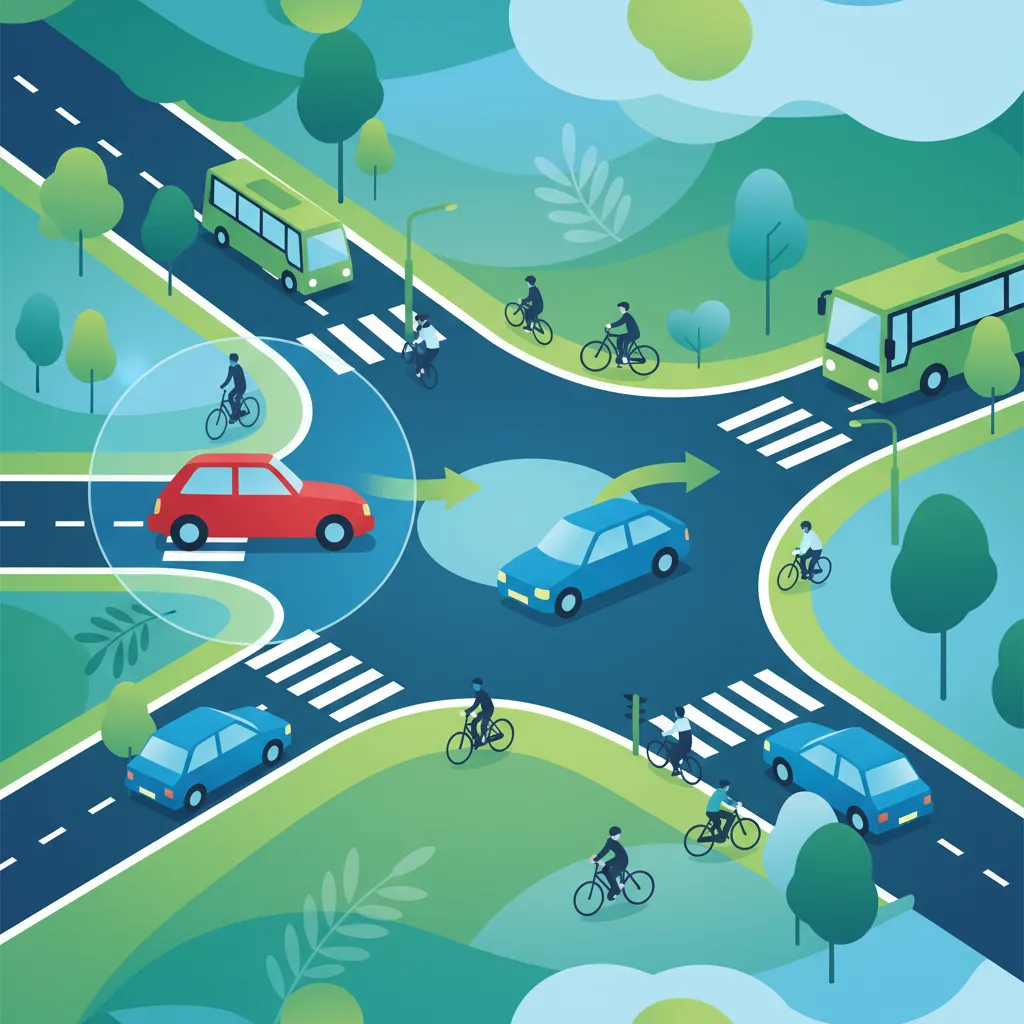
This lesson explains the foundational right-hand rule (högerregeln), which is the default priority rule at Swedish intersections where no other signs or signals regulate traffic. You will learn that you must always yield to vehicles approaching from your right in such situations. The content clarifies where this rule applies, such as in residential areas and on smaller rural roads, and covers the critical exceptions when signs or other rules take precedence.
This lesson details a driver's responsibility towards pedestrians. You will learn the strict rule of yielding to pedestrians who are on or about to enter a marked, uncontrolled crosswalk. The content also covers the specific, highly restrictive rules for driving in designated pedestrian zones (gågata) and 'walking speed' areas (gångfartsområde), where pedestrians have complete priority and vehicle traffic is severely limited.
Explore advanced motorcycle control techniques and safety considerations relevant to Swedish driving theory. This lesson focuses on managing environmental factors like wind on bridges and reduced visibility in tunnels, ensuring stable riding and hazard awareness.
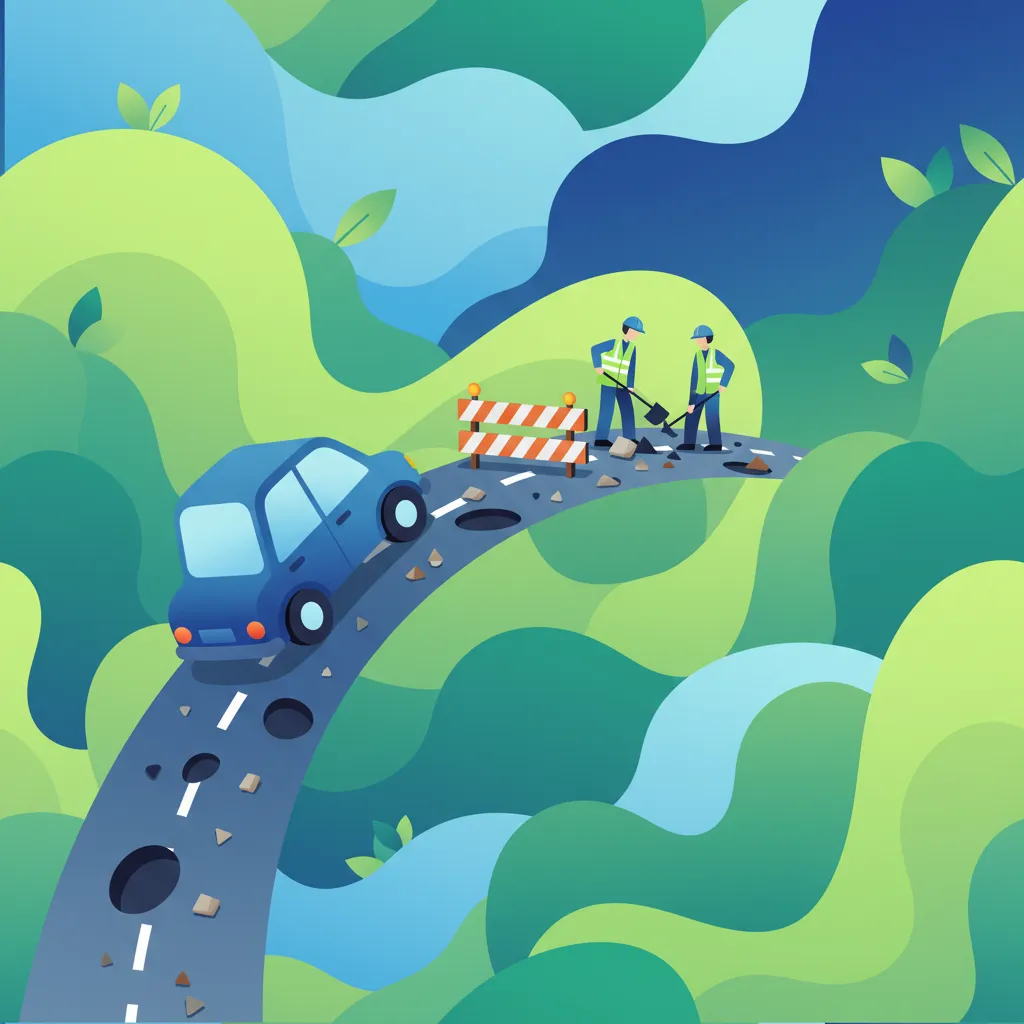
This lesson provides practical techniques for dealing with unavoidable road surface hazards. You will learn how to approach and cross obstacles like potholes, manhole covers, and patches of debris with minimal disruption to the motorcycle's stability. The content covers adjusting your speed, choosing the best line, and using your body to absorb impacts, helping you navigate the imperfections of real-world roads safely.
This lesson teaches the crucial skill of adapting your speed to the dynamic and often congested conditions of urban riding. You will learn to modulate your speed smoothly in response to traffic flow, pedestrian activity, and complex intersections to maintain safety and control. Techniques covered include using engine braking effectively, anticipating the actions of other road users, and selecting a speed that maximizes your reaction time in a high-density environment.
This lesson focuses on the specific techniques required for riding in busy city and town environments. You will learn how to maintain correct lane positioning amidst dense traffic, navigate complex intersections with multiple signals, and manage the motorcycle at low speeds in stop-and-go conditions. Emphasis is placed on heightened awareness of pedestrians, cyclists, and vehicles making sudden maneuvers, which are common hazards in urban settings.

This lesson teaches the physical skill of applying maximum braking force while maintaining control of the motorcycle. You will learn the technique of progressive braking to avoid locking the wheels and how to react if a skid does occur. Understanding how to manage both front and rear wheel skids and how an ABS system assists in these situations gives you the best possible chance of stopping safely and quickly in an emergency.
This lesson provides detailed guidance on navigating complex traffic points such as signalized intersections, multi-lane roundabouts, and pedestrian crossings. You will learn the correct procedures for entering and exiting roundabouts, the specific rules for yielding to pedestrians and cyclists at designated crossings, and how to interpret complex traffic light signals. These skills are vital for safe urban and suburban riding, where interaction with vulnerable road users is frequent.
This lesson teaches you how to analyze and assess risk when sharing the road with a variety of users, from large trucks to cyclists and pedestrians. You will learn to recognize common patterns of behavior and potential conflict points, allowing you to anticipate the actions of others before they create a dangerous situation. Developing this predictive mindset is a cornerstone of defensive riding and is key to staying safe in busy, complex traffic environments.
This lesson introduces the core concepts of defensive riding, which involves anticipating potential dangers and actively managing the space around your motorcycle. You will learn the technique of continuously identifying and maintaining an 'escape path'—an open space to move into if a threat suddenly appears. This proactive, forward-thinking approach dramatically reduces the chances of being trapped in a dangerous situation and is a key skill of advanced, safe riders.

This lesson focuses on developing the fine control needed for low-speed maneuvering, a common challenge in urban environments. It covers techniques for making tight turns, such as U-turns, by using a combination of clutch, throttle, and rear brake control. The goal is to build the rider's skill and confidence in handling the moped in parking lots, heavy traffic, and other confined areas.

This lesson breaks down the three pillars of motorcycle control: balance, throttle, and steering. You will learn how the motorcycle maintains stability at speed and how to control it at low speeds, the art of smooth and precise throttle application, and the essential technique of counter-steering to initiate turns. Understanding how these three inputs work together is the first step toward becoming a smooth, confident, and safe rider who is truly in control of their machine.
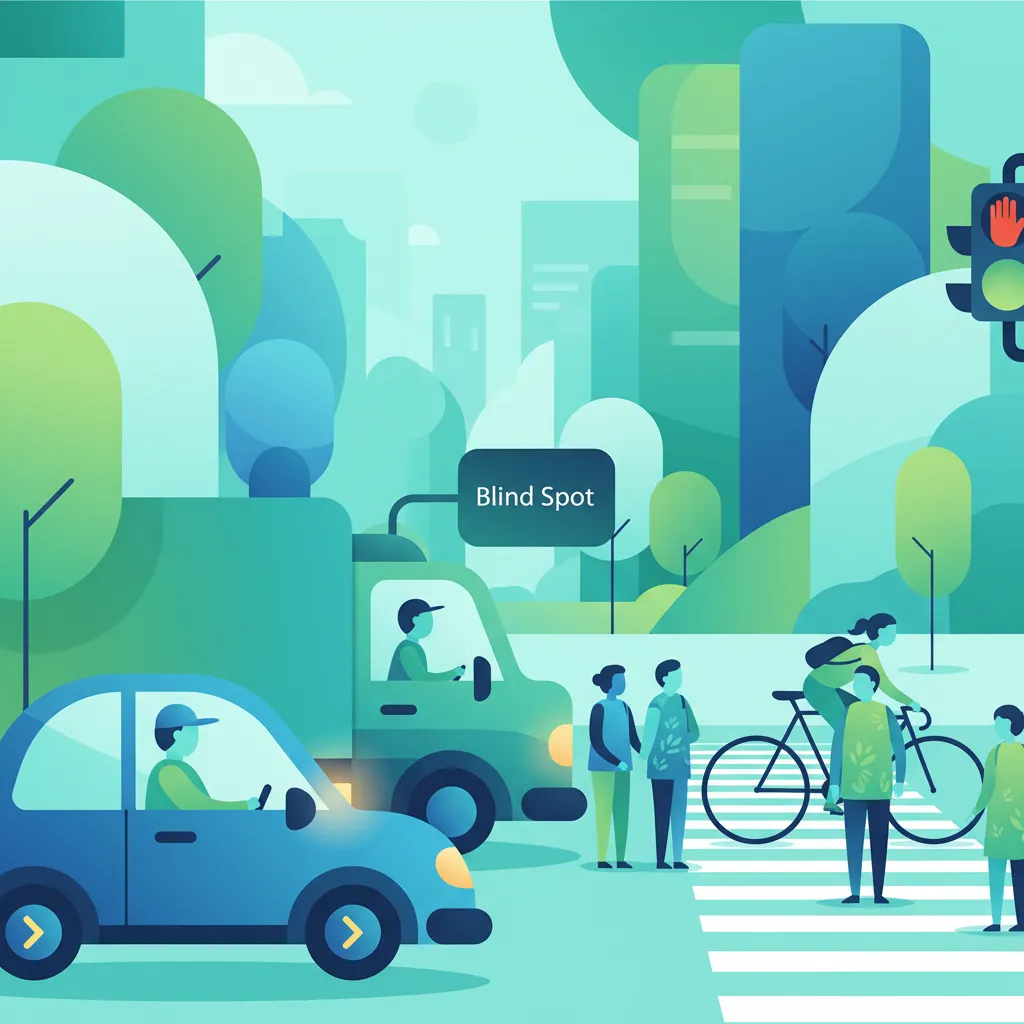
This lesson provides in-depth analysis of how to safely interact with the full spectrum of road users. You will learn about the specific characteristics of each, such as the large blind spots of trucks, the potential for sudden movements from cyclists, and the unpredictability of pedestrians. The content teaches strategies for communication, anticipation, and defensive positioning to ensure safe and respectful coexistence on the road for everyone.
Find clear answers to common questions learners have about Priority in Tunnel and Bridge Situations. Learn how the lesson is structured, which driving theory objectives it supports, and how it fits into the overall learning path of units and curriculum progression in Sweden. These explanations help you understand key concepts, lesson flow, and exam focused study goals.
While general priority rules often apply, tunnels demand extra vigilance. Reduced visibility and potential for limited manoeuvre space mean maintaining a safe distance and anticipating other vehicles is paramount. Always be aware of any specific signage that might indicate modified priority.
Strong crosswinds on bridges can significantly affect a motorcycle's stability. While not a direct priority rule change, the rider must be prepared for sudden shifts in balance. You may need to adjust your position in the lane or temporarily yield to maintain control, especially if wind gusts are severe.
Yes, absolutely. In tunnels, reduced visibility and potential hazards necessitate lower speeds. On bridges, especially with wind or varying road surfaces, adapting your speed to maintain stability and control is crucial. Always adhere to posted speed limits, but be prepared to ride even slower if conditions require it.
In tunnels, limited escape routes and potential for sudden braking by vehicles ahead make a safe following distance essential. On bridges, especially those with adverse weather, you may need more time to react or brake due to reduced traction or wind effects. Maintaining a larger gap provides a crucial safety buffer.
Yes, look out for warning signs indicating potential wind gusts, slippery surfaces (especially on bridges), or reduced visibility (common in tunnels). Speed limit signs and lane-specific instructions are also critical. Understanding these signs is key to navigating these situations safely and correctly answering exam questions.
Refine your study plan by exploring practice sets on specific Swedish traffic rules, road signs, or driving situations. Use the search to quickly access relevant questions and focus your preparation for the official driving licence theory exam.