
Correctly using your vehicle's lighting system is critical for visibility and communicating with other drivers on the road. This lesson explains when to use low beams (feux de croisement), high beams (feux de route), position lights, and specialized front and rear fog lights. You will learn the legal lighting configurations for driving in urban tunnels, rainy weather, dense fog, and dark rural roads.
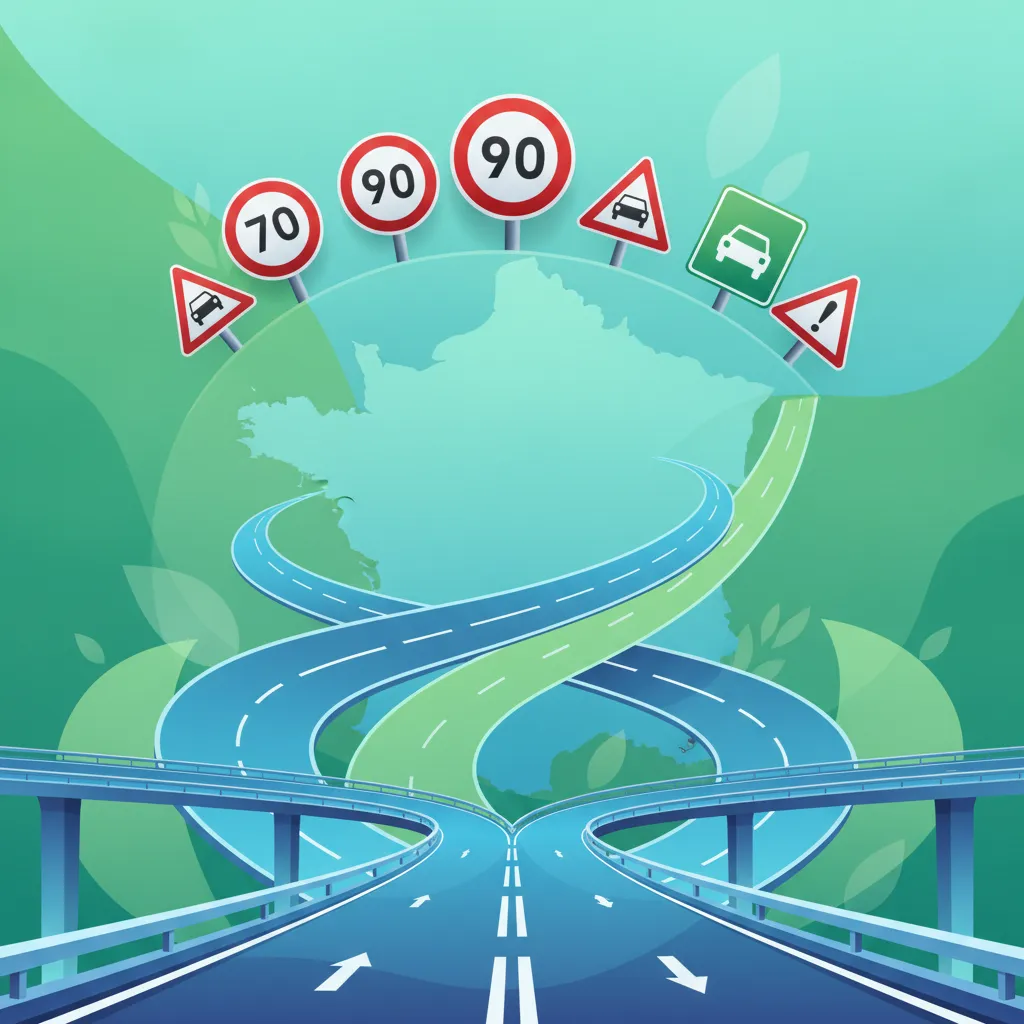
This comprehensive training course covers all official topics required for the French Category B driving theory exam, known as the Examen de l'Éthique Générale or ETG. Learners will explore road signs, speed limits, priority rules, and environmental zones as regulated by the Code de la route. It provides essential preparation for navigating French roads safely and successfully obtaining the driver's license.
The Vehicle Lights: Types and Appropriate Use lesson explains one of the most important subjects in the Vehicle Safety, Lights, Tyres, Loads and Passenger Safety unit of the French Category B Theory curriculum. It focuses on essential exam content that every learner in France needs for the French driving theory exam. Through clear explanations, practical examples, and real traffic situations, this lesson helps you understand how the rules work in practice and strengthens your overall exam preparation.
After completing this lesson, you will possess a comprehensive understanding of how to manage your vehicle's lighting system in compliance with the Code de la route. You will be able to instantly identify which lights to activate in scenarios such as heavy rain, dense fog, or when approaching unlit rural intersections, which are frequent topics in the official ETG theory exam.
Beyond passing the test, you will develop the practical foresight needed to communicate your intentions to other drivers and improve your own visibility. You will move past common mistakes, such as using high beams in built-up areas or forgetting to dim lights when following other vehicles, leading to safer and more considerate driving habits.

This lesson is essential for all Category B learners preparing for the French theory exam. It is especially helpful for those who struggle with situational awareness regarding visibility and light usage on rural roads versus urban areas.
View all lesson topicsFind answers to common questions about the Vehicle Lights: Types and Appropriate Use lesson, including how it connects to the Vehicle Safety, Lights, Tyres, Loads and Passenger Safety unit and the full French Category B Theory curriculum. Learn how long the lesson takes, what topics it covers, and how it supports your preparation for the driving theory exam in France.
The Vehicle Lights: Types and Appropriate Use lesson is designed to make complex driving theory topics easier to understand. Content is written in a clear and practical way, aligned with exam expectations in France, and supported by examples that reflect real traffic situations. Whether you are reviewing or starting from scratch, this lesson helps you study efficiently and make steady progress inside the French Category B Theory curriculum.
Explore additional units that make up the complete French Category B Theory curriculum. Each unit focuses on important driving theory subjects, helping learners in France build strong exam knowledge and improve understanding of rules, signs, and traffic behaviour.
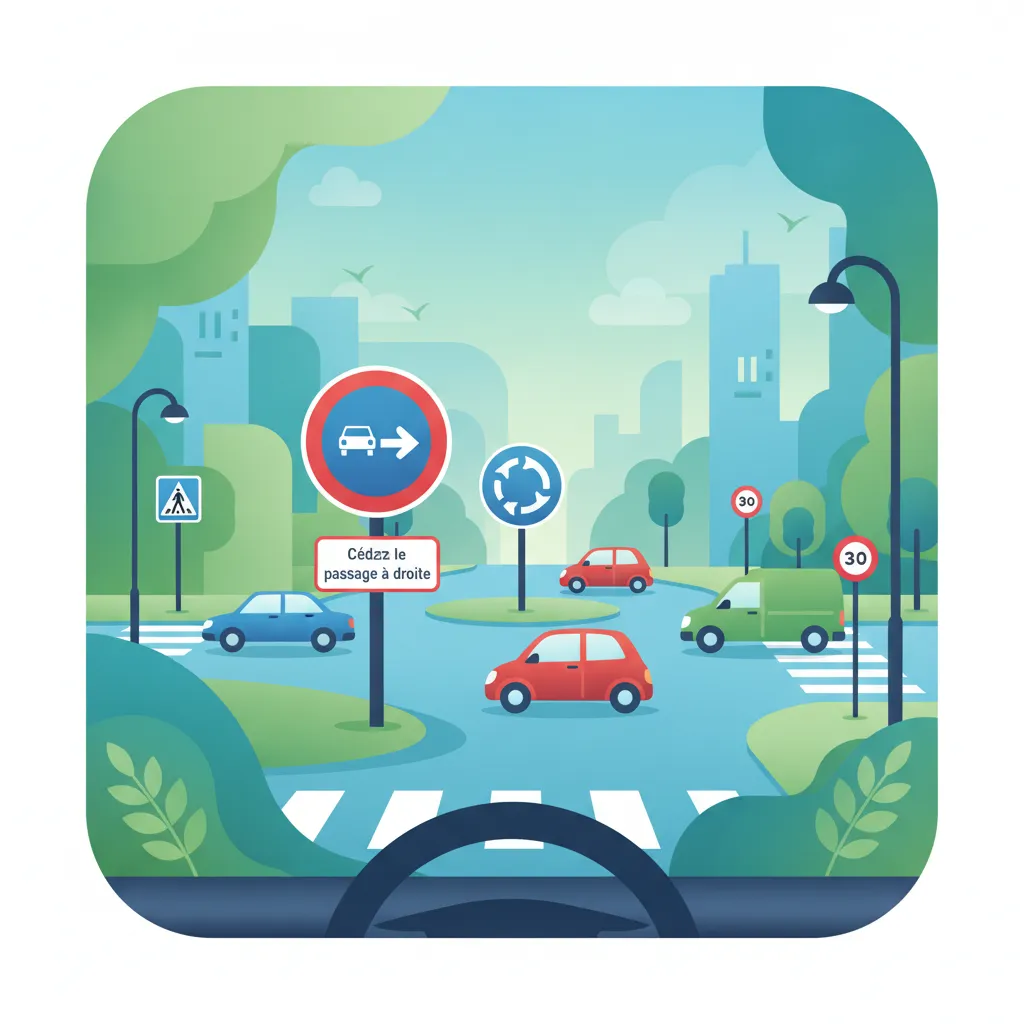
Master the fundamental traffic laws and priority rules of the French Code de la route. This unit provides the essential knowledge required to navigate intersections and signs safely.
0 lessons
Get started with the French Category B licence. Learn the essential legal obligations, administrative processes via ANTS, and your responsibilities as a new driver.
5 lessons
Learn the essential language of the road by mastering French road signs and traffic signals, a key requirement for safety and success in the ETG theory exam.
5 lessons
Learn the essential French speed limits for different road types, weather conditions, and probationary license holders to pass your Category B theory exam with confidence.
0 lessons
Master the essential French road markings, lane discipline, and surface indicators required to navigate safely and pass your Category B theory exam.
5 lessons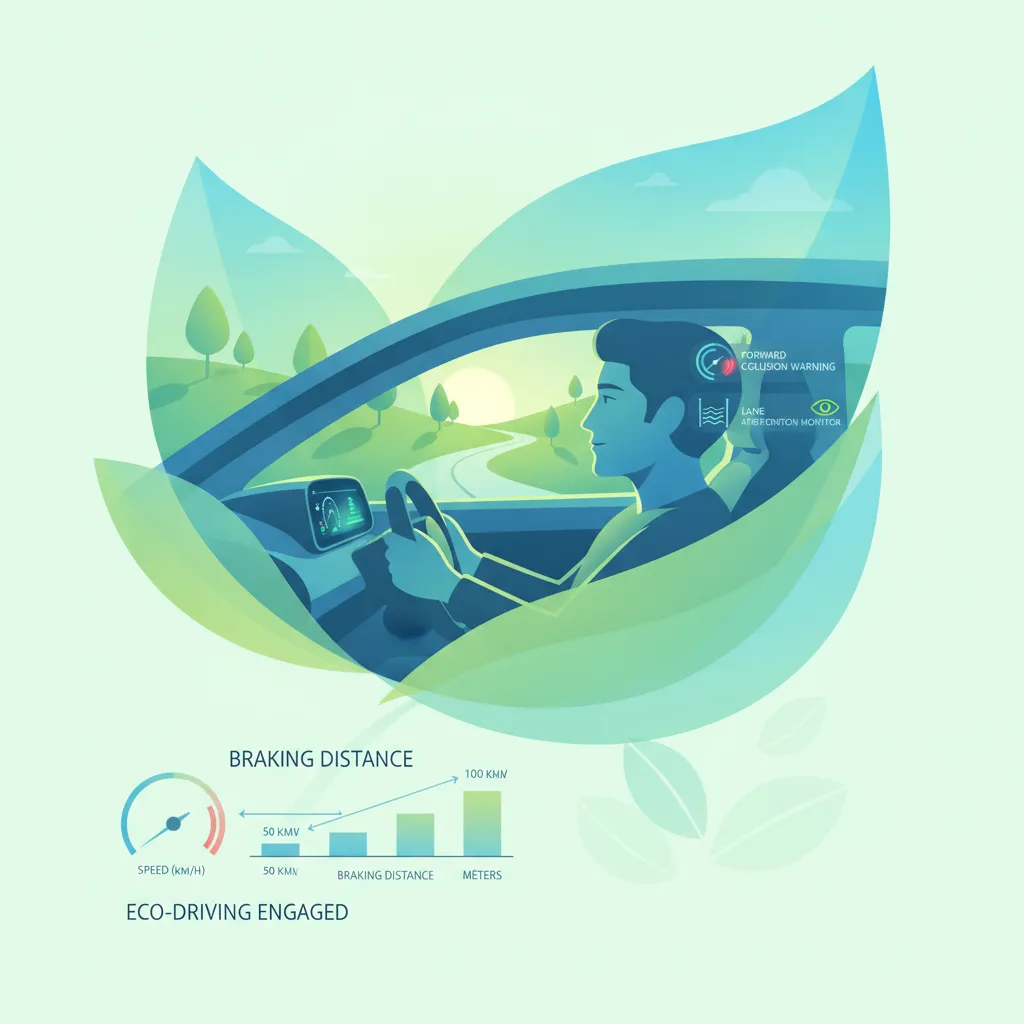
Learn the mechanics of vehicle control, safety systems, and eco-driving practices essential for passing the French driving theory exam and becoming a responsible driver.
0 lessons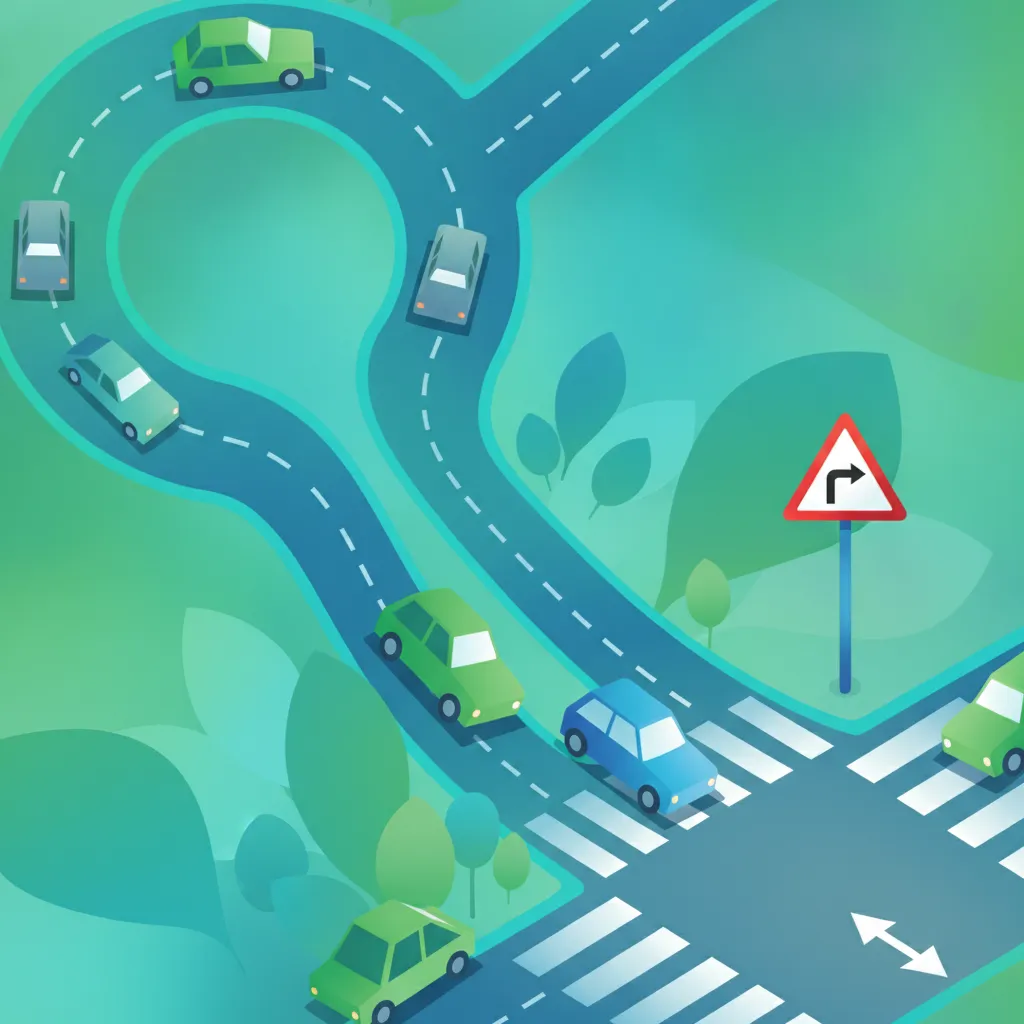
Master the critical French priority rules, roundabout navigation, and intersection management required to pass the Category B driving theory exam and drive safely in France.
5 lessons
Learn the administrative steps to secure your French Category B driving licence, including NEPH registration, using the ANTS portal, and understanding the points-based licence system.
0 lessons
Learn the essential French road safety rules for protecting vulnerable users, including cyclists, pedestrians, and public transport, to pass your Category B theory exam.
5 lessons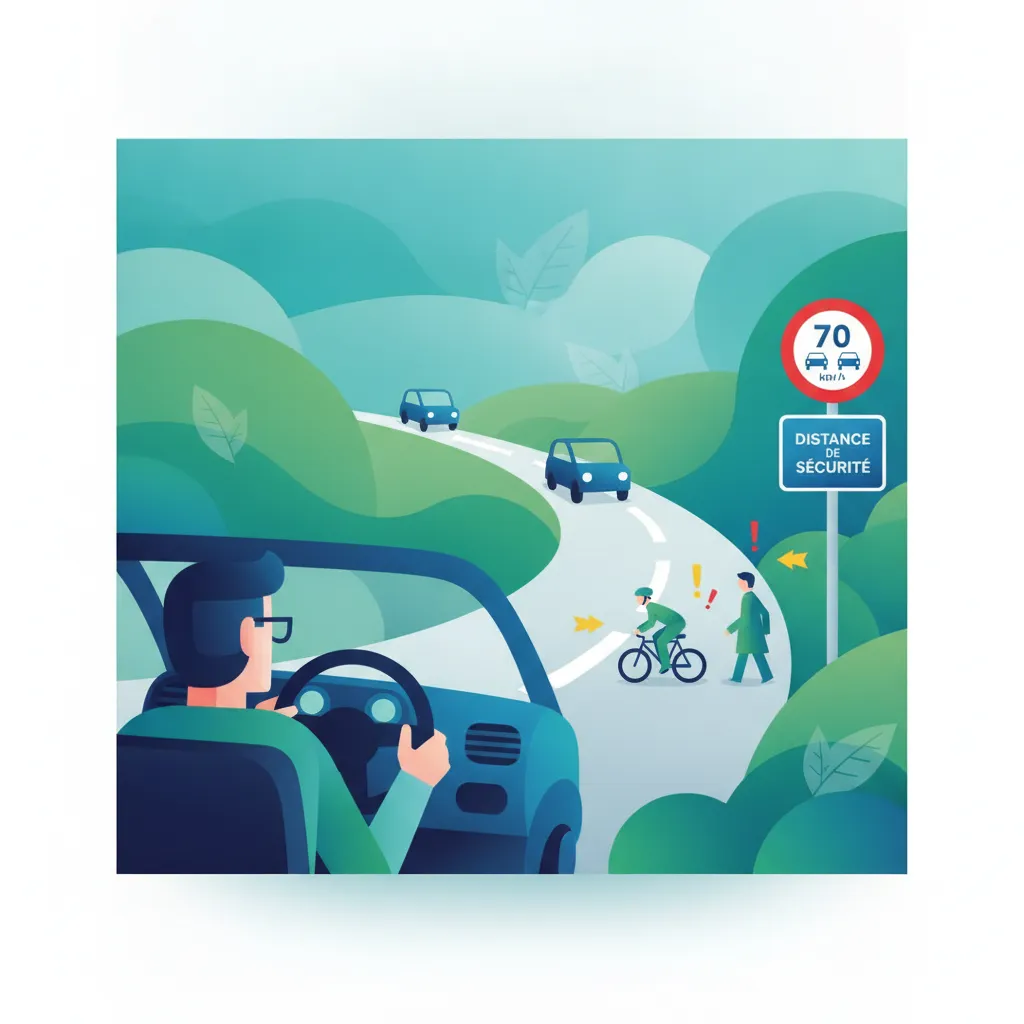
Master the essential rules for speed management, safe following distances, and proactive hazard anticipation required for the French Category B theory exam.
5 lessons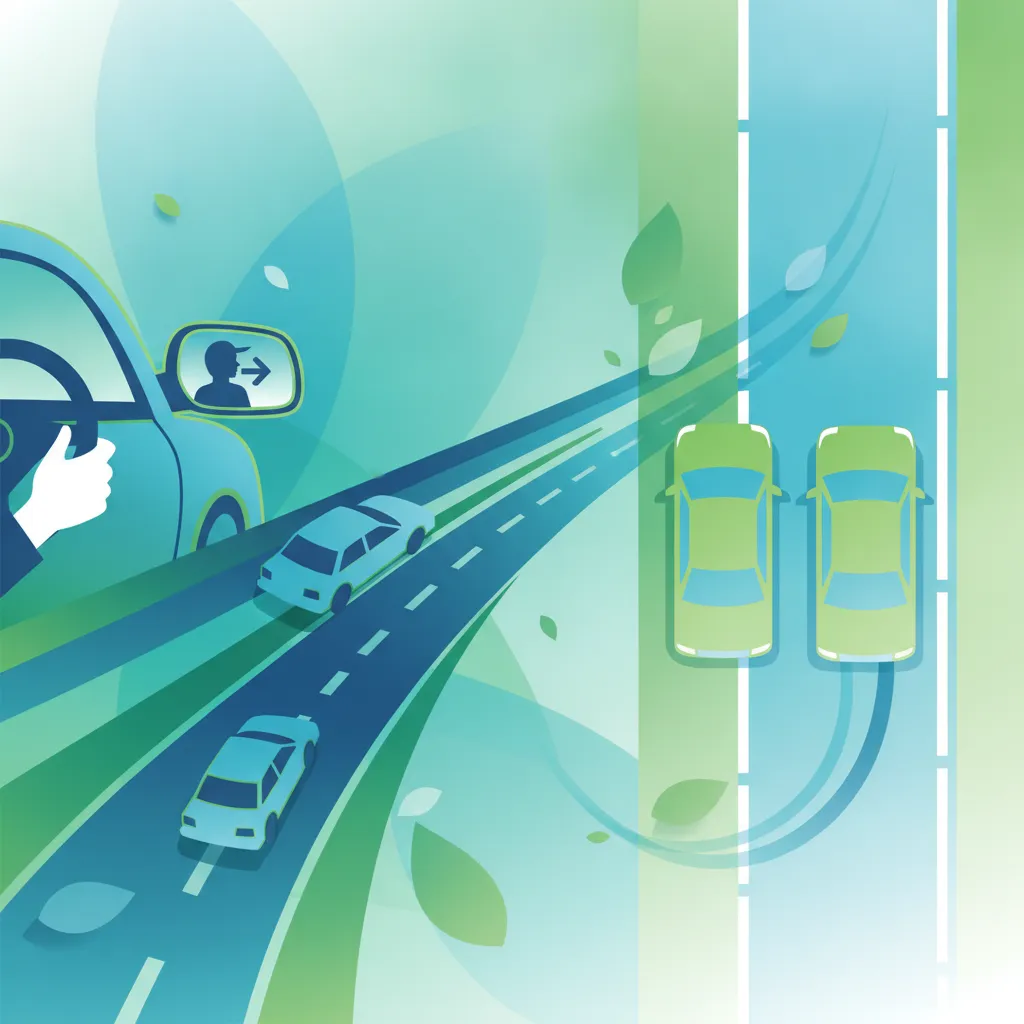
Master the essential techniques for parking, overtaking, reversing, and merging safely. This unit ensures you are exam-ready and prepared for all real-world road manoeuvres.
5 lessons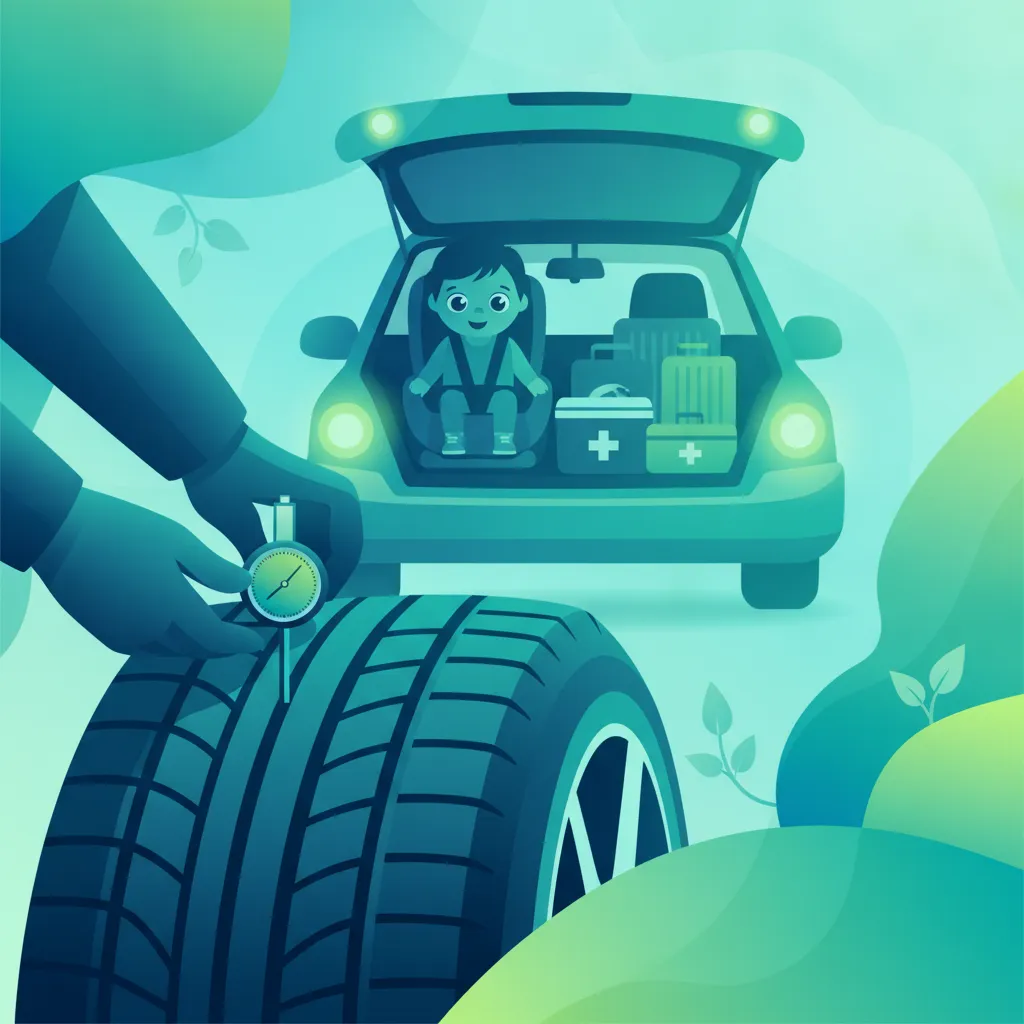
Learn the vital technical rules for vehicle maintenance, lighting, tyre safety, and passenger protection required to pass the French Category B theory exam.
4 lessons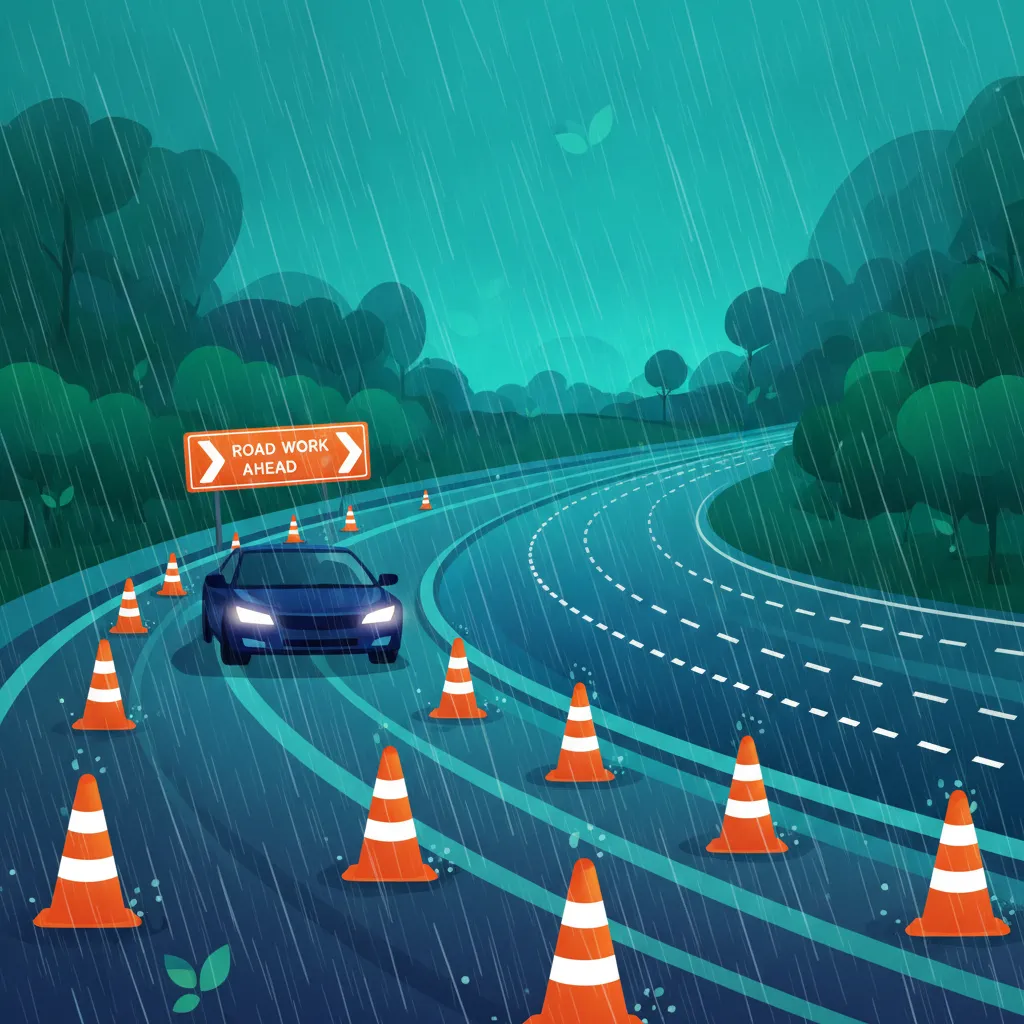
Gain essential skills for driving in difficult environments, including bad weather, motorways, night driving, and roadwork zones, ensuring you are ready for the French theory exam.
5 lessons
Learn the vital laws regarding impairment, fatigue, and distractions while understanding the French penalty system and emergency protocols for the Category B theory exam.
5 lessonsReady to focus your study? Use the practice search to find exactly the French driving theory questions you need for the Code de la route and permis de conduire ETG. Refine your knowledge on specific topics or challenging rules to boost your confidence and exam readiness.