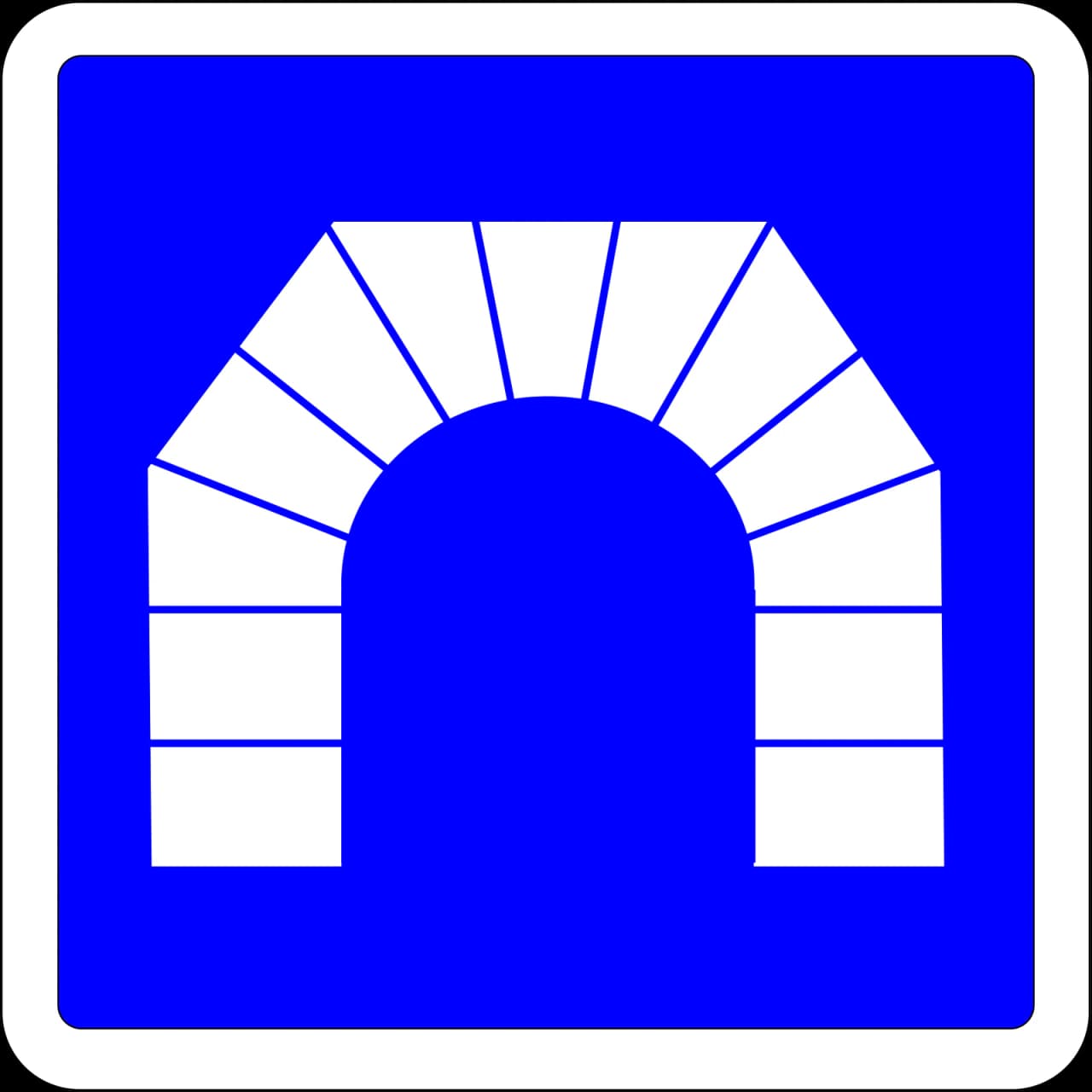
The C26a road sign is an information sign used in France to alert drivers to an escape lane located on the right side of the road. These signs are crucial for providing advance notice of facilities or route conditions, helping you plan your driving in advance. Understanding this sign is vital for maintaining safe speeds and making timely decisions, especially on high-speed roads like motorways where such lanes are often found.
This sign, C26a, provides crucial information about an escape lane on your right, helping you plan ahead and avoid sudden manoeuvres. Mastering road sign meaning and traffic sign explanation is key for your theory test revision.
Information signs make the road environment easier to interpret before a driver has to act. This sign may identify a one-way street, lane arrangement, pedestrian crossing, toll facility, tunnel, motorway, expressway, escape lane, or route condition. It should be read with markings, signals, and regulatory signs before changing speed, lane, or route. Official French sign code: C26a.
"Escape lane on right" gives official information about road layout, direction, lanes, facilities, restrictions, tolls, tunnels, motorways, or traffic conditions. It helps drivers plan early and avoid sudden manoeuvres.
Get clear, practical answers to the most common questions about the C26a - Escape lane on right road sign. Learn how the sign works, what rules it represents, and how it affects real driving situations. This FAQ strengthens your understanding and supports accurate decision making for the French driving theory exam in France.
The C26a sign's purpose is to inform drivers that an escape lane is available on their right. This lane is a safety feature, often used on steep descents or high-speed roads, to help vehicles that have lost braking control to stop safely.
When you see the C26a sign, you should acknowledge that an escape lane is approaching on your right. It's an informational sign, so it doesn't require an immediate action like braking or changing lanes unless you are experiencing a loss of control. However, it serves as a reminder to be aware of your surroundings and the road ahead, especially if you are driving a heavy vehicle or on a challenging gradient.
Yes, you should not treat the C26a sign as permission to ignore other rules. Specifically, do not make sudden lane changes towards the escape lane if it's not an emergency, and never use the escape lane unless absolutely necessary due to a vehicle emergency like brake failure. Also, do not stop unsafely on the main carriageway to study the sign.
An escape lane is a designated area, often a long, uphill, or gravel-filled track, situated off the main road. Its primary function is to provide a safe place for vehicles to slow down or stop when their brakes have failed, preventing them from continuing onto the main traffic route and potentially causing a serious accident.
Yes, the C26a sign is an information sign and may appear alongside other regulatory, warning, or mandatory signs. Always obey any accompanying signs, such as speed limit signs, priority signs, or lane closure warnings, as they might impose stricter requirements than the informational nature of the C26a sign itself.
A clear reference image of the C26a - Escape lane on right road sign used in France.
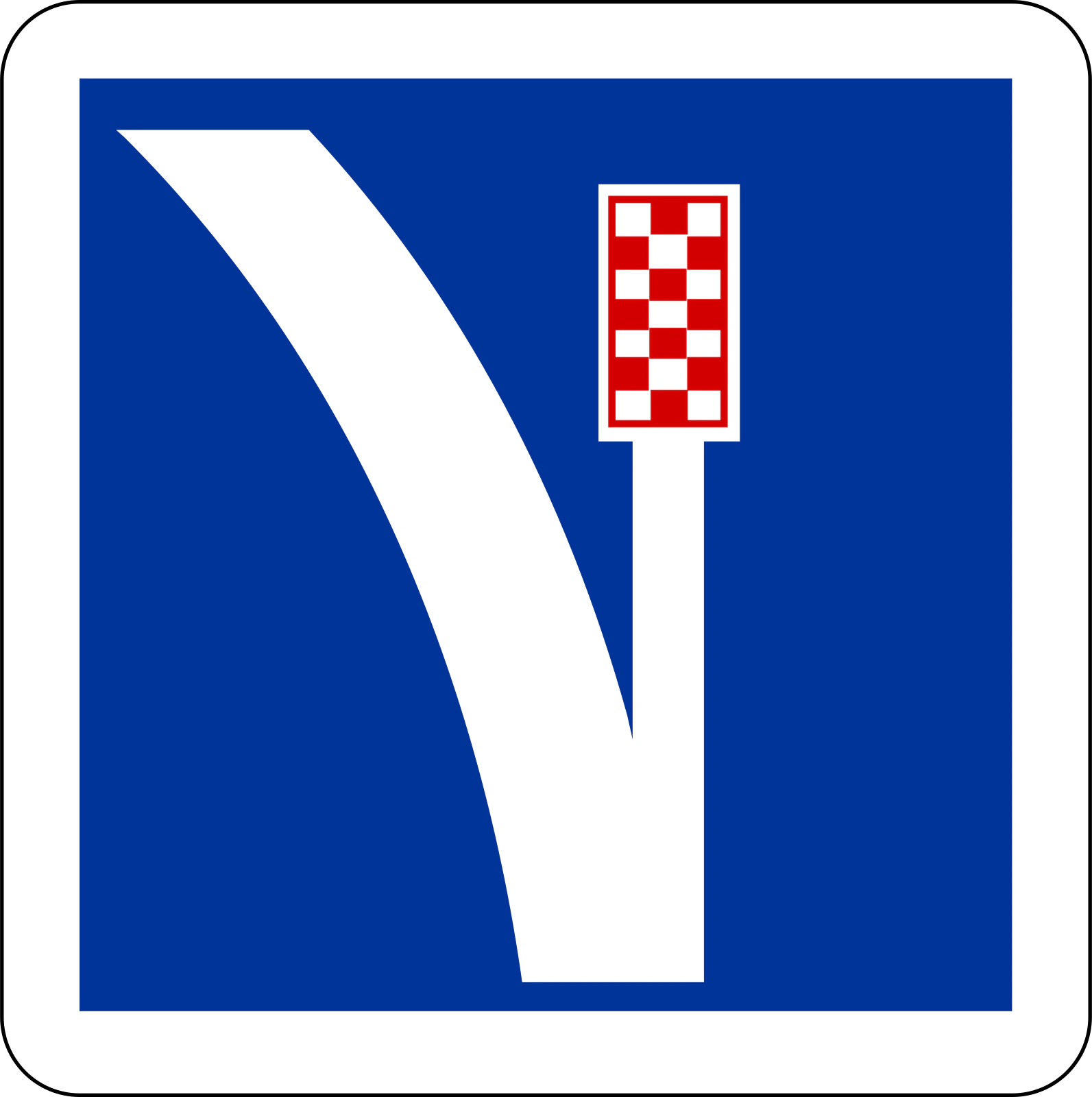
The C26a - Escape lane on right road sign may also be known by these alternative names or terms.
The C26a - Escape lane on right road sign is part of the France Information Signs category, which groups together signs with similar rules and functions.
Master French traffic signs by comparing this 'Escape lane on right' (C26a) sign with similar ones. This targeted traffic sign comparison improves recognition and reduces errors, crucial for your theory test revision.
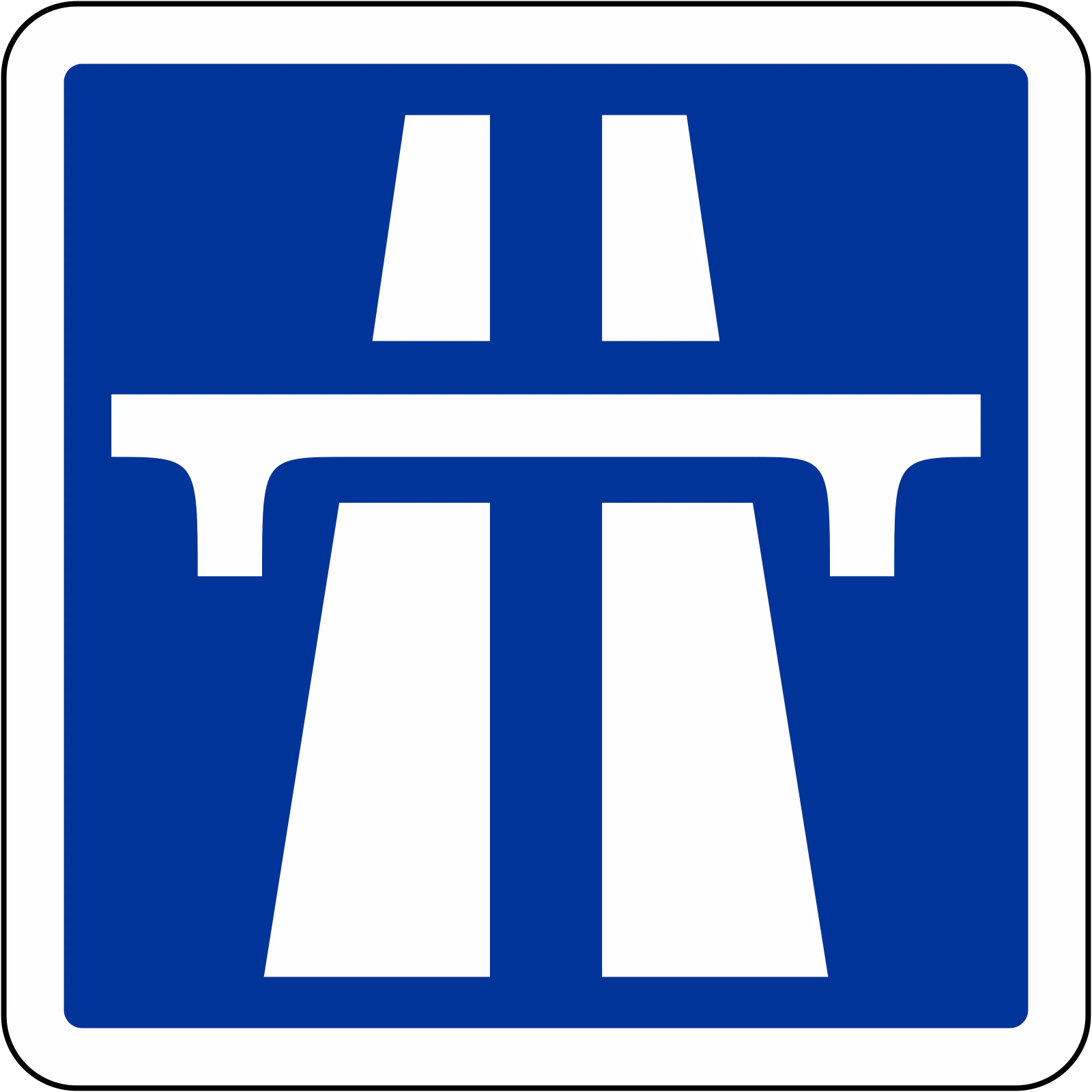
The Autoroute-F sign indicates you are on or approaching a French motorway.
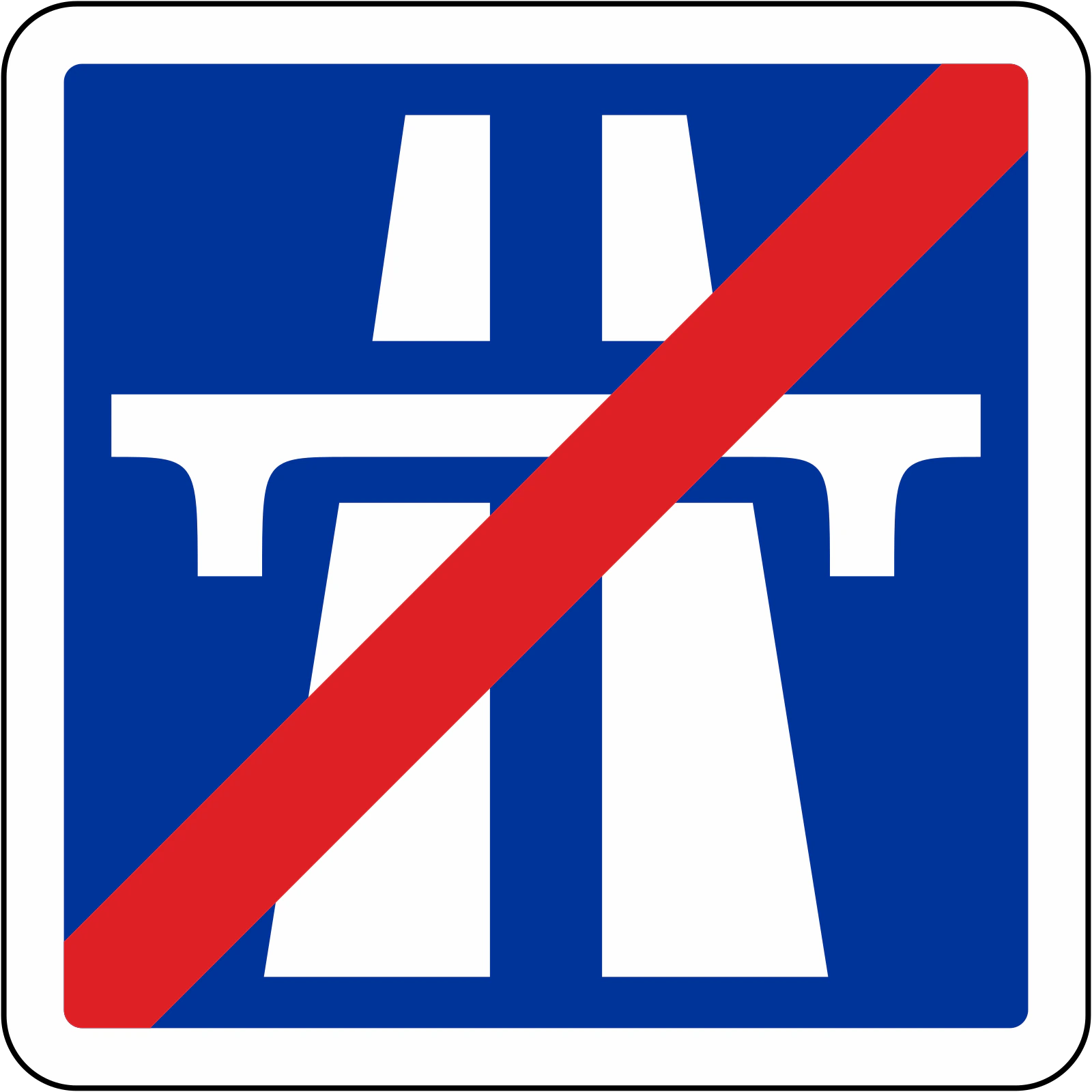
Prepare for the 'End of Motorway' sign to safely transition off the autoroute.
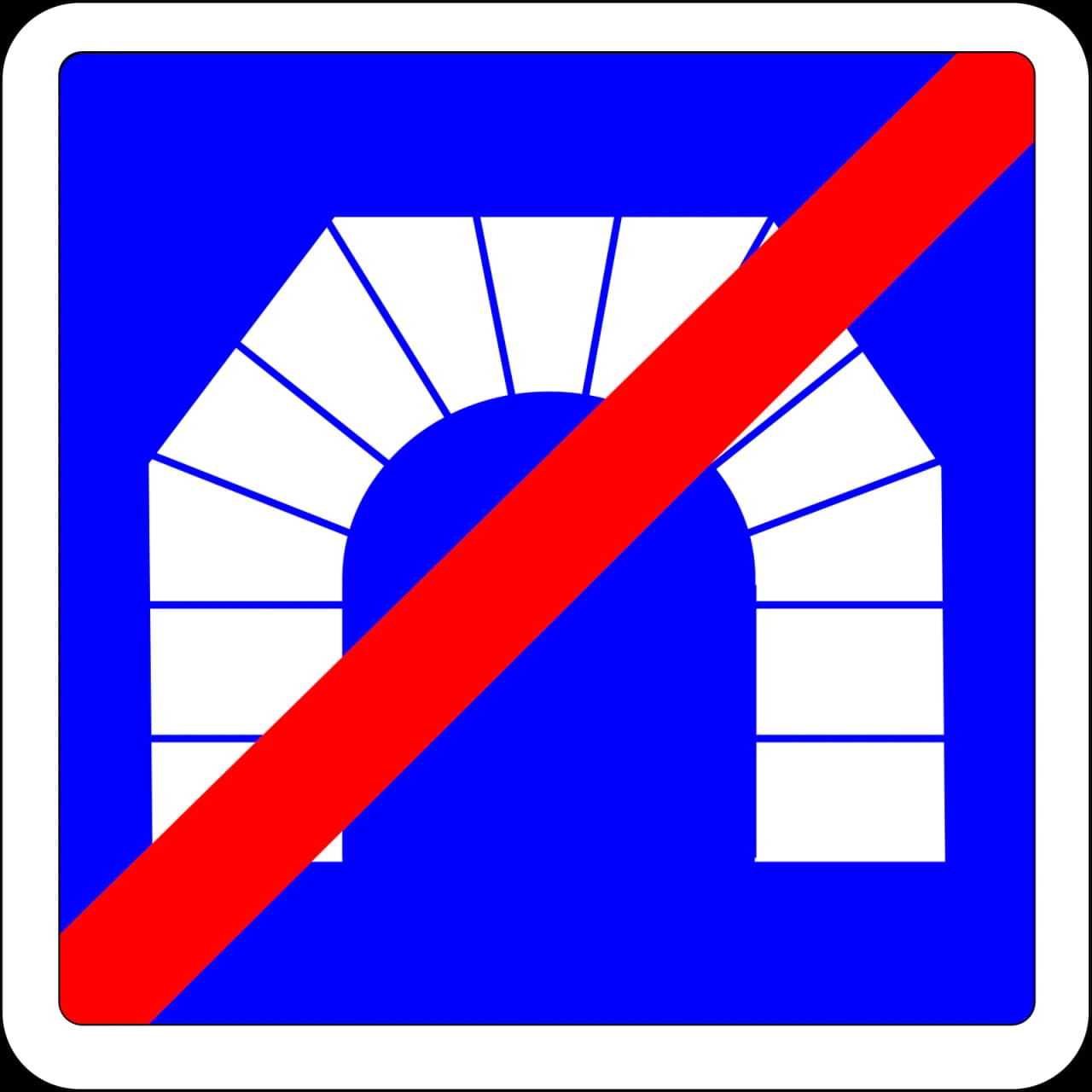
The C112 'End of Tunnel' sign informs you about upcoming road conditions or layout changes.
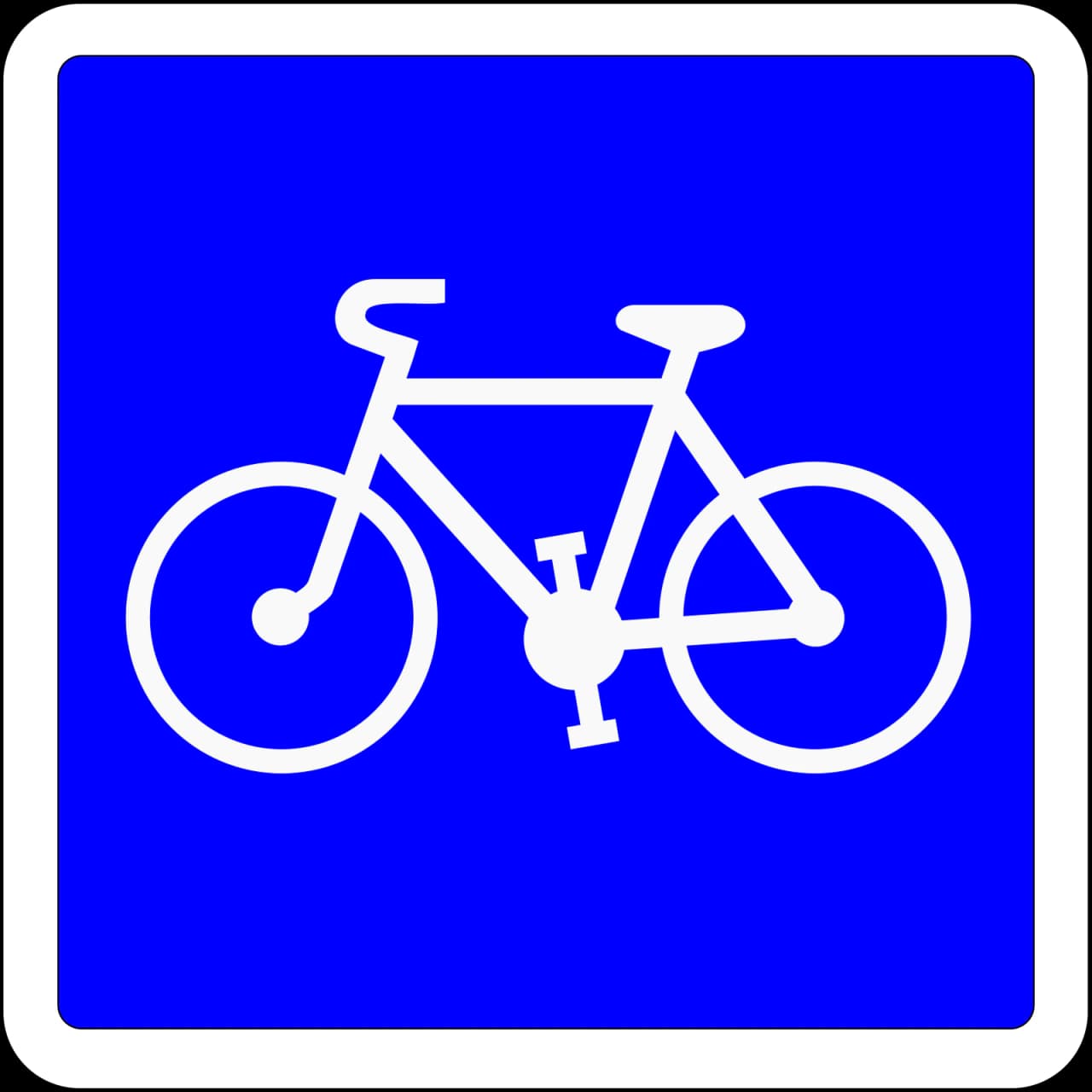
The C113 Cycle Route sign informs you about road layout and facilities ahead.
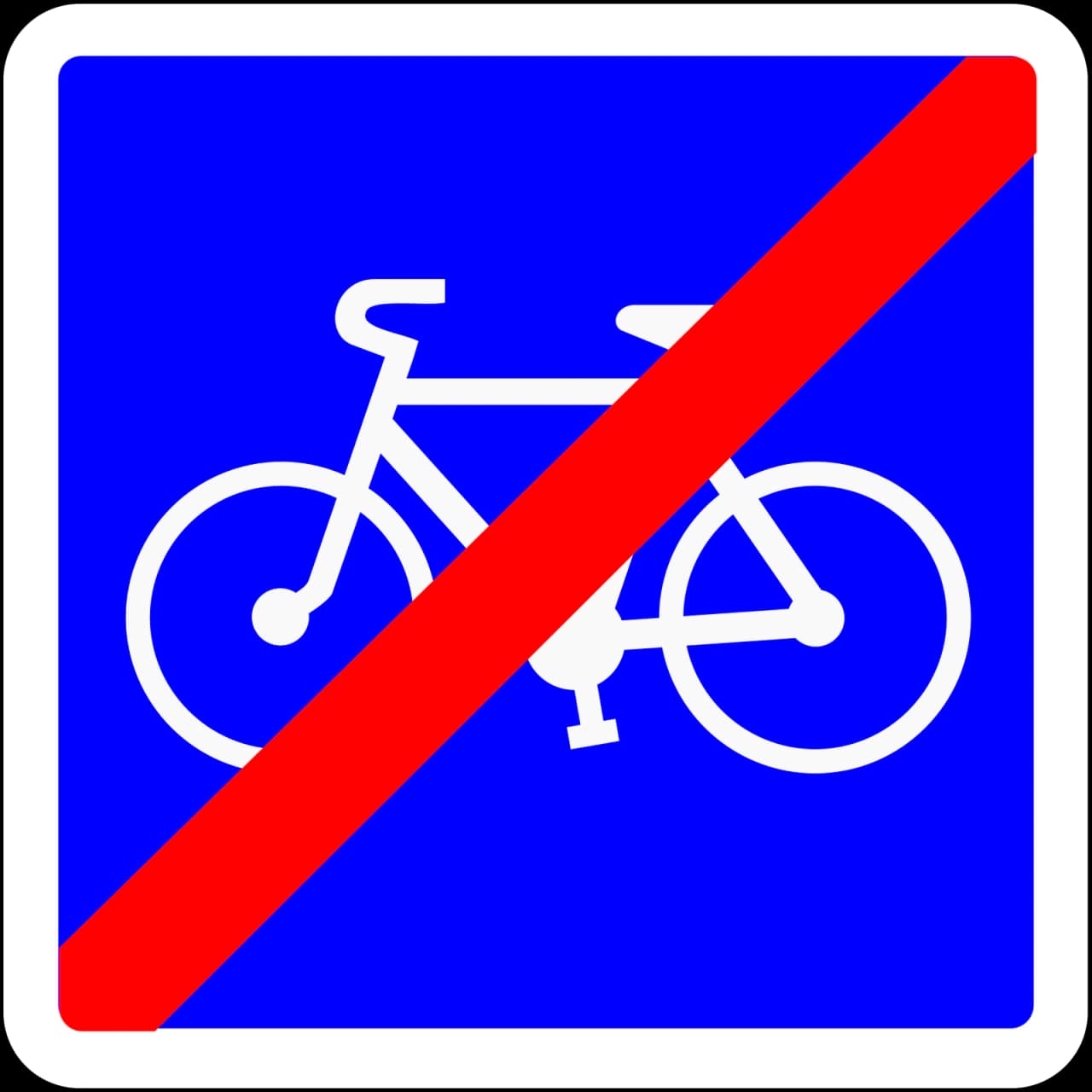
The C114 'End of Cycle Route' sign signals the end of a designated cycle path.
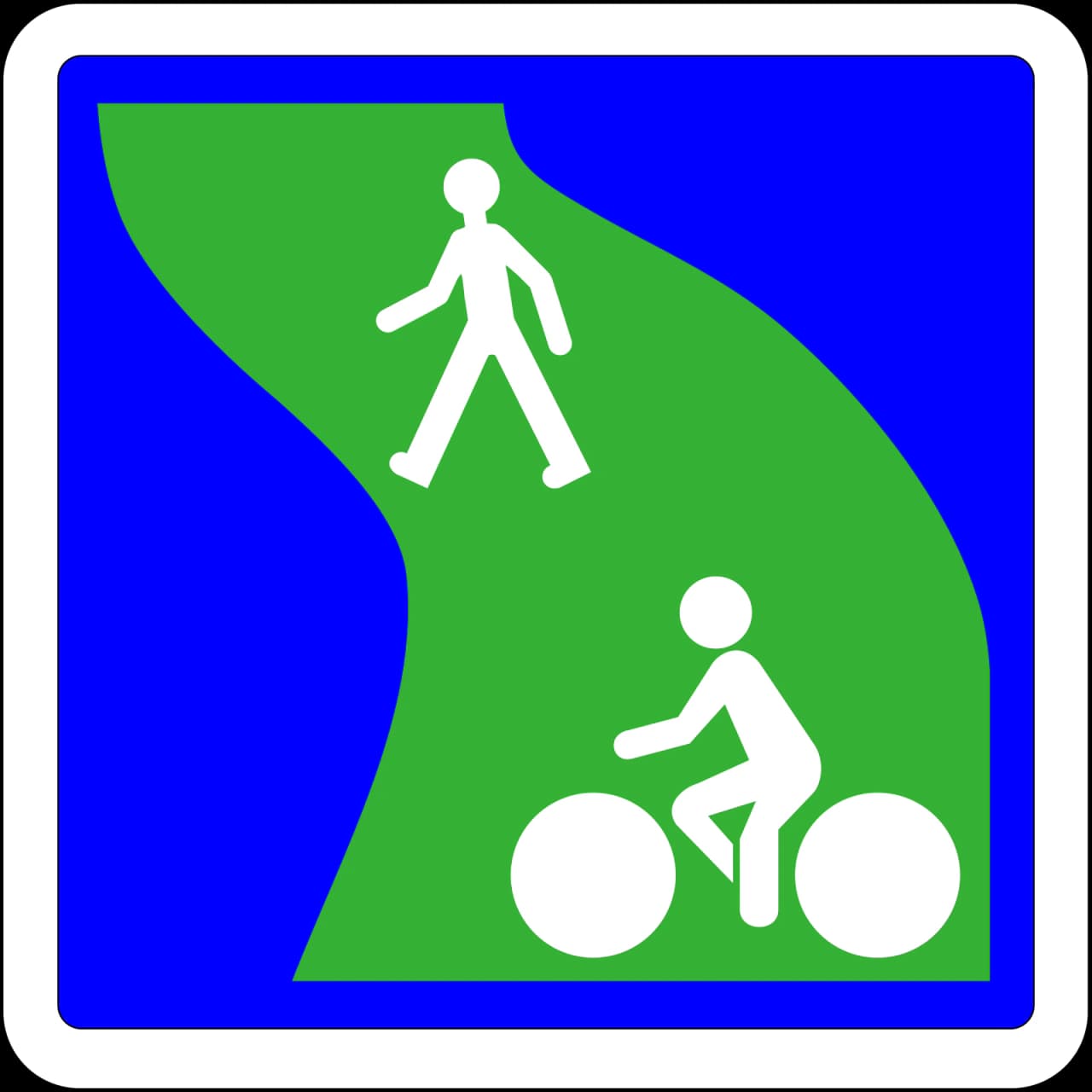
The C115 sign indicates a dedicated route for pedestrians and cyclists.

The C116 sign marks the end of a dedicated pedestrian and cycle route.
Now that you've reviewed the full list of French road signs, enhance your understanding. Explore signs grouped by specific categories for deeper insights, test your recognition with practice questions, and solidify your knowledge for the Code de la route exam.
Browse All French Road Signs