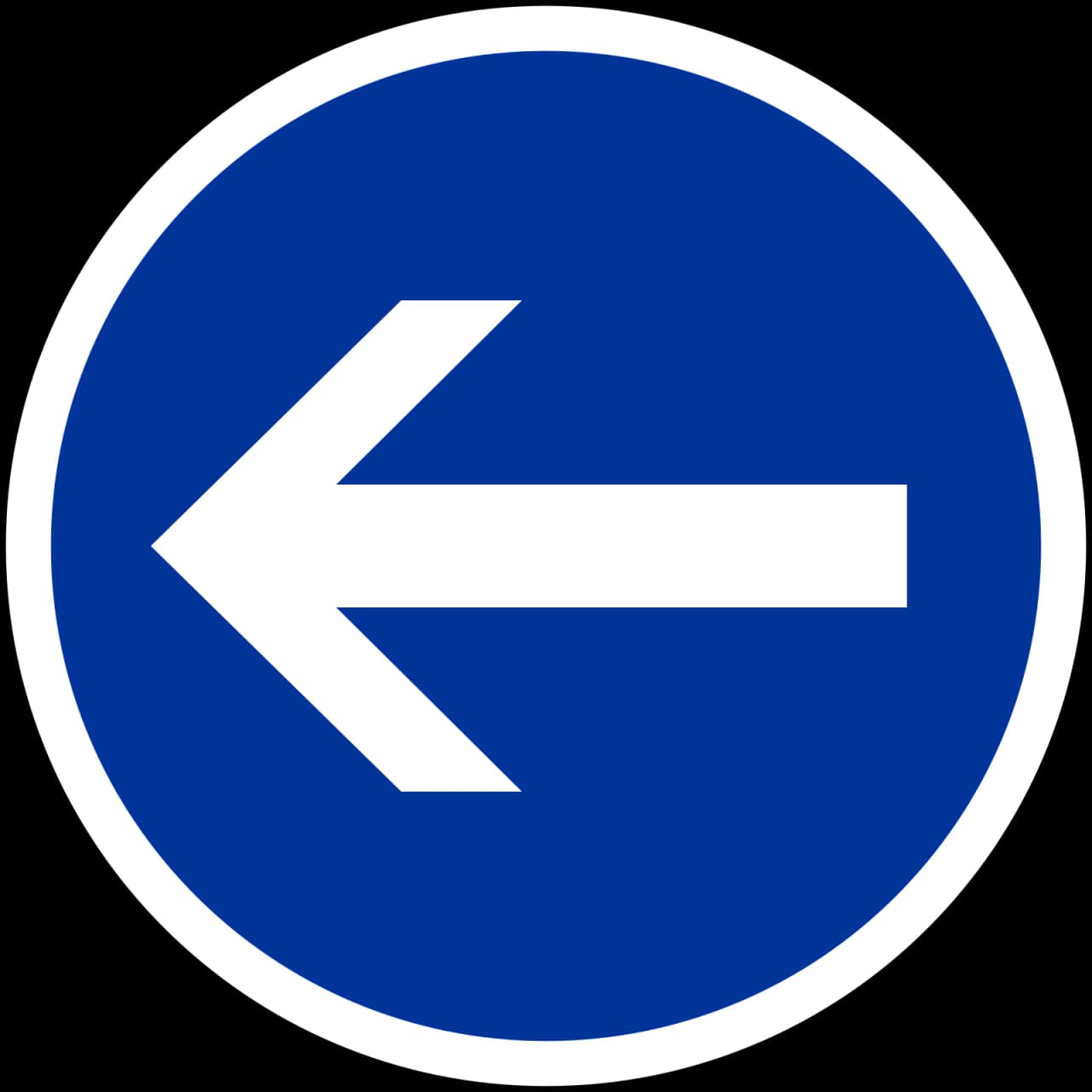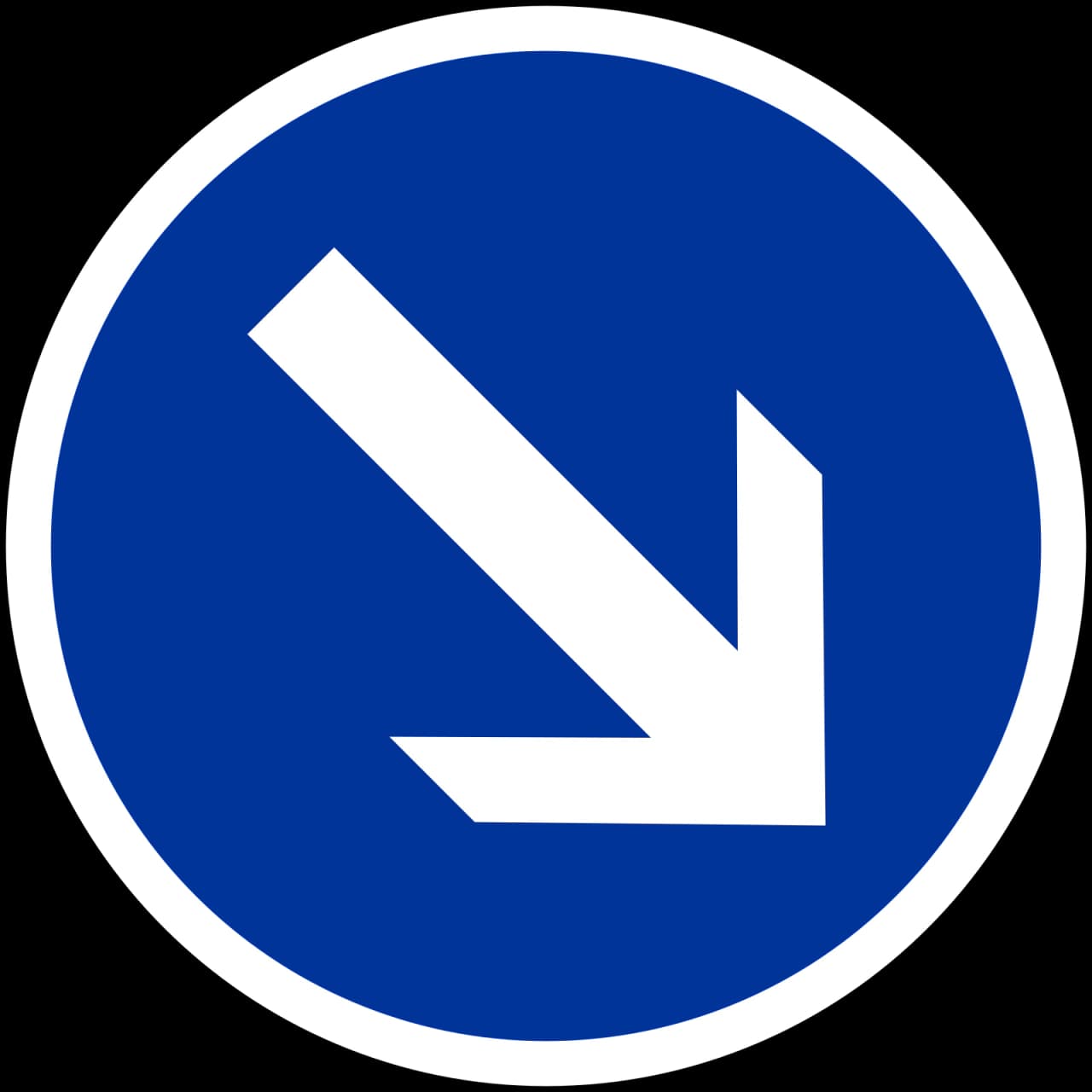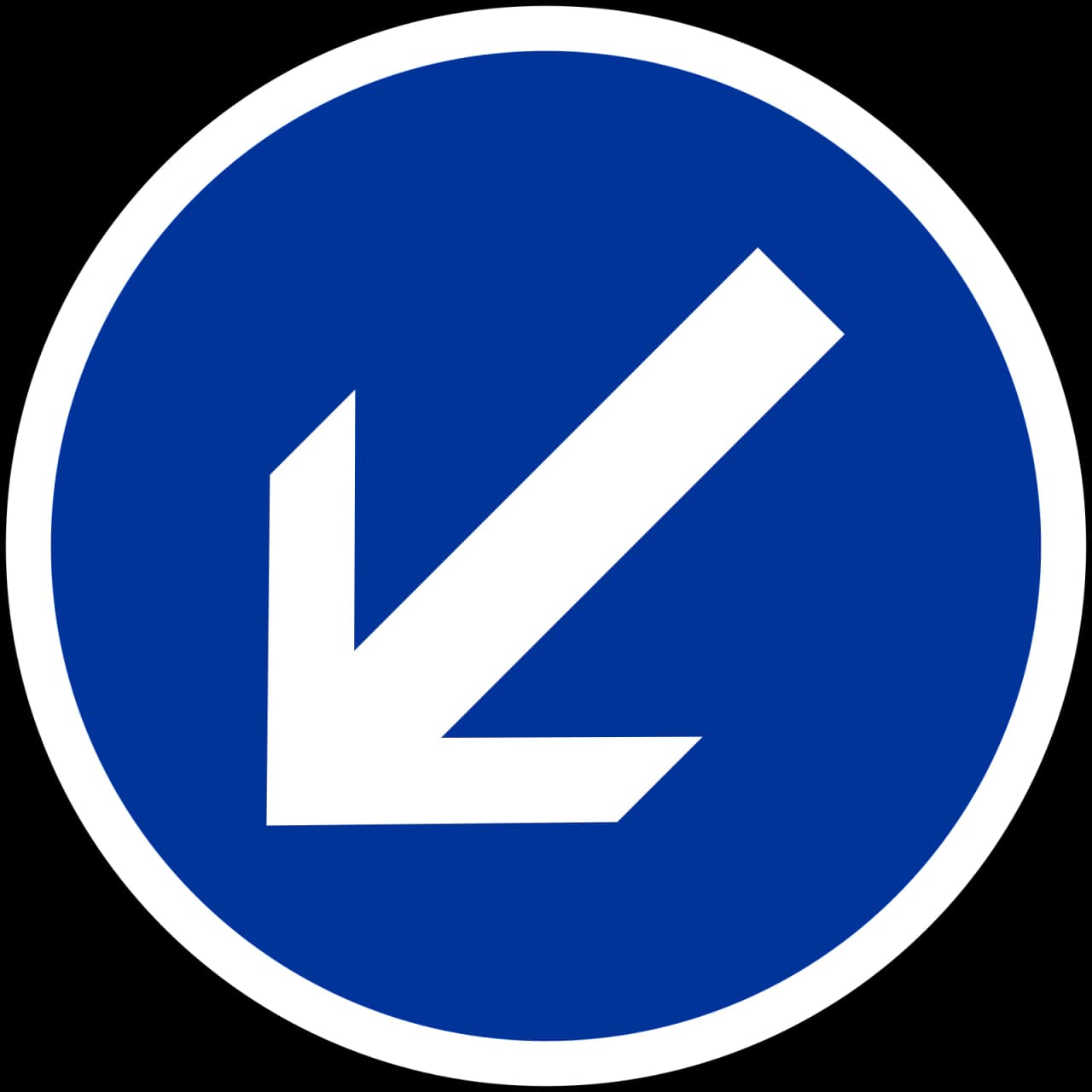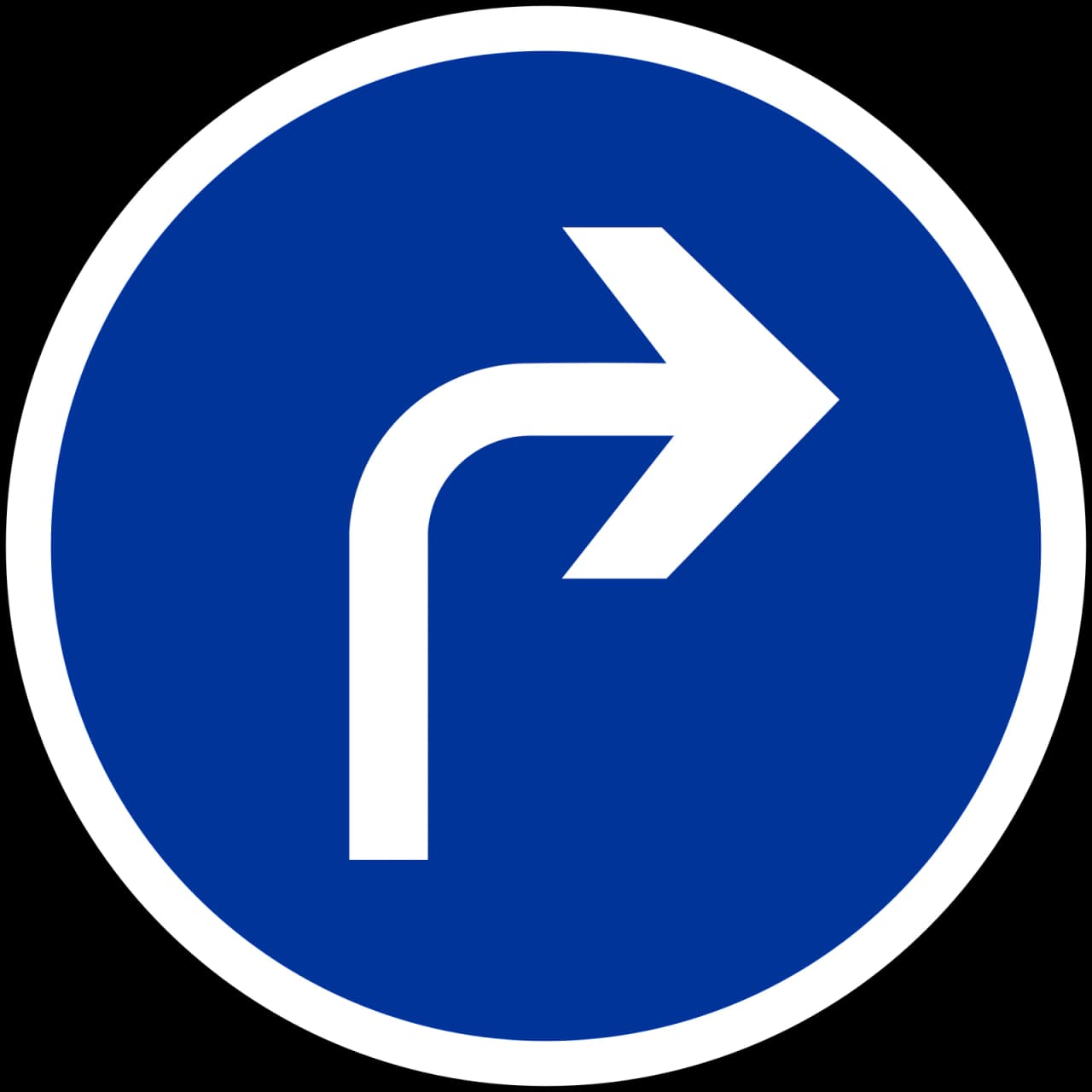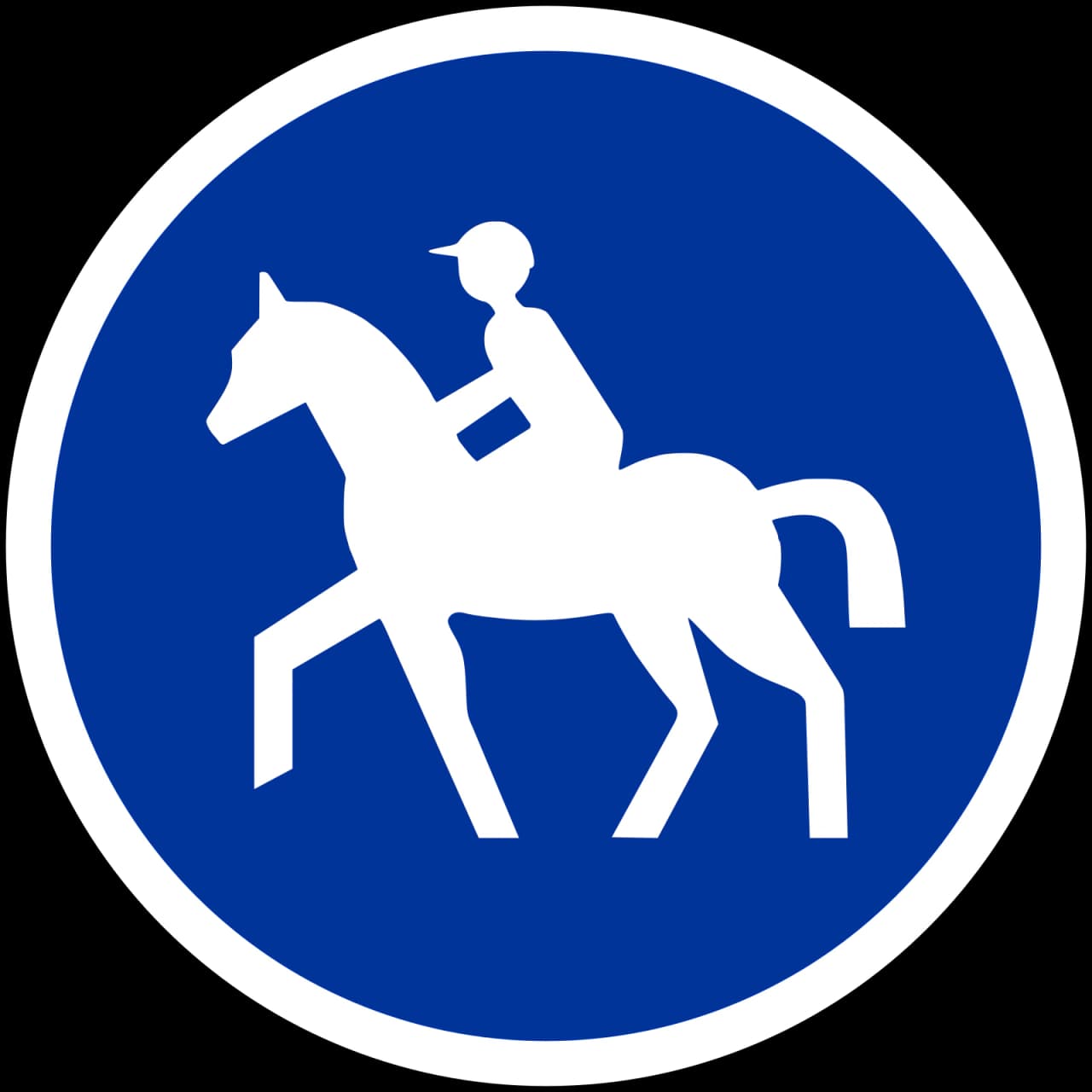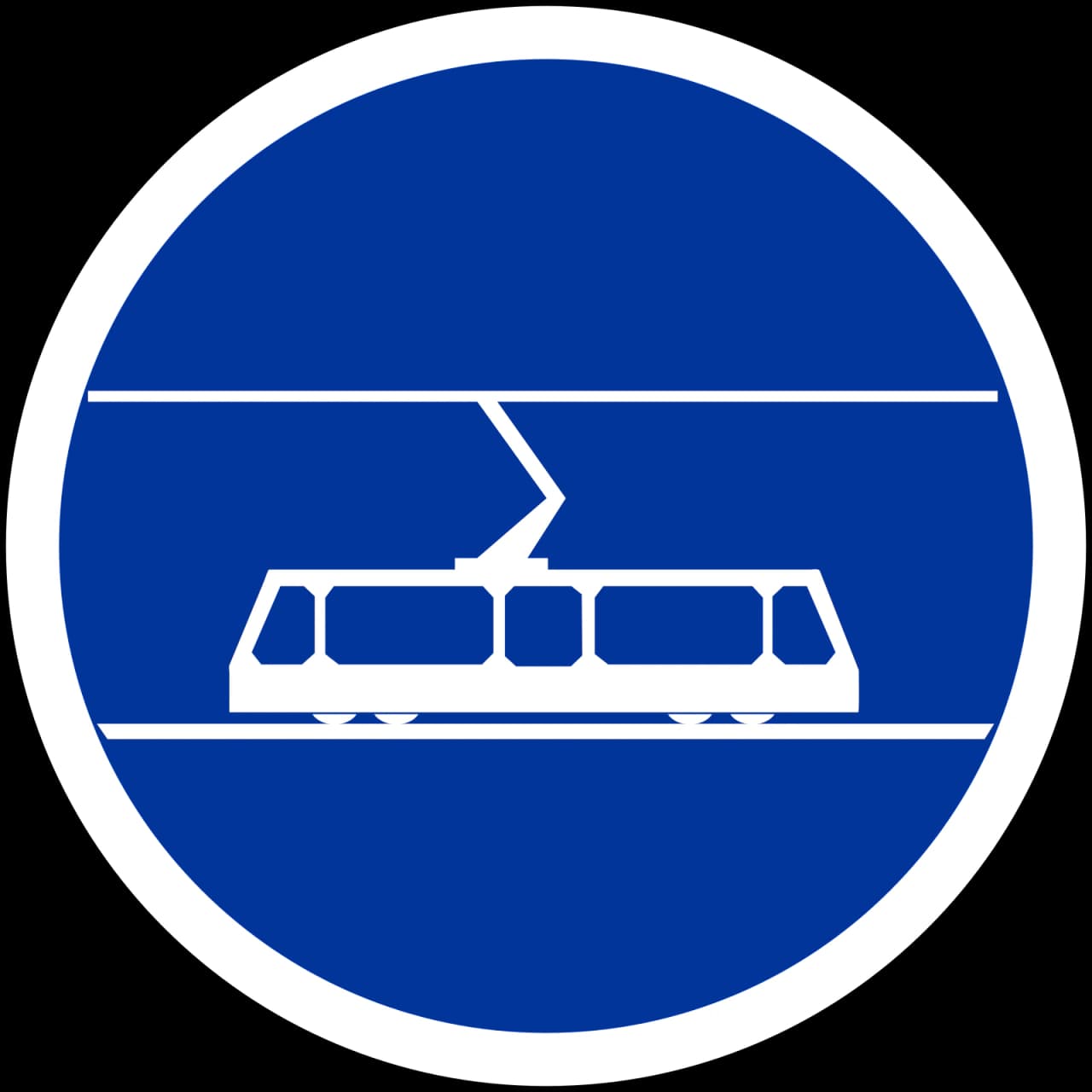
This group of signs gives you direct instructions that you must follow on the road; they are not optional suggestions. Understanding these mandatory signs is crucial for navigating traffic safely and for passing your theory driving test. We will cover what these signs mean, where you'll see them, and how to react correctly to comply with the law.
An explanation of how France Mandatory Signs road signs apply in real traffic situations in France. Learn where these signs are typically placed, what drivers are expected to do when they appear, and how correct reactions help you stay safe, avoid fines, and succeed in your French driving theory exam.
Mandatory signs are encountered in various traffic situations to enforce specific actions or usage. You'll see signs like 'Turn right' (B21-1) or 'Ahead only' (B21b) at junctions and complex intersections to dictate the permissible direction of travel. Signs such as 'Bicycle lane' (B22a), 'Pedestrian lane' (B22b), or 'Bus lane' (B27a) are found on roads where specific lanes are reserved for particular users, requiring other vehicles to avoid them or use different lanes. 'Minimum speed' (B25) signs are often seen on motorways or dual carriageways where slower traffic might impede faster flow, and their end is indicated by B43. 'Snow chains compulsory' (B26) signs are usually temporary and appear in mountainous or high-altitude areas during winter conditions. Drivers must always adhere to these instructions as they are legal requirements designed to ensure smooth traffic flow and safety.
An overview of the key learning outcomes when studying the France Mandatory Signs road sign category. Understand the main concepts, sign meanings, and traffic situations covered here so you can recognise patterns, answer theory questions more confidently, and build a solid foundation for safe driving in France.
Master the mandatory signs essential for your French driving theory test. These signs dictate lawful movement, including required directions, lanes, and minimum speeds. Recognizing these critical traffic signs ensures compliance with French road law and safe driving practices.
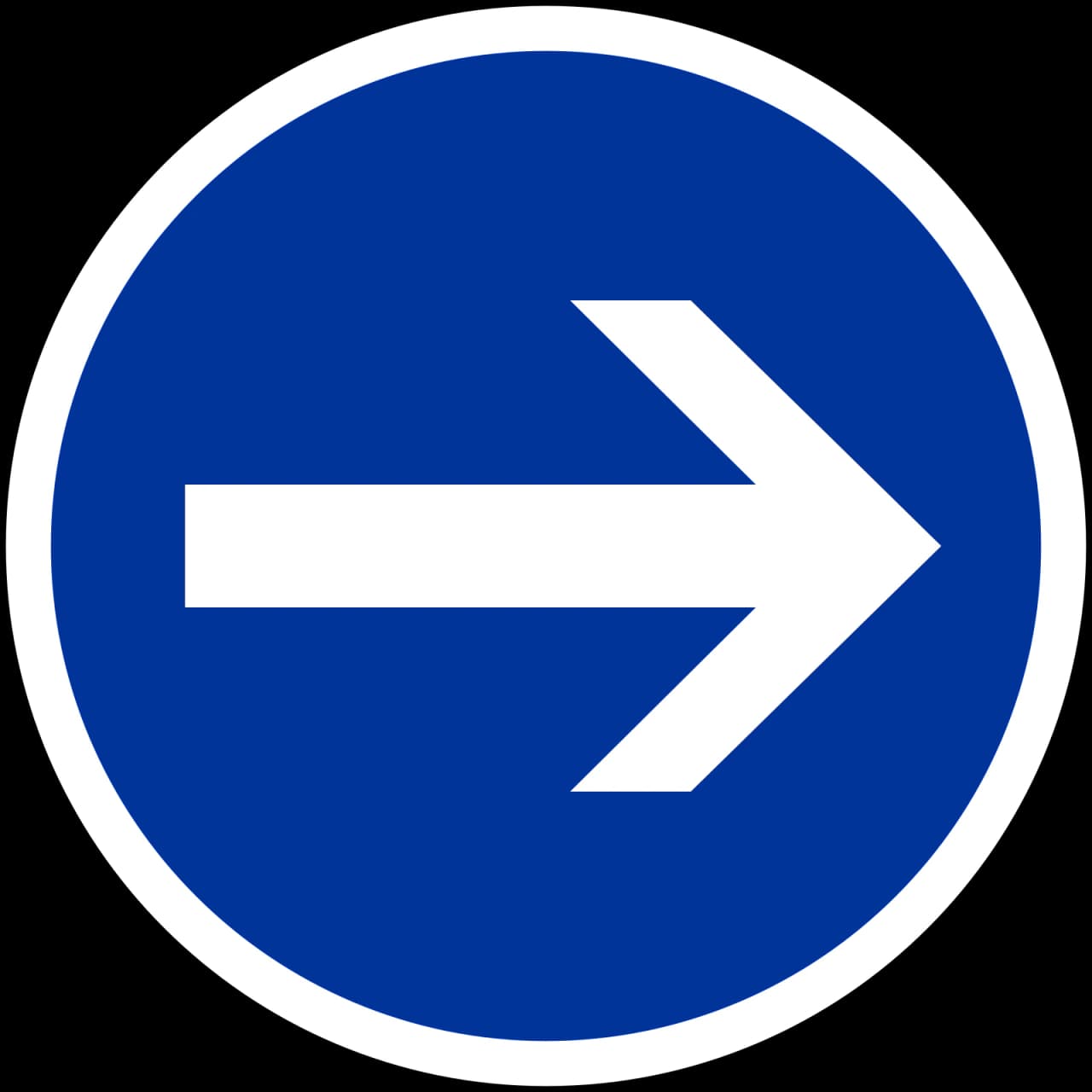
The B21-1 'Turn Right' sign: your mandatory direction in France.
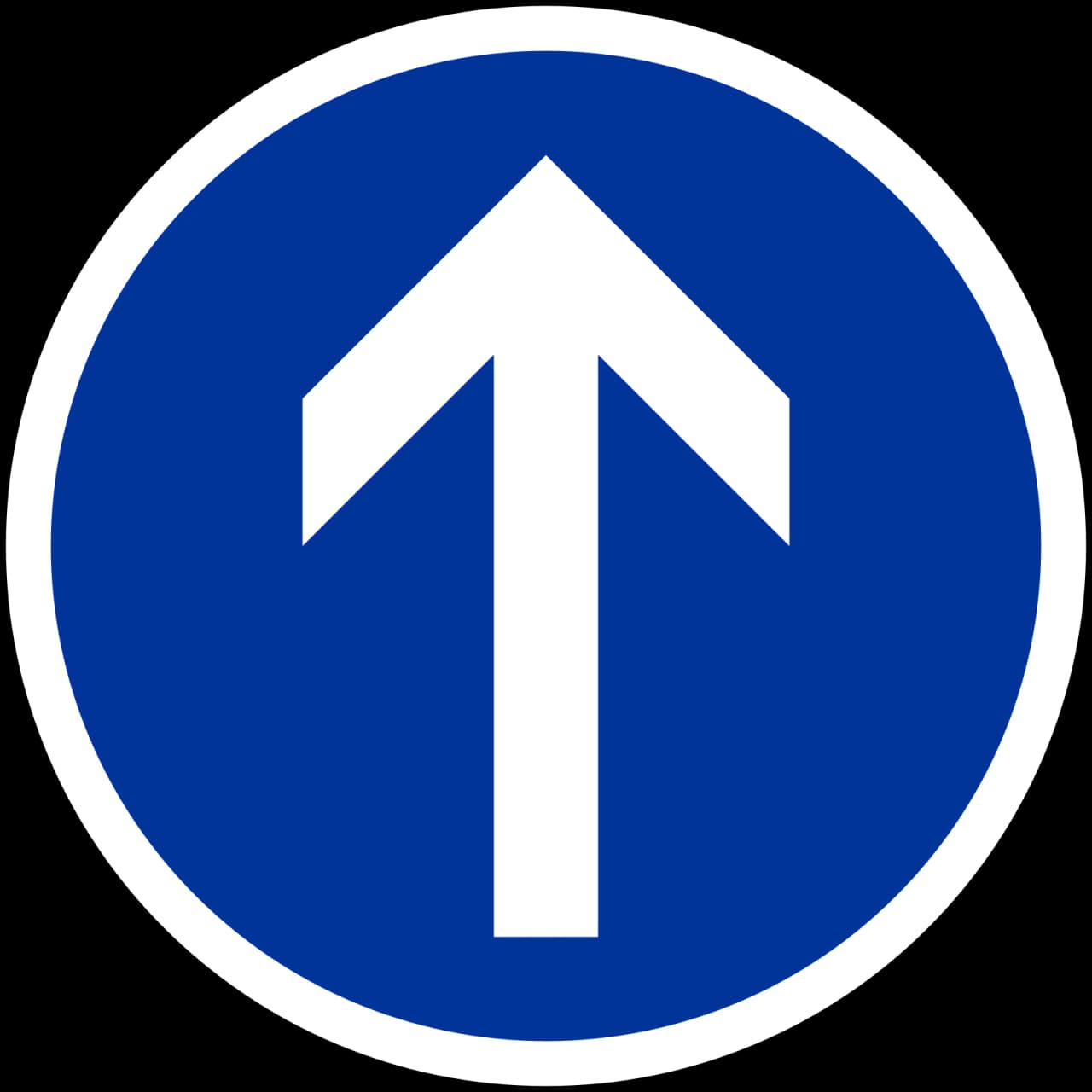
The B21b 'Ahead Only' Sign: A Mandatory Direction You Must Follow
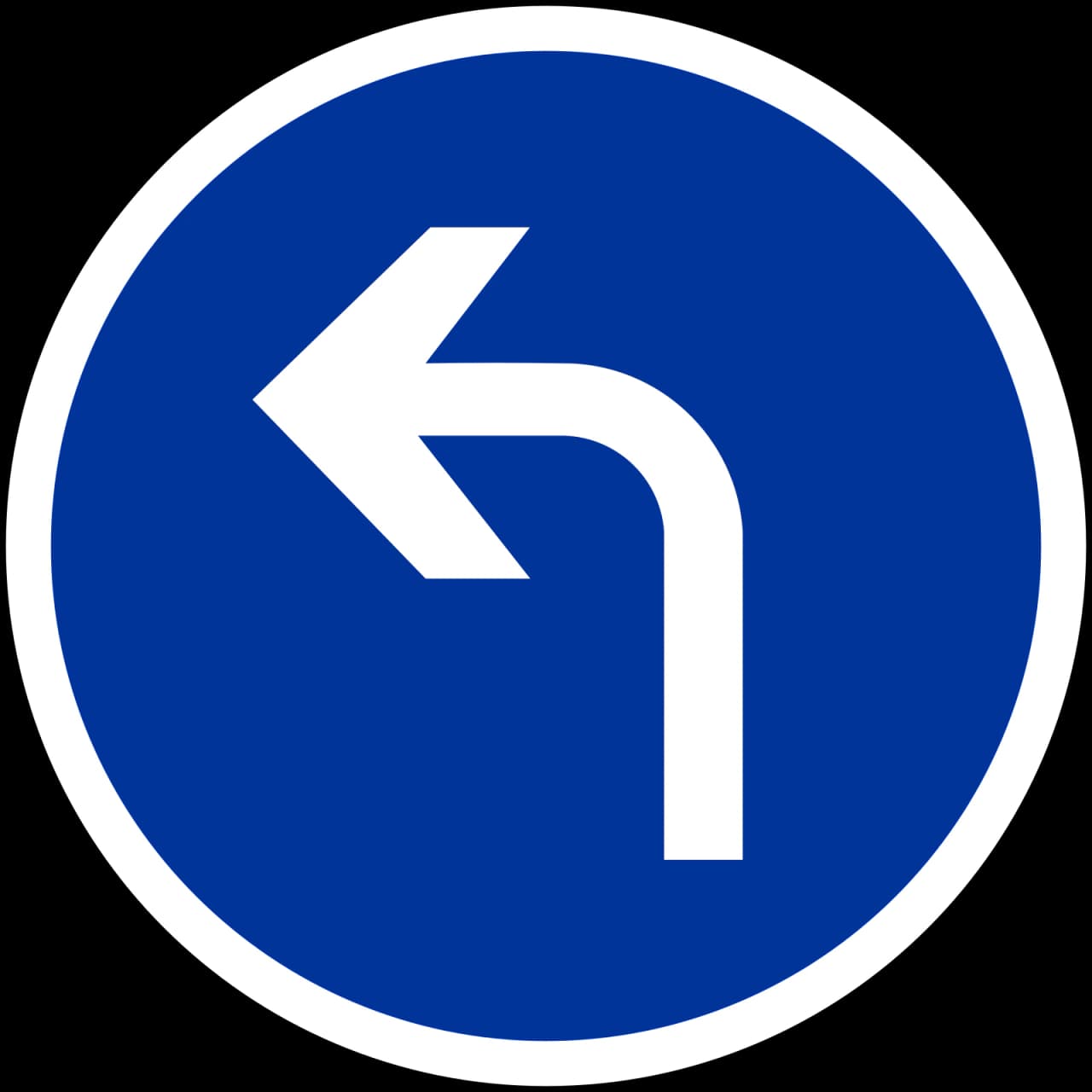
The B21c 'Turn Left Ahead' Sign: Your Mandatory Direction

The B21d Sign: You Must Go Ahead or Turn Left!
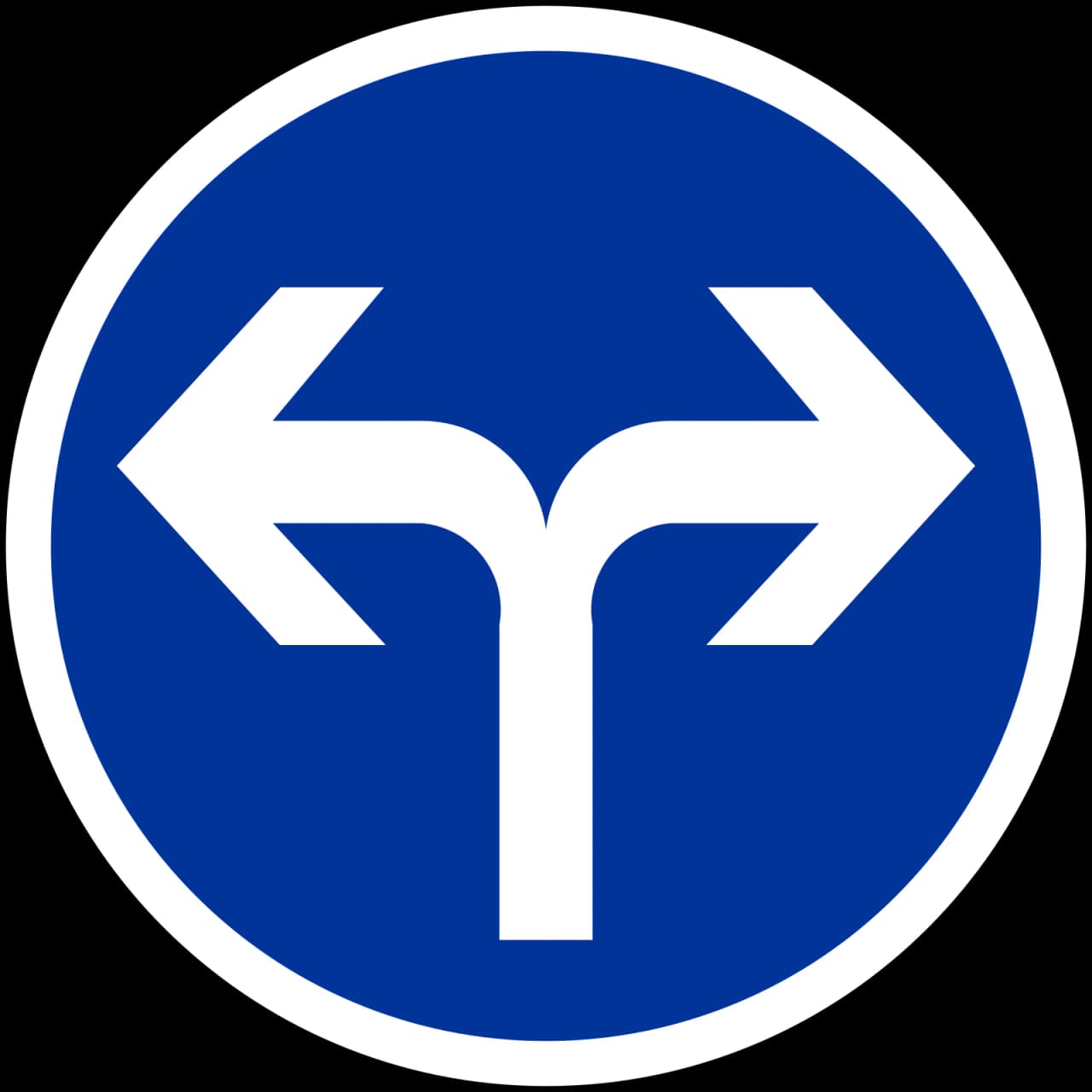
Understand the Mandatory 'Turn Left or Right' (B21e) Traffic Sign in France
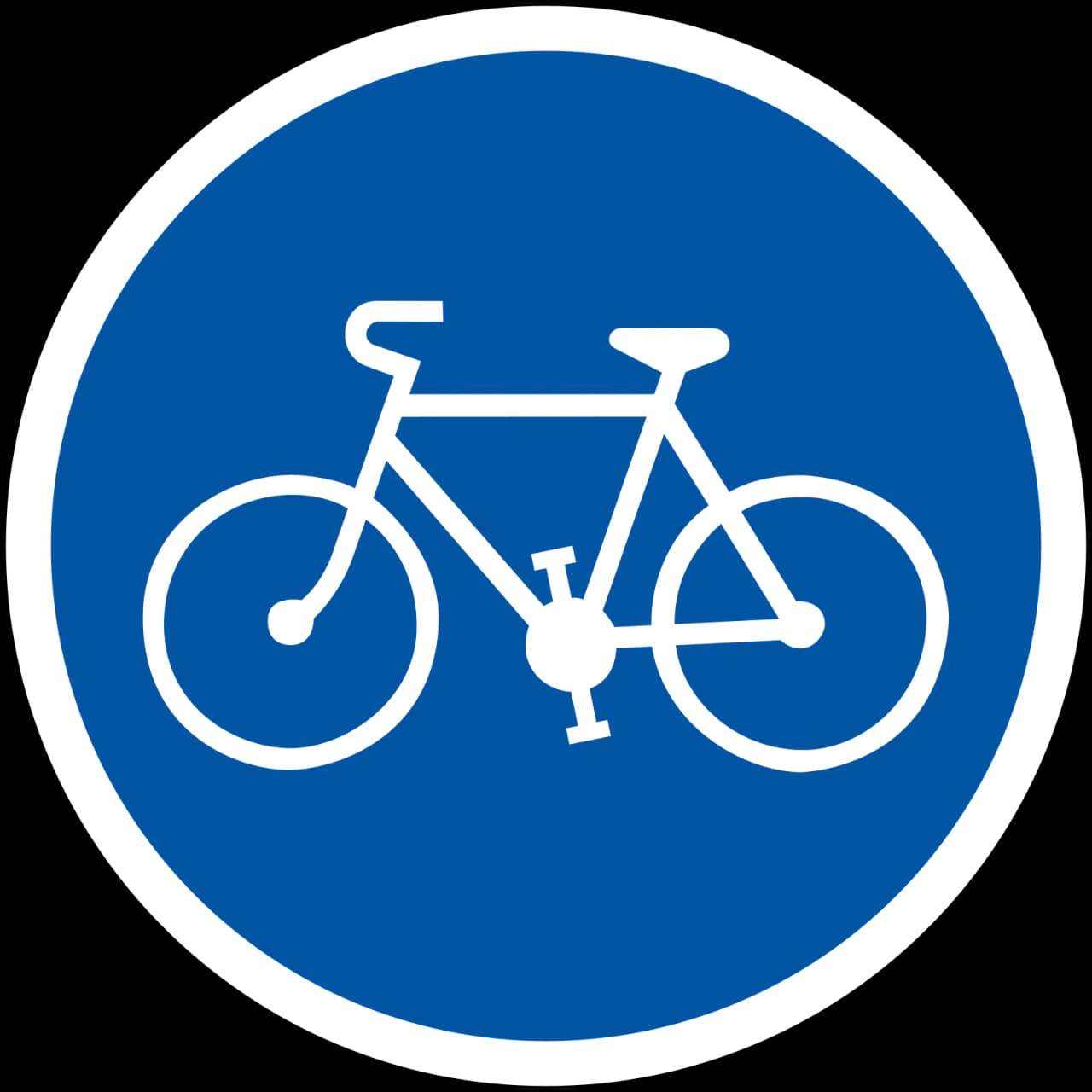
The B22a 'Bicycle Lane' Sign: A Mandatory Direction for Cyclists
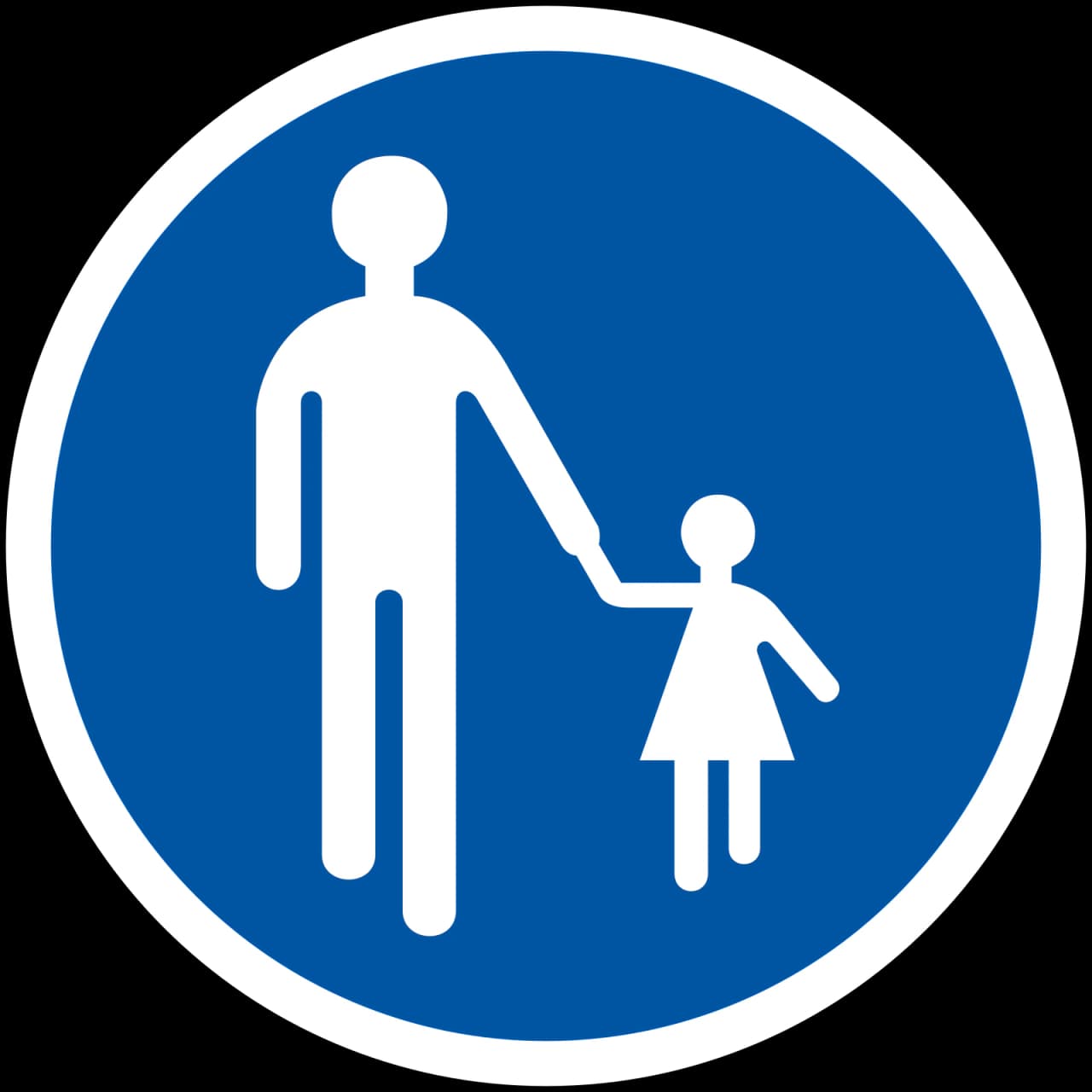
The B22b 'Pedestrian Lane' Sign: Your Mandatory Route
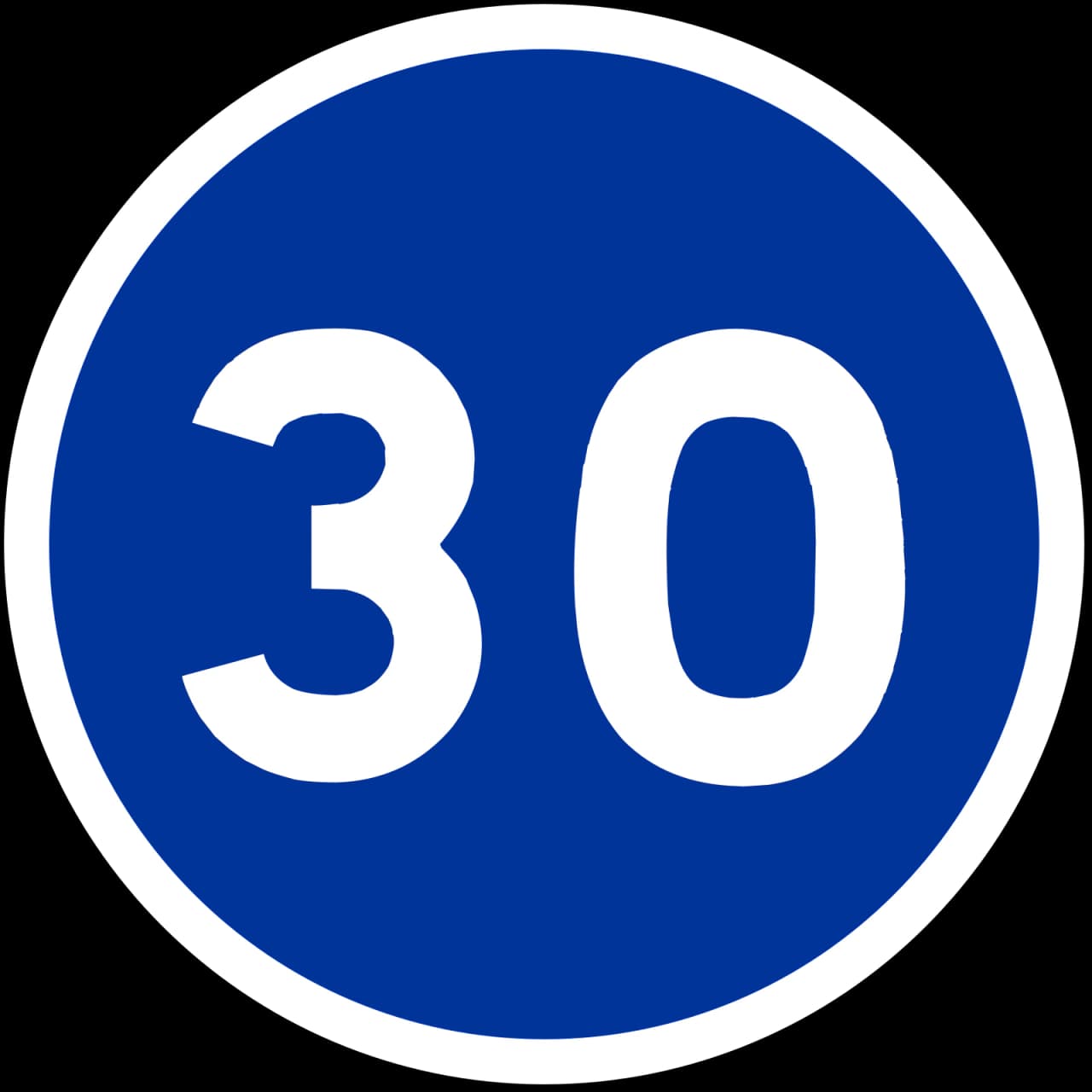
The B25 Minimum Speed sign tells you the lowest speed you must maintain.
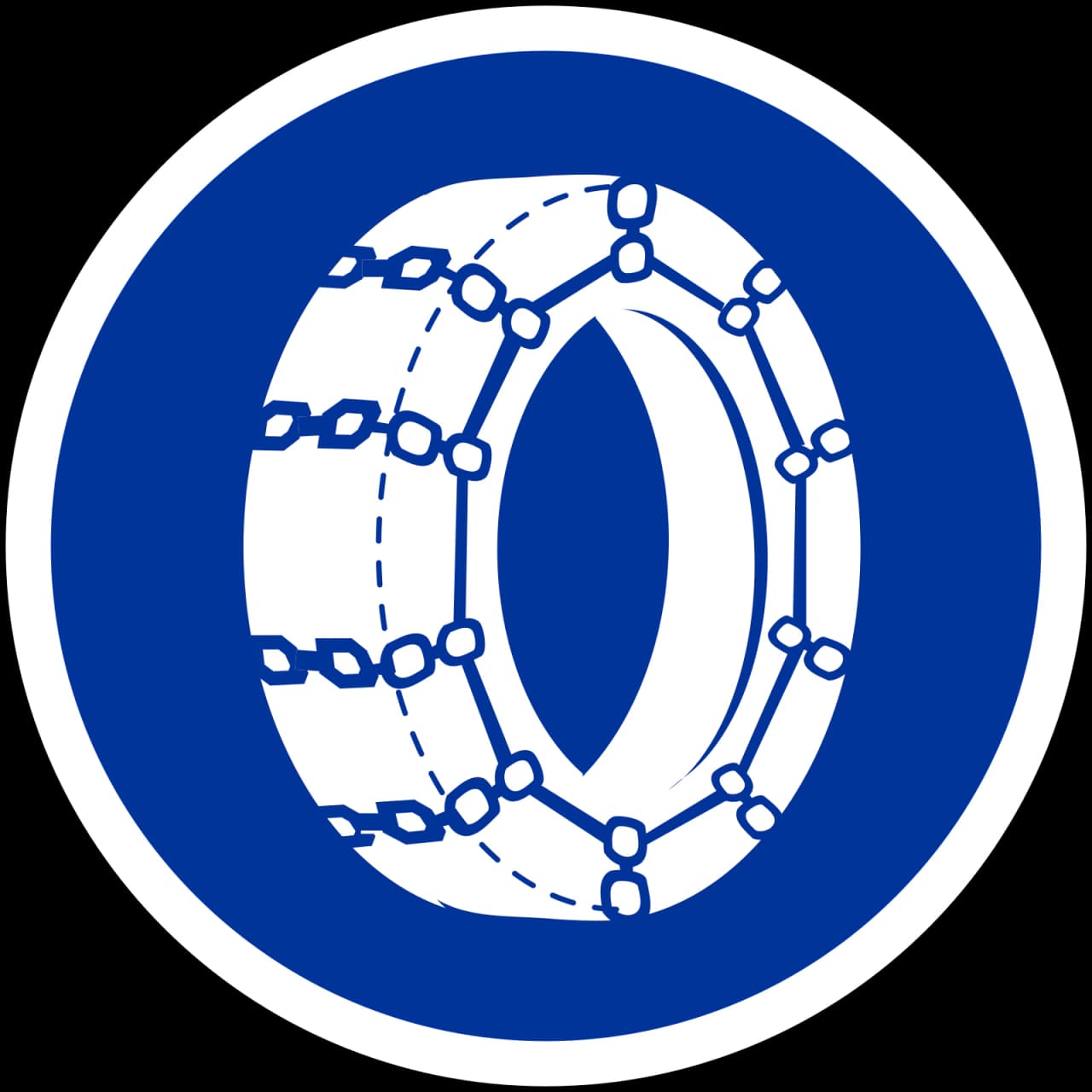
You must fit snow chains when you see this B26 mandatory sign.
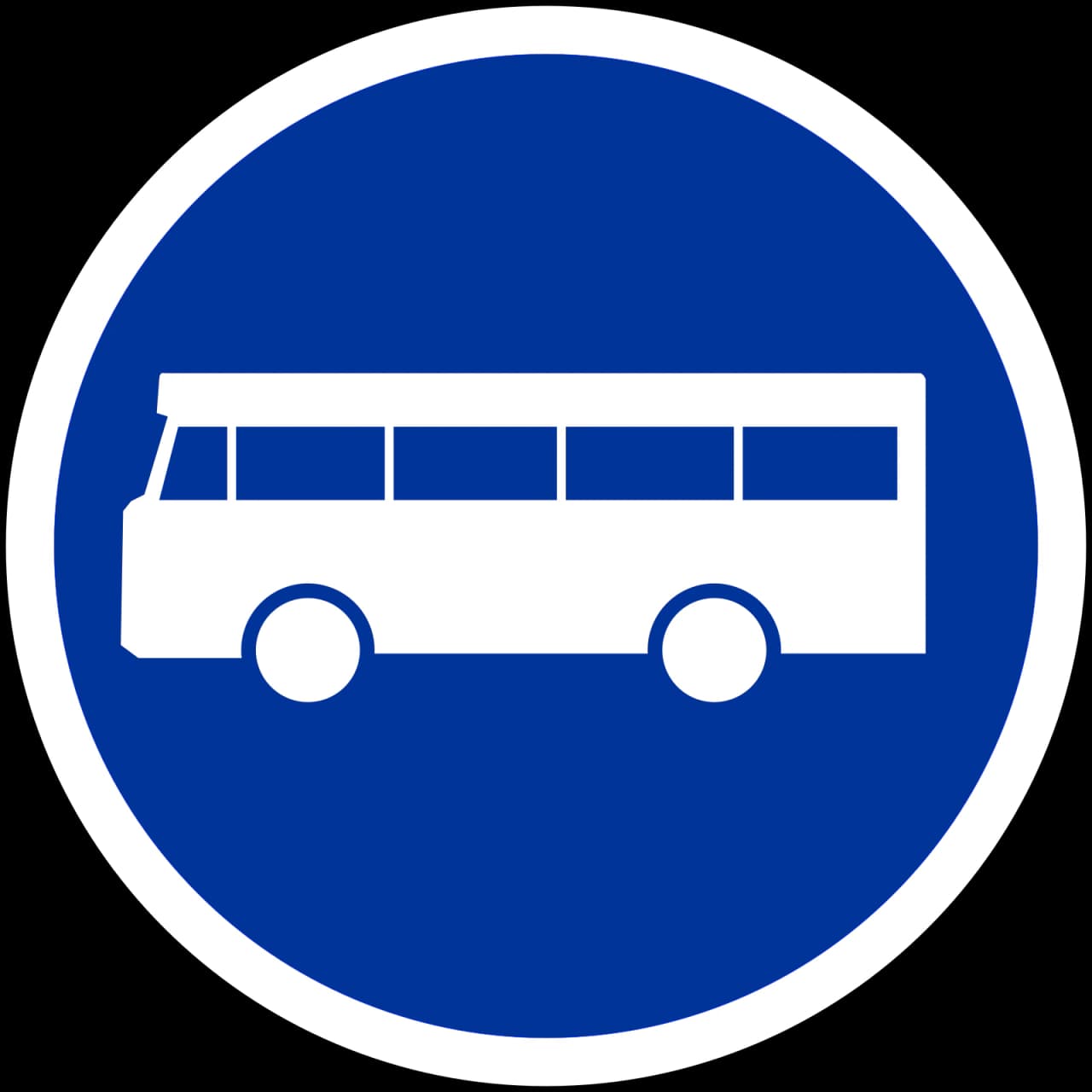
The B27a 'Bus Lane' sign mandates a specific route for buses.
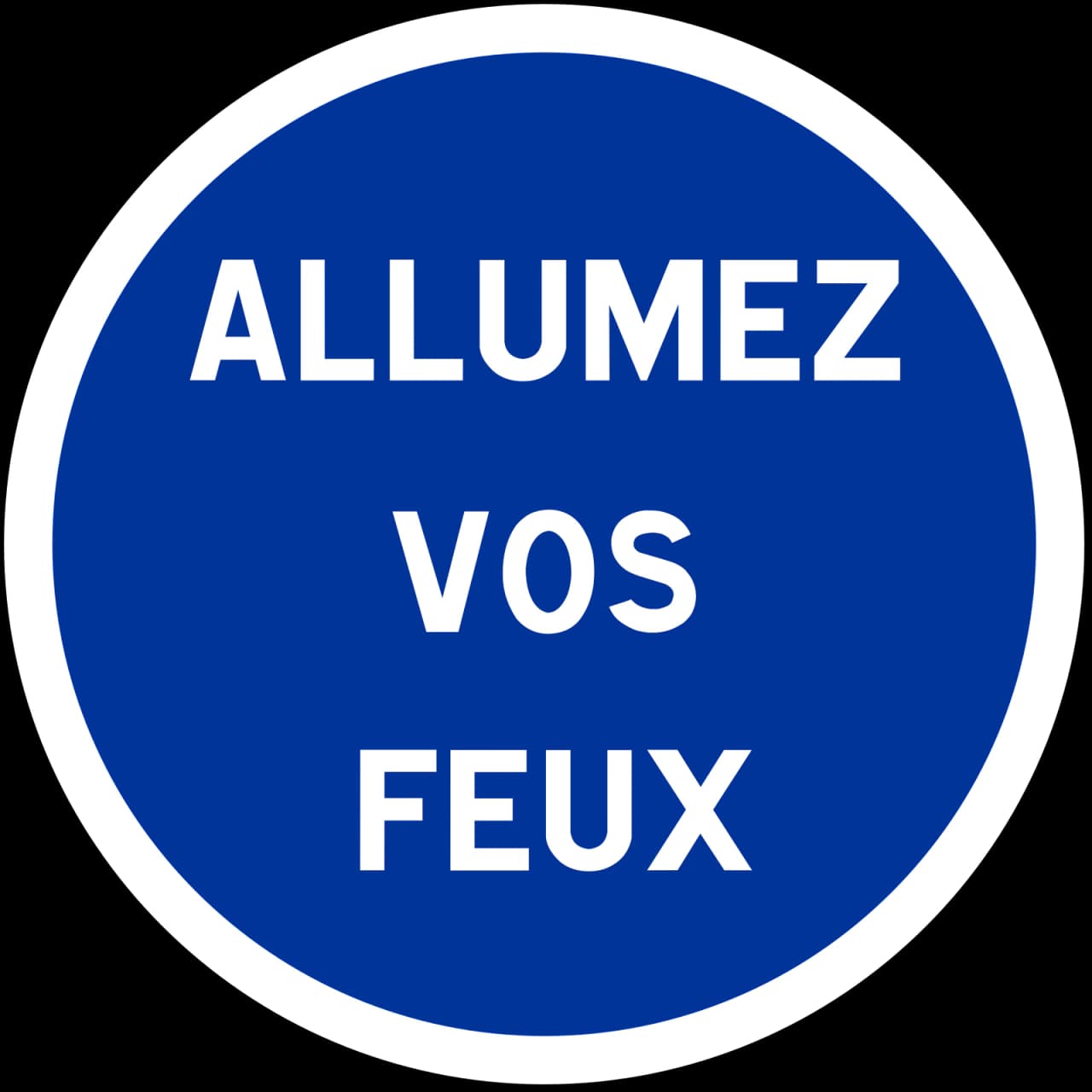
The B29 'Other Obligations' Sign: Your Mandatory Instruction
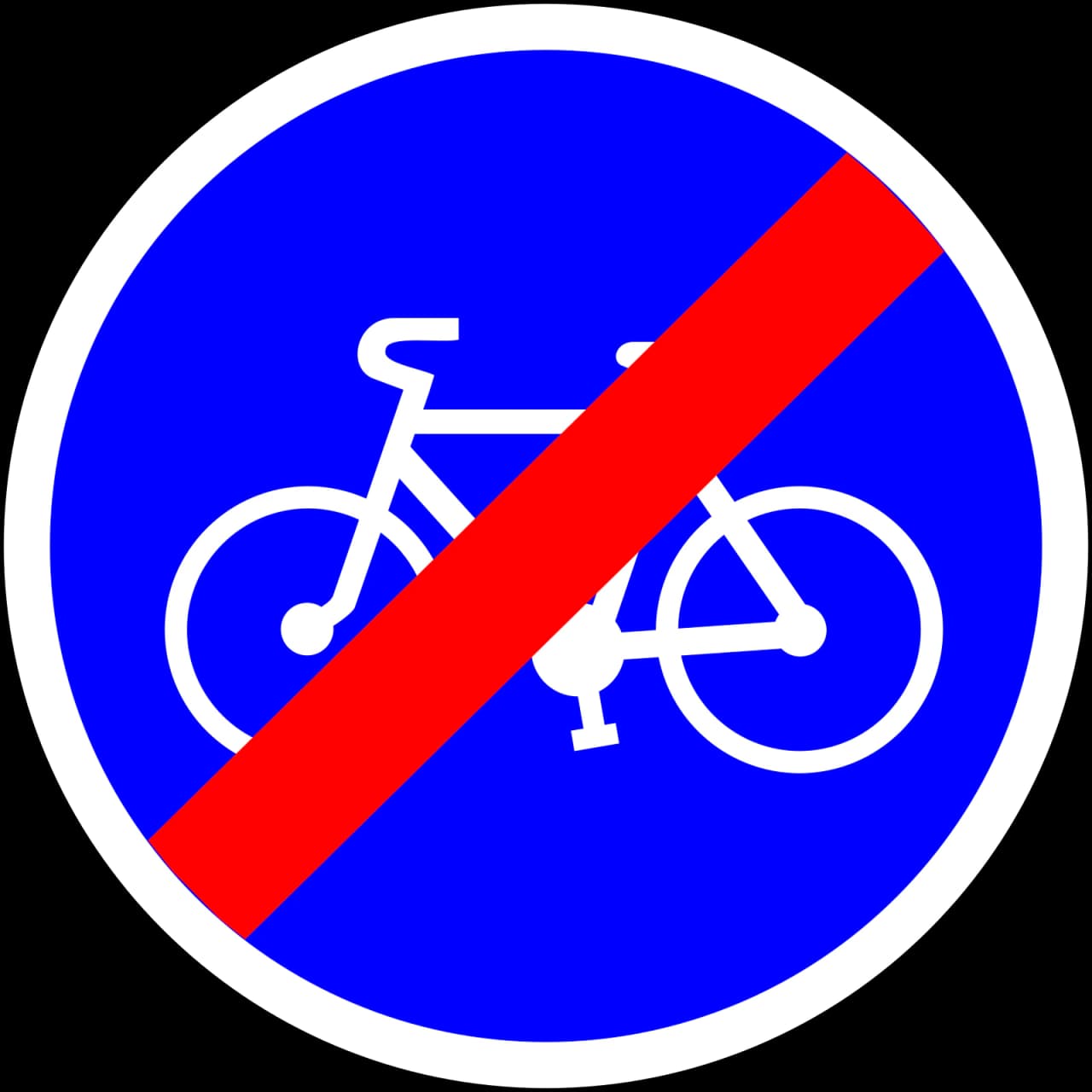
The B40 Sign: Understanding the End of a Dedicated Bicycle Lane
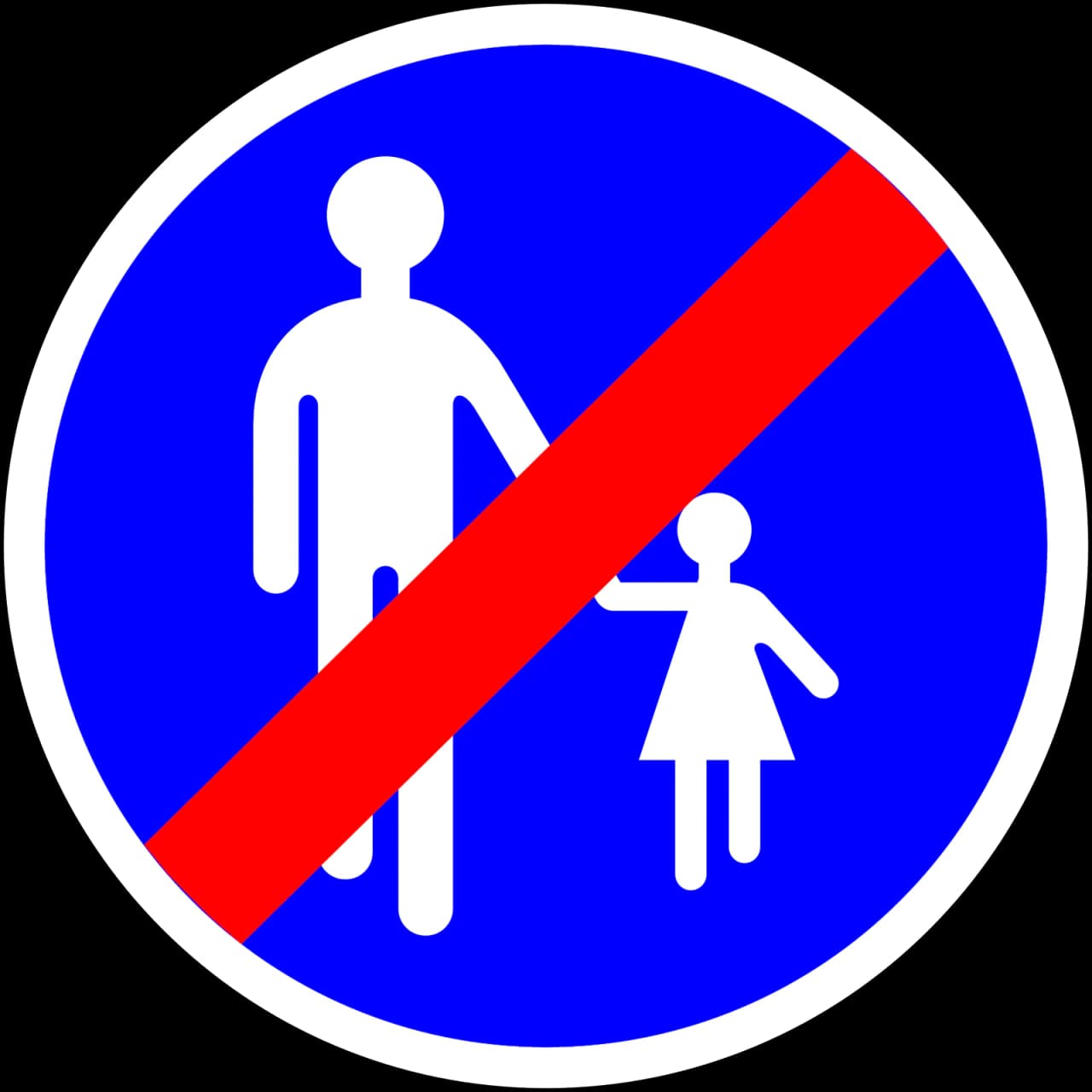
B41: Mandatory Signs Indicate the End of a Pedestrian Lane
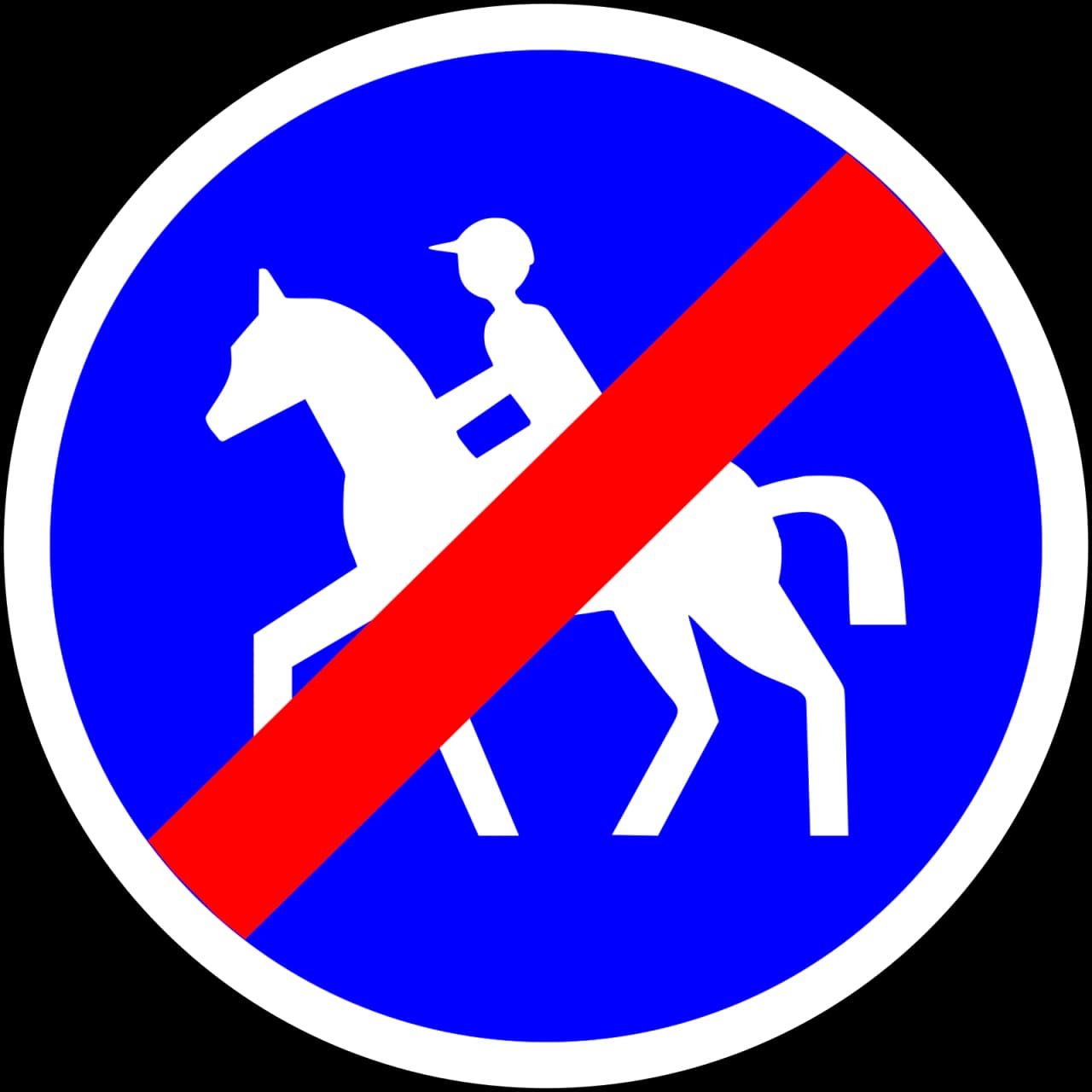
B42 End of Bridleway: What This Mandatory Sign Requires You To Do
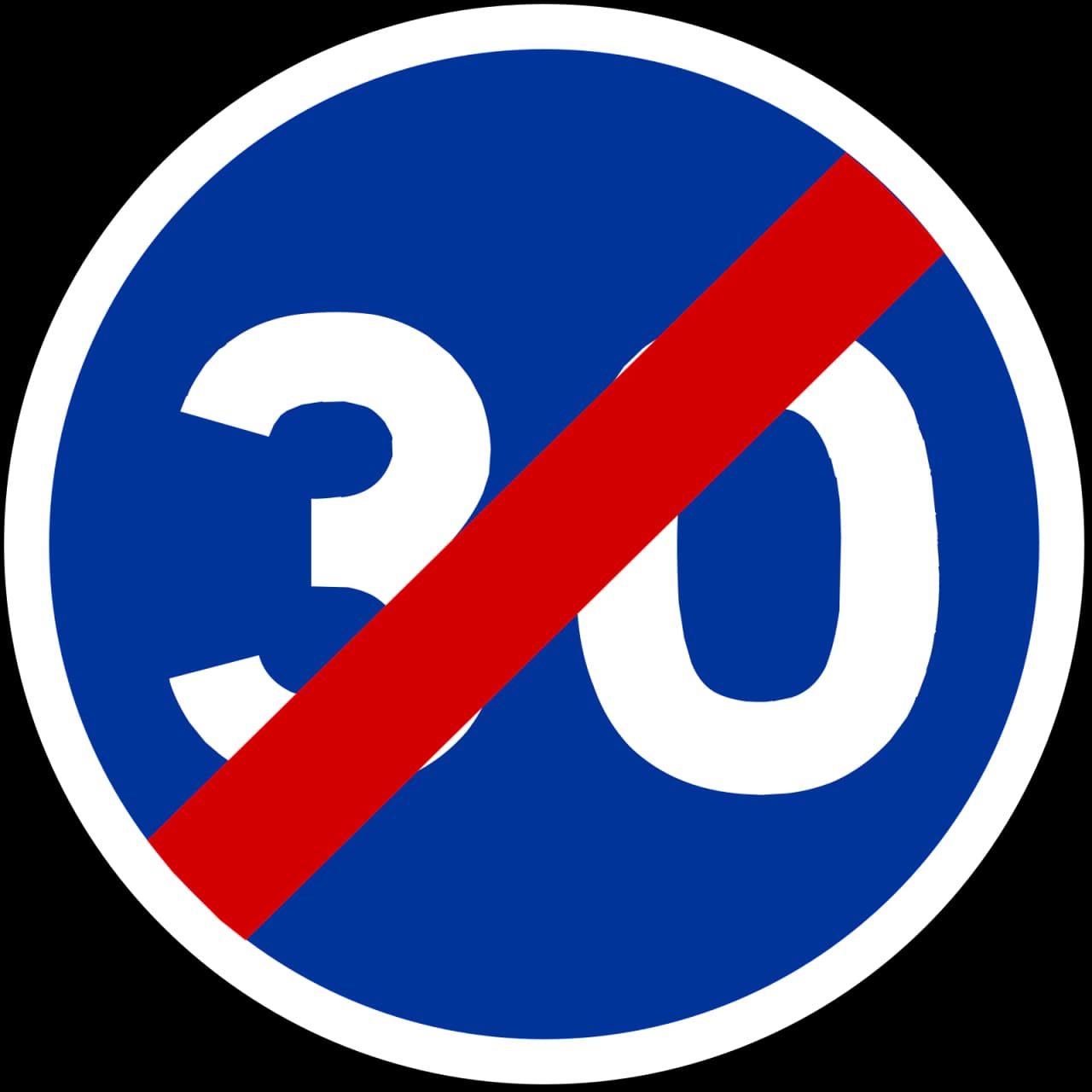
The B43 'End of Minimum Speed' sign marks the end of a speed requirement.

You've Reached the End of the Snow Chains Zone with Sign B44!
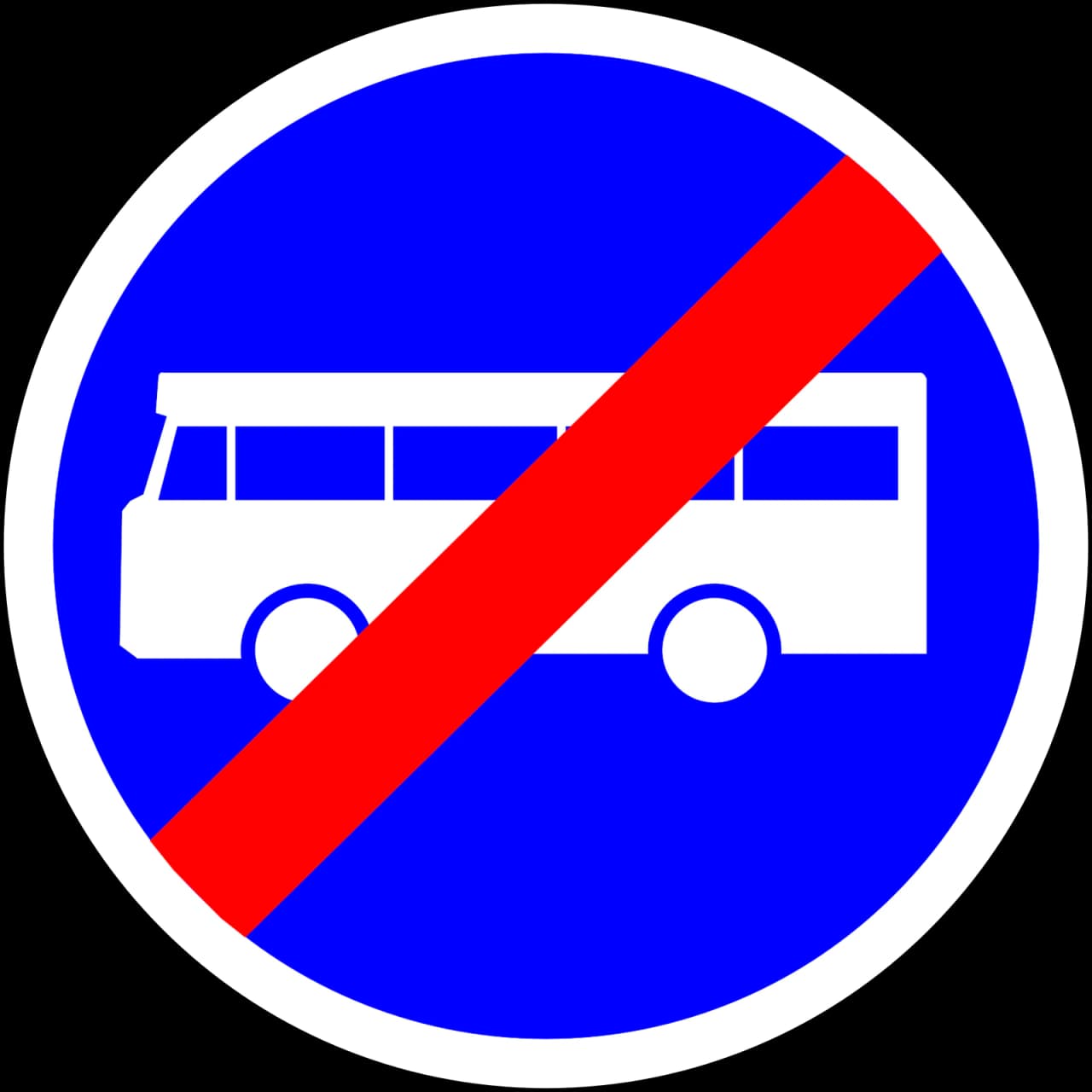
The 'End of Bus Lane' sign (B45a) means a mandatory lane or route is finishing.
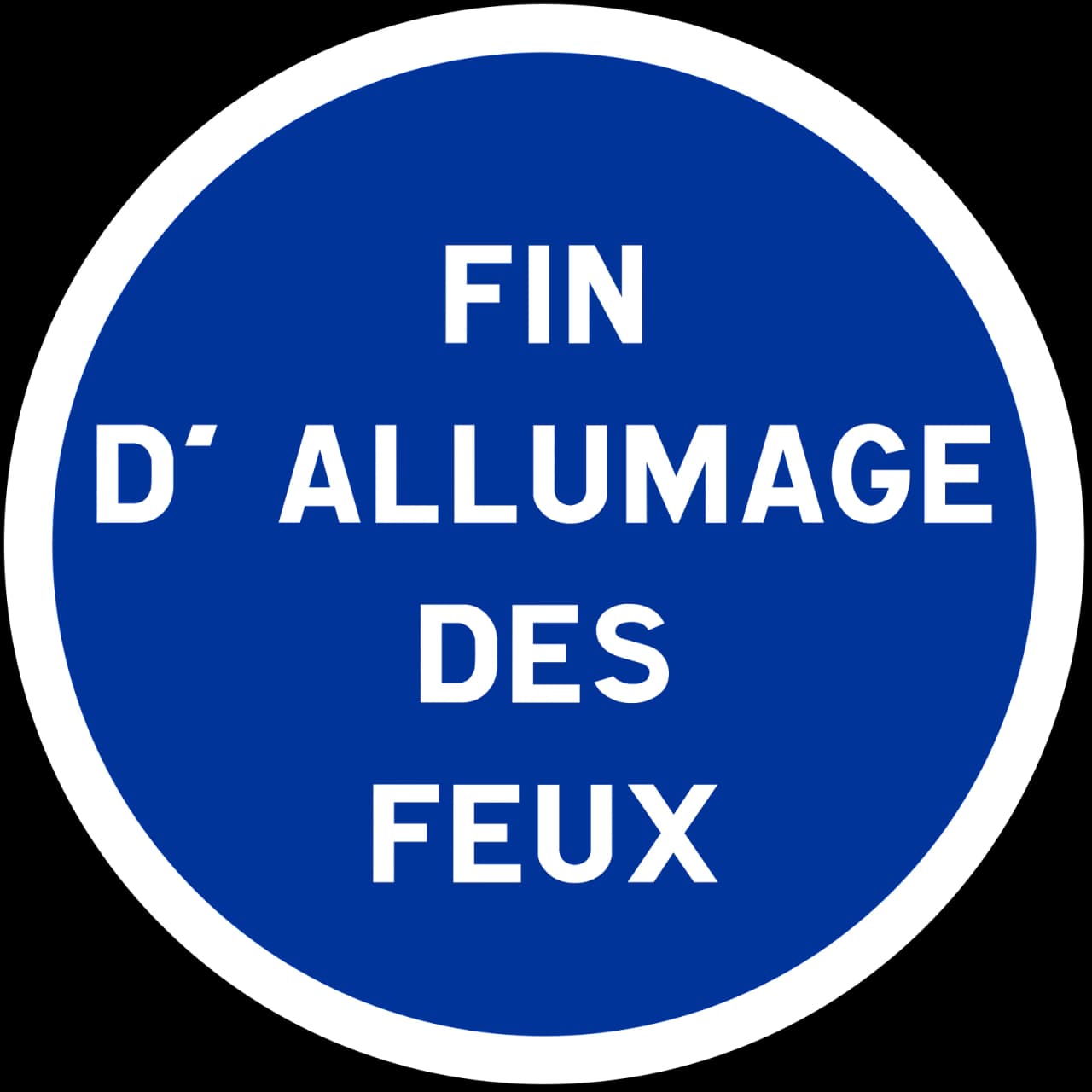
The B49 'End of Other Obligations' Sign: What You Must Do Now
Clear answers to common questions about the France Mandatory Signs road sign category. Use this FAQ to review tricky rules, understand how these signs appear in exam scenarios, and remove confusion that often leads to mistakes in the French driving theory exam in France.
Warning signs alert you to potential hazards ahead, like a sharp curve or an intersection, giving you time to prepare. Mandatory signs, on the other hand, tell you exactly what you MUST do, such as which direction to turn, which lane to use, or if a minimum speed applies. Failing to obey a mandatory sign is a traffic violation.
These signs are critical at junctions and intersections. They tell you the only direction you are legally allowed to travel from that specific point. If you need to go in a different direction, you must find an alternative route that complies with traffic signs.
A 'Minimum speed' sign means you must not drive slower than the indicated speed, unless conditions such as traffic, weather, or roadwork make it unsafe to do so. These are often found on faster roads to keep traffic moving efficiently. Look out for the 'End of minimum speed' sign (B43) which indicates the requirement no longer applies.
Yes, very much so. These signs indicate that a specific lane is reserved exclusively for buses or bicycles, respectively. As a car driver, you must not enter these lanes unless directed to do so by a police officer or if other signs indicate you may do so during certain hours. Entering these lanes when prohibited can lead to fines and safety issues.
This sign means that if you are driving a vehicle that is equipped to use snow chains, you must fit them to your wheels once you enter the zone indicated by this sign. This is typically enforced during winter conditions in snowy or icy mountainous areas to improve traction and safety. You will often see an 'End of snow chains zone' sign (B44) later on.
Ready to deepen your understanding of French road signs? Dive into our comprehensive overview of official sign categories and groups. This structured approach will help you learn Code de la route classifications more effectively, preparing you thoroughly for your Permis de Conduire theory exam.
Explore Sign Categories