This B49 sign, indicating the 'End of Other Obligations', is a mandatory traffic sign in France. It signals that a previous requirement no longer applies, but it often means a new obligation is in effect, such as a specific direction, lane, or minimum speed. Always read mandatory signs like this early and adjust your driving smoothly to comply with the new instruction. Failing to do so could lead to confusion or a fine.
This 'End of Other Obligations' sign, code B49, signals the conclusion of previously mandated actions. Proper interpretation is key for passing your French driving theory test and navigating diverse traffic situations effectively.
Mandatory signs tell road users what they must do rather than what they must avoid. This sign can control direction of travel, required lanes, special routes for buses or trams, pedestrian or cycle facilities, snow chains, or minimum speed. A learner should read the sign early, confirm whether it applies to their vehicle, and follow the required movement smoothly. Official French sign code: B49.
"End of other obligations" gives a positive instruction that the driver or named road user must follow. It may require a direction, lane, path, minimum speed, equipment, or reserved route.
Get clear, practical answers to the most common questions about the B49 - End of other obligations road sign. Learn how the sign works, what rules it represents, and how it affects real driving situations. This FAQ strengthens your understanding and supports accurate decision making for the French driving theory exam in France.
The B49 sign signifies that a previous obligation you were under has ended. However, it is crucial to understand that this sign often replaces the old rule with a new one. For example, it might indicate the end of a mandatory lane and the start of a requirement to turn in a specific direction. Always look for the accompanying graphic or road markings to understand the new instruction.
When you see the B49 sign, you must first understand what the previous obligation was and recognise that it is now lifted. More importantly, you need to observe the accompanying graphic or road layout for the new instruction. This could be a mandatory direction, a required lane, a minimum speed, or a specific path for certain vehicles. You must smoothly and safely comply with this new requirement.
A common trap is assuming that 'end of other obligations' means you are free to do anything. However, this sign almost always implies a new instruction is beginning. Learners might also be tested on their ability to identify what the *new* obligation is, based on the visual cues accompanying the B49 sign, rather than focusing solely on the 'end' aspect.
Yes, the B49 sign can be accompanied by symbols indicating specific road users, such as buses or bicycles. If the sign is directed at a category you belong to, you must comply with the new obligation. If it applies to another category, you are not directly bound by that specific new rule, but you should still be aware of how their mandated movement might affect your driving.
If the new obligation requires a specific lane, direction, or equipment (like snow chains in winter) that your vehicle cannot legally or safely use or manage, you should consider if an alternative route is available. In some cases, you may need to find a safe place to stop and re-evaluate your route if the mandatory instruction is impossible for you to follow.
A clear reference image of the B49 - End of other obligations road sign used in France.
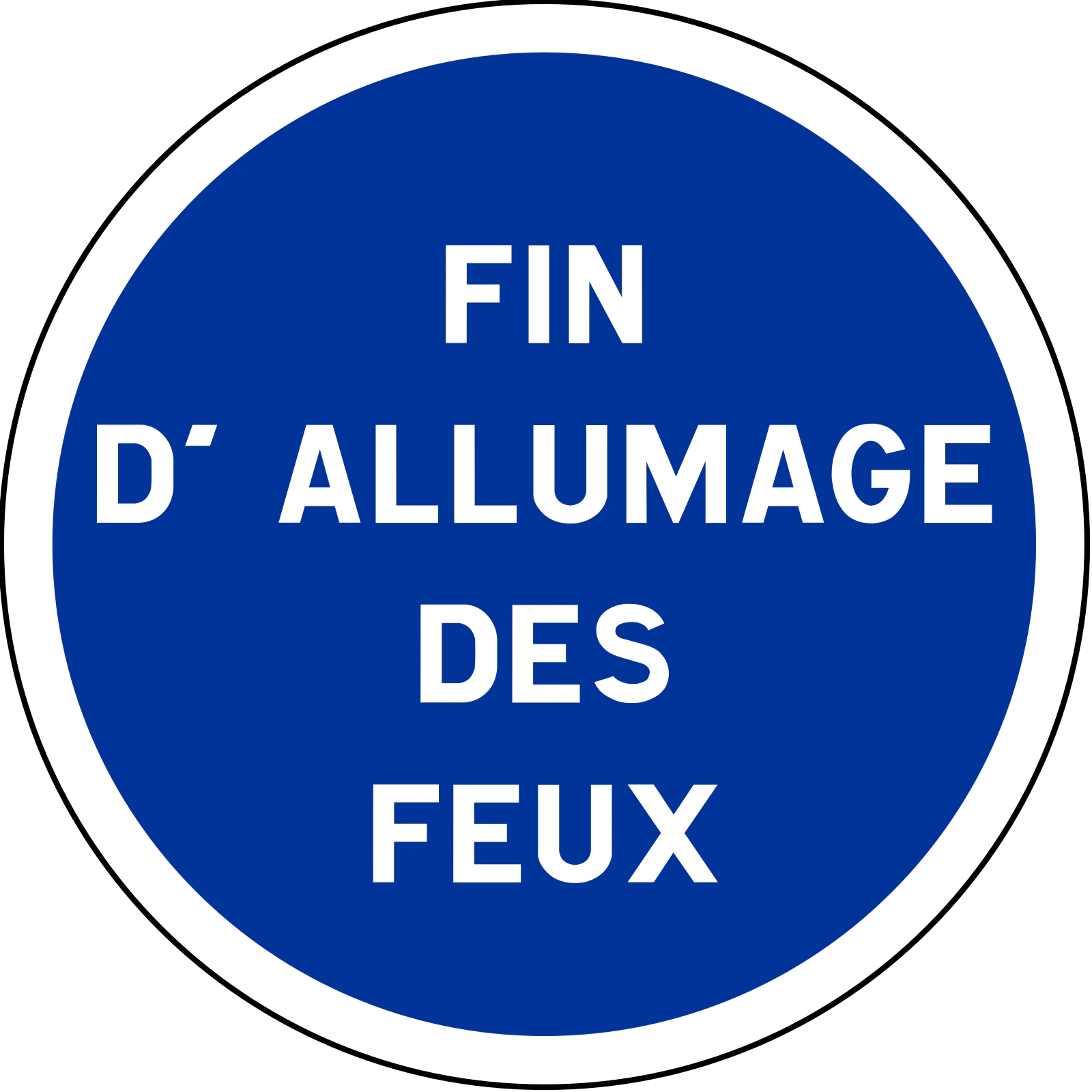
The B49 - End of other obligations road sign may also be known by these alternative names or terms.
The B49 - End of other obligations road sign is part of the France Mandatory Signs category, which groups together signs with similar rules and functions.
Understanding the nuances between similar traffic signs is crucial for theory test revision and accurate recognition. Comparing these signs helps solidify your driving knowledge and prepare effectively for the exam.
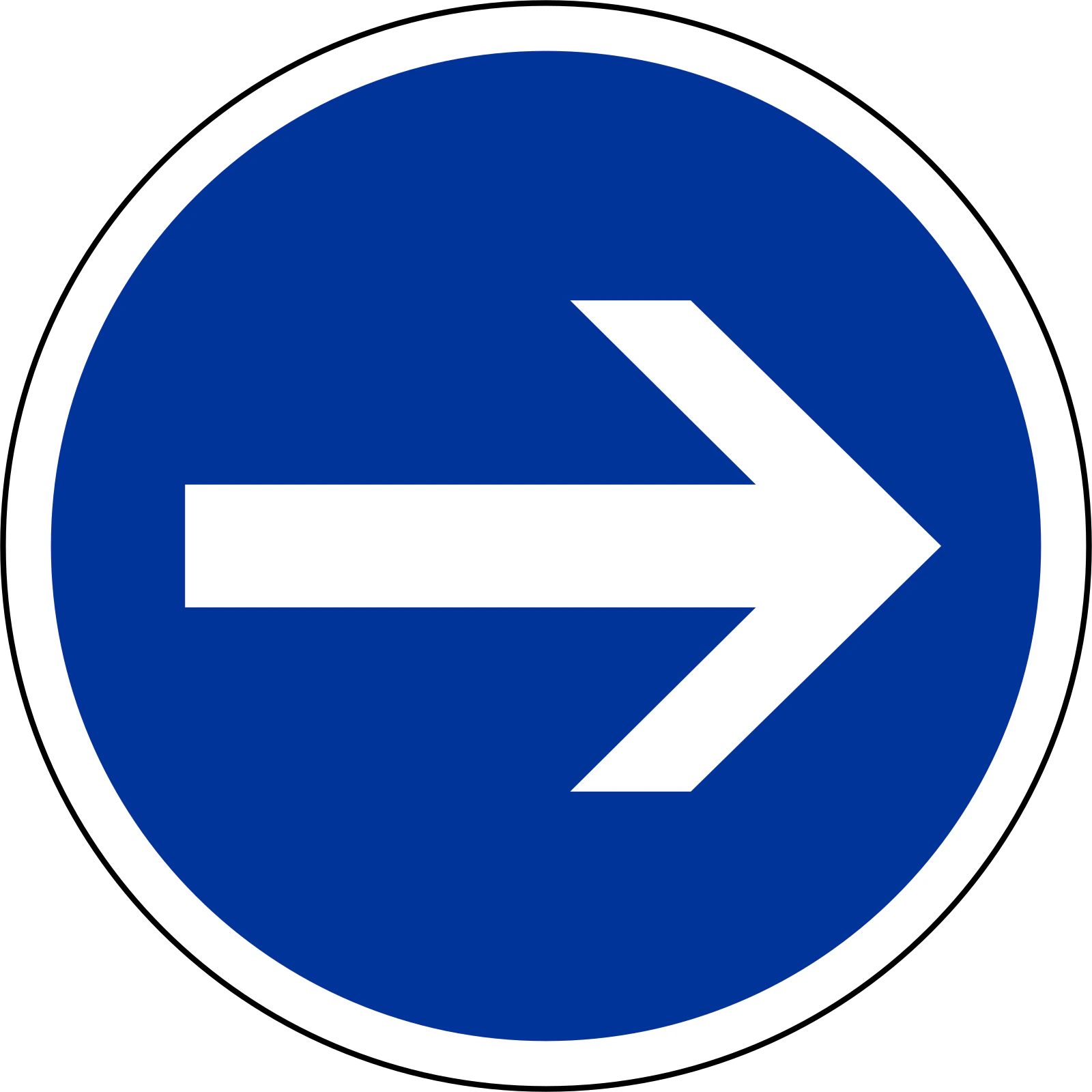
The B21-1 'Turn Right' sign: your mandatory direction in France.
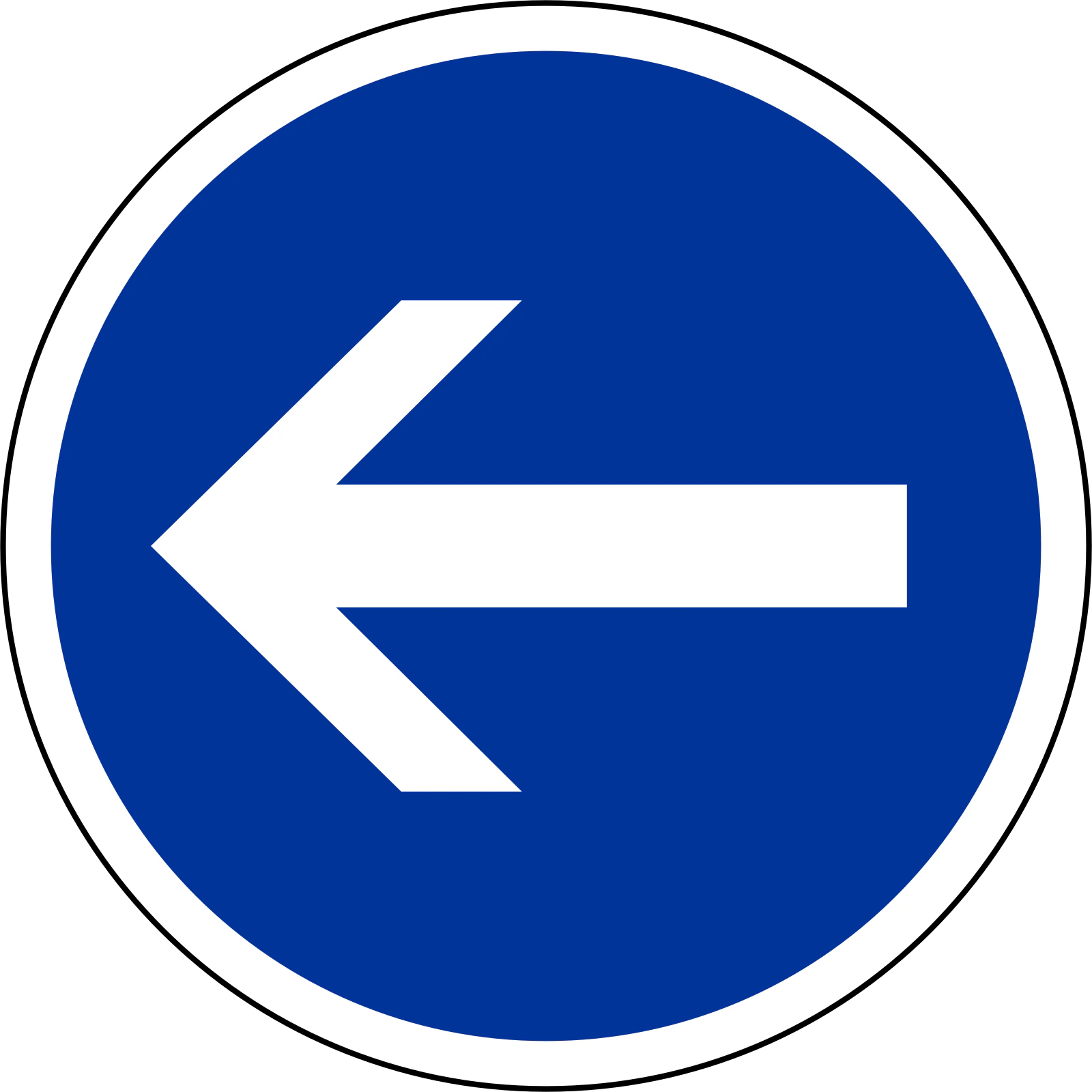
Obey the 'Turn Left' Mandatory Sign (B21-2) in France
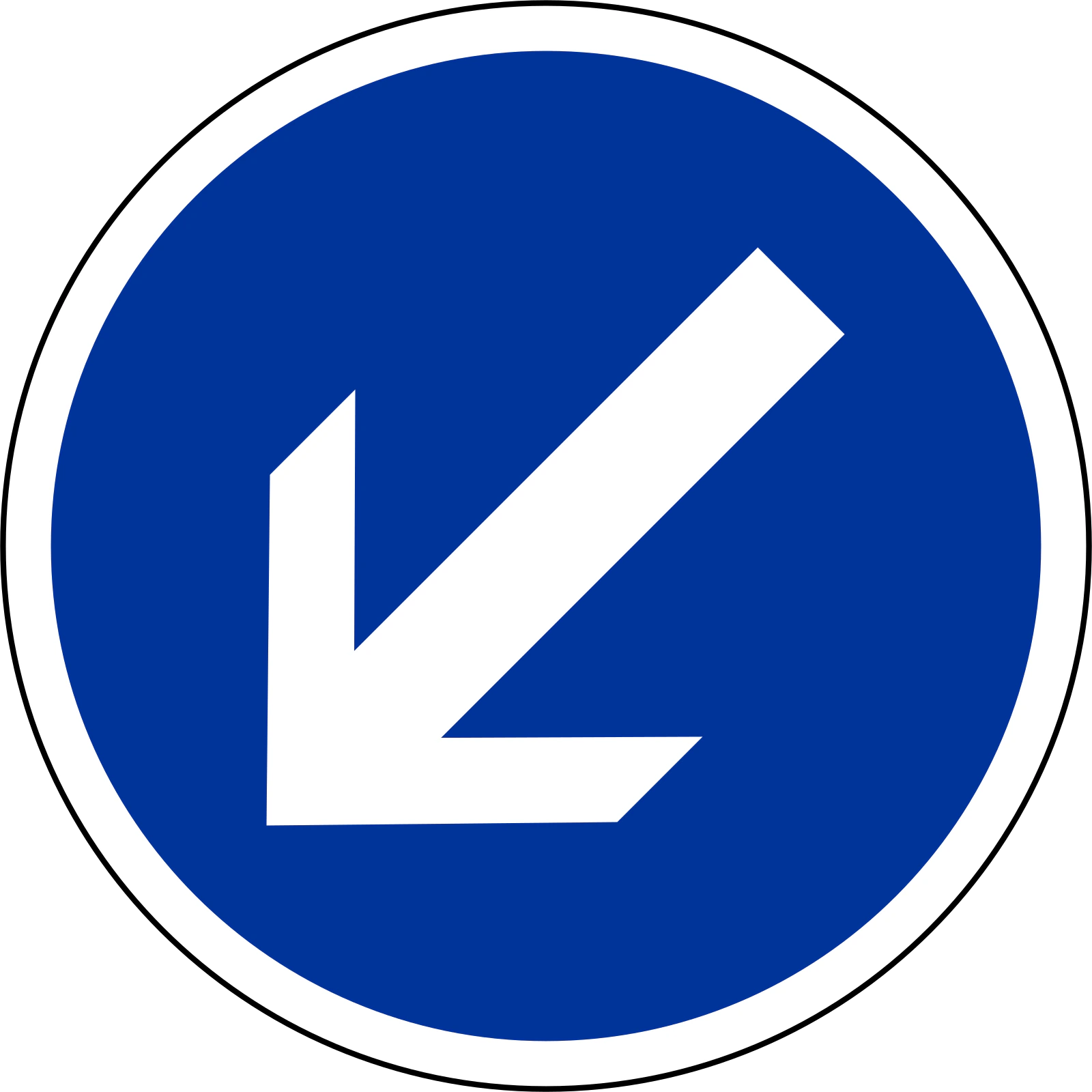
Mandatory 'Keep Left' Sign: Your Essential Guide
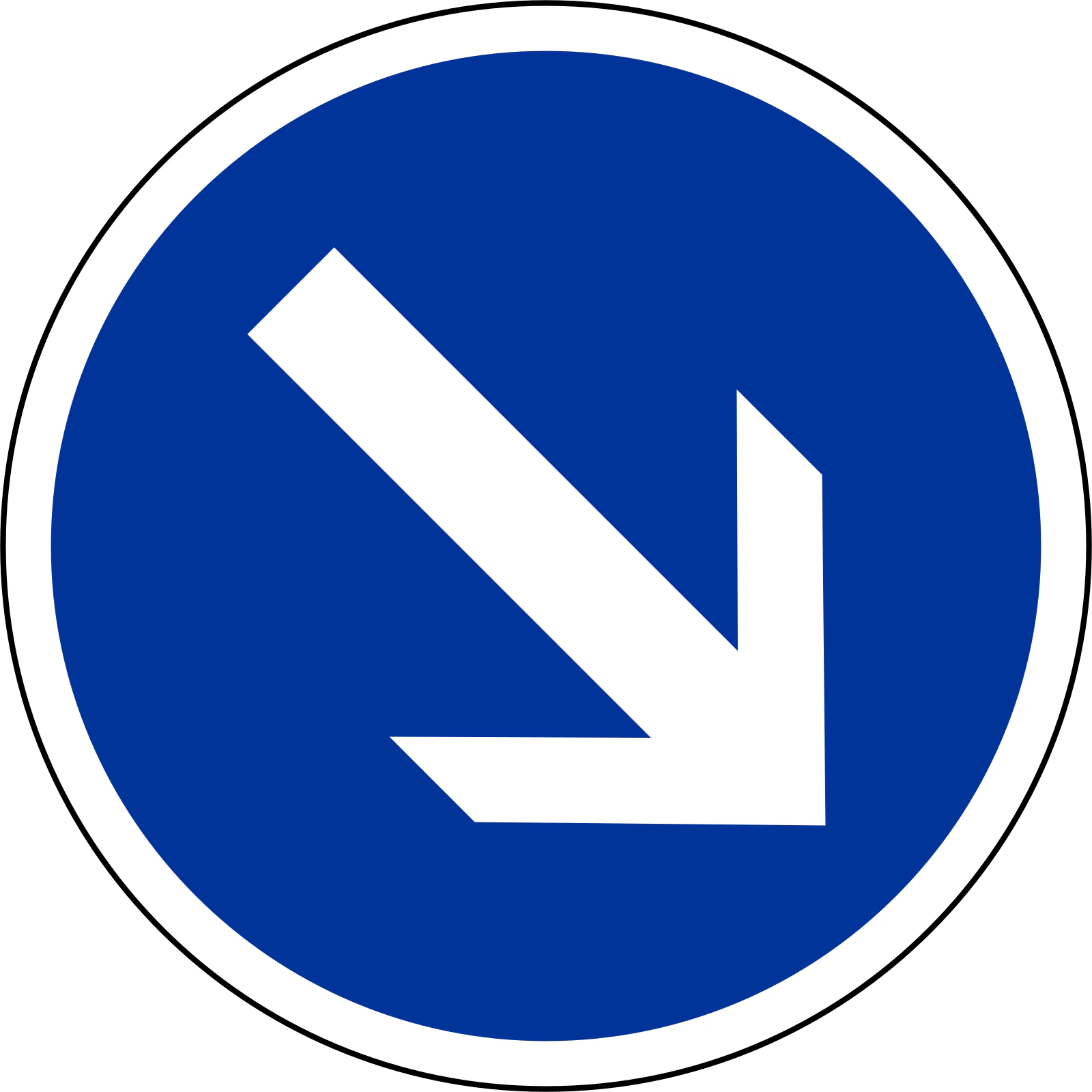
B21a 'Keep Right' sign: You must stay to the right.
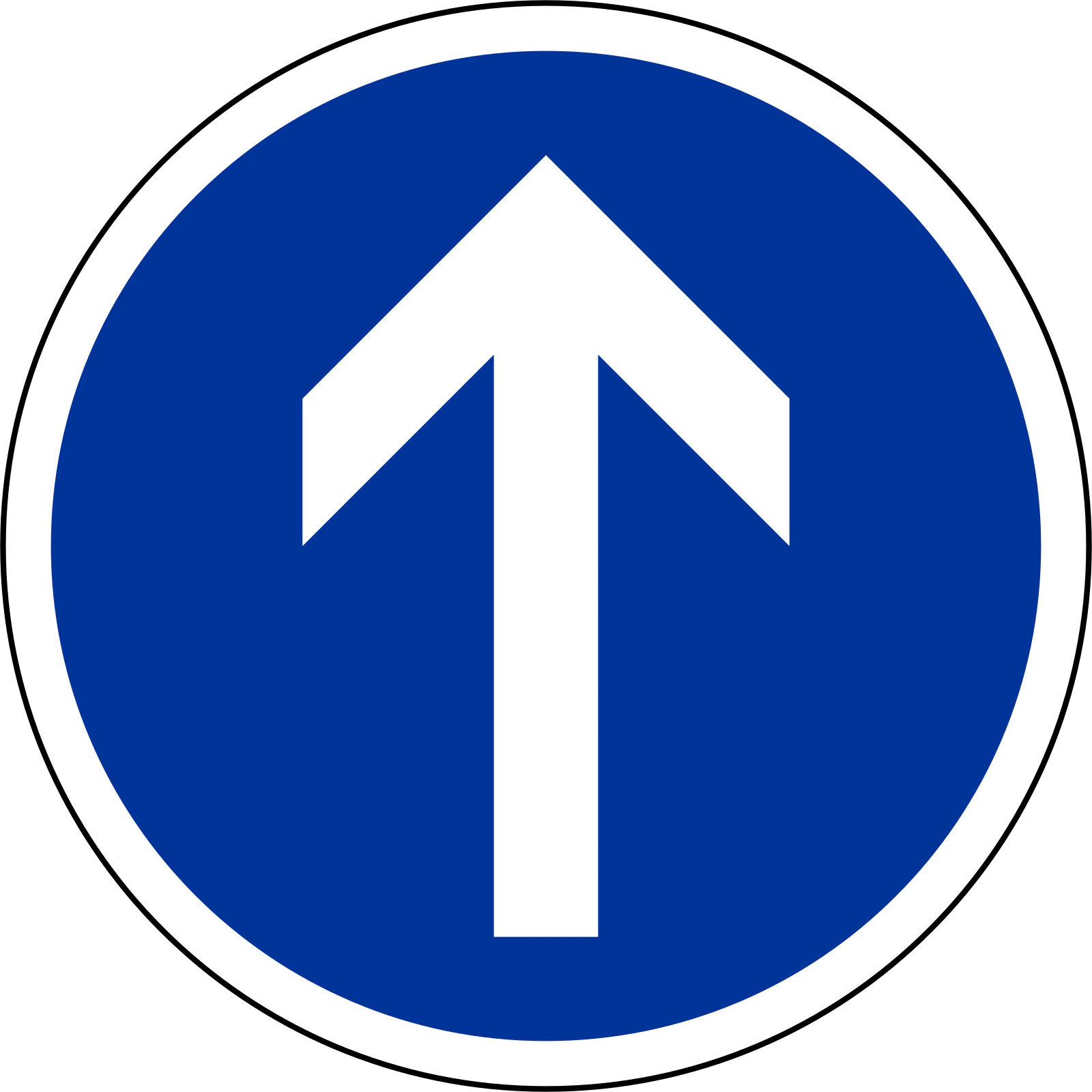
The B21b 'Ahead Only' Sign: A Mandatory Direction You Must Follow
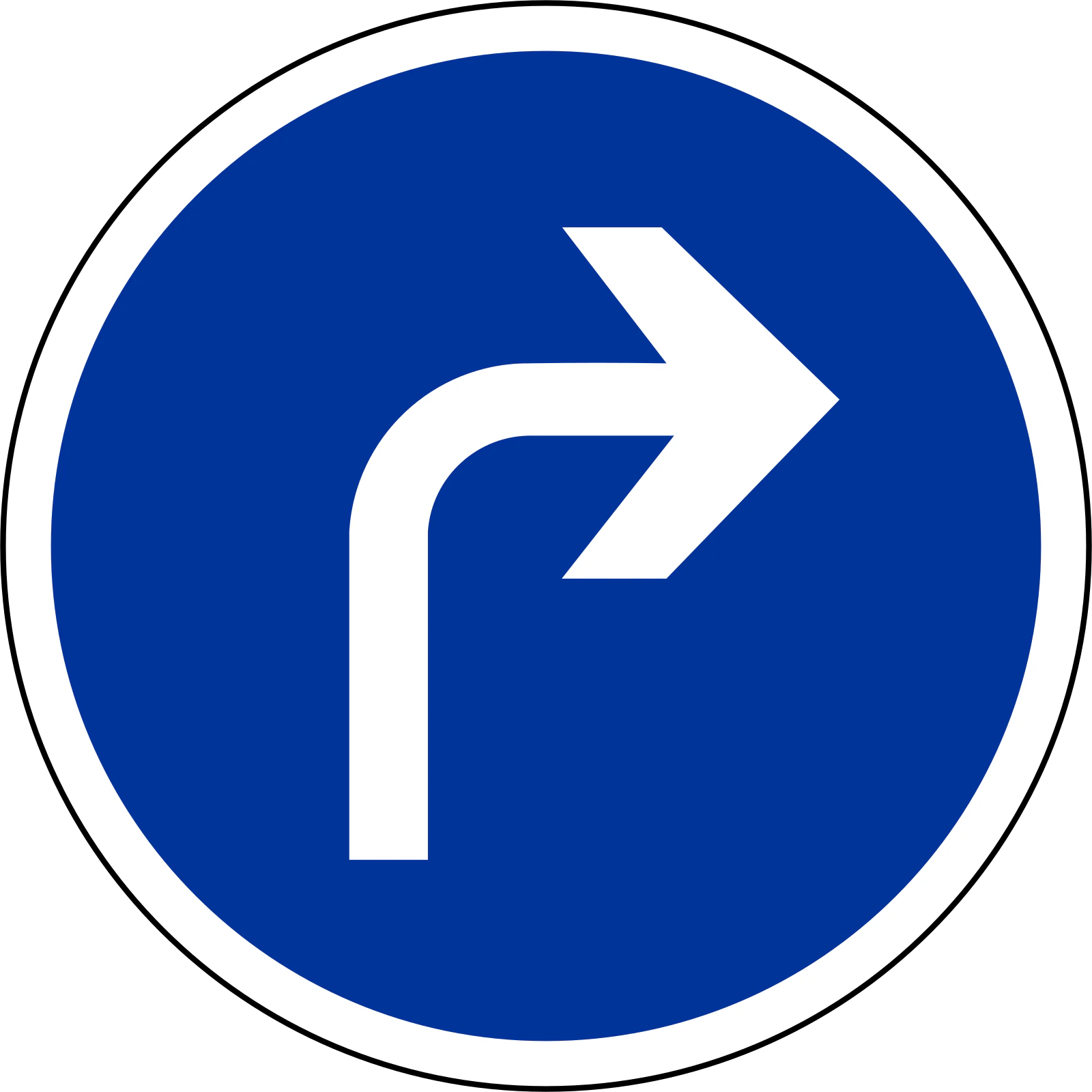
B21c: Mandatory Turn Right Ahead Sign
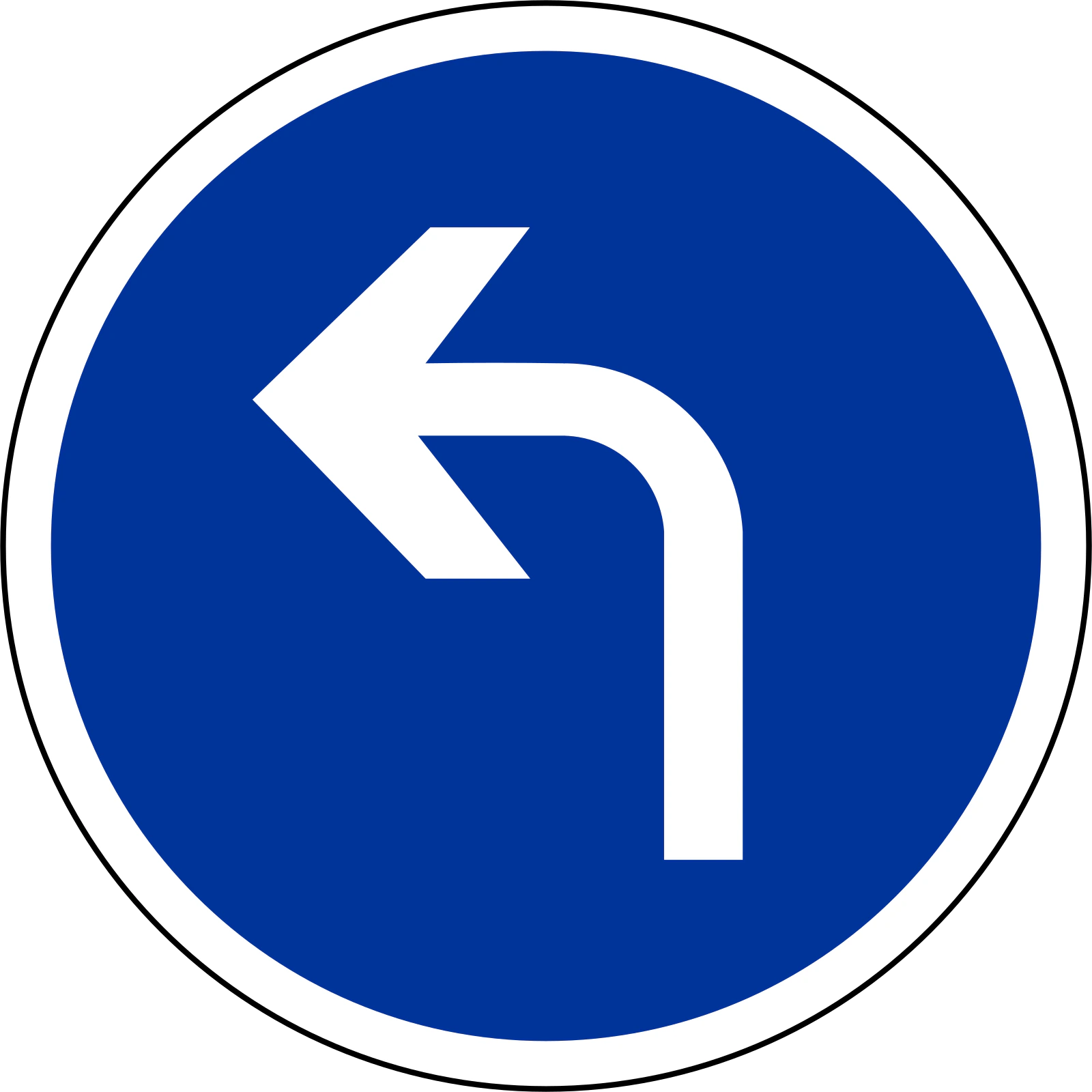
The B21c 'Turn Left Ahead' Sign: Your Mandatory Direction
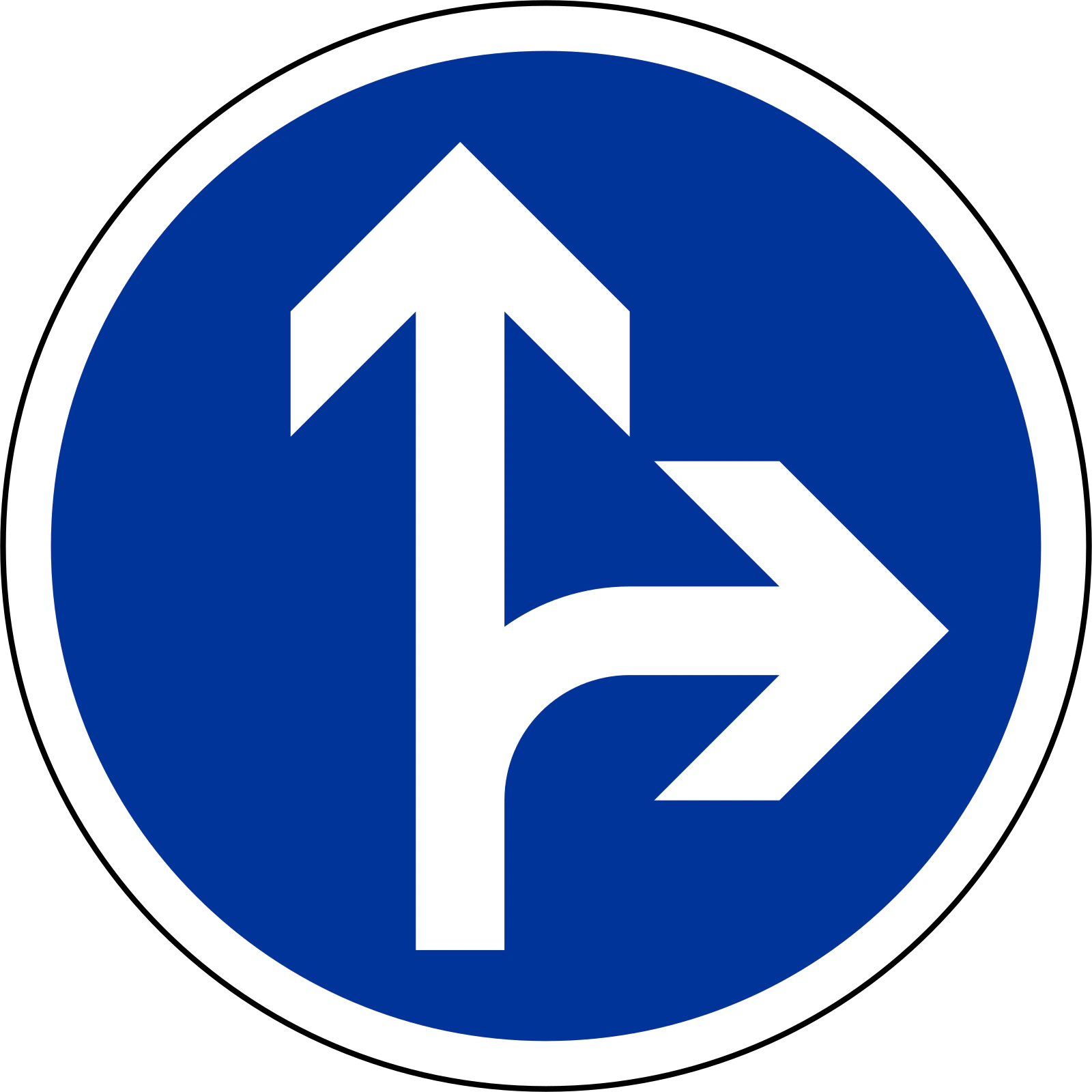
B21d: You Must Go Ahead or Turn Right
Explore these structured materials to bridge the gap between visual sign recognition and the specific traffic rules required for your ETG theory test. These resources help clarify how regional road signs dictate right-of-way and safety in France.
Navigating French urban environments requires a precise understanding of reserved lanes and public transport prioritization. This article explains the legal requirements for sharing the road with buses, taxis, and cyclists, including how to handle intersection maneuvers and turn crossings. These concepts are essential for both real-world driving safety and successfully passing the ETG theory test.
Achieving a passing grade on the French practical driving exam requires more than just knowing the traffic rules; it demands complete control of your vehicle in real-time. This guide breaks down the essential competencies for handling urban and motorway environments, helping you master speed control and safe gap selection. Understanding these key areas will sharpen your decision-making skills and boost your confidence behind the wheel.
Master the Code de la Route: Avoid Distraction Traps and Drive Safely in France.
Navigate French urban traffic like a pro and avoid common learner mistakes.
Mandatory signs tell road users what they must do rather than what they must avoid. This sign can control direction of travel, required lanes, special routes for buses or trams, pedestrian or cycle facilities, snow chains, or minimum speed. A learner should read the sign early, confirm whether it applies to their vehicle, and follow the required movement smoothly. Official French sign code: B26.
Mandatory signs tell road users what they must do rather than what they must avoid. This sign can control direction of travel, required lanes, special routes for buses or trams, pedestrian or cycle facilities, snow chains, or minimum speed. A learner should read the sign early, confirm whether it applies to their vehicle, and follow the required movement smoothly. Official French sign code: B44.
Now that you've reviewed the full list of French road signs, enhance your understanding. Explore signs grouped by specific categories for deeper insights, test your recognition with practice questions, and solidify your knowledge for the Code de la route exam.
Browse All French Road Signs