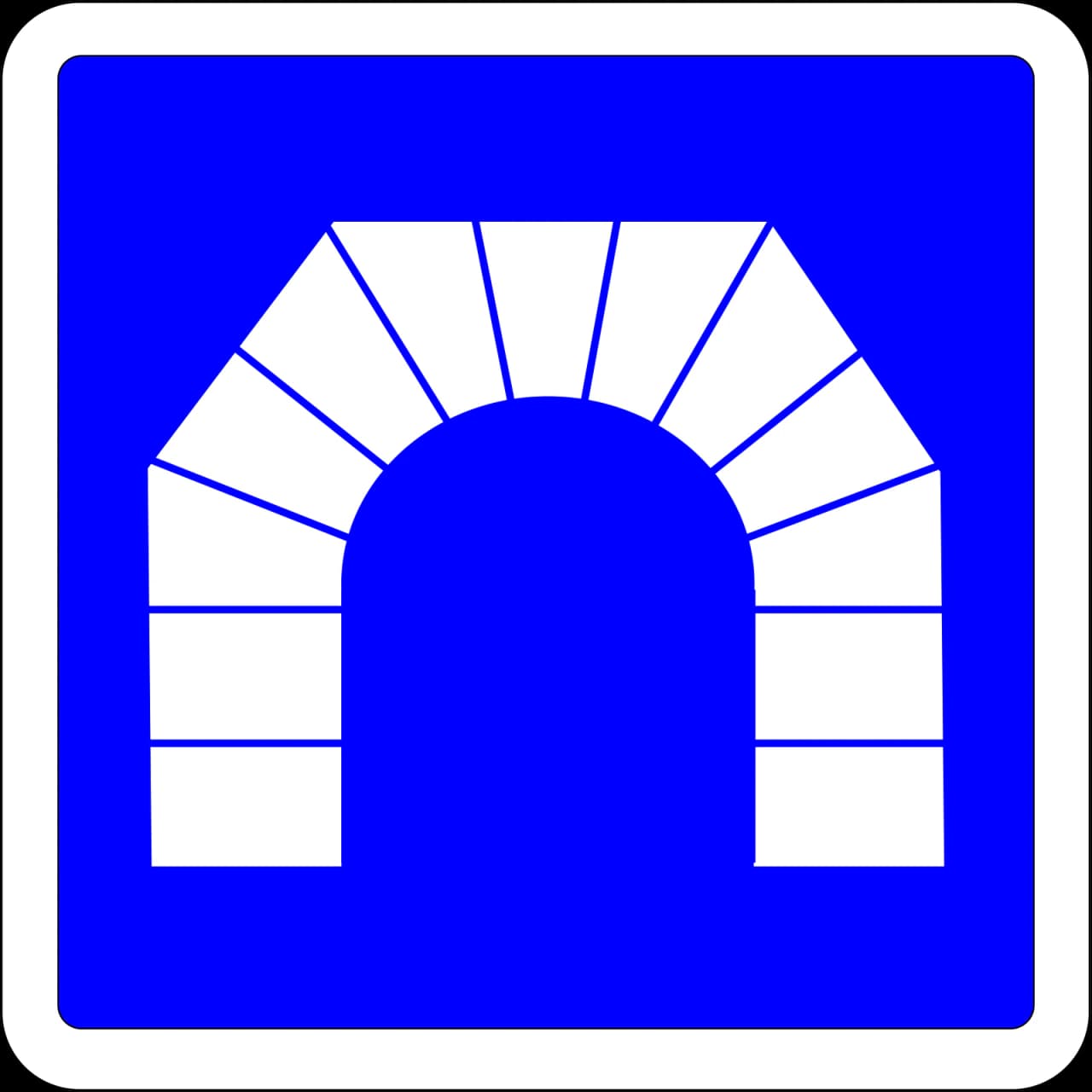
The C50 sign, known as 'Other Information', is a crucial traffic sign category in France used to convey official details about road layout, directions, lanes, facilities, restrictions, and current traffic conditions. It assists drivers in planning their route and actions well in advance, helping to avoid last-minute or unsafe manoeuvres. Always read this sign in conjunction with road markings, signals, and other regulatory signs to ensure safe and compliant driving.
This C50 sign provides essential directional and traffic information, crucial for planning your route and avoiding hazards. Mastering its meaning is key for your theory test revision and safe driving in France.
Information signs make the road environment easier to interpret before a driver has to act. This sign may identify a one-way street, lane arrangement, pedestrian crossing, toll facility, tunnel, motorway, expressway, escape lane, or route condition. It should be read with markings, signals, and regulatory signs before changing speed, lane, or route. Official French sign code: C50.
"Other information" gives official information about road layout, direction, lanes, facilities, restrictions, tolls, tunnels, motorways, or traffic conditions. It helps drivers plan early and avoid sudden manoeuvres.
Get clear, practical answers to the most common questions about the C50 - Other information road sign. Learn how the sign works, what rules it represents, and how it affects real driving situations. This FAQ strengthens your understanding and supports accurate decision making for the French driving theory exam in France.
The C50 sign's main purpose is to provide drivers with essential official information about the road ahead. This can include details on lane arrangements, upcoming facilities like tolls or rest areas, motorway entrances/exits, or specific traffic conditions, helping you plan your journey safely and effectively.
When you see the C50 sign, you should read it carefully and use the information to plan your actions. This might involve adjusting your lane position, preparing to exit, or confirming your route. Crucially, you must continue to obey all other traffic signals, signs, and road markings, as the C50 sign itself does not override any regulations.
A common mistake is treating the C50 sign as a confirmation of permission rather than an informational guide. Learners might also fail to anticipate changes indicated by follow-up signs or neglect to check other traffic controls, such as signals or priority rules, assuming the information sign has altered them. Always remember it's about planning, not overriding.
No, the C50 sign itself is an informational sign and does not impose a prohibition on its own. Its role is to inform about road features, layout, or conditions. Any restrictions or required actions will be communicated by separate regulatory signs, signals, or road markings that may accompany the C50 sign.
If you see the C50 sign too late to make a safe manoeuvre or lane change, the best course of action is to continue safely and look for opportunities to adjust your route or position at the next safe point. It's vital not to make sudden, dangerous changes. Plan ahead by reading signs as early as possible.
A clear reference image of the C50 - Other information road sign used in France.
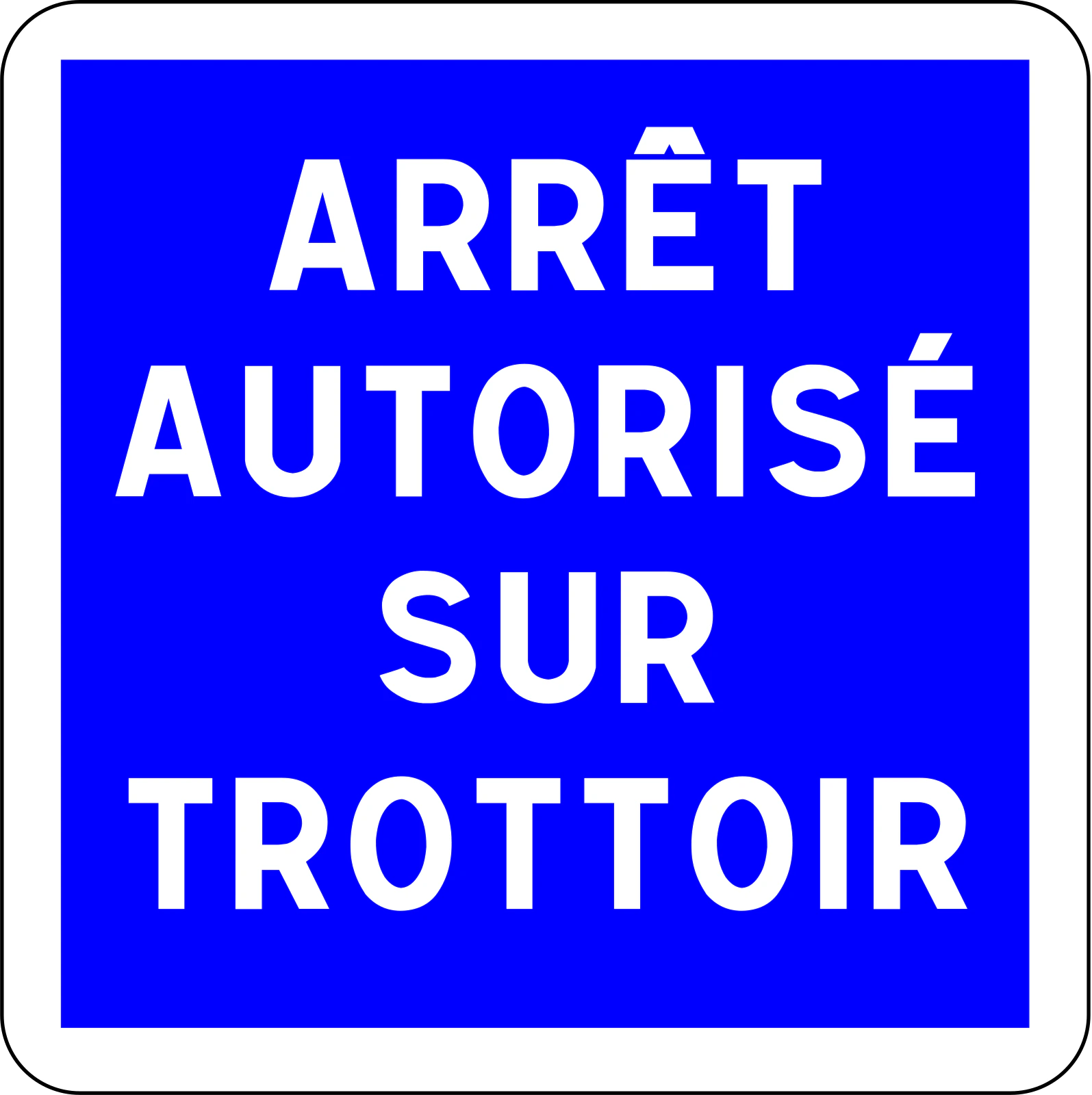
The C50 - Other information road sign may also be known by these alternative names or terms.
The C50 - Other information road sign is part of the France Information Signs category, which groups together signs with similar rules and functions.
Comparing similar road signs like the C50 'Other Information' sign helps build stronger memory and reduces confusion for your theory test revision. Focus on key differences to improve your traffic sign comparison skills and ensure accurate recall.
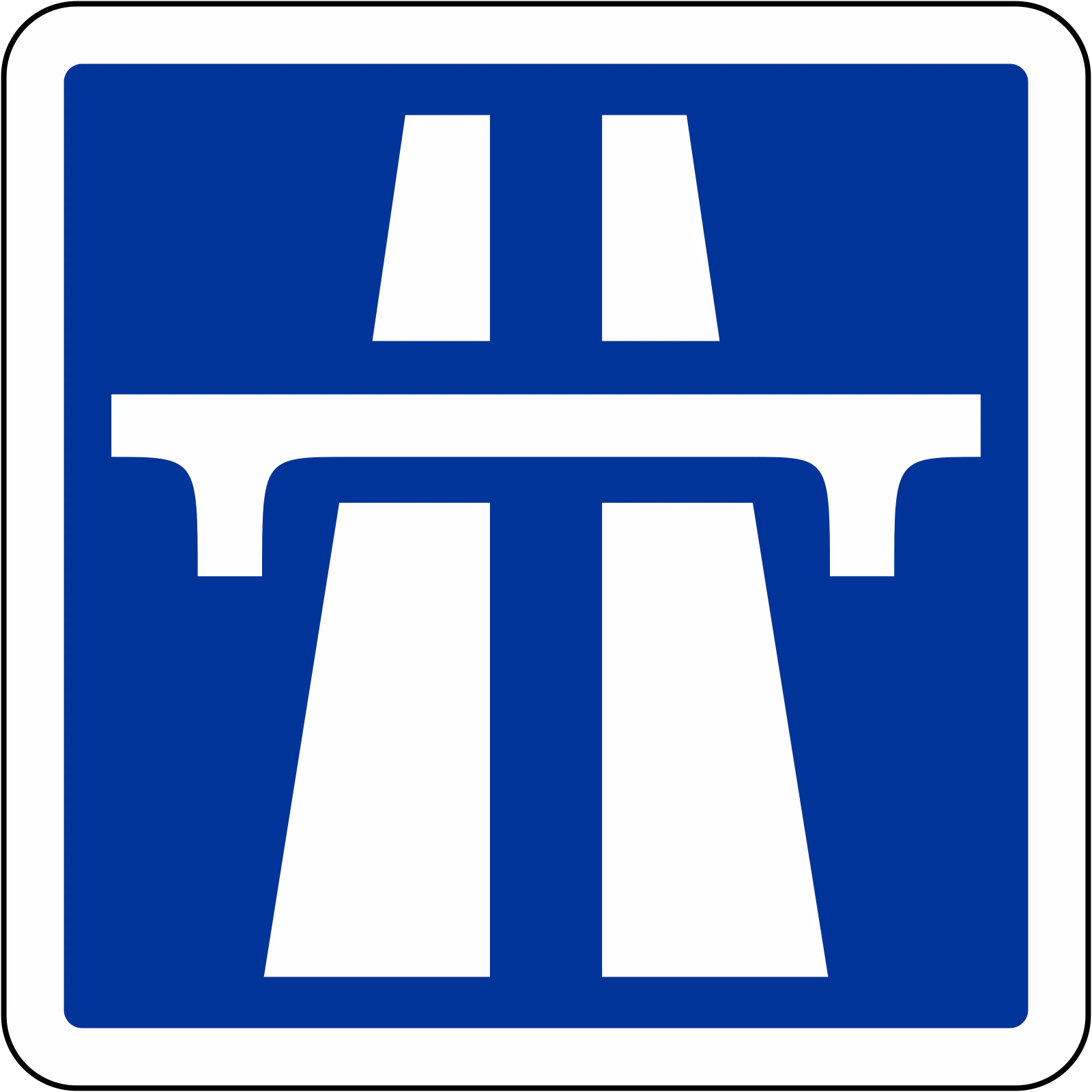
The Autoroute-F sign indicates you are on or approaching a French motorway.
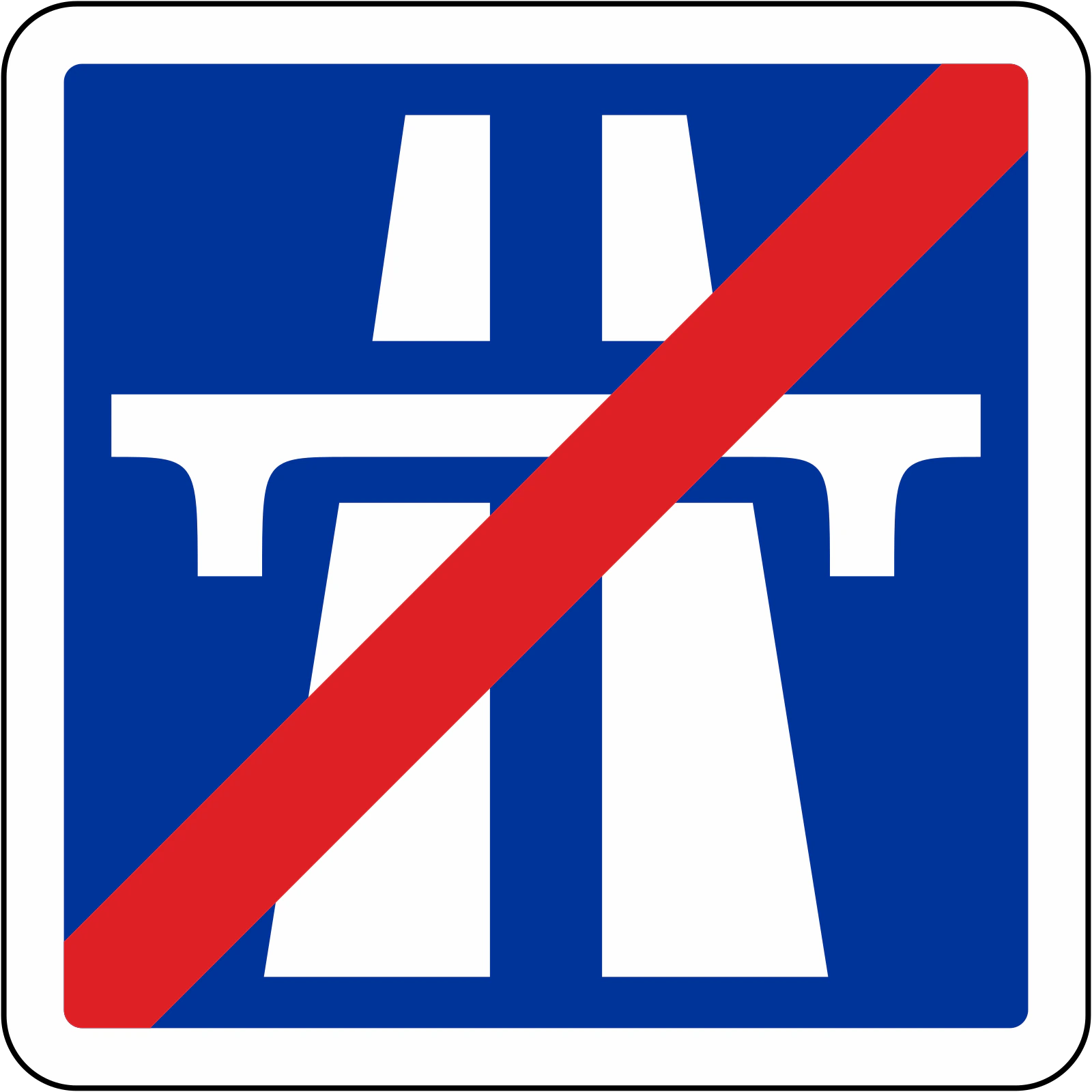
Prepare for the 'End of Motorway' sign to safely transition off the autoroute.
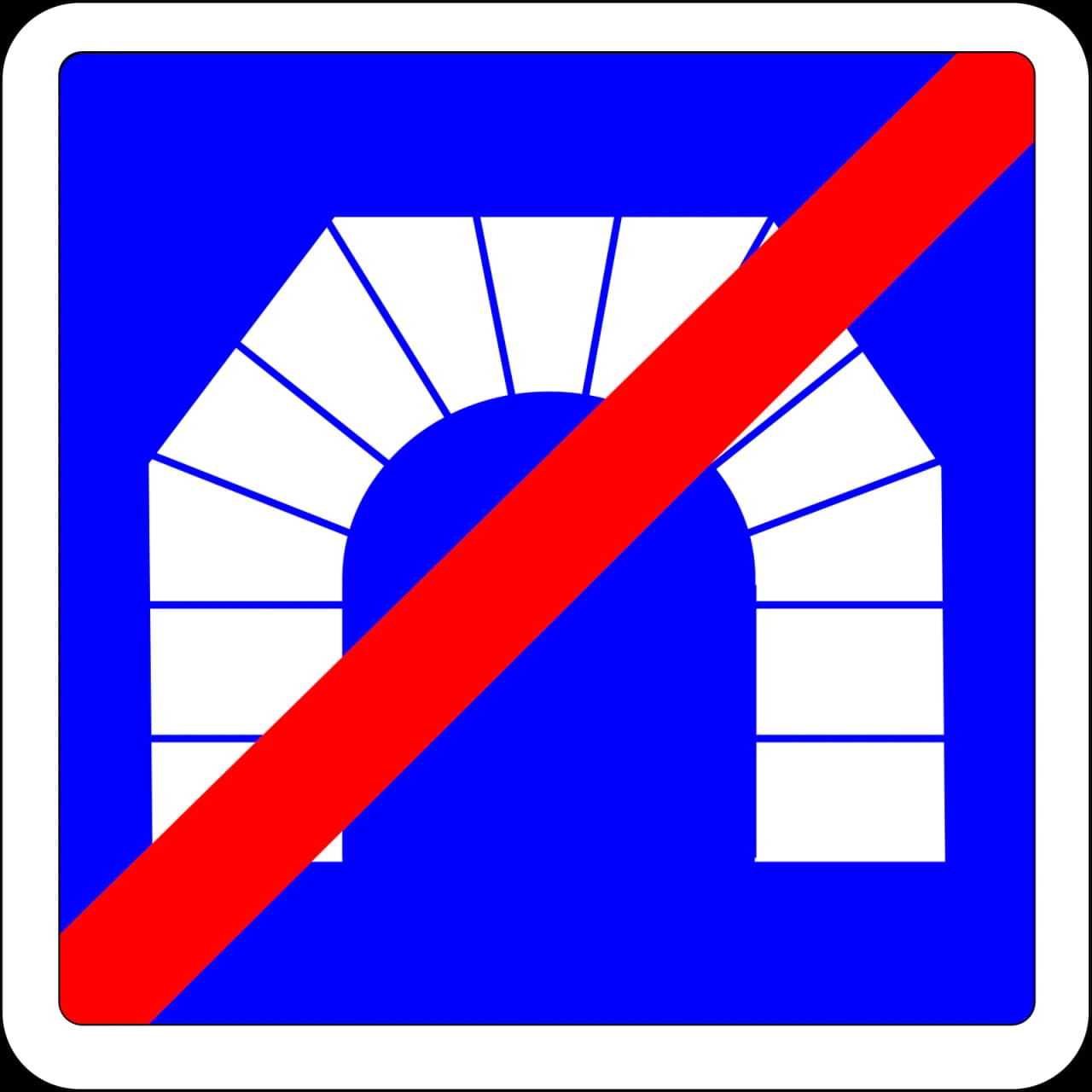
The C112 'End of Tunnel' sign informs you about upcoming road conditions or layout changes.
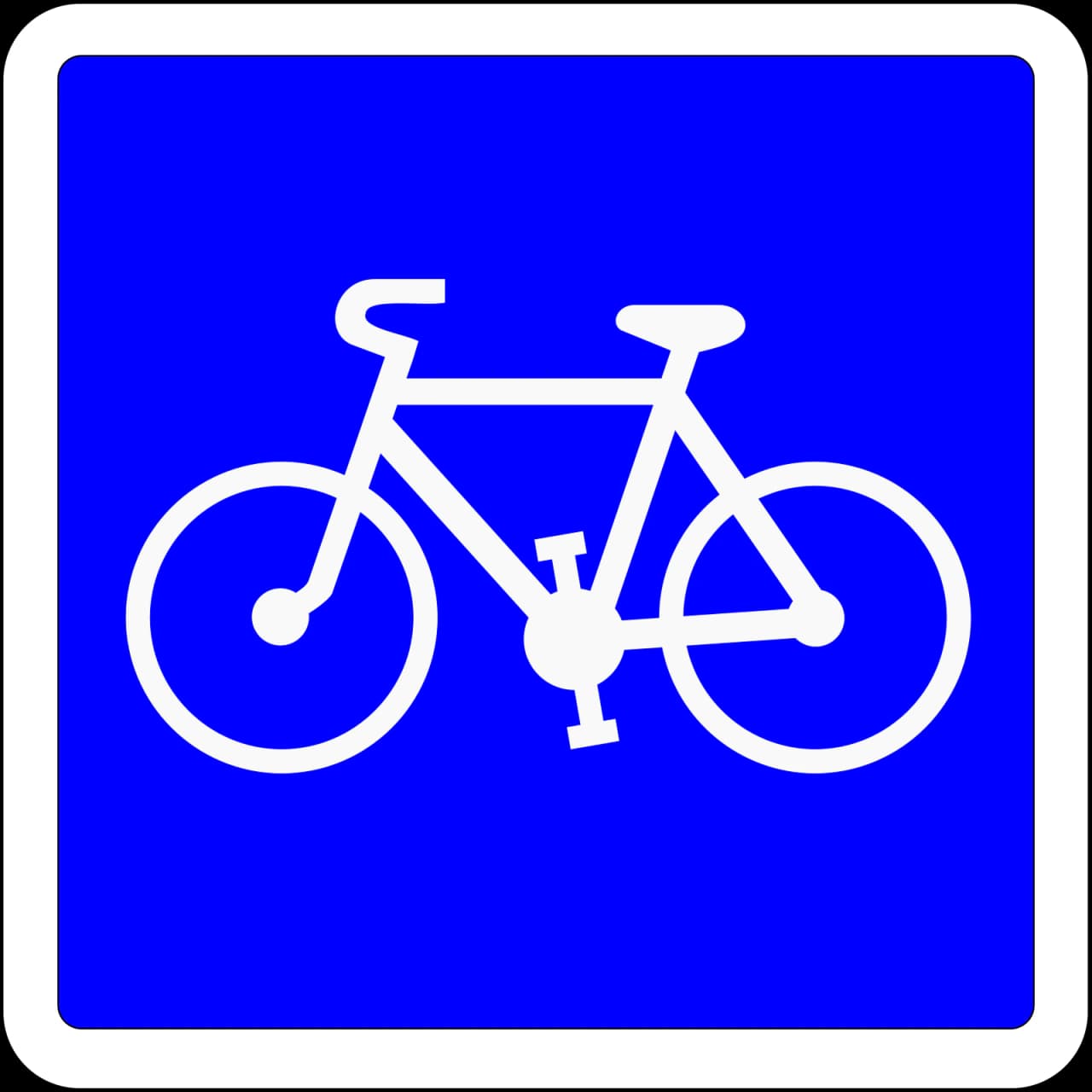
The C113 Cycle Route sign informs you about road layout and facilities ahead.
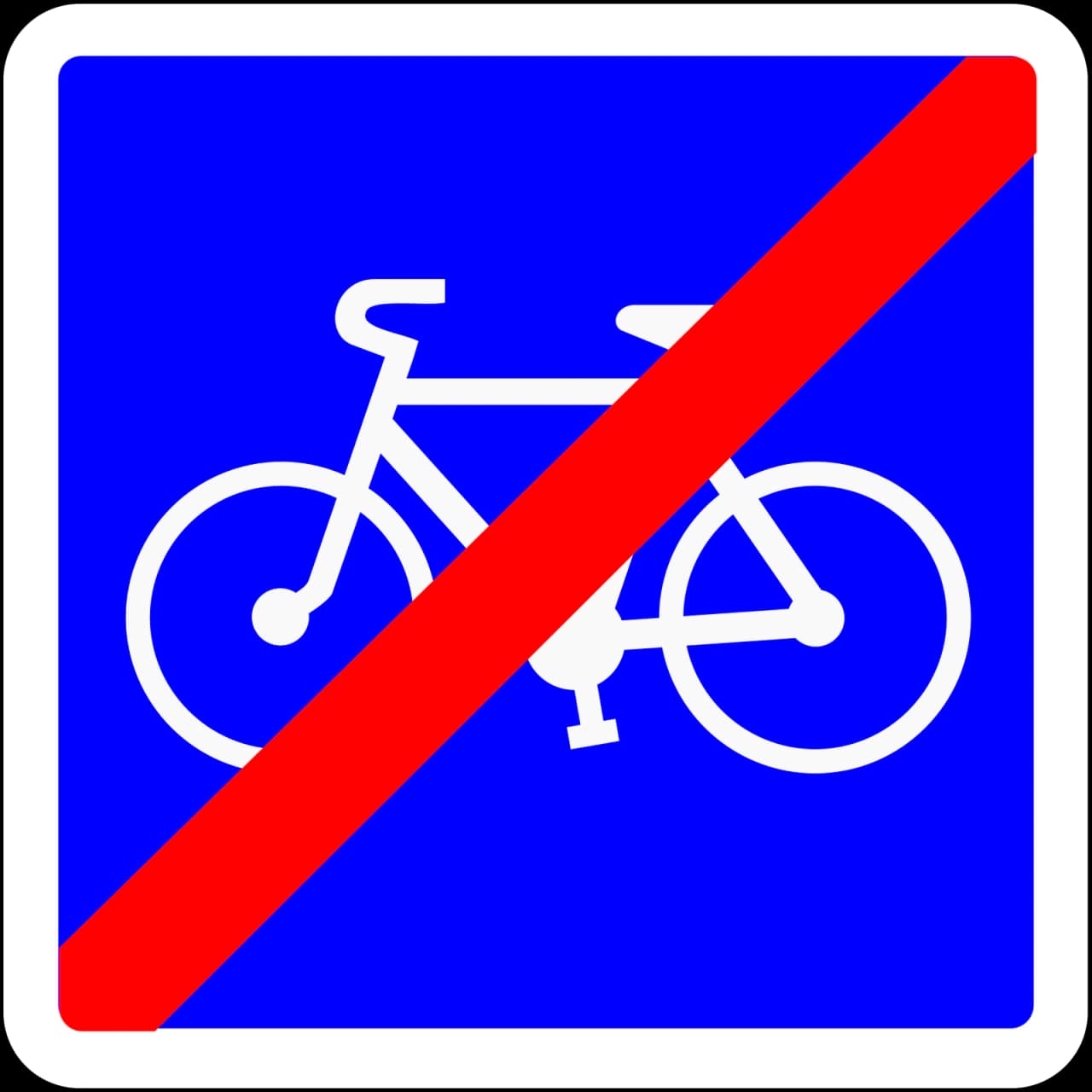
The C114 'End of Cycle Route' sign signals the end of a designated cycle path.
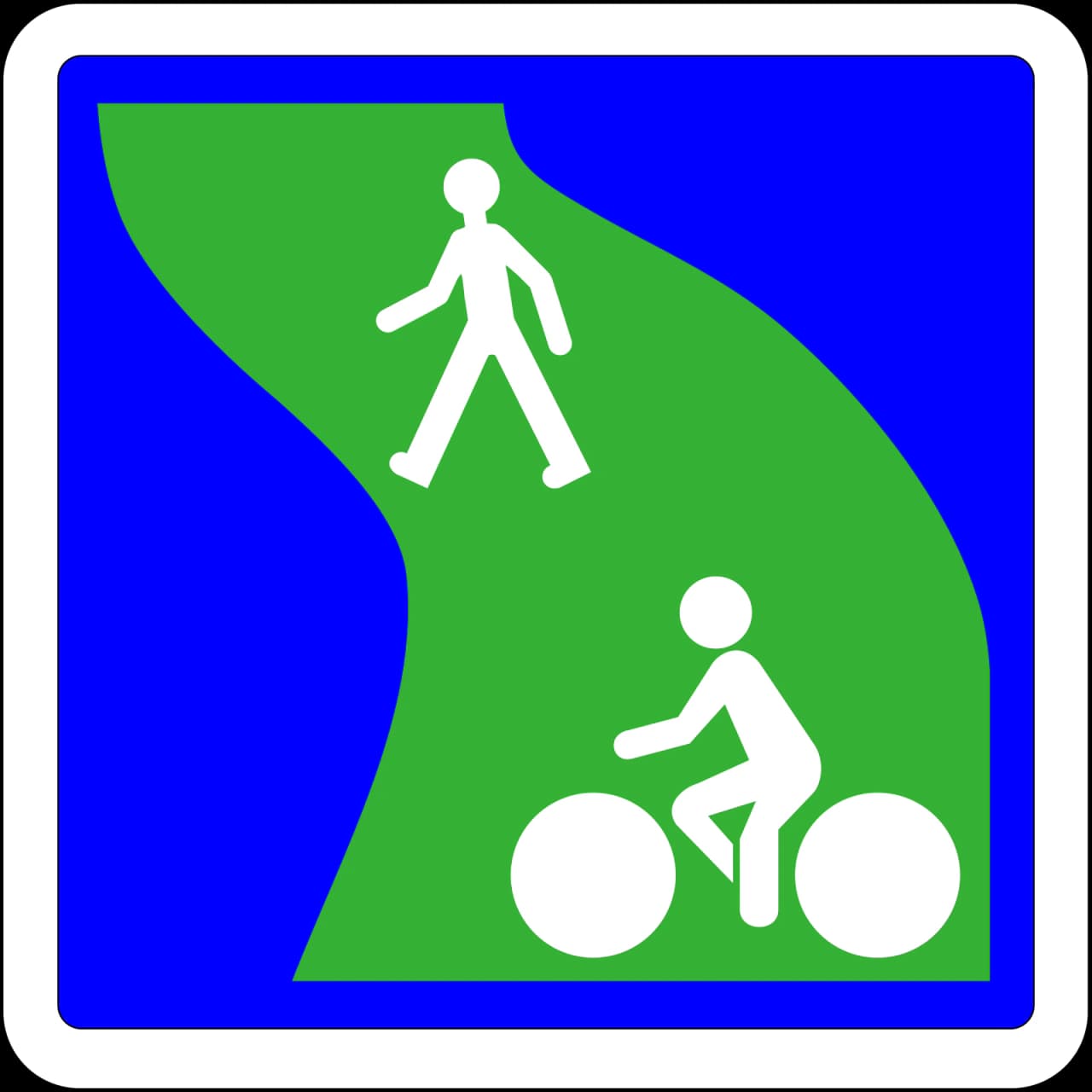
The C115 sign indicates a dedicated route for pedestrians and cyclists.

The C116 sign marks the end of a dedicated pedestrian and cycle route.
Now that you've reviewed the full list of French road signs, enhance your understanding. Explore signs grouped by specific categories for deeper insights, test your recognition with practice questions, and solidify your knowledge for the Code de la route exam.
Browse All French Road Signs