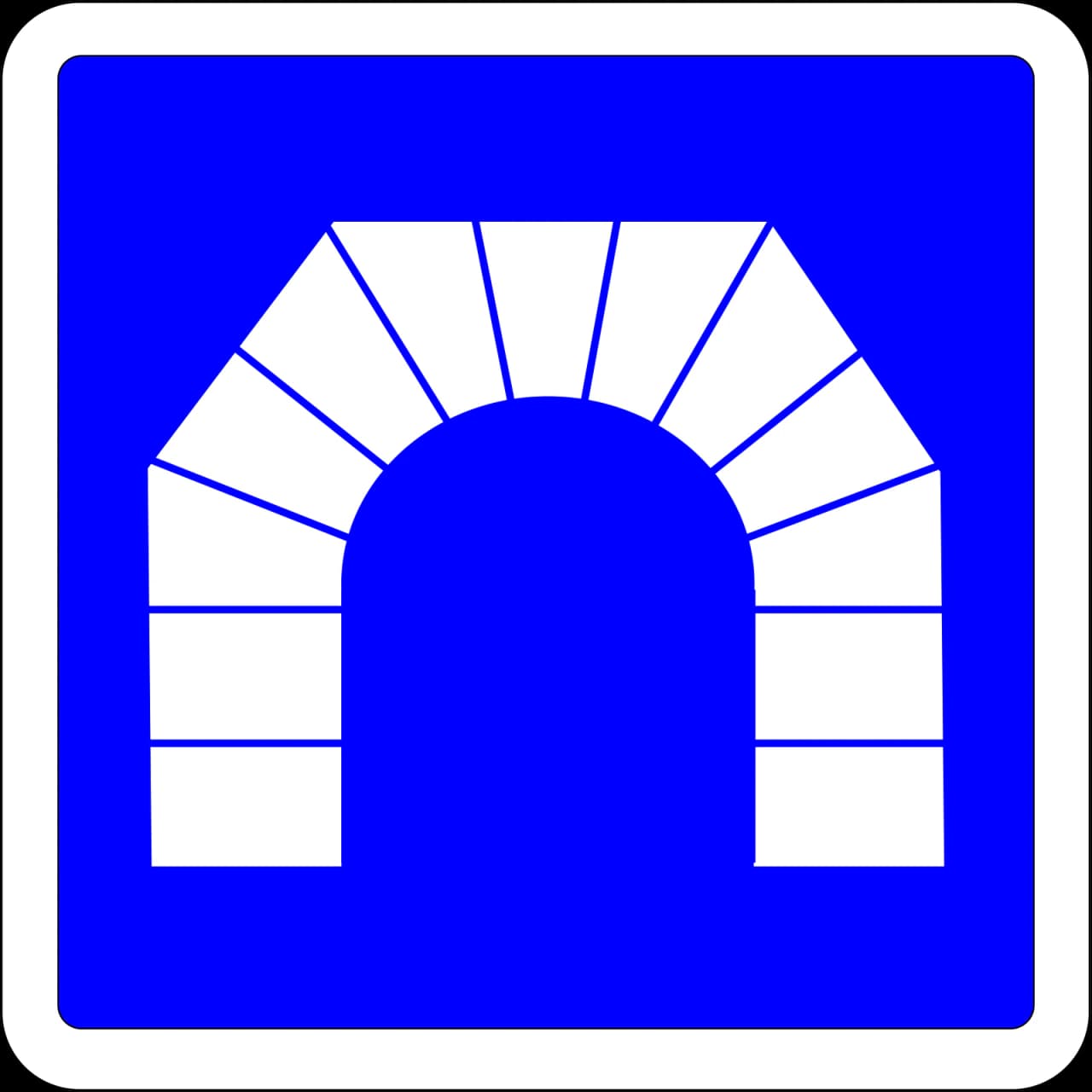
The C14-2 'Road Use Restrictions' sign is an important information sign designed to help you plan your journey in advance. It provides official details about road layout, lane arrangements, available facilities, or traffic conditions, such as one-way streets, pedestrian crossings, tunnels, or motorways. By understanding this sign, along with road markings and other signals, you can adjust your speed and lane position proactively, ensuring a safer and smoother drive and avoiding sudden, hazardous manoeuvres. Always pay attention to follow-up signs that might further detail or change the indicated road layout or facility.
Master the nuances of the C14-2 'Road Use Restrictions' sign in France to accurately interpret route information and plan your driving. Crucial for theory test revision, this sign aids comprehension of road layout and upcoming conditions.
Information signs make the road environment easier to interpret before a driver has to act. This sign may identify a one-way street, lane arrangement, pedestrian crossing, toll facility, tunnel, motorway, expressway, escape lane, or route condition. It should be read with markings, signals, and regulatory signs before changing speed, lane, or route. Official French sign code: C14-2.
"Road use restrictions" gives official information about road layout, direction, lanes, facilities, restrictions, tolls, tunnels, motorways, or traffic conditions. It helps drivers plan early and avoid sudden manoeuvres.
Get clear, practical answers to the most common questions about the C14-2 - Road use restrictions road sign. Learn how the sign works, what rules it represents, and how it affects real driving situations. This FAQ strengthens your understanding and supports accurate decision making for the French driving theory exam in France.
The primary purpose of the C14-2 sign is to provide drivers with advance information about road layout, lane arrangements, facilities, or traffic conditions. This helps you plan your route and driving strategy well in advance, reducing the need for sudden actions and improving overall road safety.
When you see the C14-2 sign, carefully read and interpret the information it provides about the upcoming road environment. Use this information to plan your lane position, speed, and route choice early. You must always consider this information in conjunction with road markings, traffic signals, and other regulatory signs.
A common mistake is treating the C14-2 sign as a standalone instruction without considering other traffic rules. Learners might forget that this is an information sign and doesn't override priority rules, speed limits, or other traffic signals. Another trap is failing to look out for and interpret subsequent signs that further specify the road layout.
The C14-2 sign itself is an information sign, not a prohibitive one. However, it warns of potential restrictions or specific road configurations ahead. You should not make sudden lane changes or route changes late, nor should you treat the information as permission to ignore other traffic laws like priority rules or signals.
If you miss the C14-2 sign or realize its implications too late to react safely, don't make abrupt manoeuvres. Continue safely and look for opportunities to safely re-route or adjust your position at the next safe moment. It's crucial to always remain aware of your surroundings and plan ahead whenever possible.
A clear reference image of the C14-2 - Road use restrictions road sign used in France.

The C14-2 - Road use restrictions road sign may also be known by these alternative names or terms.
The C14-2 - Road use restrictions road sign is part of the France Information Signs category, which groups together signs with similar rules and functions.
Comparing signs like this one with others sharing similar meanings or visual elements sharpens your recall for the French theory test. Master traffic sign comparison and sign recognition to avoid confusion and improve your exam preparation.
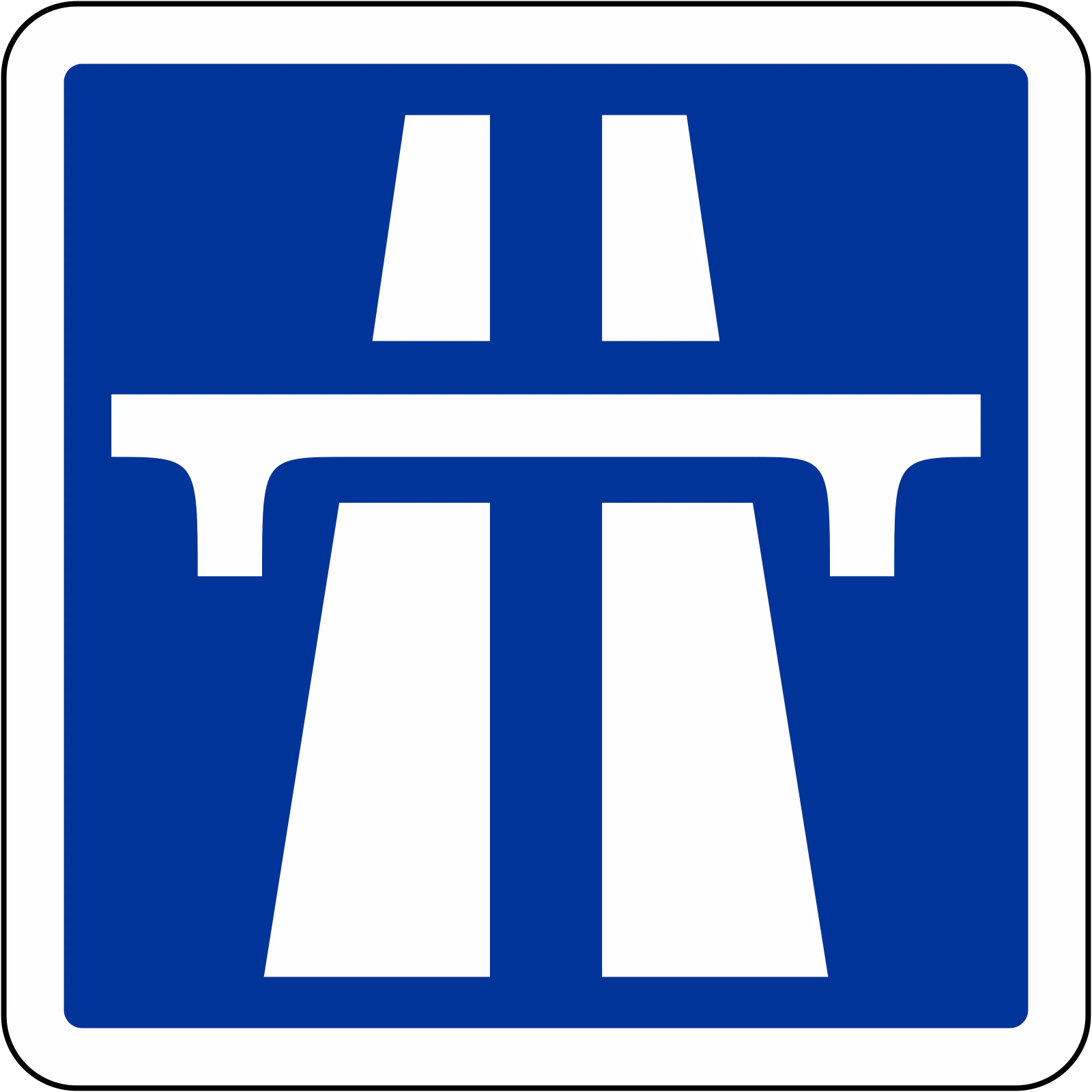
The Autoroute-F sign indicates you are on or approaching a French motorway.
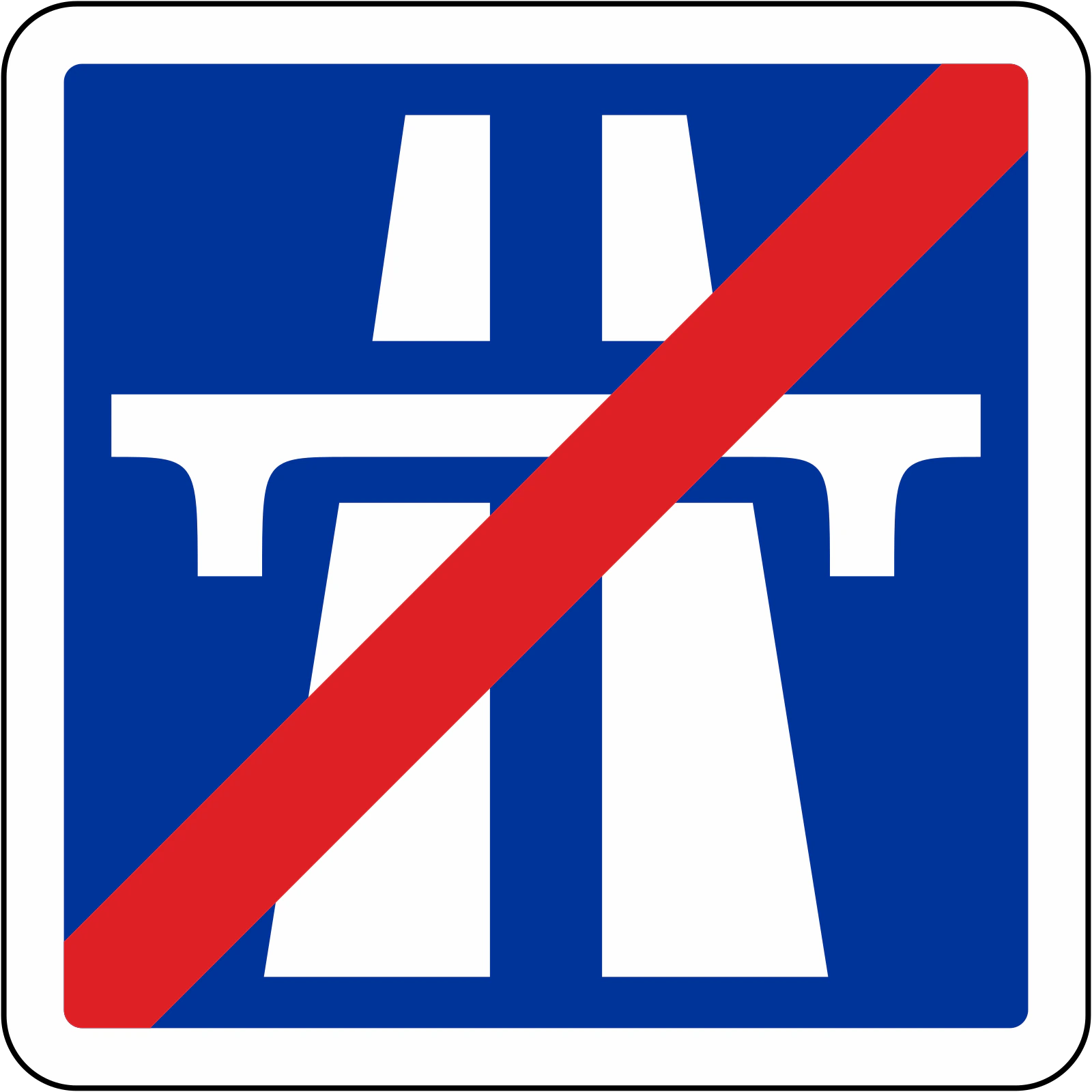
Prepare for the 'End of Motorway' sign to safely transition off the autoroute.
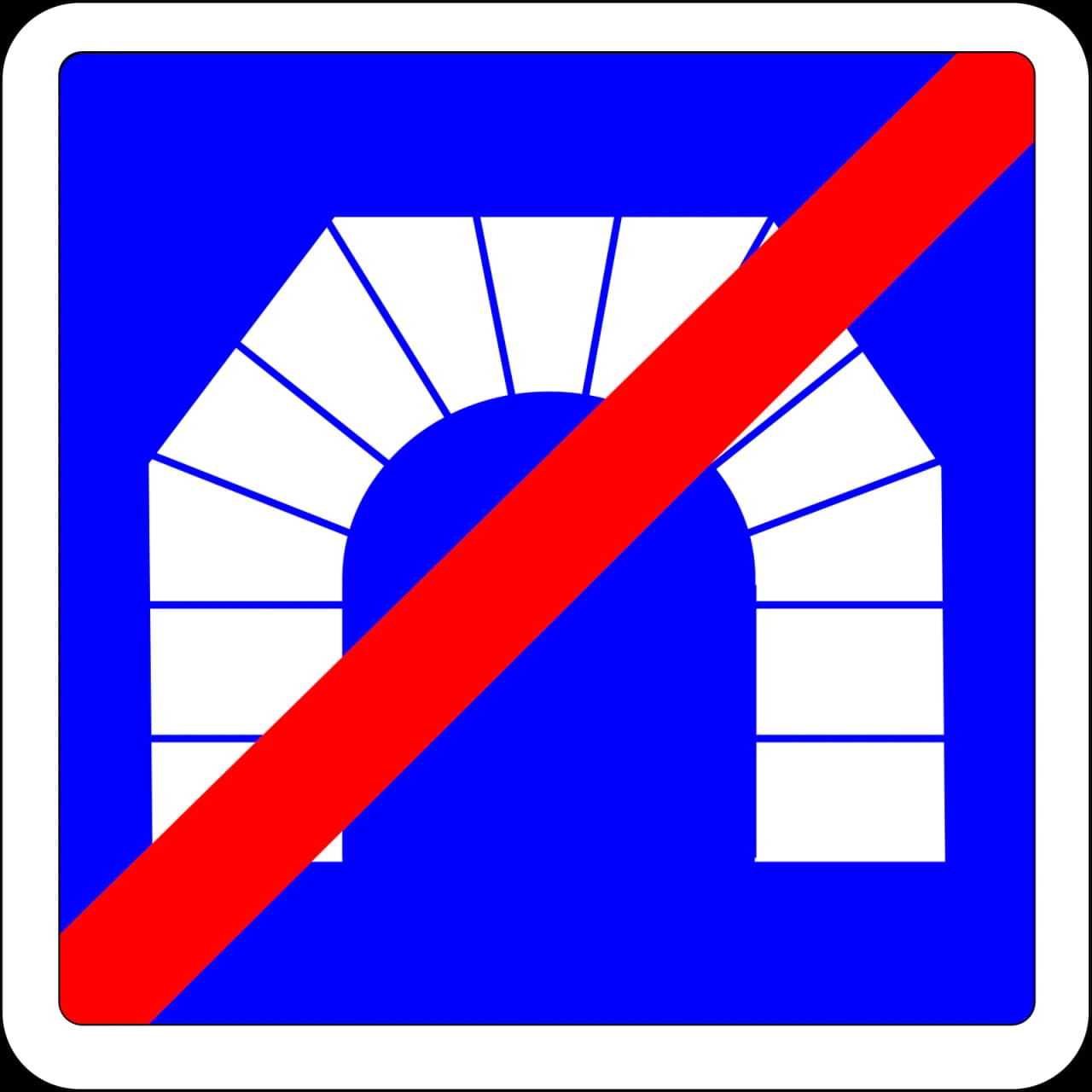
The C112 'End of Tunnel' sign informs you about upcoming road conditions or layout changes.
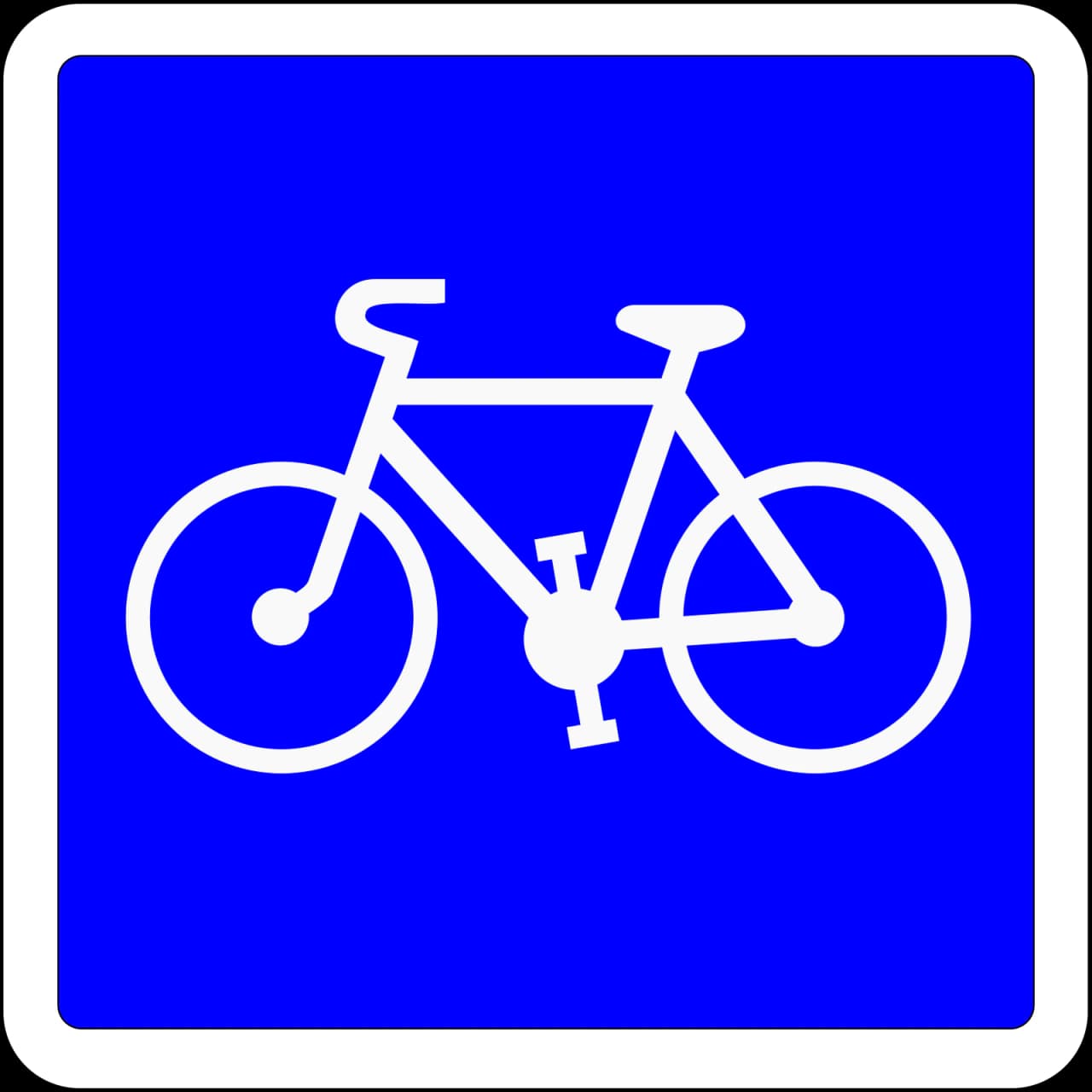
The C113 Cycle Route sign informs you about road layout and facilities ahead.
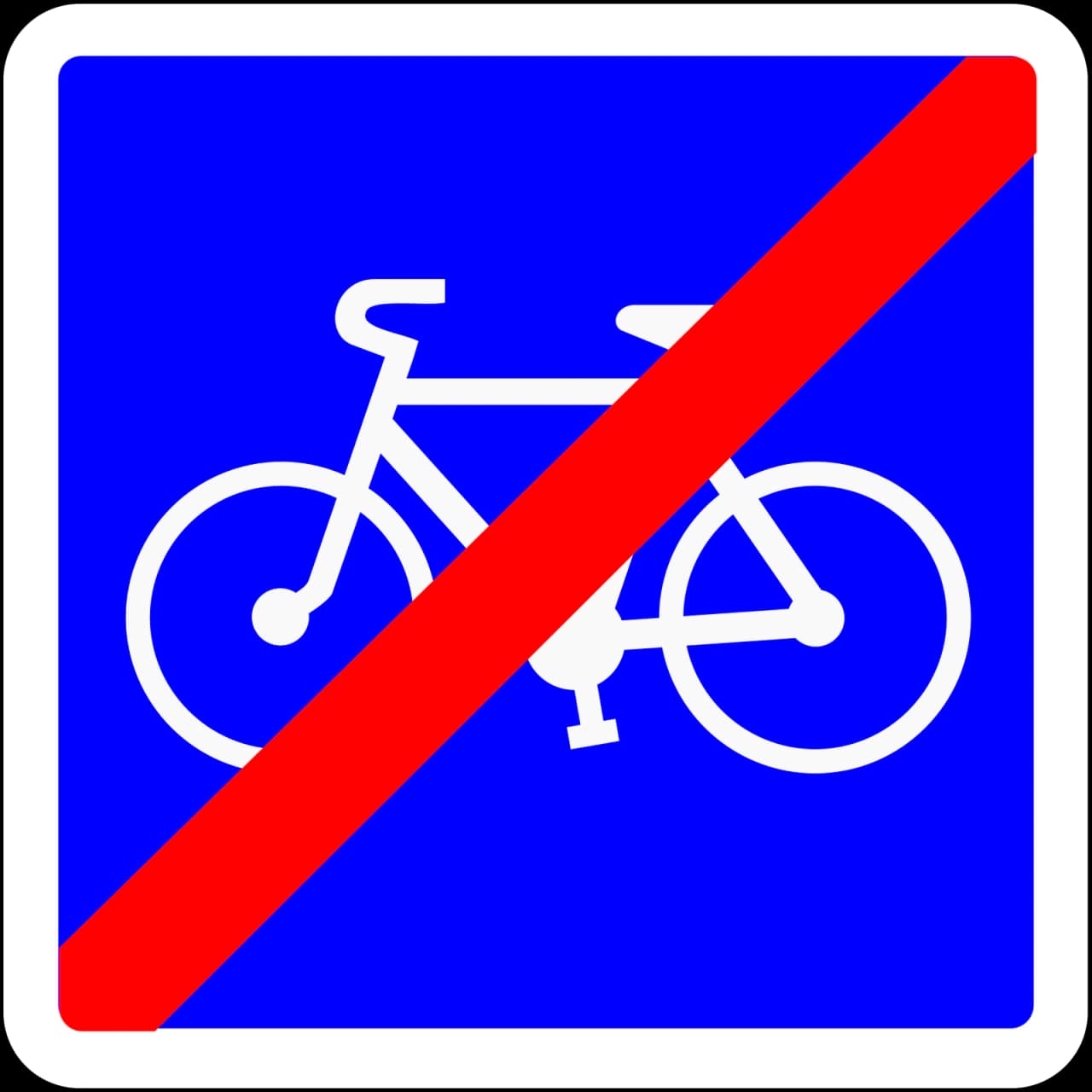
The C114 'End of Cycle Route' sign signals the end of a designated cycle path.
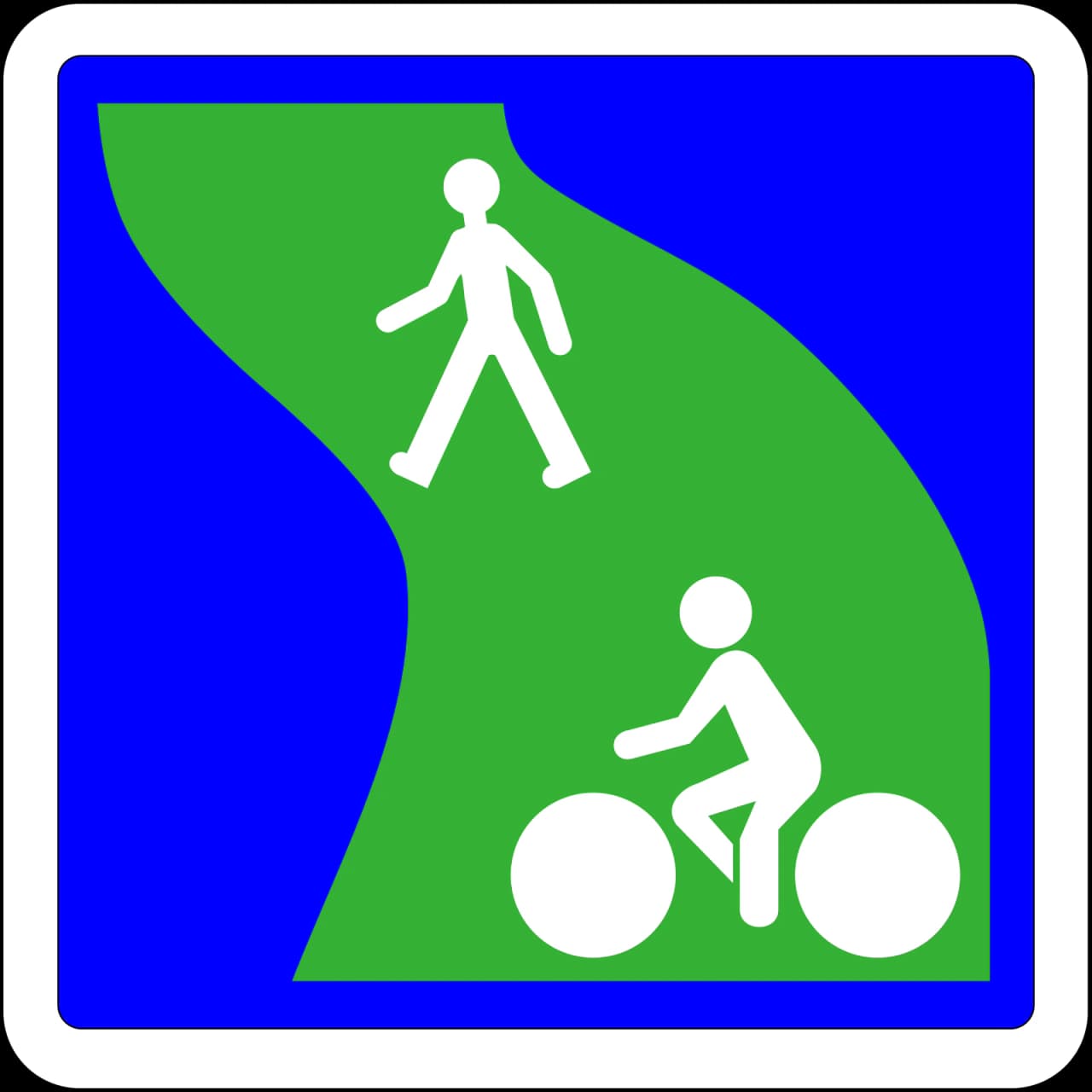
The C115 sign indicates a dedicated route for pedestrians and cyclists.

The C116 sign marks the end of a dedicated pedestrian and cycle route.
Now that you've reviewed the full list of French road signs, enhance your understanding. Explore signs grouped by specific categories for deeper insights, test your recognition with practice questions, and solidify your knowledge for the Code de la route exam.
Browse All French Road Signs