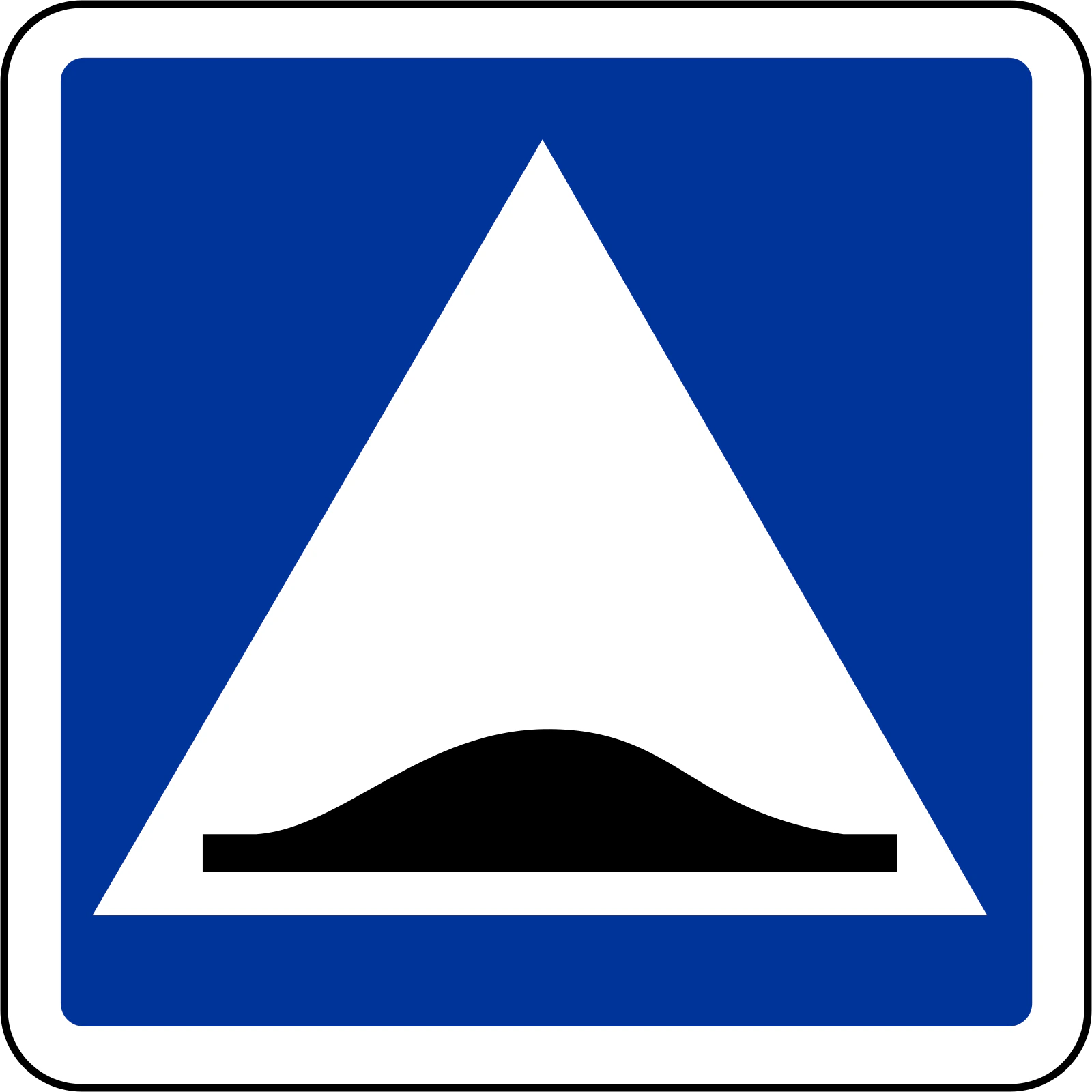
The C27 'Speed Bump' sign is an information sign used in France to alert drivers to upcoming changes in the road surface. While typically not a prohibition on its own, it's crucial for planning your speed and lane position, especially in conjunction with other road markings or signals. Always anticipate potential hazards or changes indicated by this sign to ensure safe driving and a smooth ride.
This C27 sign provides crucial advance notice of a speed bump ahead, helping you adjust your speed and navigate safely through French traffic. Understanding this specific road sign meaning is vital for your theory test revision and overall driving knowledge.
Information signs make the road environment easier to interpret before a driver has to act. This sign may identify a one-way street, lane arrangement, pedestrian crossing, toll facility, tunnel, motorway, expressway, escape lane, or route condition. It should be read with markings, signals, and regulatory signs before changing speed, lane, or route. Official French sign code: C27.
"Speed bump" gives official information about road layout, direction, lanes, facilities, restrictions, tolls, tunnels, motorways, or traffic conditions. It helps drivers plan early and avoid sudden manoeuvres.
Get clear, practical answers to the most common questions about the C27 - Speed bump road sign. Learn how the sign works, what rules it represents, and how it affects real driving situations. This FAQ strengthens your understanding and supports accurate decision making for the French driving theory exam in France.
The C27 sign in France is an information sign alerting you to an upcoming speed bump. It's designed to help you anticipate changes in the road layout and adjust your driving accordingly, such as reducing your speed.
The C27 sign itself is an information sign, meaning it advises you of a condition ahead. You should plan to reduce your speed before reaching the bump. It's essential to combine this information with any accompanying road markings or signals that might indicate the exact location or required speed.
Information signs, like the C27 Speed Bump sign, provide details about the road environment to aid your planning. Prohibition signs, on the other hand, actively forbid certain actions (like speed limits or no entry). While C27 informs you, you must still obey any active prohibitions or signals present.
A common trap with information signs like C27 is assuming they don't require immediate action. Learners might treat them as mere suggestions. In reality, you must react appropriately to the information provided. For C27, this means preparing to slow down to avoid damaging your vehicle or losing control, especially if the bump is unexpected or significant.
Yes, always. Information signs like C27 often work in conjunction with other road features. You should also check for accompanying traffic signals, road markings, or other regulatory signs that might provide more specific instructions or reinforce the need to slow down or take caution.
A clear reference image of the C27 - Speed bump road sign used in France.
The C27 - Speed bump road sign may also be known by these alternative names or terms.
The C27 - Speed bump road sign is part of the France Information Signs category, which groups together signs with similar rules and functions.
Comparing signs like the Speed bump (C27) with other information signs helps solidify your understanding and improves recall for your theory test revision. Mastering traffic sign comparison is key to accurate recognition and fewer mistakes during your exam preparation.
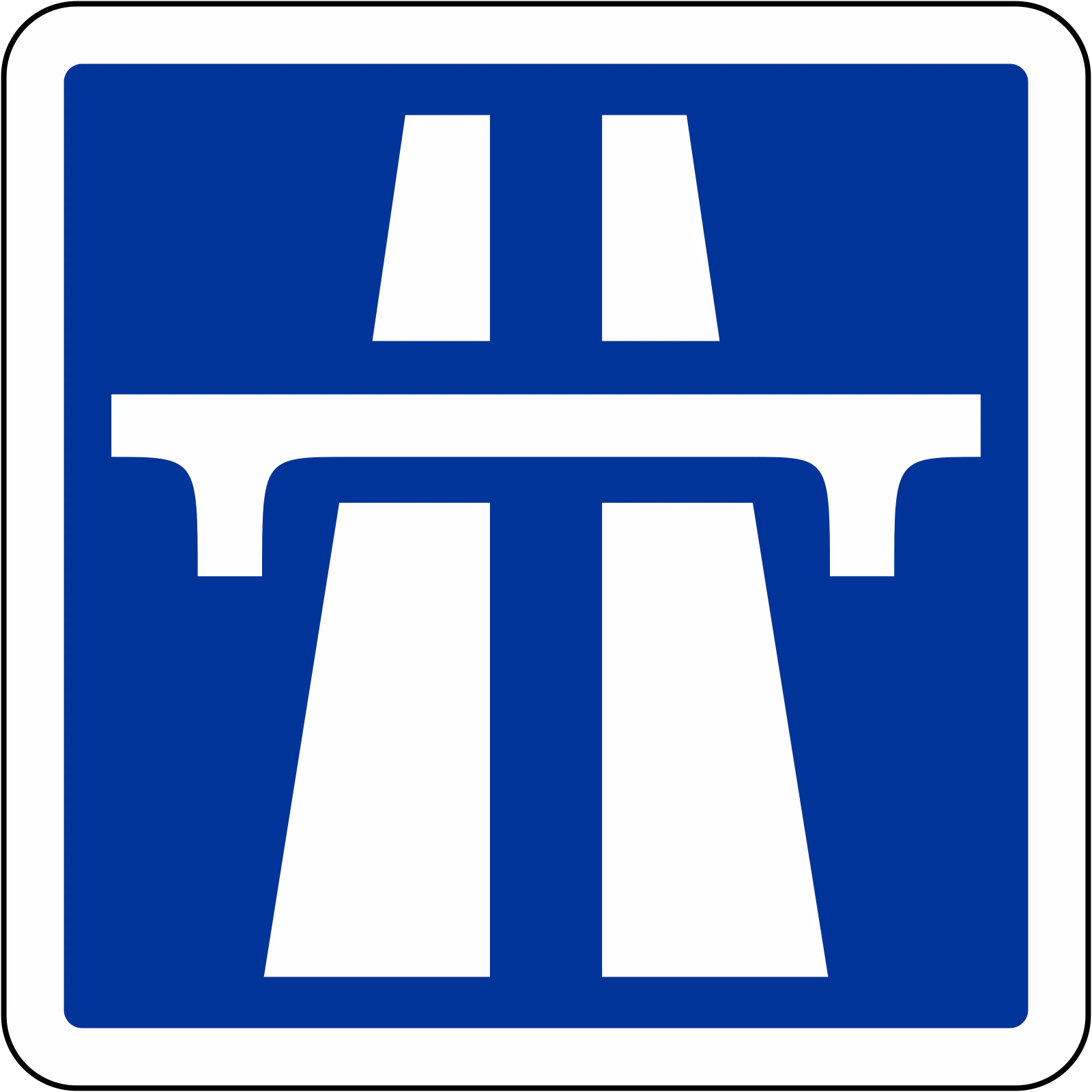
The Autoroute-F sign indicates you are on or approaching a French motorway.
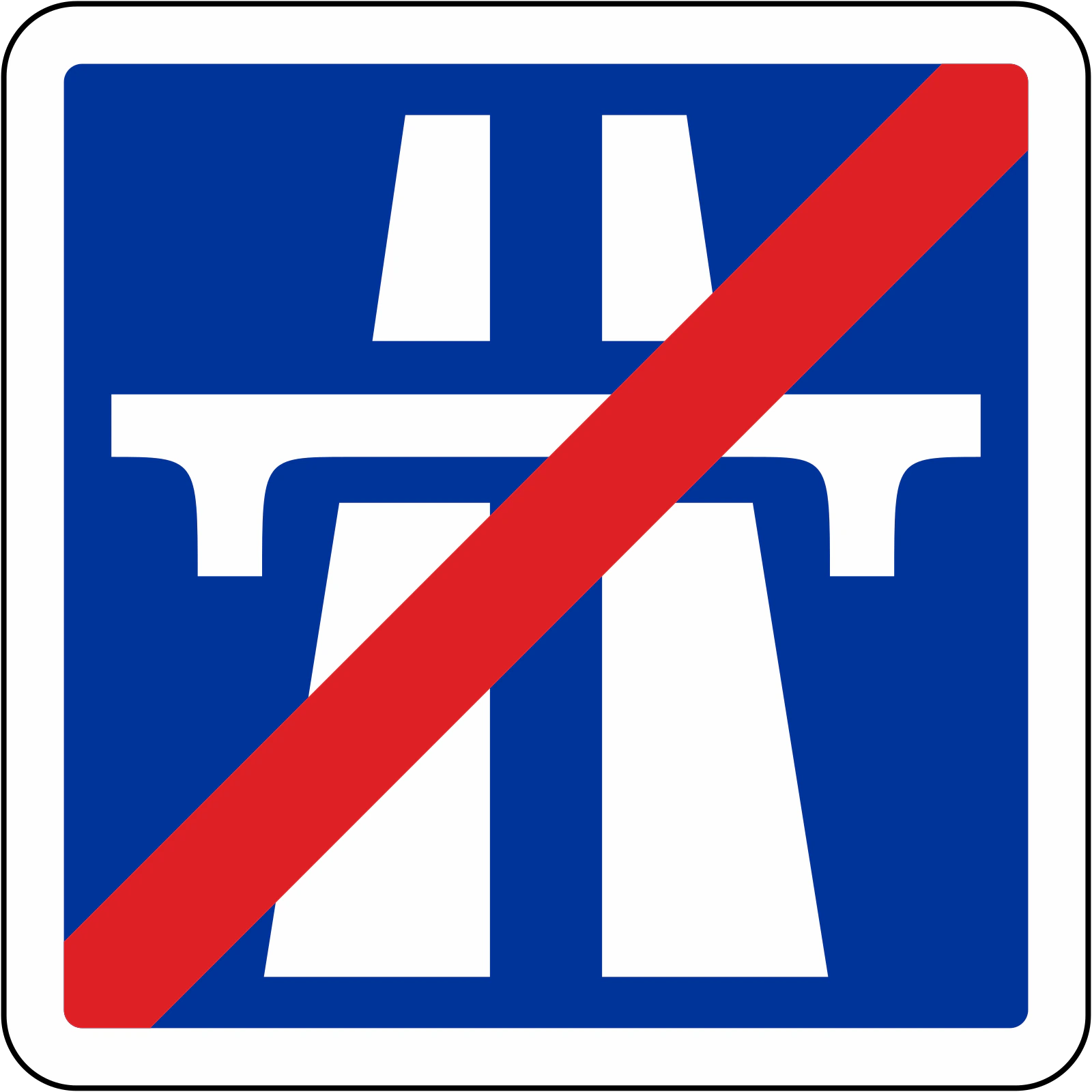
Prepare for the 'End of Motorway' sign to safely transition off the autoroute.
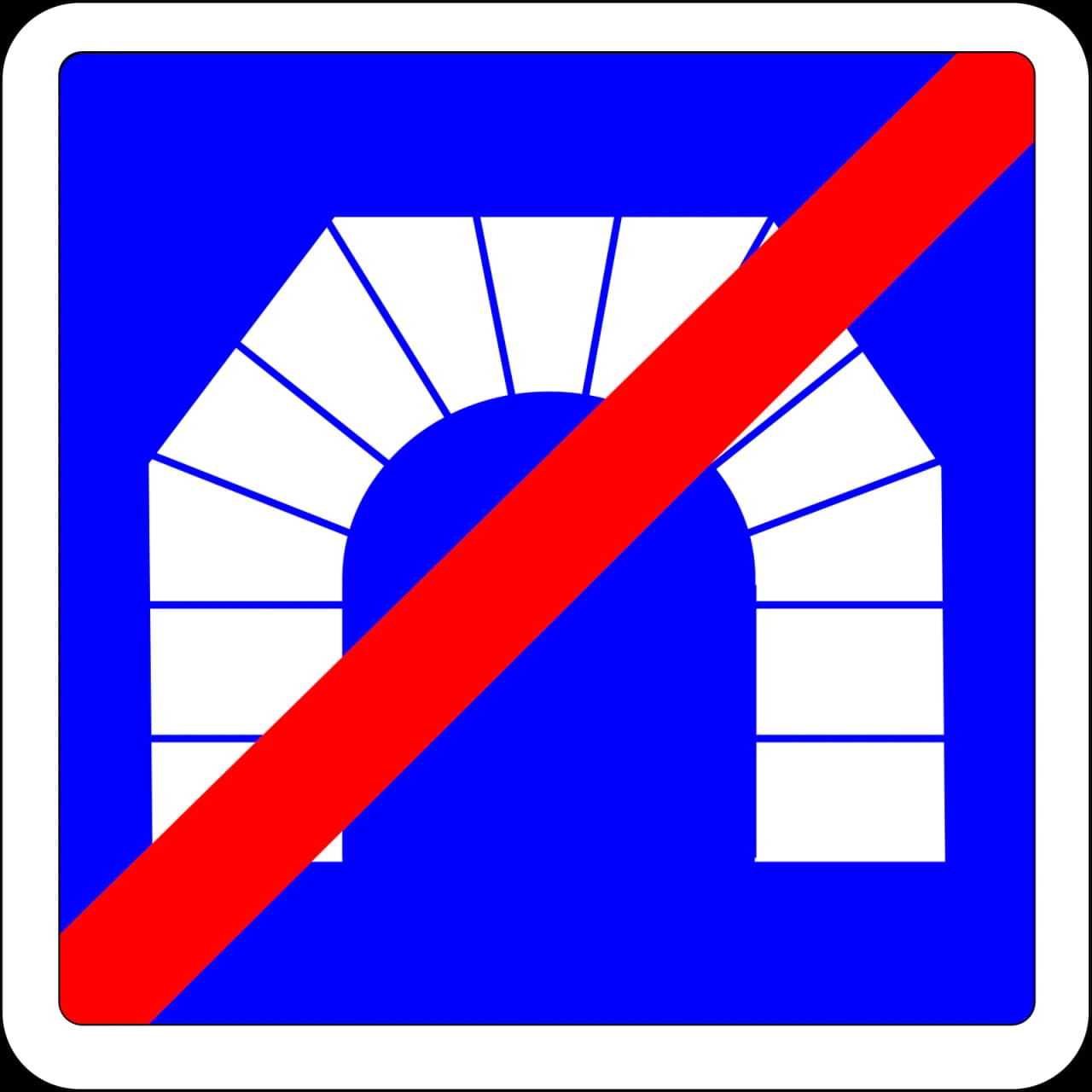
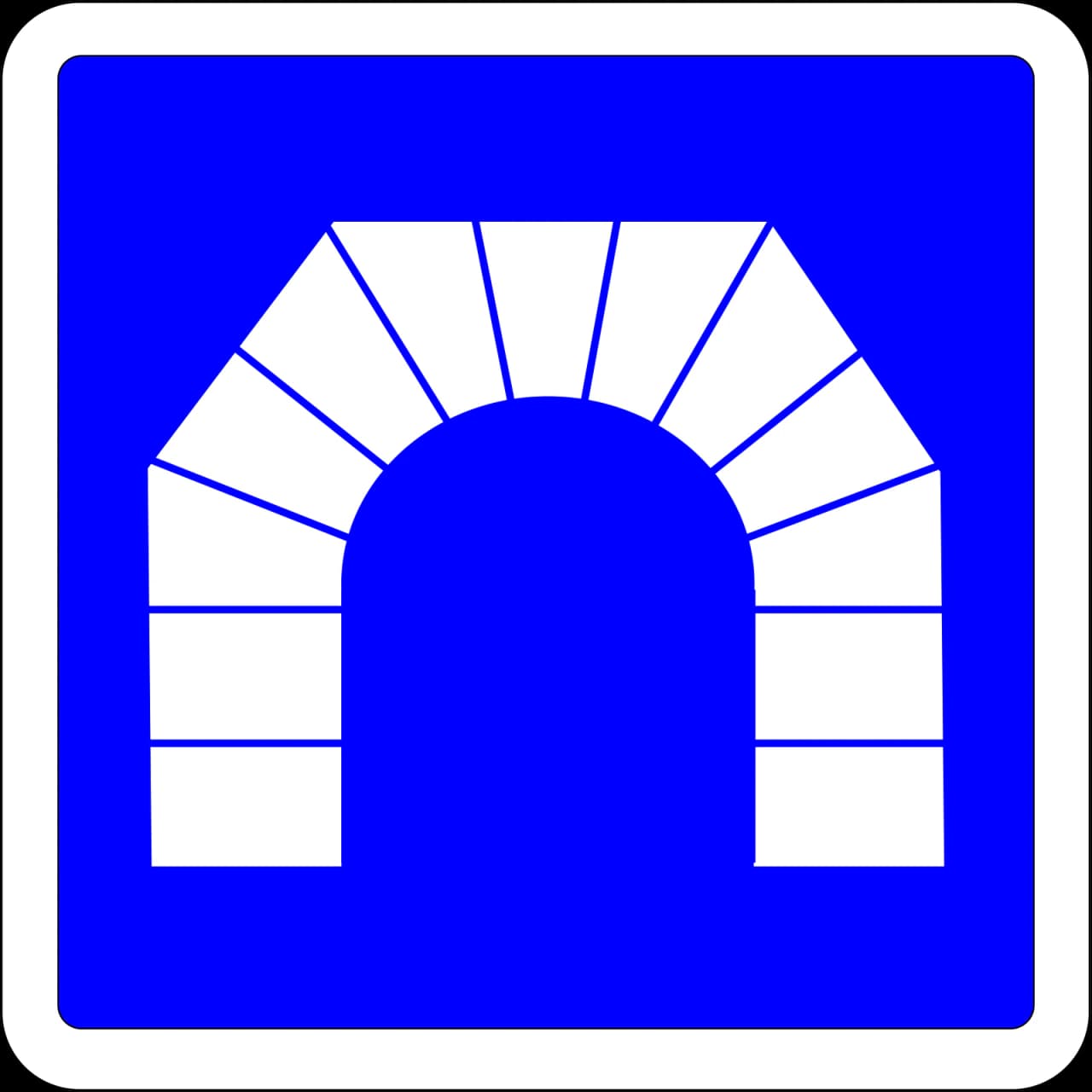
The C112 'End of Tunnel' sign informs you about upcoming road conditions or layout changes.
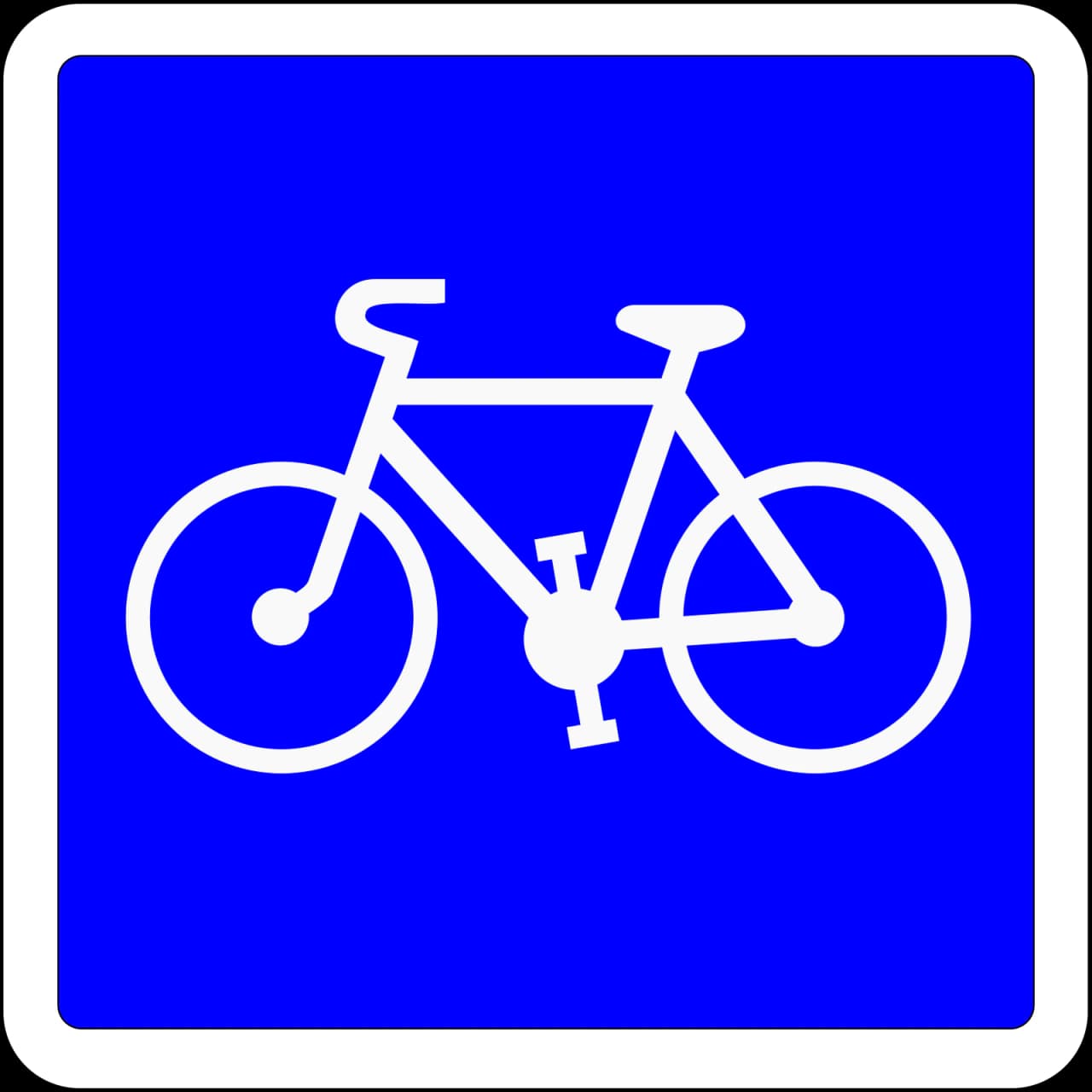
The C113 Cycle Route sign informs you about road layout and facilities ahead.
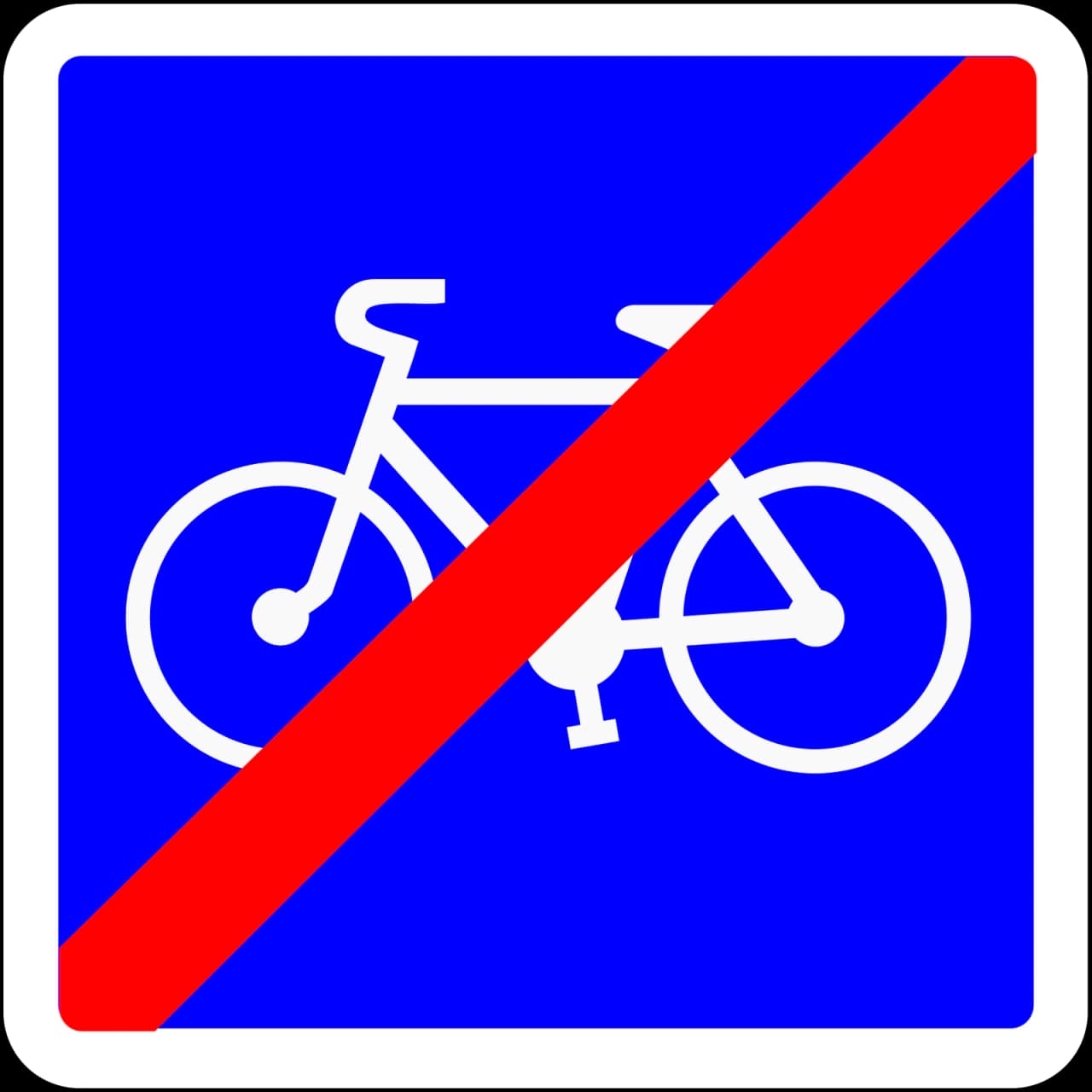
The C114 'End of Cycle Route' sign signals the end of a designated cycle path.
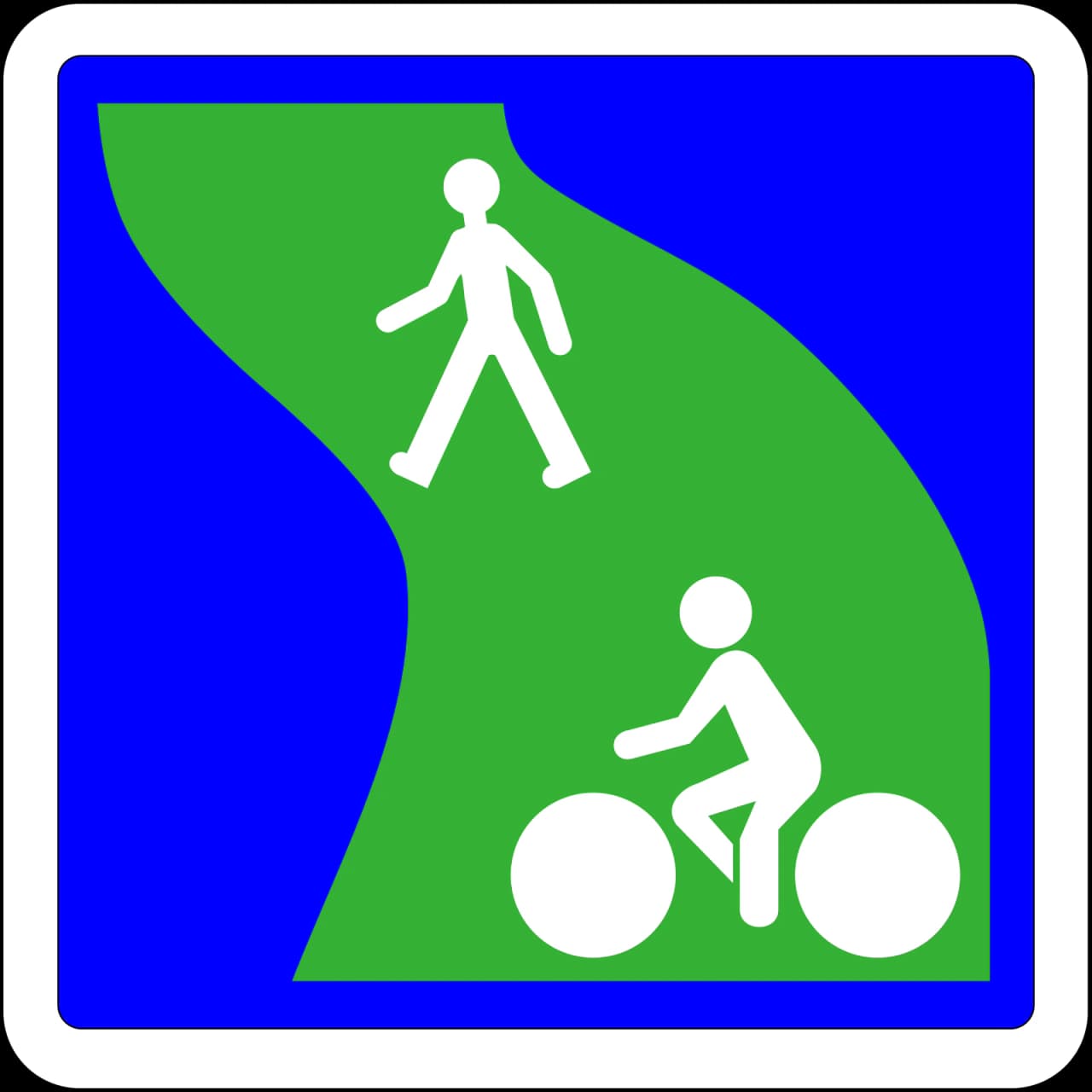
The C115 sign indicates a dedicated route for pedestrians and cyclists.

The C116 sign marks the end of a dedicated pedestrian and cycle route.
Now that you've reviewed the full list of French road signs, enhance your understanding. Explore signs grouped by specific categories for deeper insights, test your recognition with practice questions, and solidify your knowledge for the Code de la route exam.
Browse All French Road Signs