The EB10 sign marks the entrance to a built-up area in France, typically a town or village, where the general speed limit automatically becomes 50 km/h unless otherwise indicated by another sign. As you approach this sign, it’s crucial to reduce your speed in anticipation of increased traffic, pedestrians, cyclists, and more side roads. Remember that exit signs also exist, signalling the end of this restricted speed zone.
This sign signifies entering a town or village in France, immediately establishing a default speed limit of 50 km/h unless otherwise indicated. Mastering road sign meaning is crucial for your theory test revision.
Town and village signs in France are not just place-name markers for navigation. Entry signs normally indicate the start of a built-up area where the default speed limit is 50 km/h unless another sign sets a different limit, and exit signs indicate the end of that built-up area. Drivers should adapt before the sign and expect pedestrians, cyclists, parked vehicles, side roads, and local priority situations. Official French sign code: EB10.
"Entrance to town or village (speed limit 50 km/h)" identifies entry to or exit from a town or village. It can affect the driving environment and the default urban speed rule.
Get clear, practical answers to the most common questions about the EB10 - Entrance to town or village (speed limit 50 km/h) road sign. Learn how the sign works, what rules it represents, and how it affects real driving situations. This FAQ strengthens your understanding and supports accurate decision making for the French driving theory exam in France.
The EB10 sign indicates that you are entering a built-up area, such as a town or village. Its main function is to inform drivers that the default speed limit within this area is 50 km/h, unless a different speed limit is posted by another sign. It signals a change in the driving environment requiring increased caution.
You should begin to reduce your speed *before* you reach the EB10 sign, rather than waiting until you have passed it. This allows you to safely adjust to the new speed limit and be prepared for potential hazards like pedestrians, cyclists, parked vehicles, and junctions common in urban areas.
Yes, the 50 km/h is the *default* speed limit for built-up areas in France. You may encounter other signs that specify a lower (e.g., 30 km/h) or, in rare cases, a higher speed limit. Always pay attention to any additional traffic signs present alongside or shortly after the EB10 sign.
A common trap is assuming that the 50 km/h limit applies immediately upon passing the sign without slowing down beforehand. Another is forgetting to check for other signs that might modify this speed limit. Examiners also test your understanding that you must be prepared for urban hazards as soon as you enter the designated area.
When you see the sign indicating the exit from a built-up area, it signifies the end of the 50 km/h default speed limit zone. You are then permitted to increase your speed, but only if conditions allow and if no other signs impose a different speed limit. Do not accelerate abruptly; ensure the road ahead is clear and safe.
A clear reference image of the EB10 - Entrance to town or village (speed limit 50 km/h) road sign used in France.
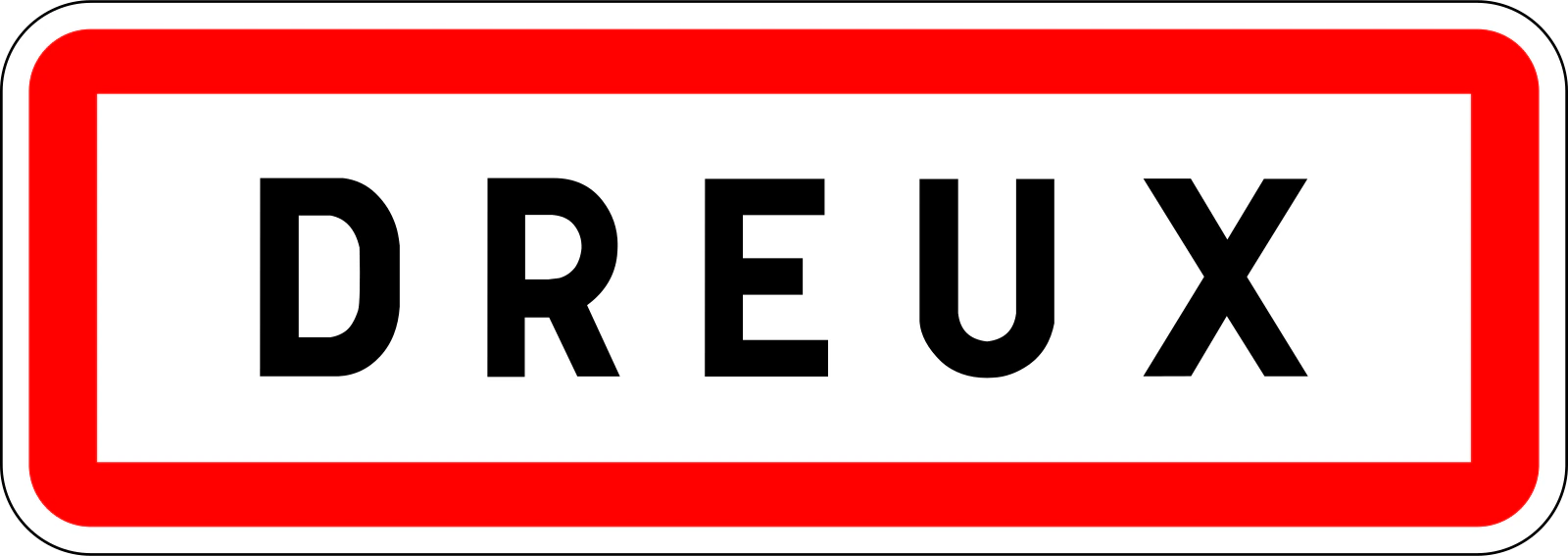
The EB10 - Entrance to town or village (speed limit 50 km/h) road sign may also be known by these alternative names or terms.
The EB10 - Entrance to town or village (speed limit 50 km/h) road sign is part of the France Location Signs category, which groups together signs with similar rules and functions.
Reviewing related road signs like speed limit entry markers aids in immediate recognition and reduces errors during your theory test revision. Comparing similar traffic signs sharpens your understanding of subtle distinctions for better exam preparation.
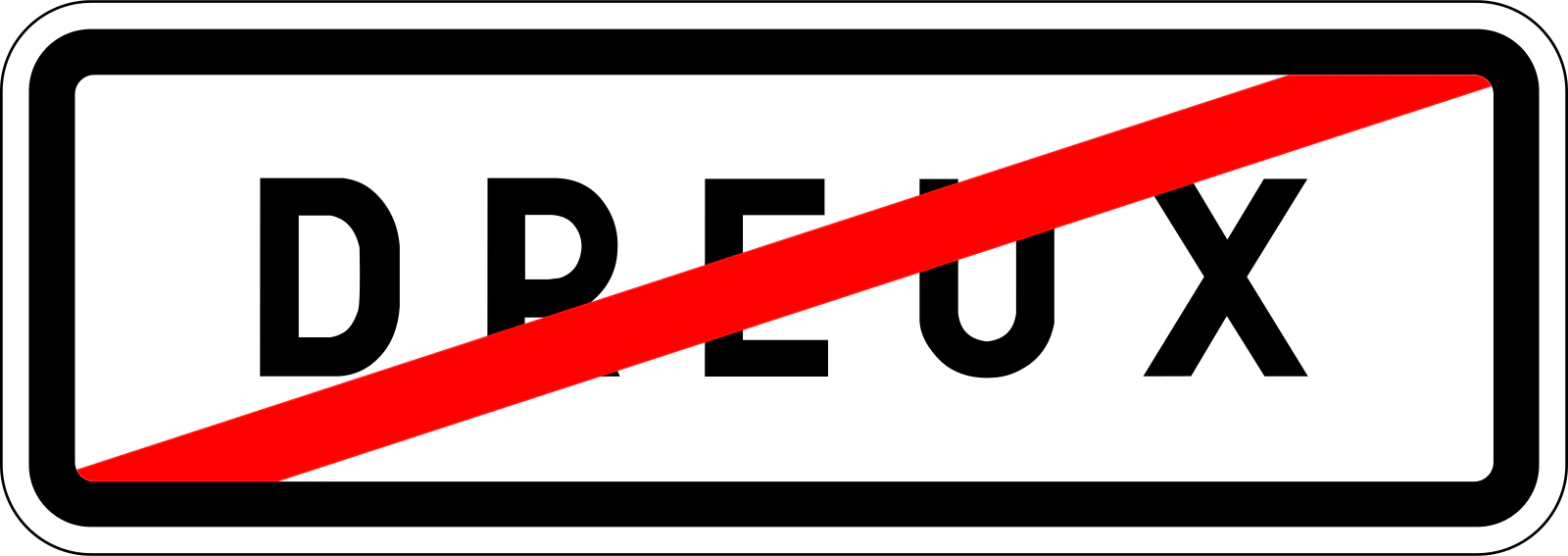
The EB20 sign marks the end of a town or village, signalling a change in driving environment and speed rules.
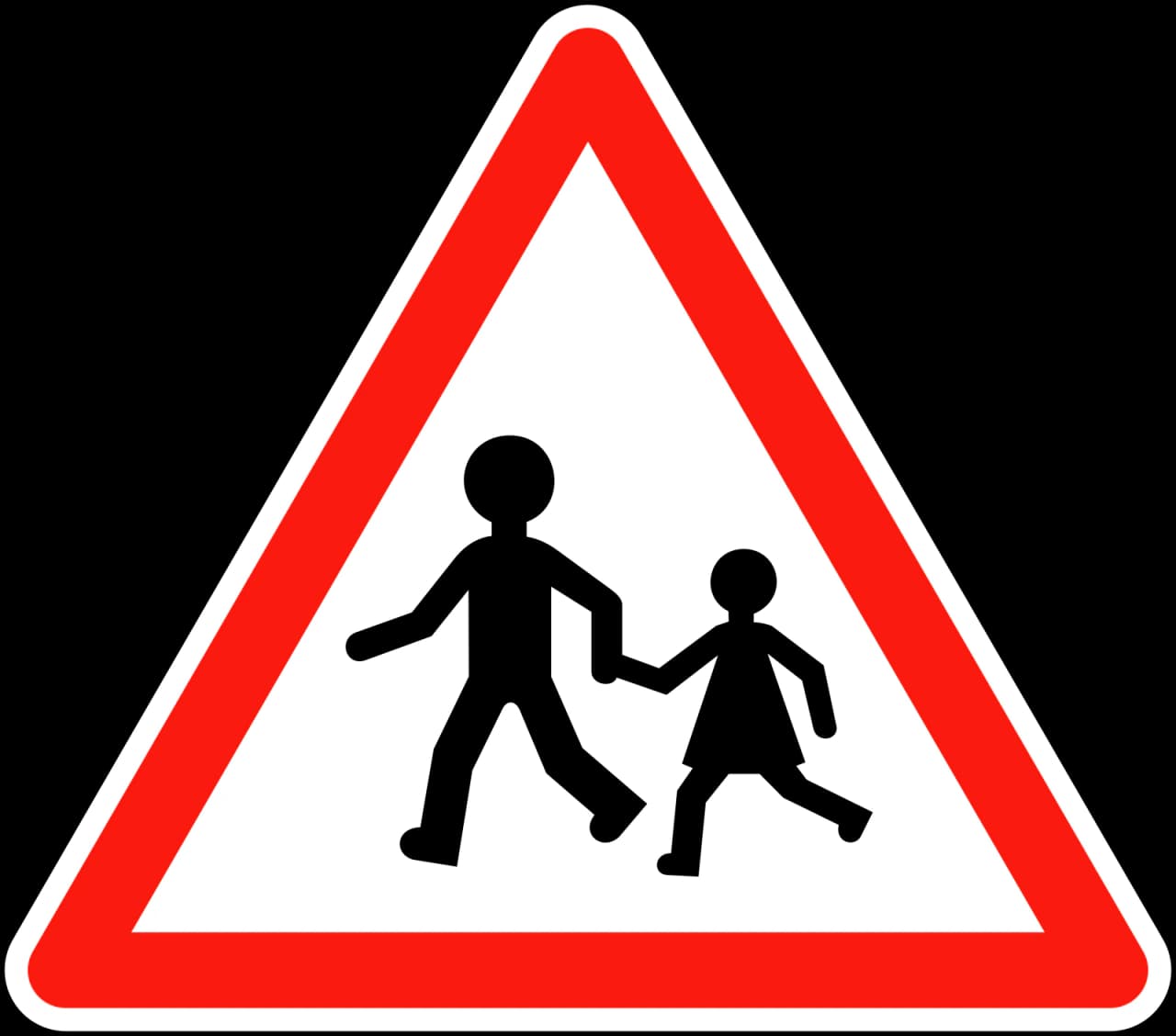
Warning: Children Crossing Ahead – Prepare to slow down and be vigilant!
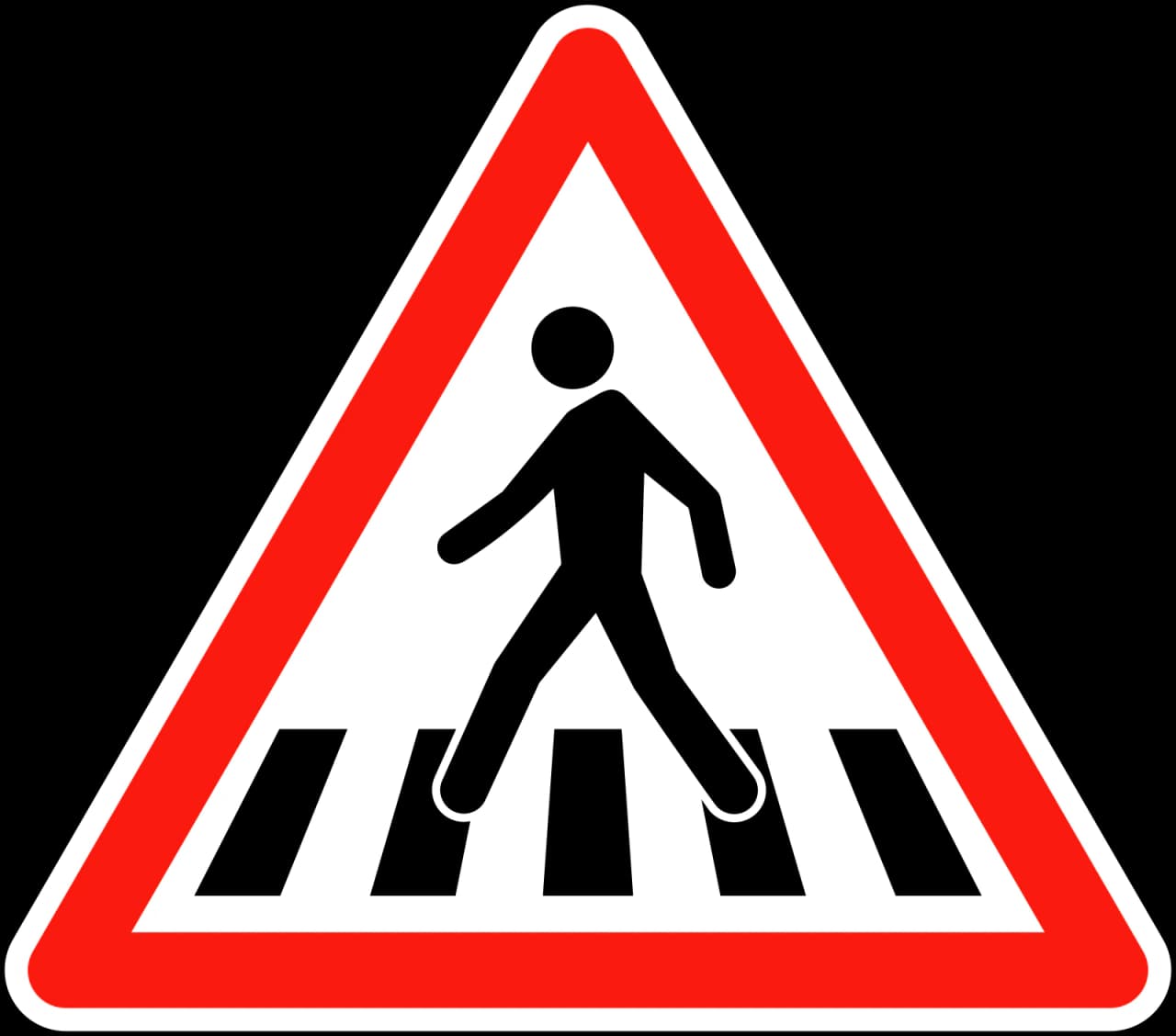
Prepare for Pedestrians: The A13b 'Pedestrian Crossing Ahead' Warning Sign
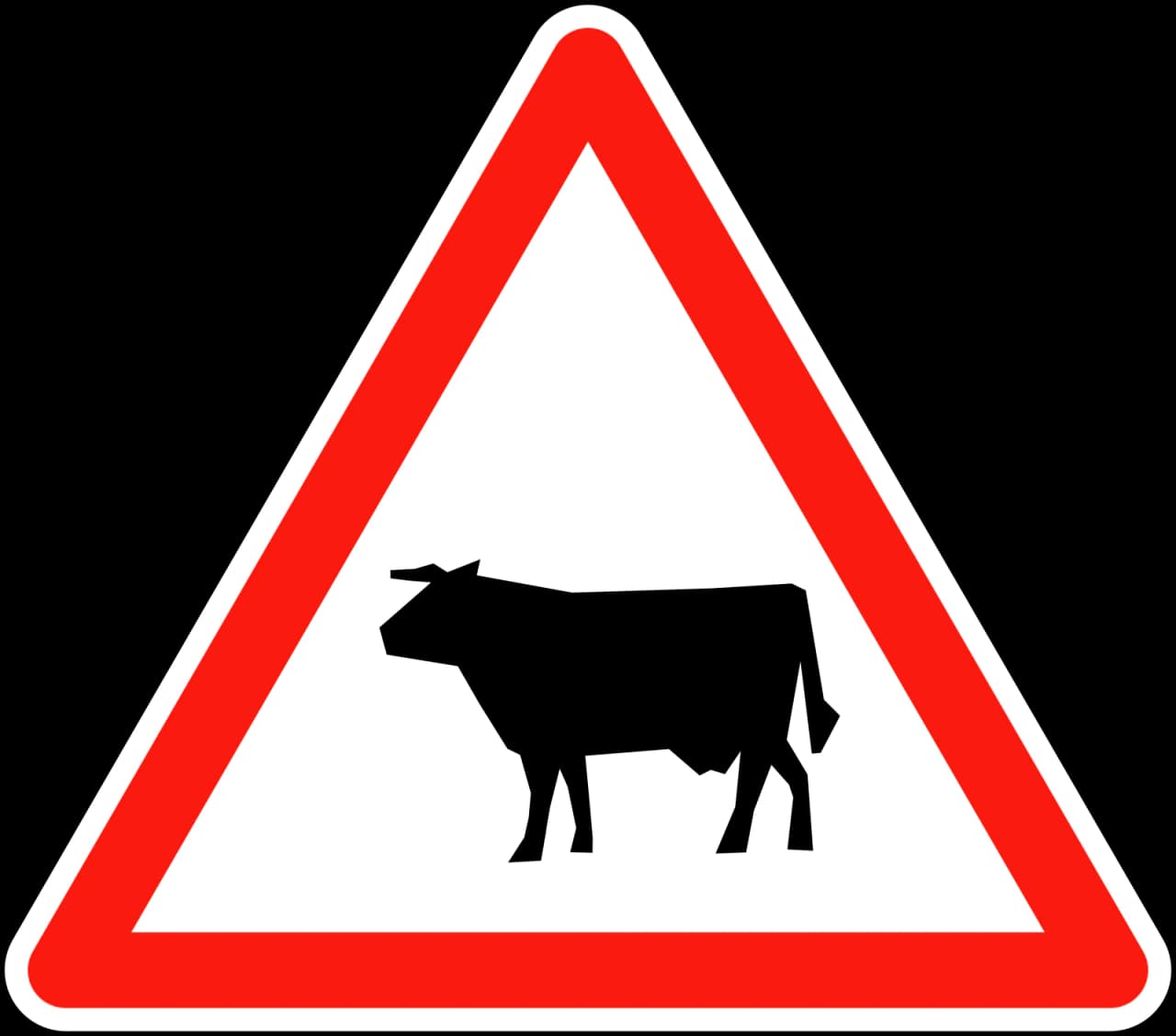
Prepare for cattle on the road with the French A15a warning sign.
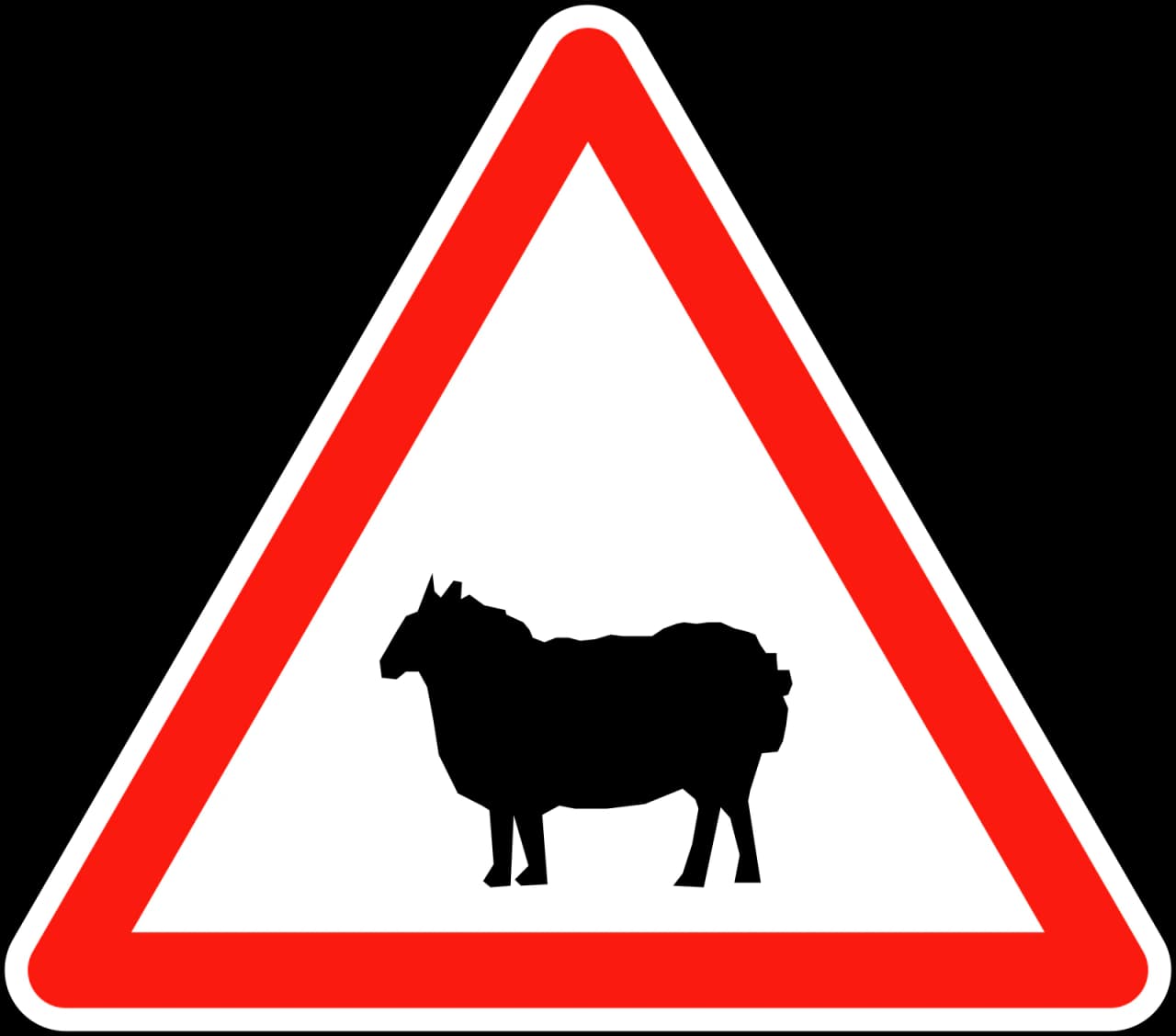
Watch out for Sheep: Understanding the A15a Warning Sign in France
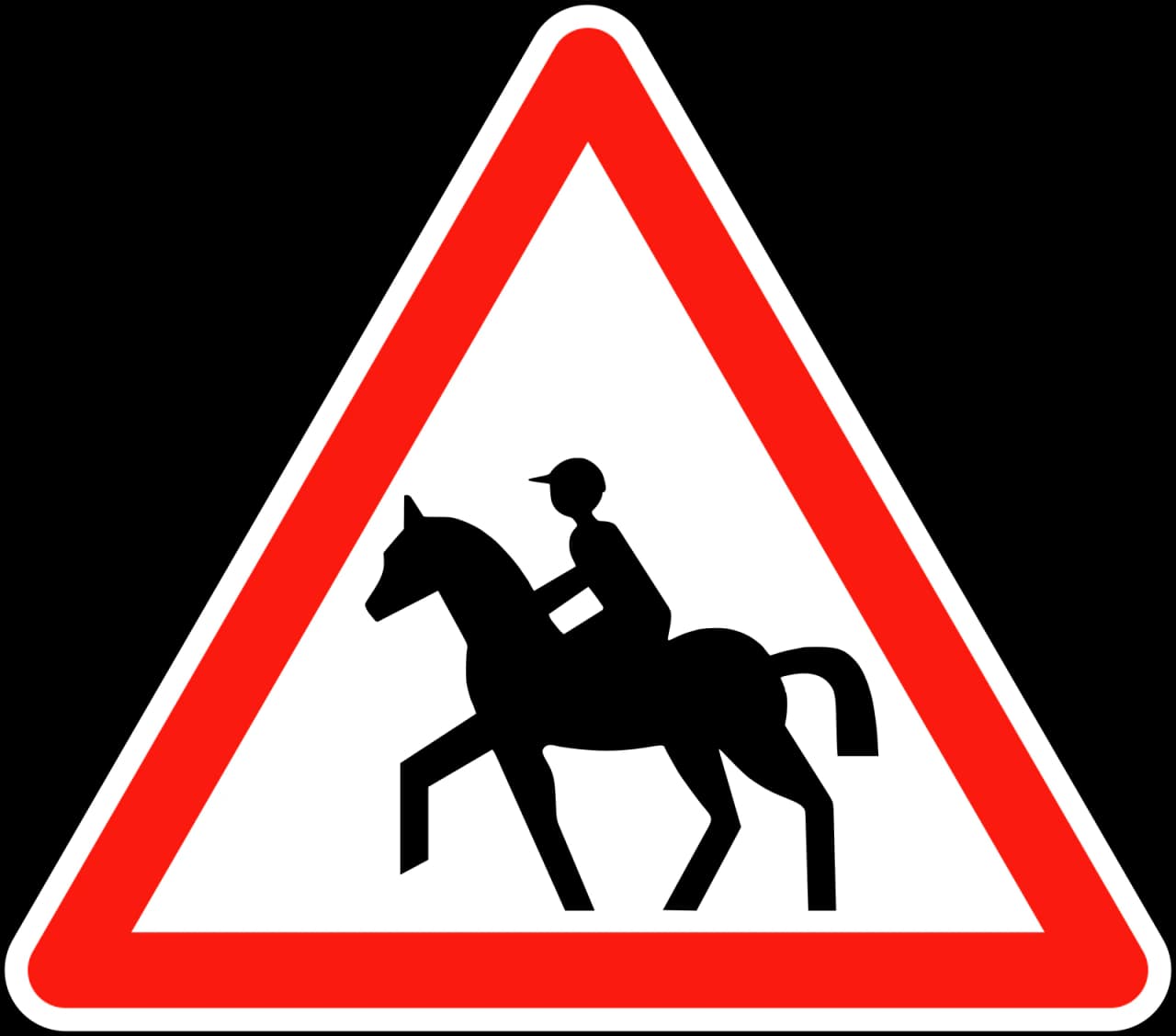
Watch out for horses: Understand the 'Equestrians' warning sign (A15c).
Now that you've reviewed the full list of French road signs, enhance your understanding. Explore signs grouped by specific categories for deeper insights, test your recognition with practice questions, and solidify your knowledge for the Code de la route exam.
Browse All French Road Signs