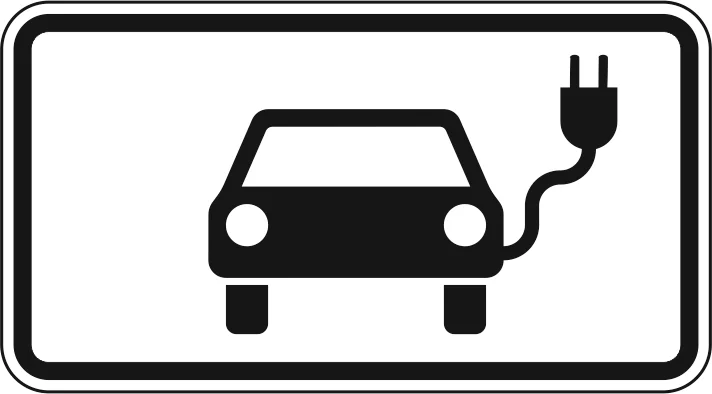
This supplementary sign, officially 'Elektrisch betriebene Fahrzeuge' (Electrically Powered Vehicles), is used in Germany to modify the application of the main traffic sign mounted above it. It's crucial to read this plate in conjunction with the primary sign to understand its full implications, such as distance, time, vehicle type, or specific exceptions. Always combine its information with road markings and traffic signals to ensure you react correctly.
This sign clarifies specific regulations for electric vehicles, essential for accurate German theory test revision. Understanding its implications helps in correct traffic sign explanation and interpretation during your licence process.
German road sign 1010-66, officially designated "Elektrisch betriebene Fahrzeuge", belongs to the supplementary signs group. It changes how the sign above is applied by adding a distance, direction, time period, vehicle class, exception, condition, or parking detail. You may see it in below a main traffic sign, where it limits, extends, explains, or creates an exception to the rule shown above it, depending on how the road authority has arranged the location. The practical meaning is not just the symbol itself, but the driving decision it triggers: adjust speed, position, priority, route choice, stopping behaviour, or attention before the situation becomes urgent. For learners, the key skill is reading the entire sign stack from top to bottom before deciding whether the rule applies to your vehicle. Always combine the sign with road markings, traffic lights, police instructions, and any supplementary plates at the same location.
German road sign 1010-66 means "Elektrisch betriebene Fahrzeuge" and is officially listed as "Elektrisch betriebene Fahrzeuge". In practice, it tells drivers to recognise the situation early, adapt before reaching the controlled area, and check whether markings or supplementary plates change how the rule applies.
Get clear, practical answers to the most common questions about the 1010-66 - Elektrisch betriebene Fahrzeuge road sign. Learn how the sign works, what rules it represents, and how it affects real driving situations. This FAQ strengthens your understanding and supports accurate decision making for the German driving theory exam in Germany.
Sign 1010-66 is a supplementary sign in Germany. Its main purpose is to provide additional information that limits, explains, or creates an exception to the main traffic sign it's placed below. It helps clarify specific conditions related to electrically powered vehicles, but its meaning is always dependent on the sign above it.
You must always read sign 1010-66 together with the primary sign it accompanies. This supplementary plate might specify that a rule (like a speed limit or parking restriction) applies only to electric vehicles, or it might provide an exception for them. Always check the main sign first, then read the supplementary plate carefully to understand the exact scope of the rule.
A common trap is failing to read the entire sign stack. Learners might see the main sign and react to it without considering the supplementary plate, or vice-versa. For sign 1010-66, a trap could be assuming a rule applies to all vehicles when the plate specifically exempts or applies it only to electric vehicles. Always consider all parts of a sign combination.
No, sign 1010-66 does not impose rules on its own. It functions solely to modify the meaning of the main traffic sign positioned above it. Therefore, you cannot apply its message separately; it always works in combination with another sign, detailing specific conditions, exceptions, or target vehicle types, often relating to electrically powered vehicles.
When in doubt, always err on the side of caution. Observe the situation and if there's any ambiguity, follow the stricter interpretation of the rules. This might mean slowing down more than you think necessary or proceeding with extra caution until the road situation becomes clearer or you have passed the area affected by the sign combination.
A clear reference image of the 1010-66 - Elektrisch betriebene Fahrzeuge road sign used in Germany.
The 1010-66 - Elektrisch betriebene Fahrzeuge road sign may also be known by these alternative names or terms.
The 1010-66 - Elektrisch betriebene Fahrzeuge road sign is part of the German Supplementary Signs category, which groups together signs with similar rules and functions.
Comparing 'Elektrisch betriebene Fahrzeuge' with adjacent signs enhances your ability to distinguish subtle differences, aiding recall for your theory test revision. This targeted traffic sign comparison sharpens your recognition skills, reducing potential errors on the exam.
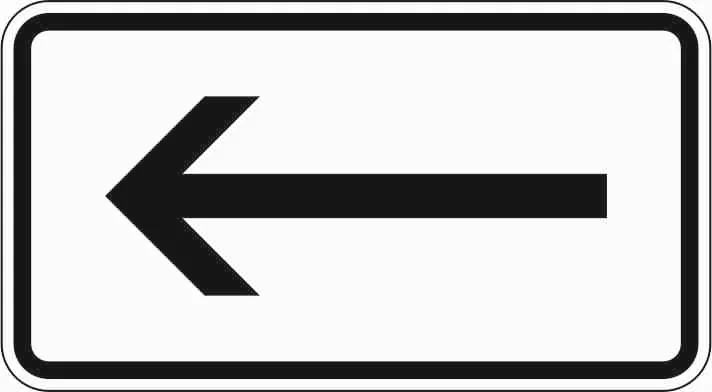
Understand German Sign 1000-10: Direction, Pointing Left Supplementary Sign
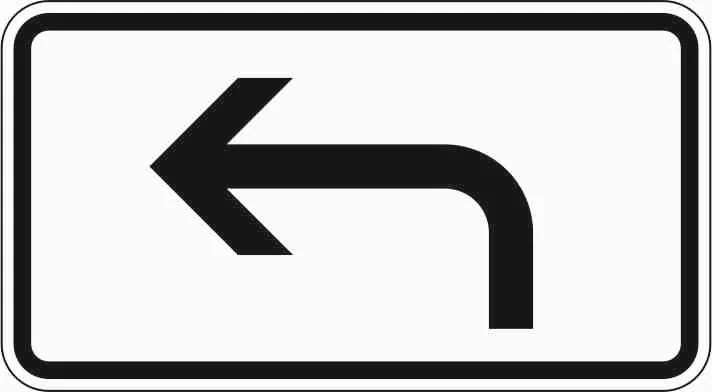
German Road Sign 1000-11: Advance Notice, Pointing Left
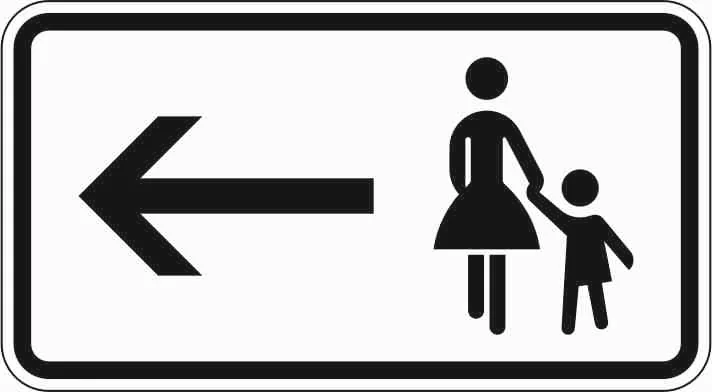
Understand German Supplementary Sign 1000-12: Pedestrians Use Sidewalk Opposite, Pointing Left
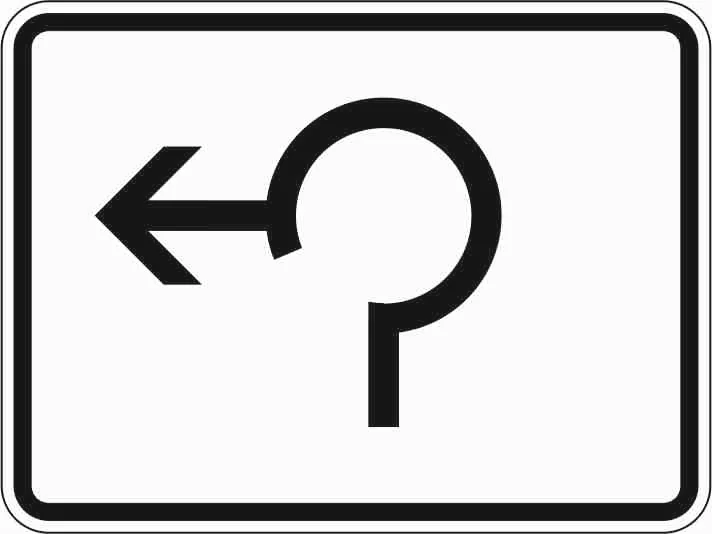
Understand the 'Umleitungsbeschilderung Dreiviertelkreis' Supplementary Sign (1000-13)
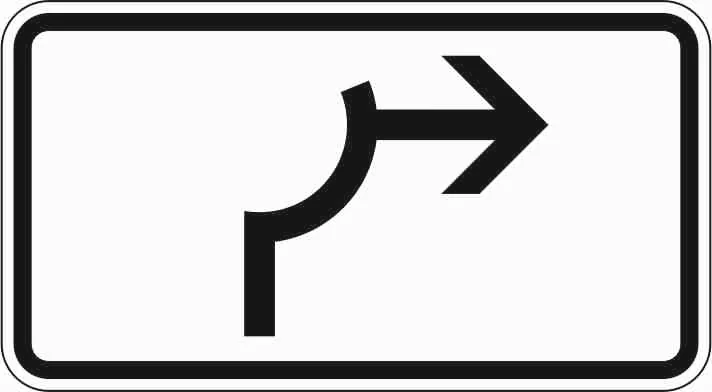
Understand the 'Umleitungsbeschilderung Viertelkreis' Supplementary Sign
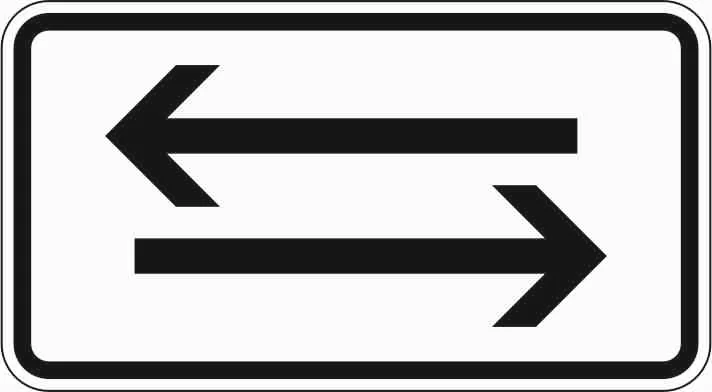
Understand German Supplementary Sign 1000-30: Opposing Directional Arrows
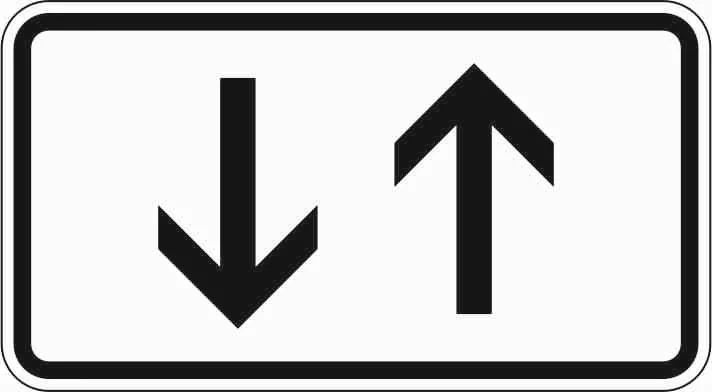
This Supplementary Sign Explains How to Apply the Main Sign Above it.
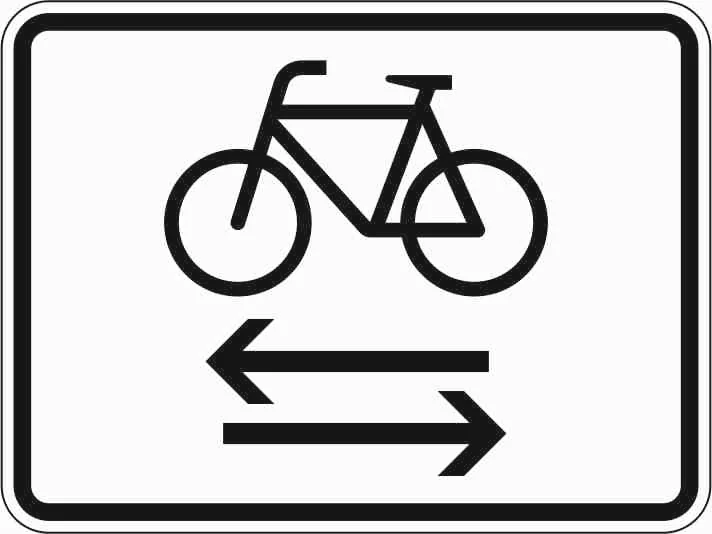
Understand When Cycle Traffic Crosses or Travels Opposite with Sign 1000-32
Deepen your understanding of specific road sign categories or test your knowledge with practice questions. Explore our themed sign groups for targeted study or jump into quizzes to reinforce your recognition skills for the official German theory exam.
All German Road Signs List