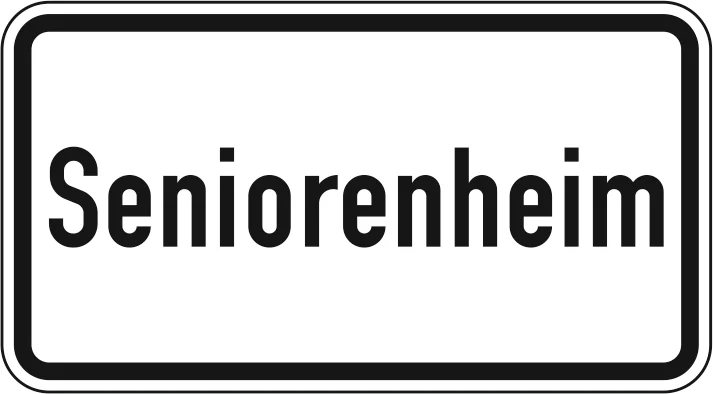
German road sign 1012-54 is a supplementary sign meaning "Seniorenheim" (senior citizens' home). It's attached to a main traffic sign above it to modify its rule, often indicating a nearby residential care facility. Drivers must interpret this sign in conjunction with the primary sign to understand specific conditions, distances, or directions related to the facility, adapting their driving behaviour accordingly before reaching the affected area. This sign is crucial for learners to grasp how supplementary plates refine traffic regulations and for safe driving in areas with vulnerable road users.
This supplementary sign, "Seniorenheim," modifies the primary traffic sign it accompanies, crucial for understanding specific driving conditions in Germany. Mastering its meaning is vital for your German driving theory test revision and for navigating German road signs accurately.
German road sign 1012-54, officially designated "Zusatzzeichen - "Seniorenheim"", belongs to the supplementary signs group. It changes how the sign above is applied by adding a distance, direction, time period, vehicle class, exception, condition, or parking detail. You may see it in below a main traffic sign, where it limits, extends, explains, or creates an exception to the rule shown above it, depending on how the road authority has arranged the location. The practical meaning is not just the symbol itself, but the driving decision it triggers: adjust speed, position, priority, route choice, stopping behaviour, or attention before the situation becomes urgent. For learners, the key skill is reading the entire sign stack from top to bottom before deciding whether the rule applies to your vehicle. Always combine the sign with road markings, traffic lights, police instructions, and any supplementary plates at the same location.
German road sign 1012-54 means "Supplementary sign - "Seniorenheim"" and is officially listed as "Zusatzzeichen - "Seniorenheim"". In practice, it tells drivers to recognise the situation early, adapt before reaching the controlled area, and check whether markings or supplementary plates change how the rule applies.
Get clear, practical answers to the most common questions about the 1012-54 - Supplementary sign - "Seniorenheim" road sign. Learn how the sign works, what rules it represents, and how it affects real driving situations. This FAQ strengthens your understanding and supports accurate decision making for the German driving theory exam in Germany.
The "Seniorenheim" supplementary sign (1012-54) itself doesn't impose a rule but modifies the main traffic sign it's attached to. It indicates the proximity of a senior citizens' home and usually serves as a reminder to be extra attentive or to modify your driving behaviour in accordance with the main sign's instruction, often implying reduced speeds or increased caution.
You must always read sign 1012-54 together with the main traffic sign positioned directly above it. The combination will dictate your required action, such as adjusting speed, changing lanes, or being aware of potential pedestrian movements. Consider the sign as a specific context provider for the primary rule.
A common trap is forgetting to read the supplementary sign (like 1012-54) and only reacting to the main sign above it. Learners can also wrongly assume the supplementary sign applies universally or to all vehicle types if exceptions are listed. Always combine the information from all signs in a stack before deciding on your action.
Not necessarily. The "Seniorenheim" supplementary sign (1012-54) only indicates that a senior citizens' home is nearby. Whether you need to slow down depends entirely on the main traffic sign it's attached to. For example, if it's below a speed limit sign, it might reinforce that limit or specify when it applies. Always check the main sign first.
Yes, supplementary signs like 1012-54 can be used to refine parking regulations indicated by a main sign. It could specify parking is only allowed at certain times, for specific vehicle types (e.g., residents), or at a certain distance from the facility entrance. You must read the combination to understand the exact parking restrictions or allowances.
A clear reference image of the 1012-54 - Supplementary sign - "Seniorenheim" road sign used in Germany.
The 1012-54 - Supplementary sign - "Seniorenheim" road sign may also be known by these alternative names or terms.
The 1012-54 - Supplementary sign - "Seniorenheim" road sign is part of the German Supplementary Signs category, which groups together signs with similar rules and functions.
Comparing related road signs, like supplementary plates to main traffic signals, sharpens your recognition and memory for the German theory test. Master traffic sign comparison to reduce confusion and ensure you understand every rule for your driving licence exam.
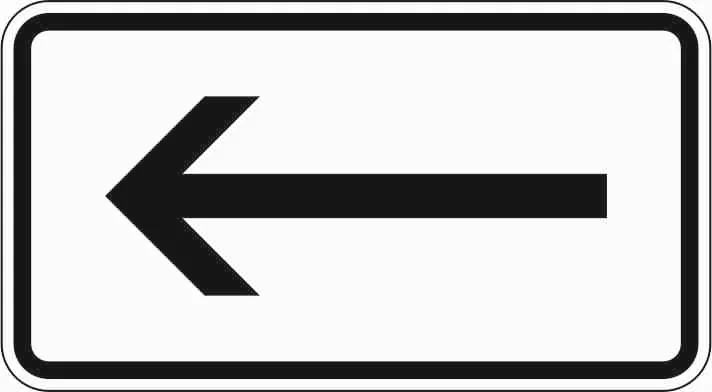
Understand German Sign 1000-10: Direction, Pointing Left Supplementary Sign
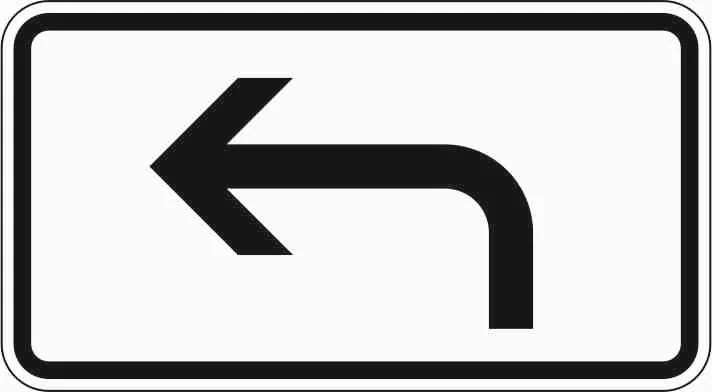
German Road Sign 1000-11: Advance Notice, Pointing Left
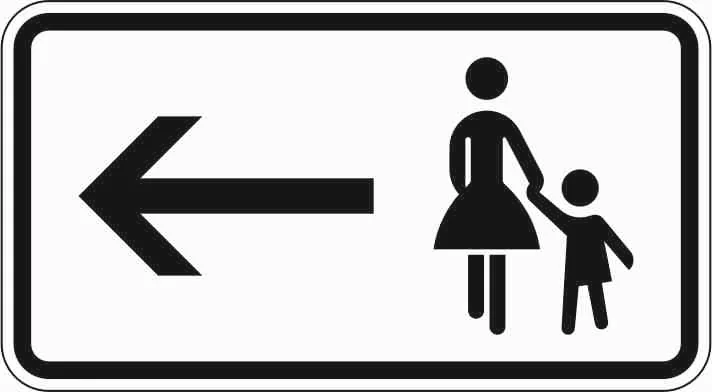
Understand German Supplementary Sign 1000-12: Pedestrians Use Sidewalk Opposite, Pointing Left
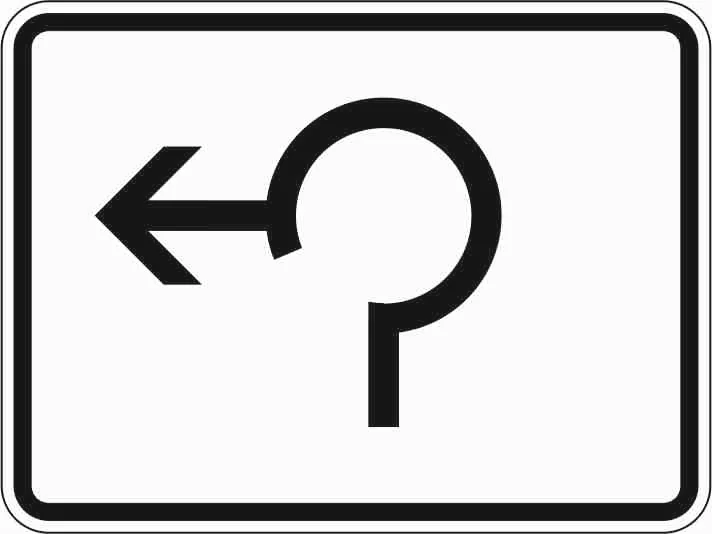
Understand the 'Umleitungsbeschilderung Dreiviertelkreis' Supplementary Sign (1000-13)
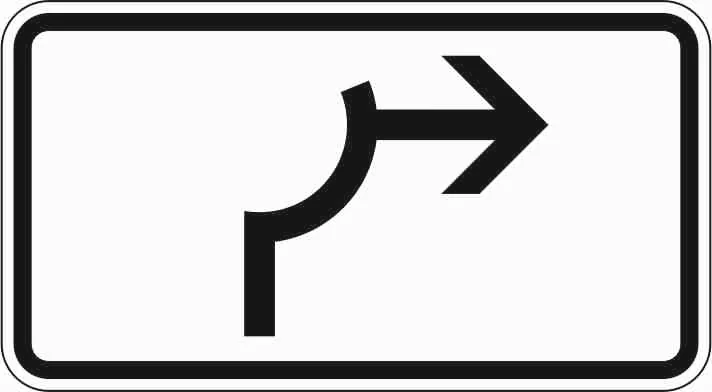
Understand the 'Umleitungsbeschilderung Viertelkreis' Supplementary Sign
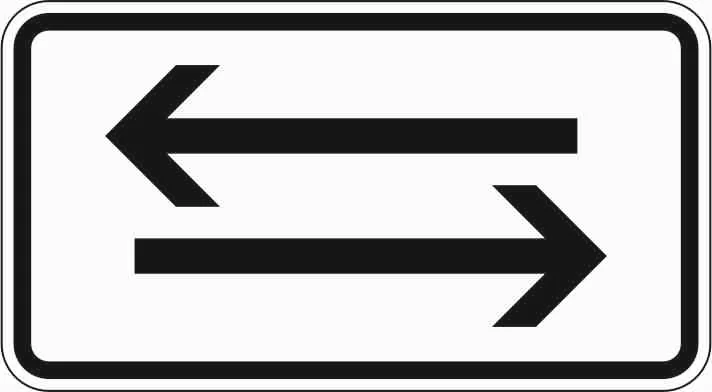
Understand German Supplementary Sign 1000-30: Opposing Directional Arrows
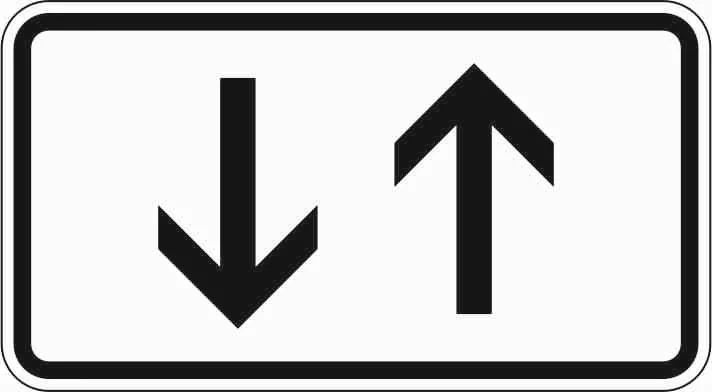
This Supplementary Sign Explains How to Apply the Main Sign Above it.
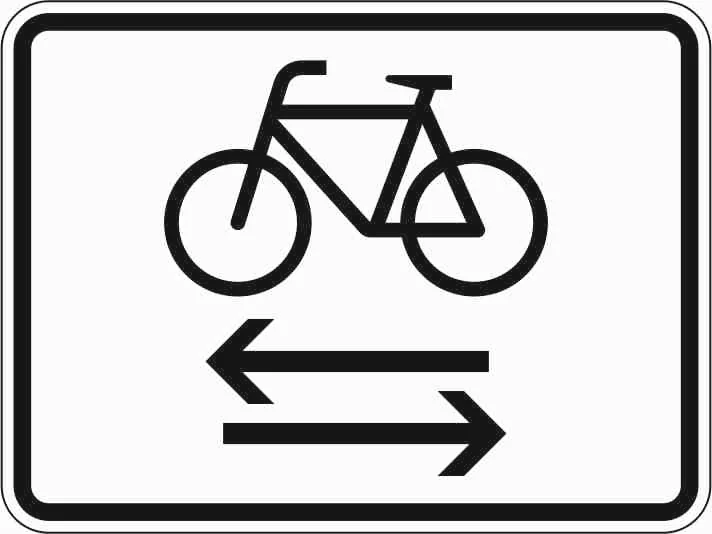
Understand When Cycle Traffic Crosses or Travels Opposite with Sign 1000-32
Deepen your understanding of specific road sign categories or test your knowledge with practice questions. Explore our themed sign groups for targeted study or jump into quizzes to reinforce your recognition skills for the official German theory exam.
All German Road Signs List