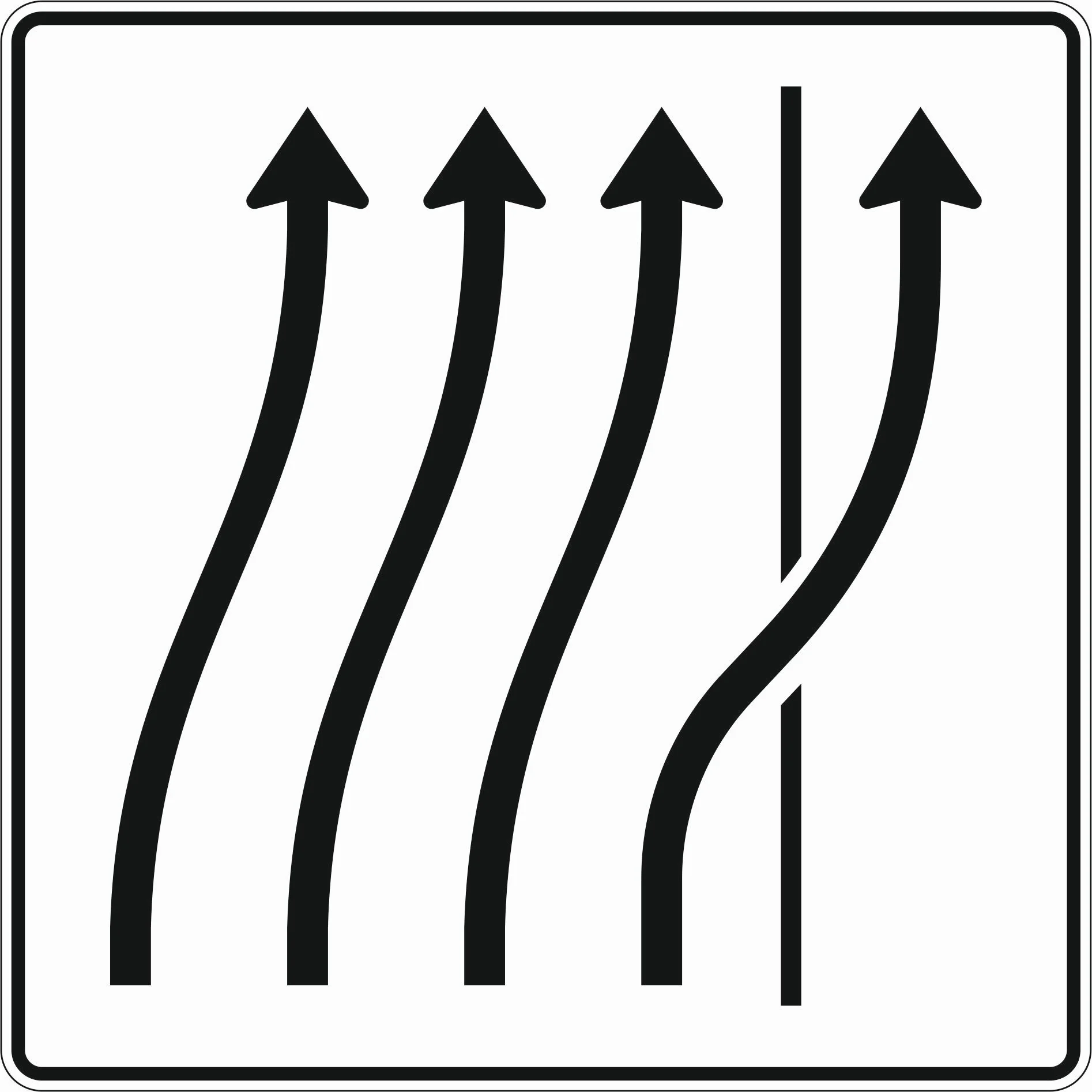
German traffic sign 511-28, officially a 'Lane shift board - without oncoming traffic - 4-lane Verschwenkung, 1-lane hard shoulder', guides you through situations where traffic lanes are rearranged. As part of traffic control boards, it's crucial for navigating roadworks or complex lane changes safely. This sign specifically indicates a four-lane shift where one lane is directed onto the hard shoulder, requiring you to adapt your speed and lane choice early to avoid sudden reactions. Always pay close attention to the arrows, road markings, and any supplementary signs to ensure you follow the correct path.
This sign indicates a lane shift on a 4-lane road with the right lane merging onto the hard shoulder, requiring early driver adaptation. Mastering such road sign meanings is crucial for your German driving theory test revision and safe navigation.
German road sign 511-28, officially designated "Verschwenkungstafel - ohne Gegenverkehr - 4-streifige Verschwenkung, 1-streifig auf den Seitenstreifen", belongs to the traffic control boards group. It shows how lanes are arranged, shifted, narrowed, separated, or merged, usually before a roadworks or high-speed lane-change area. You may see it in motorways, multilane roads, temporary roadworks, lane closures, lane shifts, merge areas, and construction-stage traffic management, depending on how the road authority has arranged the location. The practical meaning is not just the symbol itself, but the driving decision it triggers: adjust speed, position, priority, route choice, stopping behaviour, or attention before the situation becomes urgent. For learners, the key skill is translating the arrows into early lane choice rather than reacting at the last moment. Always combine the sign with road markings, traffic lights, police instructions, and any supplementary plates at the same location.
German road sign 511-28 means "Lane shift board - without oncoming traffic - 4-lanee Verschwenkung, 1-lane hard shoulder" and is officially listed as "Verschwenkungstafel - ohne Gegenverkehr - 4-streifige Verschwenkung, 1-streifig auf den Seitenstreifen". In practice, it tells drivers to recognise the situation early, adapt before reaching the controlled area, and check whether markings or supplementary plates change how the rule applies.
Get clear, practical answers to the most common questions about the 511-28 - Lane shift board - without oncoming traffic - 4-lanee Verschwenkung, 1-lane hard shoulder road sign. Learn how the sign works, what rules it represents, and how it affects real driving situations. This FAQ strengthens your understanding and supports accurate decision making for the German driving theory exam in Germany.
Sign 511-28 indicates a lane shift board where traffic lanes are rearranged. Specifically, it shows a four-lane shift where one lane is directed onto the hard shoulder, and there is no oncoming traffic. You must adapt your driving position and speed before reaching the controlled section.
Upon seeing sign 511-28, you should prepare to change lanes early. The arrows on the board show the required lane configuration. It's essential to reduce your speed, select the correct lane in advance, and maintain a safe following distance, as traffic is being guided into a new pattern, often due to roadworks.
A common trap is waiting too long to change lanes or react to the indicated shift. Learners might also ignore temporary road markings or continue in a lane that the sign indicates is ending or being diverted. The exam tests your ability to anticipate and act proactively based on the visual cues provided by the sign and markings.
Sign 511-28 indicates that one of the lanes (in this case, out of four) is being directed onto the hard shoulder. It doesn't mean you must stop on the hard shoulder, but rather that the traffic flow is being redirected, and the hard shoulder is being used as a temporary traffic lane. Always follow the arrows and road markings precisely.
Traffic control boards, including sign 511-28, are used to manage traffic flow in dynamic situations, such as roadworks, lane closures, or diversions. They visually guide drivers by indicating how lanes are arranged, narrowed, separated, or merged, ensuring safety and order in potentially hazardous conditions.
A clear reference image of the 511-28 - Lane shift board - without oncoming traffic - 4-lanee Verschwenkung, 1-lane hard shoulder road sign used in Germany.
The 511-28 - Lane shift board - without oncoming traffic - 4-lanee Verschwenkung, 1-lane hard shoulder road sign may also be known by these alternative names or terms.
The 511-28 - Lane shift board - without oncoming traffic - 4-lanee Verschwenkung, 1-lane hard shoulder road sign is part of the German Traffic Control Boards category, which groups together signs with similar rules and functions.
Comparing signs like the Lane Shift Board helps cement your understanding and improve recall for the German driving theory test. Practice effective traffic sign comparison to enhance your sign recognition skills.
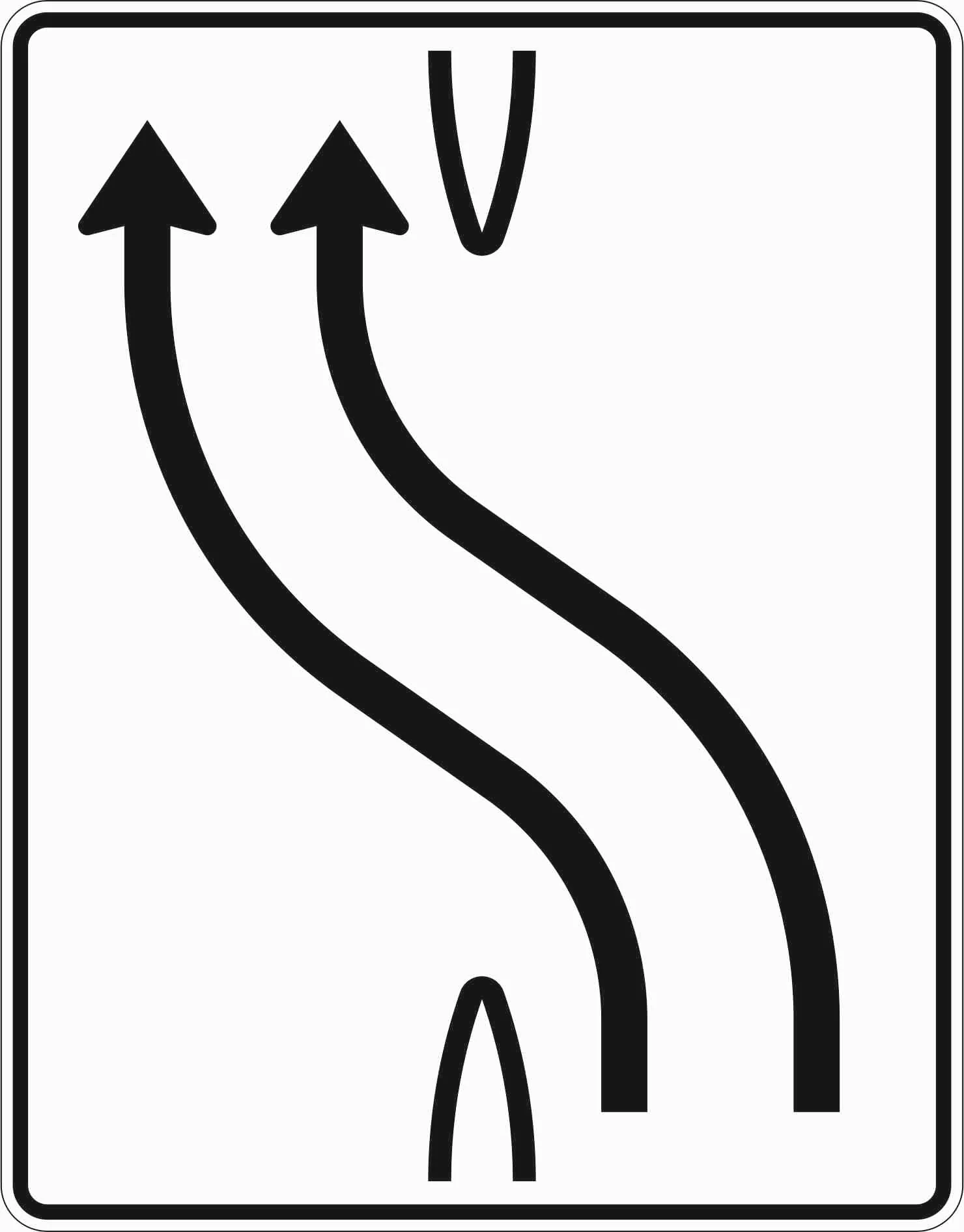
Understand the Lane Transfer Board (501-11) for Shifting Lanes Left Safely
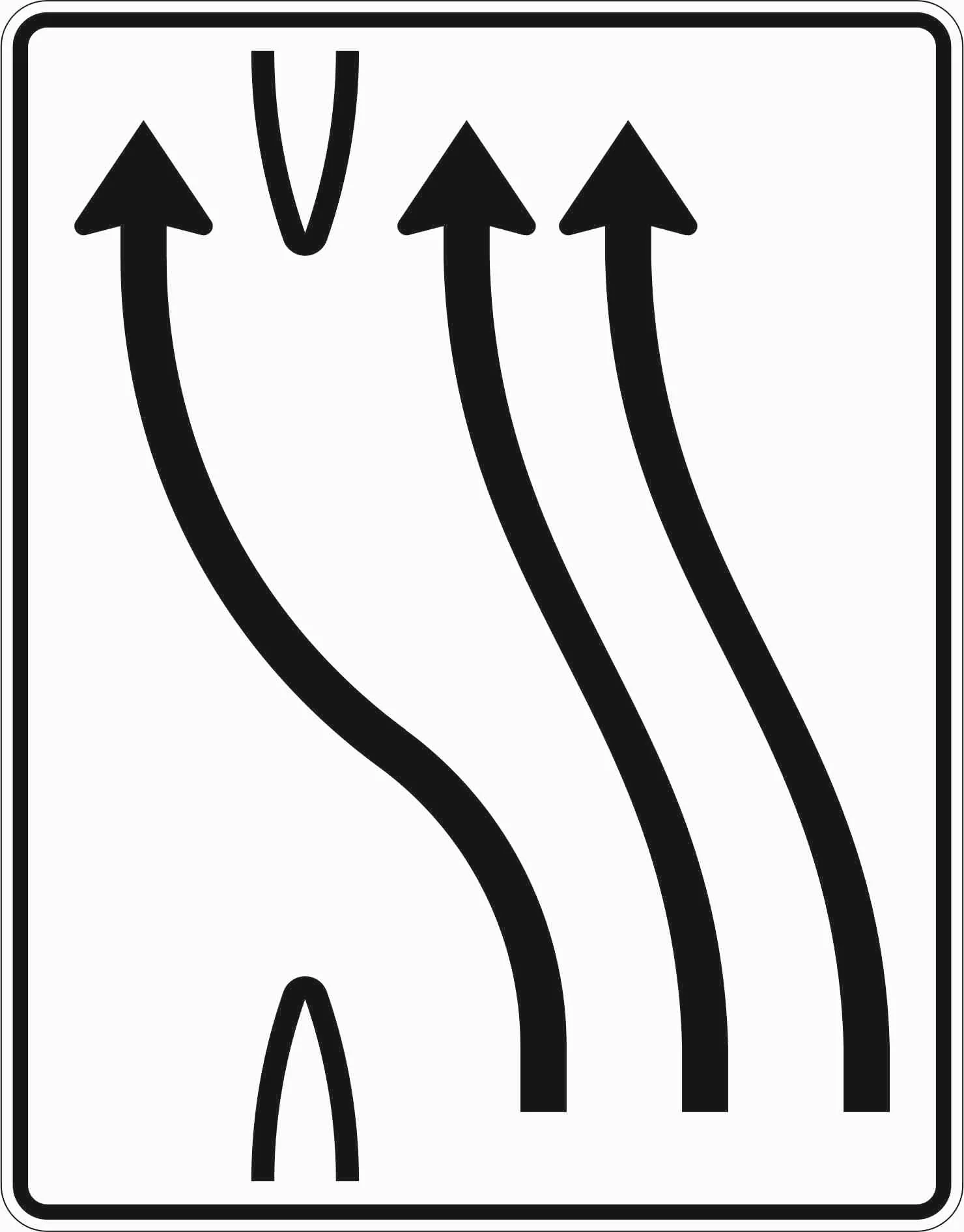
Navigate lane changes safely with the German Sign 501-14 Lane Transfer Board
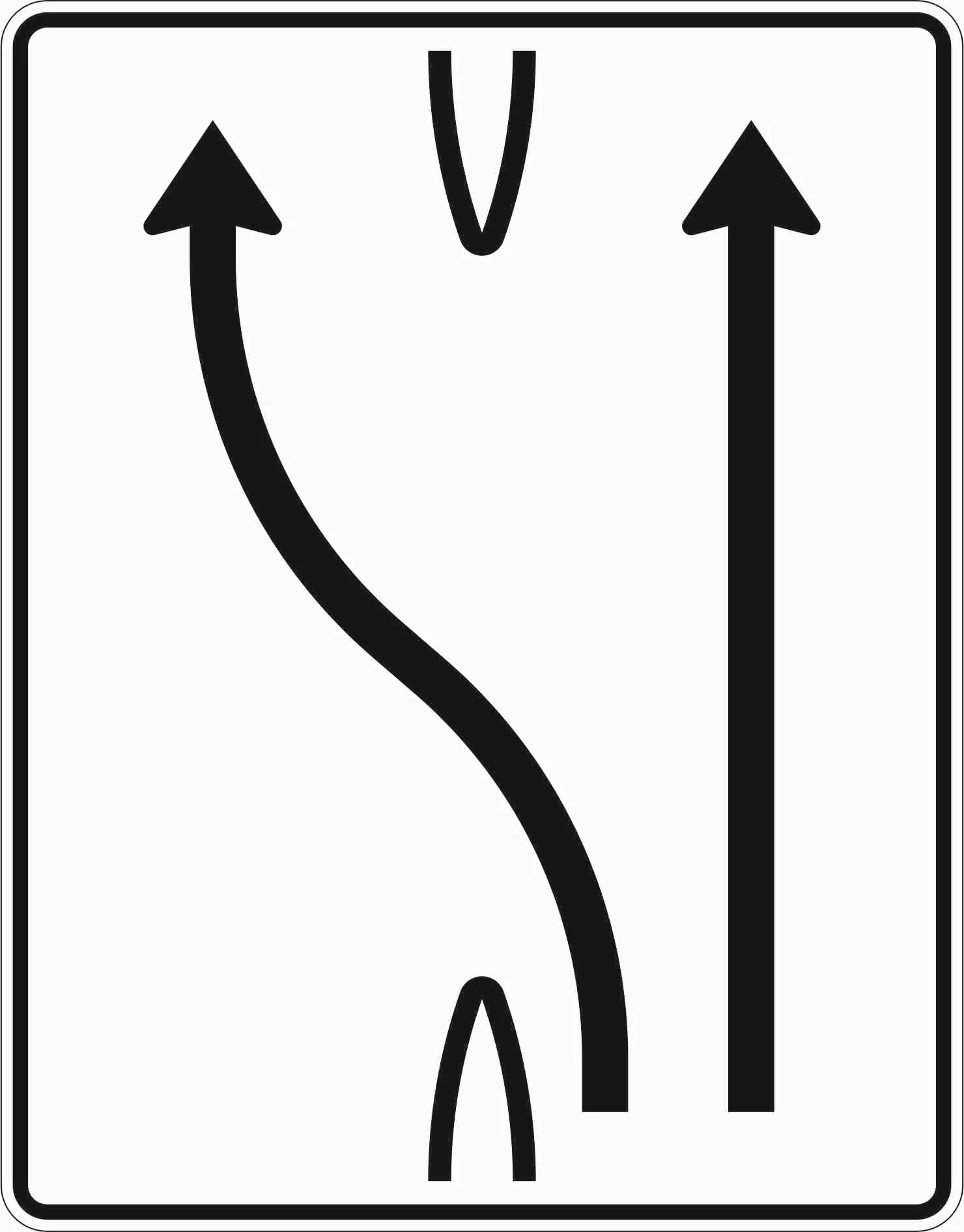
Understand Lane Transfer Sign 501-16: Prepare for Diverted Lanes Ahead
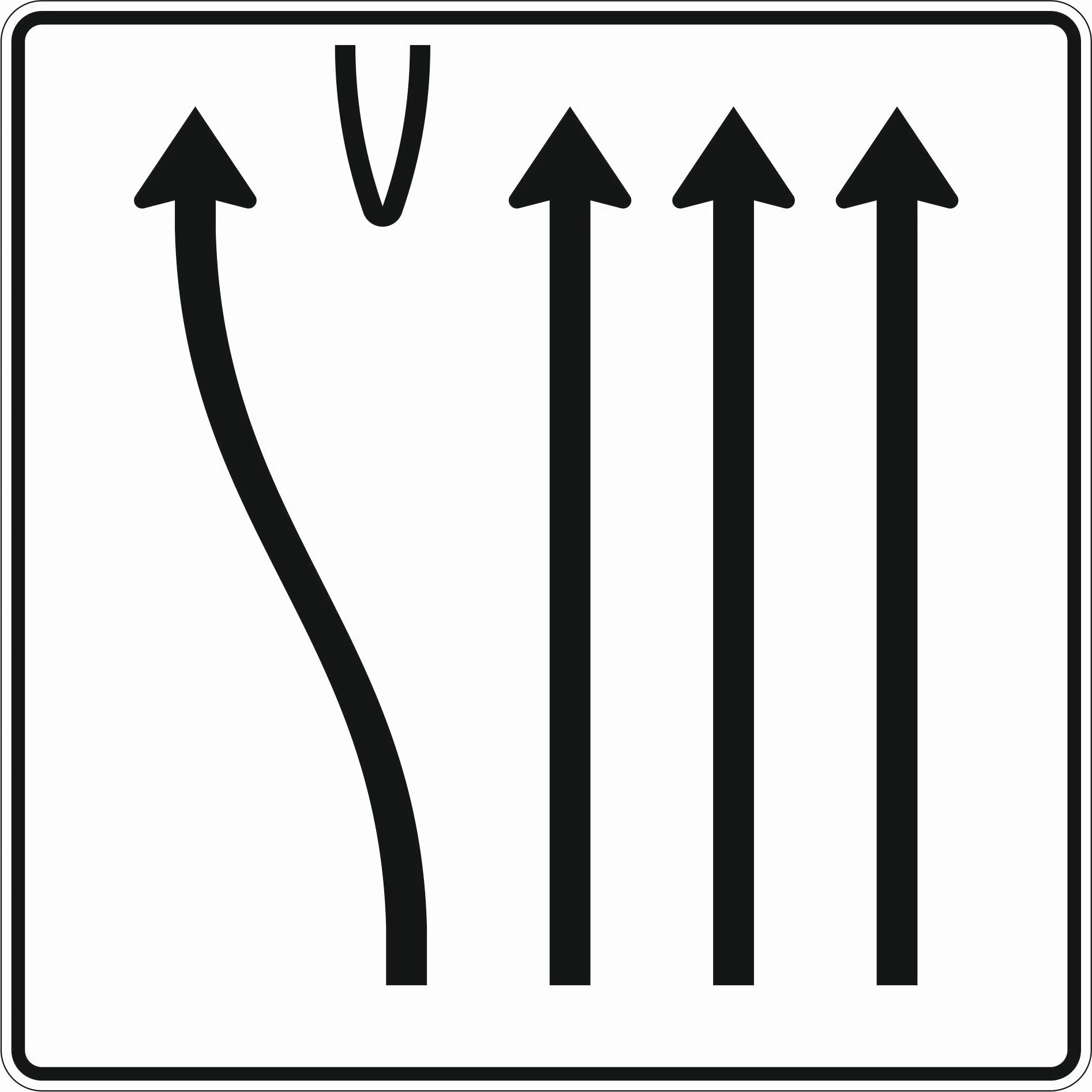
Understand German Lane Transfer Board 501-19: Shifting Lanes Ahead
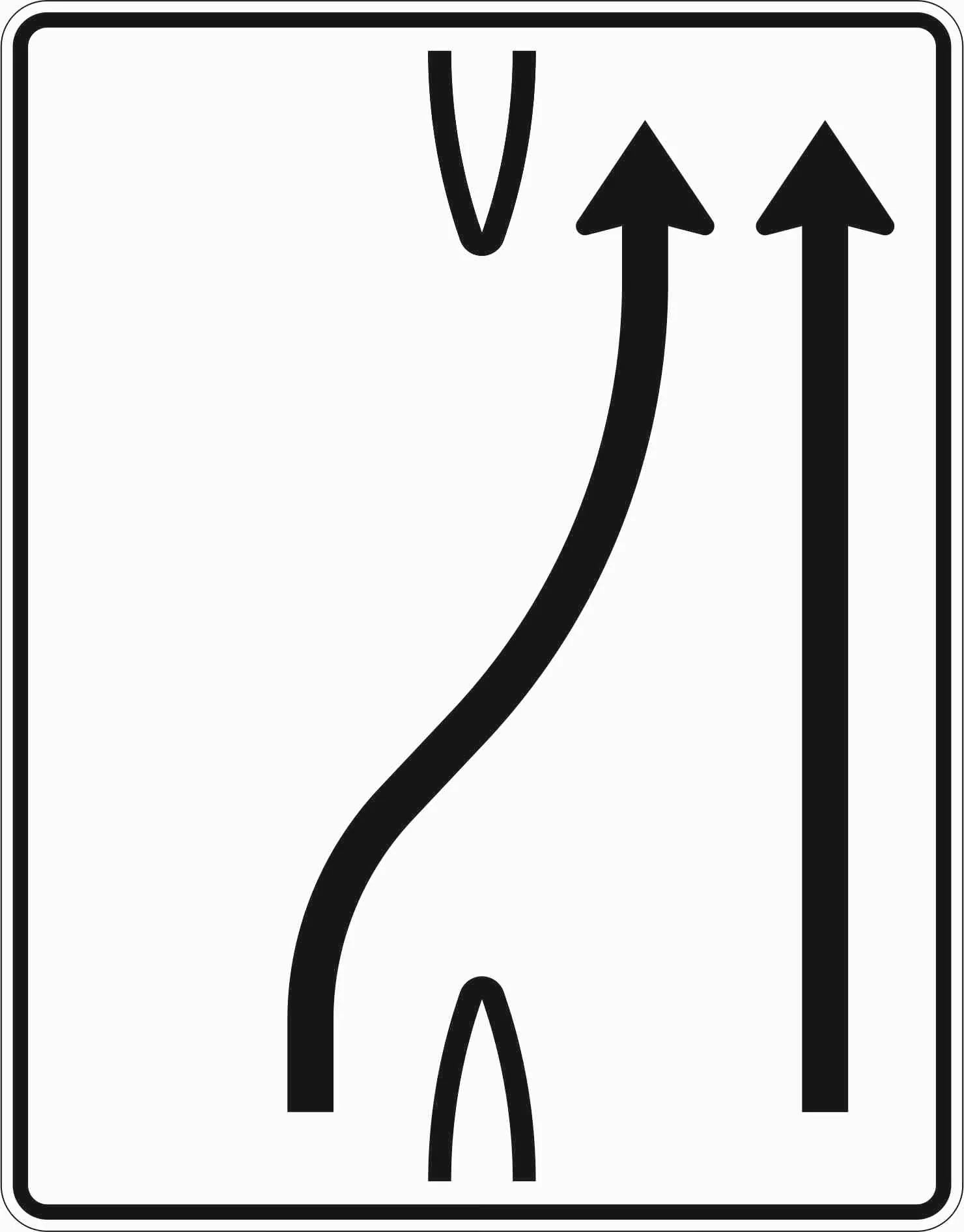
Master lane changes with German road sign 501-26 for lane transfers.
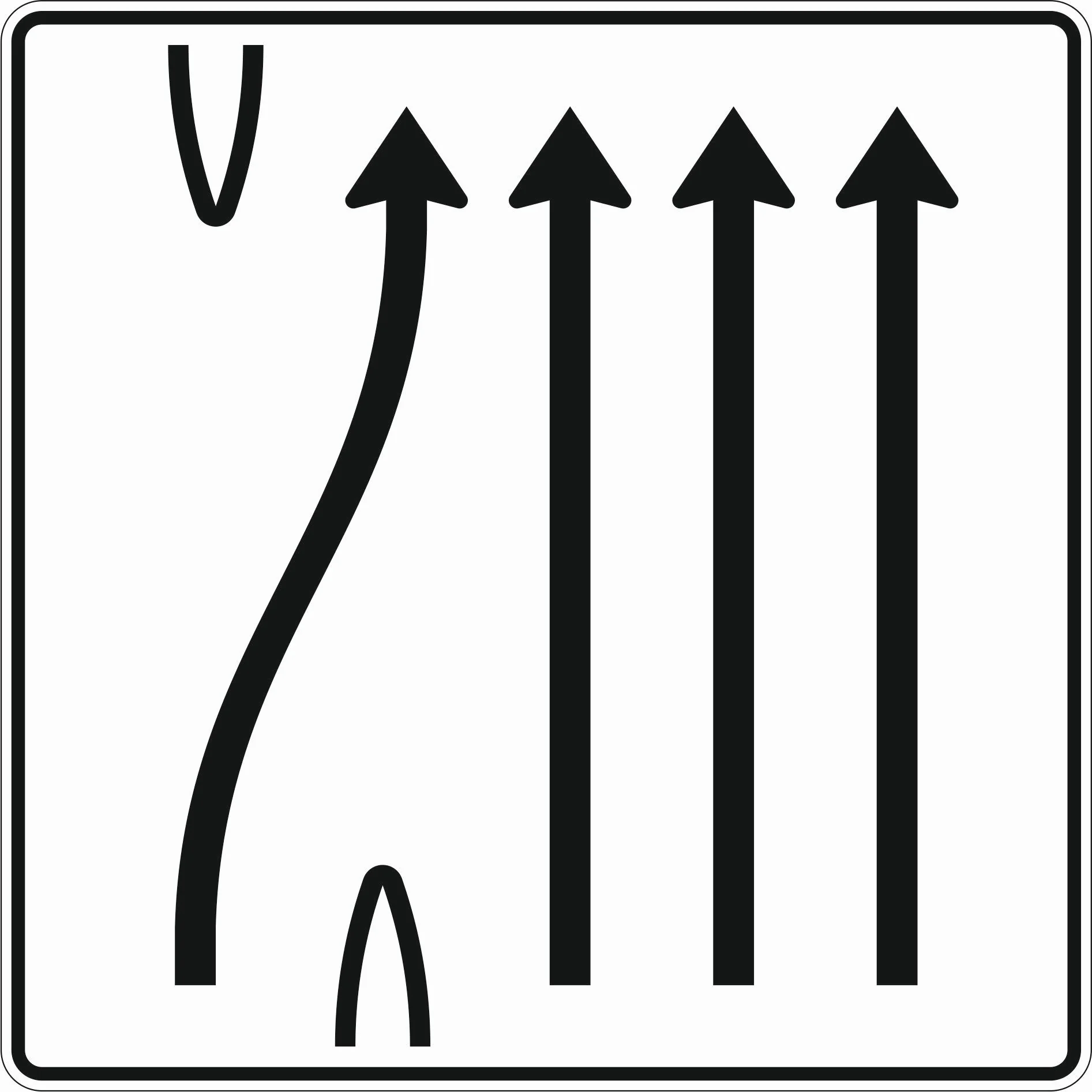
Understand the Lane Transfer Board (501-29) for Lane Adjustments
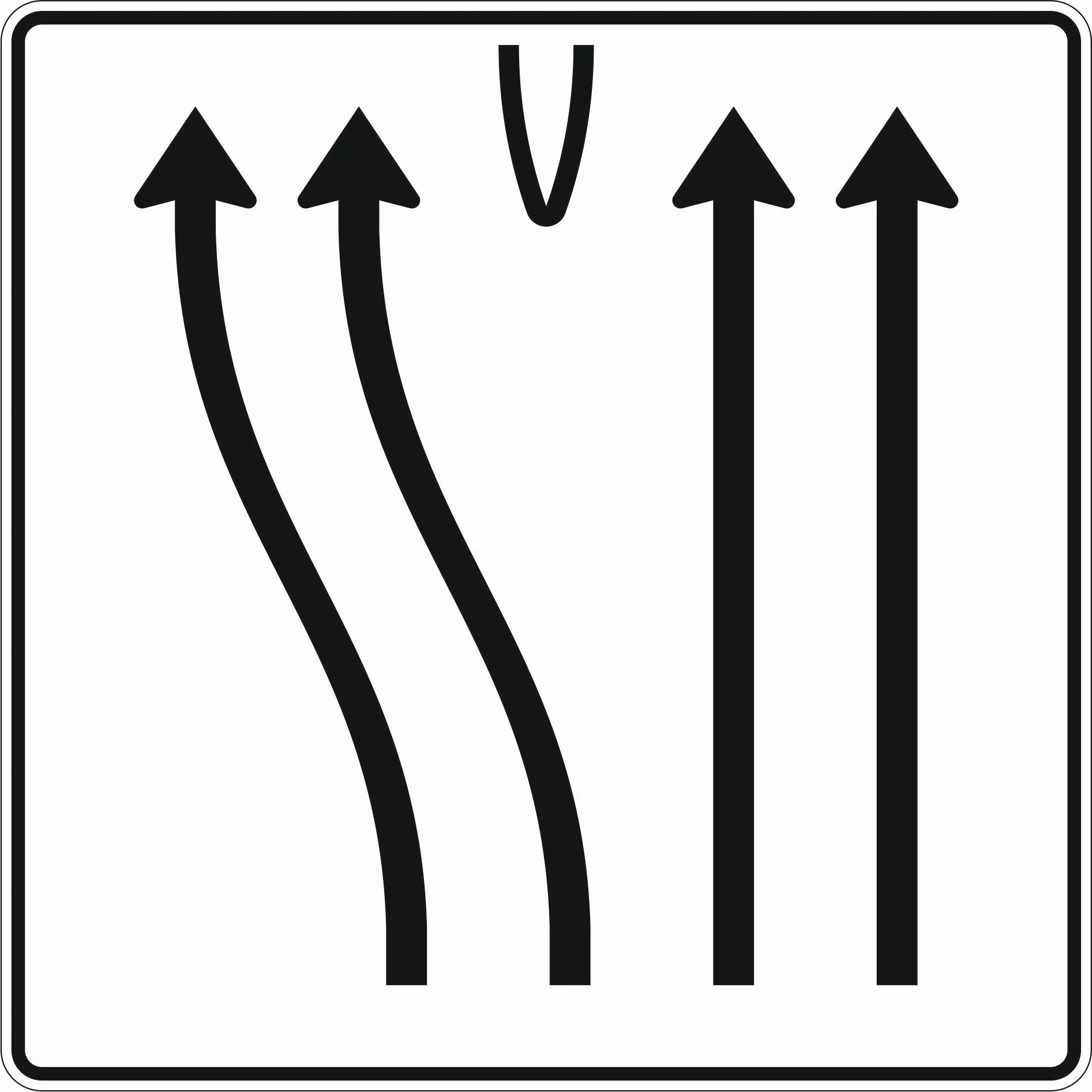
Navigate Lane Changes Safely with the German 4-Lane Transfer Board (Sign 501-50)
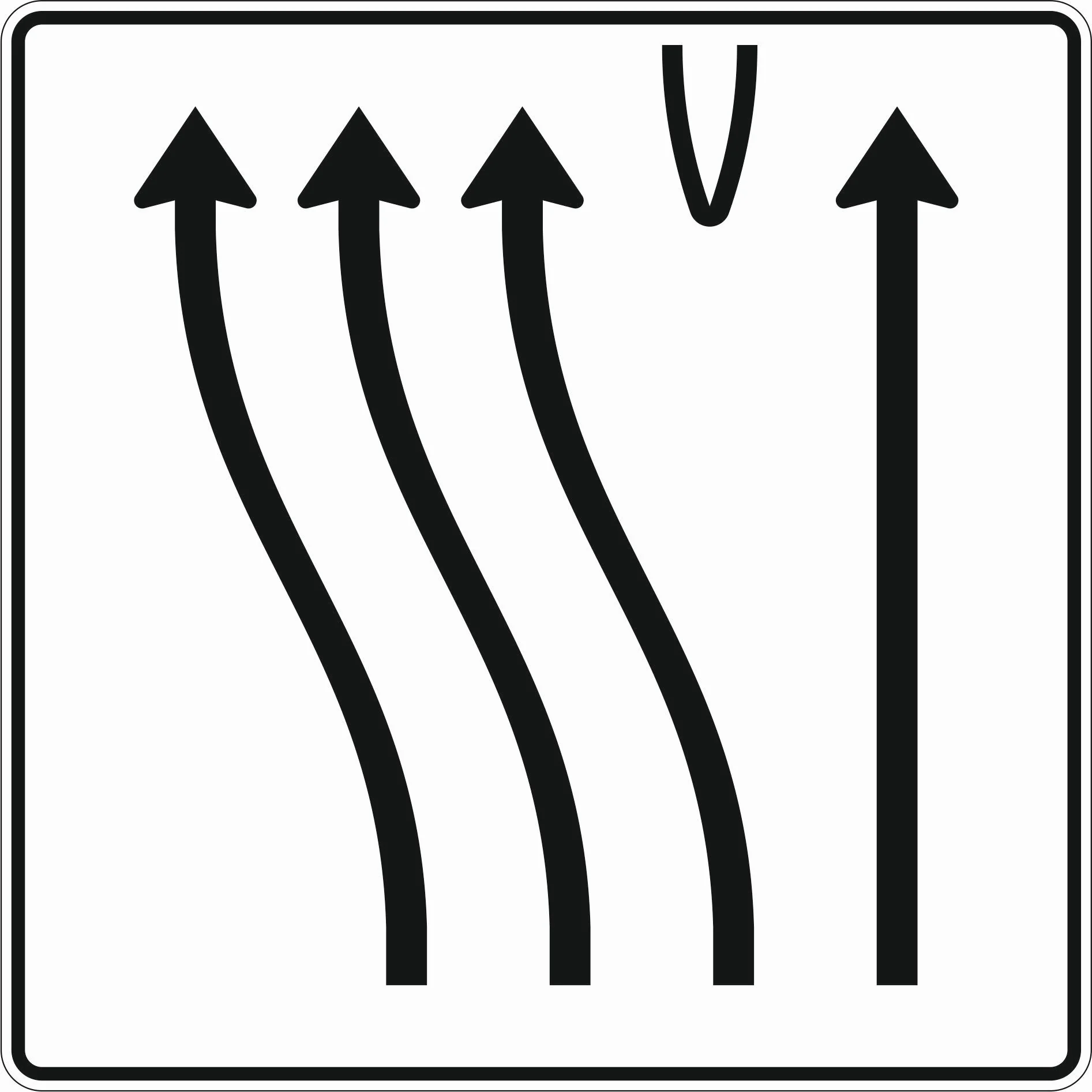
Master German Sign 501-51: Understanding Lane Transfers and Lane Divergences
Deepen your understanding of specific road sign categories or test your knowledge with practice questions. Explore our themed sign groups for targeted study or jump into quizzes to reinforce your recognition skills for the official German theory exam.
All German Road Signs List