
This lesson guides you through the critical steps to take in the event of a mechanical breakdown or road collision. Understanding these procedures is a vital component of the Irish Rules of the Road and ensures you can protect yourself and other road users in emergency situations.
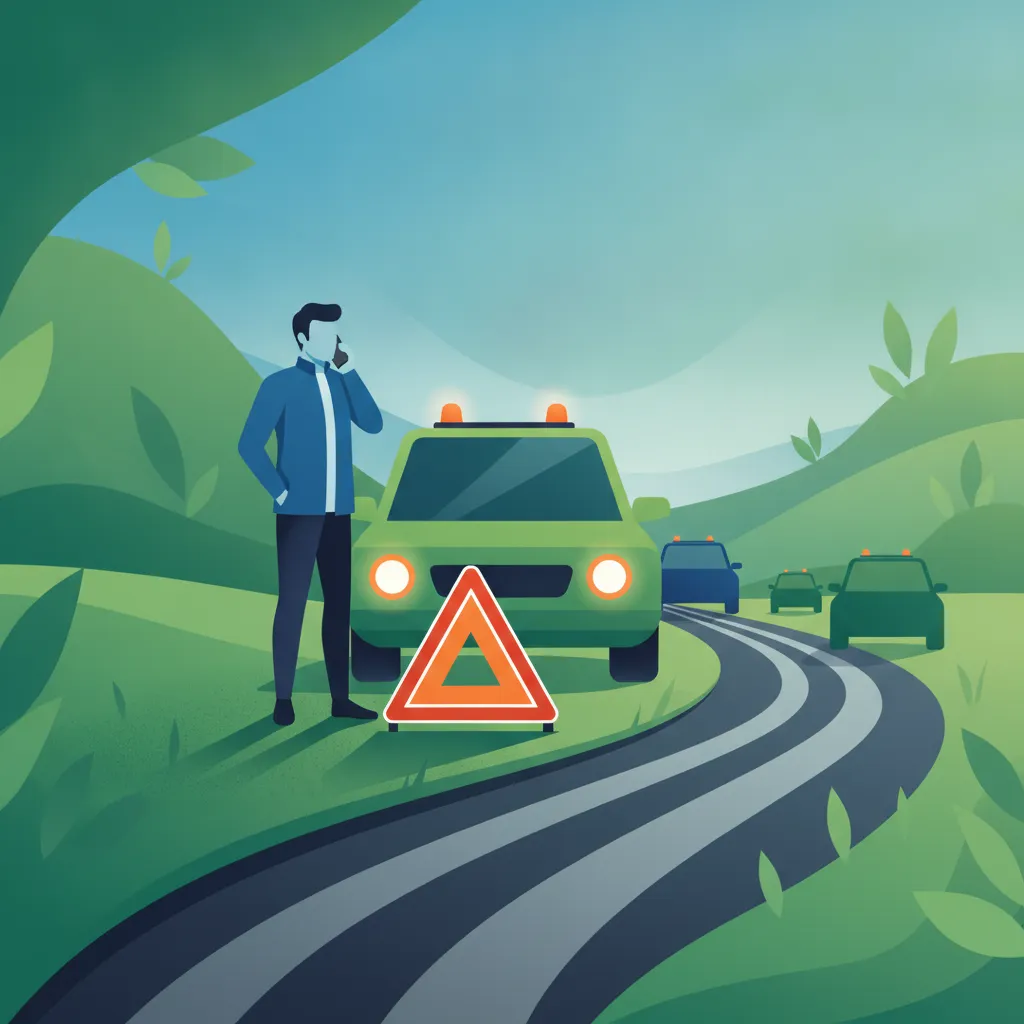
Lesson content overview
In the event of a mechanical breakdown or a traffic collision on public roads, knowing how to react immediately and correctly is a critical safety skill. For Category AM moped and light vehicle riders, being highly visible and understanding emergency protocols is even more vital due to the inherently vulnerable nature of two-wheeled transport.
This lesson covers how to secure an accident or breakdown scene, apply life-saving basic first aid, contact emergency services using the correct numbers, and fulfill your legal obligations under Irish road traffic law, including reporting incidents to An Garda Síochána (the Irish police).
When a collision or breakdown occurs, panic and confusion can easily take over. However, as a licensed rider, you have both a moral duty and a legal responsibility under the Road Traffic Acts to act in a way that minimizes further danger, assists those in need, and complies with official reporting procedures.
The immediate moments following an incident are the most critical. Unsecured accident scenes frequently lead to secondary collisions, where oncoming vehicles crash into the stationary, damaged vehicles or the people standing on the road. By understanding and rehearsing emergency procedures, you can significantly reduce these risks and ensure professional help arrives as quickly as possible.
Your absolute priority in any roadside emergency is to protect yourself, any passengers, and other road users from further harm. Do not attempt to assess vehicle damage or negotiate with other drivers until the scene has been made safe.
Stop and Assess: Bring your vehicle to a halt in the safest possible position. Switch off the engine immediately to eliminate fire risks from leaking fuel.
Activate Hazard Lights: Turn on your vehicle's hazard warning lights immediately to alert oncoming traffic that your vehicle is stationary and presents a hazard.
Check for Danger: Look and listen for oncoming traffic before stepping off your moped or moving around the scene. Ensure you do not step directly into the flow of traffic.
Move to Safety: If possible and safe to do so, move your vehicle off the main carriageway onto a hard shoulder, verge, or safe lay-by. Move all people involved off the road and behind safety barriers if they are available.
Deploy Warning Equipment: Place a warning triangle or other reflective devices at the correct distance behind the scene to give oncoming drivers advanced warning.
Hazard warning lights must be activated immediately if your vehicle is stopped on a public road and poses a temporary hazard to other road users. This is not just a safety recommendation; it is a legal requirement under Irish road traffic regulations.
If your moped or light vehicle is not equipped with hazard warning lights, you must keep your position light (parking light) switched on, especially during hours of darkness or poor visibility, to ensure other drivers can see your vehicle from a safe distance.
A warning triangle is a portable, red, reflective safety device designed to alert approaching traffic of an obstruction ahead. Using one correctly gives drivers behind you crucial extra seconds to slow down or change lanes safely.
The distance at which you place the warning triangle depends directly on the speed limit and layout of the road:
Safety Warning: Never place a warning triangle on a bend, just over the brow of a hill, or in any position where it is obscured from oncoming drivers. The triangle must be clearly visible to approaching traffic so they have sufficient time to react.
If your moped experiences a mechanical breakdown while you are riding, your immediate goal is to safely control the vehicle and bring it to a stop away from the main flow of traffic.
Adverse weather conditions—such as heavy rain, thick fog, or snow—and nighttime driving dramatically reduce visibility and increase stopping distances. If you break down under these conditions, your actions must be even more cautious:
Category AM moped riders are legally prohibited from riding on motorways in Ireland. However, if you are riding a light vehicle that is permitted on dual carriageways, or if you find yourself broken down on a high-speed national route, you must follow strict safety protocols:
If a collision results in injury, serious damage, or a significant hazard to other road users, you must contact the emergency services without delay.
In Ireland, there are two primary emergency numbers:
Both numbers connect you to the same emergency call answering service, which will route your call to An Garda Síochána, the Ambulance Service, the Fire Service, or the Irish Coast Guard as appropriate.
State the Service Needed: Calmly tell the operator which service you require (e.g., "Ambulance and Gardaí").
Provide the Exact Location: Give the road number (e.g., R123), the direction of travel, landmarks, or nearest junctions. If available, provide an Eircode or GPS coordinates from your smartphone.
Describe the Incident: Explain what happened (e.g., "A collision between a moped and a car").
Detail the Casualties: State how many people are injured and, if possible, describe their condition (e.g., conscious, breathing, bleeding).
Identify Hazards: Mention if there are blocked lanes, leaking fuel, fallen power lines, or severe weather conditions.
Using 112 Abroad: The 112 number works in all European Union member states and many other countries worldwide. Remembering this single number ensures you can summon emergency assistance anywhere in Europe.
While you are not legally required to have medical training to hold a driving licence, possessing a basic understanding of first aid can save lives while waiting for professional medical responders to arrive.
The immediate, temporary care given to an injured or ill person until professional medical treatment can be provided. Its primary goals are to preserve life, prevent the condition from worsening, and promote recovery.
Critical Safety Rule: Never remove the helmet of an injured rider or cyclist unless it is absolutely necessary to do so (for example, if they are not breathing and you must perform CPR).
Removing a helmet from a casualty can cause severe, permanent damage to the cervical spine (neck) if there is an undetected fracture. Leave the helmet in place, reassure the casualty, and ensure their airway remains clear and open.
If you must assist an injured person, follow this structured emergency care protocol:
If a casualty is bleeding heavily from a wound:
Under the Irish Road Traffic Acts, you have strict legal duties if you are involved in a collision on a public road. Failure to comply with these duties is a serious criminal offence that can result in heavy fines, penalty points, or even imprisonment.
If you are involved in an accident, you must stop your vehicle immediately. It is an offence to drive away from the scene of an accident in which you were involved, regardless of who was at fault.
You must remain at the scene for a reasonable time and provide your details to any person who has reasonable grounds for requiring them (such as the other driver, a pedestrian involved, or a member of An Garda Síochána).
You must exchange the following information with other parties involved:
If there is no one else at the scene to receive these details (for example, if you hit a parked car or damaged public property), you must report the collision to the nearest Garda station as soon as possible.
You must report a road traffic accident to An Garda Síochána under any of the following circumstances:
If a Garda is not present at the scene of an injury-causing accident, you must report the accident in person at the nearest convenient Garda station or to a member of An Garda Síochána as soon as practicable, and in all cases within 24 hours.
Understanding what not to do is just as important as knowing the correct procedures. Avoid these common mistakes during emergency situations:
To ensure you are fully prepared for any roadside incident, commit these core principles to memory:
Explore all units and lessons included in this driving theory course.
Lesson content overview
Explore all units and lessons included in this driving theory course.
Explore search topics learners often look for when studying Crash Response, Breakdown Procedures and Emergency Contacts. These topics reflect common questions about road rules, driving situations, safety guidance, and lesson level theory preparation for learners in Ireland.
Browse additional driving theory lessons that cover connected traffic rules, road signs, and common driving situations related to this topic. Improve your understanding of how different rules interact across everyday traffic scenarios.
Learn the necessary adjustments for riding in rain, fog, or low visibility conditions. Understand how to manage surface hazards like loose gravel, wet leaves, and potholes to maintain vehicle control and stability according to Irish road safety standards and the Rules of the Road.
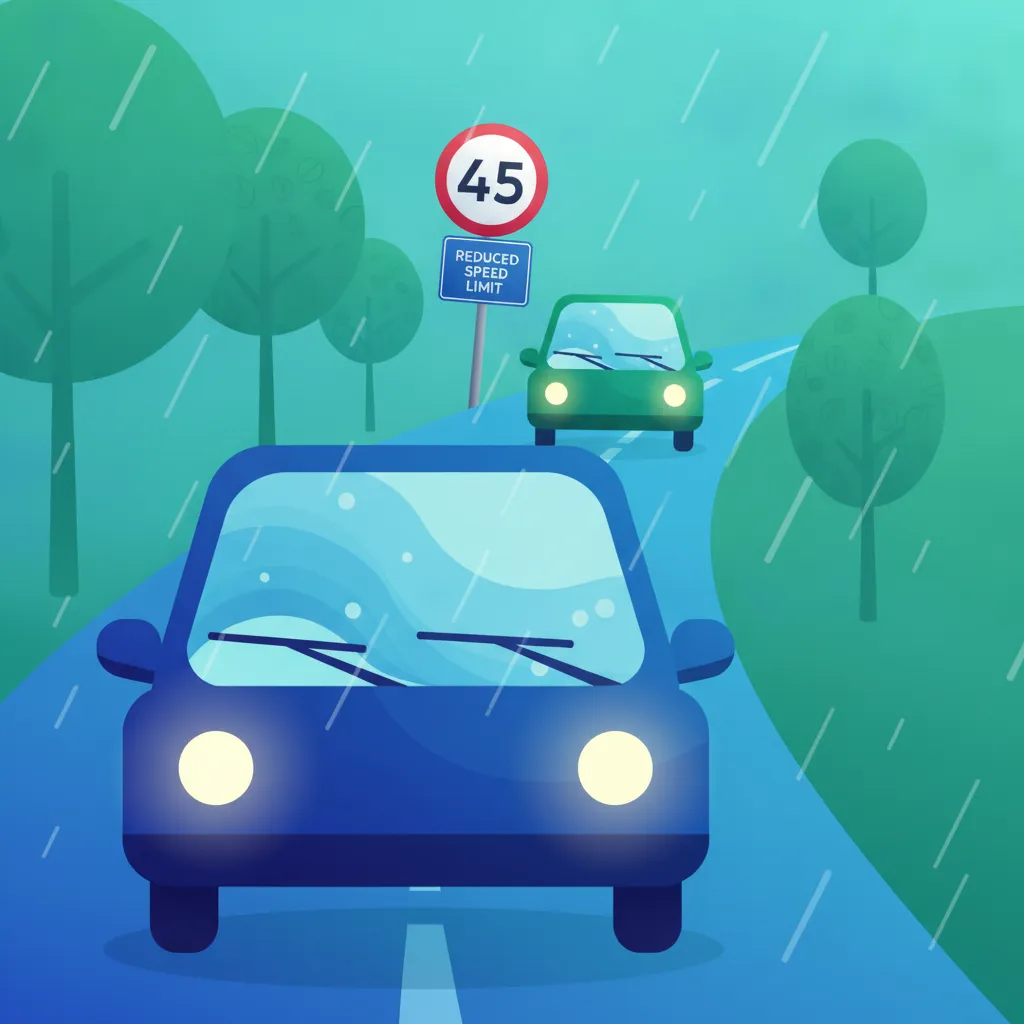
Adverse weather severely compromises tyre traction and forward visibility, demanding immediate speed reductions and extra space. This lesson focuses on the physics of aquaplaning in heavy rain, driving safely on black ice, and navigating thick fog using designated fog lamps. You will learn how to manage your windshield defoggers, adjust wipers, and handle high crosswinds that can destabilise your vehicle.
This lesson explores the safe operation of heavy transport vehicles during severe meteorological hazards typical of the Irish climate. It teaches techniques for adjusting speed and doubling following distances to prevent loss of steering traction and control on waterlogged or icy roadways. Drivers will understand how to manage lateral aerodynamic forces from crosswinds on high-sided goods vehicles.
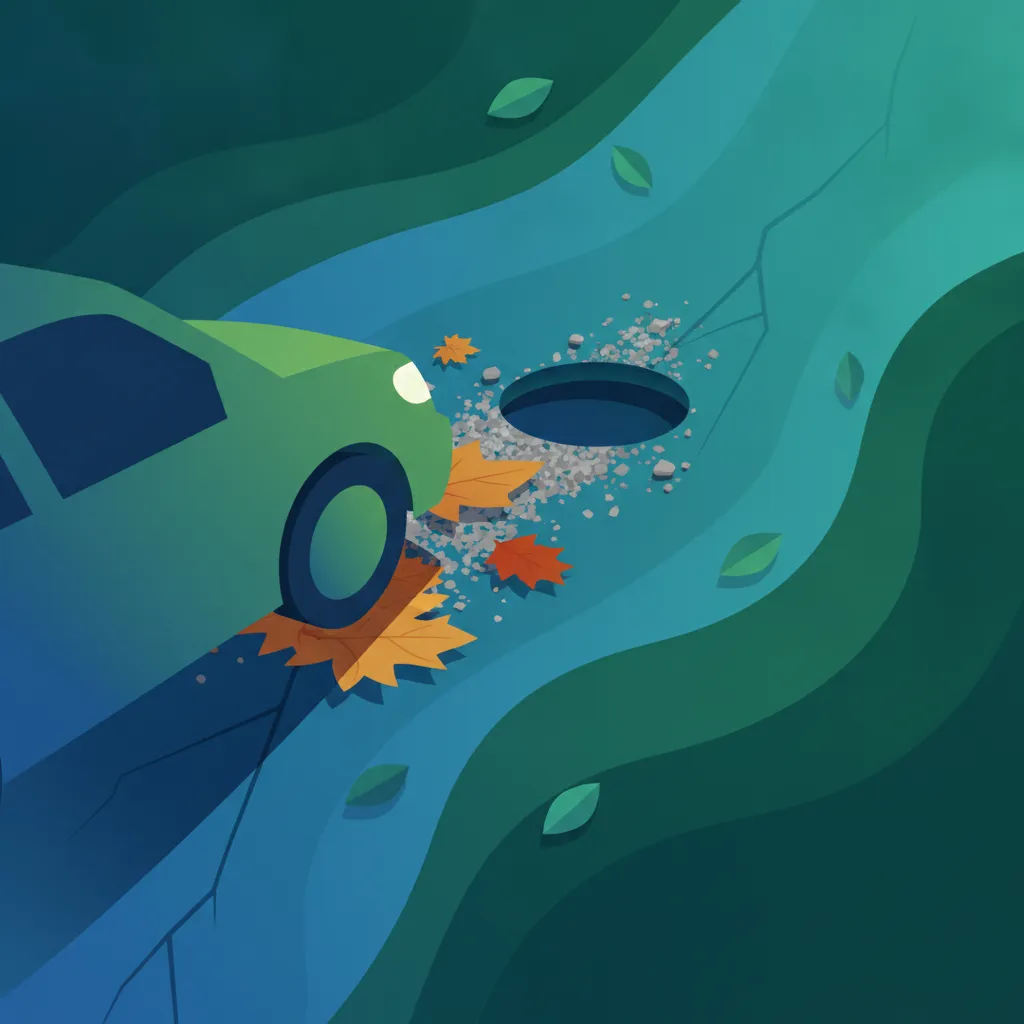
This lesson explores common surface hazards encountered on municipal and rural Irish roads, including loose gravel and wet leaves. It explains how these surface conditions rapidly reduce tyre traction and affect overall handling and braking control. Riders will learn visual scanning techniques to identify these hazards early and execute safe evasion maneuvers.
Wet roads, heavy winter fog, and strong lateral winds present major safety challenges for high-sided passenger vehicles in Ireland. This lesson explains how to prevent aquaplaning, double following distances on wet surfaces, and use fog lights correctly to maintain visibility. Drivers will learn handling adjustments to counteract sudden wind gusts when crossing exposed bridges or motorways.
This lesson explains how to modify riding techniques when navigating wet tarmac, focusing on the heightened risk of hydroplaning and reduced tire grip. It details the necessity of increasing following distances, avoiding painted road markings, and executing smoother control inputs. Riders will understand how surface water accumulates in ruts, presenting severe hazards during heavy rainstorms.
This lesson analyzes how tyre contact patches generate grip and how different road surfaces affect stability. It explains the dangers of diesel spills, loose gravel, fallen leaves, and cold tyres, which drastically reduce traction limits. Motorcyclists will learn to identify these surface hazards early and modify their throttle, braking, and lean inputs to prevent loss of control.
Adhering to legal speed limits is not always sufficient; you must continuously adapt your speed to match real-world hazards. This lesson teaches you how to reduce speed when encountering rain, fog, heavy traffic, or narrow winding rural roads with restricted visibility. You will learn the importance of matching your speed to your range of clear vision, ensuring you can stop safely within the distance you can see ahead.
Driving at night presents severe challenges due to reduced visibility, driver fatigue, and headlight glare from oncoming vehicles. This lesson teaches you how to manage your headlights, use road edge markers to steer through dark curves, and look away from oncoming bright lights. You will learn to drive within the range of your headlights and remain highly alert for pedestrians or cyclists not wearing reflective gear.
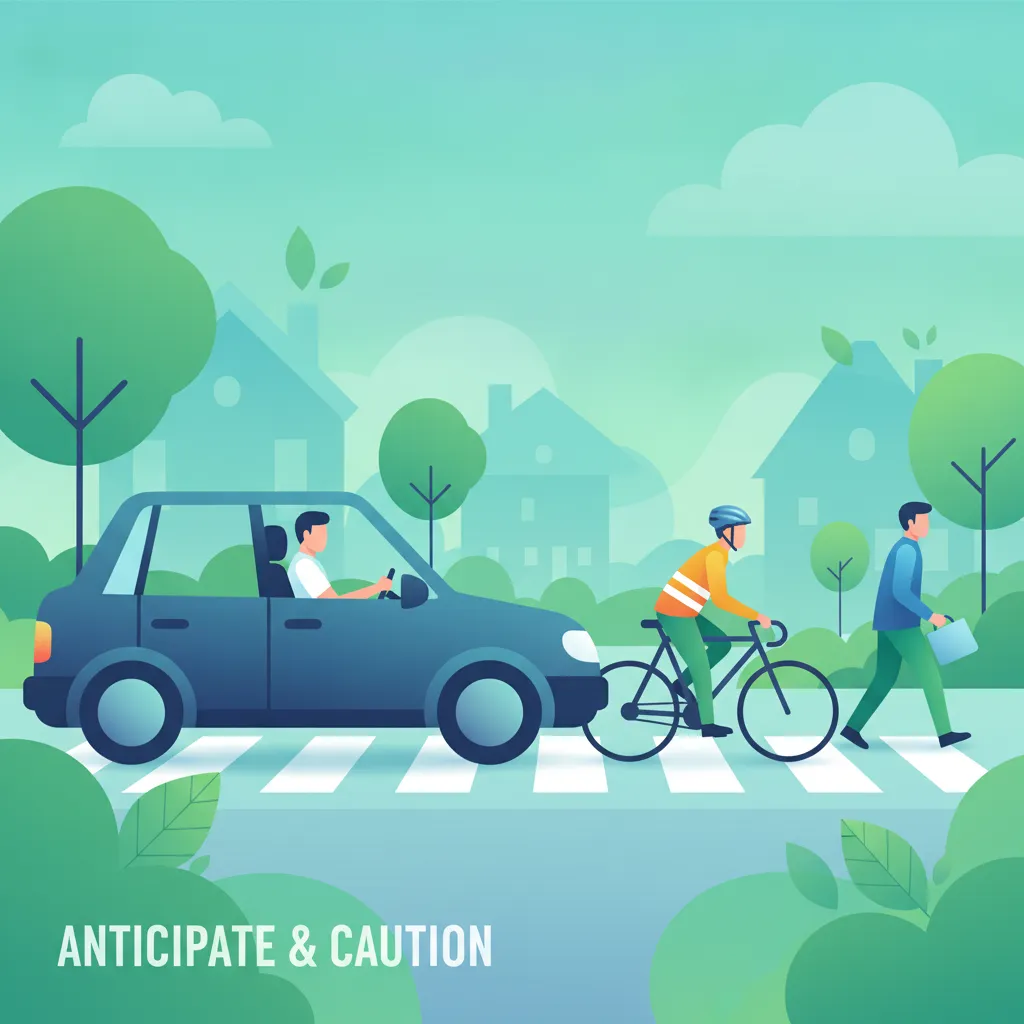
Safeguarding vulnerable road users requires more than simple obedience to traffic signs; it demands a defensive driving mindset. This lesson summarizes safe practices, including scanning far ahead in urban areas, keeping massive safety margins in wet weather, and executing thorough blind spot checks before reversing. By anticipating the unpredictable movements of others, you can prevent accidents and support a safe road culture.
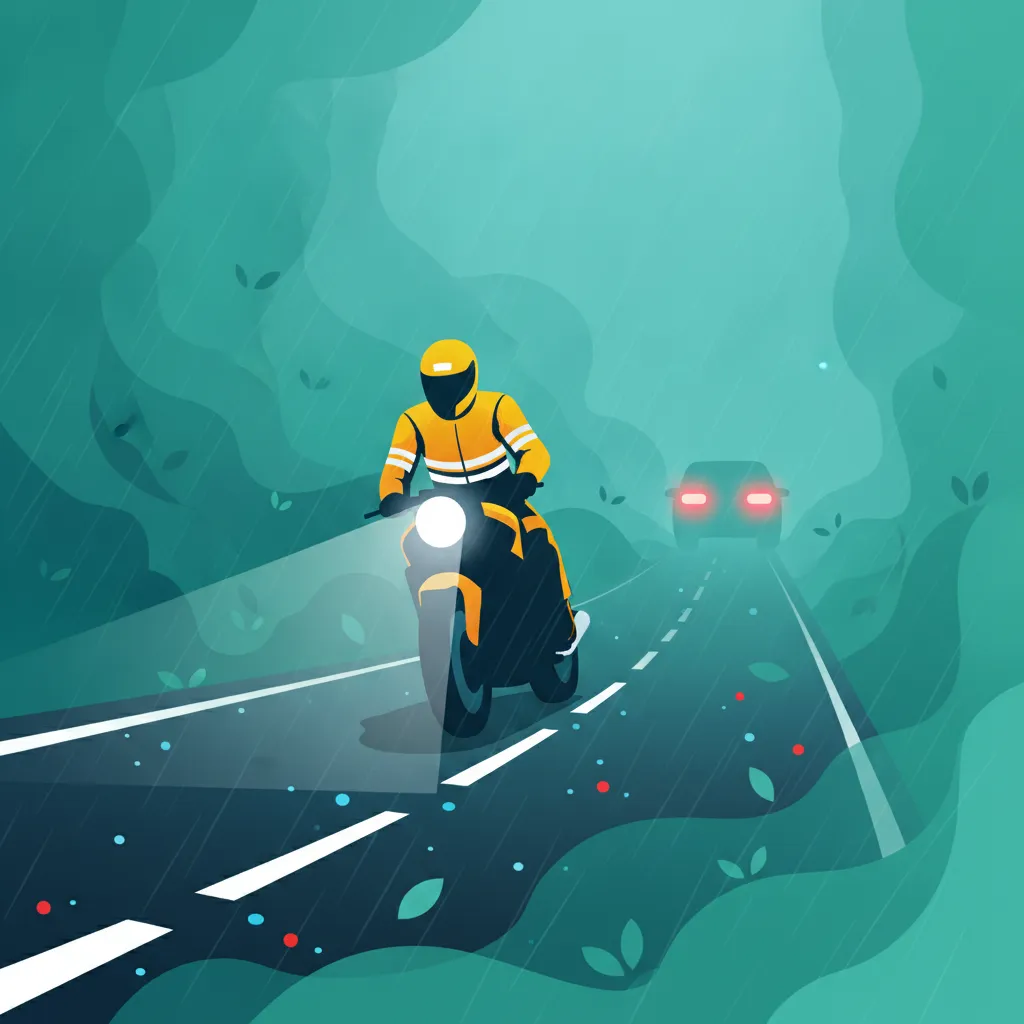
This lesson focuses on the critical techniques required to ride safely during severe rain or heavy fog in Ireland. It teaches riders how to handle aquaplaning risks, use headlights correctly, and significantly increase their following distances. Adapting speed to visibility ensures that riders can brake safely when road conditions deteriorate.
Explore the legal framework governing driving in Ireland, including the penalty point system and the consequences of traffic offences. This lesson clarifies your obligations under the Road Traffic Acts to help you maintain a clean licence history and understand the legal implications of non-compliance on public roads.
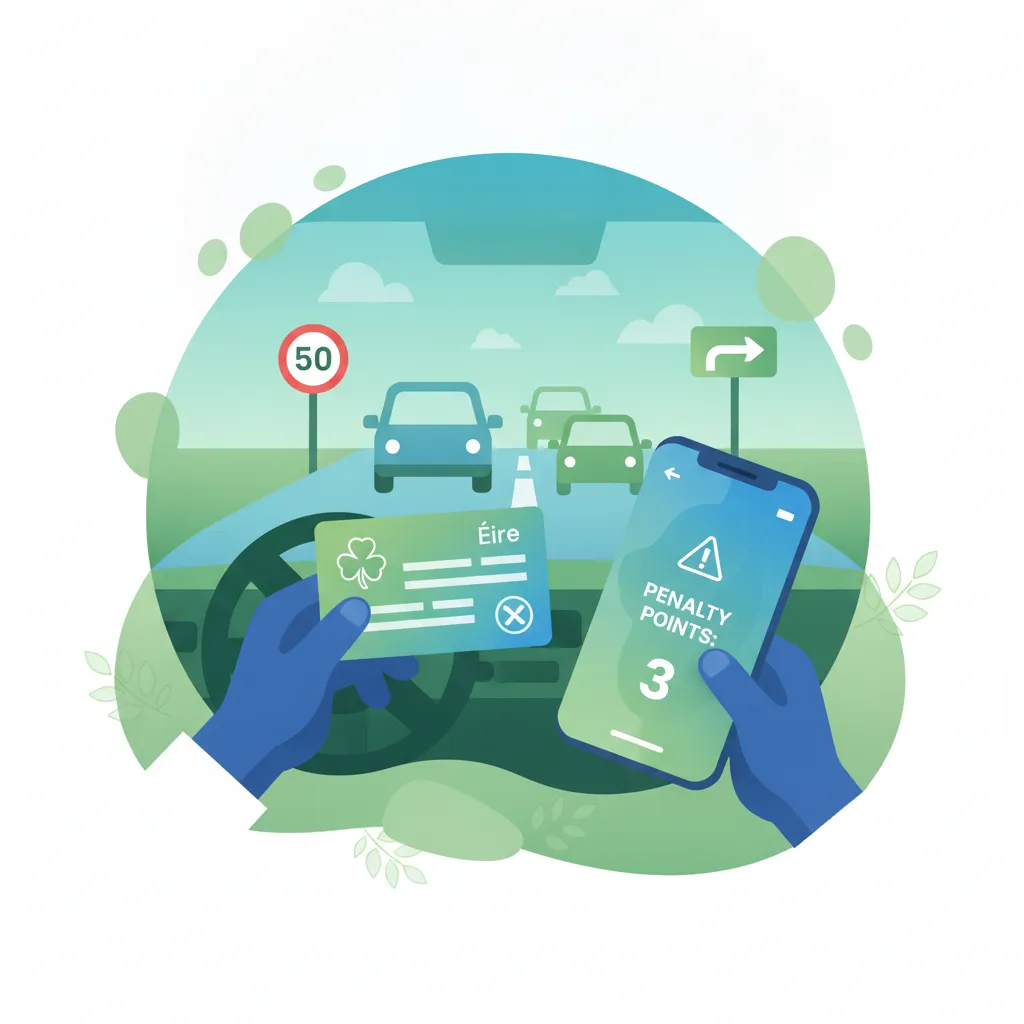
This lesson details the structure of the Irish penalty point system and its implications for novice Category AM riders. It highlights the specific traffic violations that trigger points and the thresholds that result in automatic disqualification. Learners will understand the process of moving from a learner permit to a full driving licence safely.
The Irish penalty points system is designed to deter unsafe driving practices by recording points against a driver's record for specific traffic violations. This lesson explains how points are accumulated, the lower threshold applied to learner and novice drivers, and the consequences of reaching the suspension limit. You will also learn about the role of the Garda Síochána in enforcing these road traffic laws and the financial impact points have on your insurance.
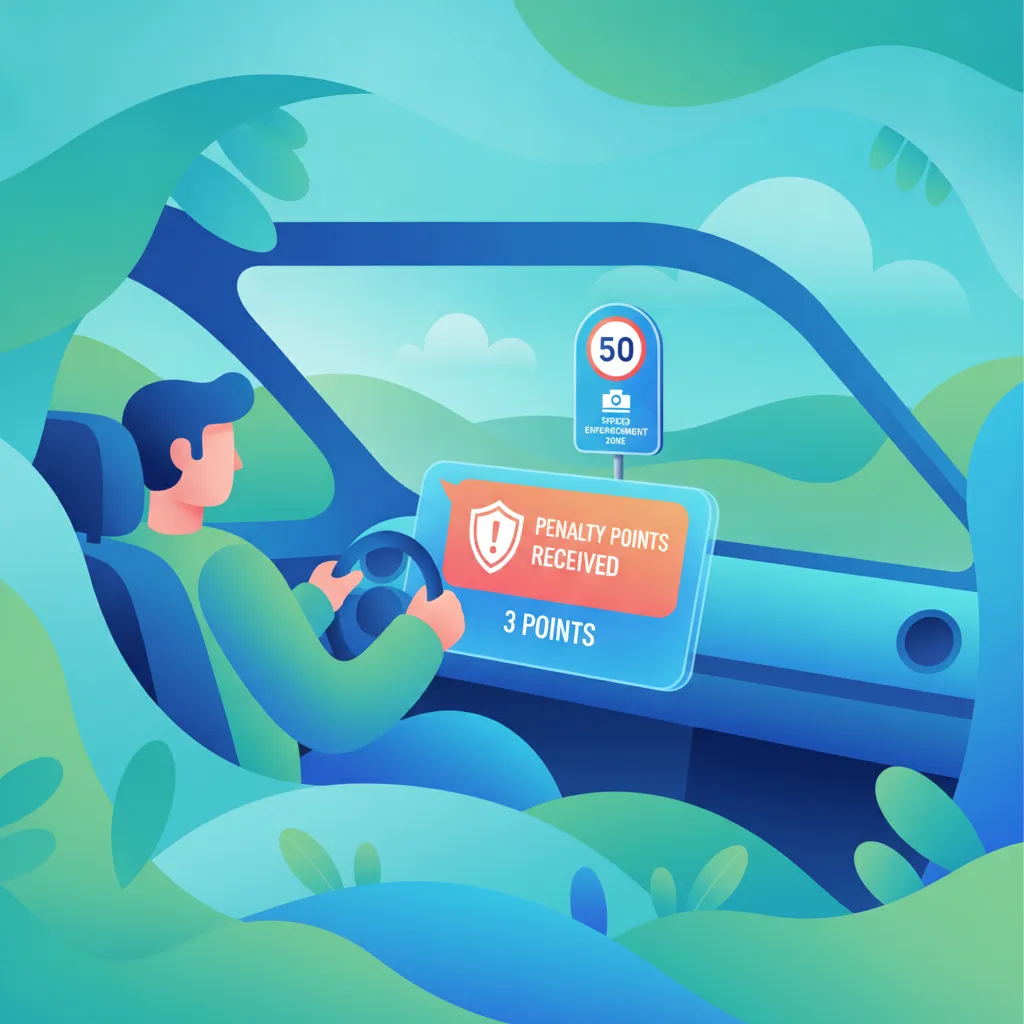
This lesson provides a comprehensive overview of the Irish penalty point system and how traffic offences are monitored by An Garda Síochána. It details the accumulation limits that trigger automatic licence suspension, with a focus on special lower thresholds for learner drivers. Learners will explore common traffic violations, such as speeding and reckless riding, which carry statutory point penalties.
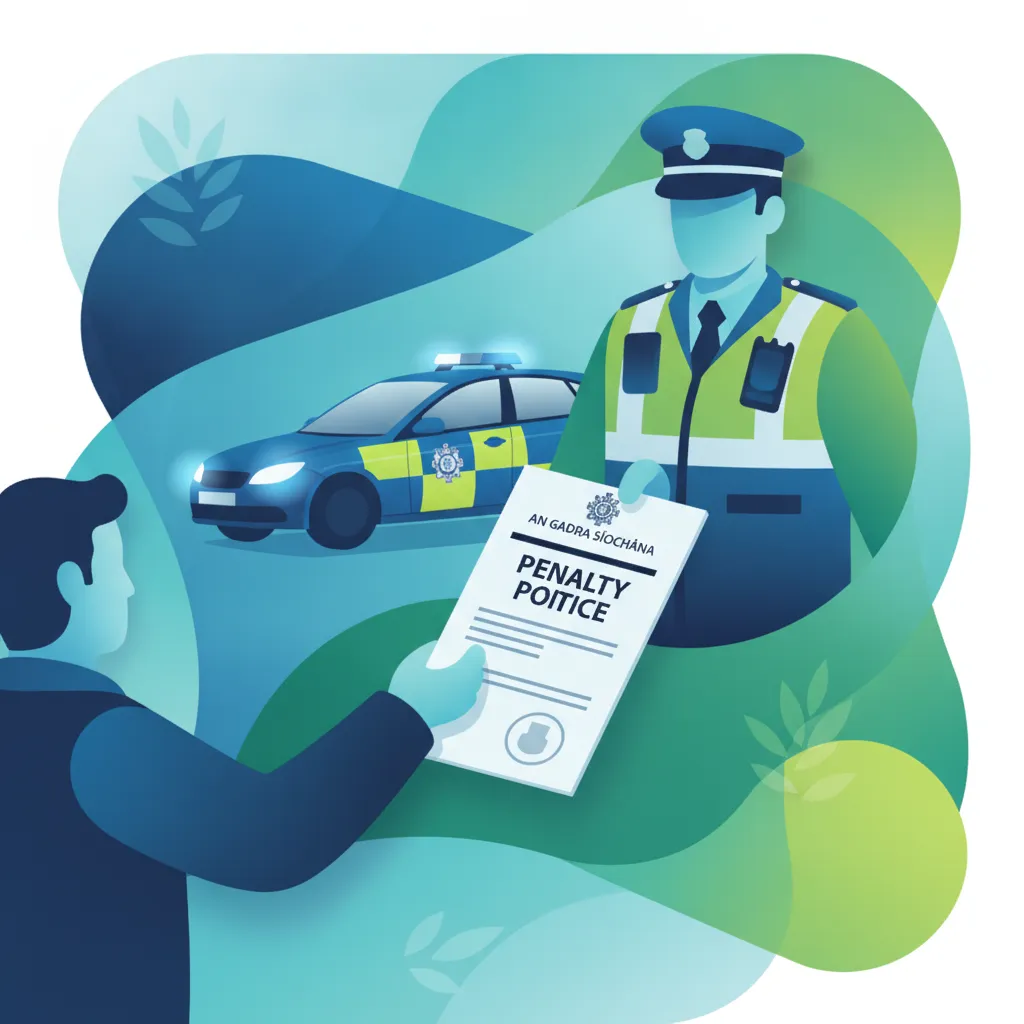
Violating Irish traffic laws triggers a structured enforcement process, starting with fixed charge notices and ending in severe court-ordered bans. This lesson details the roles of the Garda Síochána and the National Car Testing Service in enforcing safety regulations on roads. You will learn how fines are paid, how penalty points are formally added to your NDLS record, and the legal consequences of driving while disqualified.
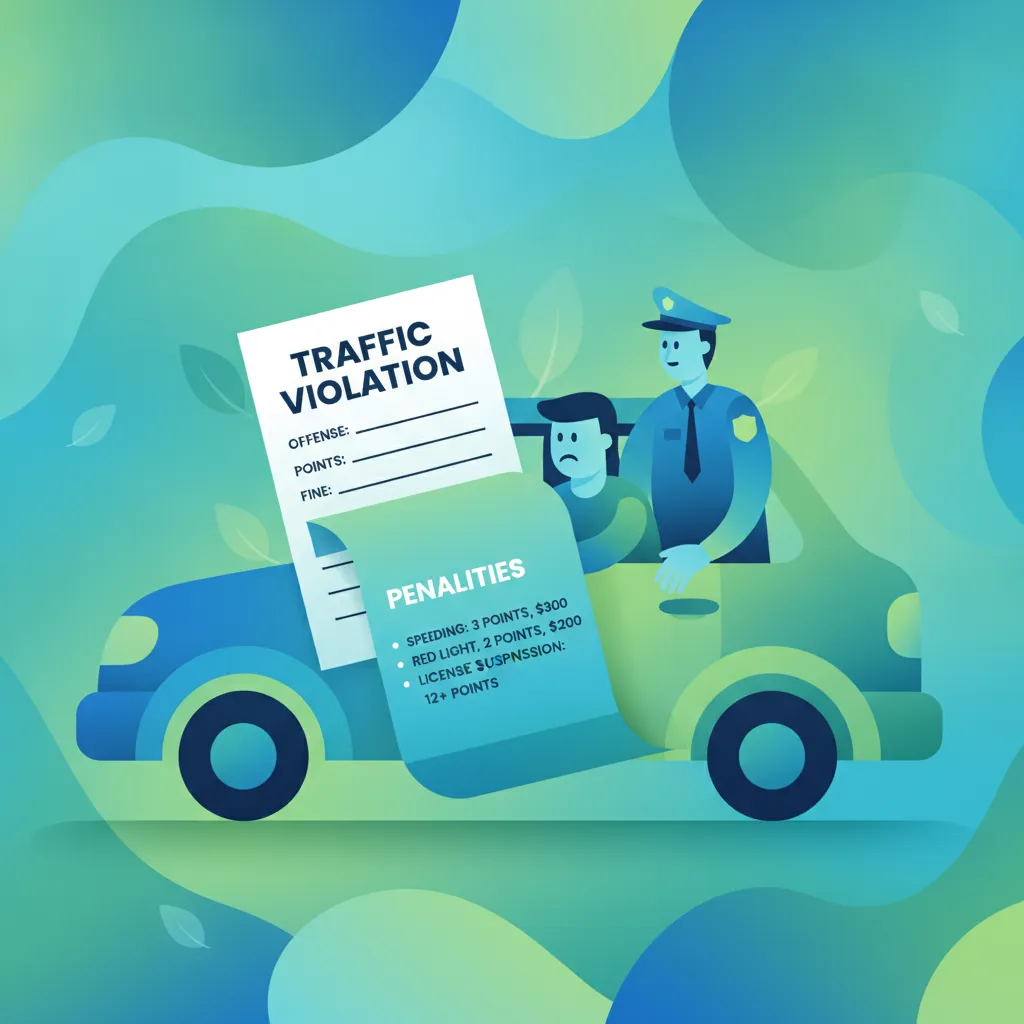
This lesson details the legal consequences of failing to adhere to the Irish Rules of the Road as a Category AM rider. It explains the structure of financial fines, penalty points, and situations that trigger immediate license suspension or disqualification. Understanding these severe penalties emphasizes the importance of consistent compliance and safe road use.
Operating commercial passenger vehicles requires strict adherence to Irish road laws to prevent heavy fines, penalty points, or disqualification. This lesson outlines the primary motoring offences, the mechanics of the Irish penalty points system, and active enforcement by An Garda Síochána. Drivers will learn the serious operational and professional consequences of non-compliance, encouraging long-term safe driving habits.

Learner drivers in Ireland must adhere to strict operational rules, including the compulsory display of red L-plates and driving under qualified supervision. This lesson outlines your specific duties as a learner, the legal definitions of an accompanying experienced driver, and the elevated safety margins you must maintain on the road. Failing to comply with these learner regulations carries serious legal penalties and delays your progression to a full driving licence.
This lesson details the legal consequences of non-compliance with Irish road traffic laws, focusing on fixed charge notices, fines, and court prosecutions. It explains how persistent traffic violations can lead to mandatory licence disqualification, vehicle seizure, and soaring insurance premiums. Motorcyclists will learn about the serious long-term impact that a criminal driving record has on employment.
Violating passenger transport laws can lead to severe operator penalties, heavy fines, and the immediate suspension of driving privileges. This lesson examines common operational infractions, including tachograph violations, overloading offences, and driving with defective tires. Drivers will understand their personal legal liabilities under Irish legislation, supporting long-term safety compliance.
This lesson provides a comprehensive overview of the Irish penalty points system with a specific focus on commercial goods vehicles. It details how enforcement agencies like the Road Safety Authority and Garda Síochána monitor driver compliance and conduct roadside checks. Learners will examine the specific heavy vehicle offences that result in severe fines, penalty points, or immediate licence suspension.
Find clear answers to common questions learners have about Crash Response, Breakdown Procedures and Emergency Contacts. Learn how the lesson is structured, which driving theory objectives it supports, and how it fits into the overall learning path of units and curriculum progression in Ireland. These explanations help you understand key concepts, lesson flow, and exam focused study goals.
The immediate priority is to stop your vehicle, ensure your safety and that of others, and prevent further accidents by warning approaching traffic. Only then should you assess for injuries and contact emergency services if necessary.
You are legally required to report a collision to the Gardaí if anyone is injured or if there is significant damage to property. It is best practice to exchange insurance details and contact them if you are in any doubt regarding your obligations.
You should use 112 or 999 to contact emergency services in Ireland. These numbers are free and connect you to the emergency call centre which can dispatch the Gardaí, ambulance, or fire brigade.
If your moped breaks down, move it to the hard shoulder or off the carriageway immediately. Wear high-visibility clothing to ensure you are seen by other road users, and never stand between your vehicle and traffic.
Use the practice question search tool to pinpoint specific topics, road signs, or rules you need to master for your official Driver Theory Test. Refine your study strategy and ensure comprehensive preparation for all aspects of the Irish driving exam. Start your focused revision now and build confidence for your learner permit test.