This lesson provides an essential guide to the vehicle lighting system, covering when to use specific lights to ensure visibility and clarity for other road users. It builds upon your basic vehicle knowledge to ensure you understand the legal requirements for operating headlights, fog lights, and signals as required for the Irish Category B driving test.
Lesson content overview
An essential part of operating a Category B passenger car safely in Ireland is knowing how and when to use your vehicle’s lighting system. Your lights serve a dual purpose: they allow you to see the road clearly in dark or hazardous conditions, and they ensure that other road users can see you and understand your intentions.
Improper use of lights is not only a major safety hazard but also a frequent cause of failure in both the Irish Driver Theory Test and the practical driving test. Understanding the legal requirements set out by the Road Safety Authority (RSA) and Irish road traffic legislation is vital to preventing accidents, avoiding penalties, and ensuring smooth traffic flow.
Before exploring individual light controls, you must understand the four guiding principles of vehicle lighting. These principles govern all statutory rules and practical driving guidelines in Ireland.
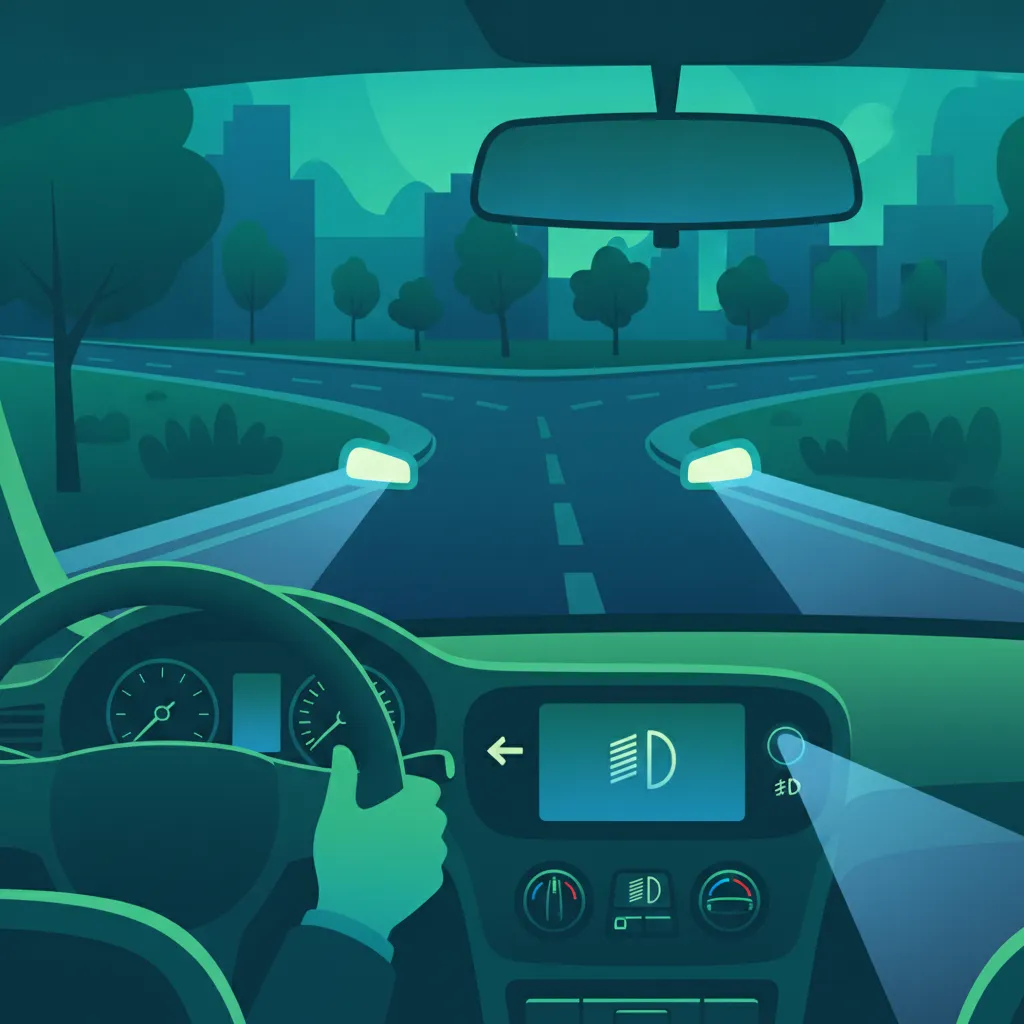
Dipped headlights (commonly referred to as low beams) are designed to illuminate the road ahead for a moderate distance without throwing light upwards into the eyes of oncoming drivers. They are your primary driving lights during hours of darkness and poor daytime visibility.
The standard headlight setting designed to illuminate the road ahead for approximately 30 to 50 metres, angled downwards to prevent throwing glare into the eyes of oncoming road users.
In Ireland, you are legally required to turn on your dipped headlights under the following conditions:
While permanent daytime running lights (DRLs) are common on modern vehicles, they do not activate your rear tail lights on older models. Therefore, manually turning on your dipped headlights is the safest way to ensure your vehicle is visible from both the front and the rear during overcast or rainy weather.
Full beam headlights (or high beams) project a bright, long-range light straight ahead. They are designed to maximise your viewing distance on dark, unlit roads, such as rural national routes or unlit motorways at night.
The highest intensity headlight setting on a vehicle, projecting light far ahead parallel to the road surface to maximise visibility on unlit, open roads.
Because full beams project light directly into the line of sight of other drivers, their use is strictly regulated. Dazzling another driver can cause temporary blindness, significantly increasing reaction times and the risk of a head-on collision.
Failing to dim your headlights for oncoming traffic is a serious driving hazard. If you blind an oncoming driver, they may lose track of the road edge or steer directly towards your vehicle. Always switch to dipped beams early.
To comply with Irish road traffic laws, you must switch from full beams to dipped headlights in the following situations:
Fog lights are specialised, high-intensity lights designed to be used only when visibility is severely restricted. They are mounted low on the vehicle to project light underneath the fog layer, illuminating the road surface directly in front of your bumper without reflecting off the water droplets in the air.
You must only use your fog lights when visibility is reduced to less than 100 metres due to dense fog, falling snow, heavy dust storms, or torrential rain.
Using fog lights when visibility is clear is illegal and highly dangerous. Because they are designed to penetrate dense fog, they are incredibly bright. In clear conditions, front fog lights will dazzle oncoming drivers, and rear fog lights will blind drivers behind you, often obscuring your brake lights when you slow down.
Assess Visibility: Monitor the road ahead. If you can clearly see the tail lights of the vehicle in front or roadside objects more than 100 metres away, do not turn on your fog lights.
Activate Fog Lights: Once visibility drops below 100 metres, switch on your dipped headlights and then activate your front and rear fog lights.
Reduce Speed: Fog lights only illuminate a short distance in front of your vehicle. You must slow down so you can stop safely within the distance you can see.
Turn Them Off: As soon as the fog clears or you enter an area with improved visibility, switch off your fog lights immediately to avoid dazzling other road users.
Directional lights (commonly known as indicators or turn signals) are Amber-coloured flashing lights used to signal your intention to change direction, change lanes, or merge with traffic.
Clear communication prevents sudden braking and side-impact collisions. However, an indicator is a statement of intent, not a declaration of right of way. You must never assume that signalling automatically gives you permission to make a manoeuvre.
A flashing amber signal light located on each corner of the vehicle, used to communicate a driver's intention to turn, change lanes, or merge.
Before carrying out any manoeuvre—such as turning at a junction, pulling out from a curb, changing lanes, or exiting a roundabout—you must activate your indicator at least 3 seconds before you begin to move the steering wheel.
This three-second buffer is a critical safety margin. It gives drivers behind you, oncoming traffic, and pedestrians time to observe your signal, process your intention, and adjust their speed or positioning accordingly.
[Decide to Turn] ──> [Check Mirrors] ──> [Signal (3 Seconds)] ──> [Manoeuvre Safely]
Your vehicle features several automatic and manual signal lamps designed to communicate your vehicle's physical status and immediate actions to the traffic around you.
Brake lights are high-intensity red lights at the rear of your vehicle that activate automatically whenever you press the brake pedal. They warn drivers behind you that you are slowing down or stopping.
You must ensure these lights are fully functional. If your brake lights fail, drivers behind you will have no warning when you decelerate, which frequently results in rear-end collisions.
When you shift your vehicle into reverse gear, one or two white lights automatically illuminate at the rear of your car. These lights serve two purposes: they illuminate the area behind you at night, and they warn pedestrians and other drivers that your vehicle is moving backward or is about to back out of a parking space.
Hazard warning lights flash all four indicator lights simultaneously. They are designed strictly to warn other road users that your vehicle is a stationary hazard.
A system that flashes all directional indicators simultaneously to warn other road users of a stationary obstacle, emergency, or breakdown.
As a responsible driver, you must ensure that all lights on your vehicle are clean, undamaged, and fully functional before you drive. This is a core component of vehicle safety checks, which are detailed in Section 8.1.
A blown bulb or a cracked lens can compromise your safety and lead to an immediate fail during an NCT (National Car Test) or a roadside check by An Garda Síochána.
Turn on the Ignition: Switch your vehicle's ignition to the auxiliary position without starting the engine.
Activate the Headlights: Switch on your dipped headlights and walk around the car. Check that both front low-beam bulbs and both rear tail lights are illuminated.
Test the Full Beams: Switch to full beams and verify that the brighter, long-range bulbs are functioning.
Check Indicators and Hazards: Turn on your hazard warning lights. Walk around the vehicle to verify that all four amber indicators (front, rear, and side-mirror repeaters, if equipped) are flashing brightly.
Inspect the Fog Lights: Turn on your front and rear fog lights and confirm they are operational.
Check Brake and Reverse Lights: To check your brake lights and reverse lights without a helper, back up close to a flat wall or garage door. Look in your rear-view mirrors; you should see the bright red reflection of your brake lights when you press the pedal, and the bright white reflection of your reverse lights when you engage reverse.
The rules for vehicle lighting are not static; you must adapt your light usage to different environments, weather patterns, and traffic scenarios.
| Scenario | Primary Light Setting | Action / Special Considerations |
|---|---|---|
| Well-Lit Urban Streets | Dipped Headlights | Never use full beams; street lighting is sufficient for visibility, and high beams will blind urban traffic. |
| Dark, Unlit Rural Roads | Full Beam Headlights | Switch to dipped beams within 200m of oncoming traffic, 150m of a vehicle ahead, or when meeting cyclists and pedestrians. |
| Heavy Rain or Snow | Dipped Headlights | Ensure rear tail lights are on. If visibility drops below 100m, activate front and rear fog lights. |
| Dense Fog | Fog Lights + Dipped Headlights | Never use full beams in fog; the light will reflect off the water droplets and blind you. Turn fog lights off when fog clears. |
| Towing a Trailer | Dipped Headlights | A heavy trailer can pull the rear of your car down, aiming your dipped headlights upward. Adjust your headlight level dial downwards to prevent dazzling oncoming traffic. |
To prepare for your Category B theory test, keep these key regulations and metrics in mind:
By mastering these rules, you will ensure excellent visibility, communicate clearly with other road users, and demonstrate the safety-first attitude required to pass both your theory and practical driving tests in Ireland.
Explore all units and lessons included in this driving theory course.
Lesson content overview
Explore all units and lessons included in this driving theory course.
Explore search topics learners often look for when studying Headlights, Directional Lights and Signal Lamps Usage. These topics reflect common questions about road rules, driving situations, safety guidance, and lesson level theory preparation for learners in Ireland.
Browse additional driving theory lessons that cover connected traffic rules, road signs, and common driving situations related to this topic. Improve your understanding of how different rules interact across everyday traffic scenarios.
Learn how to manage vehicle lighting, environmental visibility, and driver focus during hours of darkness. This explanation covers road safety techniques for navigating unlit rural roads, using dipped and full beams appropriately, and adjusting your driving style to account for reduced visibility and glare in Irish driving conditions.
Driving at night presents severe challenges due to reduced visibility, driver fatigue, and headlight glare from oncoming vehicles. This lesson teaches you how to manage your headlights, use road edge markers to steer through dark curves, and look away from oncoming bright lights. You will learn to drive within the range of your headlights and remain highly alert for pedestrians or cyclists not wearing reflective gear.
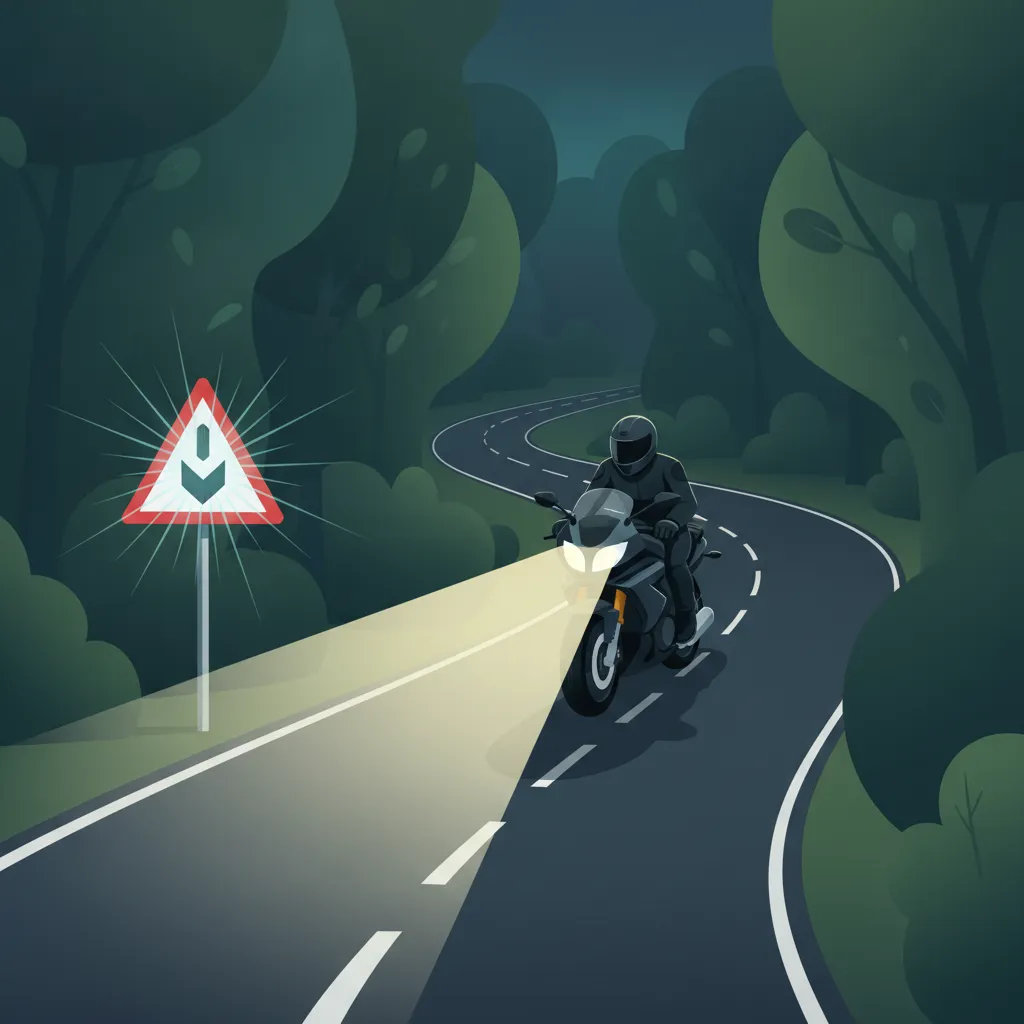
This lesson details safety strategies for riding in dark or poorly illuminated environments, focusing on headlight management and visibility limits. It explains when to use dipped and high beams to avoid blinding other motorists while maximizing your own view of the road. Riders will learn how to scan for reflective markers, manage oncoming glare, and adapt their speed to their headlight range.
Adverse weather severely compromises tyre traction and forward visibility, demanding immediate speed reductions and extra space. This lesson focuses on the physics of aquaplaning in heavy rain, driving safely on black ice, and navigating thick fog using designated fog lamps. You will learn how to manage your windshield defoggers, adjust wipers, and handle high crosswinds that can destabilise your vehicle.
This lesson focuses on practical strategies for maximizing a motorcyclist's visibility to other road users in day and night scenarios. It details the effective placement of retro-reflective materials, high-visibility jackets, and the constant use of dipped headlights. Riders will examine how road positioning within their lane dramatically reduces the likelihood of being obscured by other vehicles.
Wet roads, heavy winter fog, and strong lateral winds present major safety challenges for high-sided passenger vehicles in Ireland. This lesson explains how to prevent aquaplaning, double following distances on wet surfaces, and use fog lights correctly to maintain visibility. Drivers will learn handling adjustments to counteract sudden wind gusts when crossing exposed bridges or motorways.
This lesson details the use of daytime running lights to raise a rider's profile during daylight hours on Irish roads. It discusses the installation guidelines, legal restrictions, and safety benefits of auxiliary lighting systems on mopeds. Special care must be taken to prevent dazzling oncoming traffic while ensuring the vehicle remains highly recognizable.
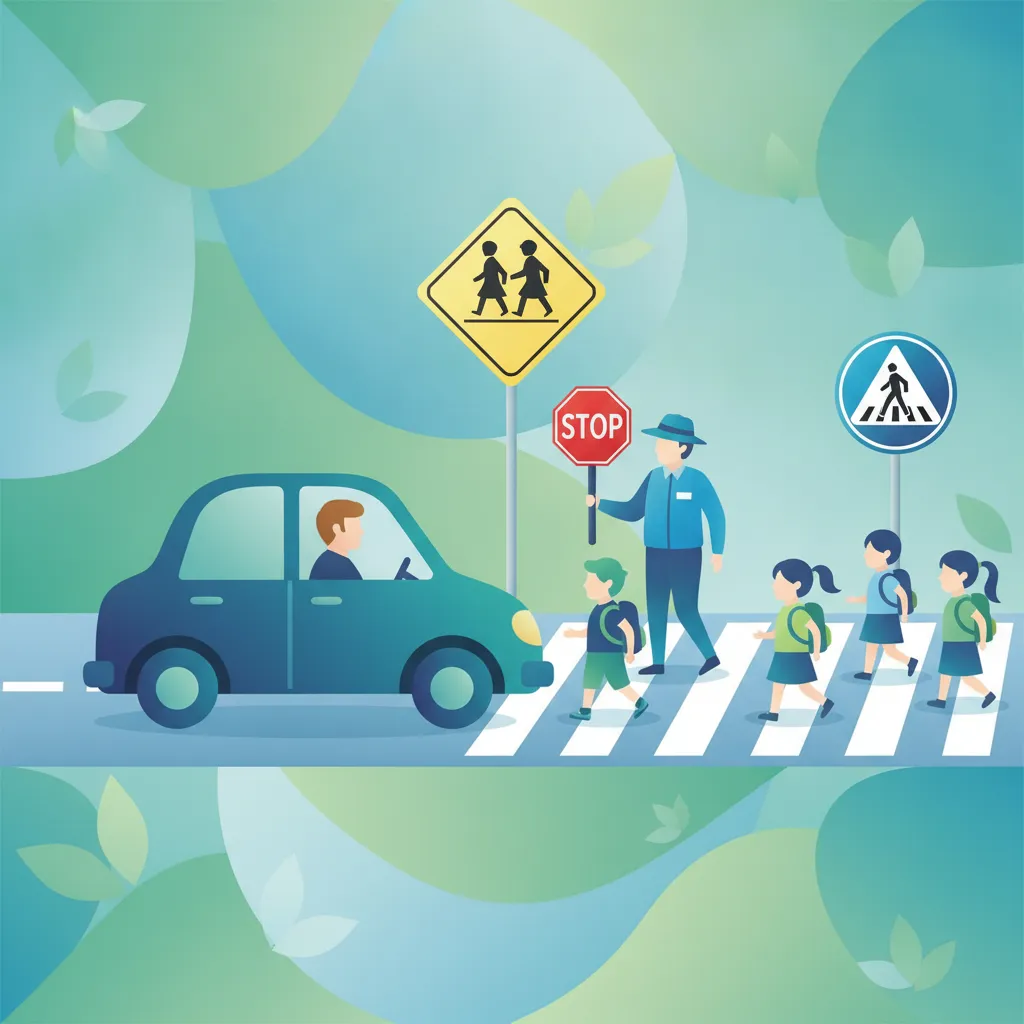
School zones and pedestrian crossings require high driver alertness and strict compliance with local speed limits in Ireland. This lesson details the legal rules of zebra and pelican crossings, explaining driver requirements when amber warning beacons are flashing. Drivers will study safety procedures for dropping off or picking up children, preventing common blind-spot accidents near schools.
This lesson emphasizes the critical importance of being highly visible to other road users under various lighting conditions. It reviews the legal requirements for front and rear lights on Category AM vehicles and the active use of reflective materials. Proper maintenance of lighting systems is discussed to ensure continuous operation during adverse weather.
This lesson focuses on the critical techniques required to ride safely during severe rain or heavy fog in Ireland. It teaches riders how to handle aquaplaning risks, use headlights correctly, and significantly increase their following distances. Adapting speed to visibility ensures that riders can brake safely when road conditions deteriorate.
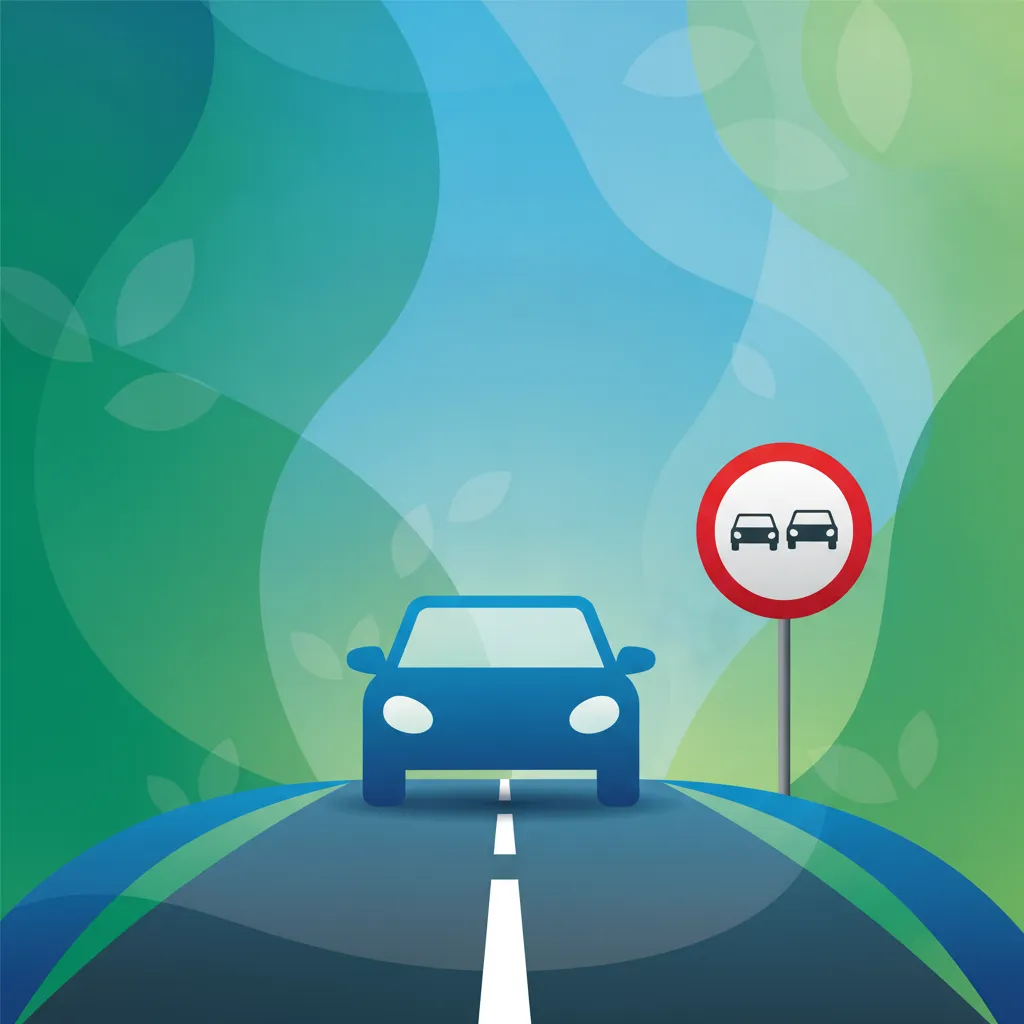
No-overtaking zones are marked in areas with restricted visibility, such as approaching bends, humps, or narrow bridges. This lesson details how continuous solid white lines legally prohibit passing, along with the very narrow exceptions allowed under Irish law. You will learn to identify these high-risk areas from visual markings, ensuring you never initiate a passing manoeuvre that puts oncoming traffic in immediate danger.
Understand the essential pre-drive checks and maintenance routines for maintaining vehicle lights, tyre condition, and fluid levels. This guide explains the importance of vehicle safety, identifying technical faults before they become hazards, and adhering to the standards required for the National Car Test and general road safety in Ireland.
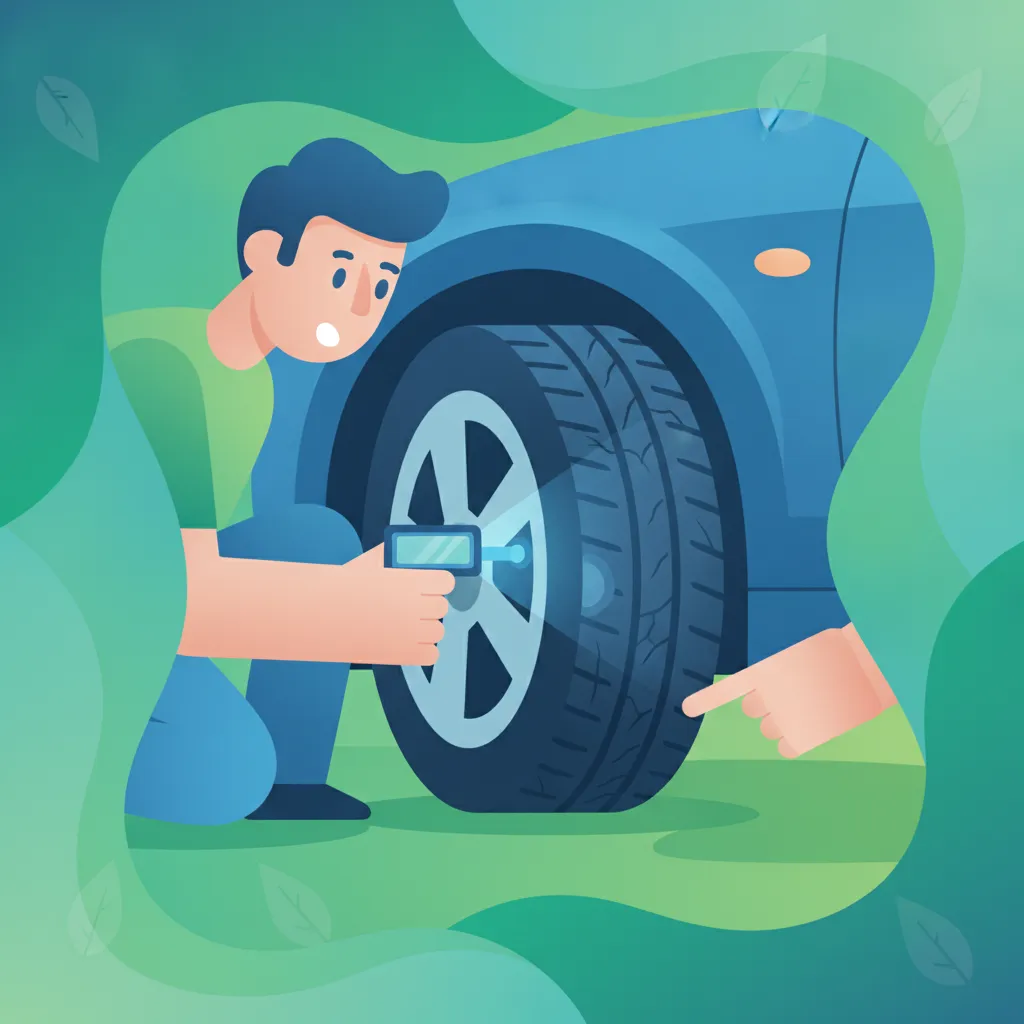
Tyres are the only contact points between your vehicle and the road, making their maintenance absolutely critical for steering and braking. This lesson teaches you how to measure tyre tread depth to comply with the legal limit of 1.6 millimetres, and how to check tyre pressure when cold. You will also learn to inspect sidewalls for bulges and cracks, recognize uneven wear patterns, and prep for the National Car Test.
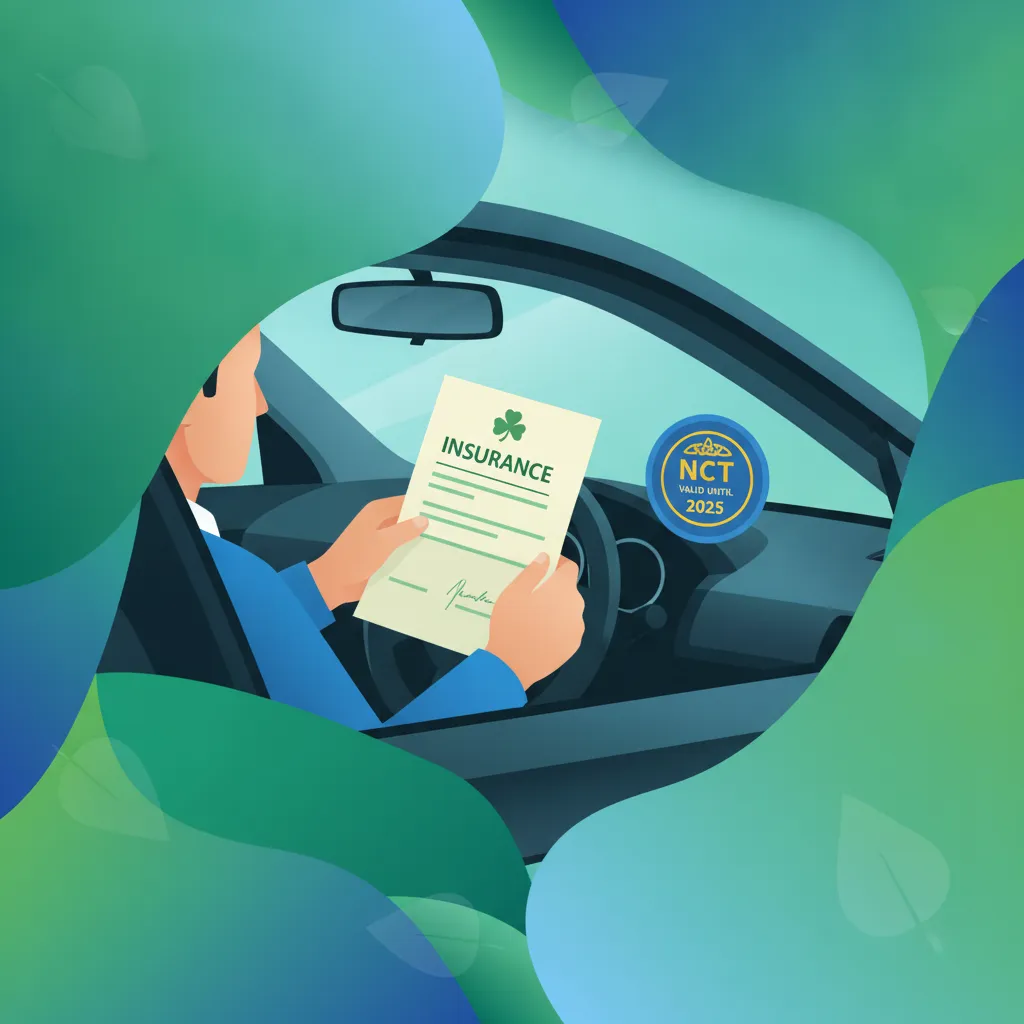
This lesson details the legal requirements for motorcycle insurance under Irish law, emphasizing the absolute necessity of holding valid third-party cover. It outlines the rider's responsibility to maintain their motorcycle in a completely roadworthy condition, focusing on critical safety components like tyres, brakes, and lights. Learners will examine how mechanical failures and non-compliance with maintenance standards compromise legal eligibility and safety.
This lesson guides learners through the essential pre-ride safety checklist for mopeds and light quadricycles. It explains how to check tyre tread, brake responsiveness, functional lighting, and mirror alignment before starting any journey. Maintaining these components ensures vehicle compliance and minimizes the risk of mechanical failure on Irish roads.
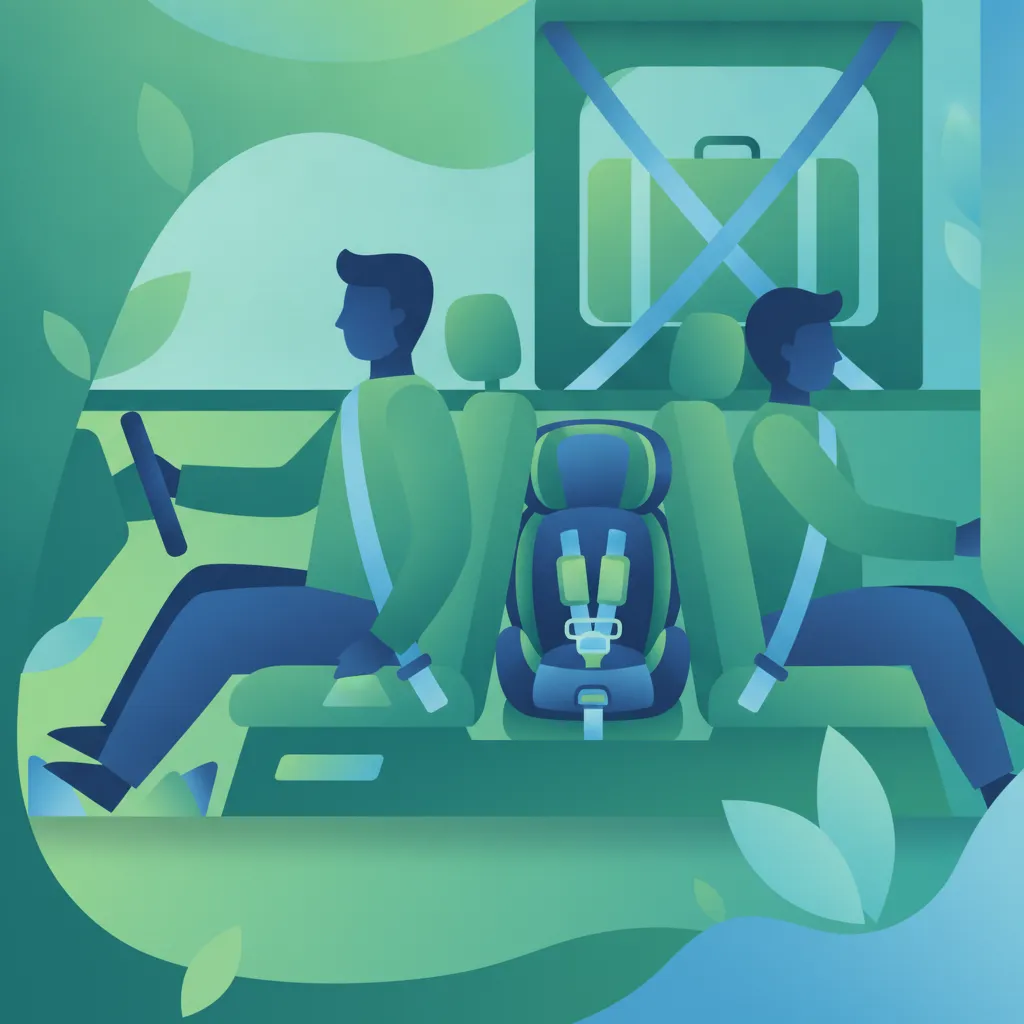
Securing passengers and luggage properly is essential to prevent injury during emergency braking, sudden steering inputs, or traffic collisions. This lesson provides instructions on passenger restraint systems, seatbelt laws in Ireland, and wheelchair ramp deployment processes. Drivers will study weight distribution guidelines for luggage compartments to protect the physical stability of the passenger vehicle.
Drivers bear the legal responsibility of ensuring that all passengers under seventeen years of age are properly secured in the vehicle. This lesson covers Ireland's strict seatbelt laws and the requirement to use an EU-approved child restraint system appropriate for the child's height and weight. You will learn how to locate ISOFIX anchorage points, fit child seats correctly, and deactivate passenger airbags when using rear-facing seats.

To legally drive in Ireland, your car must be insured, taxed, and certified as roadworthy through the National Car Test. This lesson details the types of motor insurance cover available, how to display your tax and insurance discs, and the schedule for mandatory NCT inspections. Keeping these documents up to date ensures your vehicle meets national safety and environmental standards, preventing heavy fines or vehicle seizure.
The Road Safety Authority establishes clear operational frameworks to ensure maximum safety in the Irish commercial passenger transport sector. This lesson covers critical guidelines regarding daily vehicle walkaround checks, scheduled maintenance records, and ongoing driver CPC compliance. By studying these official recommendations, drivers will understand how to maintain total legal compliance while elevating transport safety.
Driving at night presents severe challenges due to reduced visibility, driver fatigue, and headlight glare from oncoming vehicles. This lesson teaches you how to manage your headlights, use road edge markers to steer through dark curves, and look away from oncoming bright lights. You will learn to drive within the range of your headlights and remain highly alert for pedestrians or cyclists not wearing reflective gear.
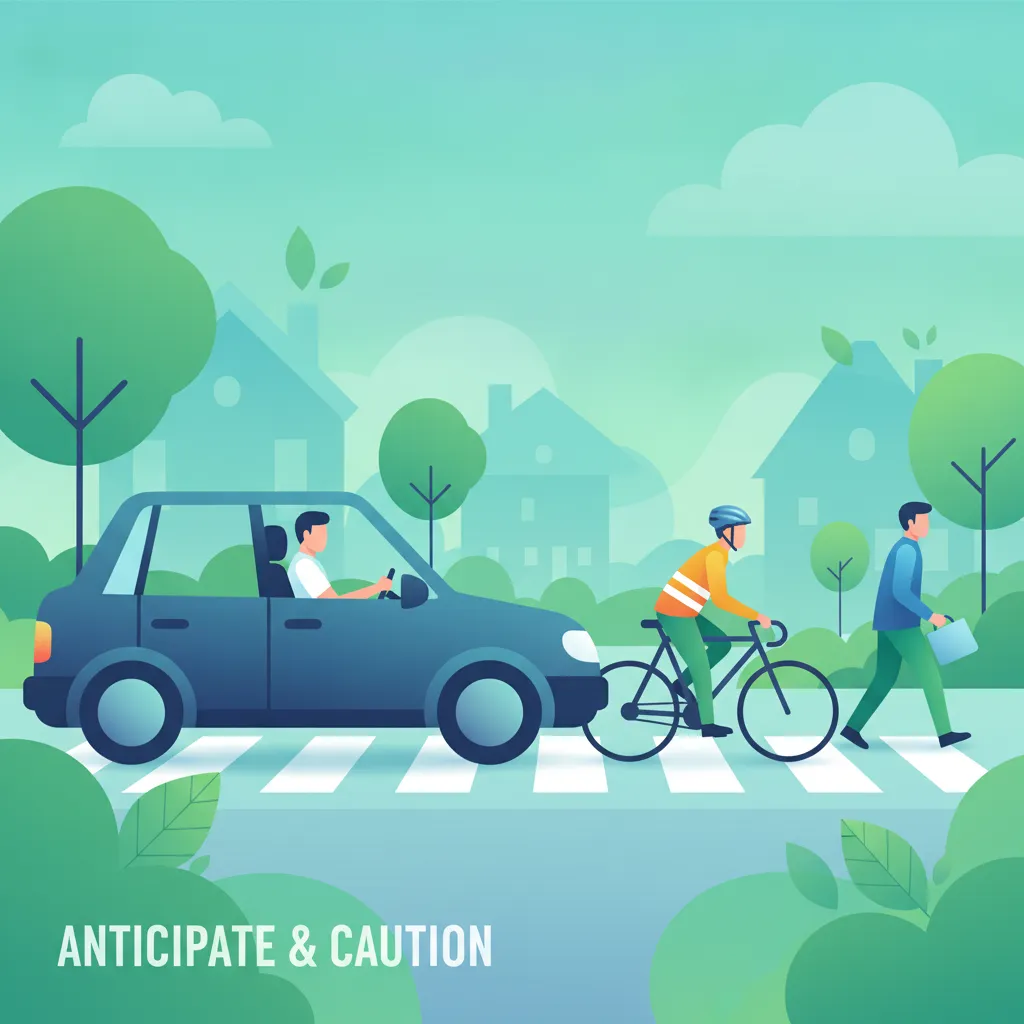
Safeguarding vulnerable road users requires more than simple obedience to traffic signs; it demands a defensive driving mindset. This lesson summarizes safe practices, including scanning far ahead in urban areas, keeping massive safety margins in wet weather, and executing thorough blind spot checks before reversing. By anticipating the unpredictable movements of others, you can prevent accidents and support a safe road culture.
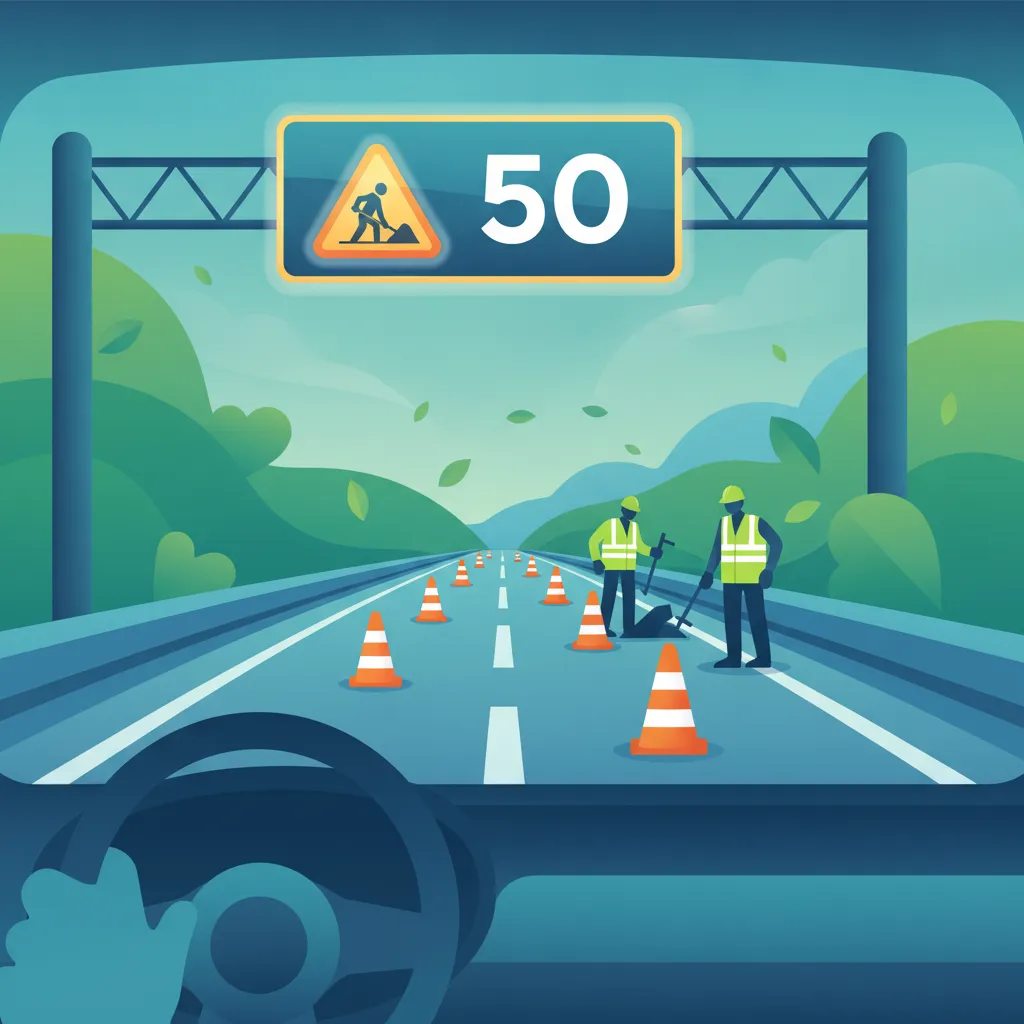
Variable Message Signs and roadwork indicators communicate temporary safety conditions, such as lane closures, heavy delays, or dynamic speed restrictions. This lesson teaches you how to interpret digital overhead gantries, temporary hazard cones, and specific detour layouts often encountered on Irish motorways and regional routes. Adhering to these real-time instructions protects both you and the vulnerable road crews working ahead.
Find clear answers to common questions learners have about Headlights, Directional Lights and Signal Lamps Usage. Learn how the lesson is structured, which driving theory objectives it supports, and how it fits into the overall learning path of units and curriculum progression in Ireland. These explanations help you understand key concepts, lesson flow, and exam focused study goals.
You must switch to dipped headlights when following another vehicle closely, when meeting oncoming traffic to avoid dazzling the other driver, or when driving in well-lit built-up areas.
No, you should only use front and rear fog lights when visibility is seriously reduced, such as in heavy rain, snow, or thick fog. Using them in clear conditions can dazzle other road users.
Hazard lights are used to warn other drivers that your vehicle is a temporary obstruction or to indicate a sudden hazard ahead. They should not be used as an excuse for illegal parking.
Yes, standard symbols exist for main beam (usually blue) and dipped beam (usually green). Familiarizing yourself with these is important for the vehicle safety section of the theory test.
Use the practice question search tool to pinpoint specific topics, road signs, or rules you need to master for your official Driver Theory Test. Refine your study strategy and ensure comprehensive preparation for all aspects of the Irish driving exam. Start your focused revision now and build confidence for your learner permit test.