
This lesson covers the critical road markings and traffic rules that prohibit overtaking on Irish roads. You will learn how to identify no-overtaking zones near bends, hills, and junctions to ensure you maintain safe driving practices during your test and beyond.
Lesson content overview
Overtaking is one of the most high-risk manoeuvres you will perform as a driver. In Ireland, overtaking requires not only a high level of hazard awareness but also strict adherence to the road markings and signs designated by the Road Safety Authority (RSA). Failing to respect these boundaries can result in severe head-on collisions, heavy fines, and penalty points on your Category B driving licence.
This lesson covers the legal framework, road markings, and physical hazards that govern overtaking restrictions and no-overtaking zones across Ireland. By understanding these rules, you will be prepared to pass your Irish Driver Theory Test and maintain safe driving standards on all public roads.
Overtaking restrictions exist because our eyes can easily misjudge the speed and distance of oncoming vehicles, especially on rural roads. The legal system places a high level of responsibility on the overtaking driver. You must never initiate a pass unless you are absolutely certain you can complete it without causing another vehicle to alter its speed or direction.
To prevent dangerous overtaking manoeuvres in areas where visibility is naturally compromised, road traffic laws define specific "no-overtaking zones." These zones are designated using a combination of vertical traffic signs and horizontal road markings.
In Ireland, a continuous solid white line painted along the centre of the road is not merely a guideline; it represents a strict legal barrier. According to the Irish Road Traffic Regulations, you must keep to the left of a continuous solid white line except in a few highly specific, legally defined circumstances.
An unbroken white line painted down the centre of the carriageway. This marking indicates that overtaking is legally prohibited, as visibility ahead is insufficient to permit safe passing.
If you encounter a single continuous solid white line, or a double white line where the line closest to you is solid, you must not cross it to overtake. This prohibition applies even if the vehicle ahead of you is travelling slowly, such as a tractor or a cyclist. You must remain behind the slower vehicle until the road markings change to a broken white line and it is safe to proceed.
Theory Test Alert: Assuming you can cross a continuous solid white line to pass slow-moving agricultural machinery is one of the most common mistakes candidates make. Legally, you must remain behind the vehicle until the solid line ends, regardless of how slow it is moving.
Failing to obey a continuous solid white line is a serious motoring offence under Irish law. If you are caught crossing a solid white line to overtake, you face a mandatory fixed-charge penalty fine and penalty points on your driving licence.
No-overtaking zones are strategically placed in areas where the physical geometry of the road restricts your "sight distance"—the length of road visible to you ahead. You must be able to recognize these high-risk zones immediately from the surrounding environment and road signs.
Approaching a bend, your field of vision is cut off by hedges, walls, or the curvature of the road itself. If you attempt to overtake on a bend, you cannot see oncoming traffic until it is too late to react.
When climbing a hill or approaching a hump in the road, the rising road surface blocks your view of what lies immediately over the crest. Overtaking here is highly dangerous because oncoming vehicles are completely hidden from view until they crest the hill.
Bridges often constrict the width of the carriageway, leaving no room for error. If you attempt to pass another vehicle on or approaching a narrow bridge, you run the risk of sideswiping the vehicle or colliding with the bridge parapet.
You must never overtake a vehicle that has stopped or slowed down at a pedestrian crossing, as they may be yielding to a pedestrian hidden from your line of sight. Similarly, overtaking near junctions is prohibited because vehicles may turn across your path unexpectedly.
While the prohibition against crossing a continuous solid white line is nearly absolute, Irish road traffic law permits exceptions under a very narrow set of circumstances. These exceptions are strictly defined to keep traffic flowing safely during emergencies or obstructions.
If a member of An Garda Síochána (the Irish national police force) or an authorised traffic control officer/warden explicitly directs you to cross the line, you must follow their instruction. Their hand signals take legal precedence over all road markings and signs.
If a vehicle has broken down, or if there is a stationary obstruction on your side of the road (such as fallen debris or roadworks), you may cross the continuous white line to pass it. However, you must only do so when you have a clear view of oncoming traffic and can complete the bypass safely without forcing oncoming vehicles to slow down or stop.
Even when you are outside a restricted zone—such as on a straight stretch of road marked with a broken white line—you must follow a structured, safe overtaking routine.
Assess the Situation: Ensure there are no upcoming hazards, such as junctions, pedestrian crossings, or bends. Check that the road markings are broken, indicating overtaking is permitted.
Check Your Mirrors and Blind Spots: Look in your rearview and side mirrors, and perform a quick shoulder check to ensure no vehicle behind you has already started to overtake you.
Signal Your Intentions: Apply your right-turn indicator early enough to warn drivers behind and ahead of your intention to move out.
Drop Back and Accelerate: Maintain a safe following distance from the vehicle you wish to pass so you have a clear view around it. Accelerate smoothly into the oncoming lane once it is completely clear.
Complete the Manoeuvre: Move past the vehicle swiftly without exceeding the legal speed limit. Do not cut back in too quickly; wait until you can see the entire front of the overtaken vehicle in your central rearview mirror before signaling left and returning to your lane.
Understanding the nuances of the law and the physics of driving will help you avoid dangerous situations on the road.
Your vehicle’s performance and the environment around you drastically alter the calculations required for safe overtaking.
In heavy rain, fog, or falling snow, your visibility around bends and hill crests is severely degraded. Spray from larger vehicles can completely blind you during an overtake. In these conditions, even if the road markings permit overtaking, you should generally refrain from doing so.
If your Category B vehicle is heavily loaded with luggage or passengers, or if you are towing a small trailer, your vehicle's acceleration will be significantly slower. This means you will require a much longer stretch of road to complete an overtake safely. Always factor your vehicle's current performance capacity into your driving decisions.
This lesson covers the strict legal framework governing overtaking restrictions on Irish roads, with continuous solid white lines representing an absolute prohibition on crossing except under Garda direction or when bypassing a stationary obstruction. No-overtaking zones are strategically placed at bends, hill crests, narrow bridges, and junctions where visibility is compromised, and you must be able to recognise these locations instantly. The safe overtaking routine involves assessing the situation, checking mirrors and blind spots, signalling, dropping back to gain visibility, and accelerating smoothly before returning to lane. Key pitfalls include attempting to pass slow vehicles across solid lines, misinterpreting other drivers' gestures, and failing to adjust for weather or vehicle loading conditions.
A short set of high-value points that capture the most important learning from this lesson.
Continuous solid white lines are a strict legal prohibition - crossing them to overtake is an offence regardless of how slowly the vehicle ahead is moving
No-overtaking zones are positioned at bends, hill crests, narrow bridges, and junctions where sight distance is restricted
The overtaking driver bears full legal responsibility for ensuring the manoeuvre can be completed without affecting other vehicles
Only two exceptions allow crossing a solid white line: direction from An Garda Síochána or bypassing a completely stationary obstruction
Even when road markings permit overtaking, you must assess weather, vehicle loading, and road conditions before proceeding
Explore all units and lessons included in this driving theory course.
A continuous solid white line means you must keep to the left - no crossing to overtake for any reason except Garda direction or stationary obstruction
You cannot overtake near pedestrian crossings or junctions because vehicles and pedestrians may be hidden from view
Faded or obscured road markings must be treated as if a solid white line is present when approaching hazards
Never rely on another driver's hand signals or flashing lights to justify overtaking - make your own independent assessment
If the road markings change to broken white lines and it is safe, overtaking is then permitted
Believing you can 'creep' past slow-moving tractors or cyclists across a solid white line - the line prohibits this regardless of the other vehicle's speed
Assuming a waved hand from another driver means it is safe to overtake - you must make your own observation of the road ahead
Attempting to overtake near junctions where vehicles may turn across your path unexpectedly
Failing to check mirrors and blind spots before initiating an overtake, risking collision with a vehicle already overtaking you
Not accounting for reduced acceleration when the vehicle is heavily loaded or towing, resulting in an incomplete overtake
Lesson content overview
A short set of high-value points that capture the most important learning from this lesson.
Continuous solid white lines are a strict legal prohibition - crossing them to overtake is an offence regardless of how slowly the vehicle ahead is moving
No-overtaking zones are positioned at bends, hill crests, narrow bridges, and junctions where sight distance is restricted
The overtaking driver bears full legal responsibility for ensuring the manoeuvre can be completed without affecting other vehicles
Only two exceptions allow crossing a solid white line: direction from An Garda Síochána or bypassing a completely stationary obstruction
Even when road markings permit overtaking, you must assess weather, vehicle loading, and road conditions before proceeding
Explore all units and lessons included in this driving theory course.
A continuous solid white line means you must keep to the left - no crossing to overtake for any reason except Garda direction or stationary obstruction
You cannot overtake near pedestrian crossings or junctions because vehicles and pedestrians may be hidden from view
Faded or obscured road markings must be treated as if a solid white line is present when approaching hazards
Never rely on another driver's hand signals or flashing lights to justify overtaking - make your own independent assessment
If the road markings change to broken white lines and it is safe, overtaking is then permitted
Believing you can 'creep' past slow-moving tractors or cyclists across a solid white line - the line prohibits this regardless of the other vehicle's speed
Assuming a waved hand from another driver means it is safe to overtake - you must make your own observation of the road ahead
Attempting to overtake near junctions where vehicles may turn across your path unexpectedly
Failing to check mirrors and blind spots before initiating an overtake, risking collision with a vehicle already overtaking you
Not accounting for reduced acceleration when the vehicle is heavily loaded or towing, resulting in an incomplete overtake
Explore search topics learners often look for when studying Overtaking Restrictions and No Overtaking Zones. These topics reflect common questions about road rules, driving situations, safety guidance, and lesson level theory preparation for learners in Ireland.
Browse additional driving theory lessons that cover connected traffic rules, road signs, and common driving situations related to this topic. Improve your understanding of how different rules interact across everyday traffic scenarios.
Learn how to actively scan for potential dangers on the road including hidden junctions, crests, and bends. This guide explains how to adjust your driving position and speed to safely manage high-risk areas and avoid the need for emergency manoeuvres when visibility is naturally compromised by road geometry.

Irish rural roads are often narrow, winding, and bordered by high hedges, presenting unique hazards compared to urban streets. This lesson focuses on scanning for hidden hazards such as slow-moving farm machinery, mud on the road surface, and loose livestock. You will learn how to adjust your speed before entering blind bends, sound your horn at blind crests, and safely share the road with local agricultural traffic.

Irish rural routes are often narrow, lacking central markings, and bordered by tall hedges that restrict forward visibility on sharp bends. This lesson teaches drivers how to negotiate blind curves, anticipate slow-moving agricultural machinery, and respond to wandering farm animals. Drivers will learn to regulate vehicle speed proactively, maintaining a safe stopping margin in rural areas.
This lesson focuses on riding techniques suited for gravel, loose surfaces, and rural roads. Learners will understand how to maintain stability, adjust braking and cornering approaches, and anticipate hazards such as potholes and farm vehicles, following RSA guidance for safe riding in the Irish countryside.
Proactive hazard perception involves constantly scanning the road ahead to identify potential dangers before they turn into actual emergencies. This lesson covers active scanning techniques, helping you look far ahead, check mirrors regularly, and identify subtle risk clues such as exhaust smoke from parked cars or children playing near kerbs. Anticipating these developments gives you the time to adjust speed and position safely.
This lesson details the sequential steps required to approach and exit junctions safely under the Irish driving rules. It teaches riders how to select the correct lane, utilize mirrors, apply early signals, and reduce speed appropriately. Effective observation strategies are highlighted to help riders identify crossing pedestrians or approaching side traffic.
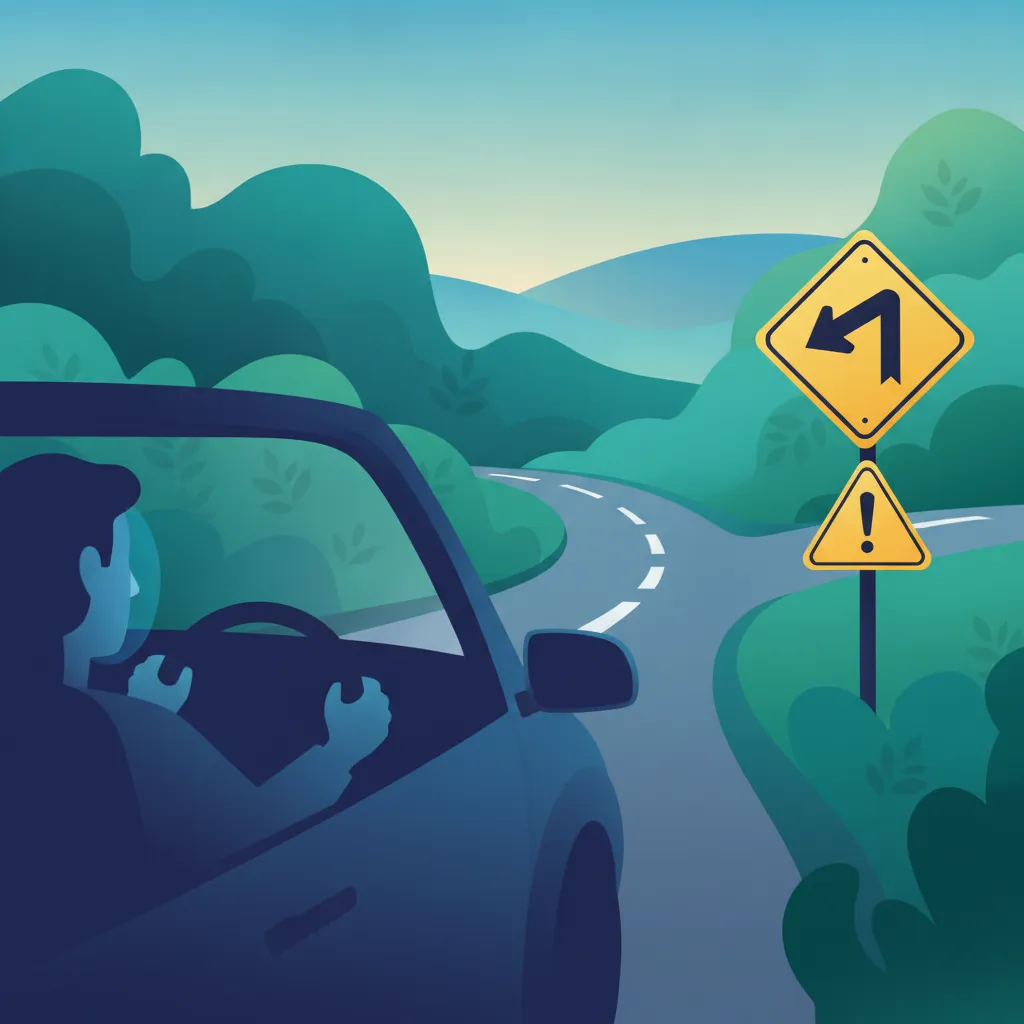
Warning signs in Ireland are typically diamond-shaped with yellow backgrounds and black symbols, indicating potential dangers on the road ahead. This lesson details signs for upcoming sharp bends, narrow roads, steep hills, pedestrian activity, and animal hazards. Learning to spot these warning indicators early allows you to reduce speed safely and adjust your vehicle positioning before encountering the hazard itself.
This lesson focuses on the safe approach and execution of turns at T-junctions, staggered intersections, and blind crossroads. It explains the critical mirror-signal-manoeuvre routine and how to select the best position for maximum visibility to cross-traffic. Motorcyclists will learn to identify potential hazards like vehicles pulling out suddenly or turning across their direct path.
Heavy vehicles require continuous visual scanning to identify small or slow-moving road users who may enter the path of travel. This lesson explores the typical behaviors of young children, elderly pedestrians, and visually impaired road users. Drivers will build strong hazard perception skills to anticipate sudden movements, ensuring they can brake safely and avoid serious accidents.
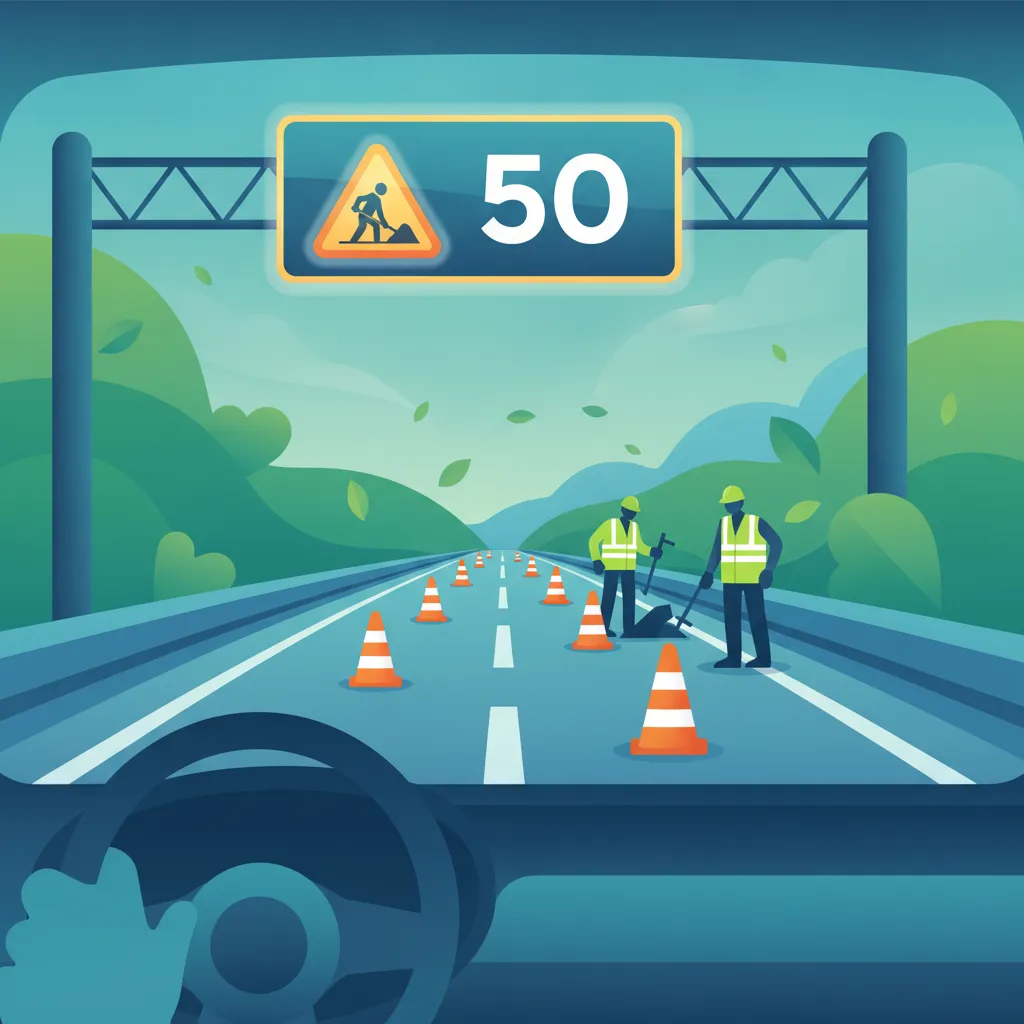
Variable Message Signs and roadwork indicators communicate temporary safety conditions, such as lane closures, heavy delays, or dynamic speed restrictions. This lesson teaches you how to interpret digital overhead gantries, temporary hazard cones, and specific detour layouts often encountered on Irish motorways and regional routes. Adhering to these real-time instructions protects both you and the vulnerable road crews working ahead.

Uncontrolled junctions represent a high-risk scenario because they lack physical signs, lines, or lights to dictate priority. This lesson covers the crucial 'priority to the right' principle, where you must yield to any traffic approaching from your right-hand side. You will learn the importance of reducing your speed, preparing to stop, and verifying the intentions of other drivers at these equal-status crossings.
Understand the full spectrum of road markings used on Irish public roads beyond just no-overtaking lines. This lesson clarifies the meaning of different white line patterns, lane arrows, and box junctions, helping you maintain correct lane positioning and follow traffic flow management rules across various road types.

Irish driving theory demands that drivers keep to the left-hand side of the road unless overtaking or turning right. This lesson explains how to maintain consistent lane discipline on multi-lane roads, how to perform safe lane changes, and the dangers of drifting. You will learn the safety sequence of checking mirrors, checking blind spots, signalling, and smoothly executing a lane change without disrupting trailing traffic.
This lesson explains the critical meanings of solid, broken, and continuous lines painted on Irish road surfaces. It defines the legal rules surrounding bus lanes, bicycle lanes, and yellow box junctions in urban settings. Riders will learn correct lane discipline to ensure their safety and maintain proper separation from surrounding traffic.
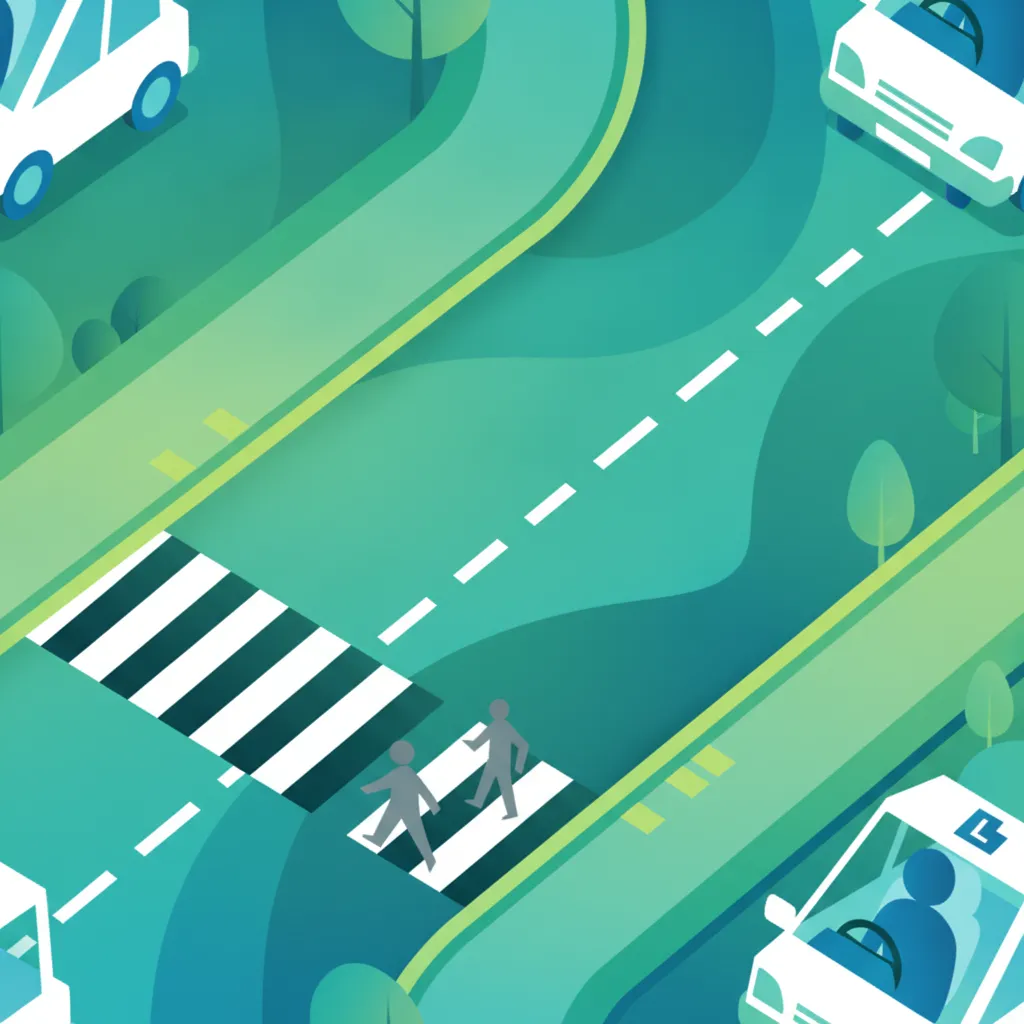
The painted lines on the road surface act as continuous instructions to help drivers steer, position, and pass safely. This lesson explains the strict legal prohibitions of crossing solid white lines compared to broken lines, which indicate it is safe to cross if clear. You will also discover the purpose of coloured reflective road studs, known as cat's eyes, which improve safety during night driving and poor visibility.

This lesson explains the regulatory meanings of various road markings applied to Irish asphalt, including continuous double white lines and yellow boxes. It details how these markings govern overtaking privileges, lane restrictions, and stopping zones at intersections. Riders will learn to recognize specific surface hazards like wet paint markings, which present severe traction risks for motorcycles.

This lesson explains how to choose the safest riding position within a traffic lane, considering the standard left-side driving rule in Ireland. It details the concept of dominant positioning to prevent other vehicles from crowding your space, while remaining visible to oncoming traffic. Riders will learn to adjust their track constantly to avoid road surface hazards, oil deposits, and wind currents.
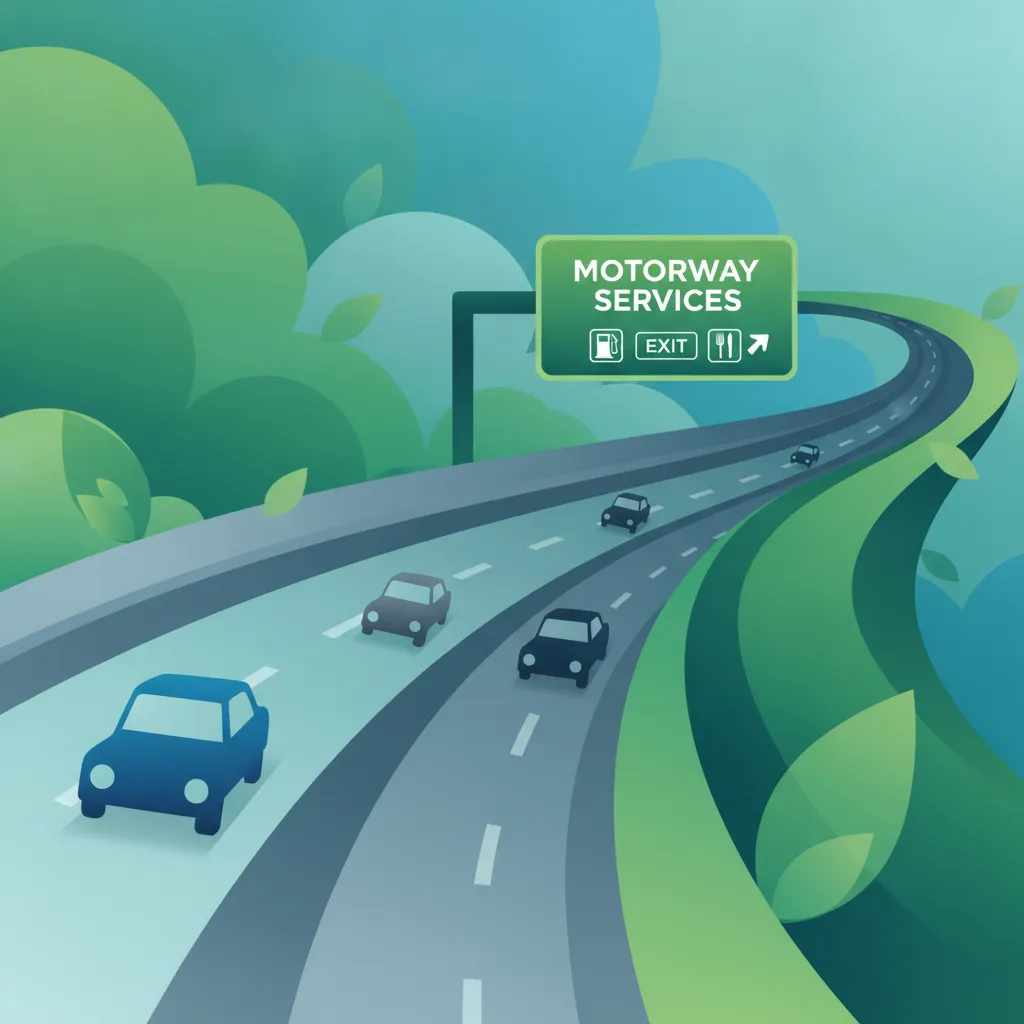
Motorways are designed for safe, high-speed travel, but require strict adherence to lane discipline and specific regulations. This lesson explains that the left lane is for normal driving, while middle and right lanes are strictly for overtaking slower traffic. You will learn how to identify motorway exits, use the hard shoulder during absolute emergencies, and understand the legal restrictions placed on learner permit holders.

Specific road markings are used to create safety zones for pedestrians and cyclists, requiring extra care from motorists. This lesson explains the markings of zebra, pelican, and toucan crossings, with emphasis on the white zigzag lines that prohibit overtaking and parking. You will also learn about cycle lanes, mandatory versus non-mandatory cycle track markings, and the safety benefits of advanced stop lines at traffic lights.
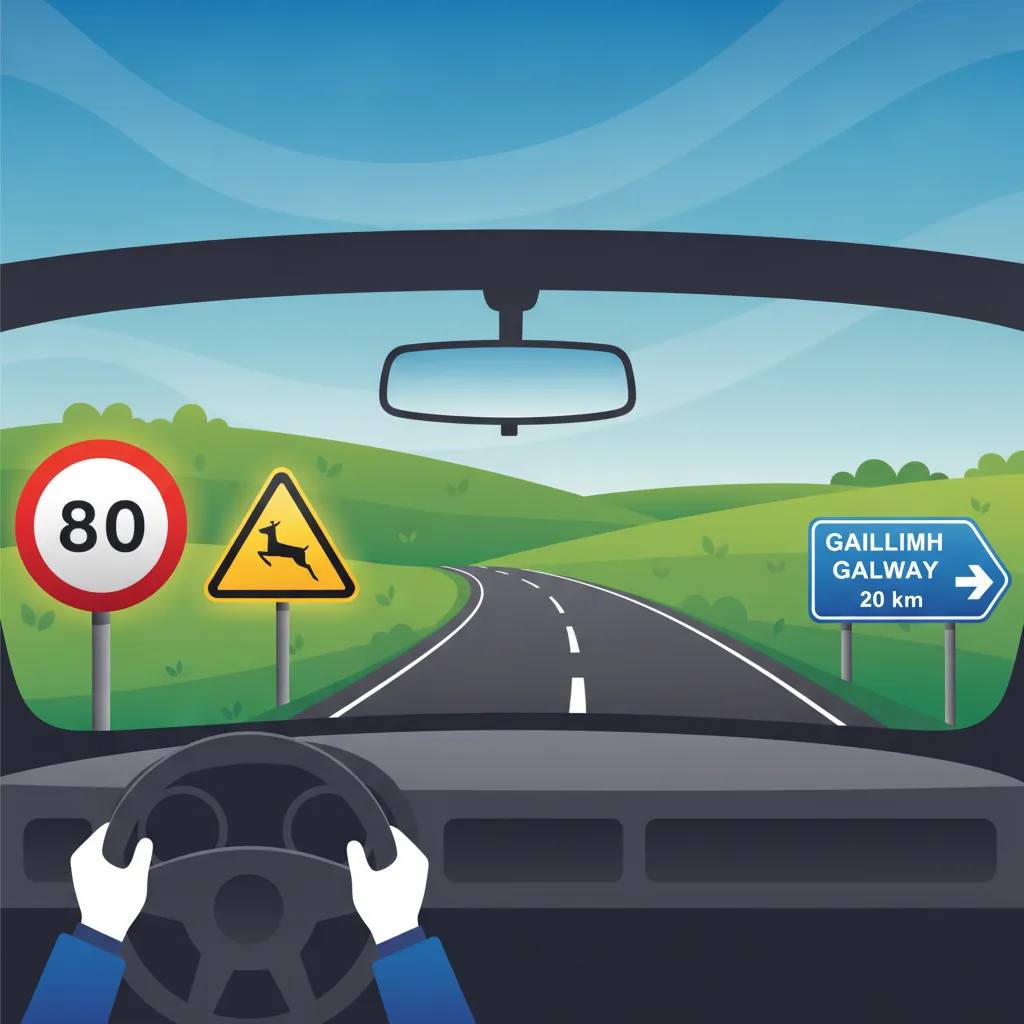
This lesson covers the primary road signs deployed across Ireland, focusing on their shapes, colors, and specific meanings. It details mandatory signs, prohibitive signs, warning alerts for upcoming hazards, and information signs useful for route planning. Category AM riders must recognize these indicators to stay compliant with local traffic laws.

Navigating multi-lane roundabouts requires precise lane selection, continuous scanning, and timely signaling. This lesson teaches you the 'clock rule' for determining which lane to enter, how to yield to traffic already on the roundabout from your right, and when to activate your left indicator to exit. Mastering these procedures minimizes lane-drift accidents and ensures a seamless flow of traffic on busy roundabouts.
Regulatory signs give clear instructions and legal prohibitions that drivers must obey to prevent accidents and maintain traffic order. This lesson breaks down circular signs with red borders denoting prohibitions, blue circular signs showing mandatory directions, and key safety priorities like stop and yield signs. Failing to obey these specific indicators is a serious traffic offence that can lead to penalty points and immediate fines.
Find clear answers to common questions learners have about Overtaking Restrictions and No Overtaking Zones. Learn how the lesson is structured, which driving theory objectives it supports, and how it fits into the overall learning path of units and curriculum progression in Ireland. These explanations help you understand key concepts, lesson flow, and exam focused study goals.
In Ireland, you must not cross a continuous solid white line unless it is necessary to avoid an obstruction, such as a stationary vehicle or to enter side premises, provided it is safe to do so. It is not an invitation to overtake.
Double white lines usually consist of a solid line and a broken line. You may only cross them if the broken line is on your side of the road. If the solid line is on your side, you must not cross it to overtake.
Even when dealing with vulnerable road users, you must prioritize safety and obey legal road markings. Unless an explicit legal exemption is provided for a specific hazard, you should not cross a continuous solid white line to overtake.
No-overtaking zones are identified by continuous white lines painted on the road surface. These are often used where visibility is poor, such as near junctions, crests of hills, or narrow bends.
Use the practice question search tool to pinpoint specific topics, road signs, or rules you need to master for your official Driver Theory Test. Refine your study strategy and ensure comprehensive preparation for all aspects of the Irish driving exam. Start your focused revision now and build confidence for your learner permit test.