
This lesson guides you through the mandatory Irish legal requirements for securing passengers of all ages while driving a Category B vehicle. Understanding these rules is essential not only for passing your Driver Theory Test but for ensuring the highest safety standards on Irish roads. You will learn the precise legal obligations regarding seatbelts and the use of correct child restraint systems in accordance with the Road Safety Authority regulations.

Lesson content overview
Securing passengers inside a vehicle is one of the most critical responsibilities of any driver. When a vehicle undergoes sudden braking or is involved in a collision, the physical forces exerted on the human body are immense.
Without proper restraint, occupants become projectiles, risking fatal impact with the vehicle's interior or ejection from the cabin.
In Ireland, the Road Safety Authority (RSA) and national road traffic legislation enforce strict rules regarding the use of seatbelts and Child Restraint Systems (CRS).
This lesson covers your legal obligations as a Category B (passenger car) driver, the physics of crash protection, the classification of child seats, and the correct installation procedures to ensure passenger safety.
To understand why seatbelts and child seats are mandatory, it is necessary to examine the physical forces at play during a sudden stop or collision.
When a vehicle travels at a certain speed, its occupants travel at that same speed. If the vehicle stops instantly due to an impact, the occupants continue moving forward at the original speed until stopped by an external force. This is the law of inertia.
For example, a collision at just 50 km/h exerts forces on an unrestrained occupant equivalent to falling from a third-story building.
Under such forces, it is physically impossible for an adult to hold onto a child or to prevent themselves from hitting the dashboard or windscreen.
Modern vehicles are equipped with three-point inertia-reel seatbelts, designed to distribute deceleration forces across the strongest parts of the human skeleton: the pelvis and the ribcage.
Using a seatbelt correctly reduces the risk of death or serious injury in a crash by up to 70% for front-seat occupants and up to 50% for rear-seat occupants.
In Ireland, under the Road Traffic (Association of Seat Belts and Child Restraint Systems in Motor Vehicles) Regulations, it is a statutory requirement that all occupants in a passenger car wear a seatbelt where they are fitted.
A core concept of Irish road traffic law is the division of legal responsibility based on passenger age:
The Driver's Rule of Responsibility: Never begin a journey until you have physically checked that all passengers under 17 are securely buckled into appropriate seatbelts or child restraint systems.
Failing to comply with seatbelt regulations carries direct consequences for your driving record and financial standing in Ireland.
If you are detected driving with an unrestrained passenger under the age of 17, or if you yourself are not wearing a seatbelt, you will be issued a Fixed Charge Notice.
Failure to pay this fine within the statutory period results in an increased fine and further penalty points upon court conviction.
Adult seatbelts are engineered specifically for adult skeletons. They do not fit children safely.
If a standard seatbelt is placed on a child, the lap strap sits too high over their vulnerable abdomen, and the diagonal strap runs across their neck, presenting a severe risk of strangulation or internal bleeding in a collision.
Therefore, by law in Ireland, all children under 150 cm (approx. 4 feet 11 inches) in height OR weighing less than 36 kg (79 lbs) must use an appropriate EU-approved child restraint system (CRS) suitable for their weight and height.
Child restraints are classified into groups based on the weight of the child. When purchasing or installing a seat, you must ensure it carries an official EU approval mark (either UN ECE R44.03/04 or the newer UN ECE R129 "i-Size" standard).
An EU safety standard for child car seats that classifies seats by the child's height rather than weight, mandates rear-facing travel up to at least 15 months, and requires side-impact testing.
The traditional weight-based categories include:
| CRS Group | Child Weight Range | Common Restraint Type | Seating Direction |
|---|---|---|---|
| Group 0 | Birth to 10 kg | Infant Carrier / Car Cot | Rear-facing |
| Group 0+ | Birth to 13 kg | Infant Carrier | Rear-facing (Mandatory) |
| Group 1 | 9 kg to 18 kg | Toddler Seat | Forward- or Rear-facing |
| Group 2 | 15 kg to 25 kg | High-back Booster | Forward-facing |
| Group 3 | 22 kg to 36 kg | Booster Cushion | Forward-facing |
A child seat is only as safe as its installation. Statistics indicate that a high percentage of child seats are fitted incorrectly, rendering them ineffective during an accident.
ISOFIX is an international standard for anchoring child seats directly to the structural chassis of a vehicle.
Unlike older systems that secure the child seat using the vehicle’s flexible seatbelts, ISOFIX relies on rigid metal latching arms built into the child seat that snap onto corresponding metal anchor points welded directly into the passenger vehicle's frame.
When using ISOFIX, you must also use a stabilizing mechanism to prevent the seat from pivoting forward during a crash:
One of the most dangerous errors a driver can make is placing a rear-facing infant car seat in the front passenger seat without deactivating the passenger-side frontal airbag.
Critical Airbag Safety Warning: It is illegal and highly dangerous to place a rear-facing child seat in a front passenger seat equipped with an active frontal airbag. If the airbag deploys, it will strike the back of the infant carrier with explosive force, causing severe, often fatal head and spinal injuries.
Primary Choice: Place the infant carrier in the rear of the vehicle, preferably in the middle seat (if equipped with a proper three-point belt or ISOFIX) or the rear passenger-side seat.
Alternative Front Position: If you must place the rear-facing seat in the front passenger seat, you must manually deactivate the front passenger airbag first.
Airbag Switch: Locate the physical key-switch (usually inside the glovebox or on the side of the passenger dashboard) and turn it to the "OFF" position.
Verify Warning Light: Start the ignition and confirm that the dashboard displays the "Passenger Airbag Off" indicator light.
Adjust Vehicle Seat: Push the front passenger seat as far back on its tracks as possible to maximize distance from the dashboard.
While seatbelt and child restraint usage is nearly universal, Irish traffic law identifies a few specific exceptions and edge cases.
A person can be legally exempt from wearing a seatbelt on medical grounds. To qualify, you must obtain a Medical Certificate of Exemption signed by a registered medical practitioner. This certificate must be kept in the vehicle at all times and produced if requested by an Garda Síochána (the Irish police).
Under Irish road traffic regulations, a driver is exempt from wearing a seatbelt only while performing a reversing maneuver. This allowance exists to let the driver twist their torso freely to gain a clear, unobstructed view behind the vehicle. The seatbelt must be refastened immediately once forward motion is resumed.
While private passenger cars must strictly follow child restraint height and weight limits, children traveling in the rear of hackneys, taxis, or buses are exempt from the mandatory child seat requirement if one is not available.
However, they must still use an adult seatbelt if they are old/tall enough, and the driver of a commercial passenger vehicle is still responsible for passenger safety.
To ensure your vehicle is safe before every trip, adopt a systematic approach to passenger security.
By establishing a rigid habit of passenger safety, you protect your passengers, maintain complete compliance with Irish road law, and ensure that your focus remains entirely on defensive driving and hazard perception.
To solidify your understanding of Irish driver responsibilities, passenger safety, and vehicle safety rules, practice with targeted questions from our theory test materials.
For related readings on vehicle safety systems, tyre maintenance, and driver legal duties under Category B licensing, explore our comprehensive guides.
Explore all units and lessons included in this driving theory course.
Lesson content overview
Explore all units and lessons included in this driving theory course.
Explore search topics learners often look for when studying Seatbelts, Child Restraints and Passenger Safety Rules. These topics reflect common questions about road rules, driving situations, safety guidance, and lesson level theory preparation for learners in Ireland.
Browse additional driving theory lessons that cover connected traffic rules, road signs, and common driving situations related to this topic. Improve your understanding of how different rules interact across everyday traffic scenarios.
Learn the legal obligations of a driver in Ireland regarding passenger safety and the duty of care for occupants. This lesson details how to manage distractions and maintain a secure environment to ensure full compliance with the Rules of the Road and safety regulations.

Maintaining cabin discipline is critical for preventing driver distractions and ensuring passenger transit remains completely safe and comfortable. This lesson teaches conflict resolution, proactive de-escalation techniques, and the roles of specialized escorts on school or medical transport. Drivers will learn to assess security threats on board and apply the appropriate response protocols under Irish laws.
Securing passengers and luggage properly is essential to prevent injury during emergency braking, sudden steering inputs, or traffic collisions. This lesson provides instructions on passenger restraint systems, seatbelt laws in Ireland, and wheelchair ramp deployment processes. Drivers will study weight distribution guidelines for luggage compartments to protect the physical stability of the passenger vehicle.

This lesson delivers a detailed analysis of the legal and moral duty of care that passenger vehicle operators hold in Ireland. Drivers will learn to manage risk effectively, establishing a proactive safety culture that prioritizes vulnerable occupants and external road users. It covers practical methods for protecting passengers during transit, accelerating smoothly, and maneuvering safely in high-risk zones.
Standing passengers face heightened safety risks due to sudden changes in bus velocity, turning forces, or abrupt stops. This lesson covers maximum standing capacity regulations, correct passenger distribution, and the importance of active handrail utilization. Drivers will learn how to adjust their braking and acceleration patterns to prevent slips, trips, and falls among standing occupants.

As passenger numbers change throughout a service shift, a heavy vehicle suspension, center of gravity, and steering responsiveness adapt dynamically. This lesson covers load balancing, the physical risks of overloading, and how uneven weight distribution compromises stability during turns. Drivers will learn to perform regular axle weight assessments to comply with Irish transport safety rules.
School zones and pedestrian crossings require high driver alertness and strict compliance with local speed limits in Ireland. This lesson details the legal rules of zebra and pelican crossings, explaining driver requirements when amber warning beacons are flashing. Drivers will study safety procedures for dropping off or picking up children, preventing common blind-spot accidents near schools.

When emergencies strike, a passenger driver must remain perfectly calm and execute structured emergency procedures to protect human life. This lesson outlines safety protocols for roadside breakdowns, engine fire isolation, and handling acute passenger medical emergencies. Drivers will learn how to secure the accident scene and report incidents to emergency services as required by Irish law.
Speed management requires adjusting vehicle velocity to suit current weather, passenger load, and the specific limits of Irish roads. This lesson details speed restrictions for buses and minibuses on motorways, national routes, and built-up areas throughout Ireland. It highlights the driver obligation to prioritize passenger safety over schedule delays by maintaining appropriate speeds.
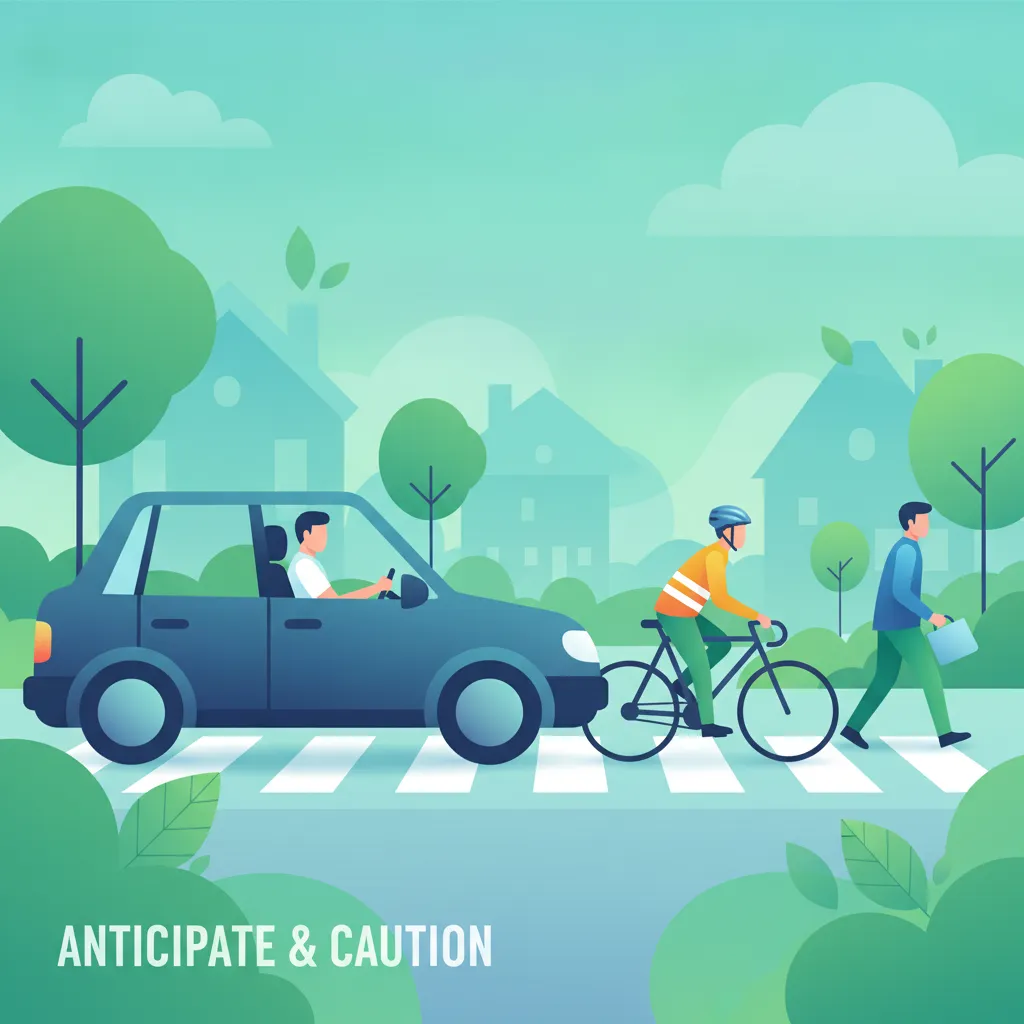
Safeguarding vulnerable road users requires more than simple obedience to traffic signs; it demands a defensive driving mindset. This lesson summarizes safe practices, including scanning far ahead in urban areas, keeping massive safety margins in wet weather, and executing thorough blind spot checks before reversing. By anticipating the unpredictable movements of others, you can prevent accidents and support a safe road culture.
Maintaining high levels of passenger satisfaction requires proactive management of the vehicle internal environment and driving style. This lesson teaches drivers how to control internal heating and ventilation systems, minimize harsh vibrations, and communicate route updates professionally. By optimizing passenger comfort, drivers prevent travel anxiety, reduce motion sickness, and deliver high-quality public service.
Explore the essential vehicle safety systems including seatbelts, airbags, and structural integrity requirements for the Irish theory test. Understand how these mechanisms function to protect occupants during collisions and the regular maintenance checks required to keep your vehicle legally roadworthy according to RSA standards.
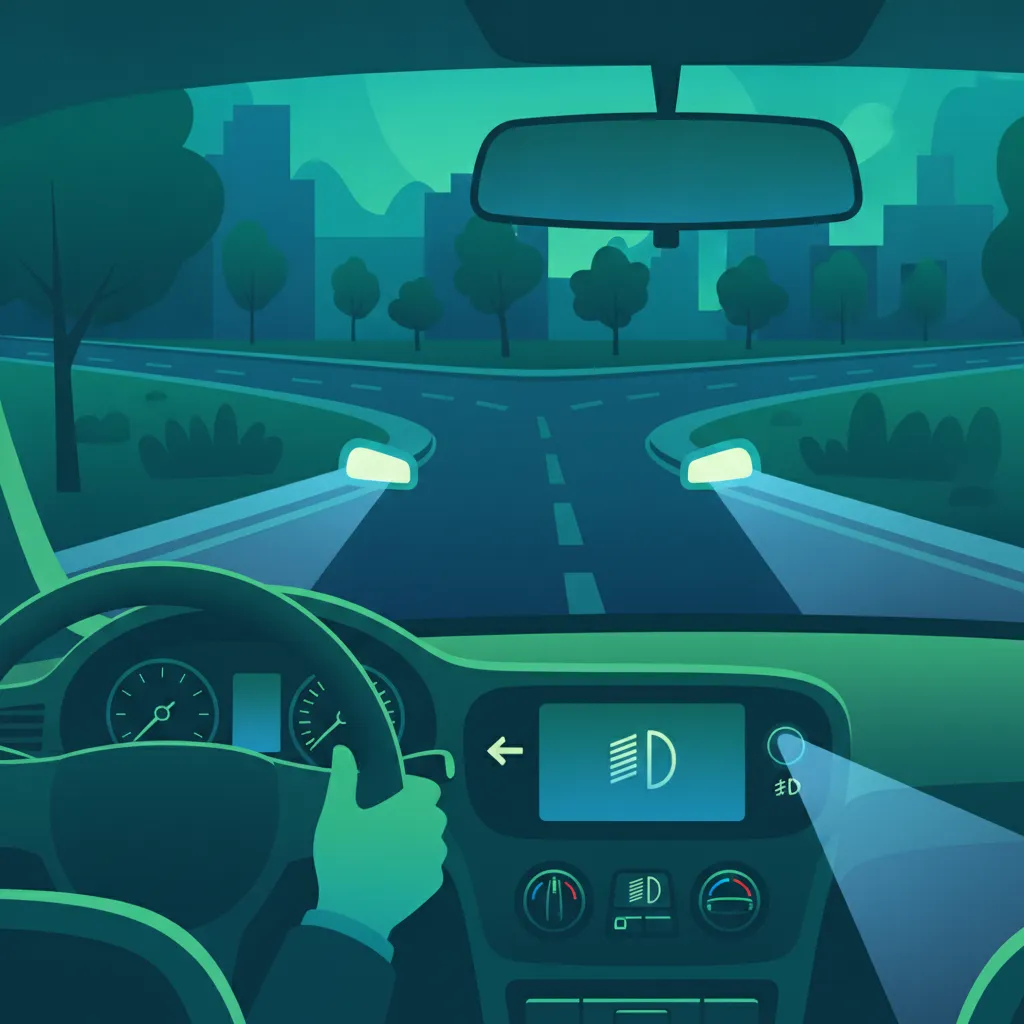
Your vehicle's lighting system is crucial for illuminating your path and making your presence and intentions clear to other road users. This lesson explains the legal requirements for using dipped headlights, full beams, fog lights, and hazard signals in Ireland. You will learn when to switch from full to dipped beams to avoid blinding oncoming drivers, and how to perform simple checks to ensure all bulbs are working.
Securing passengers and luggage properly is essential to prevent injury during emergency braking, sudden steering inputs, or traffic collisions. This lesson provides instructions on passenger restraint systems, seatbelt laws in Ireland, and wheelchair ramp deployment processes. Drivers will study weight distribution guidelines for luggage compartments to protect the physical stability of the passenger vehicle.
Safeguarding vulnerable road users requires more than simple obedience to traffic signs; it demands a defensive driving mindset. This lesson summarizes safe practices, including scanning far ahead in urban areas, keeping massive safety margins in wet weather, and executing thorough blind spot checks before reversing. By anticipating the unpredictable movements of others, you can prevent accidents and support a safe road culture.
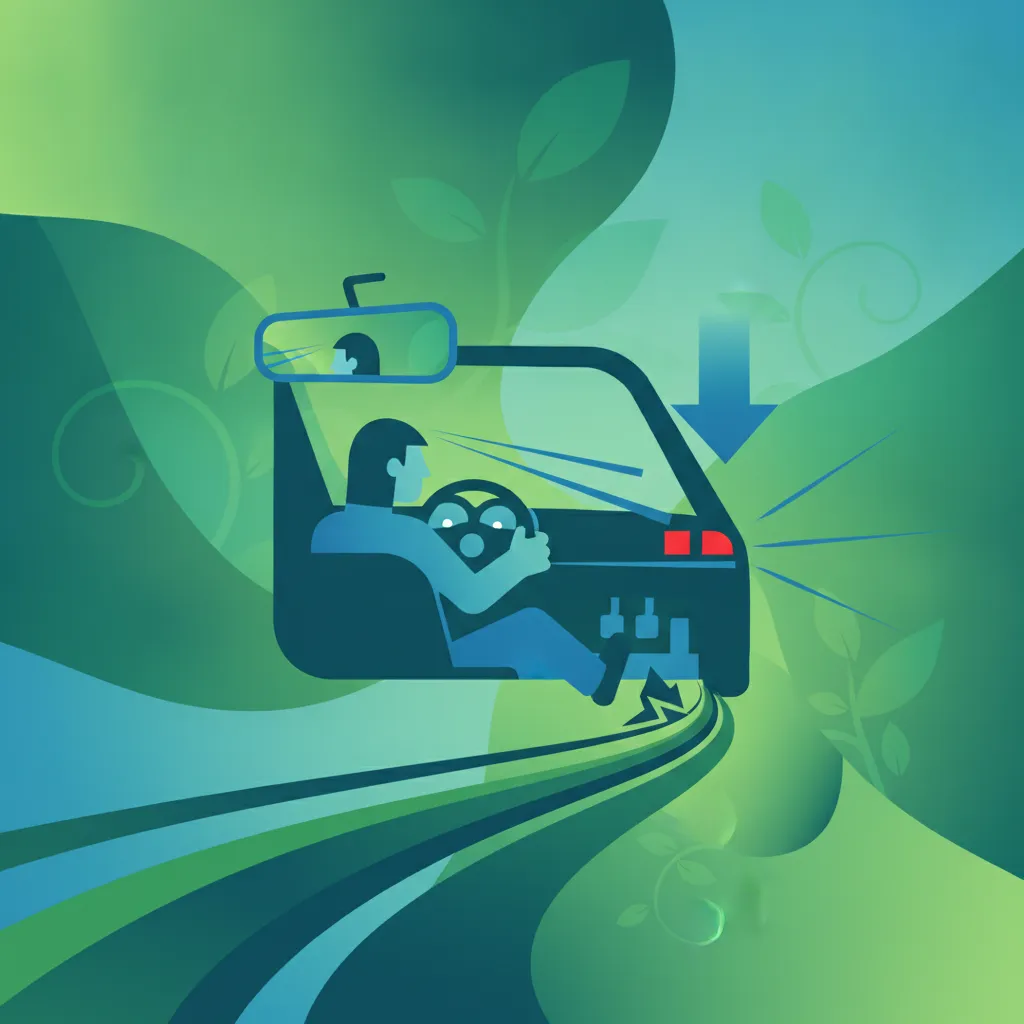
Defensive driving prepares you to react safely when facing unexpected mechanical failures or immediate road hazards. This lesson explains how to execute an emergency stop using Anti-lock Braking Systems (ABS) and how to recover from front and rear-wheel skids on slippery roads. You will learn the importance of remaining calm, avoiding panic-steering, and applying controlled evasive actions to prevent collisions.

Driving at night presents severe challenges due to reduced visibility, driver fatigue, and headlight glare from oncoming vehicles. This lesson teaches you how to manage your headlights, use road edge markers to steer through dark curves, and look away from oncoming bright lights. You will learn to drive within the range of your headlights and remain highly alert for pedestrians or cyclists not wearing reflective gear.

Irish rural routes are often narrow, lacking central markings, and bordered by tall hedges that restrict forward visibility on sharp bends. This lesson teaches drivers how to negotiate blind curves, anticipate slow-moving agricultural machinery, and respond to wandering farm animals. Drivers will learn to regulate vehicle speed proactively, maintaining a safe stopping margin in rural areas.
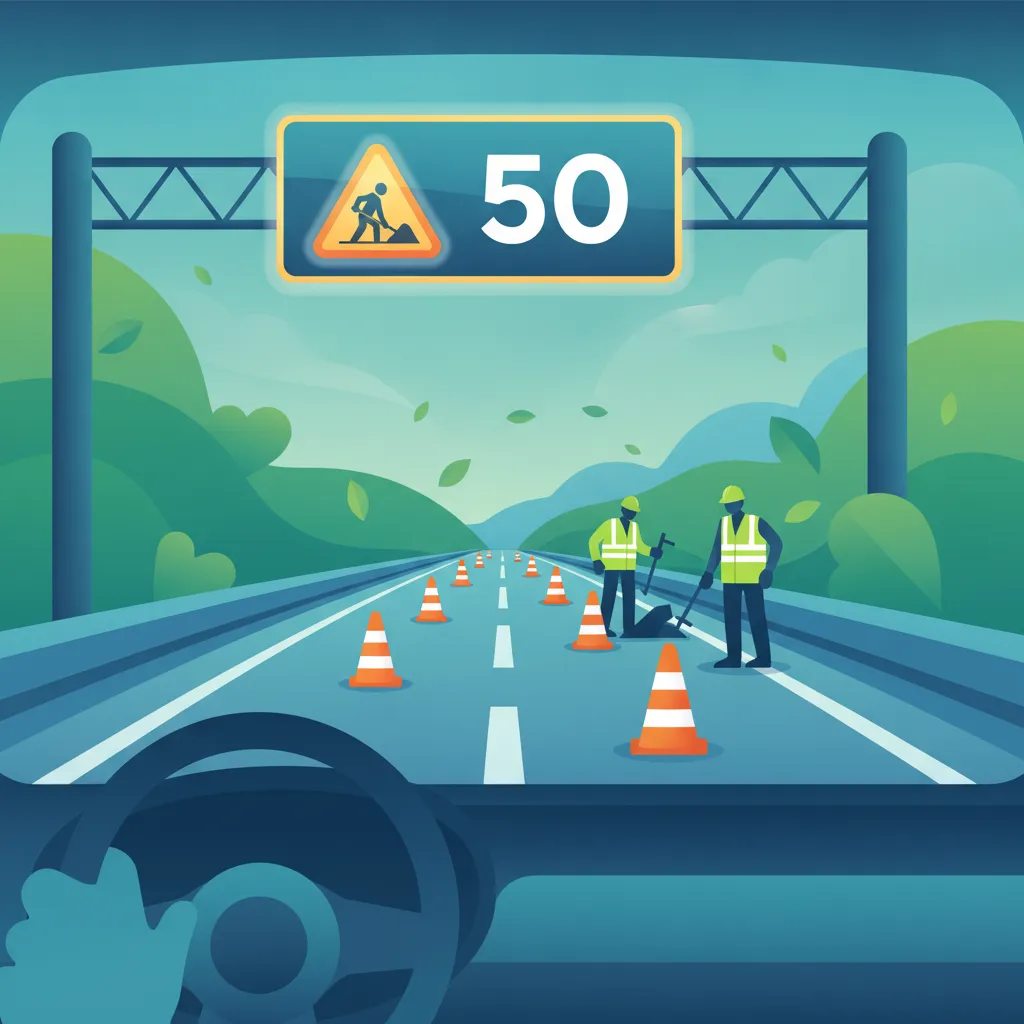
Variable Message Signs and roadwork indicators communicate temporary safety conditions, such as lane closures, heavy delays, or dynamic speed restrictions. This lesson teaches you how to interpret digital overhead gantries, temporary hazard cones, and specific detour layouts often encountered on Irish motorways and regional routes. Adhering to these real-time instructions protects both you and the vulnerable road crews working ahead.

The regulatory framework in Ireland imposes strict standards of operation, dimension limits, and speed boundaries on heavy passenger fleets. This lesson reviews vehicle registration tax context, commercial operator licensing laws, and mandatory annual vehicle roadworthiness testing. By understanding these statutory regulations, drivers avoid severe legal infractions and maintain their professional driving credentials.
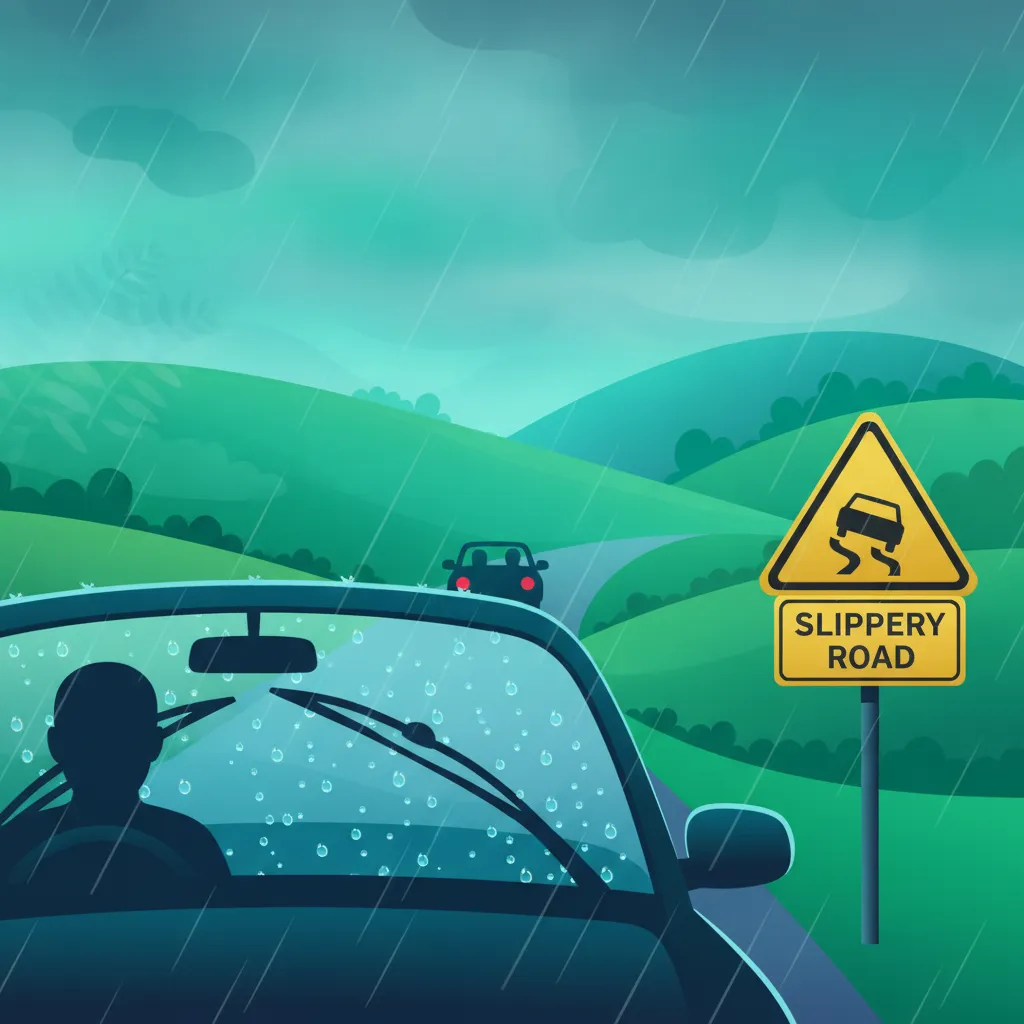
Wet roads, heavy winter fog, and strong lateral winds present major safety challenges for high-sided passenger vehicles in Ireland. This lesson explains how to prevent aquaplaning, double following distances on wet surfaces, and use fog lights correctly to maintain visibility. Drivers will learn handling adjustments to counteract sudden wind gusts when crossing exposed bridges or motorways.

Irish rural roads are often narrow, winding, and bordered by high hedges, presenting unique hazards compared to urban streets. This lesson focuses on scanning for hidden hazards such as slow-moving farm machinery, mud on the road surface, and loose livestock. You will learn how to adjust your speed before entering blind bends, sound your horn at blind crests, and safely share the road with local agricultural traffic.
Find clear answers to common questions learners have about Seatbelts, Child Restraints and Passenger Safety Rules. Learn how the lesson is structured, which driving theory objectives it supports, and how it fits into the overall learning path of units and curriculum progression in Ireland. These explanations help you understand key concepts, lesson flow, and exam focused study goals.
Yes. As the driver, you are legally responsible for ensuring that all passengers under the age of seventeen are properly secured with a seatbelt or an appropriate child restraint system.
You must never place a rear-facing child seat in the front passenger seat if there is an active airbag. The airbag must be deactivated first; otherwise, it could cause fatal injury in the event of a collision.
An EU-approved restraint must display an E-mark label, which confirms it meets the safety standards set by the European Union. Always check for this label before purchasing or installing a seat.
Exemptions are very limited and generally apply to specific medical conditions certified by a doctor or in certain work-related scenarios involving frequent stops. Most drivers and passengers must wear them at all times.
Use the practice question search tool to pinpoint specific topics, road signs, or rules you need to master for your official Driver Theory Test. Refine your study strategy and ensure comprehensive preparation for all aspects of the Irish driving exam. Start your focused revision now and build confidence for your learner permit test.