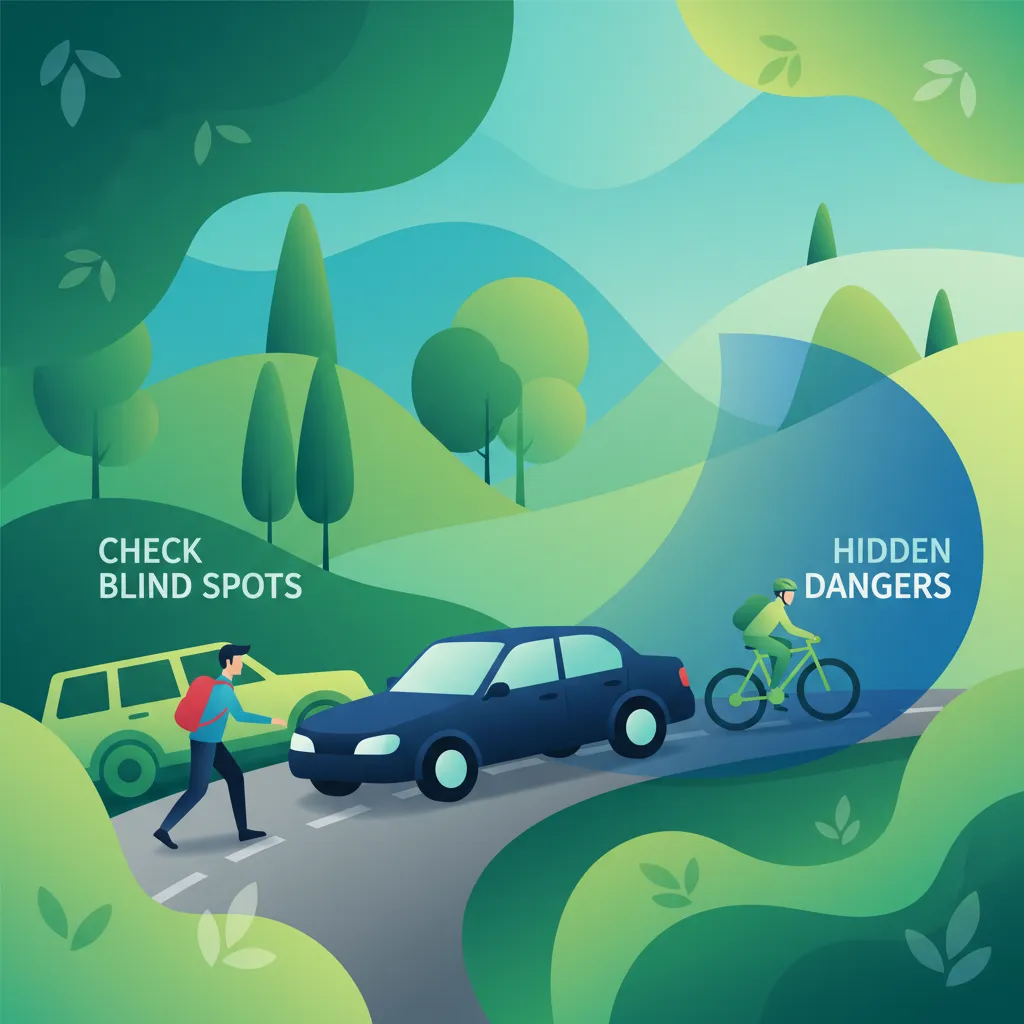
This lesson is crucial for Category A motorcycle licence candidates preparing for the Swedish theory test. It focuses on identifying blind spots and potential road hazards, two critical elements for safe riding. Understanding these risks helps you anticipate dangers and react proactively, building confidence for both the exam and real-world riding.
Lesson content overview
This lesson covers two critical aspects of motorcycle safety: managing blind spots and detecting hidden road hazards. It explains that blind spots exist both on your own motorcycle and around other vehicles, particularly larger ones, and teaches that shoulder checks are essential before any maneuver. The lesson also details strategic lane positioning to maximize visibility, systematic road surface scanning techniques, and a six-stage hazard perception cycle. Swedish traffic regulations, particularly TF sections 3, 4, 7, and 13, underpin these practices and are essential for both the theory exam and real-world riding in Sweden.
A short set of high-value points that capture the most important learning from this lesson.
Blind spots exist both on your motorcycle (requiring shoulder checks) and around other vehicles, especially larger ones
The shoulder check is the only method to directly verify your blind spot is clear before any lane change, turn, or overtake
Lane positioning is a deliberate, strategic choice used to maximize your visibility and minimize exposure to other drivers' blind spots
Road surface hazards such as potholes, gravel, oil, and debris require continuous proactive scanning with distance adjusted proportionally to your speed
Hazard perception is a continuous six-stage cycle: Detect, Recognize, Assess, Decide, Act, and Reassess
Explore all units and lessons included in this driving theory course.
Perform shoulder checks lasting approximately 1 second before any steering input, not after
Trafikförordningen (TF) § 13 requires confirming the intended path is clear before overtaking or changing lanes, which mandates blind spot checks
Scanning distance should extend proportionally to speed—at least 15-30m at 30-50 km/h and 80-120m at 100-120 km/h
Large vehicles like trucks and buses have significant blind spots to their rear-left and rear-right; if you cannot see the driver's face in their side mirror, they likely cannot see you
Wet painted road markings and metal plates can become as slippery as ice, requiring reduced speed and upright positioning through them
Skipping the shoulder check entirely or performing it too briefly (less than 1 second) to be effective
Relying solely on mirrors, assuming if a vehicle is not visible there it must not be there
Riding too far right or left in the lane, which hides you from other drivers and limits your escape route
Assuming all large vehicles are equipped with adequate blind spot mirrors—older trucks may lack them entirely
Fixating on a hazard (like a pothole) instead of scanning through it toward an escape path, which can cause you to ride directly into it
Lesson content overview
A short set of high-value points that capture the most important learning from this lesson.
Blind spots exist both on your motorcycle (requiring shoulder checks) and around other vehicles, especially larger ones
The shoulder check is the only method to directly verify your blind spot is clear before any lane change, turn, or overtake
Lane positioning is a deliberate, strategic choice used to maximize your visibility and minimize exposure to other drivers' blind spots
Road surface hazards such as potholes, gravel, oil, and debris require continuous proactive scanning with distance adjusted proportionally to your speed
Hazard perception is a continuous six-stage cycle: Detect, Recognize, Assess, Decide, Act, and Reassess
Explore all units and lessons included in this driving theory course.
Perform shoulder checks lasting approximately 1 second before any steering input, not after
Trafikförordningen (TF) § 13 requires confirming the intended path is clear before overtaking or changing lanes, which mandates blind spot checks
Scanning distance should extend proportionally to speed—at least 15-30m at 30-50 km/h and 80-120m at 100-120 km/h
Large vehicles like trucks and buses have significant blind spots to their rear-left and rear-right; if you cannot see the driver's face in their side mirror, they likely cannot see you
Wet painted road markings and metal plates can become as slippery as ice, requiring reduced speed and upright positioning through them
Skipping the shoulder check entirely or performing it too briefly (less than 1 second) to be effective
Relying solely on mirrors, assuming if a vehicle is not visible there it must not be there
Riding too far right or left in the lane, which hides you from other drivers and limits your escape route
Assuming all large vehicles are equipped with adequate blind spot mirrors—older trucks may lack them entirely
Fixating on a hazard (like a pothole) instead of scanning through it toward an escape path, which can cause you to ride directly into it
Explore search topics learners often look for when studying Identifying Blind Spots and Hidden Hazards. These topics reflect common questions about road rules, driving situations, safety guidance, and lesson level theory preparation for learners in Sweden.
Browse additional driving theory lessons that cover connected traffic rules, road signs, and common driving situations related to this topic. Improve your understanding of how different rules interact across everyday traffic scenarios.
Learn advanced techniques for increasing motorcycle visibility to other road users and how to effectively spot hidden road surface hazards in Swedish traffic. Essential theory for safe riding.

This lesson focuses on strategies to make yourself more visible to other road users, a critical factor in motorcycle safety. You will learn how to use lane positioning strategically to stay out of other drivers' blind spots and to maximize your own line of sight through corners and intersections. The content also covers the effectiveness of high-visibility and reflective clothing, as well as the correct use of lights to ensure you are seen in all conditions.
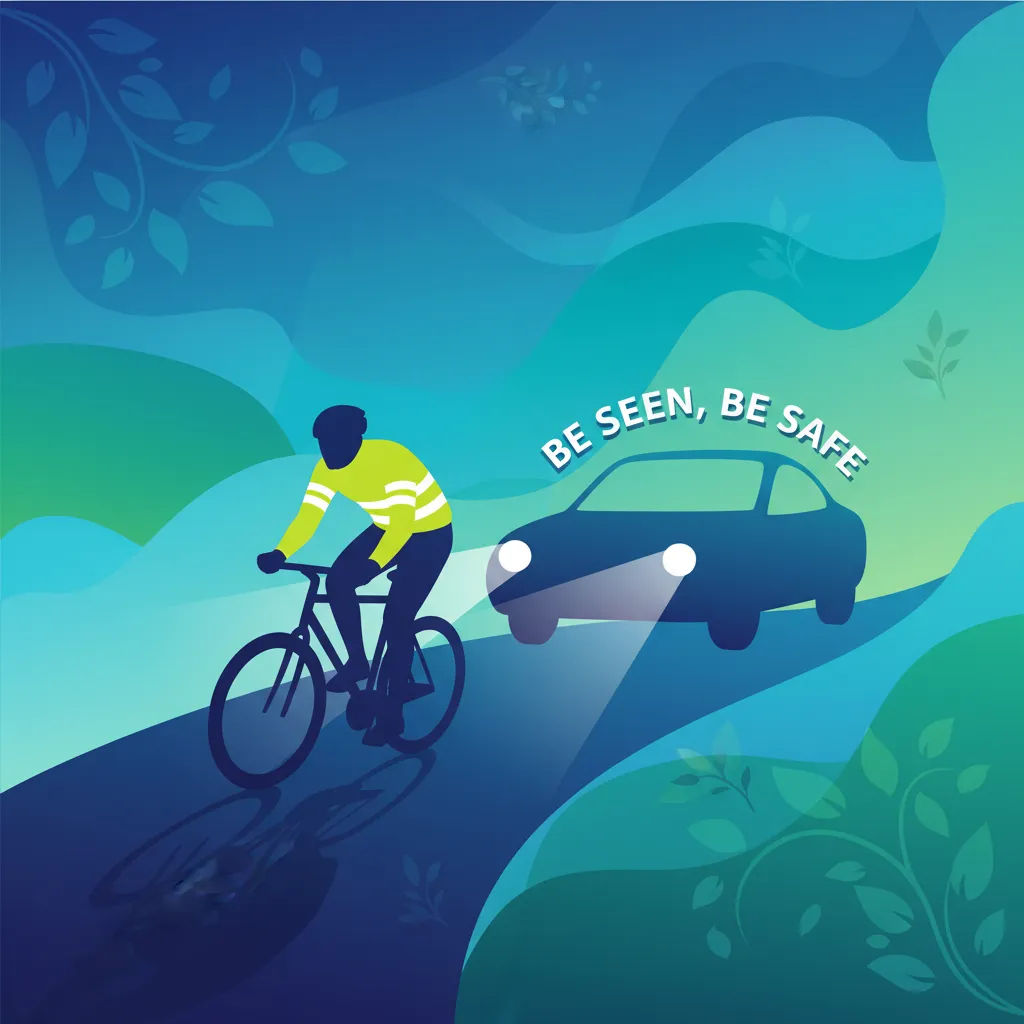
This lesson focuses on proactive strategies to increase a moped rider's visibility to other drivers. It strongly advocates for the use of high-visibility and reflective clothing, helmets, and accessories to stand out in traffic. Additionally, it revisits the concept of lane positioning as a tool to avoid being in other drivers' blind spots and to create a more prominent presence on the road.
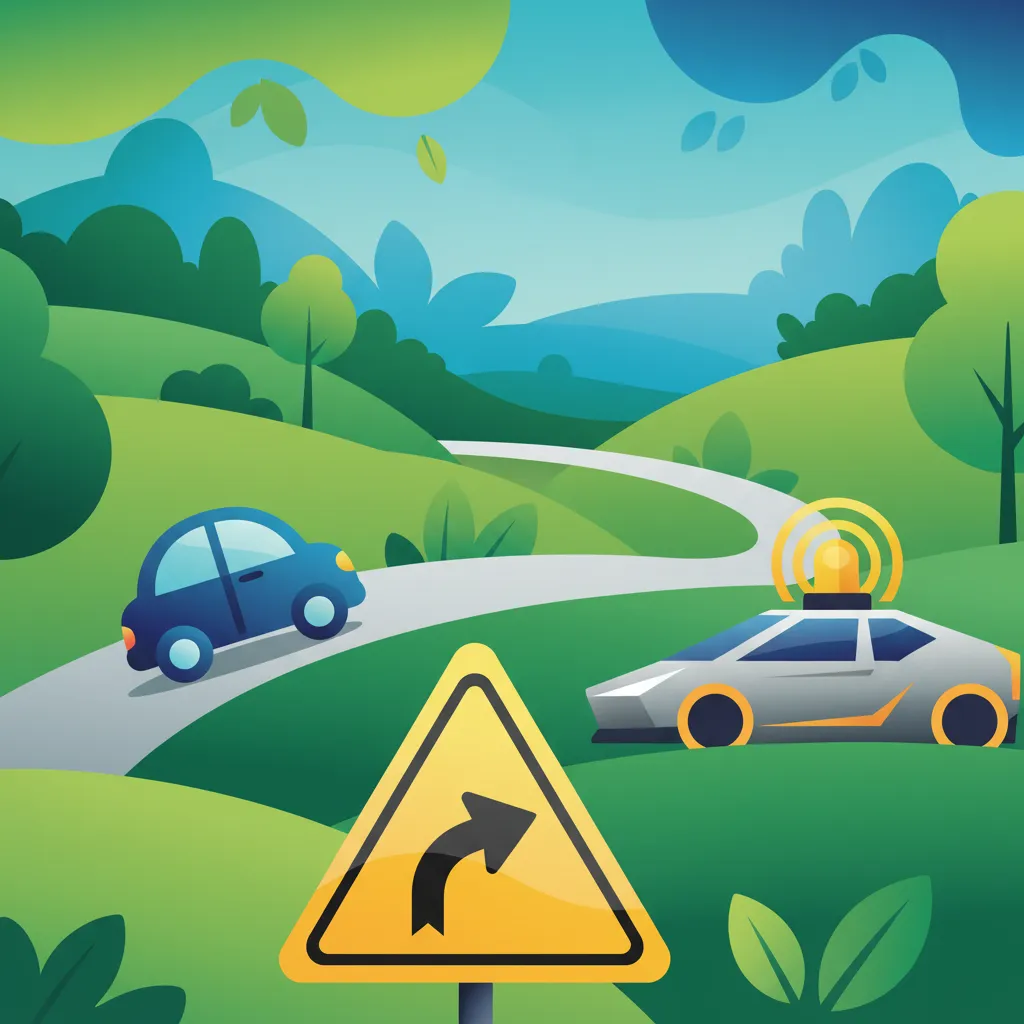
This lesson focuses on Swedish warning signs designed to alert drivers to potential dangers. You will study signs indicating sharp bends, slippery surfaces, animal crossings, and temporary hazards like road construction. Correctly interpreting these signs allows a motorcyclist to proactively adjust speed, lane position, and readiness to react, which is essential for maintaining control and safety, especially in adverse weather or on unfamiliar roads.

This lesson addresses the specific challenges of riding at night or in low-light conditions. You will learn how to use your headlights most effectively, how to cope with the glare from oncoming traffic, and how darkness affects your depth perception and ability to judge distances. Strategies for spotting nocturnal animals and the increased importance of wearing reflective gear to be seen by others are also key components of this essential safety lesson.

This lesson teaches you how to analyze and assess risk when sharing the road with a variety of users, from large trucks to cyclists and pedestrians. You will learn to recognize common patterns of behavior and potential conflict points, allowing you to anticipate the actions of others before they create a dangerous situation. Developing this predictive mindset is a cornerstone of defensive riding and is key to staying safe in busy, complex traffic environments.
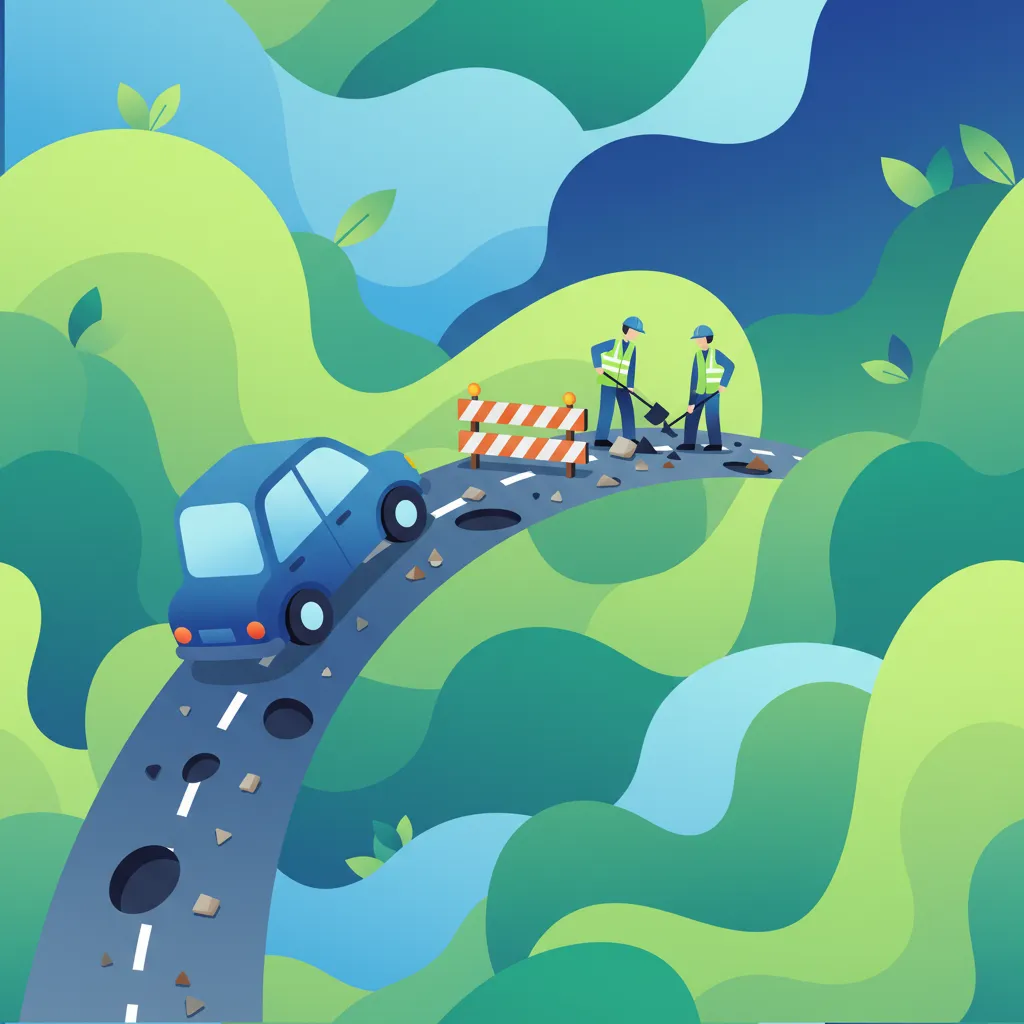
This lesson provides practical techniques for dealing with unavoidable road surface hazards. You will learn how to approach and cross obstacles like potholes, manhole covers, and patches of debris with minimal disruption to the motorcycle's stability. The content covers adjusting your speed, choosing the best line, and using your body to absorb impacts, helping you navigate the imperfections of real-world roads safely.

This lesson focuses on the variety of road markings used on Swedish roads and their meaning for motorcyclists. You will learn the difference between solid and broken lines regarding overtaking, how to position yourself correctly at intersections based on markings, and how to interpret symbols painted on the road surface. Adhering to these markings is essential for maintaining correct lane discipline and ensuring predictability for other road users.

This lesson covers the correct interpretation and response to all forms of light and audible signals a motorcyclist will encounter. You will study the sequences of traffic lights, the rules for using turn indicators and hazard lights, and the legally permitted uses of the horn. Proper use of these signals is a fundamental aspect of safe riding, as it communicates your intentions clearly to other road users and helps prevent misunderstandings and collisions.

This lesson covers strategies for driving safely when visibility is compromised. You will learn the correct use of different lighting systems: when to use low beams, high beams (helljus), and how to avoid dazzling other drivers. The lesson also explains the specific regulations for using front and rear fog lights and provides techniques for navigating safely in dense fog or heavy precipitation by reducing speed and using the road edge as a guide.

This lesson provides essential strategies for riding safely at night and during twilight hours. It covers the correct use of headlights to maximize visibility without dazzling other drivers and emphasizes the need to reduce speed to compensate for shorter sight distances. The content also highlights the importance of wearing reflective gear to be seen by others.
Understand the critical role of blind spot management and situational awareness in motorcycle riding. This lesson focuses on how to perceive and mitigate risks posed by unseen hazards on Swedish roads.
This lesson focuses on strategies to make yourself more visible to other road users, a critical factor in motorcycle safety. You will learn how to use lane positioning strategically to stay out of other drivers' blind spots and to maximize your own line of sight through corners and intersections. The content also covers the effectiveness of high-visibility and reflective clothing, as well as the correct use of lights to ensure you are seen in all conditions.

This lesson focuses on creating a complete awareness of the traffic situation around your vehicle. You will learn the correct procedure for using your interior and side mirrors in a continuous scanning pattern. Crucially, the lesson explains what the blind spot (döda vinkeln) is, where it is located, and why a physical head check over the shoulder is a non-negotiable safety step before any lateral movement like changing lanes or turning.
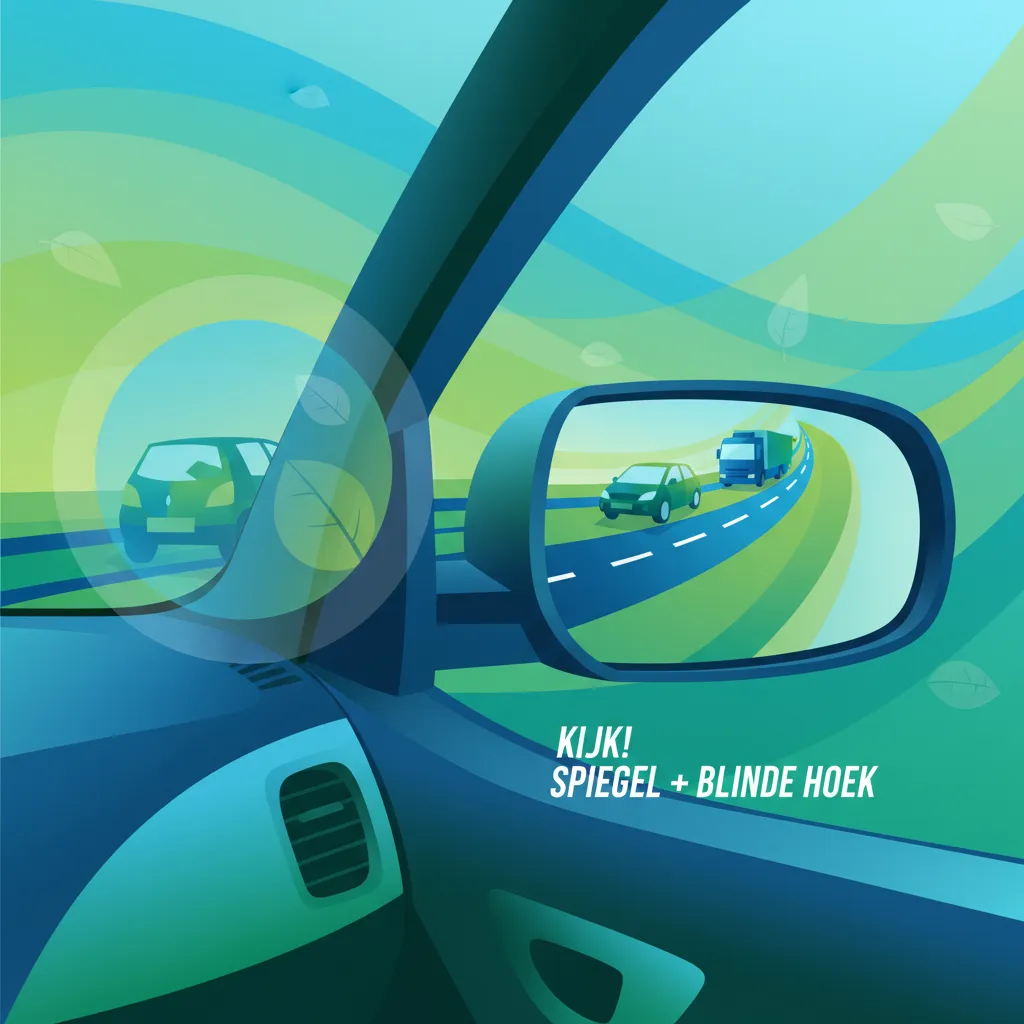
This lesson emphasizes the importance of a comprehensive visual scanning routine that includes regular mirror checks and mandatory head checks (shoulder checks) to cover blind spots. It explains that mirrors alone are not sufficient and that a physical turn of the head is required before any lateral movement. This habit is fundamental to preventing collisions during lane changes, merging, or turning.

This lesson prepares you for the specific challenges of riding on rural roads in Sweden. You will learn how to read the road ahead for changes in surface quality, approach blind corners safely, and adjust your speed for narrow lanes with no shoulder. The content also covers how to anticipate and safely interact with slow-moving agricultural vehicles and the potential for wild animals on the road, ensuring you are prepared for the unpredictable nature of country riding.
This lesson teaches you how to analyze and assess risk when sharing the road with a variety of users, from large trucks to cyclists and pedestrians. You will learn to recognize common patterns of behavior and potential conflict points, allowing you to anticipate the actions of others before they create a dangerous situation. Developing this predictive mindset is a cornerstone of defensive riding and is key to staying safe in busy, complex traffic environments.
This lesson addresses the specific challenges of riding at night or in low-light conditions. You will learn how to use your headlights most effectively, how to cope with the glare from oncoming traffic, and how darkness affects your depth perception and ability to judge distances. Strategies for spotting nocturnal animals and the increased importance of wearing reflective gear to be seen by others are also key components of this essential safety lesson.

This lesson introduces the core concepts of defensive riding, which involves anticipating potential dangers and actively managing the space around your motorcycle. You will learn the technique of continuously identifying and maintaining an 'escape path'—an open space to move into if a threat suddenly appears. This proactive, forward-thinking approach dramatically reduces the chances of being trapped in a dangerous situation and is a key skill of advanced, safe riders.
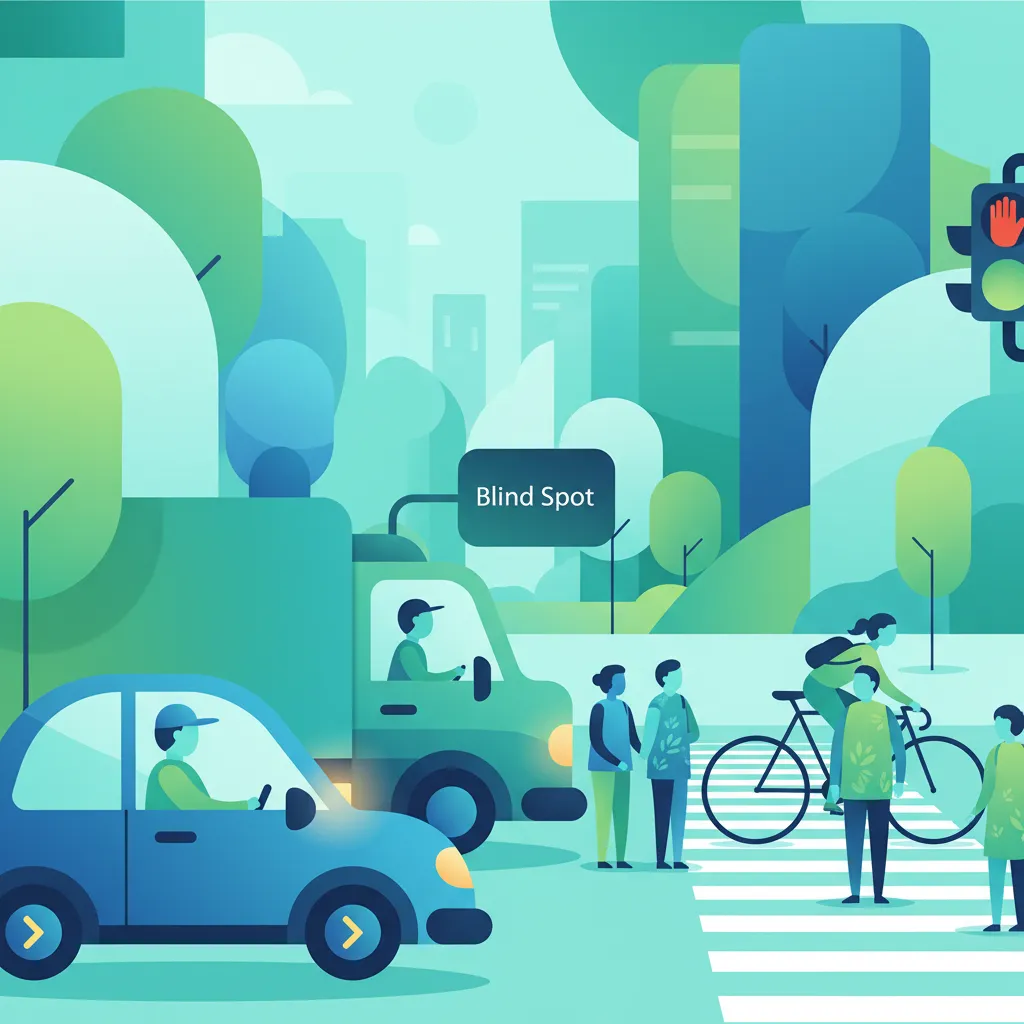
This lesson provides in-depth analysis of how to safely interact with the full spectrum of road users. You will learn about the specific characteristics of each, such as the large blind spots of trucks, the potential for sudden movements from cyclists, and the unpredictability of pedestrians. The content teaches strategies for communication, anticipation, and defensive positioning to ensure safe and respectful coexistence on the road for everyone.
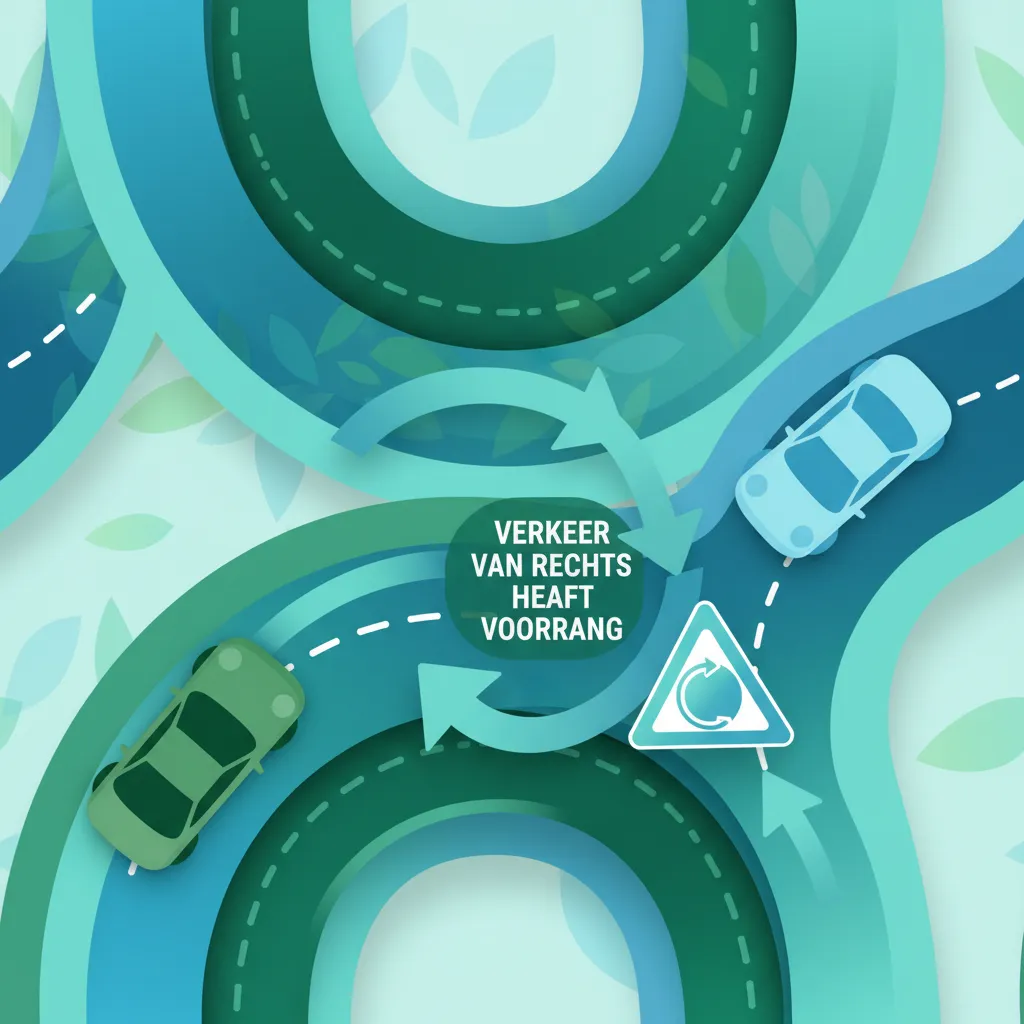
This lesson covers the critical maneuvers of overtaking and merging, which require precise judgment and communication. You will learn how to assess traffic speed and gaps, the importance of checking blind spots, and the correct use of signals to indicate your intentions. The content includes procedures for merging onto motorways from an on-ramp and how to perform safe overtaking maneuvers on various types of roads, minimizing risk to yourself and others.

This lesson teaches you how to make an accident scene as safe as possible for yourself, any other involved parties, and approaching traffic. You will learn the correct use of hazard lights, the placement of warning triangles, and the importance of wearing a high-visibility vest. The content also covers how to identify and manage immediate post-crash hazards, such as spilled fuel or unstable vehicles, to prevent the situation from worsening.
Find clear answers to common questions learners have about Identifying Blind Spots and Hidden Hazards. Learn how the lesson is structured, which driving theory objectives it supports, and how it fits into the overall learning path of units and curriculum progression in Sweden. These explanations help you understand key concepts, lesson flow, and exam focused study goals.
Motorcyclists are smaller and less visible than cars. Drivers in other vehicles may not see a motorcycle in their blind spot. Failing to check these areas before changing lanes or turning can lead to serious accidents. This lesson teaches you how to mitigate this risk through proper technique and positioning.
The most effective method is the shoulder check, where you quickly turn your head to look over your shoulder in the direction you intend to move. While mirrors are essential, they don't cover every angle. Performing a shoulder check immediately before any manoeuvre is critical for safety and is a key concept tested in the Swedish theory exam.
You should actively scan for potholes, loose gravel, sand, oil slicks, wet patches (especially after rain), manhole covers, and uneven road surfaces. These can drastically reduce tyre grip and affect your motorcycle's stability, particularly when cornering or braking. Early detection allows you to adjust your speed or path.
Positioning yourself strategically in the lane, often not in the exact centre, can improve your visibility to other drivers and help you avoid road hazards. For example, positioning towards the centre might make you more visible to oncoming traffic, while positioning to one side might allow you to avoid debris or potholes on the road surface. This lesson explores these options in the context of Swedish traffic.
Yes, absolutely. The Swedish Transportstyrelsen (Transport Agency) places a high emphasis on hazard perception and safe riding practices. Expect questions that test your understanding of how to be visible, how to check blind spots, and how to identify and react to various road surface hazards.
Refine your study plan by exploring practice sets on specific Swedish traffic rules, road signs, or driving situations. Use the search to quickly access relevant questions and focus your preparation for the official driving licence theory exam.