This lesson provides a critical overview of general priority principles that govern right-of-way on Turkish roads. You will learn the hierarchy of road users and how to apply these fundamental concepts at various intersections to ensure safe and compliant driving.
Lesson content overview
Mastering priority rules is one of the most critical steps in obtaining your Category B driving license in Turkey. On the road, traffic safety relies on a clear, shared understanding of who may proceed first and who must wait. In Turkish traffic law, these principles are designed to eliminate confusion, reduce collision risks, and establish a protective buffer around the most vulnerable road users.
Whether you are preparing for the official Ministry of National Education (MEB) driving theory exam (MTSK e-sınav) or aiming to become a safe, defensive driver, a deep comprehension of these priority principles is essential. This lesson covers the core definitions, the legal hierarchy of road users, intersection dynamics, emergency vehicle protocols, and common driving pitfalls you must avoid.
To navigate Turkish traffic law successfully, you must first understand the fundamental legal distinction between two terms that are frequently confused: Right-of-Way (Geçiş Hakkı) and Priority of Passage (Geçiş Üstünlüğü).
The legal right of pedestrian or vehicle drivers to use the road space before other road users in a given traffic situation, determined by traffic signs, signals, or general rules.
The special, overriding legal right granted to specific public service and emergency vehicles (such as ambulances, fire trucks, and police cars) to bypass general traffic rules, signals, and speed limits under emergency conditions, provided they do not endanger life or property.
While Geçiş Hakkı governs how ordinary drivers interact with one another at intersections or crosswalks daily, Geçiş Üstünlüğü represents a critical exemption to those rules. If an emergency vehicle is active with its sirens and flashing lights, all ordinary right-of-way rules are temporarily suspended to save lives.
Turkish traffic regulations establish a strict, protective hierarchy of road users. This system prioritizes users based on their vulnerability and their capacity to cause harm in a collision. As a Category B driver, you are operating a motor vehicle that weighs over a tonne; therefore, you carry a heightened legal and moral duty of care toward more vulnerable users.
The descending order of priority on Turkish roads is structured as follows:
Yielding is not merely a polite gesture; it is a precise, legal maneuver. Under the Turkish Highway Traffic Regulation (Karayolları Trafik Yönetmeliği), yielding requires you to behave in a way that allows the prioritized road user to proceed without having to abruptly change their speed or direction.
The "Rolling Yield" Danger: Many drivers fail their practical exams or cause serious rear-end collisions by performing a "rolling yield" past a Stop sign or when a pedestrian is stepping onto a crosswalk. If a stop is legally required, your speedometer must read exactly 0 km/h before you proceed.
To ensure order across thousands of kilometers of roadways, the Turkish Traffic Code details specific rules that dictate right-of-way in daily driving scenarios.
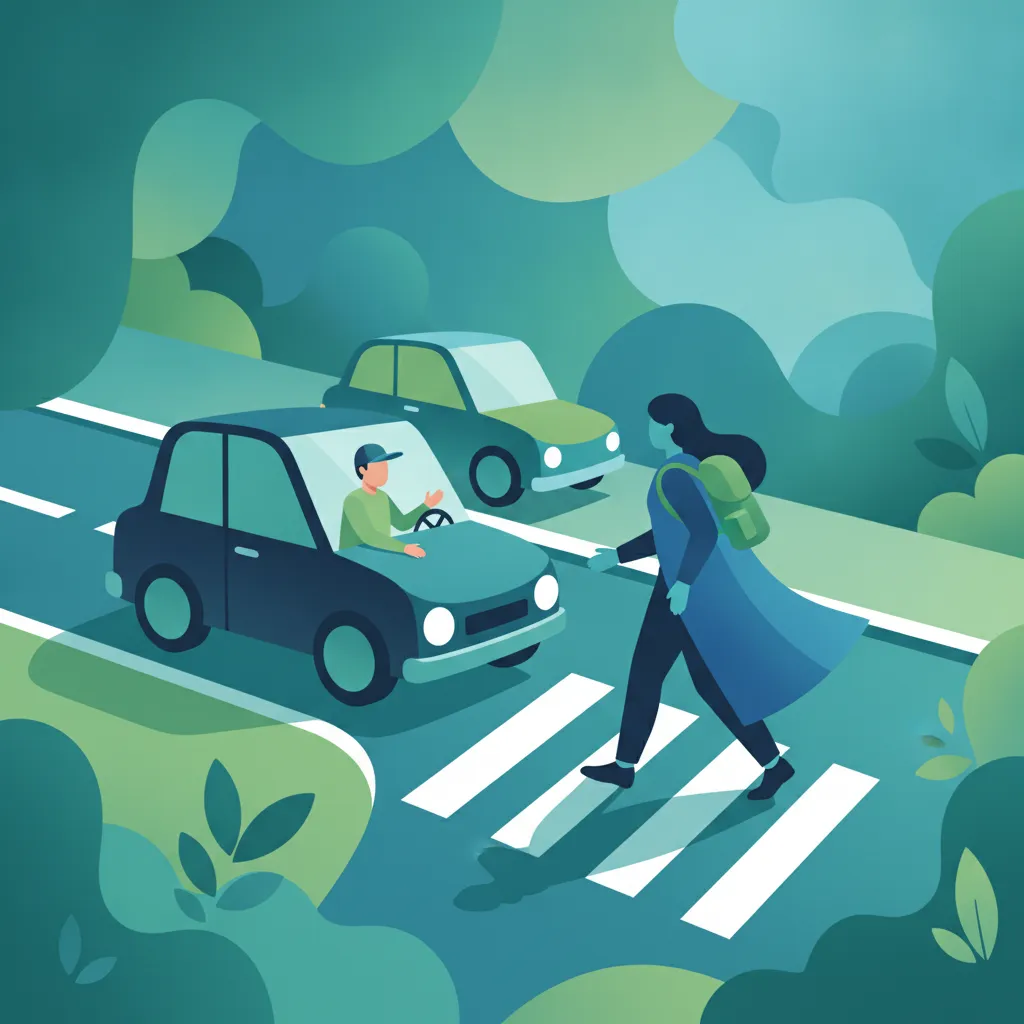
At marked crosswalks, zebra crossings, and school crossings where traffic is not controlled by a light or an officer, pedestrians have absolute priority. Drivers must slow down when approaching these areas and come to a complete stop if a pedestrian has stepped—or is clearly preparing to step—onto the crossing.
Where a dedicated bicycle lane (bisiklet yolu) intersects a roadway, drivers turning across or crossing the lane must yield to any cyclists traveling along it. Cyclists have the right to maintain their speed and line within their designated path.
At any intersection where there are no traffic lights, traffic signs, or police officers to direct traffic, the Right-Hand Rule applies: you must yield to vehicles approaching from your right.
Drivers must immediately clear the path for emergency vehicles (ambulances, fire engines, police, civil defense vehicles) that are actively utilizing their sirens and flashing lights. This means safely moving to the side of the road, stopping if necessary, and leaving intersections clear.
When driving alongside public transport systems, you must yield to trams operating on fixed rail tracks. Additionally, when a public transit bus signals its intention to pull out from a designated bus stop into the traffic lane, drivers should slow down and allow the bus to merge smoothly, provided it is safe to do so.
You may only proceed through an intersection when the traffic signal displays a solid green light in your direction. However, a green light does not grant blind passage: you must still yield to any vehicles or pedestrians legally remaining within the intersection from the previous light cycle.
Even when you have a green light or are on a priority road, if you are making a right-hand turn, you must yield to any pedestrians or cyclists who are currently crossing the side street into which you are turning.
Intersections are the most common conflict areas on the road. Navigating them safely requires identifying whether the intersection is controlled or uncontrolled, and applying the correct priority rules immediately.
Controlled intersections use traffic lights, active police officers, or physical regulatory signs (like "Yield" or "Priority Road") to establish order.
In these scenarios, the signs and signals completely override general priority guidelines. For example, if you are driving on a road marked with the Priority Road sign (TT-22), you do not need to yield to vehicles approaching from your right at intersections, because those side roads will have a Yield (TT-1) or Stop (TT-2) sign.
When an intersection lacks signs, signals, or police, it is uncontrolled. Here, drivers must fall back on basic statutory rules:
To visualize a classic uncontrolled intersection scenario, study the process outlined below:
Scan for Controls: As you approach the junction, scan the corners for physical traffic signs, overhead signals, or a traffic police officer. If none are present, recognize the junction as uncontrolled.
Reduce Speed: Slow down to a speed that allows you to stop comfortably if a prioritized vehicle appears. Do not assume other drivers know the rules.
Look to Your Right: Check for any vehicles approaching the intersection from the road to your right. If a vehicle is there, prepare to stop and yield to it.
Assess Turning Directions: If you are turning left, locate oncoming vehicles. You must yield to oncoming vehicles going straight or turning right before you can execute your turn.
Communicate and Proceed: Once you have verified that your right side is clear, and oncoming priority traffic has passed, signal your intention clearly, double-check for pedestrians, and proceed smoothly through the intersection.
Emergency vehicles with active warning systems have absolute priority of passage (Geçiş Üstünlüğü). Every second delayed can have life-or-death consequences.
In Turkey, the legal priority order among emergency vehicles themselves—should they arrive at the same intersection simultaneously—is strictly defined:
When an emergency vehicle approaches you with sirens blaring, do not panic or brake abruptly. Instead, follow these safe practices:
A significant percentage of accidents on Turkish roads—and failures on the MTSK practical driving exam—stem from common misunderstandings of priority rules.
Priority principles do not exist in a vacuum. Changing weather, road conditions, and vehicle configurations require you to adapt how you yield and stop.
Rain, snow, fog, and black ice significantly increase your braking distance and reduce visibility.
If you are driving a vehicle loaded with heavy cargo or towing a trailer, your stopping distance increases exponentially.
| Term | Definition | Turkish Equivalent |
|---|---|---|
| Right-of-Way | The legal right to proceed before other road users in a traffic situation. | Geçiş Hakkı |
| Priority of Passage | The special right of emergency vehicles to bypass general traffic rules during a crisis. | Geçiş Üstünlüğü |
| Uncontrolled Intersection | An intersection with no traffic signs, signals, or police directing traffic. | Kontrolsüz Kavşak |
| Priority Road | A major road where traffic has the right-of-way over intersecting side roads. | Ana Yol |
| Yield | To slow down or stop to let another prioritized road user proceed safely. | Yol Vermek |
| Vulnerable Road User | Road users with low physical protection, including pedestrians, cyclists, and motorcyclists. | Hassas Yol Kullanıcıları |
| Life Corridor | A clear pathway created by drivers pulling to the far sides of their lanes for emergency vehicles. | Yaşam Koridoru |
Understanding and respecting priority principles is the foundation of safe driving on Turkish roads. By internalizing these key concepts, you protect lives and prepare yourself thoroughly for your Category B theory exam:
Explore all units and lessons included in this driving theory course.
Lesson content overview
Explore all units and lessons included in this driving theory course.
Explore search topics learners often look for when studying General Priority Principles. These topics reflect common questions about road rules, driving situations, safety guidance, and lesson level theory preparation for learners in Turkey.
Browse additional driving theory lessons that cover connected traffic rules, road signs, and common driving situations related to this topic. Improve your understanding of how different rules interact across everyday traffic scenarios.
Learn how traffic signs, signals, and specific yield rules dictate right-of-way at controlled intersections and roundabouts on Turkish roads. Understand the legal precedence of regulatory traffic signs and how to navigate merging traffic flows safely according to the Turkish Highway Traffic Regulation.
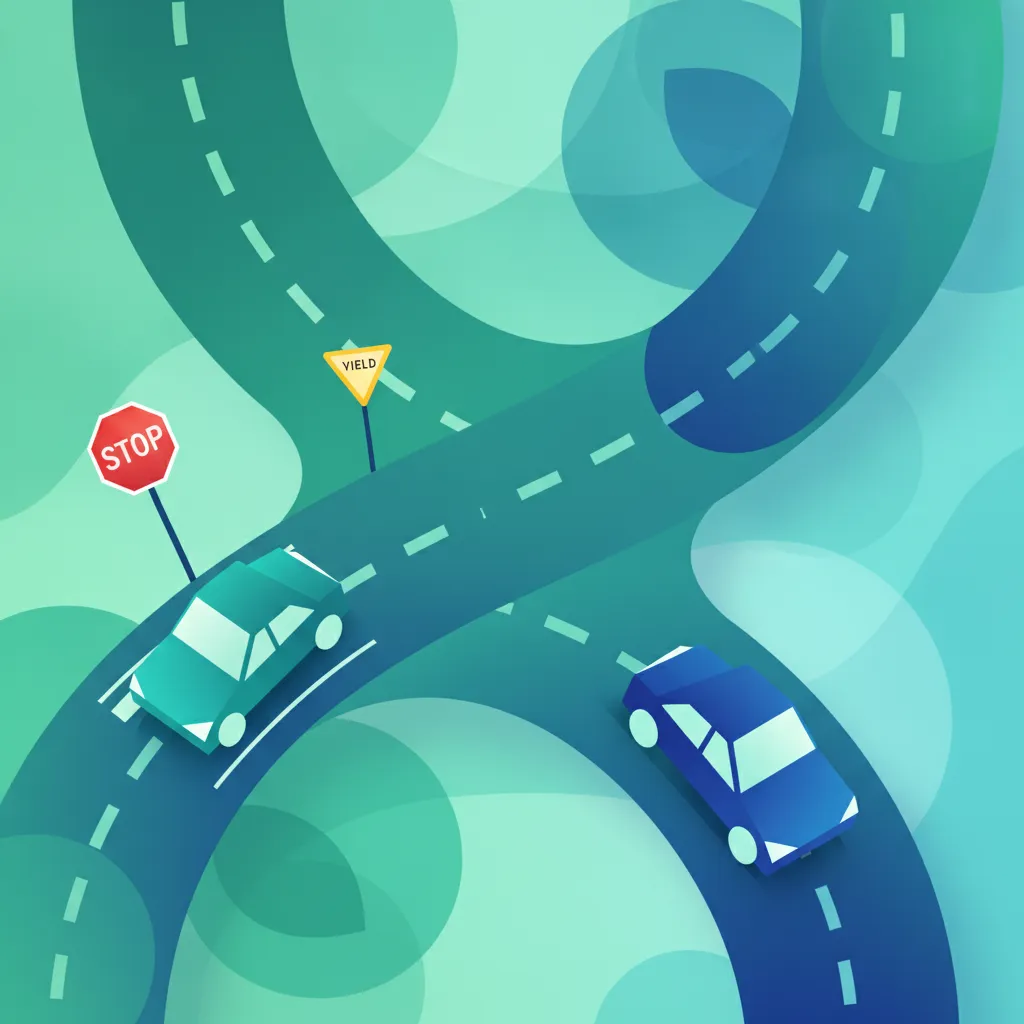
This lesson focuses on priority rules at controlled intersections equipped with traffic signals, stop signs, or yield signs. Learners will understand how to interpret traffic light phases, comply with stop and yield indications, and assess right-of-way at these intersections. The lesson also covers pedestrian and cyclist considerations, as well as emergency vehicle priority.
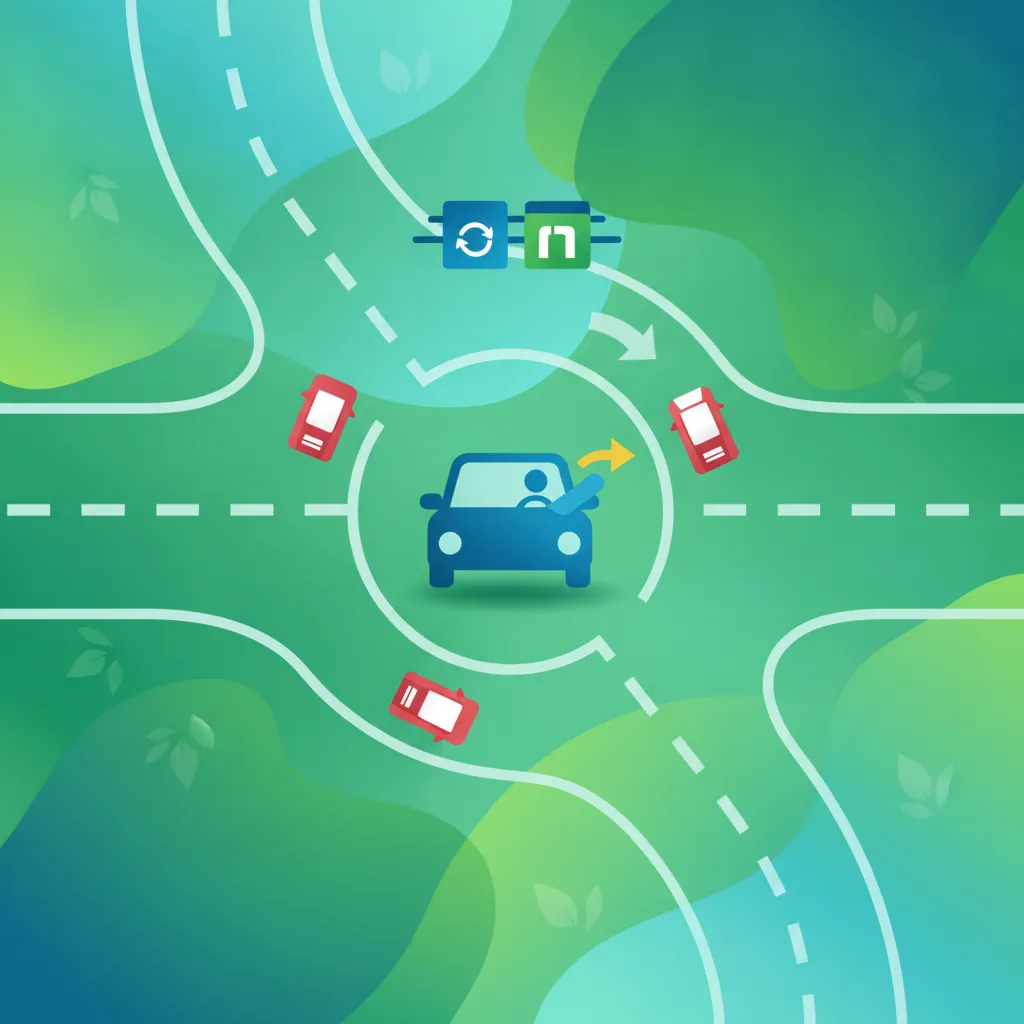
In this lesson, learners explore the specific priority rules and navigation techniques for roundabouts. Topics include yielding to traffic already in the roundabout, proper lane selection upon entry, and safe exit strategies. The lesson also addresses interactions with pedestrians and cyclists near roundabouts and the importance of maintaining appropriate speed.
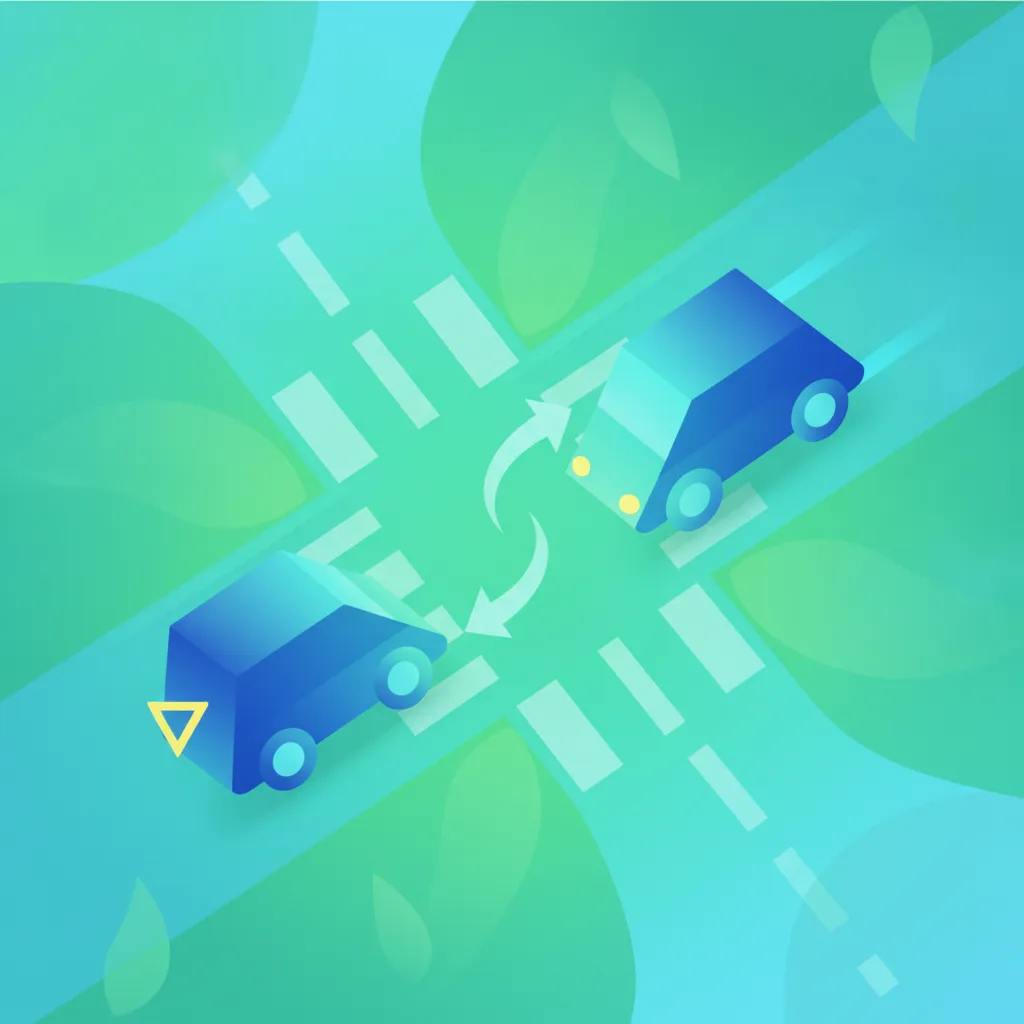
In this lesson, learners explore priority rules specific to uncontrolled intersections, where traffic signals or signs are absent. Topics include determining right-of-way based on vehicle classification, approach angle, and arrival sequence. The lesson emphasizes the importance of stopping, yielding, and assessing potential hazards before proceeding.
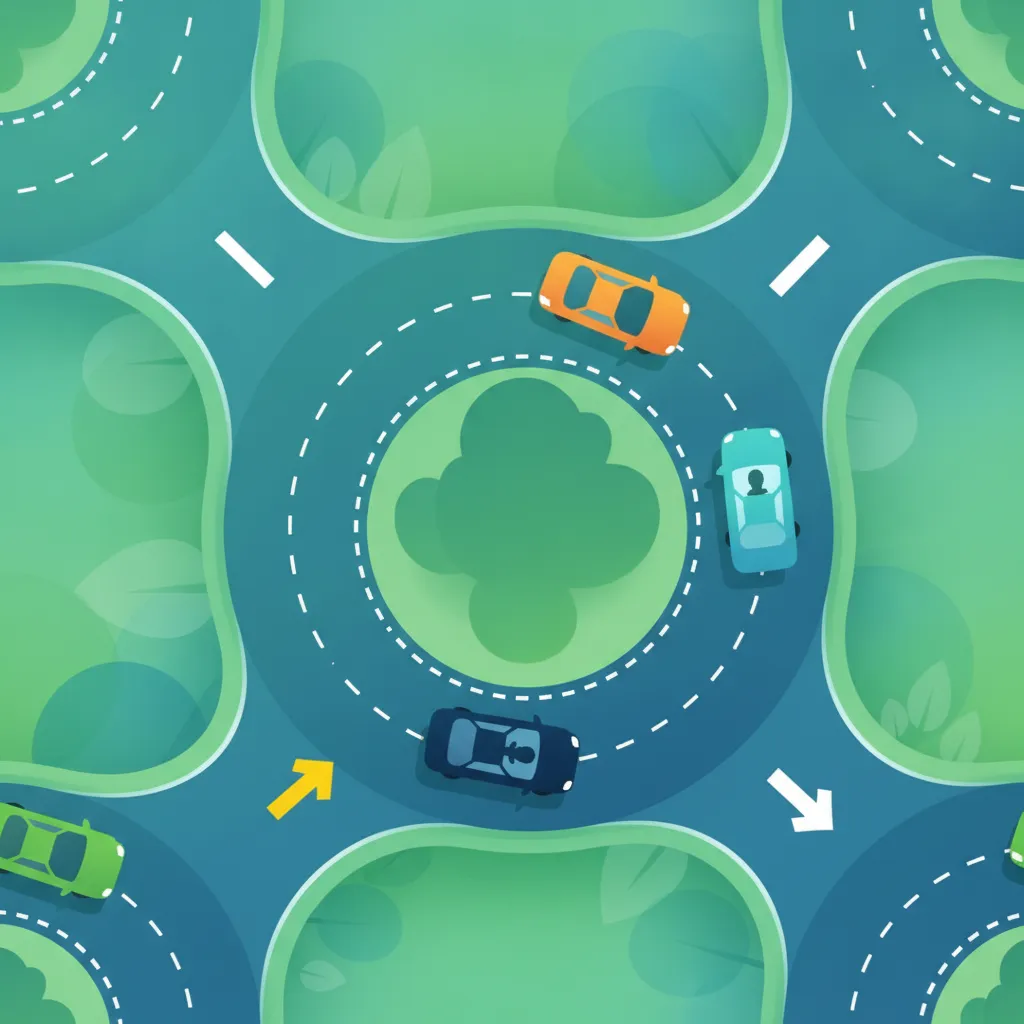
This lesson delves into the specific challenges and procedures associated with navigating roundabouts on a motorcycle. It outlines the importance of approaching at a safe speed, selecting the correct lane, and yielding to vehicles already within the roundabout. The content also covers the proper use of signals when exiting and emphasizes the need for heightened awareness of blind spots, especially when larger vehicles are present.
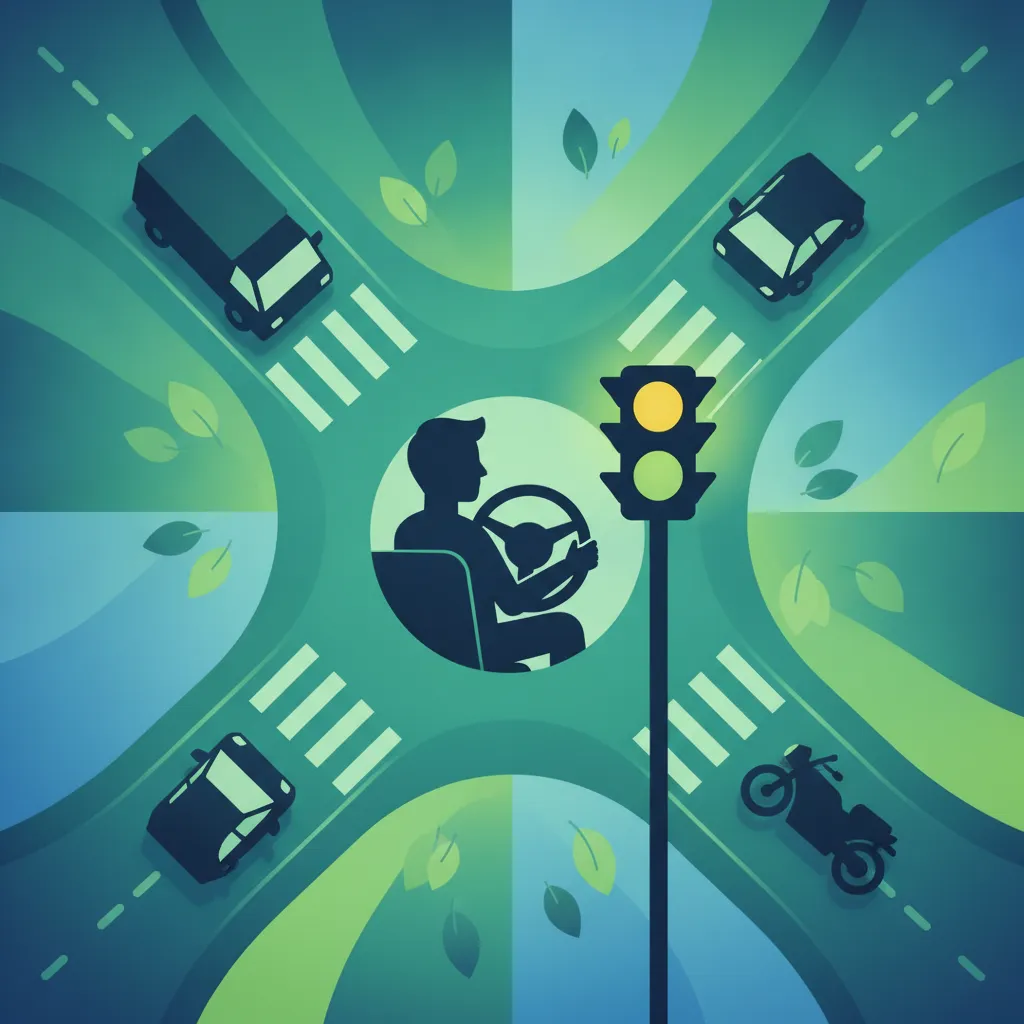
Correctly interpreting traffic signal sequences and priority rules is crucial for preventing devastating right-angle collisions at intersections. This lesson breaks down the phase progression of standard lights, the meanings of flashing amber or red indicators, and the hierarchy of traffic control when a police officer is directing vehicles. You will also master the basic legal default rules of right-of-way, such as yielding to vehicles coming from the right at uncontrolled junctions.
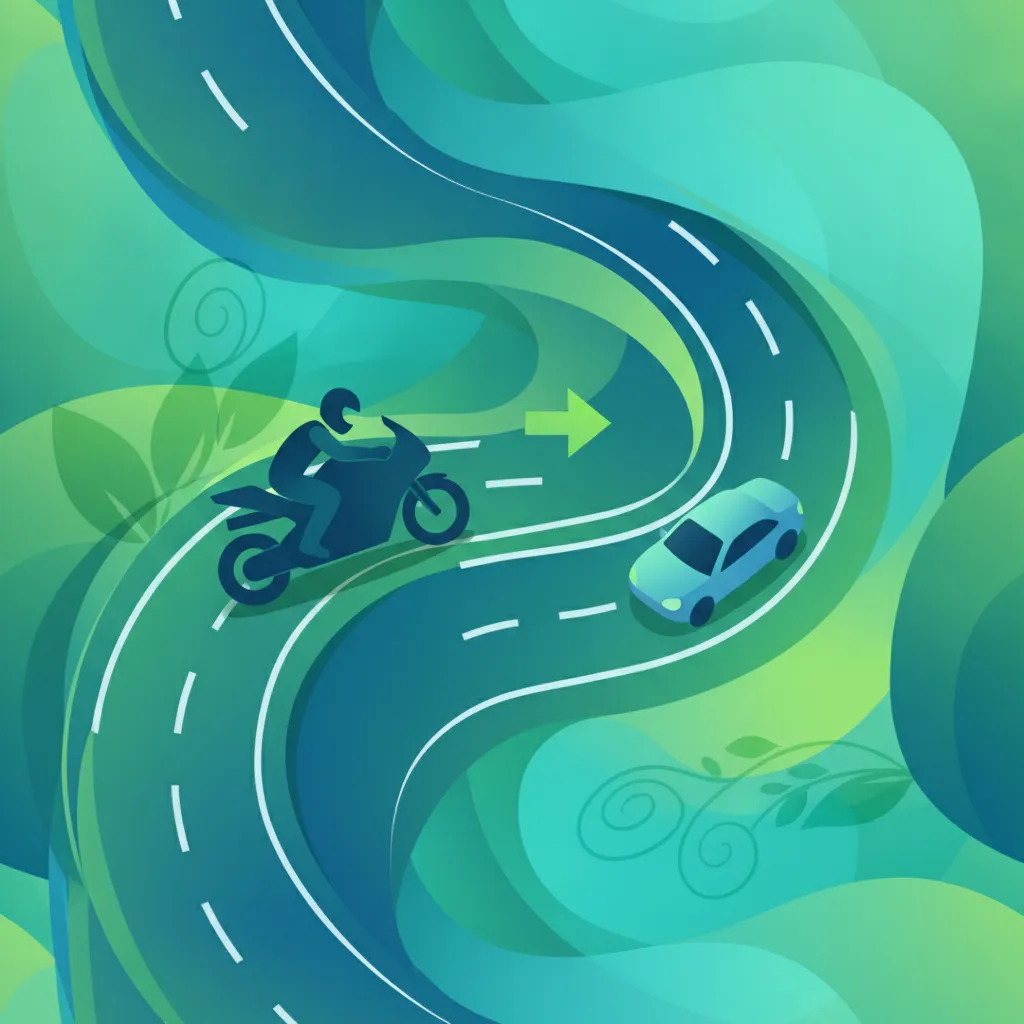
Roundabouts require a clear understanding of yield regulations and precise signaling to avoid conflicts with larger vehicles. This lesson details the legal requirements under Turkish road rules, which demand that entering vehicles yield to traffic already circulating inside the roundabout. You will learn how to select the appropriate lane upon entry, maintain a steady speed, signal your exit intentions clearly with your indicators, and remain alert to drivers who cut across lanes.
This lesson focuses on the safe interaction with other traffic participants at bus stops and traffic intersections. Learners will explore right-of-way rules, signal compliance, and techniques for maintaining safe distances while stopping and departing. Understanding these interactions is vital for preventing accidents in complex traffic environments.
In this lesson, learners will master the skills required to safely navigate various types of intersections encountered in Turkish urban settings. The content covers interpreting traffic signals, understanding right-of-way rules, and executing proper lane positioning. Practical strategies for managing blind spots and ensuring visibility to other road users are emphasized. By the end of this session, participants will be equipped with safe crossing techniques.
This lesson outlines the precise legal and safety procedures for overtaking slower vehicles on two-lane and multi-lane roads. It details when overtaking is strictly prohibited by signs or solid road lines, and how to calculate passing distances. Drivers will learn how to communicate their intentions using indicators and pass other vehicles safely.
This lesson emphasizes the importance of yielding to pedestrians and cyclists at intersections, crosswalks, and designated lanes. Learners will understand the legal obligations to provide safe passage to vulnerable road users and the correct procedures for stopping and allowing them to cross. Real-world examples illustrate scenarios where failing to yield can lead to accidents.
Explore the most frequent misconceptions regarding right-of-way and pedestrian priority in Turkish driving theory. This guide covers how to anticipate hazards, manage stopping distances, and apply defensive driving habits to avoid common traffic violations and improve safety at uncontrolled junctions.
Correctly interpreting traffic signal sequences and priority rules is crucial for preventing devastating right-angle collisions at intersections. This lesson breaks down the phase progression of standard lights, the meanings of flashing amber or red indicators, and the hierarchy of traffic control when a police officer is directing vehicles. You will also master the basic legal default rules of right-of-way, such as yielding to vehicles coming from the right at uncontrolled junctions.
This lesson focuses on protecting vulnerable road users, such as pedestrians, cyclists, and motorcyclists, in mixed traffic environments. Learners will examine specific strategies for increased vigilance, anticipatory driving, and properly yielding to these users. The lesson also covers high-risk zones, such as school areas and public transport stops, emphasizing the need for heightened safety.
Learners will examine the complexities of operating in environments where various road users, including pedestrians, cyclists, and motorcyclists, coexist. The lesson emphasizes the need for heightened situational awareness, defensive driving techniques, and proactive hazard anticipation. Strategies for navigating mixed traffic safely, especially in congested urban areas, are highlighted.
This lesson focuses on priority rules at controlled intersections equipped with traffic signals, stop signs, or yield signs. Learners will understand how to interpret traffic light phases, comply with stop and yield indications, and assess right-of-way at these intersections. The lesson also covers pedestrian and cyclist considerations, as well as emergency vehicle priority.
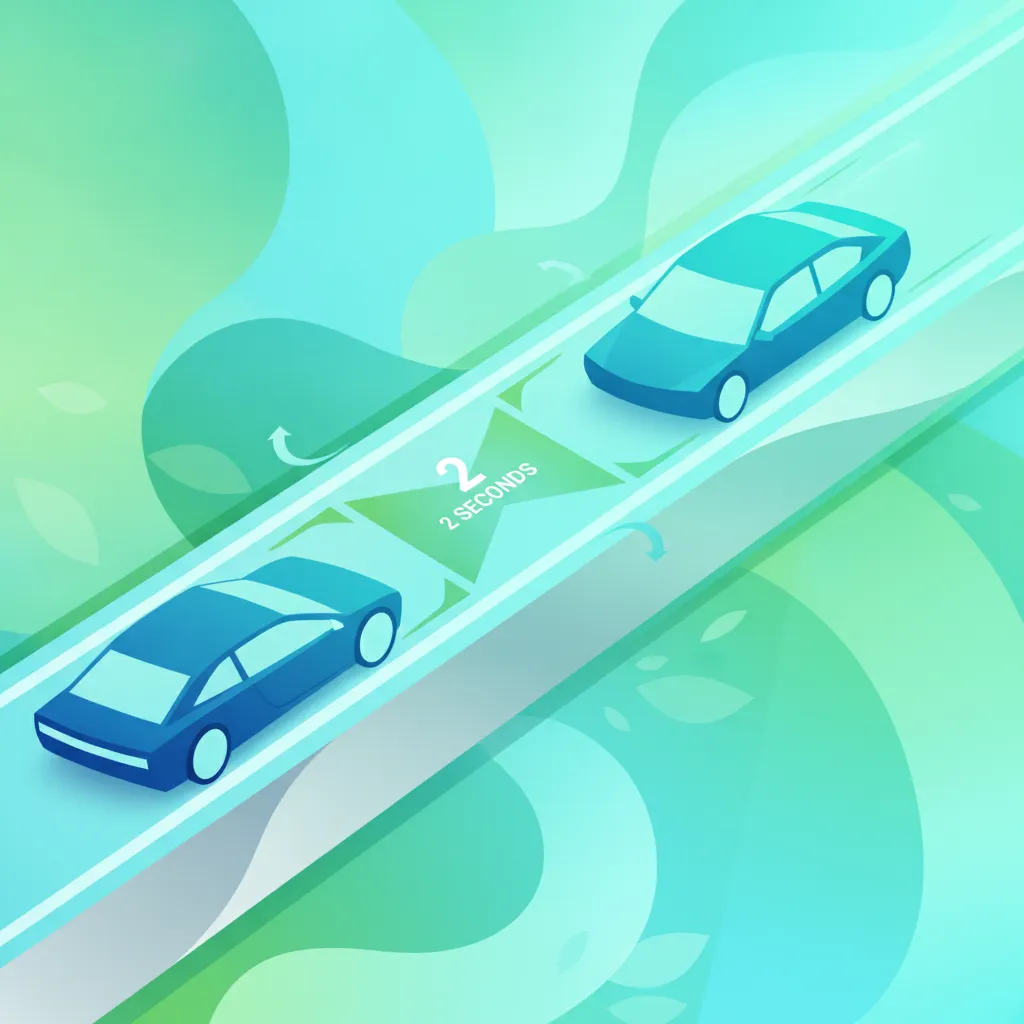
This lesson focuses on the principles governing safe following distances between vehicles. Topics include understanding time and distance gaps, reaction times, and braking distances. Learners will explore guidelines for maintaining proper following distances based on speed and road conditions. Real-world examples demonstrate the importance of safe following practices in preventing rear-end collisions.
In this lesson, learners explore priority rules specific to uncontrolled intersections, where traffic signals or signs are absent. Topics include determining right-of-way based on vehicle classification, approach angle, and arrival sequence. The lesson emphasizes the importance of stopping, yielding, and assessing potential hazards before proceeding.
This lesson explains the specific rules, driving etiquette, and safety protocols for operating a vehicle on high-speed Turkish motorways. It covers correct lane usage, overtaking procedures, emergency lane restrictions, and how to maintain consistent high speeds safely. Drivers will learn to avoid dangerous tailgating and sudden lane changes.
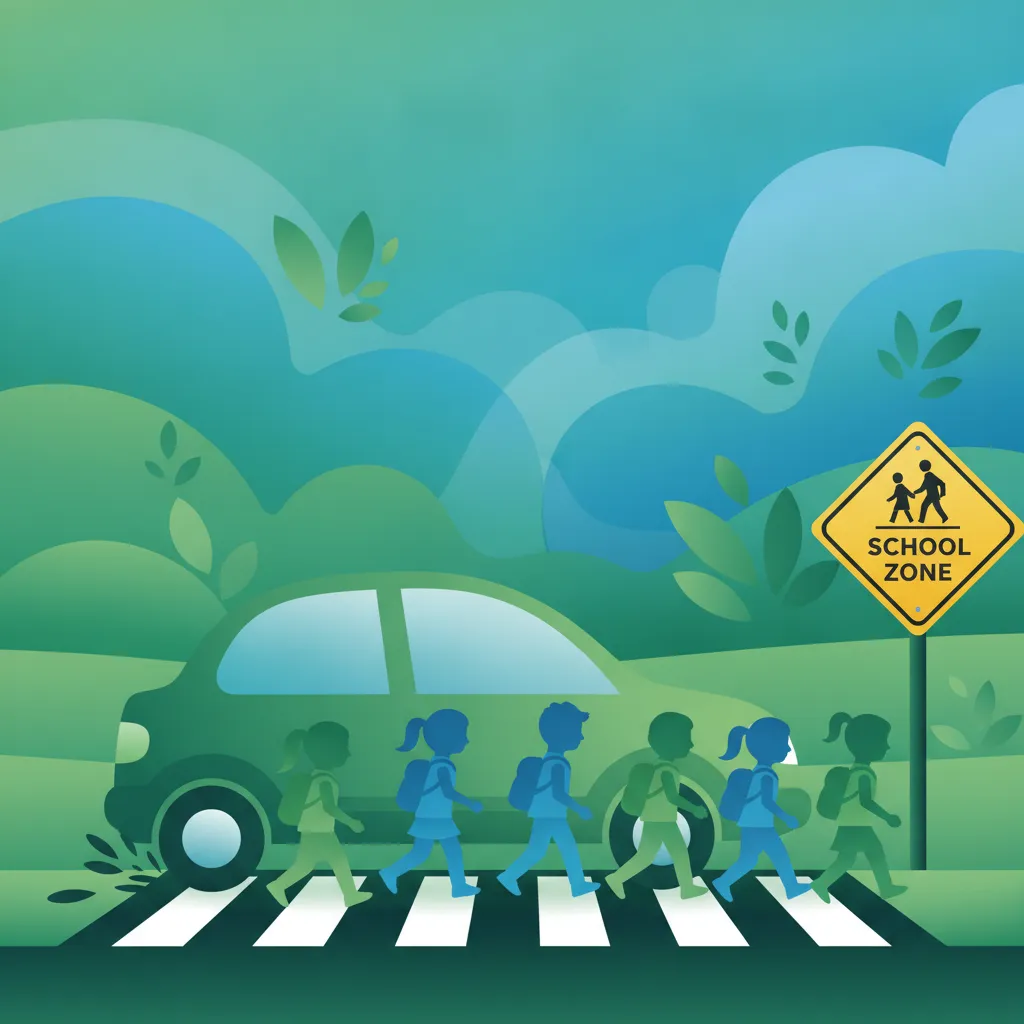
Protecting vulnerable road users is a core legal and ethical responsibility for all motorized vehicle operators in Turkey. This lesson covers the absolute requirement to yield to pedestrians at marked crosswalks, zebra crossings, and designated school zones. You will learn how to identify these zones early, reduce your speed proactively, and maintain heightened situational awareness for children or distracted pedestrians who may step onto the road unexpectedly.
This lesson focuses on the unique requirements and best practices for operating passenger vehicles on highways and expressways. Topics include maintaining appropriate speed, adhering to lane discipline, executing safe overtaking maneuvers, and managing merges and exits. Emphasis is placed on ensuring a smooth ride for passengers while integrating safely with faster-moving traffic.
This lesson emphasizes the importance of yielding to pedestrians and cyclists at intersections, crosswalks, and designated lanes. Learners will understand the legal obligations to provide safe passage to vulnerable road users and the correct procedures for stopping and allowing them to cross. Real-world examples illustrate scenarios where failing to yield can lead to accidents.
Find clear answers to common questions learners have about General Priority Principles. Learn how the lesson is structured, which driving theory objectives it supports, and how it fits into the overall learning path of units and curriculum progression in Turkey. These explanations help you understand key concepts, lesson flow, and exam focused study goals.
In the absence of signs or signals, emergency vehicles with sirens have absolute priority. Otherwise, you must generally yield to traffic already in the intersection and follow the rule that vehicles turning must yield to those proceeding straight.
Yes, drivers are legally required to stop and give way to pedestrians at designated pedestrian and school crossings, as well as when pedestrians have started crossing at an intersection without lights.
At intersections without traffic lights or signs, you must yield to vehicles approaching from the right. Always approach such junctions with caution and reduced speed to ensure you have enough time to react.
Yes, traffic on a main road or highway always has priority over traffic entering from a side or minor road, regardless of the right-hand rule. Traffic signs always override general priority principles.
Use our comprehensive practice search to find exactly the Turkish driving theory questions you need to master. Whether reviewing specific road signs, traffic rules, or first aid scenarios, select your perfect practice set and boost your confidence for the official ehliyet sınavı.