This lesson focuses on the critical skills required to navigate complex intersections safely as a motorcycle rider in Turkey. You will learn the hierarchy of right-of-way rules, effective lane positioning, and how to communicate your intentions to other road users at busy junctions. Mastering these concepts is essential for both your theory exam and your practical safety on Turkish roads.
Lesson content overview
This lesson covers the complete framework for safely navigating Turkish intersections as a motorcycle rider. You must memorize the legal hierarchy of traffic control and understand that signals override signs when active. Right-of-way rules differ between controlled intersections (where signs dictate priority) and uncontrolled intersections (where the right-hand rule applies). Proper lane positioning using three zones protects you from being cut off and maximizes visibility to other drivers. The lesson also emphasizes defensive techniques like the Lifesaver Check for blind spots, pedestrian priority rules at crossings, and special considerations for wet, dark, or congested conditions. These concepts are directly tested in the MTSK e-sınav and are essential for real-world urban riding safety.
A short set of high-value points that capture the most important learning from this lesson.
Traffic control follows a strict hierarchy: officers override all, then lights, then signs, then markings, then general rules when nothing else exists.
A flashing red light legally means Stop (B2); a flashing yellow means Yield (B1) - these are common exam scenarios.
The right-hand rule at uncontrolled intersections requires yielding to vehicles approaching from your immediate right.
Lane positioning for right turns uses Position 3 (right third) to prevent being squeezed; left turns use Position 1 with a wider turn arc.
If you cannot see a truck driver's mirrors, they cannot see you - stay out of large vehicle blind spots at intersections.
Explore all units and lessons included in this driving theory course.
Geçiş Hakkı (right-of-way) applies to all vehicles; Geçiş Üstünlüğü is reserved exclusively for emergency vehicles with active sirens and lights.
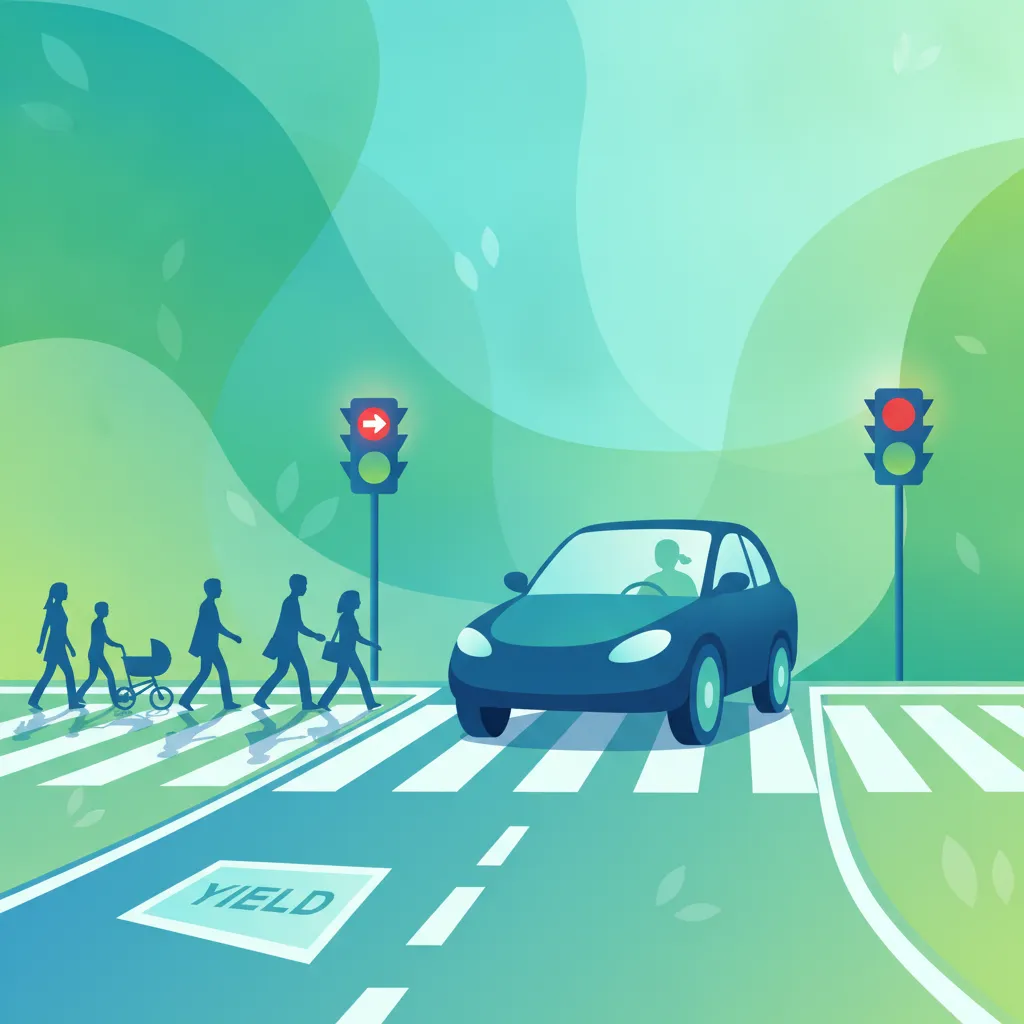
No right turn on red is permitted in Turkey unless a separate green arrow signal specifically authorizes it.
On wet painted pedestrian crossings and lane arrows, avoid hard braking or acceleration - thermoplastic paint becomes as slippery as ice.
Activate turn signals at least 30 meters before turning in urban areas (150 meters on non-urban roads).
At uncontrolled intersections, motorized vehicles have priority over non-motorized vehicles regardless of direction.
Confusing a flashing yellow light with a flashing red light - flashing yellow only requires slowing and yielding, not stopping.
Entering a green light when congestion ahead would block the intersection, creating a gridlock violation.
Failing to check blind spots with a physical shoulder check (Lifesaver Check) before turning or changing lanes.
At uncontrolled intersections, forgetting the right-hand rule and assuming priority based on road size or vehicle type alone.
Riding in the center third of a lane at intersections where cars deposit oil and coolant, creating slippery conditions.
Lesson content overview
A short set of high-value points that capture the most important learning from this lesson.
Traffic control follows a strict hierarchy: officers override all, then lights, then signs, then markings, then general rules when nothing else exists.
A flashing red light legally means Stop (B2); a flashing yellow means Yield (B1) - these are common exam scenarios.
The right-hand rule at uncontrolled intersections requires yielding to vehicles approaching from your immediate right.
Lane positioning for right turns uses Position 3 (right third) to prevent being squeezed; left turns use Position 1 with a wider turn arc.
If you cannot see a truck driver's mirrors, they cannot see you - stay out of large vehicle blind spots at intersections.
Explore all units and lessons included in this driving theory course.
Geçiş Hakkı (right-of-way) applies to all vehicles; Geçiş Üstünlüğü is reserved exclusively for emergency vehicles with active sirens and lights.
No right turn on red is permitted in Turkey unless a separate green arrow signal specifically authorizes it.
On wet painted pedestrian crossings and lane arrows, avoid hard braking or acceleration - thermoplastic paint becomes as slippery as ice.
Activate turn signals at least 30 meters before turning in urban areas (150 meters on non-urban roads).
At uncontrolled intersections, motorized vehicles have priority over non-motorized vehicles regardless of direction.
Confusing a flashing yellow light with a flashing red light - flashing yellow only requires slowing and yielding, not stopping.
Entering a green light when congestion ahead would block the intersection, creating a gridlock violation.
Failing to check blind spots with a physical shoulder check (Lifesaver Check) before turning or changing lanes.
At uncontrolled intersections, forgetting the right-hand rule and assuming priority based on road size or vehicle type alone.
Riding in the center third of a lane at intersections where cars deposit oil and coolant, creating slippery conditions.
Explore search topics learners often look for when studying Navigating Intersections Safely. These topics reflect common questions about road rules, driving situations, safety guidance, and lesson level theory preparation for learners in Turkey.
Browse additional driving theory lessons that cover connected traffic rules, road signs, and common driving situations related to this topic. Improve your understanding of how different rules interact across everyday traffic scenarios.
Understand the specific priority hierarchy and lane selection protocols required when entering and exiting roundabouts. This guide details how to manage traffic flow, signal your intentions correctly, and maintain safe positioning to avoid conflicts with other vehicles in circular traffic environments.
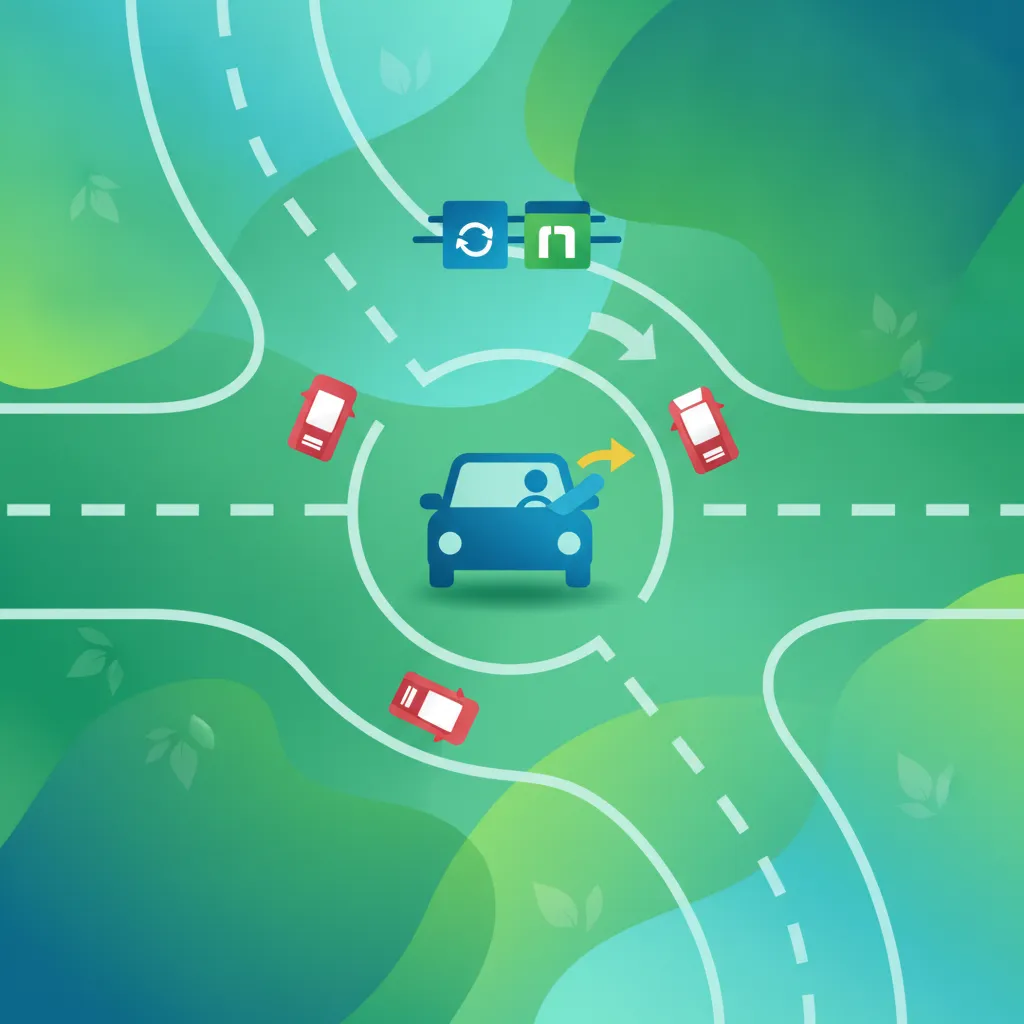
In this lesson, learners explore the specific priority rules and navigation techniques for roundabouts. Topics include yielding to traffic already in the roundabout, proper lane selection upon entry, and safe exit strategies. The lesson also addresses interactions with pedestrians and cyclists near roundabouts and the importance of maintaining appropriate speed.
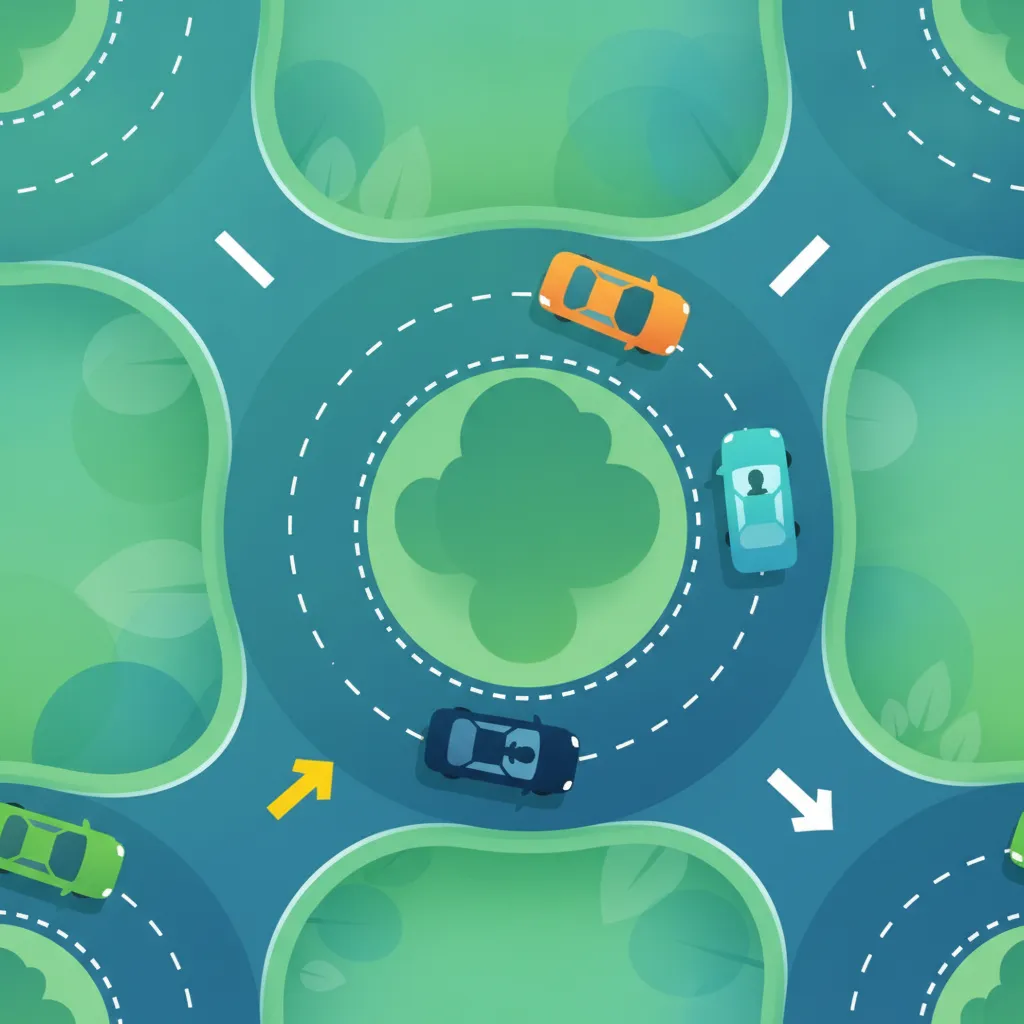
This lesson delves into the specific challenges and procedures associated with navigating roundabouts on a motorcycle. It outlines the importance of approaching at a safe speed, selecting the correct lane, and yielding to vehicles already within the roundabout. The content also covers the proper use of signals when exiting and emphasizes the need for heightened awareness of blind spots, especially when larger vehicles are present.
Roundabouts require a clear understanding of yield regulations and precise signaling to avoid conflicts with larger vehicles. This lesson details the legal requirements under Turkish road rules, which demand that entering vehicles yield to traffic already circulating inside the roundabout. You will learn how to select the appropriate lane upon entry, maintain a steady speed, signal your exit intentions clearly with your indicators, and remain alert to drivers who cut across lanes.
This lesson outlines the precise legal and safety procedures for overtaking slower vehicles on two-lane and multi-lane roads. It details when overtaking is strictly prohibited by signs or solid road lines, and how to calculate passing distances. Drivers will learn how to communicate their intentions using indicators and pass other vehicles safely.
This lesson explains the specific rules, driving etiquette, and safety protocols for operating a vehicle on high-speed Turkish motorways. It covers correct lane usage, overtaking procedures, emergency lane restrictions, and how to maintain consistent high speeds safely. Drivers will learn to avoid dangerous tailgating and sudden lane changes.

This lesson explores the hazards characteristic of rural roads, including narrow paths, lack of lighting, slow agricultural vehicles, and sharp curves. It teaches drivers how to anticipate blind corners, adjust speed, and pass slow-moving tractors safely. Motorists will learn to remain highly alert for unexpected roadway obstructions.

This lesson focuses on the role of directional arrows and guidance markings in indicating lane assignments and intended vehicle movements. Learners will learn to interpret turn arrows, lane-specific directions, and lane assignment at intersections and roadways. Real-world examples demonstrate how these markings aid drivers in navigating complex road networks, especially at junctions and roundabouts.
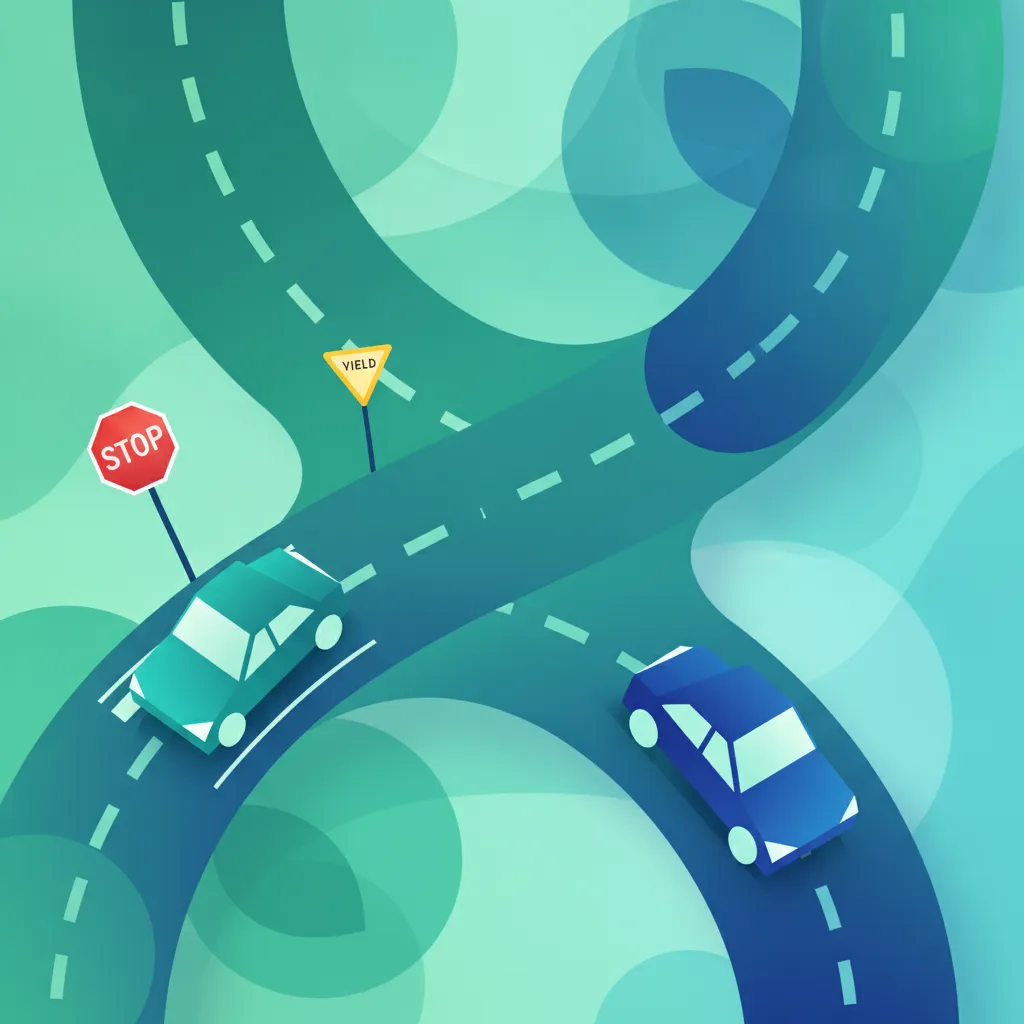
This lesson focuses on priority rules at controlled intersections equipped with traffic signals, stop signs, or yield signs. Learners will understand how to interpret traffic light phases, comply with stop and yield indications, and assess right-of-way at these intersections. The lesson also covers pedestrian and cyclist considerations, as well as emergency vehicle priority.
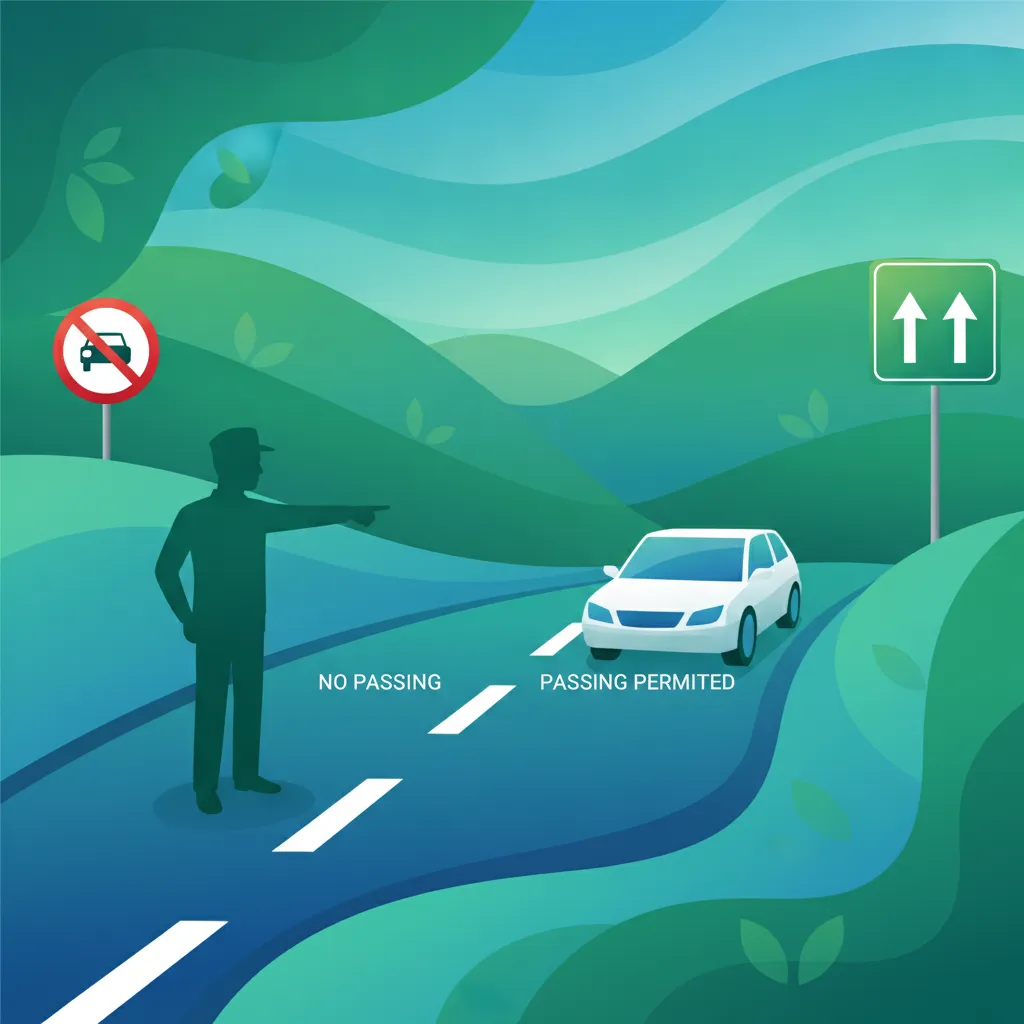
This lesson covers the various road surface markings that motorcyclists must be aware of, such as lane lines, turn arrows, and dedicated bike lanes. It explains how to interpret solid and broken lines, the meaning of specific arrows for turning or lane changes, and the significance of pedestrian crossing markings. Understanding these visual cues is essential for maintaining lane discipline and performing safe road maneuvers.

This lesson focuses on the safe interaction with other traffic participants at bus stops and traffic intersections. Learners will explore right-of-way rules, signal compliance, and techniques for maintaining safe distances while stopping and departing. Understanding these interactions is vital for preventing accidents in complex traffic environments.
Learn how to actively manage your visibility and blind spots while riding in heavy urban traffic. This explanation covers the importance of the lifesaver check, optimal lane positioning, and anticipating hazards from other road users to ensure you remain visible to cars and commercial vehicles.
This lesson highlights the critical nature of blind spots for motorcyclists, teaching strategies to recognize and mitigate these hidden areas. Learners will practice techniques for checking blind spots before lane changes and overtaking, ensuring they are fully aware of surrounding traffic. The lesson emphasizes how proper mirroring and head checks can significantly reduce the risk of collisions.
In this lesson, learners will discover the principles of defensive riding, focusing on hazard anticipation, maintaining safe distances, and practicing proactive avoidance techniques. It emphasizes developing a vigilant riding posture, constantly scanning the environment, and preparing to react to potential dangers from other road users, road conditions, or unexpected traffic events.

Proper road positioning is your primary shield against being squeezed, sideswiped, or overlooked by larger motor vehicles in daily traffic. This lesson explains how to ride in the center or slightly off-center of your lane to prevent unsafe overtaking within the same lane. You will study how to identify the massive blind spots of buses and trucks, maintain appropriate following distances, and execute overtaking maneuvers with maximum safety margin and clear signal warning.

Defensive riding is the practice of anticipating potential road conflicts and acting early to prevent accidents before they occur. This lesson teaches you how to systematically scan the road ahead for changing conditions, keep an adequate safety cushion around your moped, and pre-plan exit routes in tight spots. You will learn to assume you are invisible to other drivers and adapt your speed and road position proactively to protect yourself against sudden maneuvers.

In this lesson, learners will discover the principles of optimal lane positioning that enhance both rider visibility and predictability to other road users. The content focuses on selecting the correct lane within various traffic scenarios, such as approaching intersections, navigating curves, and during overtaking. By maintaining appropriate lane placement, riders can minimize blind spots and improve reaction times.
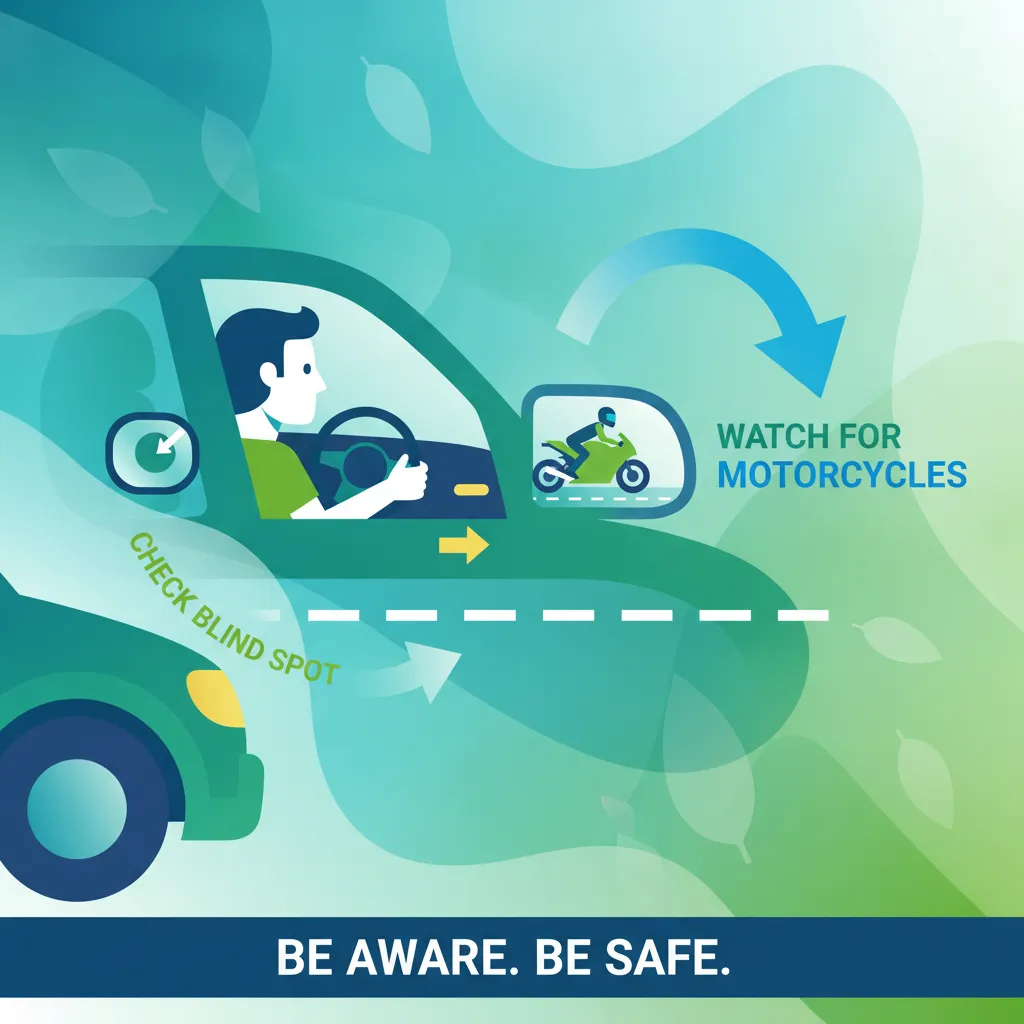
Learners will gain insight into the unique challenges posed by motorcycles and scooters sharing the road with passenger vehicles. The lesson highlights the importance of checking blind spots, maintaining safe following distances, and being aware of the faster acceleration and maneuverability of two-wheeled vehicles. Strategies for anticipating their movements and preventing collisions are discussed.
This lesson delves into the specific challenges and procedures associated with navigating roundabouts on a motorcycle. It outlines the importance of approaching at a safe speed, selecting the correct lane, and yielding to vehicles already within the roundabout. The content also covers the proper use of signals when exiting and emphasizes the need for heightened awareness of blind spots, especially when larger vehicles are present.
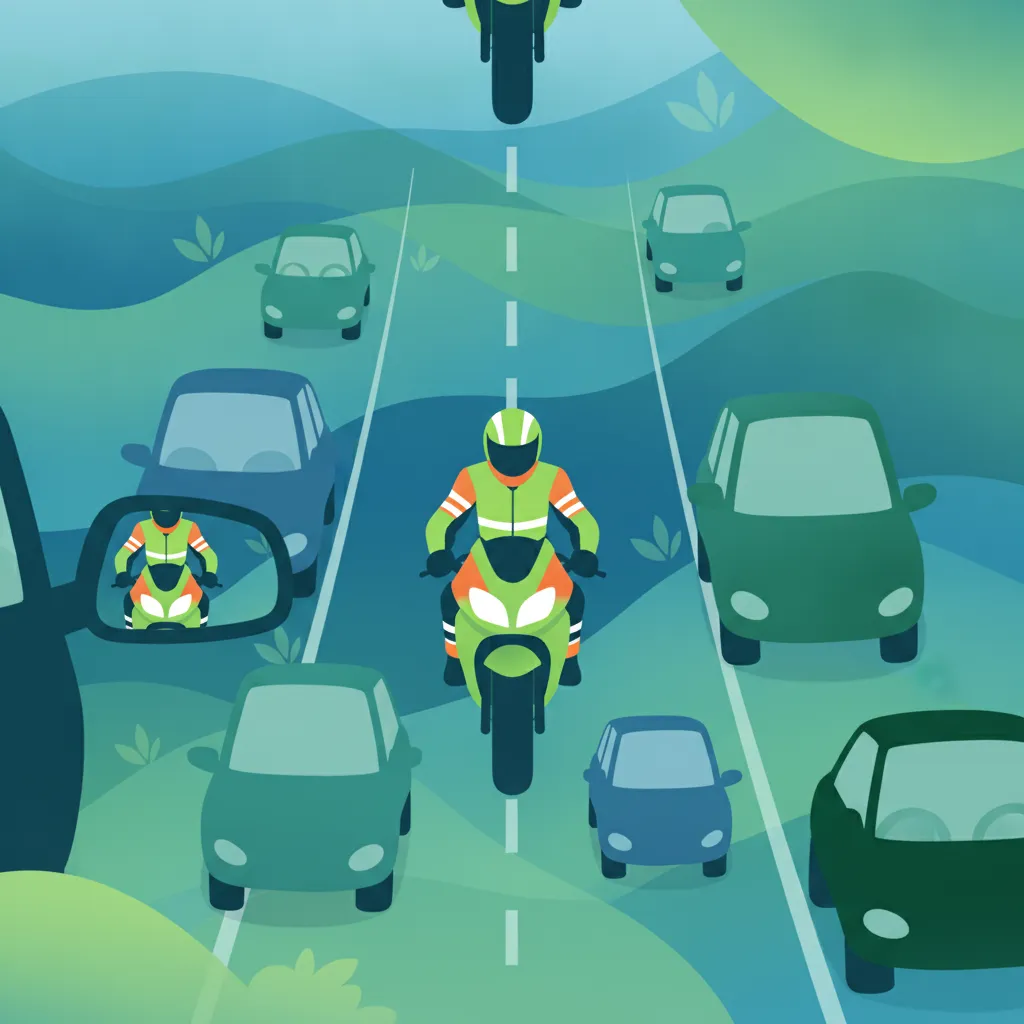
This lesson emphasizes the importance of rider visibility, illustrating how high-visibility clothing and reflective accessories can significantly reduce the risk of collisions. Learners will discover effective strategies for being noticed by other road users, such as using bright colors, reflective strips, and appropriate lighting, especially during adverse weather or nighttime riding. The content also outlines best practices for maintenance.
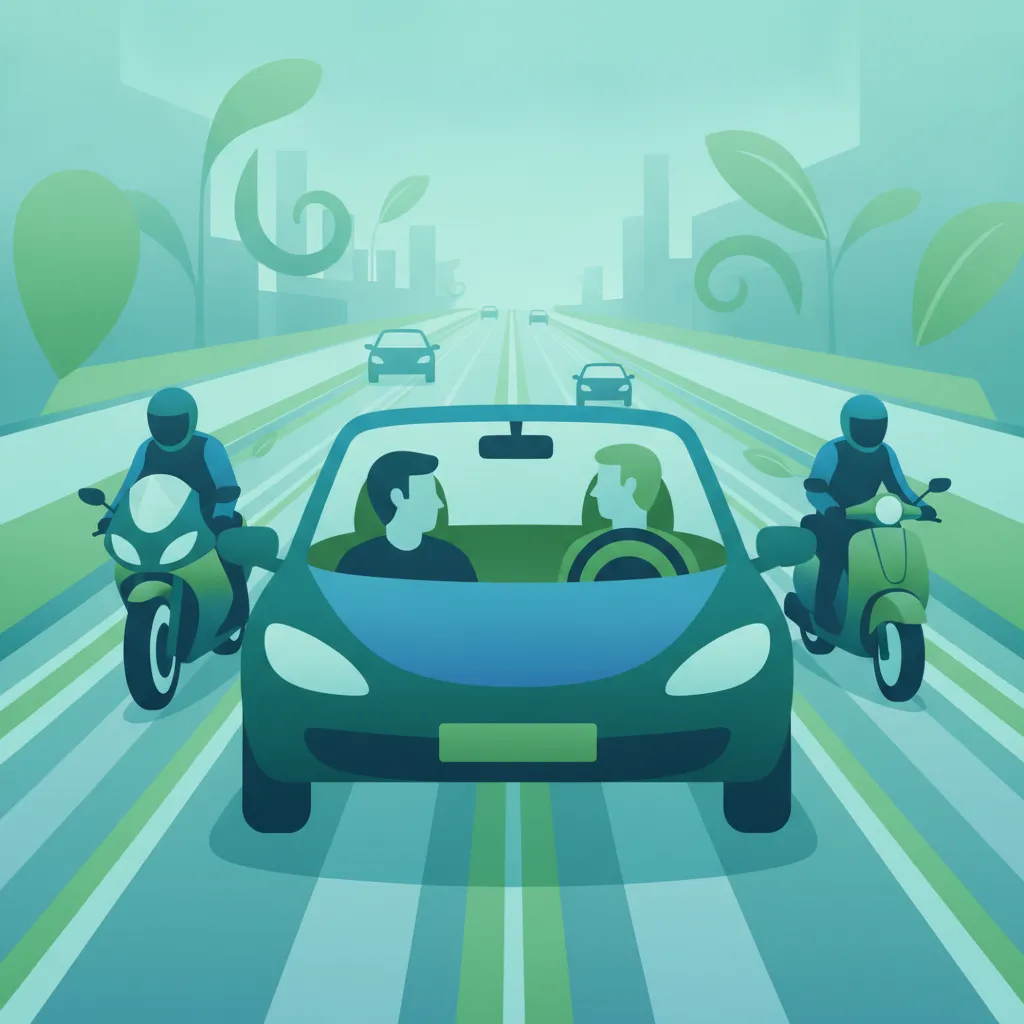
In this lesson, learners explore the unique challenges and safety considerations related to motorcyclists and scooter riders. Topics include the importance of visibility, the use of protective gear, and the need for drivers to be aware of blind spots. The lesson also covers lane discipline for two-wheeled vehicles and safe overtaking practices.
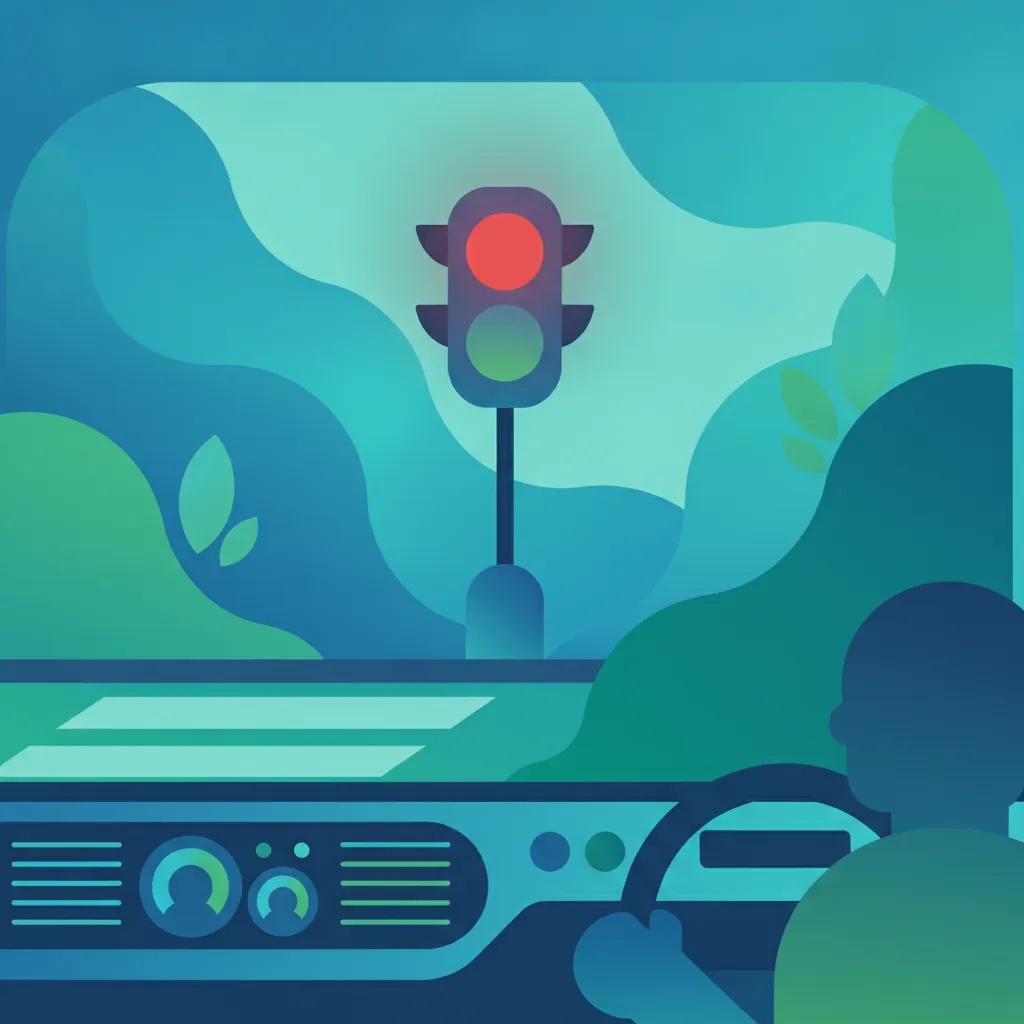
In this lesson, learners will explore the functioning of traffic lights and their impact on motorcycle riding. It delves into the meanings of red, amber, and green lights, as well as dedicated turn arrows and pedestrian signals. The lesson highlights specific considerations for motorcyclists at intersections, such as the appropriate response to amber lights, the use of turn arrows for safe lane changes, and legal crossing obligations.
Find clear answers to common questions learners have about Navigating Intersections Safely. Learn how the lesson is structured, which driving theory objectives it supports, and how it fits into the overall learning path of units and curriculum progression in Turkey. These explanations help you understand key concepts, lesson flow, and exam focused study goals.
In the absence of traffic signs or signals, the general rule in Turkey is to yield to traffic coming from the right. However, always be cautious as a motorcycle rider and prioritize your safety over strict legal priority.
You should position your motorcycle in the appropriate lane well in advance of the turn. Ensure you are clearly visible to other drivers and use your indicators early to signal your intent.
Yes, always check your blind spots before turning or changing lanes. Drivers in cars often fail to see motorcycles, so stay out of their blind spots and do not linger beside larger vehicles at intersections.
The exam often presents visual scenarios of junctions. You are expected to identify the correct movement order based on road signs, markings, or the rule of yielding to the right.
Use our comprehensive practice search to find exactly the Turkish driving theory questions you need to master. Whether reviewing specific road signs, traffic rules, or first aid scenarios, select your perfect practice set and boost your confidence for the official ehliyet sınavı.