
This lesson covers the critical protocols for operating large passenger vehicles on Turkish highways and expressways. You will learn to maintain safe speed, master lane discipline, and execute merges that prioritize passenger comfort and road safety. Understanding these rules is essential for both your professional licence exam and real-world passenger transport.
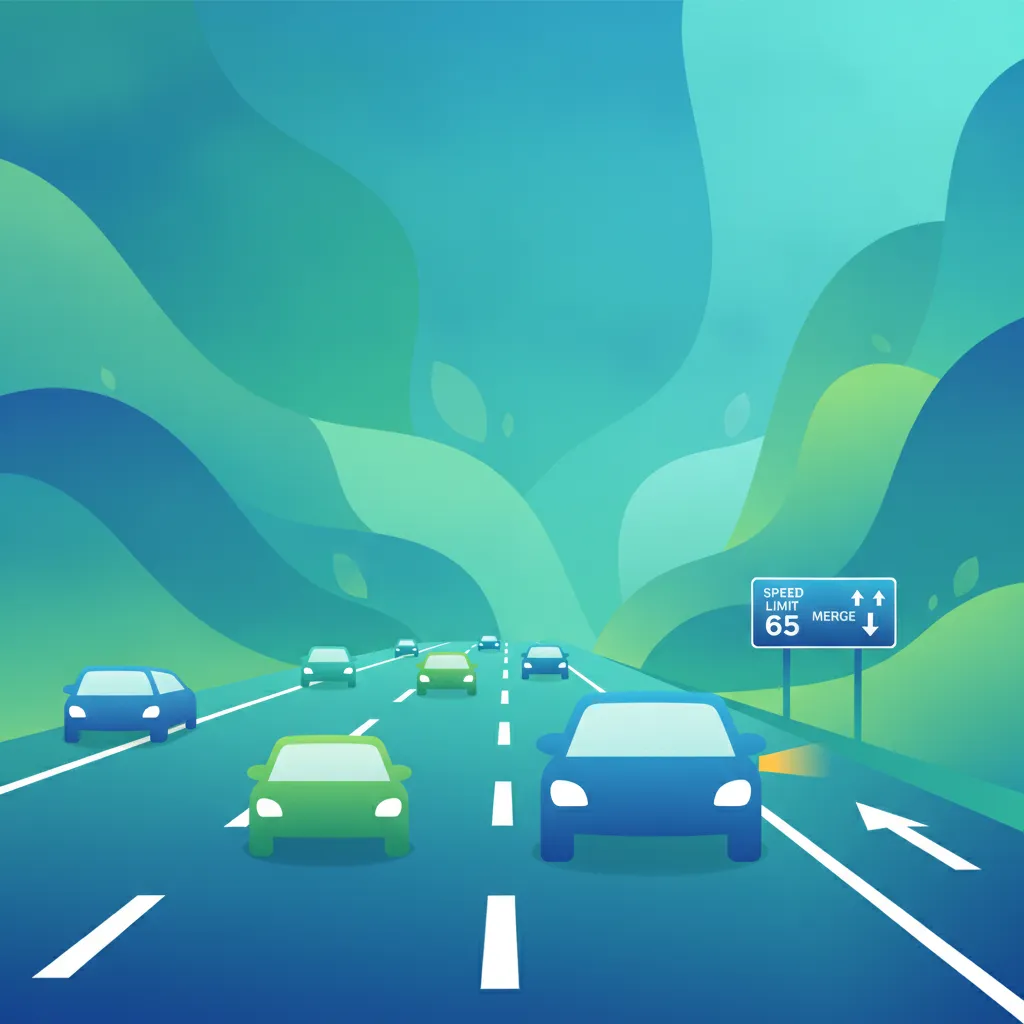
Lesson content overview
Operating a vehicle on high-speed roads requires a sophisticated understanding of traffic dynamics, vehicle physics, and legal frameworks. On Turkish highways (otoyol or otoban) and expressways, the stakes are elevated due to high travel velocities, dense traffic volumes, and the presence of varied vehicle classes.
For drivers working toward their Turkish Class D Passenger Vehicle Driving Licence, mastering these environments is not merely a matter of personal safety, but a core professional responsibility. Carrying passengers means you are directly responsible for multiple lives, requiring a driving style that balances safety, absolute legal compliance, and passenger comfort.
In Turkey, high-capacity roads are governed under the Turkish Highway Traffic Law (Karayolları Trafik Kanunu, Law No. 2918). Motorways are designated by specific signage and are designed exclusively for high-speed, motorized transit.
Because motorways are closed systems with controlled access points (toll plazas or junctions), they eliminate head-on traffic and cross-intersections. However, the high-speed environment means that any error can result in severe, high-impact collisions.
Under Turkish law, certain vehicles are strictly banned from entering these high-capacity roads:
Speed management is the cornerstone of safe highway driving. Under the Karayolları Trafik Kanunu, maximum speed limits are determined by road classification, vehicle category, and prevailing environmental conditions.
While passenger cars (Category B) enjoy higher speed limits on Turkish motorways, larger passenger transport vehicles—such as buses and coaches covered under the Class D licence—are restricted to lower thresholds to account for their greater mass, longer stopping distances, and high passenger loads.
At high speeds, the physical forces acting upon your vehicle scale quadratically rather than linearly. Understanding this relationship is critical for safe vehicle control:
Adverse Weather Adjustments: Speed limits are maximums under ideal conditions. In fog, heavy rain, or snow, you must reduce your speed significantly below the posted limit to preserve control and ensure your stopping distance does not exceed your limit of clear visibility.
Maintaining strict lane discipline (şerit izleme kuralları) reduces traffic friction, prevents bottlenecks, and minimizes conflict points between faster and slower vehicles.
The fundamental rule of lane discipline on Turkish multi-lane highways is simple: keep to the rightmost lane except when overtaking.
When driving a Class D passenger vehicle, you should remain in the designated lanes for heavy transport. Except when passing slower vehicles, do not weave between lanes or block the path of faster-moving light vehicles.
Overtaking (şerit değiştirerek öndeki aracı geçme) is one of the most risk-intensive maneuvers on a highway. It requires careful planning, rapid decision-making, and precise execution.
Assess the Situation: Ensure there is a clear, unobstructed path ahead. Check that no vehicle behind you has already begun an overtaking maneuver.
Check Mirrors and Blind Spots: Check your rear-view and side mirrors. Perform a quick blind spot (kör nokta) shoulder check, which is particularly vital in passenger buses due to their large lateral blind zones.
Signal Your Intent: Activate your left turn signal early to communicate your intention to surrounding traffic.
Execute the Maneuver: Accelerate smoothly into the left lane. Maintain a safe distance from the vehicle you are passing.
Return to the Right Lane: Once you can see the headlights of the overtaken vehicle clearly in your interior rear-view mirror, signal right, check your right blind spot, and return smoothly to your lane.
Under Turkish law, you must never attempt an overtaking maneuver in the following situations:
Entering and leaving a high-speed motorway requires careful coordination of speed and positioning to avoid disrupting the main traffic flow.
The acceleration lane allows you to increase your vehicle's speed to match that of the main highway traffic before merging.
Leaving the motorway requires early preparation to ensure you do not make sudden maneuvers that catch following drivers by surprise.
When driving under a Class D licence, your driving style directly impacts the physical well-being of your passengers. High-speed environments magnify poor driving habits.
Sudden or jerky steering inputs at high speed generate high lateral G-forces. In a large passenger vehicle, this can cause passengers to slide in their seats, lose balance if standing, or experience motion sickness. All lane changes, merges, and curve navigations must be initiated with gentle, progressive steering inputs.
At highway speeds, defensive, anticipatory driving is critical:
A frequent violation on Turkish roads is the incorrect use of hazard lights (dörtlü flaşör).
If a tire blows out at high speed:
Operating safely on Turkish motorways requires a thorough understanding of the regulations, vehicle physics, and defensive driving techniques:
This lesson covers the essential protocols for Class D passenger vehicle drivers operating on Turkish motorways, including strict adherence to the right-lane rule, proper overtaking procedures using mirrors and signals, and safe merging and exiting techniques. Key physics principles explain why speed management is critical for large vehicles with greater mass and longer stopping distances. The content also addresses passenger comfort through smooth steering and progressive braking, hazard light regulations, and emergency procedures for high-speed tire blowouts. Mastering these rules is essential for both MTSK e-exam success and real-world professional passenger transport safety.
A short set of high-value points that capture the most important learning from this lesson.
Turkish motorways (otoyol) are closed systems where pedestrians, cyclists, and agricultural vehicles are strictly prohibited under Law No. 2918
Class D passenger vehicles must keep to the rightmost lane at all times, using the left lane only for overtaking
Total stopping distance equals reaction distance plus braking distance; at 100 km/h, a vehicle travels approximately 28 metres per second of reaction time
Overtaking requires five steps: assess the situation, check mirrors and blind spots, signal, execute, and return to the right lane
When exiting, brake only after fully entering the deceleration lane, not while in the main travel lanes
Explore all units and lessons included in this driving theory course.
The emergency lane (emniyet şeridi) is reserved strictly for breakdowns and emergency vehicles; traveling or stopping there is illegal
Hazard lights (dörtlü flaşör) may only be used when stationary, never while moving, even in heavy rain or fog
Match highway speed in the acceleration lane before merging; merging at low speed forces other vehicles to brake aggressively
Maintain a minimum two-second following distance, increasing to four or more seconds for heavy vehicles or adverse weather
During a tire blowout at high speed, do not brake abruptly—hold the wheel firmly and ease off the accelerator gradually
Assuming it is safe to drive slowly in the left lane while observing posted limits, when the left lane is legally reserved for overtaking only
Stopping at the end of an acceleration lane because traffic seems too fast, which makes merging nearly impossible
Braking while still in the main highway lane when approaching an exit, instead of braking only after entering the deceleration lane
Using hazard lights while moving in heavy rain or fog, which disables turn signals and prevents communicating lane change intentions
Attempting to overtake on curves, crests, or where solid white lane markings prohibit lane changes
Lesson content overview
A short set of high-value points that capture the most important learning from this lesson.
Turkish motorways (otoyol) are closed systems where pedestrians, cyclists, and agricultural vehicles are strictly prohibited under Law No. 2918
Class D passenger vehicles must keep to the rightmost lane at all times, using the left lane only for overtaking
Total stopping distance equals reaction distance plus braking distance; at 100 km/h, a vehicle travels approximately 28 metres per second of reaction time
Overtaking requires five steps: assess the situation, check mirrors and blind spots, signal, execute, and return to the right lane
When exiting, brake only after fully entering the deceleration lane, not while in the main travel lanes
Explore all units and lessons included in this driving theory course.
The emergency lane (emniyet şeridi) is reserved strictly for breakdowns and emergency vehicles; traveling or stopping there is illegal
Hazard lights (dörtlü flaşör) may only be used when stationary, never while moving, even in heavy rain or fog
Match highway speed in the acceleration lane before merging; merging at low speed forces other vehicles to brake aggressively
Maintain a minimum two-second following distance, increasing to four or more seconds for heavy vehicles or adverse weather
During a tire blowout at high speed, do not brake abruptly—hold the wheel firmly and ease off the accelerator gradually
Assuming it is safe to drive slowly in the left lane while observing posted limits, when the left lane is legally reserved for overtaking only
Stopping at the end of an acceleration lane because traffic seems too fast, which makes merging nearly impossible
Braking while still in the main highway lane when approaching an exit, instead of braking only after entering the deceleration lane
Using hazard lights while moving in heavy rain or fog, which disables turn signals and prevents communicating lane change intentions
Attempting to overtake on curves, crests, or where solid white lane markings prohibit lane changes
Explore search topics learners often look for when studying Highway and Expressway Conduct for Passenger Vehicles. These topics reflect common questions about road rules, driving situations, safety guidance, and lesson level theory preparation for learners in Turkey.
Browse additional driving theory lessons that cover connected traffic rules, road signs, and common driving situations related to this topic. Improve your understanding of how different rules interact across everyday traffic scenarios.
Learn how professional bus drivers navigate dense city traffic, manage bus stops, and coordinate safely with pedestrians. This lesson covers operational strategies for manoeuvring large vehicles in complex urban environments and adhering to Turkish traffic regulations within city limits.
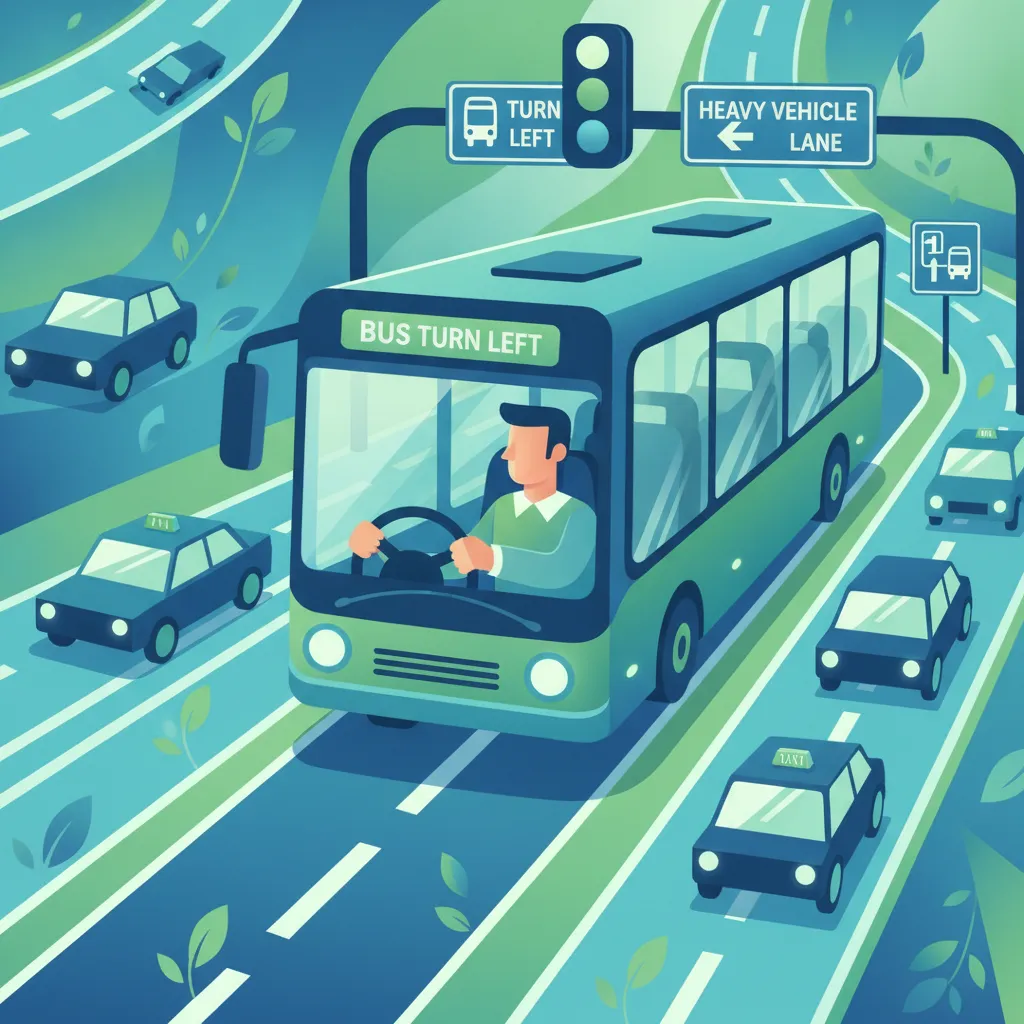
Learners will explore strategies for navigating congested urban traffic environments while operating large passenger vehicles. The lesson covers lane selection, adherence to traffic signals, and the use of bus lanes where applicable. Understanding how to maintain smooth traffic flow while ensuring passenger safety is crucial for efficient urban transportation.
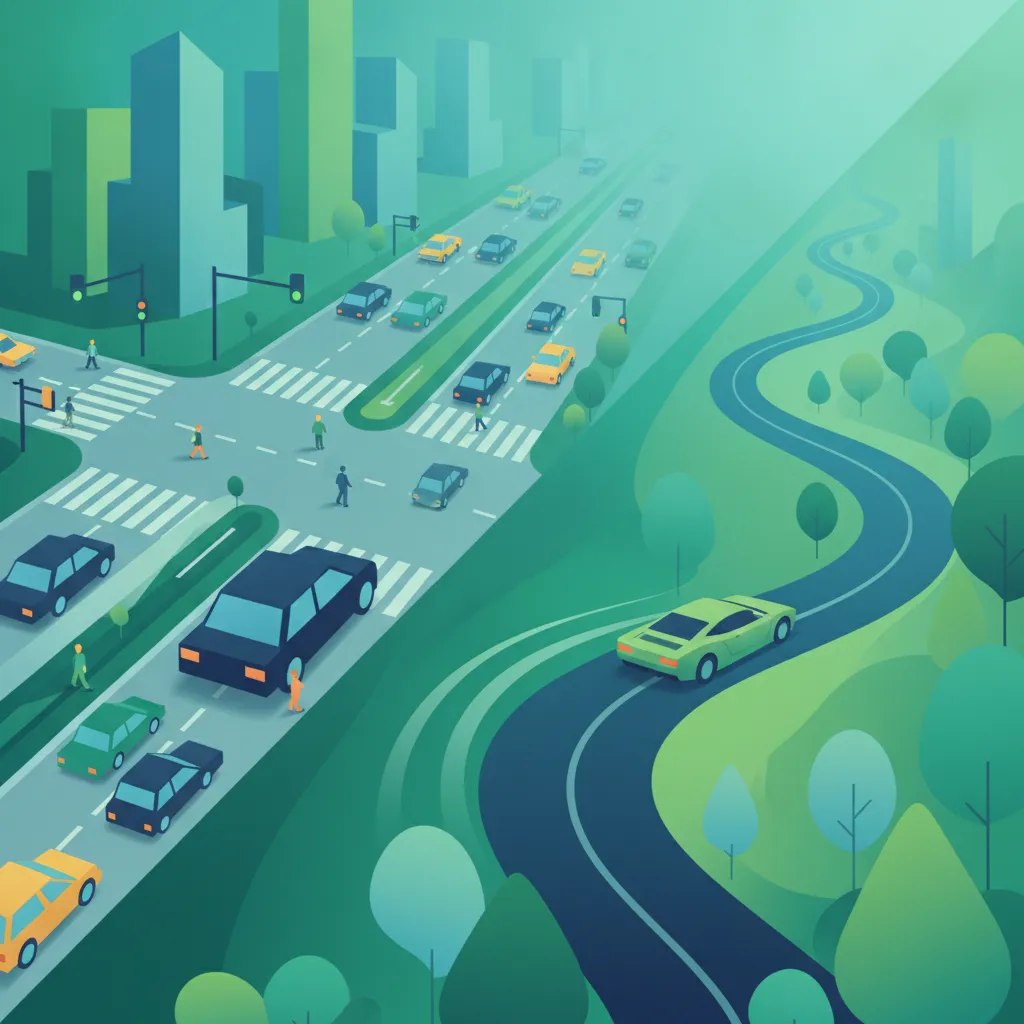
This lesson delves into specific manoeuvring strategies required when navigating both tight urban environments and open rural roads with large passenger vehicles. Learners will explore techniques for handling narrow streets, tight turns, and intersections, while maintaining safety and efficiency. The content emphasizes planning and execution of manoeuvres based on road conditions and vehicle dimensions.
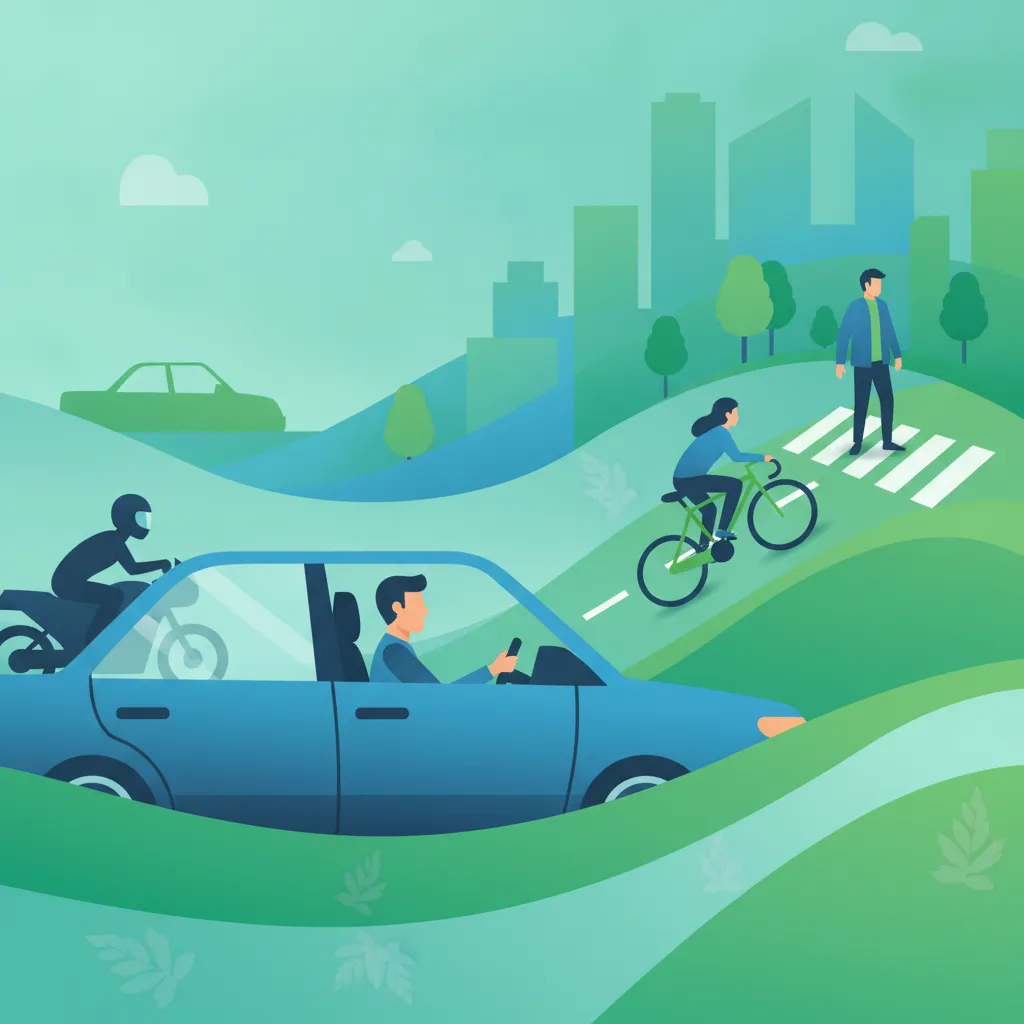
Learners will examine the complexities of operating in environments where various road users, including pedestrians, cyclists, and motorcyclists, coexist. The lesson emphasizes the need for heightened situational awareness, defensive driving techniques, and proactive hazard anticipation. Strategies for navigating mixed traffic safely, especially in congested urban areas, are highlighted.
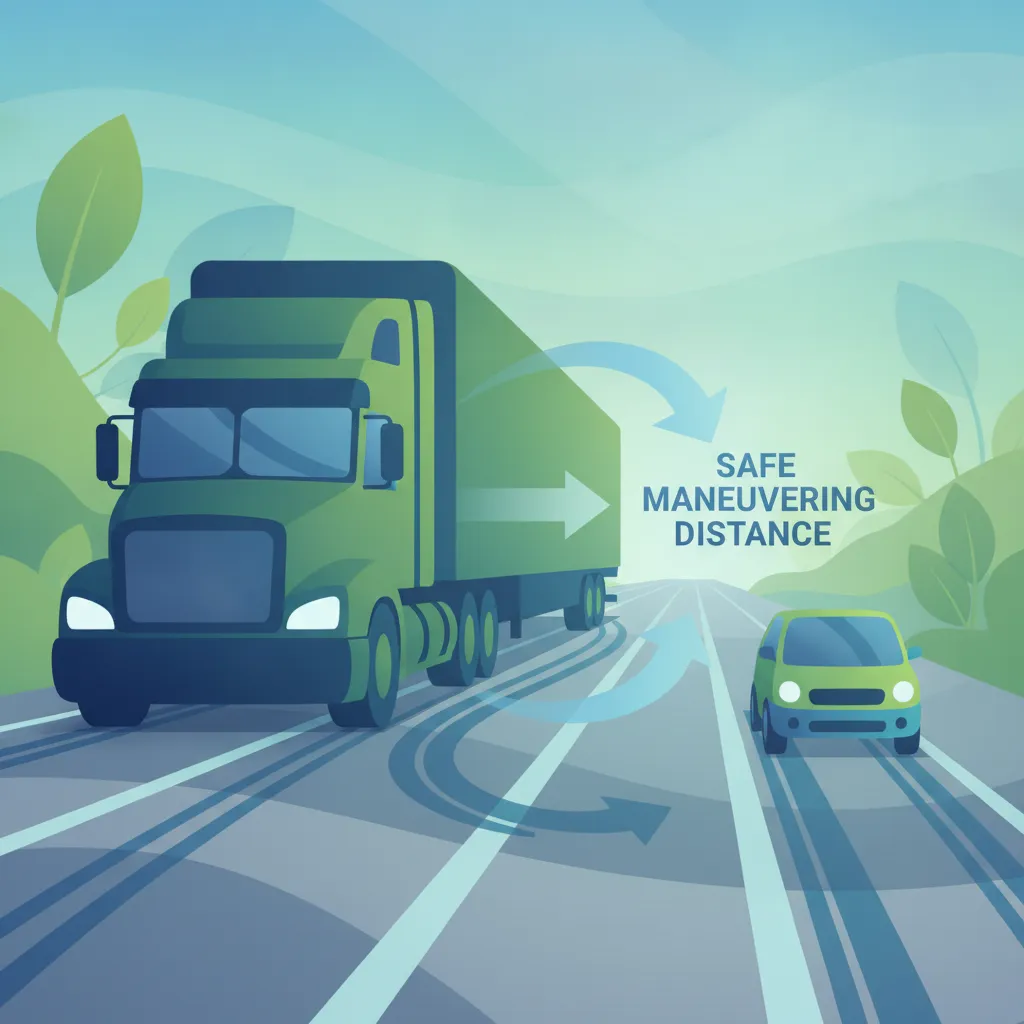
This lesson focuses on how the size and dimensions of goods vehicles influence their interaction with road infrastructure and overall traffic flow. It discusses the increased road space occupancy, especially in urban settings, and the implications for lane usage, bridge clearances, and tunnel dimensions. Learners will gain insight into the infrastructure challenges posed by large vehicles, including wear on road surfaces.
Learners will explore the fundamentals of maintaining correct lane discipline, focusing on appropriate lane positioning, understanding lane markings, and executing lane changes safely. Emphasis is placed on the unique considerations for large passenger vehicles within the lane, such as width and maneuverability. The lesson also addresses the impact of proper lane discipline on overall traffic flow and safety.
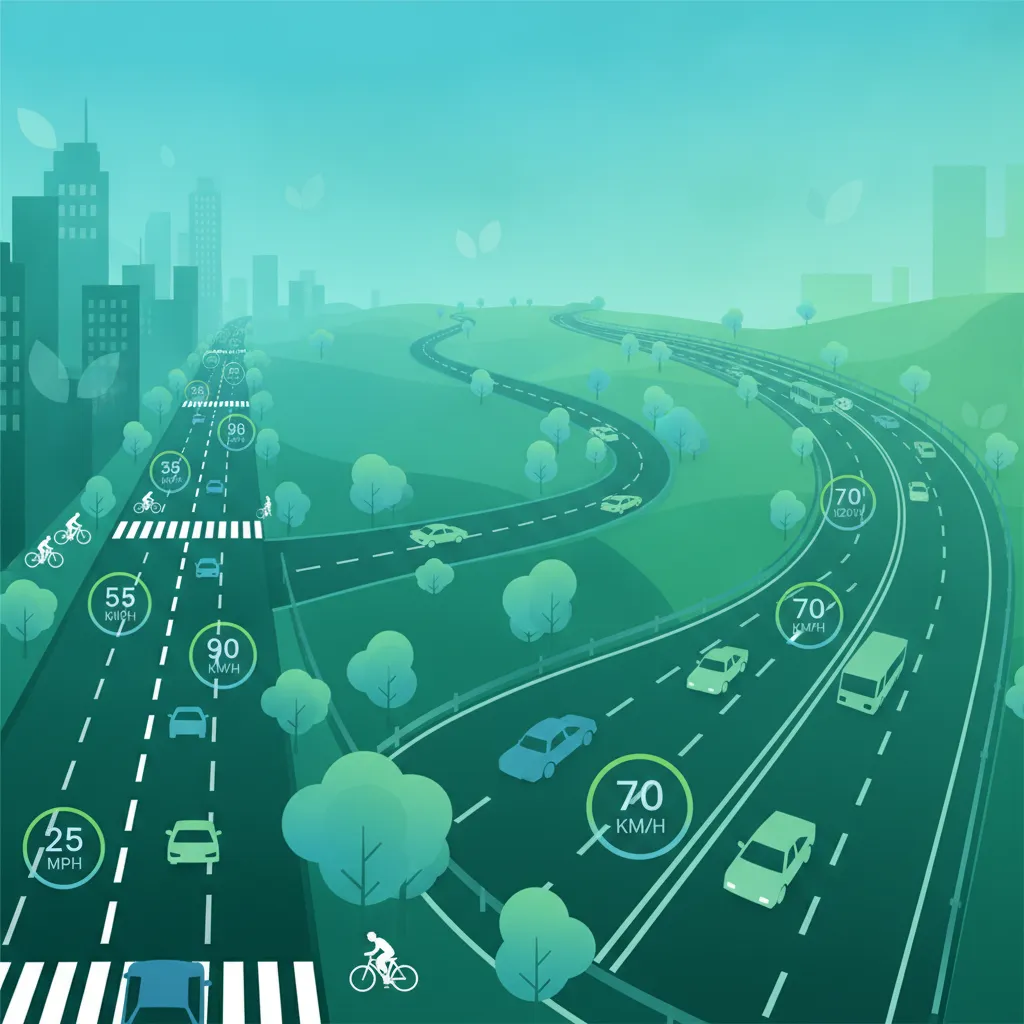
This lesson focuses on managing vehicle speed according to different road environments—urban, rural, and highways—while complying with legal speed limits and traffic flow. Learners will understand how to adjust speed for varying road conditions, traffic density, and safety considerations, ensuring a balance between efficiency and risk mitigation.
This lesson focuses on the critical importance of lane discipline and proper lane usage for large goods vehicles. Learners will understand the challenges posed by wider vehicle dimensions, the necessity of maintaining adequate lane occupancy, and the need for precise lane keeping. Emphasis is placed on selecting appropriate lanes, adhering to traffic flow, and ensuring general highway safety.
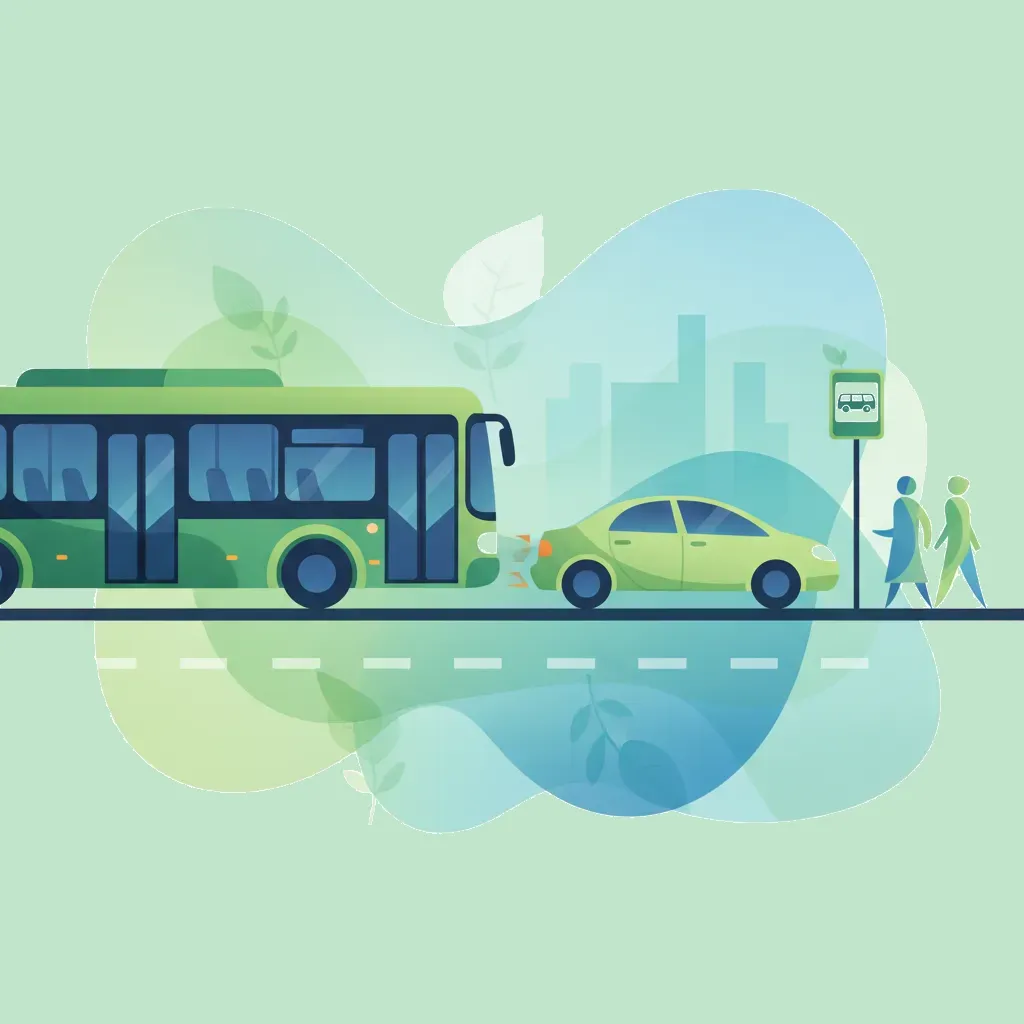
This lesson focuses on the proper approach to bus stops and terminals within city traffic, emphasizing safe positioning, adherence to traffic signals, and maintaining smooth traffic flow. Learners will understand the importance of signaling intentions, checking blind spots, and ensuring the safety of boarding and alighting passengers. Effective stop management reduces the risk of accidents and traffic disruption.
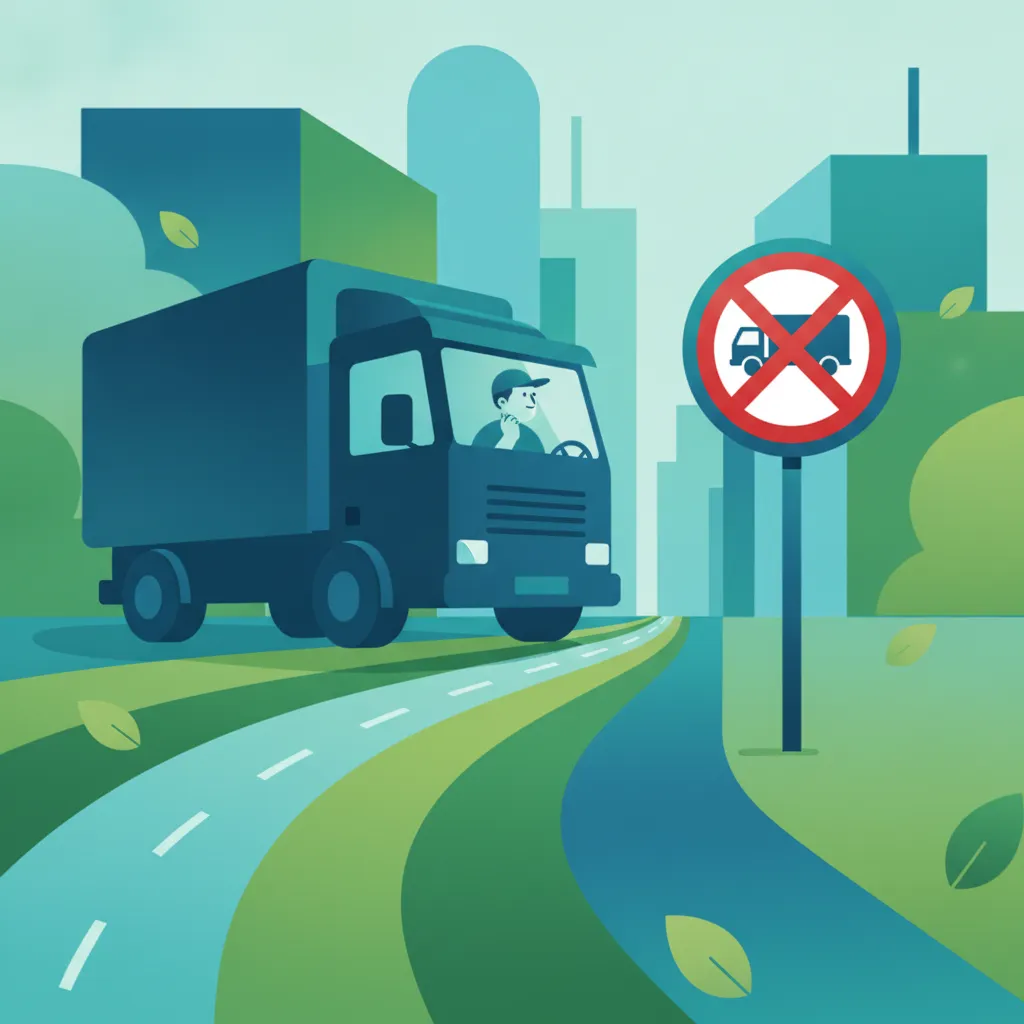
This lesson focuses on the various access restrictions imposed on heavy goods vehicles within Turkish road networks. Learners will understand the reasons for restrictions such as low bridge clearances, tunnel usage, construction zones, and urban delivery area limitations. The lesson also covers how to recognize and comply with legal notices and signage indicating restricted commercial zones.
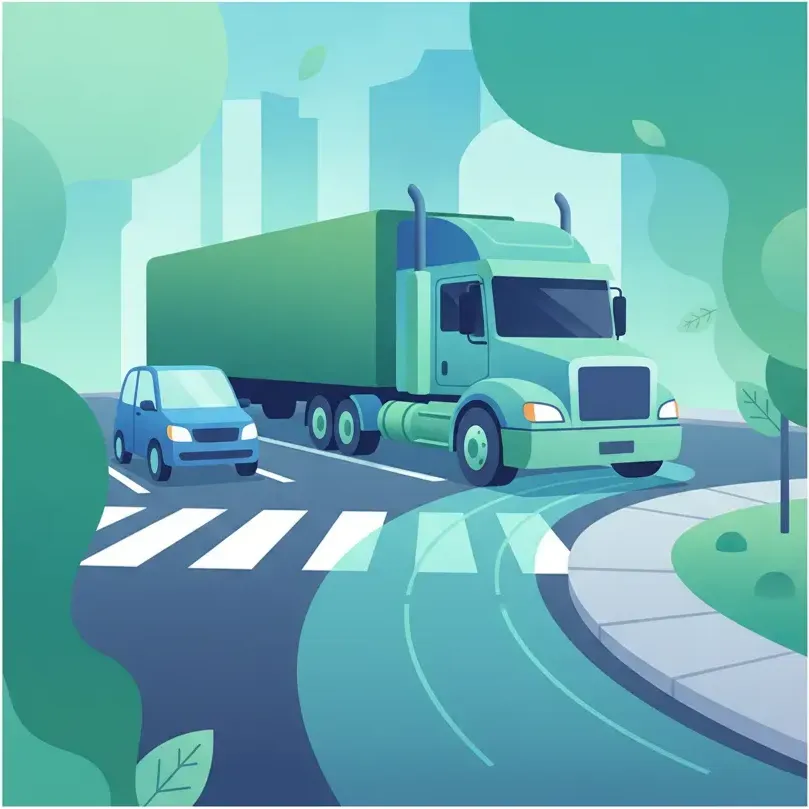
This lesson examines the specific road space requirements necessary for large goods vehicles to operate safely and efficiently. Topics include the need for adequate lane width, lateral clearance, and turning lanes to accommodate wider and longer vehicles. Learners will explore the proper use of shoulders, overtaking procedures, and the impact of large vehicles on overall road capacity in traffic.
Understand the legal and safety protocols for handling vehicle breakdowns, fire, and emergency evacuations for passenger transport. This lesson explains how to identify critical vehicle failures and implement established safety procedures to protect passengers and maintain professional conduct on the road.

Learners will examine common vehicle emergencies that may occur while transporting passengers, such as fires, tire blowouts, or brake failures. The lesson emphasizes quick recognition of warning signs and outlines step-by-step emergency protocols to ensure the safety of passengers and other road users. Strategies for effective incident response and communication are also covered.
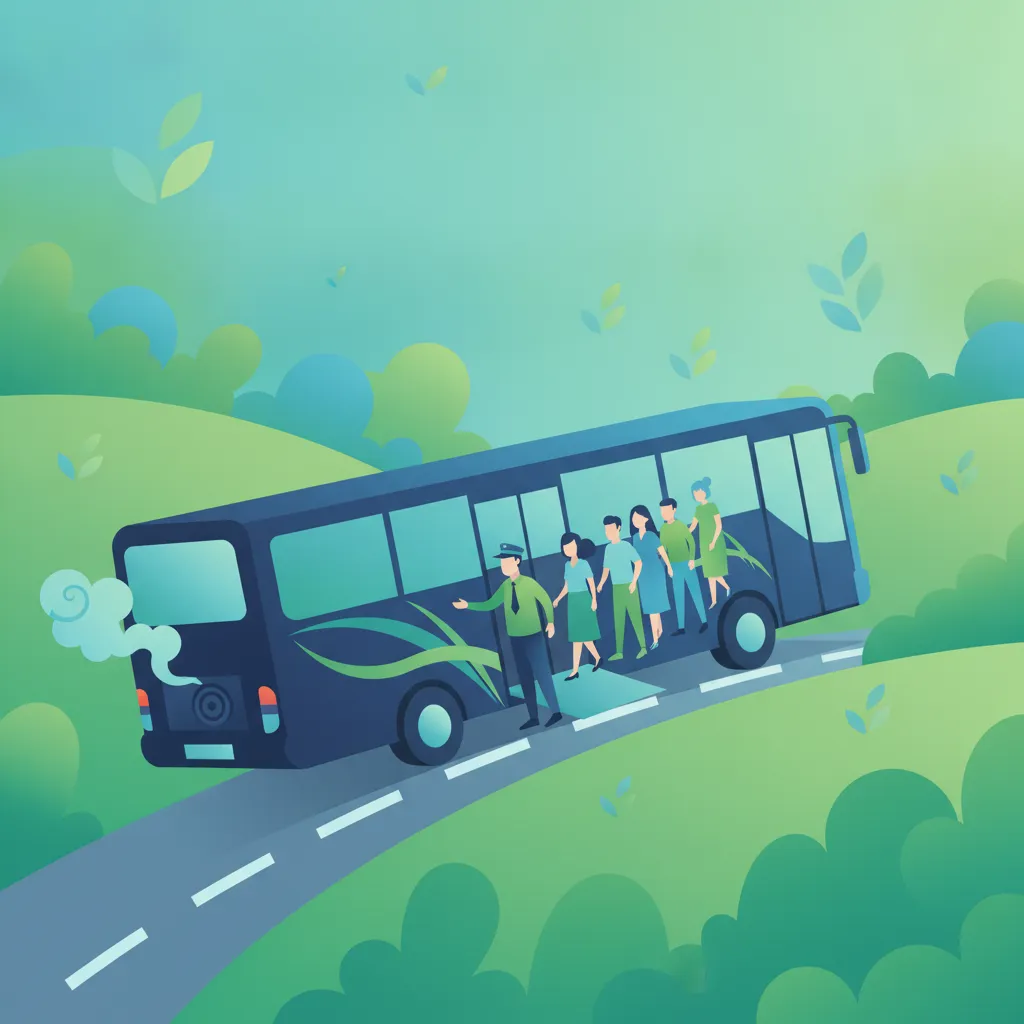
This lesson details the procedures for safely evacuating passengers from a bus in the event of a fire or other critical emergency. Topics include the location and use of emergency exits, fire extinguishers, and lighting, as well as the importance of clear communication and orderly movement of passengers. Practical steps for assisting vulnerable passengers during evacuation are emphasized.
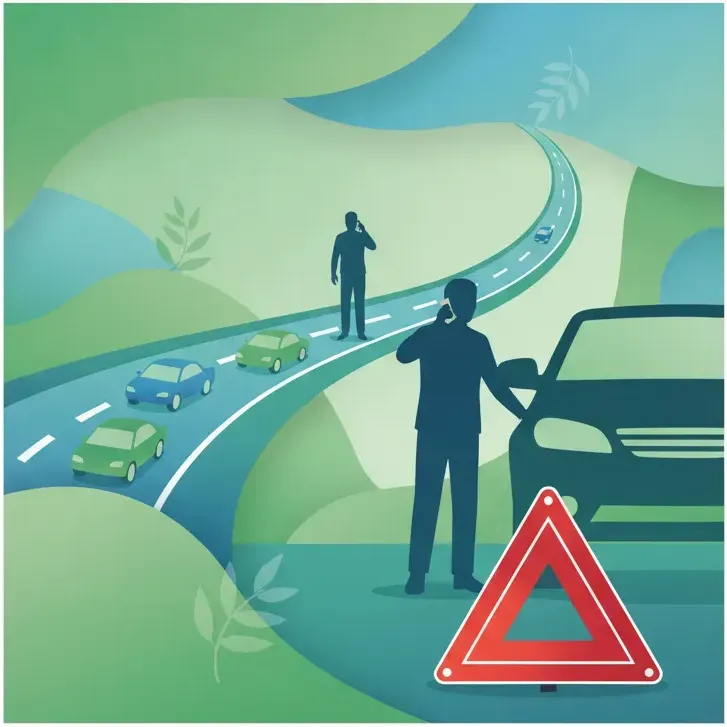
This lesson provides guidance on appropriate actions to take in the event of an accident or emergency while operating a goods vehicle. Learners will understand how to secure the scene, call Turkish emergency services (112), provide basic first aid, and complete necessary documentation. Emphasis is placed on ensuring personal safety, preventing further incidents, and facilitating rescue teams.
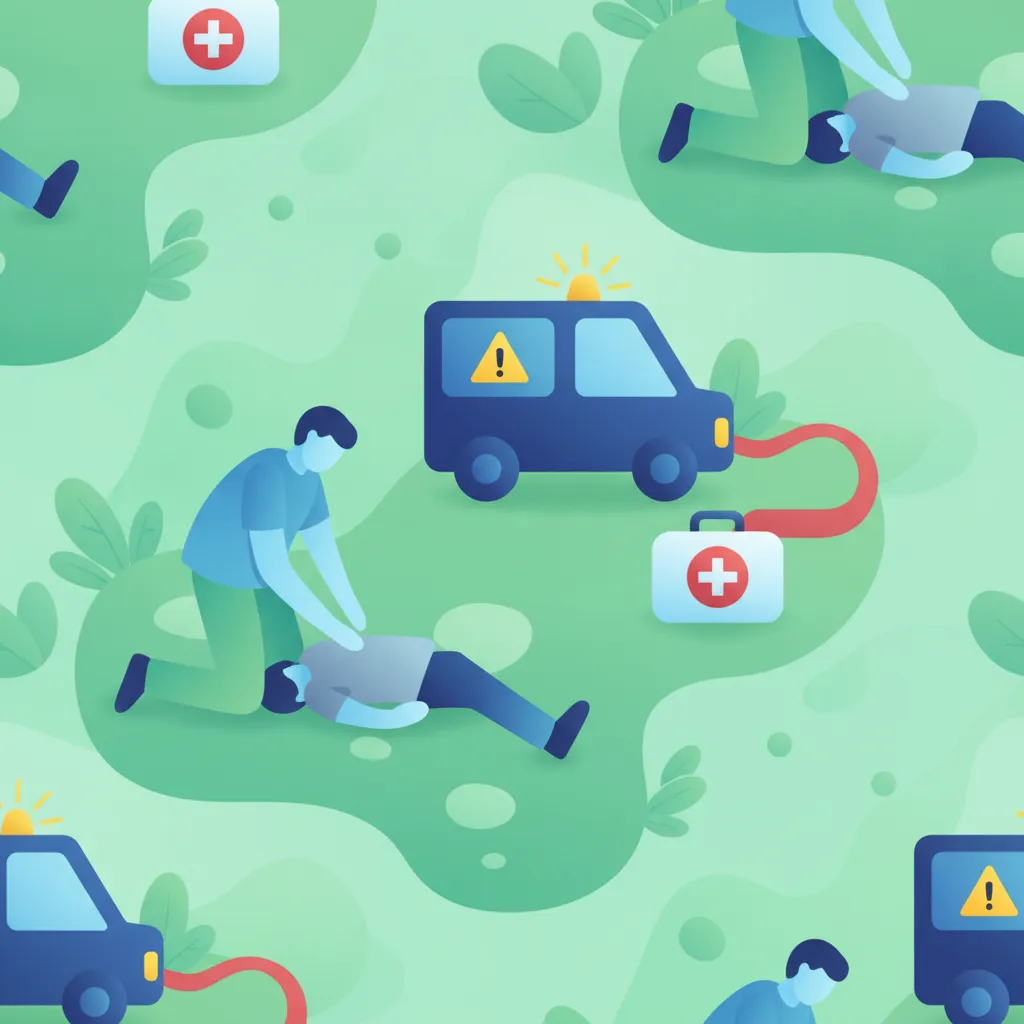
This lesson explains the critical steps to take during a road accident, focusing on scene safety, emergency calling, and basic first aid. It details how to secure the crash scene using reflectors to prevent secondary collisions and how to assess injured victims safely. Drivers will learn essential life-saving techniques required by Turkish law.
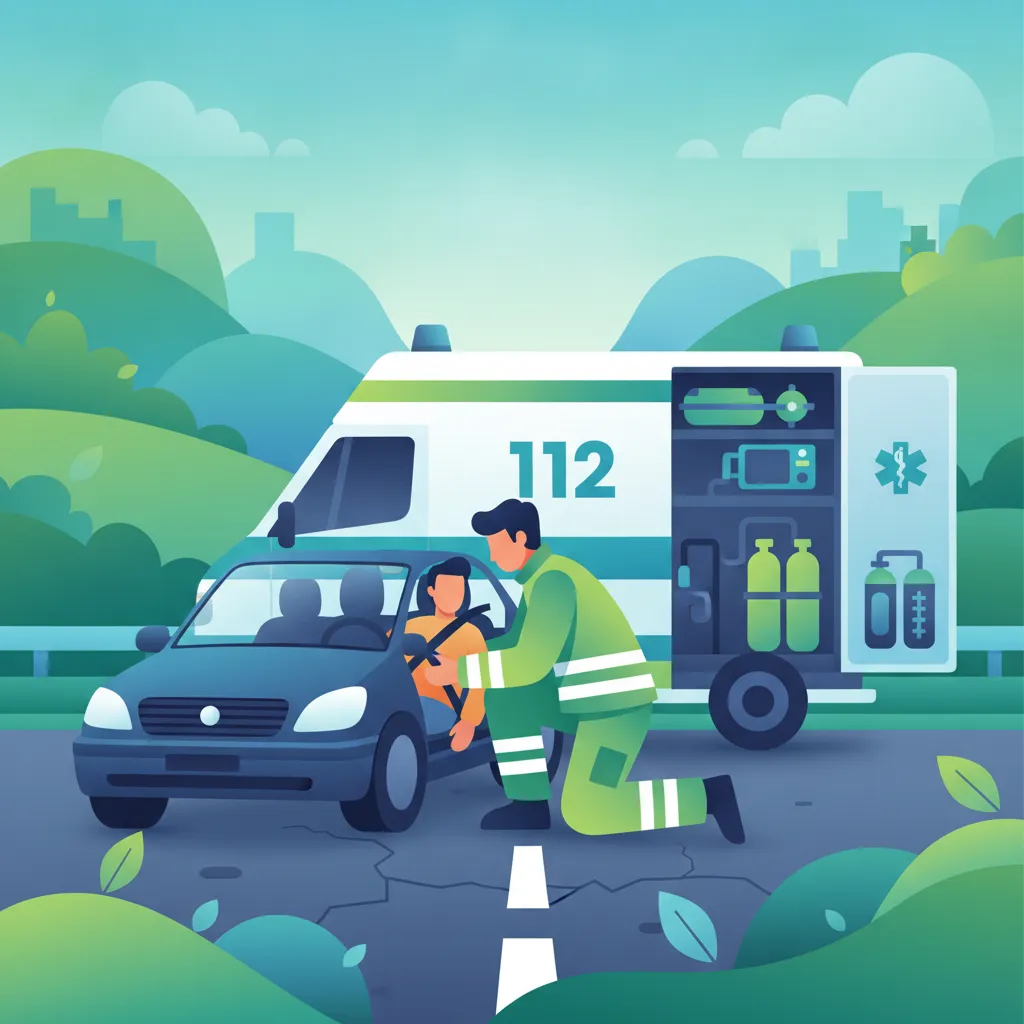
This lesson educates learners on the critical role of the 112 emergency service in Turkey, covering how to effectively report accidents and seek assistance. It emphasizes the importance of clear communication with dispatchers, providing accurate information such as location and nature of the incident. Additionally, the lesson introduces basic first aid principles that riders can apply while awaiting professional help, underscoring collective responsibility.

Learners will explore the core safety priorities for passenger transport, including the correct use of seat belts, securing luggage, and maintaining passenger stability during vehicle motion. The lesson highlights the importance of clear safety briefings, the location and operation of emergency exits, and conducting risk assessments before departure. By mastering these practices, drivers can significantly reduce the likelihood of accidents and injuries.
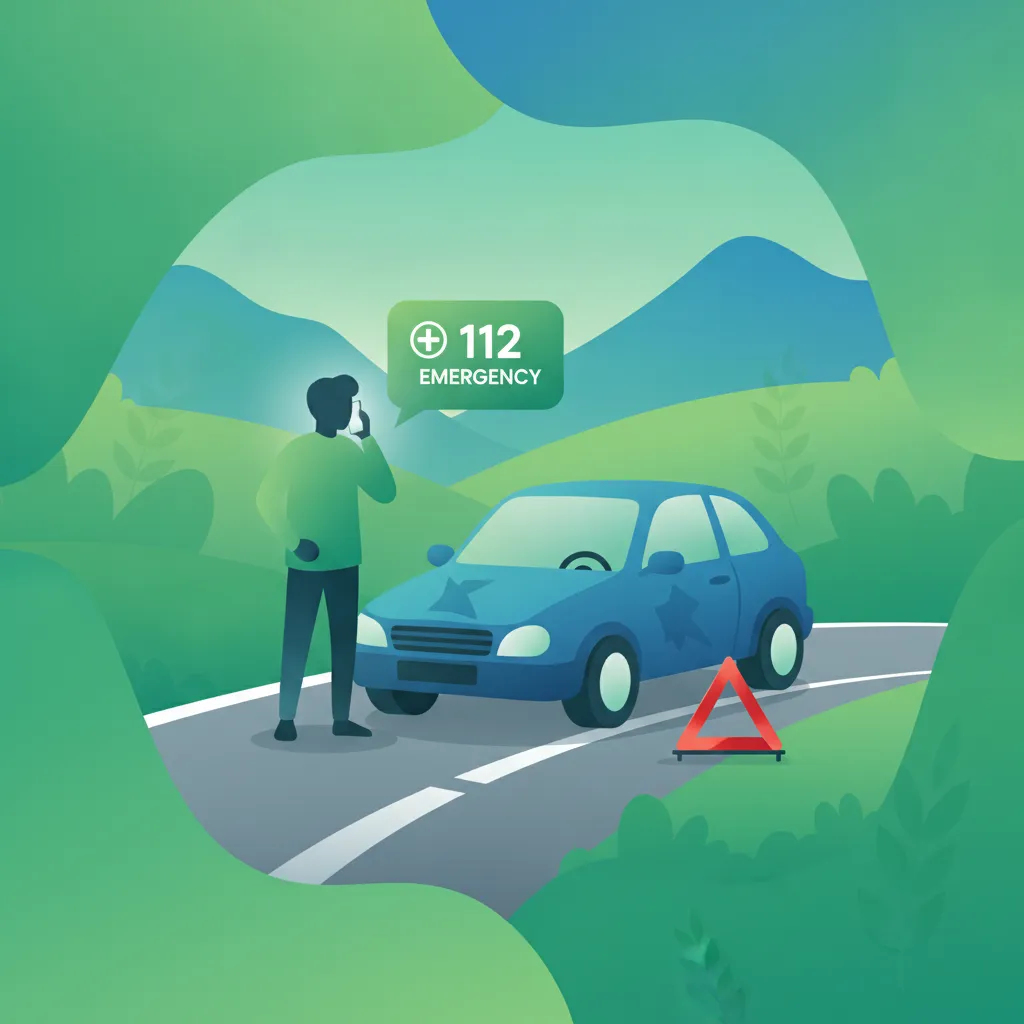
Knowing how to act immediately following a traffic accident or mechanical breakdown is crucial for saving lives and preventing secondary collisions. This lesson provides clear instructions on securing the scene using warning markers, assessing injuries, and immediately dialing the national 112 emergency number. You will learn what critical information to report, how to administer basic life-saving first aid within your capacity, and how to position a disabled moped safely out of active traffic lanes.
Learners will explore best practices for ensuring passenger safety during the boarding and alighting process, focusing on proper vehicle positioning, door operation, and passenger assistance. The lesson covers the use of handrails, steps, and ramps, as well as strategies for managing standing passengers and luggage. Emphasis is placed on clear communication and maintaining situational awareness to prevent accidents.
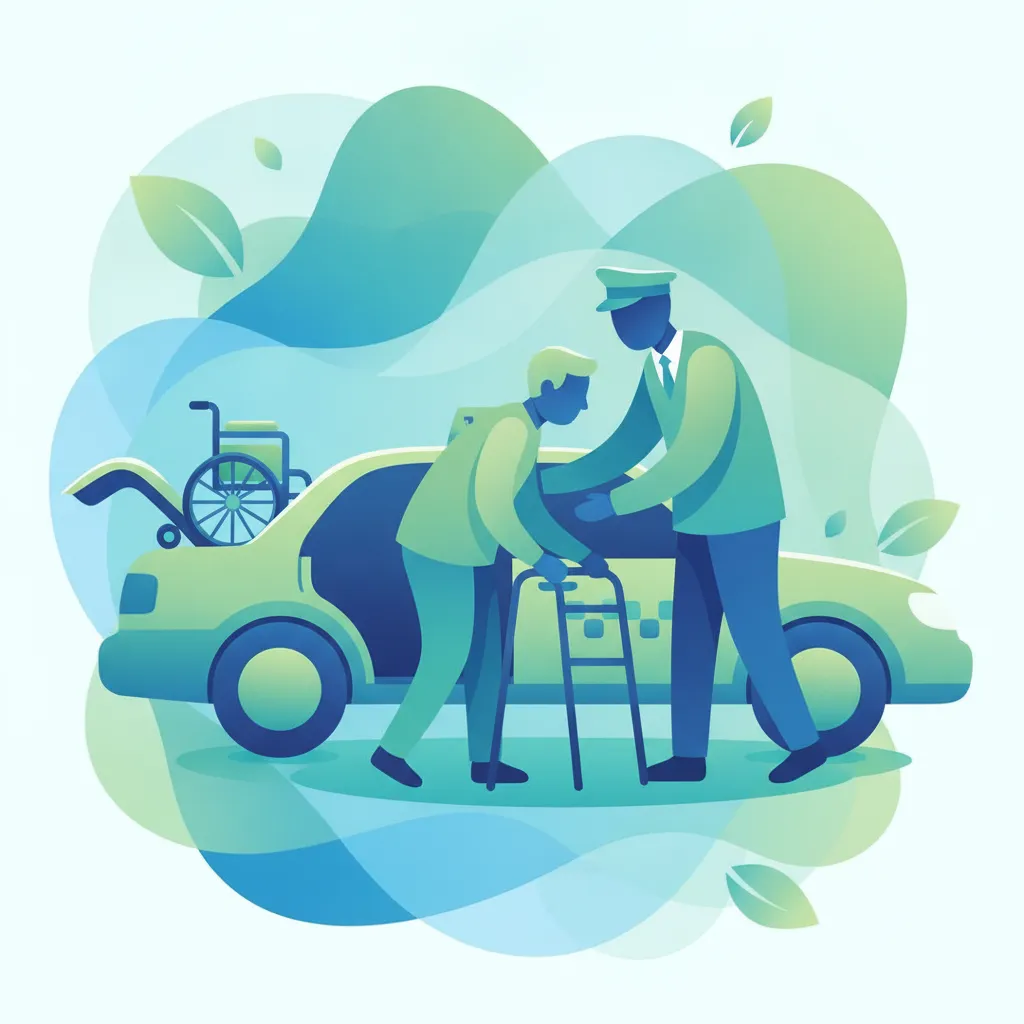
This lesson focuses on the specific considerations required when transporting children, elderly individuals, and passengers with reduced mobility. Topics include the proper installation of child safety seats, techniques for assisting elderly passengers, and procedures for safely boarding and securing wheelchair users. Drivers will learn how to use accessibility features and special equipment to ensure a safe and dignified travel experience for these vulnerable groups.
Find clear answers to common questions learners have about Highway and Expressway Conduct for Passenger Vehicles. Learn how the lesson is structured, which driving theory objectives it supports, and how it fits into the overall learning path of units and curriculum progression in Turkey. These explanations help you understand key concepts, lesson flow, and exam focused study goals.
Yes. Turkish traffic law dictates specific speed limits for heavy passenger vehicles like buses, which are often lower than those for passenger cars. You must always refer to the specific signs on the route, as speed limits for Class D vehicles can change based on vehicle weight and road classification.
Generally, heavy vehicles and buses should use the right-hand lane unless they are overtaking. Driving in the middle or far-left lanes for extended periods without a valid reason, such as a planned overtake, is a common error and is strictly prohibited.
No, stopping, waiting, or parking on highways and expressways is strictly prohibited except in designated service areas or emergency shoulders in genuine mechanical failure scenarios. Dropping off passengers on the highway is a severe safety violation.
You must use the acceleration lane to match the speed of the highway traffic safely. Since large vehicles have slower acceleration, you must begin building speed early and signal clearly, ensuring you do not force other drivers to brake abruptly.
Use our comprehensive practice search to find exactly the Turkish driving theory questions you need to master. Whether reviewing specific road signs, traffic rules, or first aid scenarios, select your perfect practice set and boost your confidence for the official ehliyet sınavı.