This lesson details the specific medical and physical fitness standards required for professional passenger vehicle drivers in Turkey. You will learn how to maintain your credentials through mandated health screenings and the value of ongoing professional development for safe public transport operation.

Lesson content overview
Operating a passenger-carrying vehicle like a bus or coach requires a high level of responsibility. Because the safety of dozens of passengers and other road users depends entirely on the driver, the Turkish highway regulations enforce stringent physical, mental, and professional standards.
To obtain and maintain a Turkish Class D (Bus) Driving Licence, candidates must prove both their initial medical fitness and their ongoing capabilities through periodic health exams, psychotechnical evaluations, and continuing professional education. This lesson covers these medical requirements, the evaluation procedures, and the professional credentials required to work legally and safely in the Turkish passenger transport sector.
Under the Turkish Highway Traffic Regulation (Karayolları Trafik Yönetmeliği), driver candidates and active drivers are divided into two primary health categories based on the category of licence they hold or are applying for.
A legal classification under Turkish law that applies to heavy vehicle and commercial drivers, including Class D passenger transport operators. Drivers in this group must meet much stricter medical, psychological, and physiological criteria compared to standard passenger car drivers.
Because Class D drivers operate large buses, they fall strictly under Group 2 medical standards. These standards require more frequent reassessments, higher sensory acuity, and stricter limits on chronic health conditions.
To obtain the mandatory Driver Health Report (Sürücü Sağlık Raporu) from an authorized family physician (aile hekimi), state hospital, or private medical center, Group 2 candidates must pass comprehensive assessments across several medical fields.
Vision is the most critical sensory input for safe driving. The standards for Group 2 drivers are significantly higher than those for standard car drivers:
Operating a bus requires detecting acoustic warning signals, sirens, and unusual engine sounds.
Any medical condition that risks sudden loss of consciousness or impaired muscle control is highly hazardous when carrying passengers.
In addition to standard medical exams, all professional drivers in Turkey must undergo and pass a Psychotechnical Evaluation (Psikoteknik Değerlendirme).
A mandatory, computer-assisted psychological and physical reflex assessment designed to measure a commercial driver's cognitive skills, coordination, and behavioral reactions under driving pressure.
This test is not a simple written exam; it is a standardized laboratory evaluation lasting a minimum of one hour.
| Evaluated Skill | Diagnostic Focus | Safety Rationale |
|---|---|---|
| Reaction Time | Time taken to respond to sudden visual or auditory stimuli. | Critical for emergency braking and avoiding sudden collisions. |
| Selective Attention | Ability to focus on relevant road signs while ignoring distractions. | Prevents cognitive overload in complex urban intersections. |
| Tracking and Coordination | Hand-eye and foot coordination while tracking moving targets. | Ensures precise control of large buses under tight maneuvering situations. |
| Perception of Speed and Distance | Accuracy in estimating the relative speed of oncoming vehicles. | Crucial for safe overtaking and lane merges on high-speed highways. |
| Risk Tolerance and Aggression | Psychological profiles analyzing impulsivity, anger, and stress tolerance. | Identifies drivers prone to road rage or reckless maneuvering. |
Under Turkish law, the Psychotechnical Certificate (Psikoteknik Raporu) is valid for exactly 5 years. Drivers must undergo reassessment and renew their certificate prior to its expiration. Driving a commercial passenger vehicle with an expired or missing psychotechnical report is a major traffic violation, resulting in heavy administrative fines for both the driver and the transport operator.
Holding a Turkish Class D licence proves you have the legal right to drive a bus, but it does not automatically authorize you to perform commercial transport operations. To work professionally, drivers must obtain the appropriate SRC Certificate (Mesleki Yeterlilik Belgesi).
The Turkish Ministry of Transport and Infrastructure issues specific SRC certificates based on the type and geography of the cargo or passengers being carried:
Licence and SRC Compliance: If you hold a Class D driving licence but operate a commercial bus without a valid SRC 1 or SRC 2 certificate, both you and your employer will face separate, costly administrative fines under the Road Transport Law (Karayolu Taşıma Kanunu).
The process of obtaining and keeping your medical clearance follows a strict sequence of administrative and clinical steps.
Initial Health Assessment Request: Apply through the Turkish e-Devlet (e-Government) system by filling out the "Personal Health Information Form" (Kişisel Sağlık Bilgi Formu).
Family Physician Consultation: Visit your designated family physician (Aile Hekimi). The physician will run basic visual and physical checks.
Specialist Referral (If Required): If the family doctor detects any potential risk factors (e.g., heart murmur, suspected vision deficits), they will refer you to a state or private hospital specialist for a Group 2 detailed evaluation.
Report Issuance: Once cleared, your electronic health report (Sürücü Sağlık Raporu) is logged directly into the Ministry of Health database and linked to your national ID number.
While standard Group 1 licences (Class B) are valid for 10 years in Turkey, Group 2 licences (Class D, D1, C, CE) are valid for only 5 years.
Many drivers fail to maintain their medical or professional credentials, leading to significant personal liability and professional downtime.
The physiological demands of driving a Class D passenger vehicle are intense. Bus routes often require long hours of high concentration, navigation through dense city traffic, or continuous night driving on intercity expressways.
By ensuring absolute compliance with visual acuity, cardiovascular health, and cognitive processing limits, the Turkish transport sector maintains a protective shield over its citizens. A fit, educated, and regularly evaluated driver is the single most effective tool for preventing catastrophic transport accidents and maintaining public trust in the highway transport network.
Explore all units and lessons included in this driving theory course.
Lesson content overview
Explore all units and lessons included in this driving theory course.
Explore search topics learners often look for when studying Driver Fitness, Medical Requirements, and Continuing Education. These topics reflect common questions about road rules, driving situations, safety guidance, and lesson level theory preparation for learners in Turkey.
Browse additional driving theory lessons that cover connected traffic rules, road signs, and common driving situations related to this topic. Improve your understanding of how different rules interact across everyday traffic scenarios.
Learn about the regulatory framework governing passenger vehicle operators in Turkey. This lesson covers ethical conduct, legal documentation requirements, and the professional responsibilities associated with holding a Class D licence to ensure full compliance with current Turkish traffic and transport laws.
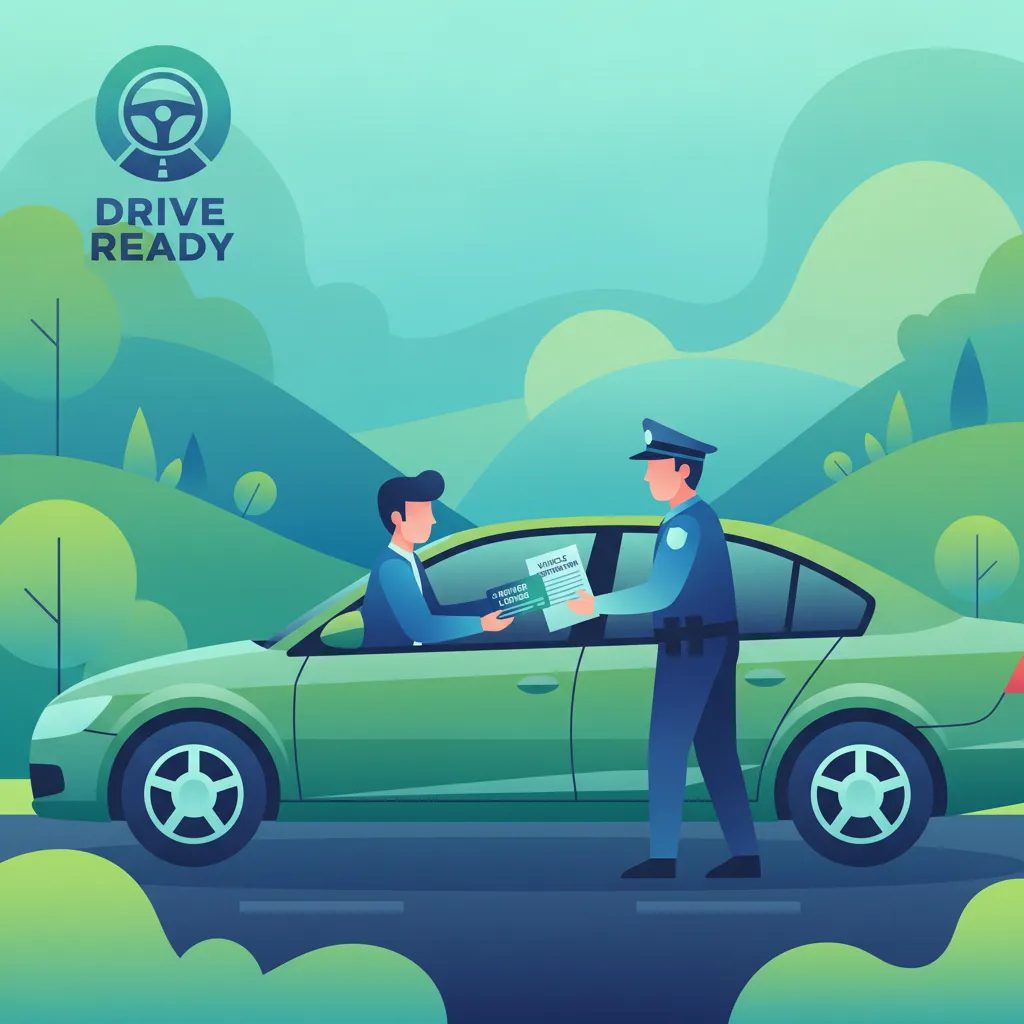
This lesson details the statutory duties imposed on motor vehicle drivers by Turkish traffic legislation to maintain order on public roads. It emphasizes mandatory seat belt usage, mobile phone bans, vehicle inspection rules, and general compliance with police directions. Understanding these duties ensures drivers avoid heavy penalties and maintain road safety.
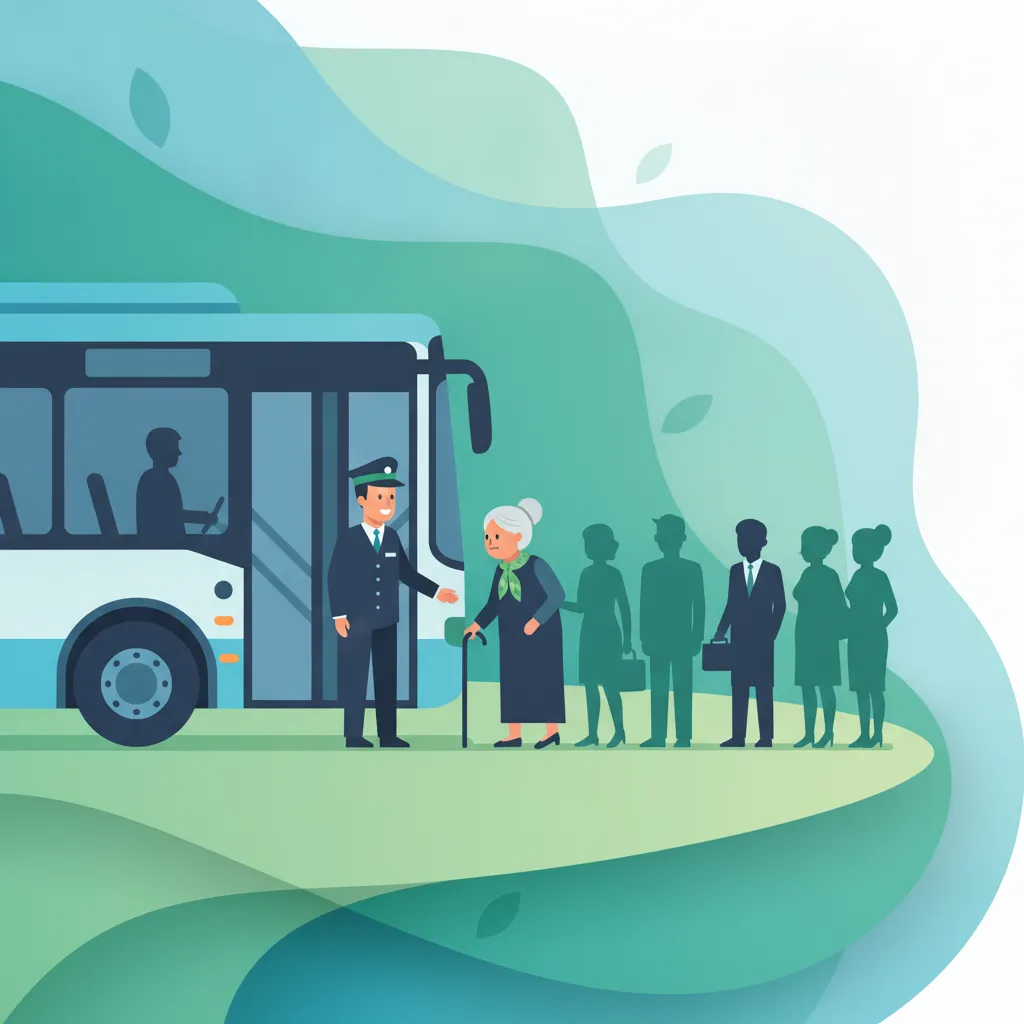
This lesson explores the standards of conduct expected from passenger vehicle drivers, emphasizing ethical decision-making and interactions with passengers and the public. It covers the impact of driver behaviour on public perception, the importance of maintaining a professional image, and the responsibilities inherent in transporting passengers safely and courteously. Learners will develop an understanding of how ethical practices contribute to service excellence and public trust.
This lesson delves into the ethical responsibilities and professional standards expected of goods vehicle drivers, emphasizing their pivotal role in ensuring traffic safety. It explores the duty of care owed to other road users and the broader societal expectations placed upon professional drivers. Learners will examine how their conduct directly influences public trust and overall traffic flow in urban environments.
In this lesson, participants will learn about the specific offences and penalties that apply to passenger vehicle drivers, focusing on violations that directly jeopardize passenger safety and public security. The content outlines the legal repercussions of non-compliance, including fines, licence suspensions, and other enforcement actions. Understanding these penalties reinforces the critical nature of adhering to traffic laws and safety protocols in professional passenger transport.

This lesson focuses on the importance of maintaining professional conduct when interacting with traffic authorities, law enforcement, and the general public. Learners will explore communication techniques that convey respect and courtesy, even in stressful situations. Emphasis is placed on upholding a positive image of the transportation industry and resolving conflicts amicably on the road.

Learners will explore the core safety priorities for passenger transport, including the correct use of seat belts, securing luggage, and maintaining passenger stability during vehicle motion. The lesson highlights the importance of clear safety briefings, the location and operation of emergency exits, and conducting risk assessments before departure. By mastering these practices, drivers can significantly reduce the likelihood of accidents and injuries.

Learners will examine the specific licence categories applicable to passenger vehicles, detailing the legal definitions and core obligations tied to each class. The lesson clarifies the prerequisites for obtaining each licence, the regulatory environment governing passenger transport, and the responsibilities drivers assume upon certification. By understanding these legal foundations, participants will be prepared to navigate the regulatory landscape effectively in their professional roles.
This lesson examines the integral role of the goods vehicle driver in contributing to overall traffic safety and a positive safety culture. It focuses on proactive driving behaviors, hazard identification, and effective risk management strategies. Communication techniques with other road users, compliance with traffic flow regulations, and competent emergency responses are highlighted as essential skills.

Learners will examine the broader concept of fostering a safety-oriented and professional culture within passenger transport services. The lesson discusses the impact of driver attitudes on passenger trust, the importance of ongoing safety training, and the role of ethical conduct in enhancing service quality. Strategies for promoting a proactive safety mindset among drivers and staff are presented.
This lesson outlines the legal framework governing passenger vehicle operation, highlighting the penalties for various offences, such as speeding, failure to adhere to stop procedures, or neglecting passenger safety protocols. Learners will understand the importance of compliance to avoid fines, licence suspension, or other legal actions, and the role of regulatory bodies in enforcement.
Understand the critical protocols for handling vehicle emergencies and passenger evacuations on Turkish roads. This guide details safety best practices, fire hazard management, and the driver's duty to protect passengers during unforeseen incidents to maintain a culture of safety in public transport services.

This lesson details the procedures for safely evacuating passengers from a bus in the event of a fire or other critical emergency. Topics include the location and use of emergency exits, fire extinguishers, and lighting, as well as the importance of clear communication and orderly movement of passengers. Practical steps for assisting vulnerable passengers during evacuation are emphasized.

Learners will examine common vehicle emergencies that may occur while transporting passengers, such as fires, tire blowouts, or brake failures. The lesson emphasizes quick recognition of warning signs and outlines step-by-step emergency protocols to ensure the safety of passengers and other road users. Strategies for effective incident response and communication are also covered.

Learners will explore best practices for ensuring passenger safety during the boarding and alighting process, focusing on proper vehicle positioning, door operation, and passenger assistance. The lesson covers the use of handrails, steps, and ramps, as well as strategies for managing standing passengers and luggage. Emphasis is placed on clear communication and maintaining situational awareness to prevent accidents.
Find clear answers to common questions learners have about Driver Fitness, Medical Requirements, and Continuing Education. Learn how the lesson is structured, which driving theory objectives it supports, and how it fits into the overall learning path of units and curriculum progression in Turkey. These explanations help you understand key concepts, lesson flow, and exam focused study goals.
Professional drivers must provide an official medical report confirming their physical and mental fitness to operate passenger vehicles. This includes specific tests for vision, hearing, and overall systemic health as dictated by current transport legislation.
While initial reports are required for the application, professional Class D drivers must adhere to periodic health check-up schedules to ensure their fitness remains current, especially as they age or if specific health conditions arise.
Continuing education ensures that drivers remain up-to-date with evolving highway laws, new vehicle technology, and best practices for passenger safety. It is a legal obligation for professional drivers to keep their knowledge aligned with current safety standards.
Certain medical conditions must be reported to the relevant authorities immediately. A doctor will assess whether the condition impacts your ability to drive safely, which may lead to a temporary or permanent suspension of your commercial driving privileges.
Use our comprehensive practice search to find exactly the Turkish driving theory questions you need to master. Whether reviewing specific road signs, traffic rules, or first aid scenarios, select your perfect practice set and boost your confidence for the official ehliyet sınavı.