
This lesson explores the essential role of driver attitude and ethical conduct in maintaining a professional service environment. It concludes our course by ensuring you understand how a proactive safety culture directly impacts passenger trust and exam success for your Class D licence.
Lesson content overview
Operating a passenger transport vehicle, such as a bus or coach, under a Turkish Class D driving licence (D Sınıfı Sürücü Belgesi), requires far more than basic vehicle handling. As a professional passenger transport driver, you are entrusted with the lives, safety, and comfort of dozens of passengers daily. Fostering a robust culture of safety and professionalism is not merely a legal obligation; it is the cornerstone of public trust, passenger satisfaction, and operational excellence in the transit sector.
This lesson explores the essential frameworks of safety culture, professional conduct, continuous vocational training (such as the Turkish SRC and psychotechnical requirements), and the ethical standards necessary to deliver exceptional transport services on Turkish highways and urban networks.
A safety culture represents the shared values, attitudes, and behaviors within a transport organization and among its drivers that prioritize safety above all other operational demands. It is not a static checklist of rules, but a living, proactive commitment to identifying hazards and mitigating risks before they result in accidents.
A successful safety culture relies on the synergy between organizational leadership and individual driver responsibility:
The collective commitment, values, and practices within an organization or professional group that prioritize safety as the highest operational standard, encouraging open communication and continuous risk mitigation.
Passenger anxiety is a significant, often overlooked variable in public transit. When a driver operates a vehicle smoothly, adheres to speed limits, and maintains a calm, focused posture, passengers experience a sense of security. Conversely, aggressive acceleration, sudden braking, or an agitated demeanor directly translates into passenger stress, which can lead to negative behavior, increased complaints, and a higher risk of in-vehicle slips or falls.
Professionalism in passenger transport is defined as the consistent display of competence, courtesy, integrity, and responsibility. Under the Turkish Road Transport Regulation (Karayolu Taşıma Yönetmeliği), drivers represent not only their employer but also the broader transport system of Turkey.
When passengers board, a brief greeting and a calm demeanor instantly set a professional tone for the entire journey. This simple act of courtesy can significantly de-escalate potential passenger conflicts later in the trip.
Professionalism is tested most during interactions with vulnerable passenger groups, including the elderly, children, pregnant women, and individuals with physical or cognitive disabilities.
A professional Class D driver must understand how to position the bus close to the curb at designated stops (durak) to allow easy boarding, operate wheelchair ramps correctly, and wait patiently until vulnerable passengers are fully seated before moving the vehicle.
In Turkey, obtaining a Class D licence is only the first step. To legally transport passengers professionally, drivers must hold specific vocational qualification certificates and undergo periodic training. This system ensures that drivers stay updated on legal revisions, advanced driving techniques, and safety standards.
The SRC certificate is a mandatory qualification card issued by the Ministry of Transport and Infrastructure (Ulaştırma ve Altyapı Bakanlığı). For passenger transport, two specific categories are relevant:
Both qualifications require passing rigorous exams covering traffic laws, professional ethics, passenger psychology, maps and route planning, and first aid.
Under Turkish traffic laws, professional passenger drivers must undergo a mandatory psychotechnical evaluation every five (5) years. This evaluation consists of computerized tests and clinical assessments designed to measure:
Drivers who fail to renew their psychotechnical report (Psikoteknik Raporu) or who do not pass the assessment are legally barred from operating passenger vehicles, emphasizing the state's commitment to maintaining a highly capable driver pool.
Continuous learning does not end with regulatory licensing. Industry-leading transport operators conduct periodic training modules including:
Emergency Evacuation and Fire Safety: Practical drills on using onboard fire extinguishers, activating emergency doors, and directing rapid passenger evacuations.
Defensive Driving and Skid Control: Simulating low-traction scenarios (e.g., black ice or heavy rain) to master steering corrections without losing vehicle control.
First Aid and Medical Response: Basic life support skills to manage passenger medical emergencies until professional paramedics arrive.
Ethical conduct means acting with moral integrity, fairness, and transparency. In passenger transport, ethics ensure that every passenger is treated with equal dignity, regardless of their background, language, or physical capabilities.
To maintain safety and order, specific legal structures govern driver behavior and company responsibilities under Turkish transport law.
A driver's professionalism and commitment to safety are put to the test when external conditions deteriorate. Adaptability and calm decision-making are critical markers of a high-tier professional.
| Driving Context | Professional Action & Mindset | Safety Impact |
|---|---|---|
| Adverse Weather (Snow, Fog, Heavy Rain) | Reduce speed, increase following distance, and proactively announce potential schedule delays to calm passenger anxiety. | Minimizes crash risks due to hydroplaning or low visibility; prevents passenger complaints about delayed arrivals. |
| Congested Urban Traffic | Maintain a calm physical posture, avoid aggressive horn use, and use smooth control inputs (gentle braking/acceleration). | Reduces driver stress, prevents on-board passenger falls, and lowers fuel consumption. |
| Night Operations | Ensure interior cabin lighting is correctly set to minimize wind-shield glare for the driver while maintaining passenger security. | Keeps driver focus on the dark road ahead while providing a safe interior atmosphere. |
| Technical Failures (e.g., AC Malfunction) | Pull over to a safe area if necessary, explain the situation clearly to passengers, and contact dispatch immediately for a backup vehicle. | Keeps passengers informed and cooperative, preventing panic or anger in confined spaces. |
Understanding where things go wrong is crucial to avoiding dangerous habits. Below are common professional lapses alongside their safety consequences and the correct path forward.
[Proactive Safety Mindset & Regular Training]
             │
             ├──► Smooth Vehicle Controls ──► Reduced Wear & Low Accident Rates
             │
             └──► Courteous Interactions ──► Higher Passenger Trust & Cooperation
This lesson covers the essential safety culture and professionalism framework required for Turkish Class D passenger transport drivers. It details the mandatory SRC vocational certificate system (SRC 1 for international, SRC 2 for domestic routes) and the 5-year psychotechnical evaluation requirement administered by the Ministry of Transport. Key professional duties include maintaining courteous passenger interactions, properly assisting vulnerable groups, conducting pre-trip inspections, and proactively reporting near-miss incidents. The lesson also addresses how drivers must adapt their conduct during adverse weather, congested traffic, night operations, and technical breakdowns while preserving passenger trust and safety. Legal rules governing driver conduct, ongoing training, and incident reporting create the accountability structure that underpins professional passenger transport in Turkey.
A short set of high-value points that capture the most important learning from this lesson.
Safety culture in passenger transport is a proactive, shared commitment between management and drivers that prioritizes hazard identification over schedule adherence.
Class D drivers must hold either SRC 1 (international) or SRC 2 (domestic) vocational certificates to legally transport passengers in Turkey.
Psychotechnical evaluations are mandatory every 5 years for professional passenger drivers in Turkey, assessing reaction time, vision, and stress tolerance.
Professional demeanor directly impacts passenger safety by reducing anxiety, preventing in-vehicle falls, and maintaining a cooperative cabin environment.
Near-miss incidents and mechanical anomalies must always be formally reported, even when no accident occurs, to prevent future hazards.
Explore all units and lessons included in this driving theory course.
SRC Belgesi certificates come in two categories: SRC 1 for international passenger transport and SRC 2 for domestic passenger transport within Turkey.
The psychotechnical evaluation (Psikoteknik Değerlendirme) must be renewed every 5 years; operating without a valid report results in legal prohibition from driving passenger vehicles.
Vulnerable passengers include the elderly, children, pregnant women, and people with disabilities who require extra assistance during boarding, travel, and alighting.
Drivers must always assist vulnerable passengers fully before moving the vehicle, including deploying wheelchair ramps and waiting until they are seated.
All incidents affecting safety, health, or professional integrity must be reported immediately to supervisors under Turkish safety management regulations.
Assuming that 'no accident' means 'no report needed' after a near-miss event, when in fact all near-misses and mechanical anomalies require formal incident logging.
Believing that obtaining the Class D licence is the final requirement, when ongoing SRC certification and psychotechnical renewal are equally mandatory for legal operation.
Treating passenger courtesy as optional rather than a core professional duty that directly affects cabin safety and service reputation.
Failing to communicate honestly during delays or breakdowns, which increases passenger anxiety and leads to complaints and potential conflict.
Displaying impatience or frustration during heavy traffic by tailgating or aggressive lane changes, which endangers dozens of passengers and violates defensive driving principles.
Lesson content overview
A short set of high-value points that capture the most important learning from this lesson.
Safety culture in passenger transport is a proactive, shared commitment between management and drivers that prioritizes hazard identification over schedule adherence.
Class D drivers must hold either SRC 1 (international) or SRC 2 (domestic) vocational certificates to legally transport passengers in Turkey.
Psychotechnical evaluations are mandatory every 5 years for professional passenger drivers in Turkey, assessing reaction time, vision, and stress tolerance.
Professional demeanor directly impacts passenger safety by reducing anxiety, preventing in-vehicle falls, and maintaining a cooperative cabin environment.
Near-miss incidents and mechanical anomalies must always be formally reported, even when no accident occurs, to prevent future hazards.
Explore all units and lessons included in this driving theory course.
SRC Belgesi certificates come in two categories: SRC 1 for international passenger transport and SRC 2 for domestic passenger transport within Turkey.
The psychotechnical evaluation (Psikoteknik Değerlendirme) must be renewed every 5 years; operating without a valid report results in legal prohibition from driving passenger vehicles.
Vulnerable passengers include the elderly, children, pregnant women, and people with disabilities who require extra assistance during boarding, travel, and alighting.
Drivers must always assist vulnerable passengers fully before moving the vehicle, including deploying wheelchair ramps and waiting until they are seated.
All incidents affecting safety, health, or professional integrity must be reported immediately to supervisors under Turkish safety management regulations.
Assuming that 'no accident' means 'no report needed' after a near-miss event, when in fact all near-misses and mechanical anomalies require formal incident logging.
Believing that obtaining the Class D licence is the final requirement, when ongoing SRC certification and psychotechnical renewal are equally mandatory for legal operation.
Treating passenger courtesy as optional rather than a core professional duty that directly affects cabin safety and service reputation.
Failing to communicate honestly during delays or breakdowns, which increases passenger anxiety and leads to complaints and potential conflict.
Displaying impatience or frustration during heavy traffic by tailgating or aggressive lane changes, which endangers dozens of passengers and violates defensive driving principles.
Explore search topics learners often look for when studying Cultivating a Culture of Safety and Professionalism in Passenger Transport. These topics reflect common questions about road rules, driving situations, safety guidance, and lesson level theory preparation for learners in Turkey.
Browse additional driving theory lessons that cover connected traffic rules, road signs, and common driving situations related to this topic. Improve your understanding of how different rules interact across everyday traffic scenarios.
Learn the legal requirements for operating commercial passenger vehicles, including the scope of the SRC certificate and the importance of periodic psychotechnical evaluations for maintaining your driving license according to Turkish transport regulations.

This lesson focuses on the health and fitness criteria required for passenger vehicle drivers, outlining the medical examinations and certifications needed to maintain a valid licence. Additionally, it emphasizes the importance of continuing education and professional development to keep drivers updated on new regulations, technologies, and best practices. By prioritizing driver health and lifelong learning, the overall safety and quality of passenger transport are enhanced.
Learners will explore best practices for ensuring passenger safety during the boarding and alighting process, focusing on proper vehicle positioning, door operation, and passenger assistance. The lesson covers the use of handrails, steps, and ramps, as well as strategies for managing standing passengers and luggage. Emphasis is placed on clear communication and maintaining situational awareness to prevent accidents.

Learners will explore the risks associated with driver fatigue, distraction, and stress, particularly during long trips with passengers. The lesson provides strategies for recognizing fatigue, scheduling appropriate rest breaks, and employing techniques to maintain focus and reduce stress. Emphasis is placed on the impact of these factors on safety and passenger comfort.
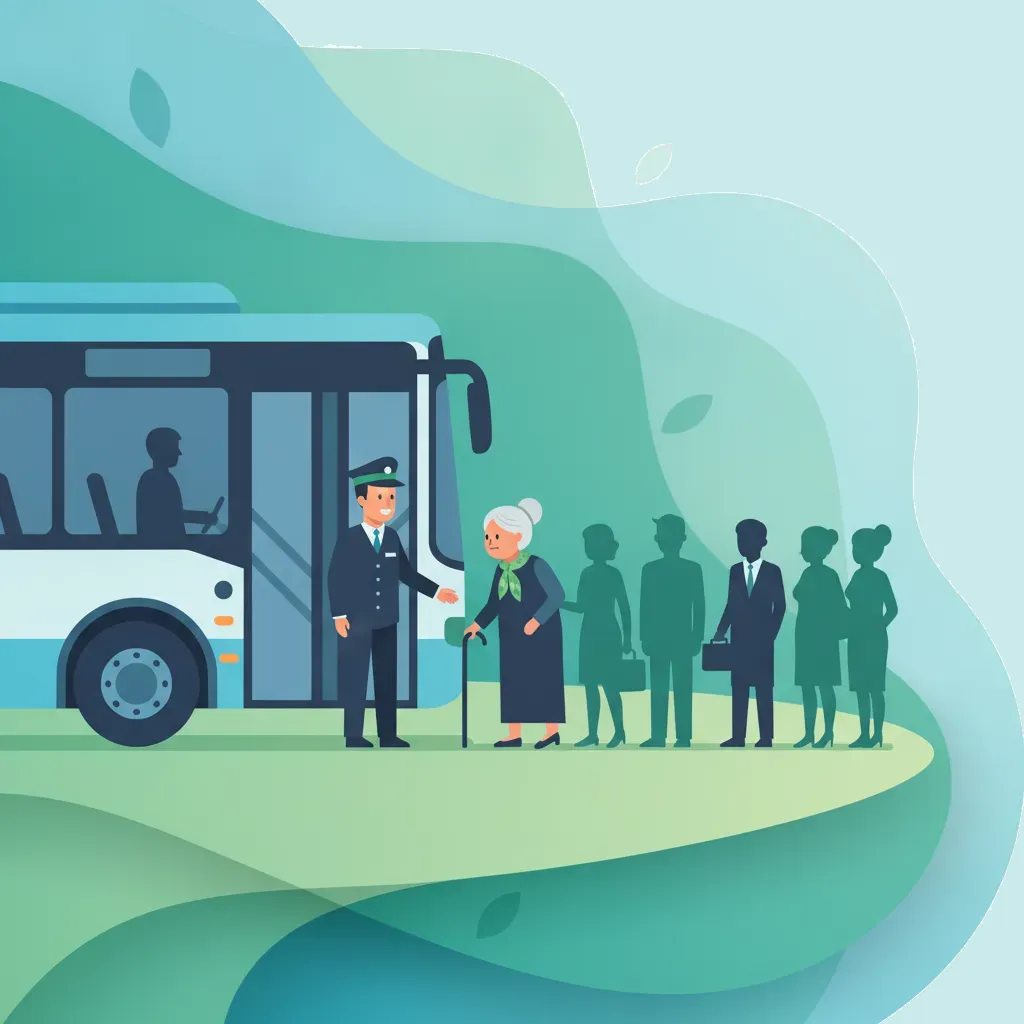
This lesson explores the standards of conduct expected from passenger vehicle drivers, emphasizing ethical decision-making and interactions with passengers and the public. It covers the impact of driver behaviour on public perception, the importance of maintaining a professional image, and the responsibilities inherent in transporting passengers safely and courteously. Learners will develop an understanding of how ethical practices contribute to service excellence and public trust.
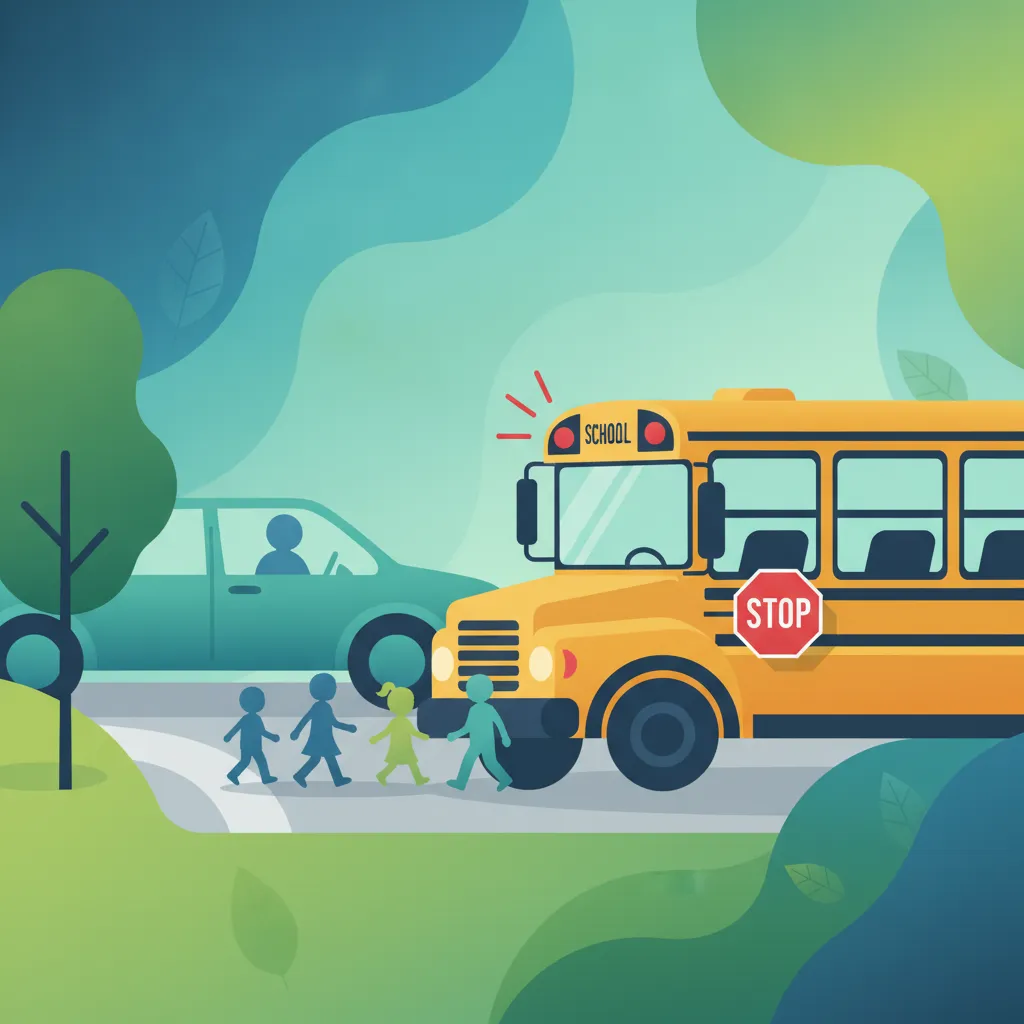
This lesson explores the specific responsibilities and precautions required when operating passenger vehicles on routes that serve schools. Topics include adhering to reduced speed limits, coordinating with crossing guards, ensuring safe loading and unloading of students, and managing interactions with parents and school staff. Emphasis is placed on creating a secure and predictable environment for children.

This lesson covers the proper handling of bus stops and designated passenger boarding zones, emphasizing safety, efficiency, and compliance with regulations. Topics include the correct positioning of the vehicle, safe boarding and alighting procedures, and managing passenger flow during stops. Effective management of these zones reduces the risk of accidents and ensures a smooth passenger experience.

This lesson equips drivers with techniques to manage passenger behavior and foster effective in-vehicle communication. Topics include handling disruptive passengers, making clear announcements, and using non-verbal signals to maintain order. By promoting respectful conduct and clear communication, drivers can ensure a smoother, safer journey for everyone on board.
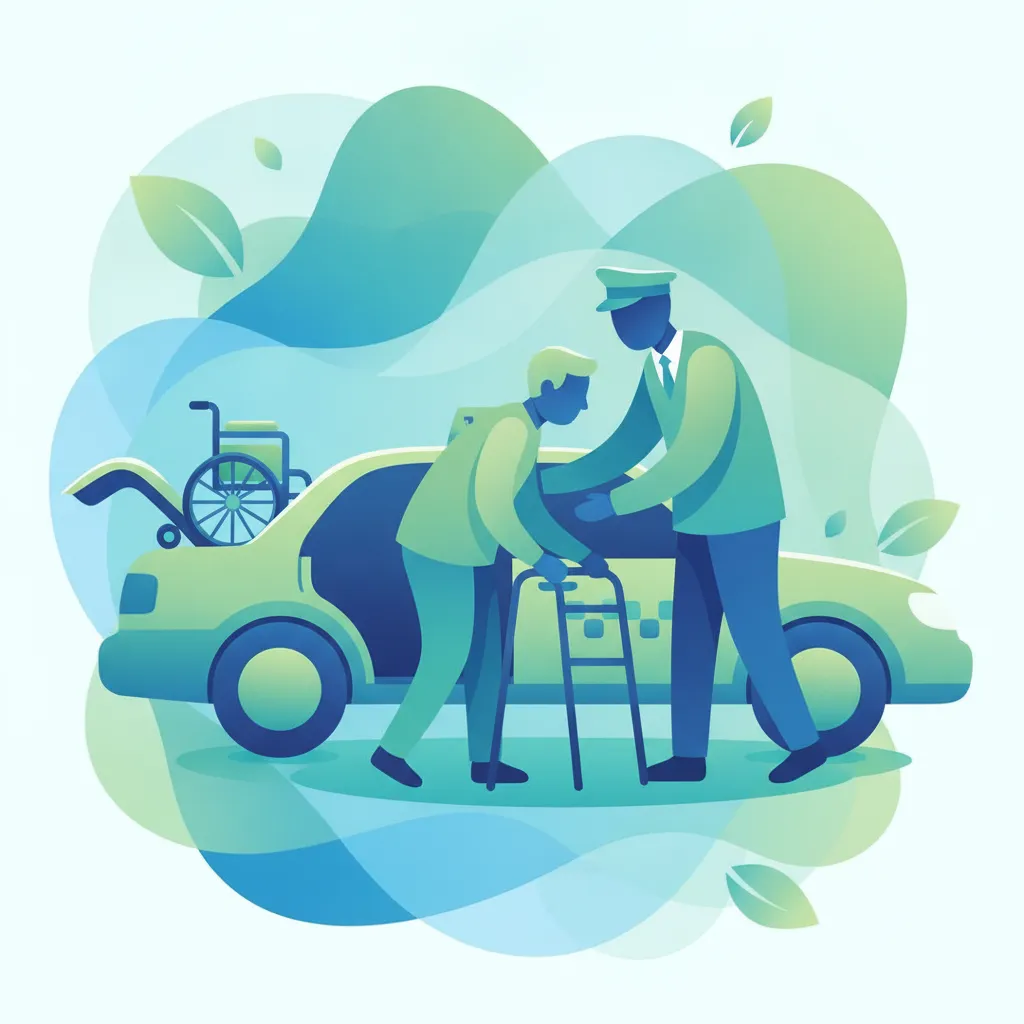
This lesson focuses on the specific considerations required when transporting children, elderly individuals, and passengers with reduced mobility. Topics include the proper installation of child safety seats, techniques for assisting elderly passengers, and procedures for safely boarding and securing wheelchair users. Drivers will learn how to use accessibility features and special equipment to ensure a safe and dignified travel experience for these vulnerable groups.
This lesson delves into the ethical responsibilities and professional standards expected of goods vehicle drivers, emphasizing their pivotal role in ensuring traffic safety. It explores the duty of care owed to other road users and the broader societal expectations placed upon professional drivers. Learners will examine how their conduct directly influences public trust and overall traffic flow in urban environments.
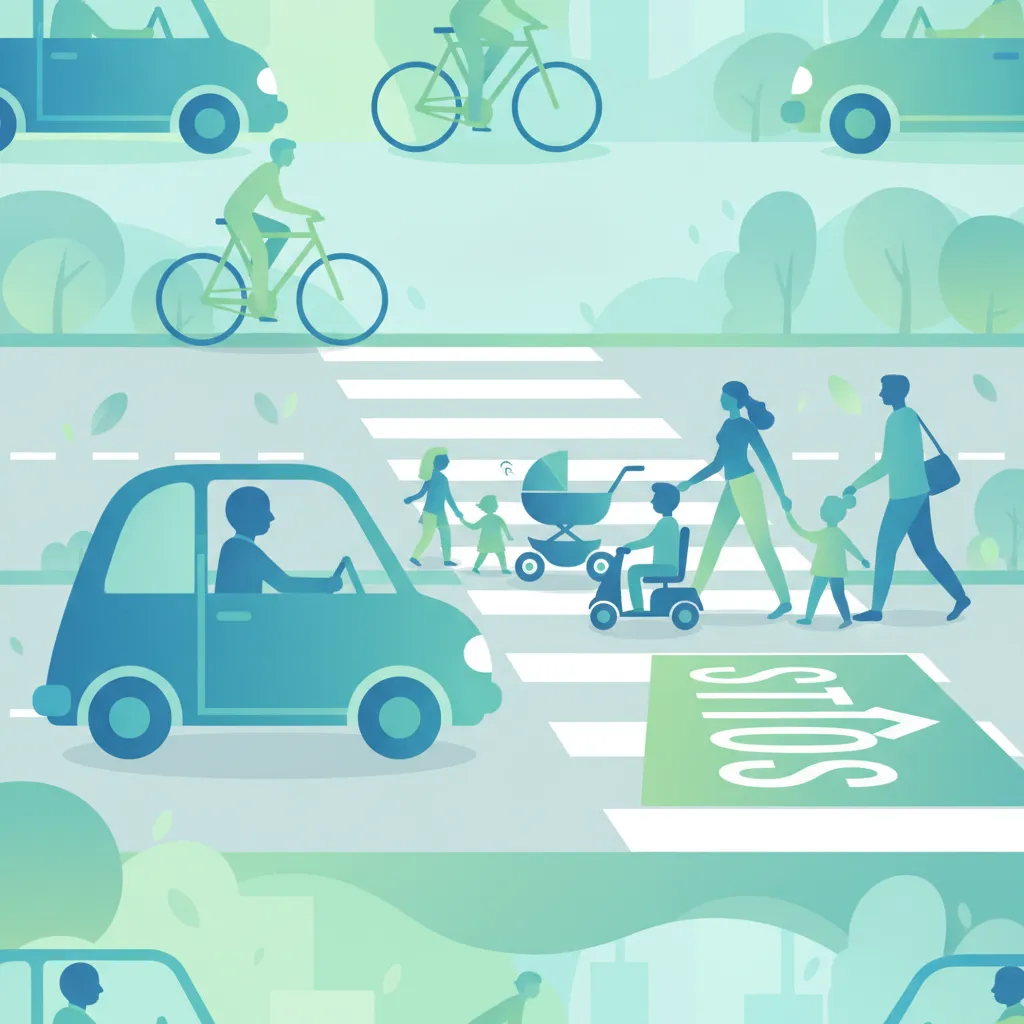
Learners will examine effective strategies for safely coordinating with pedestrians and other road users when approaching and departing bus stops. The lesson highlights right-of-way rules, the importance of yielding at crosswalks, and clear communication with both passengers and other drivers. These practices are vital for preventing accidents and ensuring a harmonious flow of traffic in busy urban areas.
Understand the essential procedures for handling vehicle emergencies, fire safety, and rapid passenger evacuation protocols. This guide covers the critical responsibilities of Class D drivers when managing crisis situations and maintaining a safe environment for all passengers on public roads.

Learners will examine common vehicle emergencies that may occur while transporting passengers, such as fires, tire blowouts, or brake failures. The lesson emphasizes quick recognition of warning signs and outlines step-by-step emergency protocols to ensure the safety of passengers and other road users. Strategies for effective incident response and communication are also covered.

Learners will explore the core safety priorities for passenger transport, including the correct use of seat belts, securing luggage, and maintaining passenger stability during vehicle motion. The lesson highlights the importance of clear safety briefings, the location and operation of emergency exits, and conducting risk assessments before departure. By mastering these practices, drivers can significantly reduce the likelihood of accidents and injuries.
Learners will explore best practices for ensuring passenger safety during the boarding and alighting process, focusing on proper vehicle positioning, door operation, and passenger assistance. The lesson covers the use of handrails, steps, and ramps, as well as strategies for managing standing passengers and luggage. Emphasis is placed on clear communication and maintaining situational awareness to prevent accidents.

This lesson details the procedures for safely evacuating passengers from a bus in the event of a fire or other critical emergency. Topics include the location and use of emergency exits, fire extinguishers, and lighting, as well as the importance of clear communication and orderly movement of passengers. Practical steps for assisting vulnerable passengers during evacuation are emphasized.
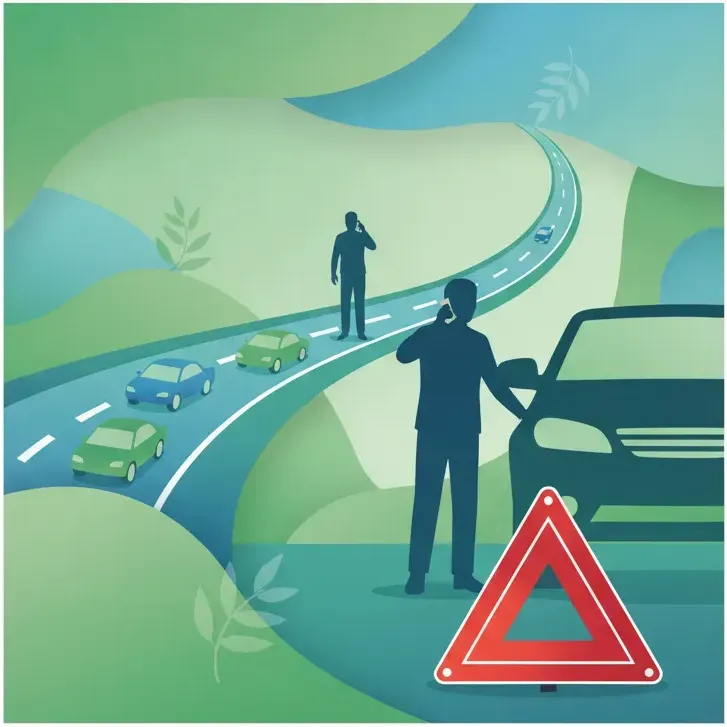
This lesson provides guidance on appropriate actions to take in the event of an accident or emergency while operating a goods vehicle. Learners will understand how to secure the scene, call Turkish emergency services (112), provide basic first aid, and complete necessary documentation. Emphasis is placed on ensuring personal safety, preventing further incidents, and facilitating rescue teams.
This lesson focuses on the specific considerations required when transporting children, elderly individuals, and passengers with reduced mobility. Topics include the proper installation of child safety seats, techniques for assisting elderly passengers, and procedures for safely boarding and securing wheelchair users. Drivers will learn how to use accessibility features and special equipment to ensure a safe and dignified travel experience for these vulnerable groups.
This lesson explores the standards of conduct expected from passenger vehicle drivers, emphasizing ethical decision-making and interactions with passengers and the public. It covers the impact of driver behaviour on public perception, the importance of maintaining a professional image, and the responsibilities inherent in transporting passengers safely and courteously. Learners will develop an understanding of how ethical practices contribute to service excellence and public trust.
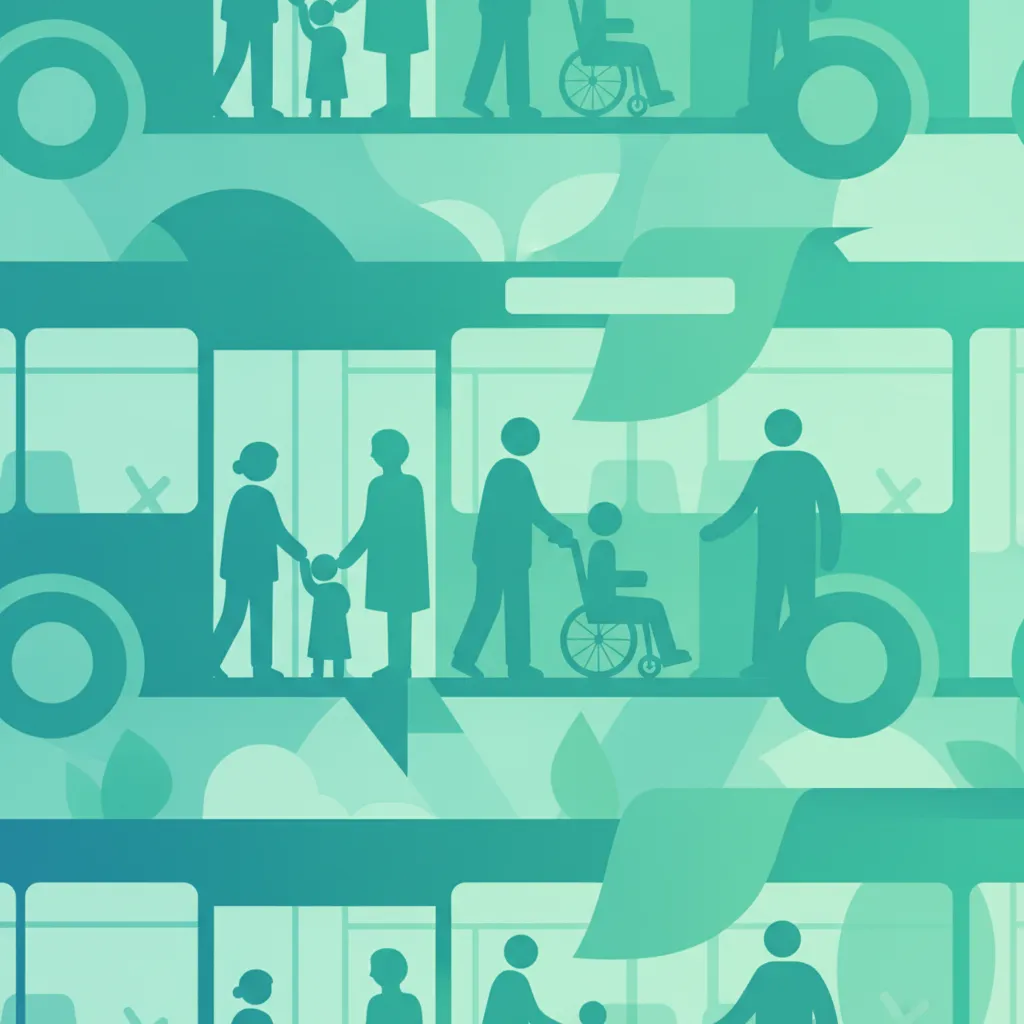
This lesson focuses on creating a comfortable and accessible environment for all passengers, addressing climate control, lighting, and ergonomic seating arrangements. It also discusses provisions for wheelchair users, the use of boarding ramps, and the importance of priority seating for those with special needs. Drivers will learn how to assist passengers effectively while maintaining comfort standards throughout the journey.
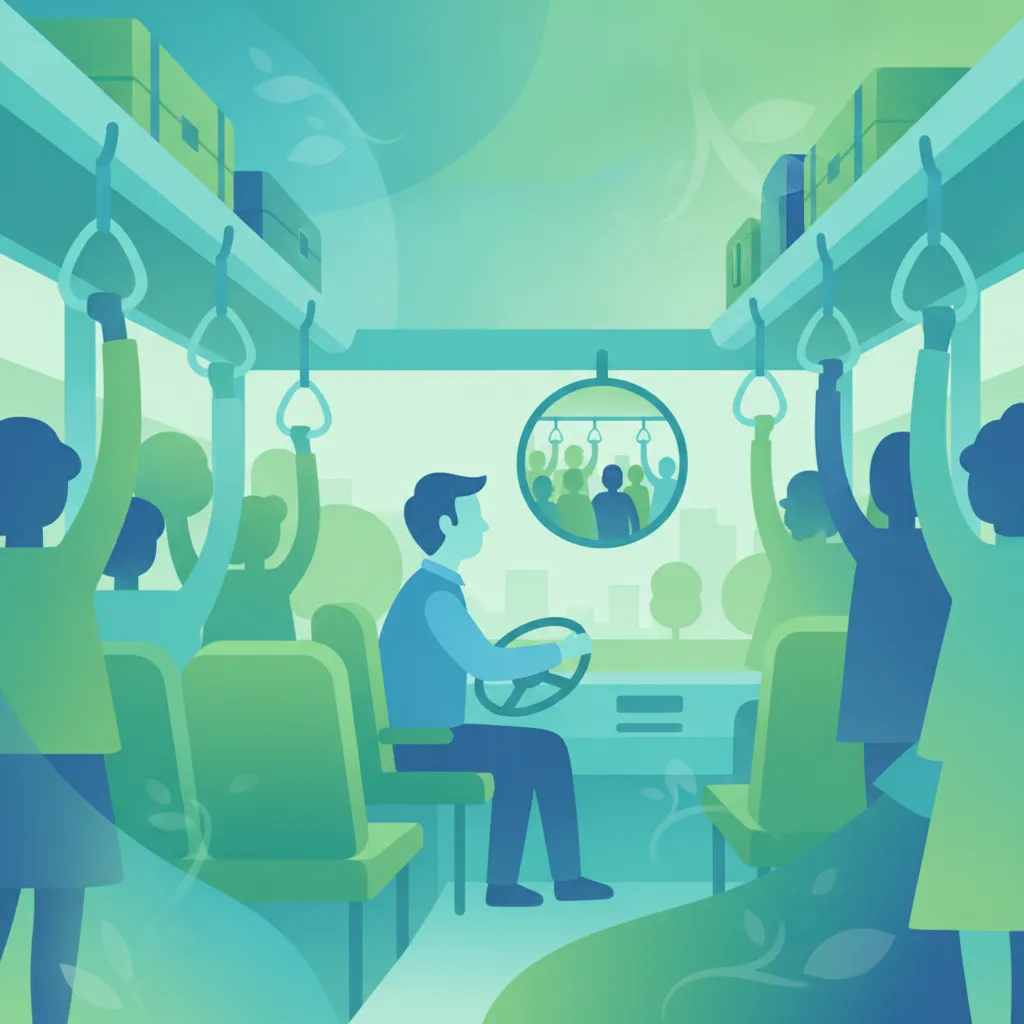
This lesson addresses the particular challenges posed by standing passengers and the handling of luggage within passenger vehicles. Learners will explore best practices for securing items, guiding passenger movement, and maintaining vehicle stability. Understanding these aspects helps prevent accidents caused by shifting loads or passenger instability, especially during sudden stops or turns.
Find clear answers to common questions learners have about Cultivating a Culture of Safety and Professionalism in Passenger Transport. Learn how the lesson is structured, which driving theory objectives it supports, and how it fits into the overall learning path of units and curriculum progression in Turkey. These explanations help you understand key concepts, lesson flow, and exam focused study goals.
The exam tests your ability to make decisions that prioritize passenger well-being over convenience. Demonstrating a safety-first mindset is a critical indicator of a qualified professional driver in Turkey.
Many scenario-based questions assess whether you can handle stress and maintain professional standards. Your ability to correctly identify the safest, most ethical course of action is key to passing.
Yes, regardless of the route or vehicle type, professional conduct is mandatory. Maintaining passenger trust and safety is a legal and ethical expectation for all commercial passenger vehicle operators.
Use our comprehensive practice search to find exactly the Turkish driving theory questions you need to master. Whether reviewing specific road signs, traffic rules, or first aid scenarios, select your perfect practice set and boost your confidence for the official ehliyet sınavı.