
This lesson details the professional standards, ethical decision-making, and public interaction requirements expected of Class D vehicle drivers. It is a critical component of your passenger transport theory preparation, helping you build the foundation for safe and respectful service. You will gain the knowledge needed to manage passenger relations effectively and represent the standards required by Turkish traffic legislation.
Lesson content overview
In passenger transport, a driver's technical ability to maneuver a large vehicle represents only a fraction of their overall responsibility. Operating a passenger vehicle under a Turkish Class D or D1 driving licence (Sınıf D Sürücü Belgesi) demands a profound commitment to professional conduct, ethical decision-making, and public service.
When you obtain a Class D licence in Turkey, you are not merely authorized to drive buses; you are entrusted with the safety, comfort, and rights of dozens of passengers daily. This lesson details the standards of conduct, legal frameworks, and ethical responsibilities required of professional passenger transport drivers.
A driver’s professional image (mesleki imaj) directly influences passenger trust, public perception, and the overall safety environment. In commercial passenger transport, you represent your employer, the transport sector, and the regulatory authorities of the Republic of Turkey.
Maintaining a clean, respectful, and approachable appearance is a foundational requirement for passenger vehicle drivers. Many municipal authorities and private operators in Turkey mandate specific dress codes, often requiring a formal uniform, polished shoes, and well-groomed hair or beard styles.
A professional driver must remain calm, polite, and authoritative, even in high-stress situations such as traffic congestion, delays, or passenger disputes.
Under Turkish transport regulations, passenger complaints regarding driver rudeness or aggressive behavior can be submitted directly to municipal transport centers (such as ALO 153 in metropolitan municipalities) or the police, leading to administrative fines for the operator.
Ethical decision-making (etik karar alma) means choosing the path of safety, honesty, and responsibility, even when a specific action is not strictly written in the legal code, or when violating a minor rule might seem more convenient or profitable.
One of the most common ethical dilemmas a Class D driver faces is the conflict between maintaining a strict timetable and ensuring absolute safety.
Drivers who handle ticket sales, card validations, or cash fares must act with absolute honesty.
Turkey's Constitution and transport laws guarantee equal treatment for all citizens. Professional drivers are strictly prohibited from discriminating against any passenger based on their race, gender, religion, age, socioeconomic status, or disability.
A professional Class D driver has a duty of care (özen yükümlülüğü) toward every person who steps onto their vehicle. This duty requires a proactive focus on comfort, safety, and physical accessibility.
Providing safe, dignified transit for passengers with reduced mobility is not optional; it is a legal and ethical mandate under Turkish accessibility laws (Engelliler Kanunu).
Bring the vehicle to a complete stop parallel to the curb, engaging the parking brake and kneeling system (if available).
Deploy the wheelchair ramp safely, ensuring there are no trip hazards or obstructions on the pavement.
Assist the passenger in boarding and securing their wheelchair in the designated, anchor-equipped area.
Confirm that the wheelchair brakes are locked and the safety harness or belt is securely fastened before retracting the ramp and moving.
In Turkey, the driver is legally responsible for the safety of everyone on board. For long-distance intercity buses (şehirlerarası otobüsler), ensuring that passengers utilize safety belts is a paramount duty.
Your driving style directly impacts the physical well-being of your passengers. Smooth acceleration, gentle braking, and controlled cornering prevent passenger falls and motion sickness.
Because of their immense size and weight, passenger buses present a higher potential risk to other road users than standard passenger cars. Professional drivers must display exemplary behavior to maintain public trust and protect vulnerable road users.
Your driving behavior reflects on the entire transport industry. A single act of aggressive driving by a bus driver can ruin public trust and provoke hostility toward commercial vehicles.
In the digital age, any unprofessional act can be recorded by passengers or pedestrians and shared on social media, potentially causing severe reputational damage to your employer and leading to legal action by the Turkish Ministry of Transport and Infrastructure (Ulaştırma ve Altyapı Bakanlığı).
Professional driving in Turkey is highly regulated. To operate a passenger vehicle legally, you must comply with strict national traffic laws, licensing standards, and professional qualification requirements.
Simply holding a Class D or D1 driving licence is not enough to work as a commercial passenger transport driver in Turkey. You must also hold the appropriate Professional Competence Certificate (Mesleki Yeterlilik Belgesi or SRC Belgesi).
For drivers of passenger vehicles and commercial transport, Turkey enforces a strict zero-tolerance policy regarding alcohol and illegal drugs while on duty.
Distracted driving is a leading cause of heavy vehicle accidents. Professional bus drivers must keep their undivided attention on the road.
Understanding where drivers most frequently fail helps you recognize and avoid these dangerous behaviors in your daily routine.
| Violation Type | Hazard / Impact | Legal / Professional Consequence | Correct Ethical Practice |
|---|---|---|---|
| Overloading the Vehicle | Compromises braking efficiency, vehicle stability, and passenger safety. | Fines, vehicle impoundment, liability in accidents. | Never exceed the maximum passenger capacity listed on the vehicle registration. |
| Bypassing Scheduled Stops | Leaves passengers stranded; disrupts public transit schedules. | Passenger complaints, employer disciplinary action. | Stop at every designated terminal or stop on your route unless safely instructed otherwise. |
| Speeding to Meet Timetables | Greatly increases stopping distance and accident severity. | Loss of licence points, heavy speeding fines, fatal crashes. | Adhere strictly to posted speed limits, adjusting for weather and road conditions. |
| Ignoring Fatigue Signals | Severe risk of falling asleep at the wheel, causing major collisions. | Criminal negligence charges if an accident occurs. | Adhere to mandatory driving limits and rest periods (takograf kuralları). |
A professional driver's learning does not end once they pass the Turkish driving licence exam. The transport sector, road laws, and vehicle technologies are constantly evolving.
By upholding high ethical standards, maintaining a spotless professional image, respecting your passengers, and committing to lifelong learning, you ensure that you are not just a bus operator, but a trusted professional on Turkish roads.
To continue preparing for your Class D licensing requirements, explore how these conduct principles are applied practically under challenging driving environments or within specific traffic rules.
This lesson covers the professional ethics and conduct standards required for Turkish Class D passenger transport drivers, including personal presentation, communication protocols, and ethical decision-making under pressure. Key legal requirements include the 0.00 promil blood alcohol limit, mandatory SRC professional certificates (SRC 2 for domestic, SRC 1 for international), and a five-year psikoteknik evaluation. Drivers must treat all passengers without discrimination, ensure universal accessibility with proper ramp procedures, and prioritize safety over timetables. The lesson emphasizes that Class D drivers represent their employer, the transport sector, and Turkish regulatory authorities—with every interaction potentially visible to the public or recorded on social media.
A short set of high-value points that capture the most important learning from this lesson.
A Class D driver in Turkey carries legal responsibility for passenger safety, comfort, and rights—not just vehicle operation.
Professional image, communication, and conduct directly influence public trust in the transport sector and can affect your livelihood.
Zero-tolerance alcohol policy applies: Class D drivers must maintain 0.00 promil BAC while on duty, stricter than private car limits.
Passenger accessibility is a legal mandate under Turkish law; wheelchair ramp deployment and assisting reduced-mobility passengers are not optional.
Drivers must hold both a Class D licence and the appropriate SRC professional certificate (SRC 2 for domestic transport) plus a valid psikoteknik evaluation.
Explore all units and lessons included in this driving theory course.
Class D drivers = 0.00 promil alcohol limit (vs. 0.50 promil for private cars); any detection means immediate licence revocation and SRC cancellation.
SRC Belgesi is mandatory: SRC 2 for domestic passenger transport, SRC 1 for international routes.
Psikoteknik Belgesi must be renewed every five years to prove mental and physical fitness for commercial driving.
Safety always overrides scheduling—never speed, skip stops, or rush passengers to make up time.
Discrimination based on race, gender, religion, disability, or socioeconomic status is prohibited under Turkish law and transport regulations.
Assuming a Class D licence alone permits commercial passenger transport; the SRC professional certificate is also legally required.
Believing a minor schedule delay justifies rushing passengers or skipping safety checks like seatbelt verification.
Allowing frustration with slow-boarding passengers to show through tone, gestures, or body language.
Using a handheld mobile phone for any reason while the vehicle is in motion, even briefly.
Overloading a vehicle or bypassing scheduled stops based on perceived passenger inconvenience.
Lesson content overview
A short set of high-value points that capture the most important learning from this lesson.
A Class D driver in Turkey carries legal responsibility for passenger safety, comfort, and rights—not just vehicle operation.
Professional image, communication, and conduct directly influence public trust in the transport sector and can affect your livelihood.
Zero-tolerance alcohol policy applies: Class D drivers must maintain 0.00 promil BAC while on duty, stricter than private car limits.
Passenger accessibility is a legal mandate under Turkish law; wheelchair ramp deployment and assisting reduced-mobility passengers are not optional.
Drivers must hold both a Class D licence and the appropriate SRC professional certificate (SRC 2 for domestic transport) plus a valid psikoteknik evaluation.
Explore all units and lessons included in this driving theory course.
Class D drivers = 0.00 promil alcohol limit (vs. 0.50 promil for private cars); any detection means immediate licence revocation and SRC cancellation.
SRC Belgesi is mandatory: SRC 2 for domestic passenger transport, SRC 1 for international routes.
Psikoteknik Belgesi must be renewed every five years to prove mental and physical fitness for commercial driving.
Safety always overrides scheduling—never speed, skip stops, or rush passengers to make up time.
Discrimination based on race, gender, religion, disability, or socioeconomic status is prohibited under Turkish law and transport regulations.
Assuming a Class D licence alone permits commercial passenger transport; the SRC professional certificate is also legally required.
Believing a minor schedule delay justifies rushing passengers or skipping safety checks like seatbelt verification.
Allowing frustration with slow-boarding passengers to show through tone, gestures, or body language.
Using a handheld mobile phone for any reason while the vehicle is in motion, even briefly.
Overloading a vehicle or bypassing scheduled stops based on perceived passenger inconvenience.
Explore search topics learners often look for when studying Professional Conduct and Ethics. These topics reflect common questions about road rules, driving situations, safety guidance, and lesson level theory preparation for learners in Turkey.
Browse additional driving theory lessons that cover connected traffic rules, road signs, and common driving situations related to this topic. Improve your understanding of how different rules interact across everyday traffic scenarios.
Understand the legal duty of care and safety standards for transporting passengers in Turkey. This lesson covers mandatory safety protocols, vehicle accessibility requirements, and the specific responsibilities of professional drivers to ensure a secure environment for all passengers under the Class D licence regulations.

Learners will explore the core safety priorities for passenger transport, including the correct use of seat belts, securing luggage, and maintaining passenger stability during vehicle motion. The lesson highlights the importance of clear safety briefings, the location and operation of emergency exits, and conducting risk assessments before departure. By mastering these practices, drivers can significantly reduce the likelihood of accidents and injuries.

This lesson focuses on the specific considerations required when transporting children, elderly individuals, and passengers with reduced mobility. Topics include the proper installation of child safety seats, techniques for assisting elderly passengers, and procedures for safely boarding and securing wheelchair users. Drivers will learn how to use accessibility features and special equipment to ensure a safe and dignified travel experience for these vulnerable groups.

Learners will explore best practices for ensuring passenger safety during the boarding and alighting process, focusing on proper vehicle positioning, door operation, and passenger assistance. The lesson covers the use of handrails, steps, and ramps, as well as strategies for managing standing passengers and luggage. Emphasis is placed on clear communication and maintaining situational awareness to prevent accidents.
This lesson details the statutory duties imposed on motor vehicle drivers by Turkish traffic legislation to maintain order on public roads. It emphasizes mandatory seat belt usage, mobile phone bans, vehicle inspection rules, and general compliance with police directions. Understanding these duties ensures drivers avoid heavy penalties and maintain road safety.

Learners will examine the broader concept of fostering a safety-oriented and professional culture within passenger transport services. The lesson discusses the impact of driver attitudes on passenger trust, the importance of ongoing safety training, and the role of ethical conduct in enhancing service quality. Strategies for promoting a proactive safety mindset among drivers and staff are presented.
In this lesson, participants will learn about the specific offences and penalties that apply to passenger vehicle drivers, focusing on violations that directly jeopardize passenger safety and public security. The content outlines the legal repercussions of non-compliance, including fines, licence suspensions, and other enforcement actions. Understanding these penalties reinforces the critical nature of adhering to traffic laws and safety protocols in professional passenger transport.
This lesson examines the integral role of the goods vehicle driver in contributing to overall traffic safety and a positive safety culture. It focuses on proactive driving behaviors, hazard identification, and effective risk management strategies. Communication techniques with other road users, compliance with traffic flow regulations, and competent emergency responses are highlighted as essential skills.

Learners will examine the specific licence categories applicable to passenger vehicles, detailing the legal definitions and core obligations tied to each class. The lesson clarifies the prerequisites for obtaining each licence, the regulatory environment governing passenger transport, and the responsibilities drivers assume upon certification. By understanding these legal foundations, participants will be prepared to navigate the regulatory landscape effectively in their professional roles.

This lesson focuses on the health and fitness criteria required for passenger vehicle drivers, outlining the medical examinations and certifications needed to maintain a valid licence. Additionally, it emphasizes the importance of continuing education and professional development to keep drivers updated on new regulations, technologies, and best practices. By prioritizing driver health and lifelong learning, the overall safety and quality of passenger transport are enhanced.

This lesson details the procedures for safely evacuating passengers from a bus in the event of a fire or other critical emergency. Topics include the location and use of emergency exits, fire extinguishers, and lighting, as well as the importance of clear communication and orderly movement of passengers. Practical steps for assisting vulnerable passengers during evacuation are emphasized.
Learn about the regulatory framework governing commercial passenger transport, including SRC professional competence certificates and psychotechnical evaluation requirements. This guide details the essential administrative standards, zero-tolerance policies, and ongoing professional development obligations for maintaining a valid commercial driving career within the Turkish transport sector.

This lesson focuses on the importance of maintaining professional conduct when interacting with traffic authorities, law enforcement, and the general public. Learners will explore communication techniques that convey respect and courtesy, even in stressful situations. Emphasis is placed on upholding a positive image of the transportation industry and resolving conflicts amicably on the road.
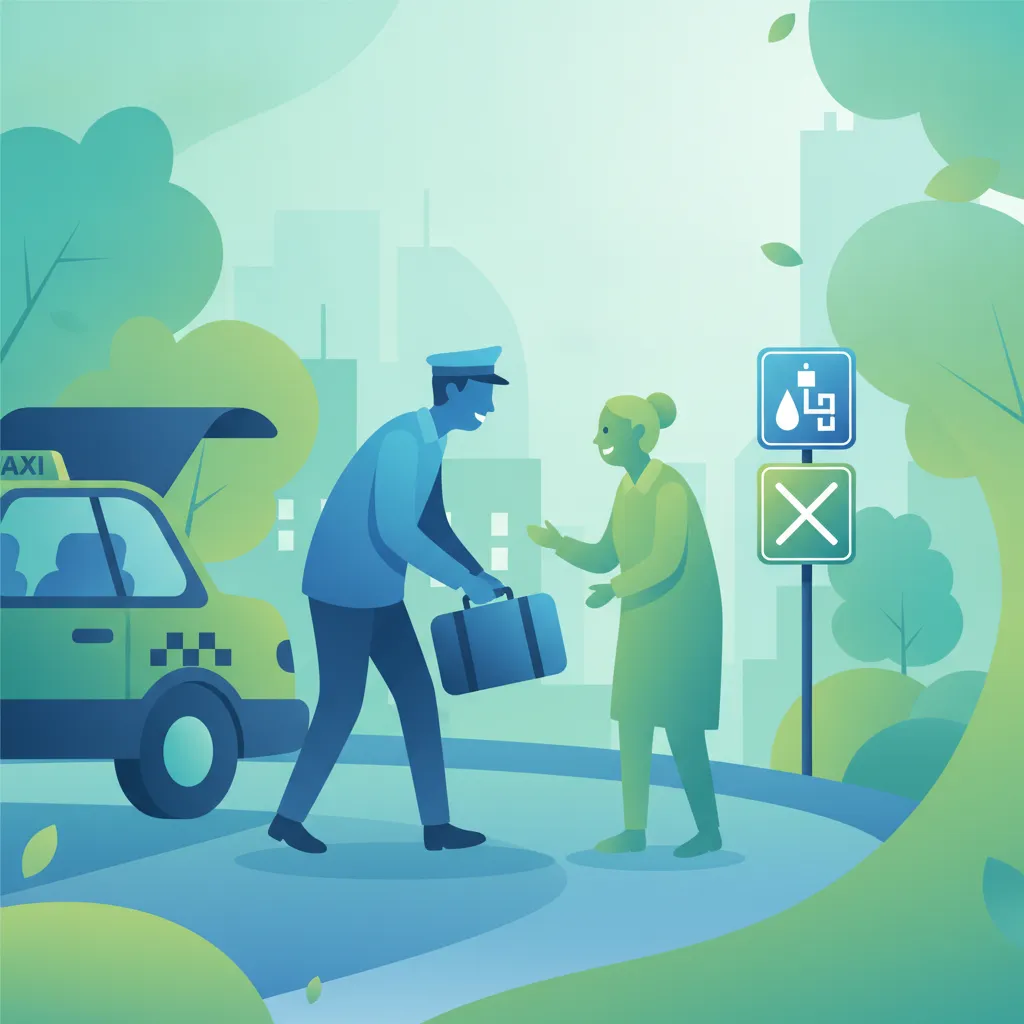
This lesson delves into the ethical responsibilities and professional standards expected of goods vehicle drivers, emphasizing their pivotal role in ensuring traffic safety. It explores the duty of care owed to other road users and the broader societal expectations placed upon professional drivers. Learners will examine how their conduct directly influences public trust and overall traffic flow in urban environments.
Learners will explore best practices for ensuring passenger safety during the boarding and alighting process, focusing on proper vehicle positioning, door operation, and passenger assistance. The lesson covers the use of handrails, steps, and ramps, as well as strategies for managing standing passengers and luggage. Emphasis is placed on clear communication and maintaining situational awareness to prevent accidents.

This lesson equips drivers with techniques to manage passenger behavior and foster effective in-vehicle communication. Topics include handling disruptive passengers, making clear announcements, and using non-verbal signals to maintain order. By promoting respectful conduct and clear communication, drivers can ensure a smoother, safer journey for everyone on board.
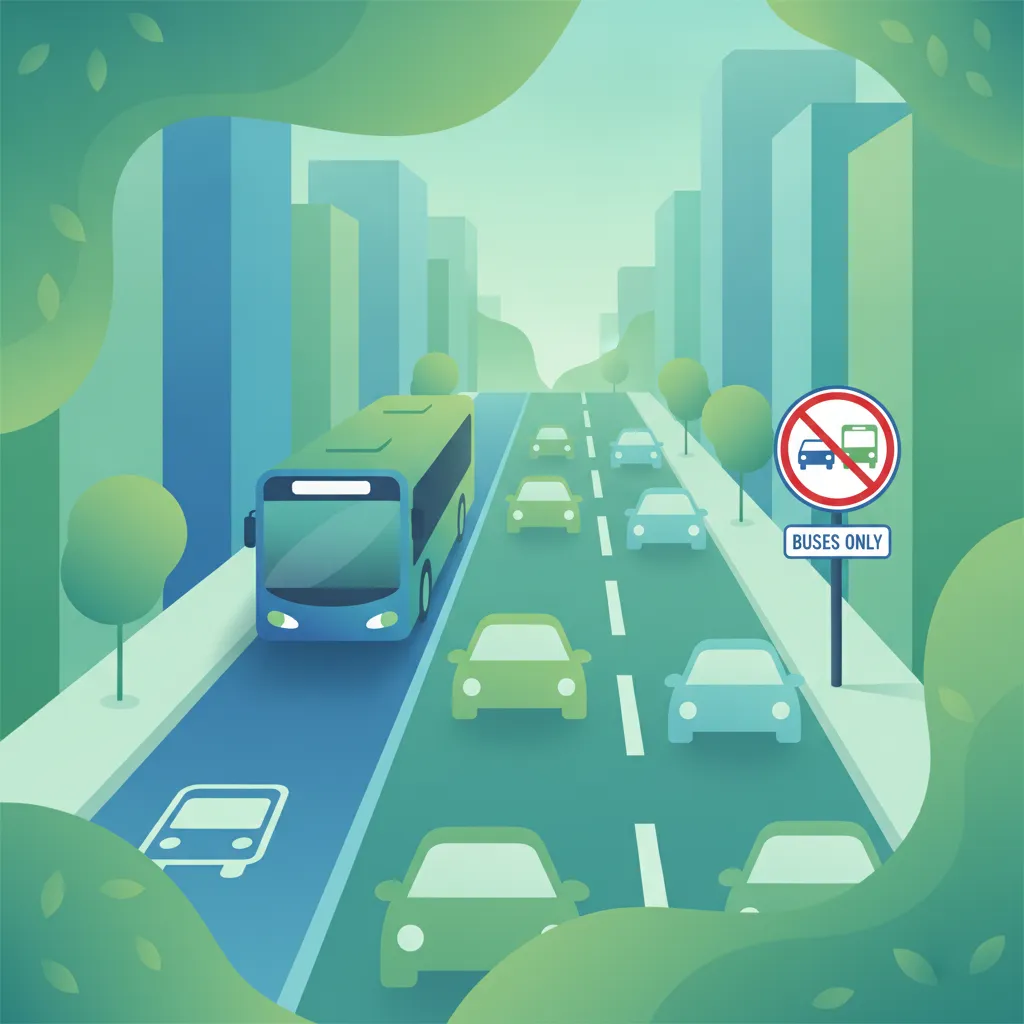
Learners will explore the specific regulations governing bus lanes, priority routes, and other legal restrictions applicable to passenger vehicles. The lesson covers the conditions under which buses may use dedicated lanes, how to navigate priority roadways, and the penalties associated with misuse. Understanding these rules is essential for efficient operation and avoiding violations in high-traffic areas.
This lesson focuses on the health and fitness criteria required for passenger vehicle drivers, outlining the medical examinations and certifications needed to maintain a valid licence. Additionally, it emphasizes the importance of continuing education and professional development to keep drivers updated on new regulations, technologies, and best practices. By prioritizing driver health and lifelong learning, the overall safety and quality of passenger transport are enhanced.
Learners will examine the broader concept of fostering a safety-oriented and professional culture within passenger transport services. The lesson discusses the impact of driver attitudes on passenger trust, the importance of ongoing safety training, and the role of ethical conduct in enhancing service quality. Strategies for promoting a proactive safety mindset among drivers and staff are presented.

This lesson focuses on managing vehicle speed according to different road environments—urban, rural, and highways—while complying with legal speed limits and traffic flow. Learners will understand how to adjust speed for varying road conditions, traffic density, and safety considerations, ensuring a balance between efficiency and risk mitigation.
In this lesson, participants will learn about the specific offences and penalties that apply to passenger vehicle drivers, focusing on violations that directly jeopardize passenger safety and public security. The content outlines the legal repercussions of non-compliance, including fines, licence suspensions, and other enforcement actions. Understanding these penalties reinforces the critical nature of adhering to traffic laws and safety protocols in professional passenger transport.
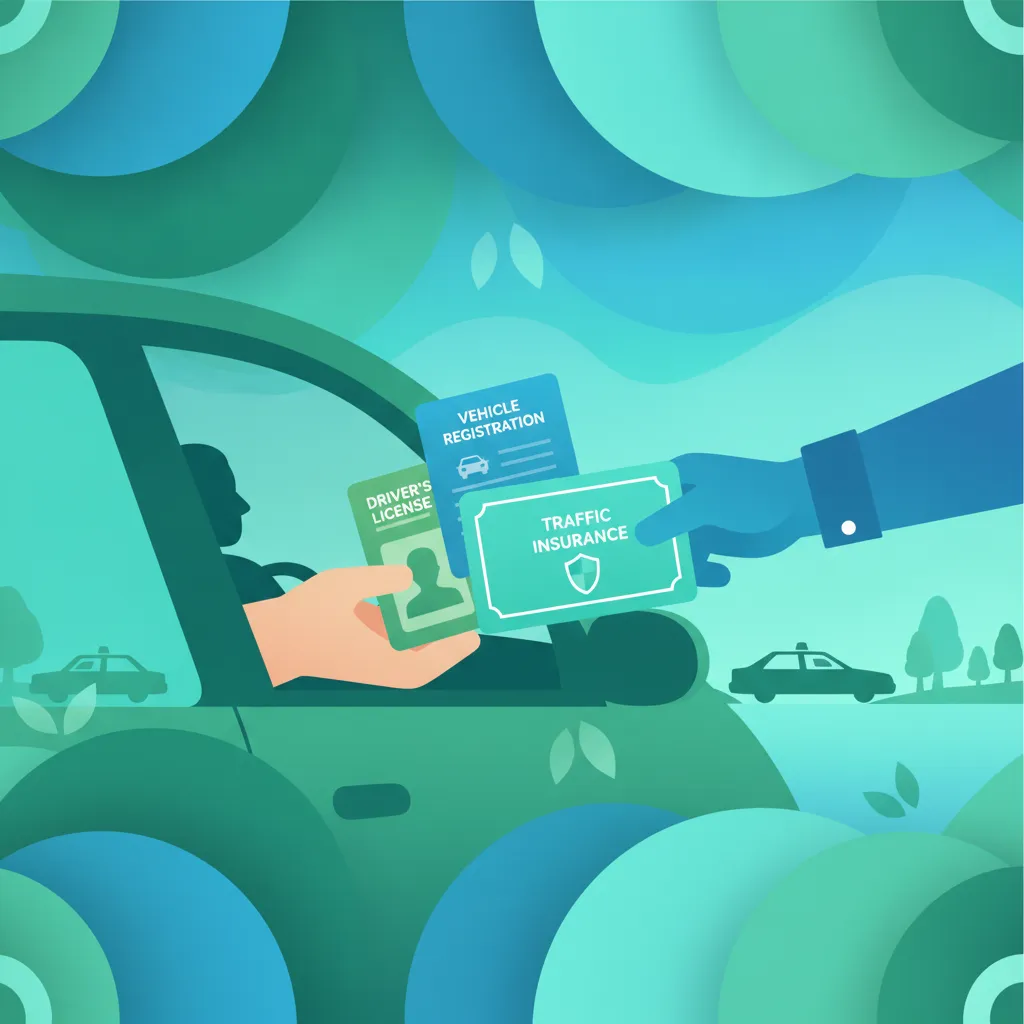
This lesson emphasizes the critical importance of maintaining accurate and up-to-date documentation for professional goods vehicle operation. It covers essential documents such as driver's licences, vehicle registration, logbooks, cargo permits, and inspection certificates. Learners will understand the legal requirements for record keeping and the role of tachographs in monitoring driver activity.
Find clear answers to common questions learners have about Professional Conduct and Ethics. Learn how the lesson is structured, which driving theory objectives it supports, and how it fits into the overall learning path of units and curriculum progression in Turkey. These explanations help you understand key concepts, lesson flow, and exam focused study goals.
Professional conduct is directly linked to passenger safety and public trust. The exam tests this because a driver's demeanor and ethical choices directly influence how passengers behave and how safe the transport environment remains.
Always prioritize safety and follow established professional protocols. The exam expects you to remain calm, communicate clearly, and de-escalate situations without compromising the safety of the vehicle or other road users.
Yes, theory exam questions on ethics and conduct carry significant weight in the passenger transport modules, as they demonstrate your readiness to handle the responsibilities inherent in holding a Class D licence.
Use our comprehensive practice search to find exactly the Turkish driving theory questions you need to master. Whether reviewing specific road signs, traffic rules, or first aid scenarios, select your perfect practice set and boost your confidence for the official ehliyet sınavı.