
This lesson explores the essential responsibilities of professional goods vehicle drivers in maintaining safety on Turkish roads. You will learn how to transition from a standard driver to a professional role by mastering hazard awareness and risk management, which are core competencies for your C and CE licence theory exam.
Lesson content overview
Operating a commercial goods vehicle, such as a heavy truck or road train requiring a C1, C, C1E, or CE category license, is a serious professional responsibility. Under the Turkish Highway Traffic Law (Karayolları Trafik Kanunu No. 2918) and the corresponding Turkish Highway Traffic Regulation (Karayolları Trafik Yönetmeliği), a professional driver is not merely an equipment operator. The driver is the most critical link in the traffic safety chain.
This lesson provides an in-depth analysis of the driver's role in promoting a proactive safety culture, managing risks on the road, communicating effectively with other road users, and complying with national traffic flow regulations.
A safety culture is defined as the shared commitment, values, and behaviors of both transport organizations and individual drivers to prioritize safety over convenience, speed, or financial gain. In professional goods transport, a robust safety culture transforms safety from a set of external rules into an internal, personal standard of conduct.
For C and CE license holders, a safety culture is manifested in daily actions, including:
Professional heavy vehicle operation in Turkey requires a shift from reactive driving (responding to emergencies as they occur) to proactive driving (anticipating hazards and taking action before a critical situation develops).
Proactive driving relies on continuous visual scanning, hazard prediction, and early adjustment of speed and lane positioning.
The practice of scanning the driving environment, identifying potential hazards early, and modifying vehicle speed or positioning before a hazard escalates into an emergency.
Hazard identification is the systematic process of spotting potential dangers in the driving environment. These hazards are generally categorized into three distinct types:
Static hazards are fixed elements in the road environment that require careful positioning and speed control. Examples include:
Dynamic hazards are moving elements that can change their speed or direction unpredictably. Examples include:
Environmental hazards involve weather, road conditions, and lighting. Examples include:
Scan: Look ahead, behind, and to the sides using your mirrors and direct vision every 5 to 8 seconds.
Identify: Classify the observed element as a static, dynamic, or environmental hazard.
Predict: Anticipate the worst-case scenario (e.g., "The pedestrian standing near the curb might step into the roadway").
Decide: Formulate a defensive plan (e.g., reduce speed, shift lane position slightly away from the curb).
Execute: Implement your decision smoothly and early to maintain vehicle stability.
Once a hazard is identified, professional drivers use defensive risk management strategies to mitigate the danger. These strategies rely on physical safety margins and compliance with vehicle operating limits.
A loaded commercial truck requires a significantly longer stopping distance than a passenger car. The total stopping distance is the sum of:
Because a heavy vehicle's mass increases its kinetic energy, any increase in speed exponentially increases the braking distance. Professional drivers must manage this risk by proactively reducing speed in high-risk zones, such as school zones, residential areas, and wet roads.
To maintain orderly traffic flow and ensure public safety, the Turkish Highway Traffic Regulation (Karayolları Trafik Yönetmeliği) mandates strict adherence to key operational rules.
Under normal conditions, a driver must maintain a safe following distance. In Turkey, the standard rule of thumb is the "two-second rule." However, for heavy goods vehicles, or during adverse weather, this distance must be significantly increased.
Specifically, under the Turkish Highway Traffic Regulation, drivers of vehicles carrying hazardous materials or exceptionally heavy loads must maintain specific safety gaps.
Tailgating a slower vehicle in a heavy commercial truck is an extremely dangerous practice. If the vehicle ahead brakes suddenly, a rear-end collision is almost inevitable due to the heavy vehicle's air-brake lag and massive weight.
Drivers must communicate their intentions early and clearly to allow other road users time to adjust.
Vulnerable road users (VRUs) have less structural protection than vehicle occupants. Professional drivers must yield priority to pedestrians at all marked and unmarked crosswalks.
When turning at intersections, drivers must also check their blind spots for cyclists and motorcyclists who may be travelling straight along the edge of the roadway.
On multi-lane highways in Turkey, commercial goods vehicles (heavy trucks and semi-trailers) are legally restricted in their lane usage:
Hazard warning lights must only be activated when the vehicle is stationary and poses an immediate danger to other traffic (e.g., due to a mechanical breakdown, puncture, or emergency stop on the shoulder).
Do not use hazard warning lights while driving in heavy rain or fog, as this can mislead other drivers into thinking your vehicle is stationary, potentially causing rear-end collisions. Instead, use correct dipped beams and rear fog lights as legally required.
To optimize visibility without blinding other drivers, comply with these headlight regulations:
When an unexpected critical event occurs, a professional driver’s level of preparedness and competent response can prevent a minor incident from escalating into a fatal multi-vehicle collision.
If you experience a sudden loss of service brake pressure while descending a slope:
If an obstacle suddenly blocks your lane and stopping in time is impossible:
A professional driver's safety role extends beyond on-road operation to include the ethical obligation to ensure the vehicle is mechanically safe before it ever enters a public road.
Under professional transport regulations in Turkey, it is the driver’s duty to perform daily walk-around inspections. Driving a vehicle with known safety-critical defects is a serious breach of professional ethics and a direct violation of the Karayolları Trafik Yönetmeliği.
Brake Systems: Check air pressure gauges, ensure there are no audible air leaks, and test the parking brake.
Tires and Wheels: Verify correct inflation pressure, inspect tread depth (minimum legal limit is 1.6 mm, but commercial operations recommend higher), and check for sidewall damage or loose wheel nuts.
Lighting and Indicators: Ensure all headlights, brake lights, turn signals, and clearance marker lights are clean and functioning properly.
Cargo Security: Confirm that the load is securely strapped, locked, or sheeted, and that the vehicle weight does not exceed the legal axle load limits (dingil ağırlığı).
These real-world scenarios illustrate how to apply professional safety principles in challenging conditions.
This lesson covers the high standards expected of professional goods vehicle drivers (C1, C, C1E, CE) in Turkey under the Turkish Highway Traffic Law. It contrasts proactive driving—anticipating hazards through continuous scanning and early action—with reactive driving, and teaches a systematic five-step hazard identification process covering static, dynamic, and environmental dangers specific to Turkish roads. Key regulations include mandatory right-lane discipline for heavy vehicles, specific signaling distances, VRU priority rules, and proper headlight usage. The lesson also addresses emergency procedures such as engine braking for brake failure on mountain descents and proper pre-trip inspection requirements including brake systems, tires (1.6mm minimum tread), lighting, and cargo security.
A short set of high-value points that capture the most important learning from this lesson.
Professional goods vehicle drivers are the most critical link in Turkey's traffic safety chain due to their vehicle's mass and kinetic energy.
Proactive driving means scanning 12 to 15 seconds ahead (300–500 metres) and acting before hazards escalate, not merely reacting to emergencies.
Turkish law restricts heavy vehicles to the rightmost lane on multi-lane highways and limits overtaking lane use.
Drivers must yield priority to vulnerable road users at all marked and unmarked crosswalks and check blind spots for cyclists on turns.
Pre-trip inspections and immediate defect reporting are legal and ethical obligations under Turkish Highway Traffic Regulation.
Explore all units and lessons included in this driving theory course.
Static hazards include fixed elements like narrow streets and mountain passes; dynamic hazards are unpredictable moving elements like VRUs and erratic drivers.
Environmental hazards in Turkey include black ice (Gizli Buzlanma), sudden mountain fog, and seasonal flooding that reduce traction.
Heavy commercial vehicles require significantly longer stopping distances due to their mass; any speed increase exponentially increases braking distance.
Turn signals must be activated at least 3 seconds before a maneuver, or 150–250 metres before exits on high-speed intercity highways (Otoyol).
Hazard warning lights (Dörtlü Flaşörler) are for stationary vehicles only—never use them while driving in heavy rain or fog.
Assuming reactive driving skills are sufficient for heavy vehicles, when proactive hazard anticipation is required.
Using hazard warning lights while driving in poor weather, which misleads other drivers into thinking the vehicle is stationary.
Driving heavy vehicles in the middle or left lane on multi-lane highways instead of returning to the rightmost lane after overtaking.
Failing to check wide-angle and close-proximity mirrors for motorcyclists and cyclists when making turns at urban intersections.
Neglecting to downshift before long descents, which causes brake fade and loss of engine braking capability.
Lesson content overview
A short set of high-value points that capture the most important learning from this lesson.
Professional goods vehicle drivers are the most critical link in Turkey's traffic safety chain due to their vehicle's mass and kinetic energy.
Proactive driving means scanning 12 to 15 seconds ahead (300–500 metres) and acting before hazards escalate, not merely reacting to emergencies.
Turkish law restricts heavy vehicles to the rightmost lane on multi-lane highways and limits overtaking lane use.
Drivers must yield priority to vulnerable road users at all marked and unmarked crosswalks and check blind spots for cyclists on turns.
Pre-trip inspections and immediate defect reporting are legal and ethical obligations under Turkish Highway Traffic Regulation.
Explore all units and lessons included in this driving theory course.
Static hazards include fixed elements like narrow streets and mountain passes; dynamic hazards are unpredictable moving elements like VRUs and erratic drivers.
Environmental hazards in Turkey include black ice (Gizli Buzlanma), sudden mountain fog, and seasonal flooding that reduce traction.
Heavy commercial vehicles require significantly longer stopping distances due to their mass; any speed increase exponentially increases braking distance.
Turn signals must be activated at least 3 seconds before a maneuver, or 150–250 metres before exits on high-speed intercity highways (Otoyol).
Hazard warning lights (Dörtlü Flaşörler) are for stationary vehicles only—never use them while driving in heavy rain or fog.
Assuming reactive driving skills are sufficient for heavy vehicles, when proactive hazard anticipation is required.
Using hazard warning lights while driving in poor weather, which misleads other drivers into thinking the vehicle is stationary.
Driving heavy vehicles in the middle or left lane on multi-lane highways instead of returning to the rightmost lane after overtaking.
Failing to check wide-angle and close-proximity mirrors for motorcyclists and cyclists when making turns at urban intersections.
Neglecting to downshift before long descents, which causes brake fade and loss of engine braking capability.
Explore search topics learners often look for when studying Role of the Driver in Traffic Safety. These topics reflect common questions about road rules, driving situations, safety guidance, and lesson level theory preparation for learners in Turkey.
Browse additional driving theory lessons that cover connected traffic rules, road signs, and common driving situations related to this topic. Improve your understanding of how different rules interact across everyday traffic scenarios.
Learn how to systematically identify and categorize static, dynamic, and environmental hazards on Turkish roads. This guide explains defensive driving techniques to help professional heavy vehicle operators manage risks and maintain safety margins while navigating urban and rural environments.

This lesson focuses on protecting vulnerable road users, such as pedestrians, cyclists, and motorcyclists, in mixed traffic environments. Learners will examine specific strategies for increased vigilance, anticipatory driving, and properly yielding to these users. The lesson also covers high-risk zones, such as school areas and public transport stops, emphasizing the need for heightened safety.
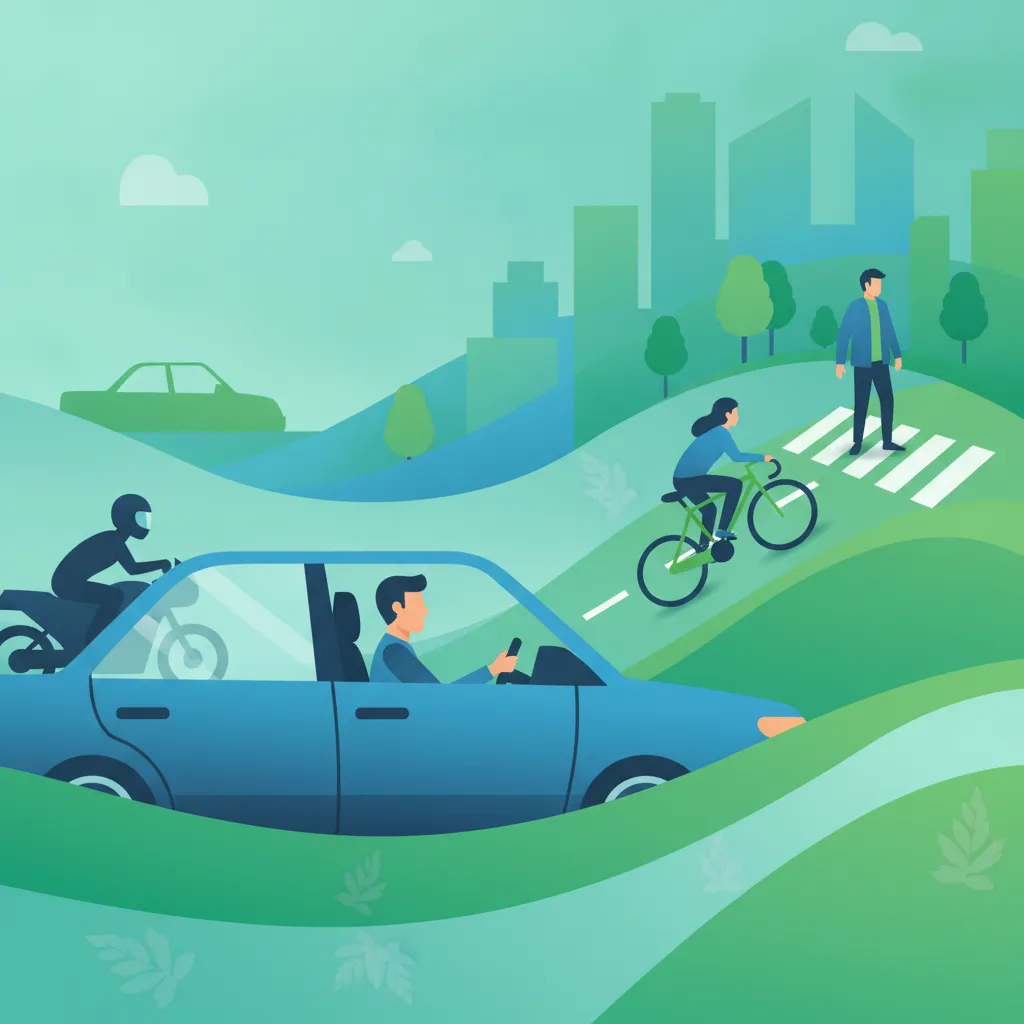
Learners will examine the complexities of operating in environments where various road users, including pedestrians, cyclists, and motorcyclists, coexist. The lesson emphasizes the need for heightened situational awareness, defensive driving techniques, and proactive hazard anticipation. Strategies for navigating mixed traffic safely, especially in congested urban areas, are highlighted.
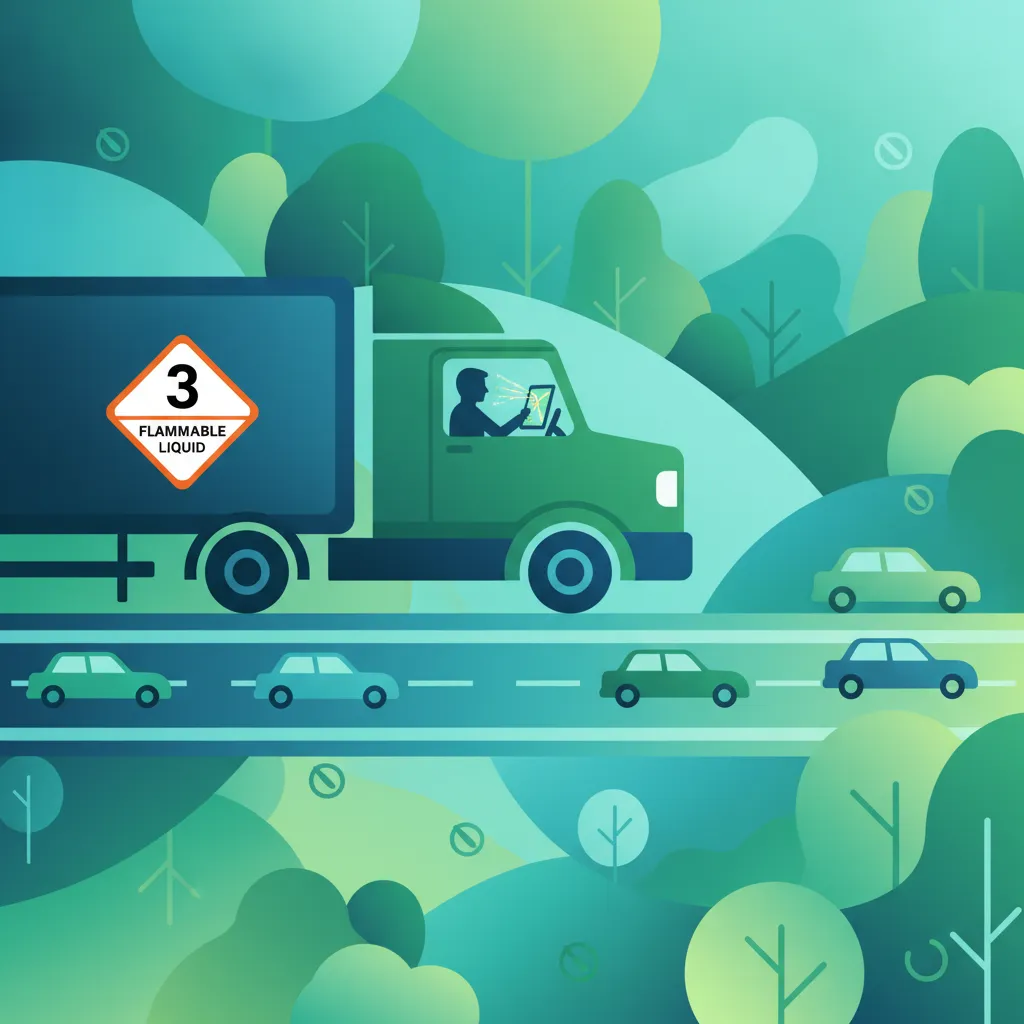
This lesson provides an overview of the regulations governing the transport of hazardous materials and dangerous goods in Turkey. Learners will become familiar with international (ADR) and national requirements for labeling, placarding, load securing, and documentation. The lesson also covers specific route restrictions and safety procedures that must be followed during transit.

This lesson focuses on the importance of maintaining safe following distances for goods vehicles, taking into account longer braking distances and increased load. Learners will learn how to calculate appropriate gaps based on speed, road conditions, and vehicle dynamics. The lesson emphasizes safe following practices to prevent rear-end collisions and improve overall traffic safety in Turkey.
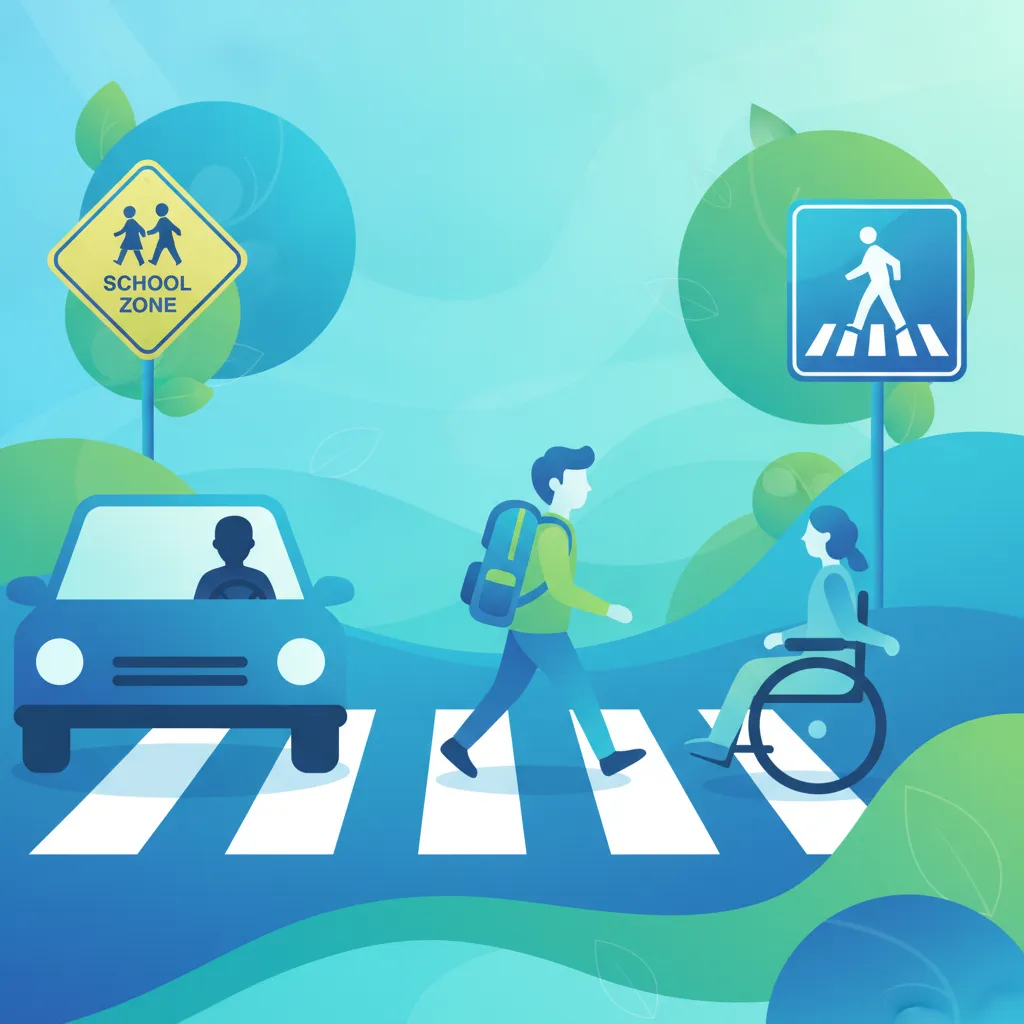
Learners will identify the different categories of vulnerable road users and understand the heightened risks they face. The lesson emphasizes the importance of recognizing these users, anticipating their actions, and taking proactive measures to ensure their safety while operating passenger vehicles. Strategies for mitigating danger and fostering a protective driving environment are explored.
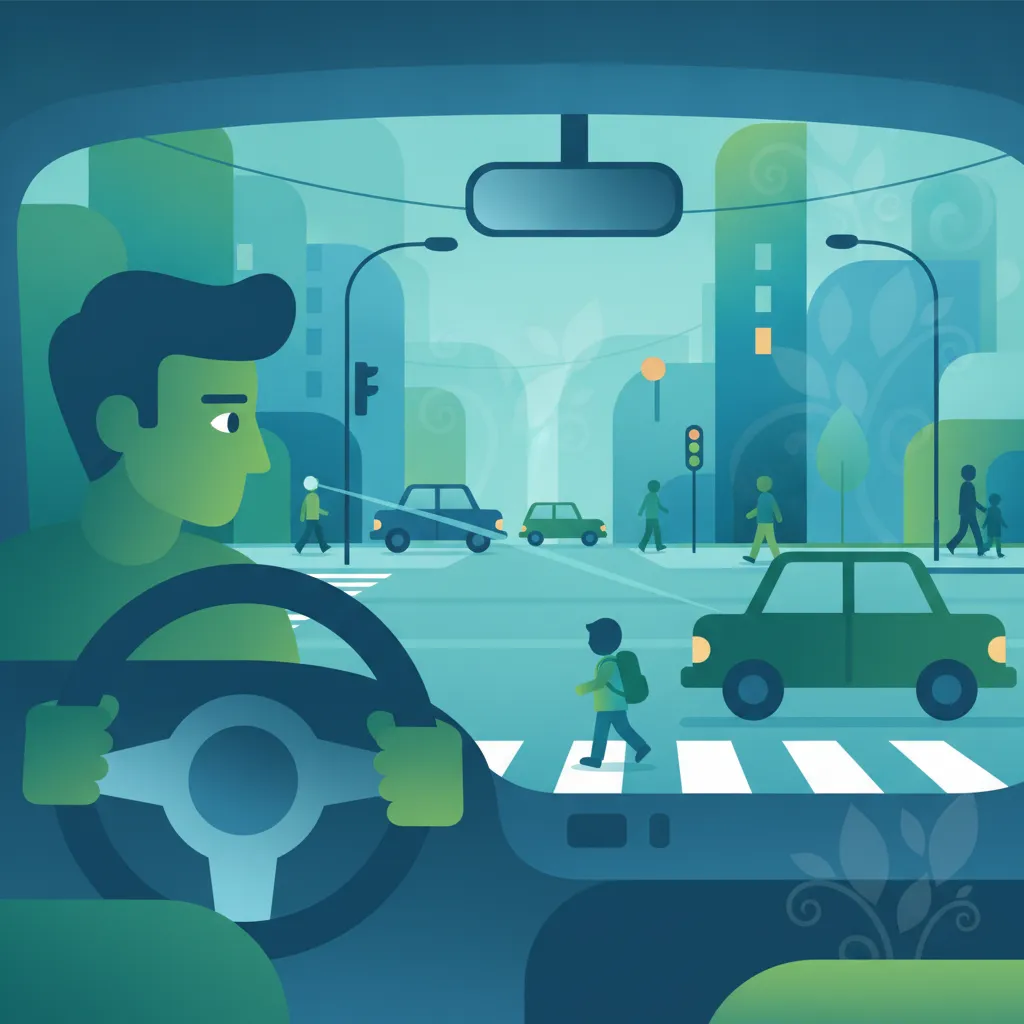
This lesson explores the critical skill of hazard identification and anticipation while driving. Topics include recognizing potential risks in traffic, road conditions, and environmental factors. Learners will develop skills in anticipatory driving to proactively address hazards before they become dangerous. Real-world examples illustrate how to maintain vigilance.
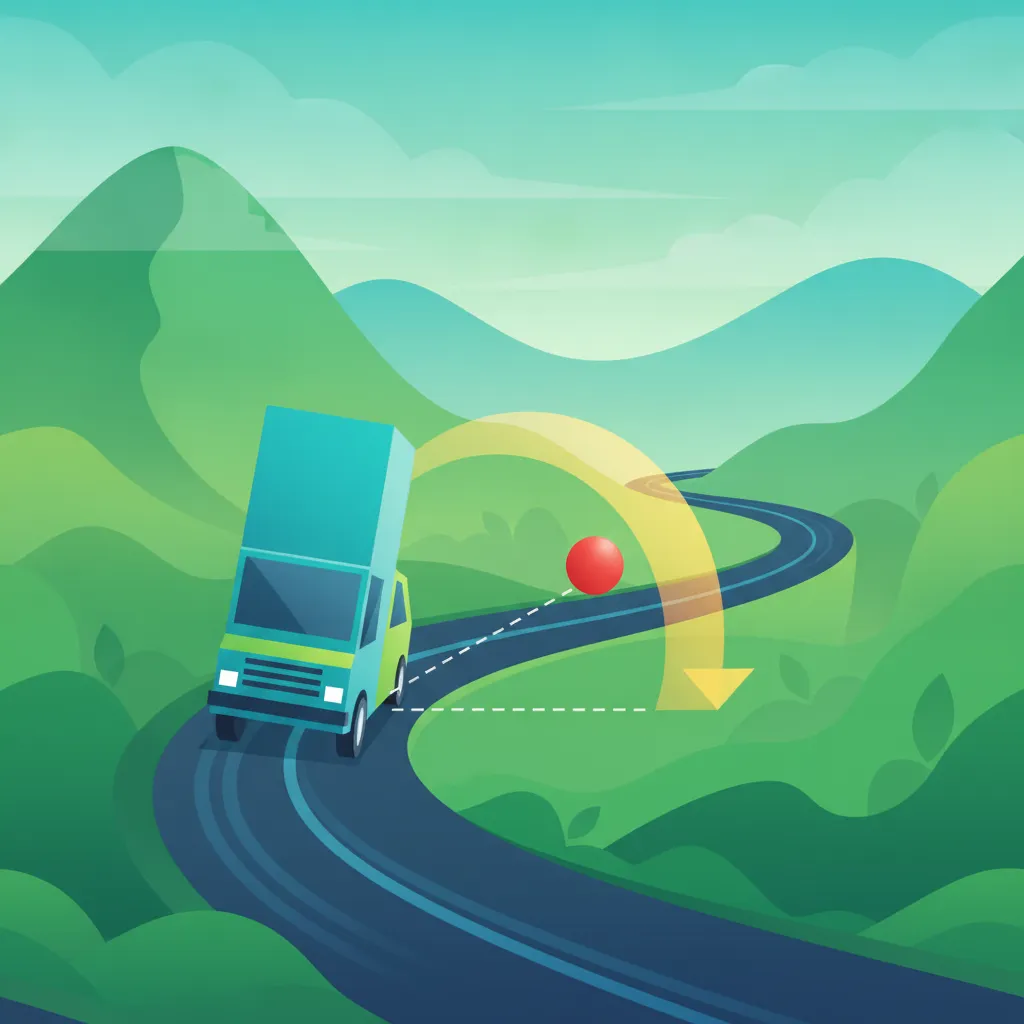
This lesson delves into the concept of centre of gravity and its critical impact on the stability of goods vehicles. Learners will explore how load height and distribution affect side and dynamic stability, particularly during braking, cornering, and evasive maneuvers. The lesson explains the increased rollover risk associated with a high centre of gravity and provides strategies for managing weight.
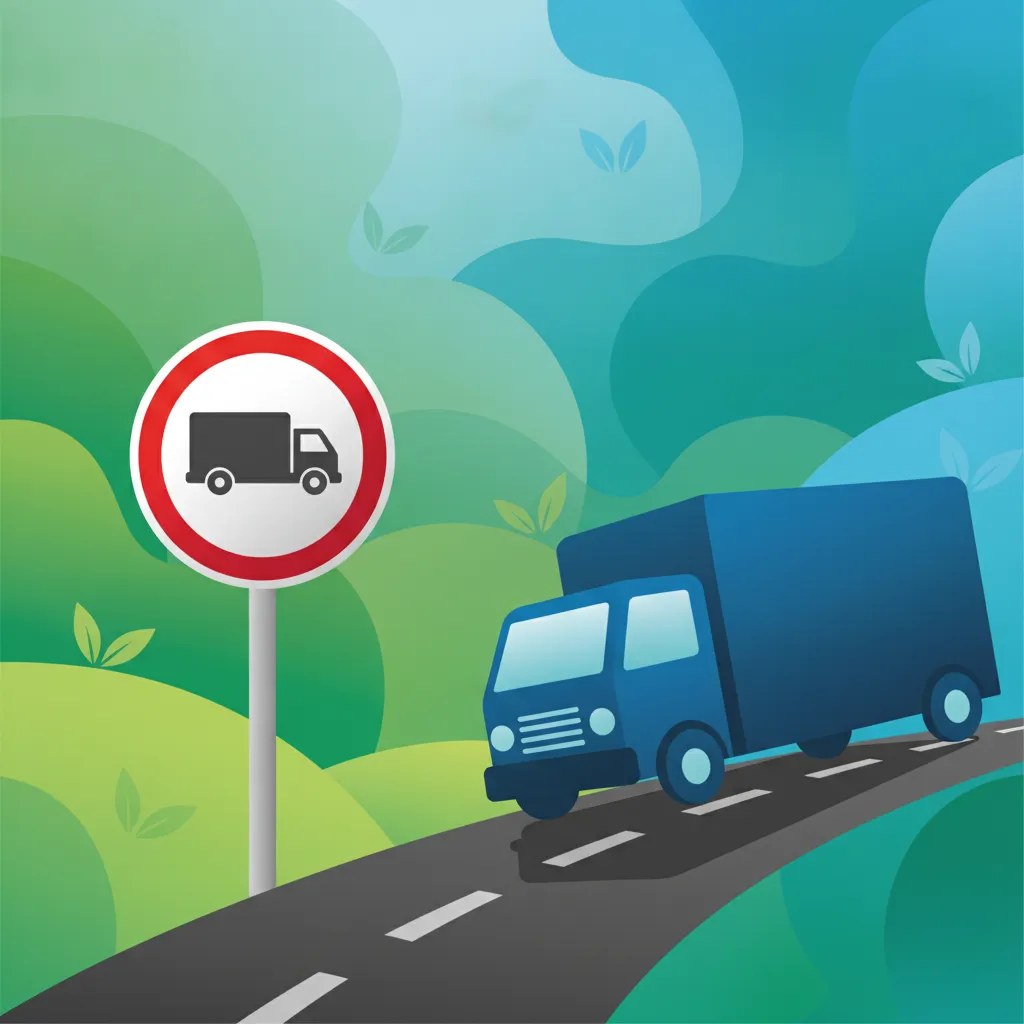
This lesson focuses on traffic signs and road markings that are specifically relevant to goods vehicles in Turkey. Learners will become familiar with signs indicating prohibited routes, weight limits, height restrictions, hazardous material transport, and lane usage regulations. The lesson emphasizes the importance of accurately interpreting these signs to ensure compliance with traffic laws.

This lesson examines the effects of load dynamics on vehicle stability during acceleration and deceleration. Learners will learn how cargo can shift and affect handling, particularly during sudden speed changes or emergency braking situations. The lesson emphasizes proper load securing, gradual acceleration, and controlled braking to maintain stability and prevent serious accidents.

This lesson examines the critical interactions between goods vehicles and vulnerable road users such as pedestrians, cyclists, and motorcyclists, particularly in urban environments. Learners will explore right-of-way rules, maintaining safe distances, and strategies for anticipating the actions of these road users. The lesson emphasizes the importance of clear communication and protective driving.
Understand the legal requirements for lane occupancy and overtaking maneuvers for heavy commercial vehicles on Turkish motorways. This lesson details the mandatory use of rightmost lanes and proper signaling protocols to ensure safe traffic flow and avoid common violations during professional operation.
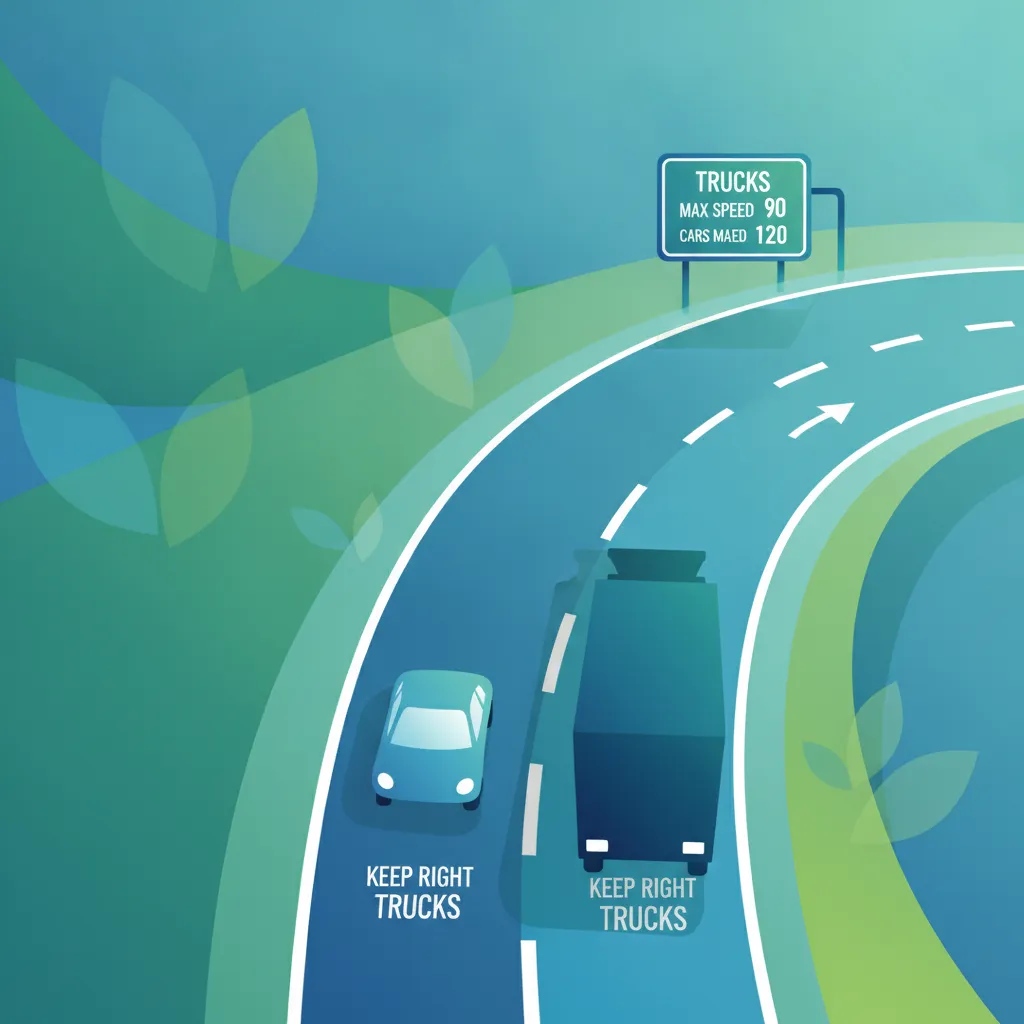
This lesson addresses the specific considerations for goods vehicle operation on highways and expressways, covering speed limits, lane discipline, safe merging, and overtaking. Learners will learn how to adapt to traffic flow, manage heavy vehicle dynamics at higher speeds, and ensure safe operation. The lesson emphasizes the importance of vigilance and proper lane usage to prevent accidents.
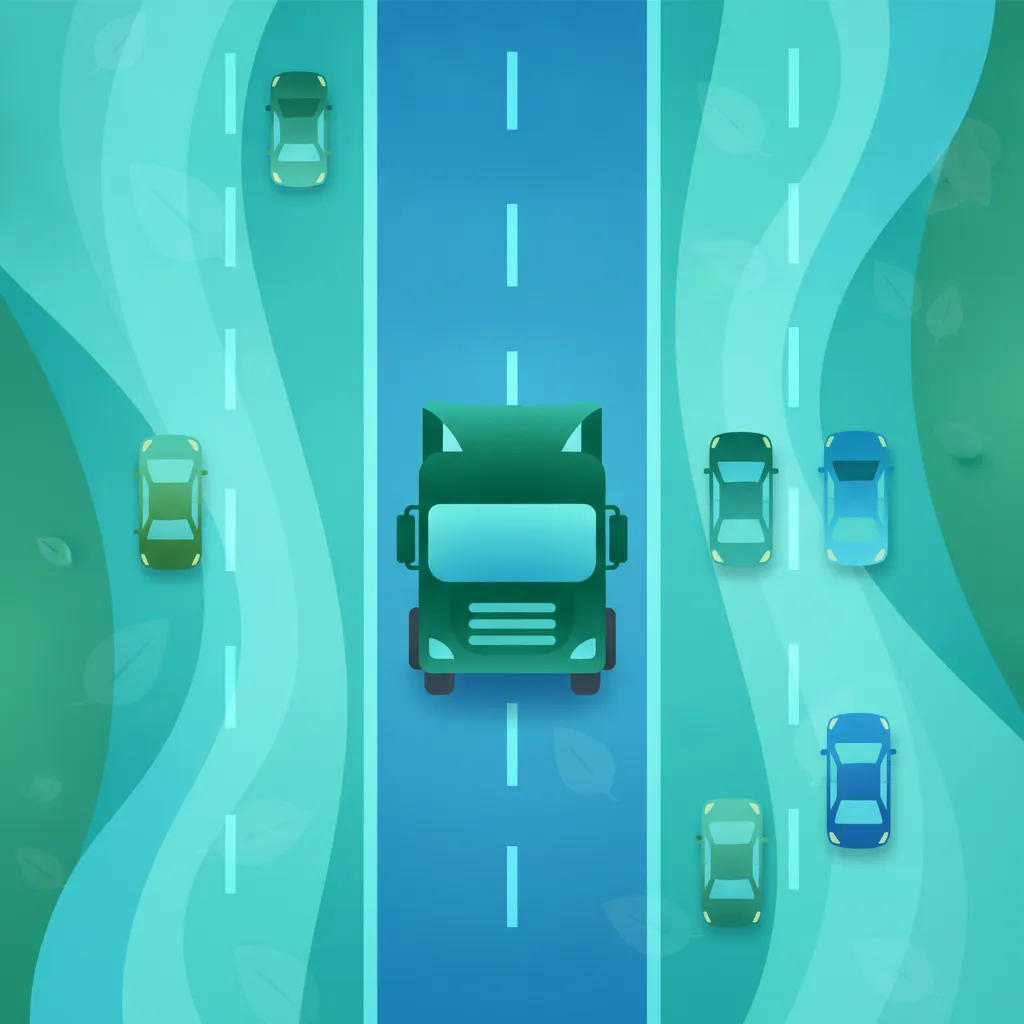
This lesson focuses on the critical importance of lane discipline and proper lane usage for large goods vehicles. Learners will understand the challenges posed by wider vehicle dimensions, the necessity of maintaining adequate lane occupancy, and the need for precise lane keeping. Emphasis is placed on selecting appropriate lanes, adhering to traffic flow, and ensuring general highway safety.
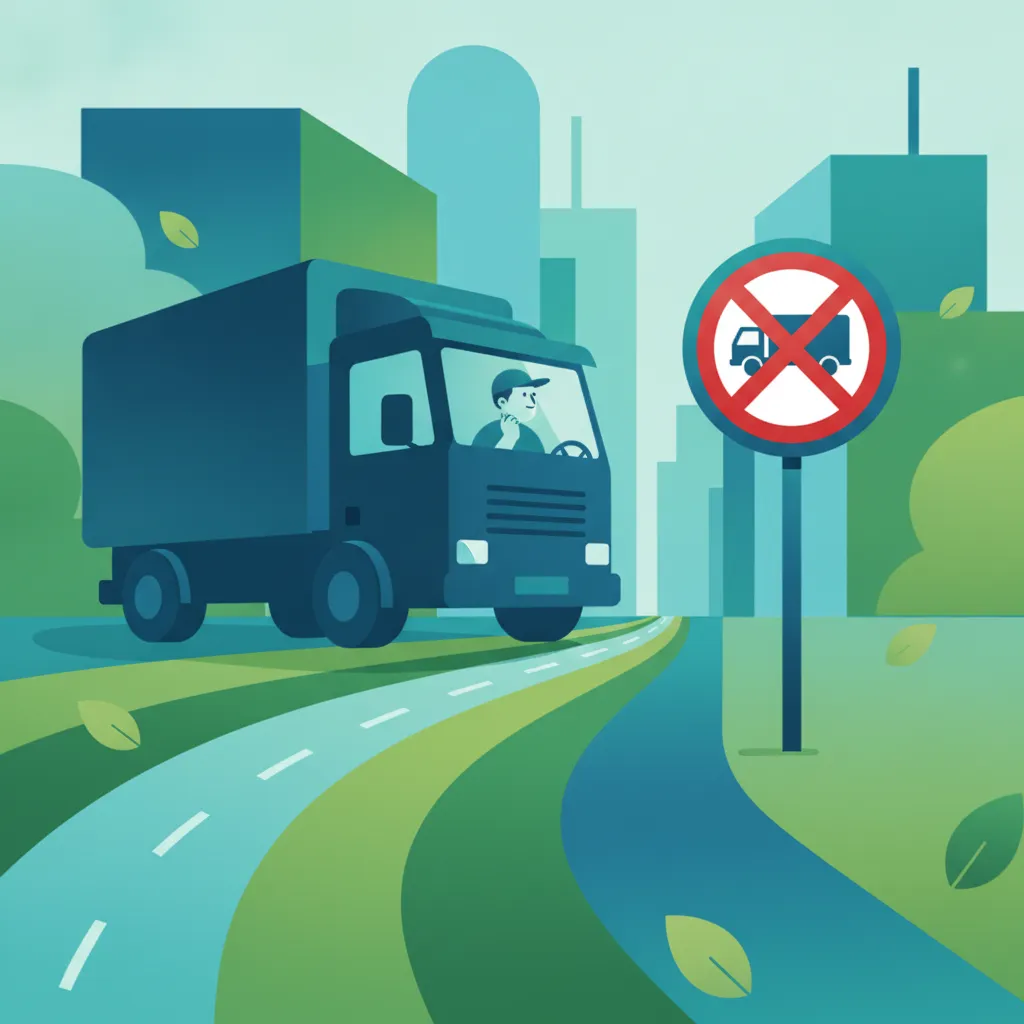
This lesson focuses on the various access restrictions imposed on heavy goods vehicles within Turkish road networks. Learners will understand the reasons for restrictions such as low bridge clearances, tunnel usage, construction zones, and urban delivery area limitations. The lesson also covers how to recognize and comply with legal notices and signage indicating restricted commercial zones.
This lesson focuses on the importance of maintaining safe following distances for goods vehicles, taking into account longer braking distances and increased load. Learners will learn how to calculate appropriate gaps based on speed, road conditions, and vehicle dynamics. The lesson emphasizes safe following practices to prevent rear-end collisions and improve overall traffic safety in Turkey.
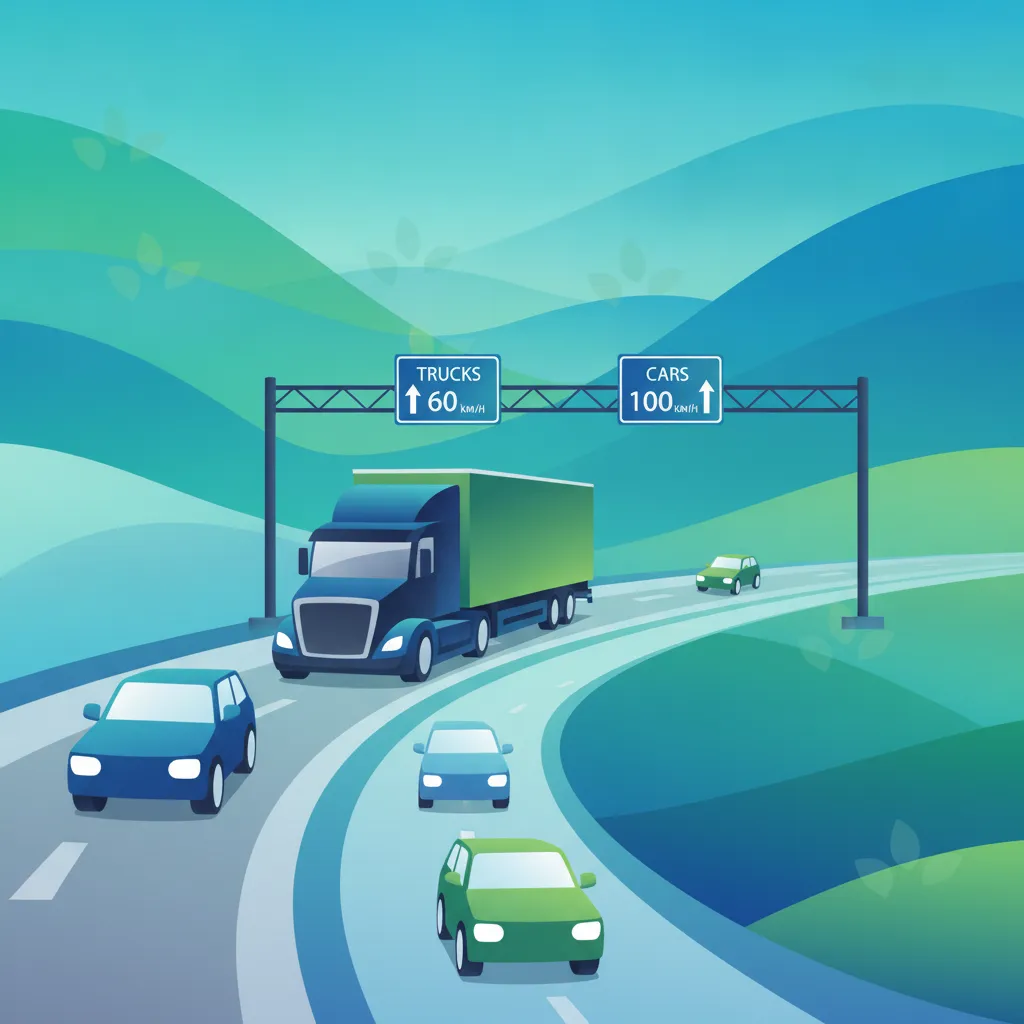
This lesson focuses on speed regulation for goods vehicles, highlighting how vehicle weight, load, and road conditions influence safe operating speeds. Learners will understand legal speed limits for various road types and the necessity of adapting speed to traffic flow and environmental conditions. The lesson also emphasizes the importance of maintaining appropriate speed to ensure vehicle control.
This lesson focuses on traffic signs and road markings that are specifically relevant to goods vehicles in Turkey. Learners will become familiar with signs indicating prohibited routes, weight limits, height restrictions, hazardous material transport, and lane usage regulations. The lesson emphasizes the importance of accurately interpreting these signs to ensure compliance with traffic laws.

This lesson provides a detailed overview of the classification system for goods vehicles in Turkey, focusing on the specific dimensional limits for each category. Learners will become familiar with the maximum allowable length, width, and height for these vehicles, as defined by Turkish law. Understanding these limits is crucial for ensuring compliance with road regulations and avoiding serious violations.

This lesson focuses on the unique requirements and best practices for operating passenger vehicles on highways and expressways. Topics include maintaining appropriate speed, adhering to lane discipline, executing safe overtaking maneuvers, and managing merges and exits. Emphasis is placed on ensuring a smooth ride for passengers while integrating safely with faster-moving traffic.
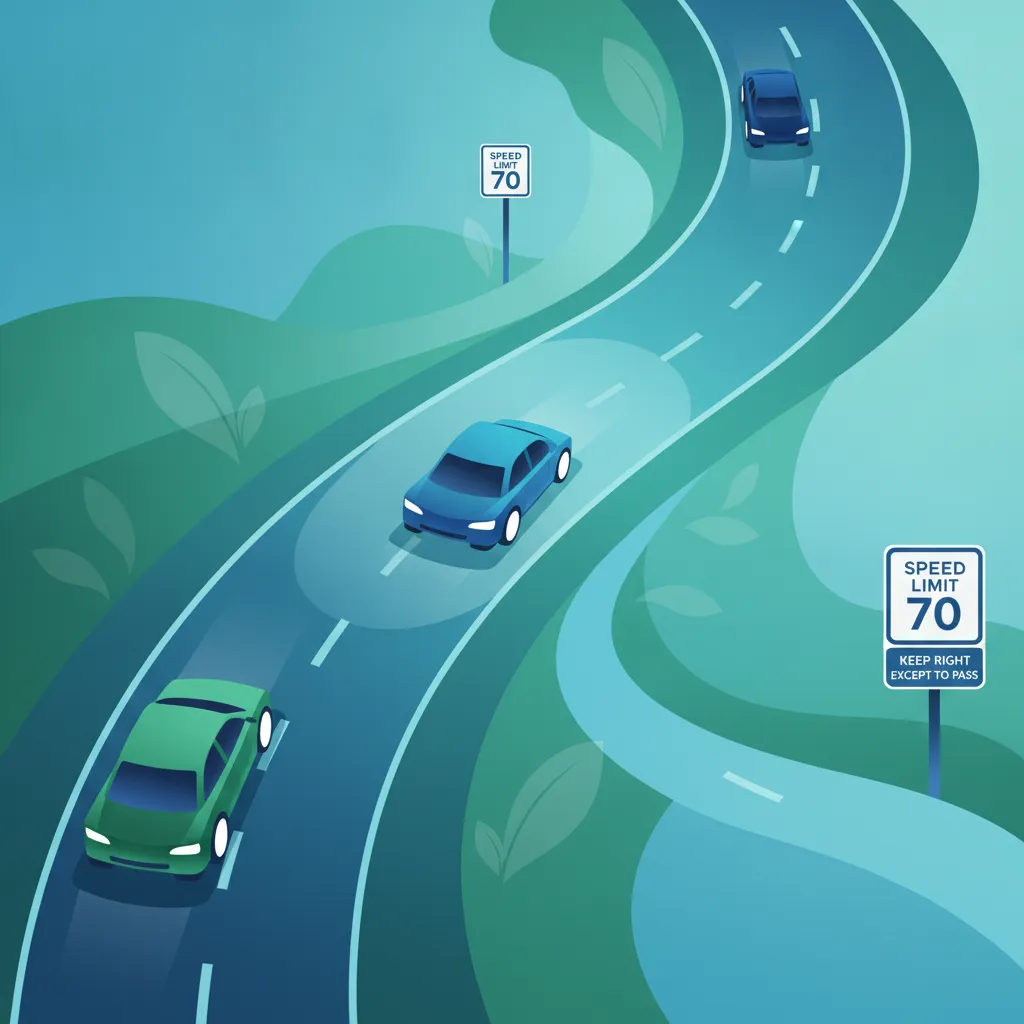
This lesson explains the specific rules, driving etiquette, and safety protocols for operating a vehicle on high-speed Turkish motorways. It covers correct lane usage, overtaking procedures, emergency lane restrictions, and how to maintain consistent high speeds safely. Drivers will learn to avoid dangerous tailgating and sudden lane changes.
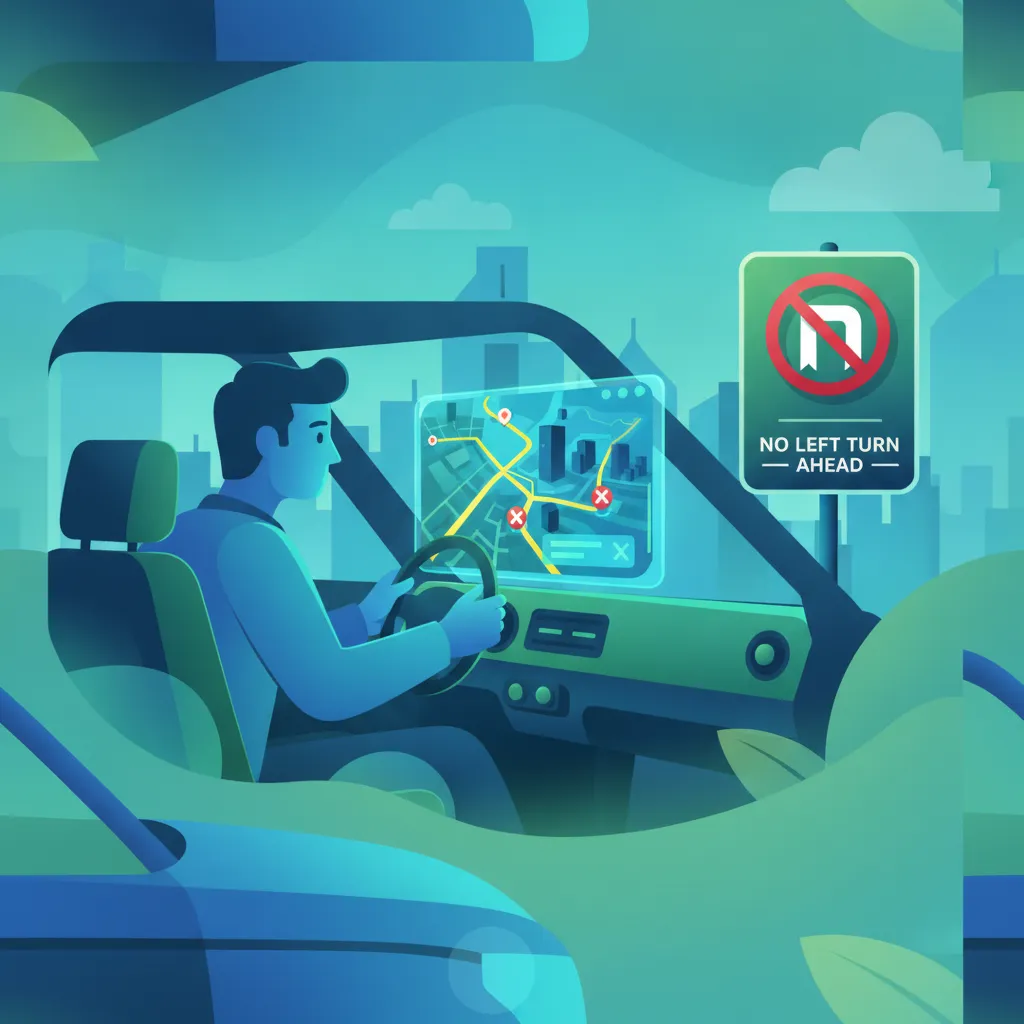
This lesson explores the legal and practical aspects of route planning for goods vehicles, emphasizing the importance of selecting suitable routes that adhere to road restrictions. Learners will learn how to identify roads with weight limits, height clearance, and prohibited zones for heavy vehicles. They will also discover how to use navigation systems and truck-specific GPS effectively.
Find clear answers to common questions learners have about Role of the Driver in Traffic Safety. Learn how the lesson is structured, which driving theory objectives it supports, and how it fits into the overall learning path of units and curriculum progression in Turkey. These explanations help you understand key concepts, lesson flow, and exam focused study goals.
Beyond operating the vehicle safely, a professional driver must adhere to strict road legislation, ensure load stability, and actively manage risks to protect both themselves and other vulnerable road users.
The exam evaluates not just technical knowledge, but also your understanding of legal obligations and the ethical conduct required for professional licences like C or CE.
Heavy vehicles have longer braking distances and larger blind spots; therefore, professional drivers must proactively identify hazards earlier than passenger car drivers to prevent accidents.
Yes, professional drivers are expected to set an example by following lane discipline, maintaining professional distance, and prioritizing the safety of non-motorized road users at all times.
Use our comprehensive practice search to find exactly the Turkish driving theory questions you need to master. Whether reviewing specific road signs, traffic rules, or first aid scenarios, select your perfect practice set and boost your confidence for the official ehliyet sınavı.