This lesson explores the legal and safety implications of riding under the influence of alcohol and drugs. By understanding these critical regulations and the physical impact of substances on your riding ability, you will be better prepared for both the theory exam and real-world safety.
Lesson content overview
Motorcycling demands exceptional concentration, swift reaction times, and precise control. Any substance that impairs these critical abilities significantly increases the risk of collisions and severe injury. In Great Britain, strict laws govern the consumption of alcohol and drugs by all road users, including motorcyclists, to ensure public safety. Understanding these regulations, the physiological effects of substances, and the severe legal consequences of non-compliance is essential for every rider.
This lesson provides a detailed overview of how alcohol and various drugs, including certain prescription medications, can dangerously affect your riding ability. We will explore the specific legal blood alcohol concentration (BAC) limits, the procedures for roadside testing, and the range of penalties you could face for infringement. Adhering to these rules is not just about legal compliance; it is fundamental to your safety and the safety of others on the road.
Riding a motorcycle is an intricate task requiring continuous sensory input, rapid decision-making, and finely tuned motor skills. Alcohol and drugs disrupt the central nervous system, leading to a dangerous decline in these essential functions. Even small amounts of substances can have profound effects.
Alcohol, a depressant, slows brain activity, leading to reduced reaction times, impaired vision, and diminished judgment. It also affects coordination and balance, which are absolutely critical for maintaining control of a two-wheeled vehicle. Drugs, whether illicit or some prescribed medications, can have a range of effects including sedation, euphoria, altered perception, or heightened aggression, all of which compromise a rider's ability to operate a motorcycle safely. The combination of these impairments dramatically increases the likelihood of an accident, often with more severe outcomes due to the inherent vulnerability of motorcyclists.
Great Britain imposes stringent legal limits on the amount of alcohol permitted in a rider's system while operating a motorcycle. These limits are designed to prevent riding when a rider's abilities are demonstrably impaired, safeguarding both the rider and other road users. The legal threshold is measured as Blood Alcohol Concentration (BAC).
For motorcyclists holding a full Category A, A1, or A2 licence, the legal blood alcohol concentration (BAC) limit is 35 milligrams of alcohol per 100 millilitres of blood (35mg/100ml). This limit also applies to the corresponding breath alcohol concentration, typically measured as 35 micrograms of alcohol in 100 millilitres of breath. Even if you feel capable, exceeding this specific legal threshold constitutes an offence. It is important to note that impairment can begin long before reaching this limit, making it crucial to exercise caution.
For anyone riding a motorcycle on a provisional licence, including those holding a learner permit, Great Britain enforces a zero-tolerance BAC limit. This means that there must be 0 milligrams of alcohol per 100 millilitres of blood (0mg/100ml) in their system while riding. Even a minimal amount of alcohol, such as that from a single standard drink, will put a learner rider over this limit and result in an offence. This strict policy is in place to encourage responsible habits from the outset and to protect less experienced riders who are still developing their riding skills.
There is no safe amount of alcohol to consume before riding, especially for learner and provisional licence holders. Always choose to abstain from alcohol if you plan to ride.
Beyond alcohol, Great Britain maintains a stringent zero-tolerance policy for illicit drugs for all road users, including motorcyclists. This means it is illegal to ride a motorcycle with any detectable amount of specified illicit drugs in your system above set legal thresholds. These thresholds are often extremely low, reflecting the significant danger drugs pose to riding ability.
The law specifies a list of illegal drugs for which very low limits apply. These include, but are not limited to, cannabis (specifically THC), cocaine, ecstasy (MDMA), ketamine, LSD, and amphetamines. For each substance, there is a technical limit, often measured in nanograms per millilitre (ng/ml) in blood or saliva. Even if you believe the drug's effects have worn off, detectable levels could still lead to prosecution. For example, the legal limit for THC (the psychoactive compound in cannabis) is typically 2ng/ml in blood. This is a very low threshold, designed to catch anyone impaired, regardless of when they last used the substance.
A legal framework where riding a motorcycle with any detectable amount of specified illicit drugs in the body, above minimal set thresholds, is considered an offence.
It's not just illegal drugs that pose a risk. Certain prescription medications and even some over-the-counter remedies can have psychoactive effects that impair your riding ability. These include, but are not limited to, strong painkillers (opioids), sedatives (benzodiazepines), some antidepressants, antihistamines, and certain cold and flu remedies. If these medications cause impairment, riding under their influence can still lead to a charge for riding while unfit, even if they were legally prescribed and taken as directed. Always read the warning labels on your medication and consult your doctor or pharmacist about any potential effects on your ability to ride safely.
To enforce drink and drug riding laws, police officers in Great Britain employ standardised roadside testing procedures. These protocols are designed to detect the presence of alcohol or drugs and to assess a rider's level of impairment, providing objective evidence for potential prosecution.
The most common method for roadside alcohol testing is the breathalyzer. If a police officer suspects you have been drinking, or during a routine stop, they may request a breath sample. This handheld device rapidly estimates your Blood Alcohol Concentration (BAC) from your breath. The results are typically displayed instantly, allowing the officer to determine if you are over the legal limit.
A police officer requests a breath sample, often using a handheld device.
You are required to blow into the device until it collects a sufficient sample.
The device provides an immediate reading of your estimated alcohol level.
If the reading is above the legal limit, you will be arrested and taken to a police station for a further, more accurate breath test using a more sophisticated evidential breath alcohol measuring instrument.
For suspected drug impairment, police officers can use a range of tests. A common initial test is an oral fluid (saliva) swab, which can detect recent use of common illicit drugs like cannabis and cocaine. If this test is positive, or if the officer has other strong suspicions, you may be required to provide a urine or blood sample. Blood tests are often considered the most accurate and are typically taken by a medical professional at a police station or hospital.
These drug tests are mandatory if requested by a police officer who has reasonable suspicion of impairment.
In addition to chemical tests, police officers may conduct Field Sobriety Tests (FSTs) to assess a rider's physical and cognitive impairment. These are simple physical and mental exercises designed to reveal signs of intoxication or drug influence. Common FSTs include:
Failing these tests can provide observable evidence of impairment and contribute to an officer's decision to conduct further chemical tests or to charge a rider for riding while unfit.
It is a separate and serious offence to refuse to provide a breath, saliva, urine, or blood sample when requested by a police officer, provided the request is lawful. Refusal often carries penalties as severe, or even more severe, than those for actually being over the limit. This rule is in place to prevent riders from avoiding prosecution simply by refusing to cooperate.
The risks associated with alcohol or drug impairment are further compounded when both are consumed simultaneously, a practice known as poly-substance use. The interaction between alcohol and various drugs, whether illicit or prescribed, can lead to a synergistic effect, meaning the combined impairment is far greater than the sum of each substance's individual effects.
For example, combining a small amount of alcohol with an antihistamine, sedative, or even cannabis can result in extreme drowsiness, severely impaired judgment, and significantly reduced coordination. Even if the amount of alcohol is below the legal limit and the drug level is barely detectable, the combined impact can render a rider completely unsafe to operate a motorcycle. While there aren't specific legal limits for combined impairment, police officers can still charge a rider for riding while unfit based on observed behaviour and the presence of any impairing substances.
The penalties for drink and drug riding offences in Great Britain are substantial and are designed to deter dangerous behaviour and protect public safety. These consequences can include significant fines, lengthy licence disqualification, and even imprisonment, with severity often increasing for repeat offenders or more serious levels of impairment.
The consequences for alcohol-related offences vary depending on the amount of alcohol detected and whether you are a full or provisional licence holder.
Driving or riding under the influence of drugs carries equally severe penalties.
Refusing to provide a breath, saliva, urine, or blood sample without a reasonable excuse is a serious offence.
The legal system in Great Britain takes a very dim view of repeat drink or drug riding offences. Previous convictions will almost always lead to significantly harsher penalties, including longer disqualification periods and increased likelihood of imprisonment. Some repeat offenders may also be required to undertake rehabilitation courses before regaining their licence.
Even if you are taking medication legally prescribed by a doctor, you still have a personal and legal responsibility to ensure you are fit to ride. Prescription drugs, particularly those affecting the central nervous system, can cause side effects such as drowsiness, dizziness, blurred vision, or impaired judgment, similar to illicit drugs or alcohol.
It is crucial to:
Police officers can still deem a rider impaired and charge them with riding while unfit, regardless of whether the medication was legally prescribed. Your medical exemption does not automatically grant you immunity from impairment charges if your abilities are compromised.
Understanding the rules is one thing; applying them in real-world situations is another. Here are some common scenarios and misunderstandings related to alcohol, drugs, and motorcycle riding in Great Britain.
A provisional licence holder, after a lesson, decides to have a single pint of beer before riding home, believing a small amount is harmless.
A full licence holder has two glasses of wine with dinner, feels fine, and decides to ride a short distance home. A roadside breath test shows a BAC of 40mg/100ml.
A rider consumes cannabis on a Friday night. On Saturday afternoon, they feel completely sober and decide to ride. They are stopped and test positive for THC above the legal threshold.
A police officer asks a motorcyclist to provide a breath sample at a checkpoint. The rider refuses, believing they have a right to do so or that it will prevent a charge.
A rider takes prescribed strong painkillers for a back injury. The medication leaflet warns of drowsiness, but the rider feels "okay" and goes for a short ride. A police officer observes erratic riding and conducts a field sobriety test, which the rider fails.
The strict laws and severe penalties for drink and drug riding are underpinned by compelling safety and public health reasoning.
Ultimately, your decision not to ride under the influence of alcohol or drugs is a fundamental aspect of defensive riding and responsible road safety. It safeguards your life, your licence, and the lives of others.
The influence of alcohol and drugs on motorcycle riding is a critical safety and legal topic for all riders in Great Britain.
Explore all units and lessons included in this driving theory course.
Lesson content overview
Explore all units and lessons included in this driving theory course.
Explore search topics learners often look for when studying Influence of Alcohol and Drugs on Riding. These topics reflect common questions about road rules, driving situations, safety guidance, and lesson level theory preparation for learners in Great Britain.
Browse additional driving theory lessons that cover connected traffic rules, road signs, and common driving situations related to this topic. Improve your understanding of how different rules interact across everyday traffic scenarios.
Understand the critical impact of alcohol, illicit drugs, and even some prescription medications on a motorcyclist's reaction time, judgment, and control. Essential knowledge for safe riding and legal compliance in Great Britain.

This lesson addresses the critical safety topics of impairment, distraction, and social pressures. It explains how alcohol and drugs severely affect judgment, coordination, and reaction time, outlining the strict legal limits and harsh penalties in Great Britain. The content also covers modern distractions like mobile phones and the importance of resisting negative peer pressure to maintain focus and make responsible decisions as a rider.
This lesson covers the dangers and illegality of driving under the influence of drugs. It explains that police can test for various illicit substances at the roadside and that certain prescription or over-the-counter medicines can also impair driving. You will learn about your responsibility to read medicine labels and consult a doctor or pharmacist about driving.
This lesson explains the legal alcohol limits for drivers in England, Wales, and Scotland. It highlights how even a small amount of alcohol can negatively affect your coordination, vision, and judgement, significantly increasing your risk of an accident. The severe penalties for drink driving, including fines, driving bans, and imprisonment, are also detailed.

This lesson identifies behaviours that significantly increase a rider's risk of being involved in a collision. It explains the dangers of excessive speed, following too closely, and aggressive riding. You will learn how a rider's attitude and choices directly contribute to their safety and the legal penalties associated with these offences.
This lesson explores the connection between a rider's physical condition and their performance on the road. It discusses how factors like fatigue, illness, and dehydration can impair judgement, concentration, and reaction times. You will also learn about the legal requirement to inform the DVLA of certain medical conditions that could affect your fitness to ride.
This lesson highlights why motorcyclists are considered vulnerable road users. It covers the increased risk of serious injury in a collision due to lack of physical protection compared to car occupants. You will learn about common visibility challenges and how to adopt proactive, defensive strategies to mitigate risks and anticipate potential hazards on the road.
This lesson explains the function of warning signs, which are mostly triangular and alert road users to potential dangers ahead. You will learn to identify signs for bends, junctions, slippery surfaces, and other hazards particularly relevant to motorcyclists. Acting on these warnings allows a rider to adjust speed and position proactively, enhancing safety.
The period after an accident can be stressful and confusing. This lesson provides guidance on the practical steps, such as reporting the incident to your insurer and gathering necessary information for any legal proceedings. It also touches upon the importance of looking after your own physical and mental wellbeing and how to regain confidence in your riding.
Riding in the rain requires significant adjustments to your technique. This lesson covers how to ride smoothly to maintain traction, the importance of increasing your following distance, and how to deal with reduced visibility from spray and fogged visors. You will also learn what aquaplaning is and how to avoid or manage it.
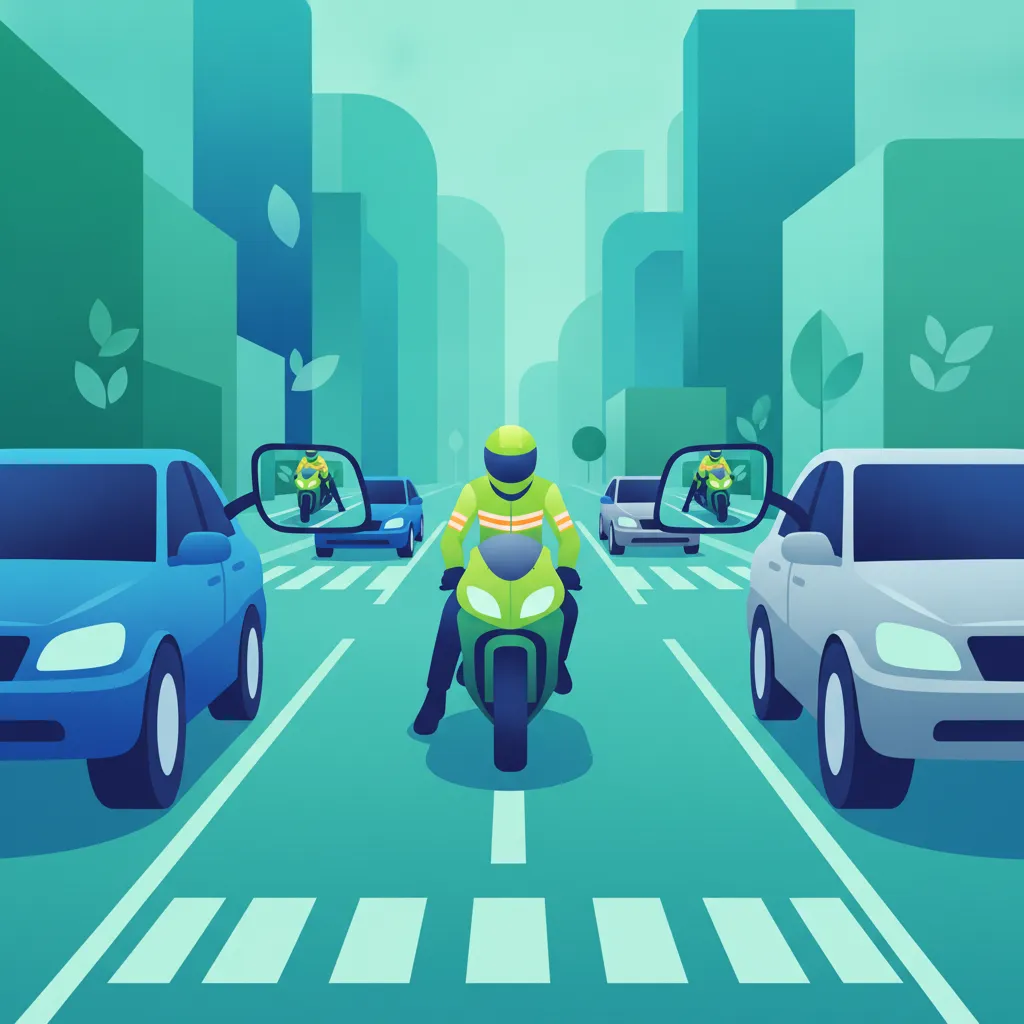
A key aspect of motorcycle safety is being seen by others. This lesson teaches techniques to increase your conspicuity on the road. Topics include the strategic use of high-visibility and reflective clothing, correct use of headlights and daytime running lights, and adopting lane positions that place you in the direct line of sight of other drivers.
Learn the strict legal alcohol and drug limits for motorcyclists in Great Britain, roadside testing procedures, and the severe penalties for offences, including fines, disqualification, and potential imprisonment.
This lesson addresses the critical safety topics of impairment, distraction, and social pressures. It explains how alcohol and drugs severely affect judgment, coordination, and reaction time, outlining the strict legal limits and harsh penalties in Great Britain. The content also covers modern distractions like mobile phones and the importance of resisting negative peer pressure to maintain focus and make responsible decisions as a rider.
This lesson explains the legal consequences of committing traffic offences. It covers how the penalty points system works, the number of points for common offences like speeding, and how accumulating 12 points can lead to disqualification under the 'totting-up' procedure. You will also learn about the specific rules for new riders, who can have their licence revoked with just 6 points.
This lesson explains the legal alcohol limits for drivers in England, Wales, and Scotland. It highlights how even a small amount of alcohol can negatively affect your coordination, vision, and judgement, significantly increasing your risk of an accident. The severe penalties for drink driving, including fines, driving bans, and imprisonment, are also detailed.
This lesson covers the dangers and illegality of driving under the influence of drugs. It explains that police can test for various illicit substances at the roadside and that certain prescription or over-the-counter medicines can also impair driving. You will learn about your responsibility to read medicine labels and consult a doctor or pharmacist about driving.
This lesson identifies behaviours that significantly increase a rider's risk of being involved in a collision. It explains the dangers of excessive speed, following too closely, and aggressive riding. You will learn how a rider's attitude and choices directly contribute to their safety and the legal penalties associated with these offences.
This lesson explains the legal consequences of committing traffic offences in Great Britain. It details the penalty points system, explaining how points are issued for various offences like speeding or using a mobile phone, and the thresholds that can lead to a driving ban. Understanding these penalties, fines, and potential licence revocation reinforces the importance of consistent, lawful riding and helps you appreciate the value of a clean driving record.
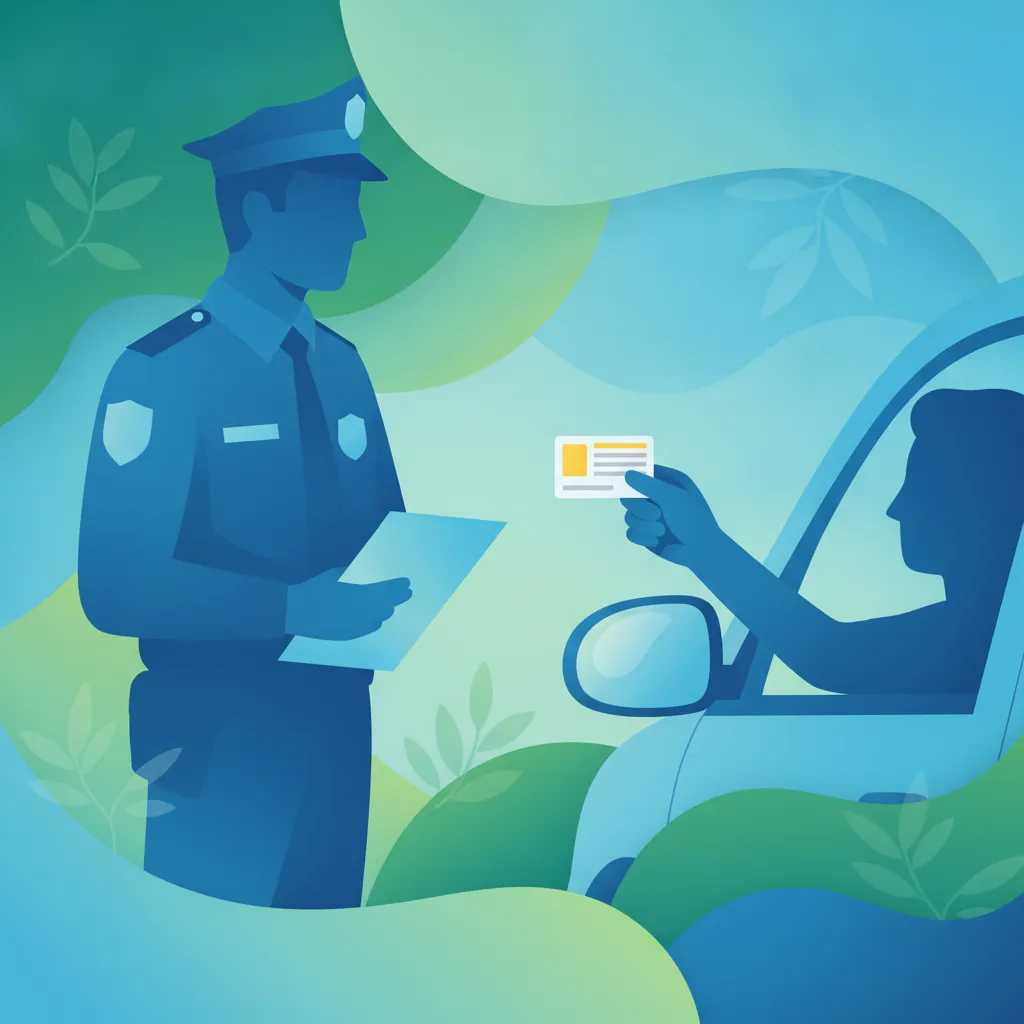
This lesson details the documentation a motorcyclist is legally required to produce when stopped by the police or a DVSA officer. It covers the driving licence, valid certificate of insurance, current MOT certificate, and the vehicle registration document (V5C). You will also learn about the legal consequences of failing to provide these documents, such as fines and penalty points.
This lesson decodes the language of road markings painted on the road surface. You will learn the rules associated with solid and broken white lines, double white lines that restrict overtaking, and yellow lines controlling parking. Proper understanding of these markings is crucial for maintaining correct lane discipline and riding legally.

This lesson focuses on regulatory signs, which are legally enforceable and typically circular in shape. You will learn the meaning of signs with red borders that prohibit actions and blue signs that give a mandatory instruction. Understanding these signs, such as speed limits and 'no entry', is essential for lawful and safe riding.
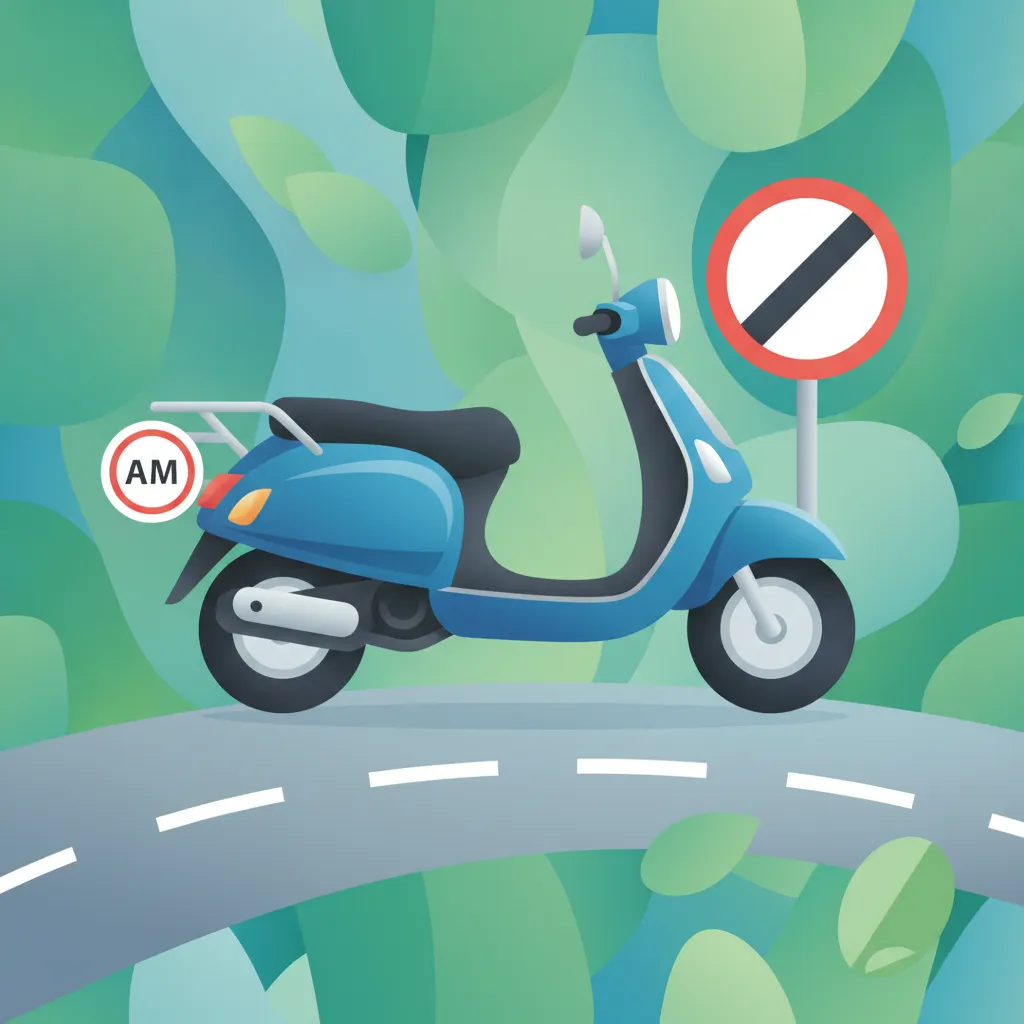
This lesson clarifies the specific speed limits that apply to Category AM vehicles on various British roads, from 30 mph zones in built-up areas to national speed limits on single and dual carriageways. It emphasizes that the posted limit is a maximum, not a target, and teaches you how to choose an appropriate speed based on factors like weather, traffic, and road layout. Understanding these rules is vital for both legal compliance and personal safety.
Find clear answers to common questions learners have about Influence of Alcohol and Drugs on Riding. Learn how the lesson is structured, which driving theory objectives it supports, and how it fits into the overall learning path of units and curriculum progression in Great Britain. These explanations help you understand key concepts, lesson flow, and exam focused study goals.
In England, Wales, and Northern Ireland, the limit is 80 milligrammes of alcohol per 100 millilitres of blood. In Scotland, the limit is lower at 50 milligrammes. It is safest to avoid alcohol entirely before riding.
Yes. If your driving is impaired, you can be charged with drug driving regardless of whether the medication was prescribed. Always check the label and consult your GP regarding how medication affects your ability to operate a motorcycle.
Refusing to provide a specimen for a breath, blood, or urine test without a reasonable excuse is a serious offence that carries heavy penalties, including potential disqualification and imprisonment.
Offences often lead to an automatic driving ban, heavy fines, and a criminal record. For a motorcycle rider, this means losing your licence and potentially higher insurance costs upon reinstatement.
Dive into our comprehensive question bank to find exactly what you need for your Great Britain theory test. Use our advanced filters to pinpoint specific subjects or test your knowledge on challenging areas, ensuring you're fully prepared for success.