This lesson explores the vital role of rider focus and responsibility in keeping yourself and others safe on British roads. It builds on your foundational understanding of AM vehicle control by addressing the psychological and legal factors that lead to common traffic violations and accidents.
Lesson content overview
Operating a moped or light quadricycle demands unwavering attention, sharp judgment, and swift reactions. This lesson is fundamental for all aspiring riders undertaking the Great Britain AM Licence Theory Course. It delves into the severe dangers posed by substance use, various forms of distraction, and the subtle yet powerful influence of peer pressure. These elements are among the leading causes of road traffic collisions involving mopeds and light quadricycles, directly compromising the safety of the rider and other road users. By understanding the physiological, cognitive, and legal implications, riders can build a strong foundation for responsible and safe riding.
Impairment significantly reduces a rider's ability to safely control a vehicle. It affects crucial skills such as balance, coordination, reaction time, and the capacity to make sound judgments. Both alcohol and drugs, including certain prescribed medications, can lead to severe impairment, with strict legal consequences for those who choose to ride while affected.
Alcohol directly impacts the central nervous system, leading to a range of effects that are catastrophic for safe riding. Even small amounts can impair critical faculties. For riders holding a Category AM licence in Great Britain, the law is unambiguous: there is a zero-tolerance policy regarding alcohol consumption. This means your Blood Alcohol Concentration (BAC) must be 0.00% when operating a moped or light quadricycle on public roads.
The amount of alcohol present in a person’s bloodstream, typically measured in milligrams of alcohol per 100 millilitres of blood, expressed as a percentage.
Any measurable amount of alcohol in your system while riding is a legal offence. Alcohol's effects include reduced coordination, slower reaction times, impaired vision, and diminished judgment, all of which are vital for controlling a two-wheeled (or light four-wheeled) vehicle. It is a common misconception that a small amount of alcohol, such as half a pint of beer, is permissible. For AM licence holders, this is false and highly dangerous. Always ensure you are completely sober before riding.
The influence of drugs on riding ability can be just as, if not more, dangerous than alcohol. This includes not only illicit substances but also many prescribed medications and even some over-the-counter drugs.
Drugs like cannabis, cocaine, amphetamines, and MDMA have profound psychoactive effects that can severely impair a rider’s capacity. These substances can lead to distorted perception, drowsiness, poor concentration, erratic behaviour, and delayed reactions. The law takes a zero-tolerance approach to riders found with certain illegal drugs in their system, even if the amount is tiny.
Many medications, while vital for health, can cause side effects that impair riding ability. These can include drowsiness, dizziness, blurred vision, or impaired concentration. Common culprits include:
Always read the warning label on any medication, prescribed or over-the-counter. If it advises against operating machinery or driving, it applies equally to riding a moped or light quadricycle. Consult your doctor or pharmacist if you are unsure about the effects of your medication on your riding ability.
The legal framework in Great Britain is designed to deter impaired riding through strict limits and severe penalties.
For Category AM licence holders, the Road Traffic Act 1988 mandates a 0.00% BAC. This means any measurable alcohol in your blood while riding is an offence. For drugs, it is an offence to ride if your ability is impaired by any drug, whether illegal, prescribed, or over-the-counter. There are also specific legal limits for certain drugs, such as cannabis.
Penalties for drink or drug driving are severe and can include:
Distraction is anything that diverts a rider’s attention away from the primary task of riding, leading to reduced perception of road conditions or delayed responses to hazards. In the fast-paced and dynamic environment of the road, even a brief moment of distraction can have catastrophic consequences.
Distractions can be categorised into several types, often occurring simultaneously:
Studies show that looking away from the road for just two seconds at 30 mph means you travel approximately 27 metres without seeing the road ahead. This is enough distance to miss a pedestrian, a changed traffic light, or a sudden brake from the vehicle in front.
Mobile phones are a major source of distraction and a significant risk on the road. The law in Great Britain is clear and strict regarding their use while riding.
It is illegal to use a handheld mobile phone or any other handheld device (such as a tablet or sat nav) while riding a moped or light quadricycle on a public road. This includes:
This prohibition applies even when stopped at traffic lights or in congested traffic. The only exception is in a genuine emergency when it is unsafe or impractical to stop.
Operating a mobile phone or similar electronic device by holding it in your hand while riding, for any purpose. This is illegal in Great Britain.
Using a hands-free device, such as a Bluetooth headset or a mounted phone for navigation that doesn't require holding, is permitted under the law. However, The Highway Code (Rule 164) clearly states that you must not be distracted by such devices. While it removes the visual and manual elements of distraction, a hands-free conversation can still lead to significant cognitive distraction. Engaging in a complex or emotional conversation can divert your mental attention away from the road, slowing your hazard perception and reaction times.
Even if a hands-free device is legal, if it causes you to ride without due care and attention or to ride dangerously, you could still face prosecution. Your primary focus must always be on riding safely.
Beyond mobile phones, many other factors can draw your attention away from riding:
Social influence, particularly from peers and passengers, can significantly impact a rider's decisions, sometimes leading to unsafe or illegal behaviours.
Social influence from companions that may encourage risky or unlawful behaviour.
Peer pressure often manifests as an urge to conform to group expectations, even if it means compromising personal safety or breaking the law. Examples of negative peer pressure include:
As a rider, you are solely responsible for your actions and the safety of your vehicle. The law holds you accountable, regardless of any pressure from others. Developing assertiveness and the ability to say "no" to unsafe requests is a critical skill for responsible riding.
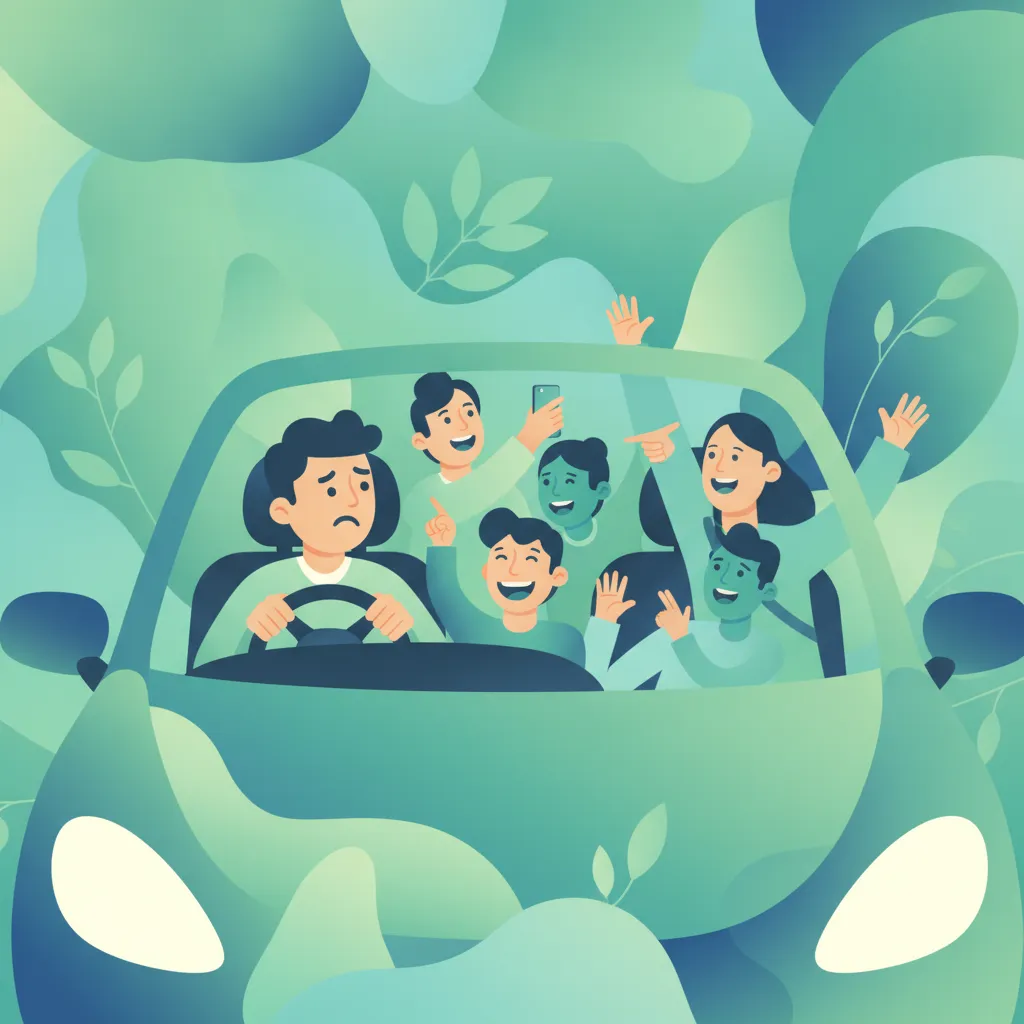
If you carry a passenger on your moped or light quadricycle, you remain fully responsible for the vehicle's control and the safety of everyone. Passengers can inadvertently or deliberately create distractions or exert pressure.
The Highway Code Rule 138 explicitly states that you, as the rider, are responsible for controlling your vehicle safely at all times, even with passengers. Do not let passengers influence you into unsafe riding practices.
These three concepts are intrinsically linked and form the bedrock of safe riding. Impairment and distraction directly undermine them.
The mental capacity to maintain continuous focus on the riding task and process external stimuli without being overwhelmed by additional mental workload.
Riding a moped or light quadricycle requires continuous and active concentration. You need to constantly scan the road, anticipate the actions of other road users, monitor your surroundings, and be prepared to react instantly to hazards. Any lapse in concentration, however brief, can lead to a missed hazard and a potential collision.
The total amount of mental processing required to maintain safe riding under current conditions.
Human cognitive capacity is finite. When riding in complex conditions (e.g., busy urban traffic, adverse weather, or unfamiliar routes), your cognitive load is already high. Adding distractions—whether it's a phone call, a conversation, or internal stress—can quickly overload your mental capacity. This overload significantly impairs your ability to process information, make decisions, and respond effectively.
The ability of a rider to recognise dangerous situations early and respond appropriately.
Both impairment and distraction severely compromise your hazard perception.
For instance, a rider experiencing cognitive distraction might fail to see a child about to step into the road from behind a parked car or miss the brake lights of a vehicle ahead until it is too late.
Adhering to the specific rules and regulations is not just about avoiding penalties; it's about protecting lives.
Zero Alcohol Tolerance for Category AM: Riders holding a Category AM licence must not have any alcohol in their bloodstream (0.00% BAC) when riding on public roads. This is a mandatory rule under the Road Traffic Act 1988, designed to prevent any degradation of crucial rider capabilities.
Prohibition of Handheld Mobile Phone Use: It is a mandatory offence under the Road Traffic Act 1988 to use a handheld mobile phone or any other handheld device while riding a moped or light quadricycle. This applies even when stopped in traffic.
Conditional Use of Hands-Free Devices: While hands-free devices are permitted, they must not distract the rider from riding safely. This is an advisory rule in The Highway Code (Rule 164), but can lead to penalties if distraction causes dangerous riding.
Prohibition of Riding Under Drug Influence: It is an offence to ride under the influence of illegal drugs or prescription/over-the-counter drugs that impair your ability. This is mandatory under various acts, including the Road Traffic Offenders Act 1988, with a zero-tolerance approach for impairment.
Rider's Sole Responsibility Over Passengers: As the rider, you remain fully responsible for vehicle control and safe riding decisions, regardless of any influence or actions from passengers. This is mandatory under The Highway Code (Rule 138).
Penalties for Distraction Offences: Using a handheld mobile phone incurs a Fixed Penalty Notice (FPN) of £200 and three penalty points. Misuse of hands-free devices that results in dangerous riding can also lead to penalties. These are mandatory sanctions under the Road Traffic Act 1988.
Understanding common pitfalls helps in avoiding them.
The risks associated with impairment and distraction are compounded by various external factors.
Explore all units and lessons included in this driving theory course.
Lesson content overview
Explore all units and lessons included in this driving theory course.
Explore search topics learners often look for when studying Substance Use, Distractions, and Peer Pressure. These topics reflect common questions about road rules, driving situations, safety guidance, and lesson level theory preparation for learners in Great Britain.
Browse additional driving theory lessons that cover connected traffic rules, road signs, and common driving situations related to this topic. Improve your understanding of how different rules interact across everyday traffic scenarios.
Understand the strict legal limits for drugs while riding a moped or light quadricycle in Great Britain. Learn about the severe penalties, including fines, points, and disqualification, for impaired riding under drug influence.
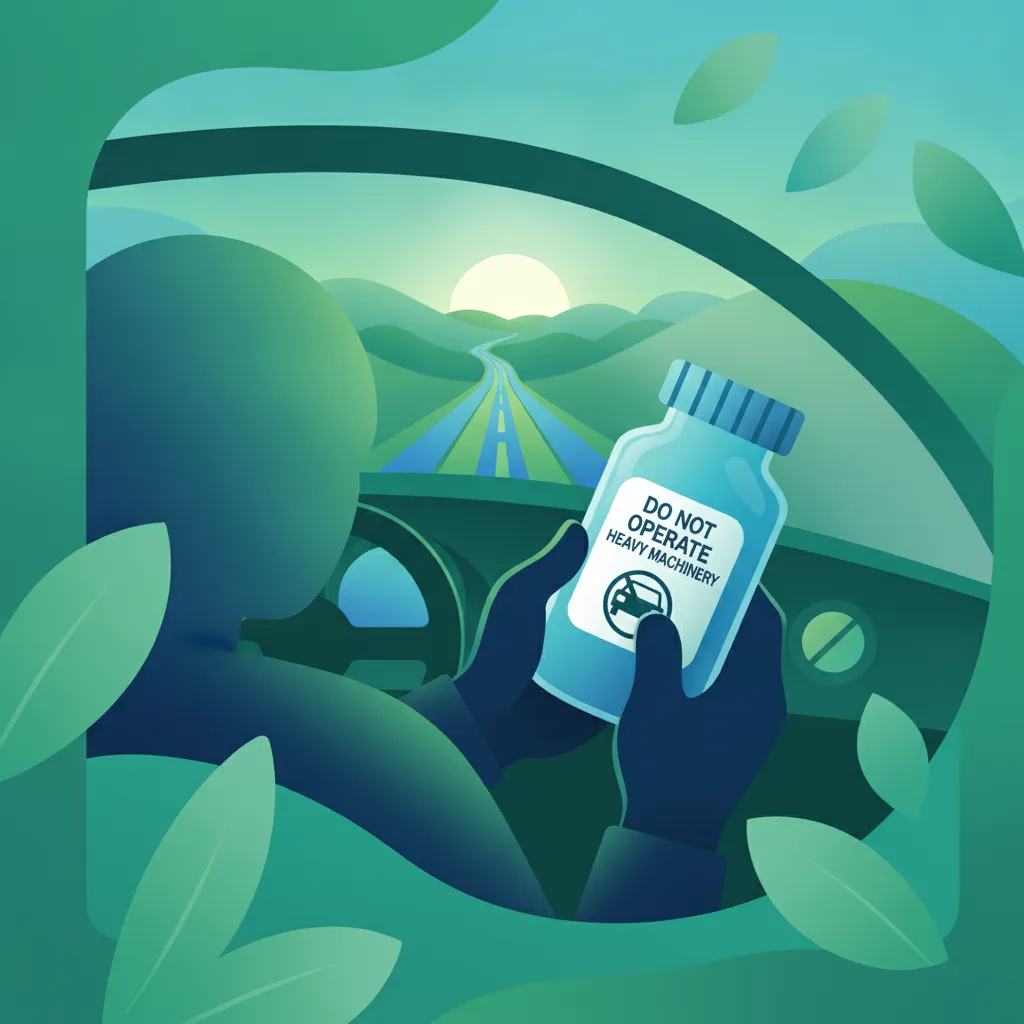
This lesson covers the dangers and illegality of driving under the influence of drugs. It explains that police can test for various illicit substances at the roadside and that certain prescription or over-the-counter medicines can also impair driving. You will learn about your responsibility to read medicine labels and consult a doctor or pharmacist about driving.
This lesson covers the strict laws and significant safety risks associated with drink and drug riding. It explains the legal blood alcohol limits in Great Britain, the procedures for roadside testing, and the severe penalties for infringement, including fines, disqualification, and imprisonment. You will also learn how various substances, including some prescription medications, can dangerously impair your riding ability.
This lesson explains the legal alcohol limits for drivers in England, Wales, and Scotland. It highlights how even a small amount of alcohol can negatively affect your coordination, vision, and judgement, significantly increasing your risk of an accident. The severe penalties for drink driving, including fines, driving bans, and imprisonment, are also detailed.
This lesson explains the legal consequences of committing traffic offences in Great Britain. It details the penalty points system, explaining how points are issued for various offences like speeding or using a mobile phone, and the thresholds that can lead to a driving ban. Understanding these penalties, fines, and potential licence revocation reinforces the importance of consistent, lawful riding and helps you appreciate the value of a clean driving record.
This lesson outlines the serious legal and professional consequences of committing traffic offences. It covers common issues such as speeding, using a mobile phone, and the strict limits on alcohol, explaining the system of fixed penalty notices and penalty points. The content makes clear how accumulating points can lead to fines, licence suspension or revocation, and the loss of a professional driving career. The importance of understanding and following company policy on incident reporting is also stressed.
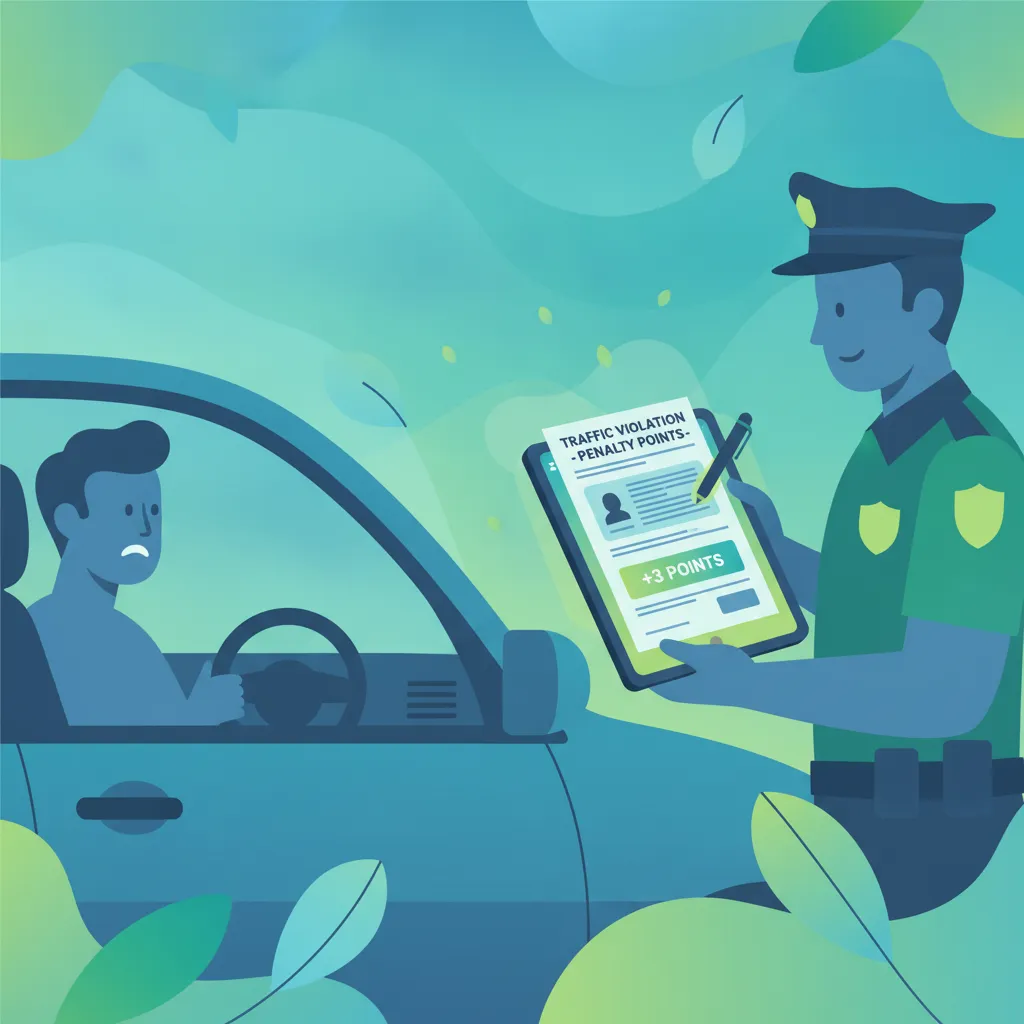
This lesson details the consequences of committing traffic offences. It explains how penalty points are added to your licence for infractions like speeding or using a mobile phone. You will learn about the threshold for disqualification (totting-up) and the specific, stricter rules that apply to new drivers within the first two years of passing their test.
Gain a comprehensive understanding of the legal repercussions for violating goods vehicle regulations, which can range from civil penalties to criminal prosecution. This lesson details the fines, penalty points, and potential vehicle seizure enforced by authorities like the DVSA and the police. It clarifies how serious offences are handled in court and how repeated infractions can lead to escalating sanctions, impacting both your licence and professional career.
This lesson addresses the serious danger of driver fatigue, a major cause of incidents involving commercial vehicles. It details the complex EU and GB domestic rules on drivers' hours, including driving limits and required rest periods. Learners will be taught to recognize the physical and mental signs of fatigue and understand the importance of taking quality rest to maintain alertness and ensure their own safety and that of others.
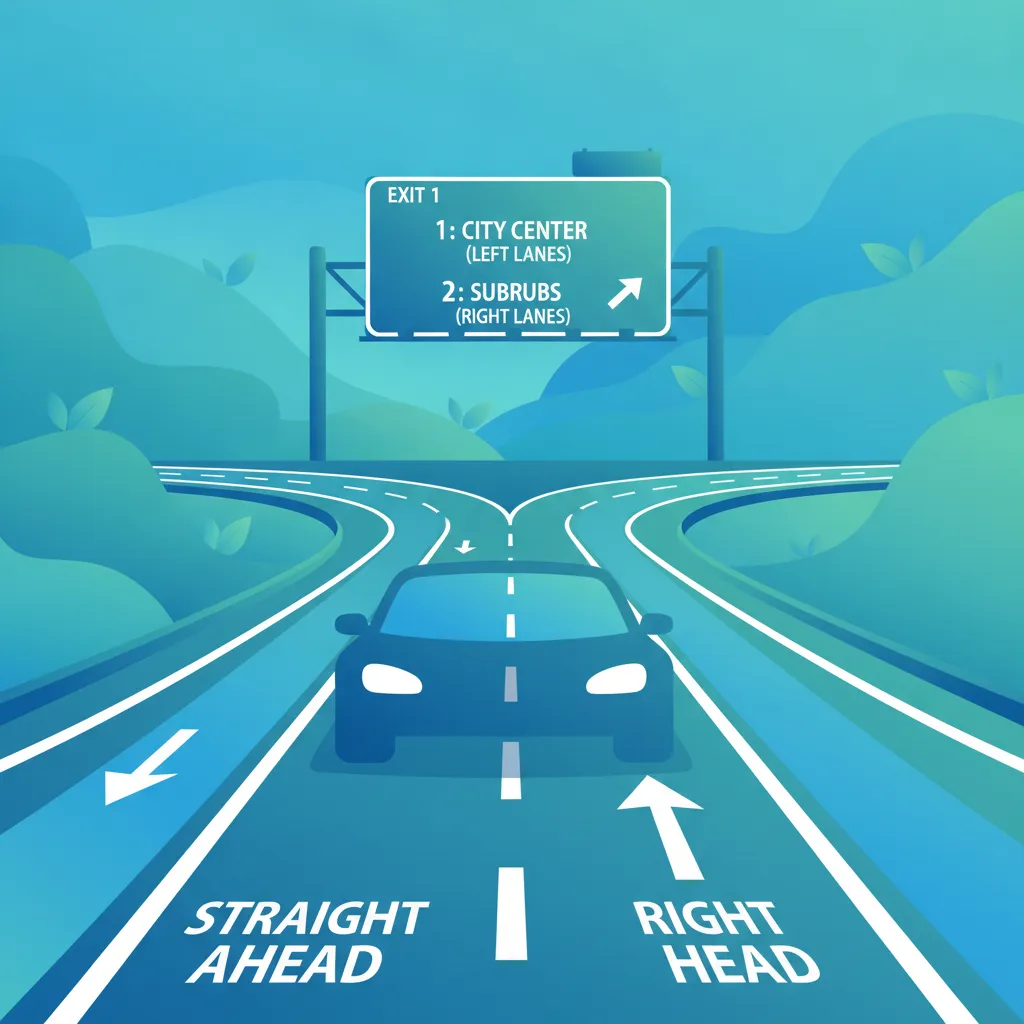
This lesson focuses on the rules conveyed by road markings, such as solid and broken white lines that dictate overtaking rules and lane boundaries. You will learn to interpret waiting and stopping restrictions indicated by yellow and red lines, and understand markings for specific road users like bus and cycle lanes. Maintaining correct lane discipline based on these markings is a fundamental skill for safe navigation and compliance with the Highway Code.
This lesson details all the necessary documentation required at each stage of the AM licensing process, from applying for a provisional licence to attending your theory and practical tests. You will learn about the required forms of identification, proof of insurance, and vehicle registration documents. The lesson also provides a clear overview of the DVSA test procedures, explaining the format of the multiple-choice theory test, the hazard perception section, and the criteria for the practical assessment.
Explore how distractions like mobile phones and the influence of peer pressure can critically impair rider judgment and reaction times. Learn strategies to maintain focus and make safe decisions while riding in Great Britain.
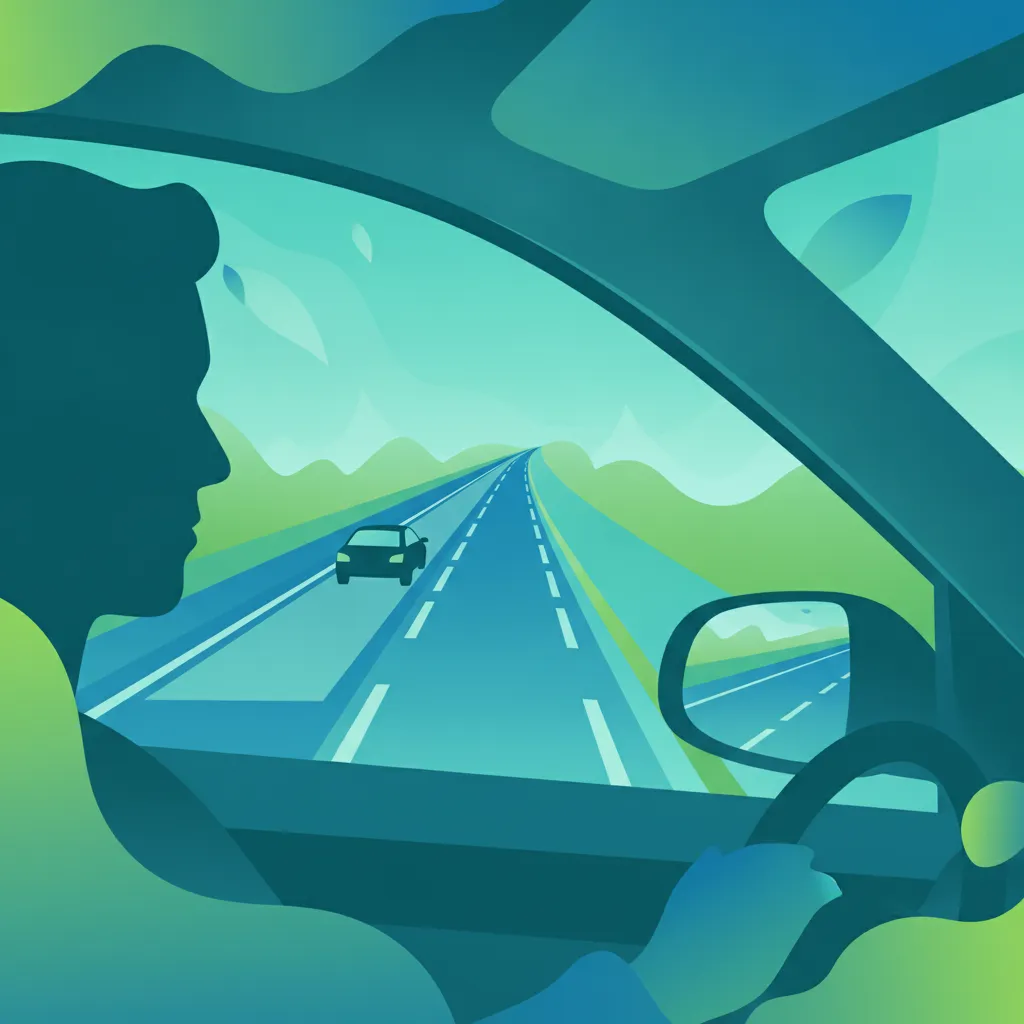
This lesson teaches riders how to be constantly aware of blind spots to prevent collisions. You will learn the importance of the 'lifesaver' shoulder check before changing position, turning, or moving off. The content emphasizes active visual scanning of the road ahead and around you, along with developing the judgment needed to accurately assess traffic speed and create safe gaps for maneuvering in various traffic situations.
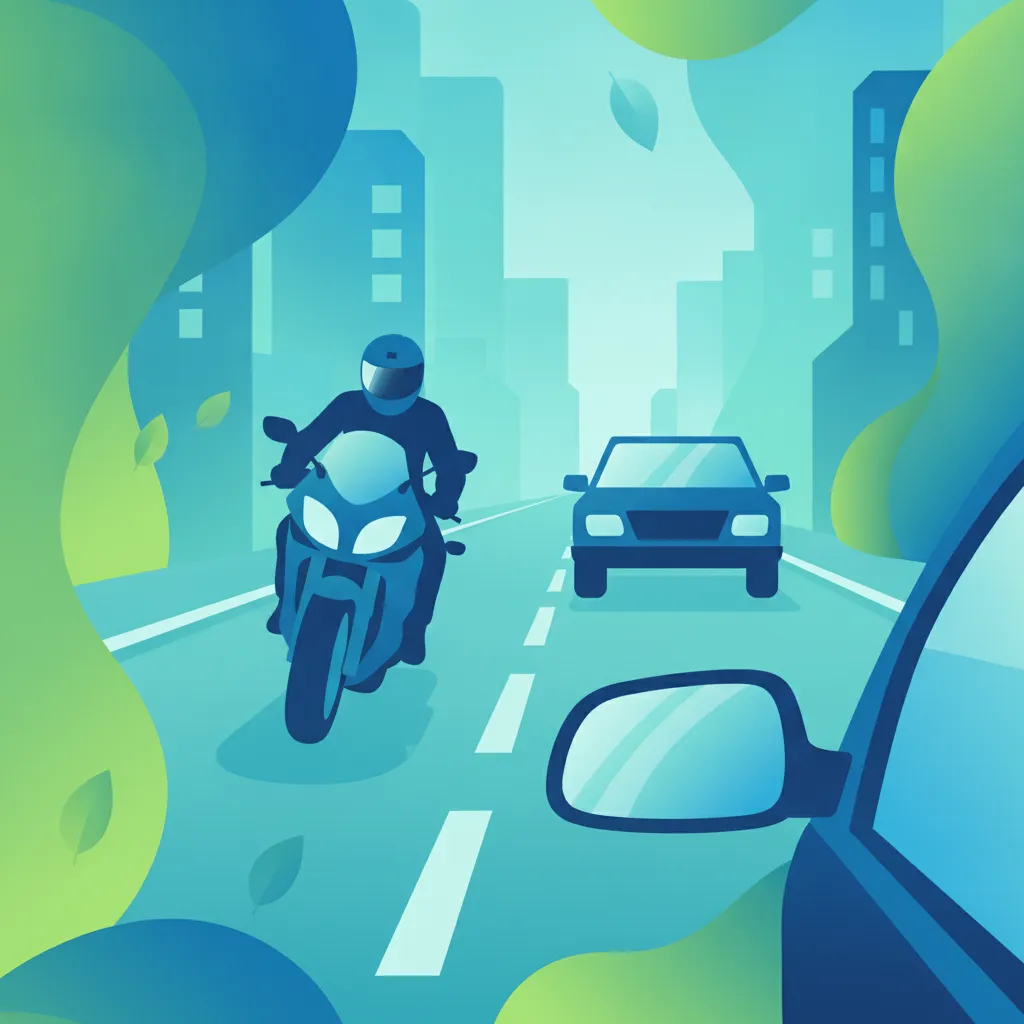
This lesson teaches strategic road positioning techniques to maximize your visibility and safety in traffic. You will learn how to choose the correct lane position to avoid the blind spots of larger vehicles and how to communicate your intentions through predictable riding. Key skills covered include effective use of shoulder checks, making eye contact with drivers, and maintaining a safe following distance, all of which are crucial for defensive riding on British roads.
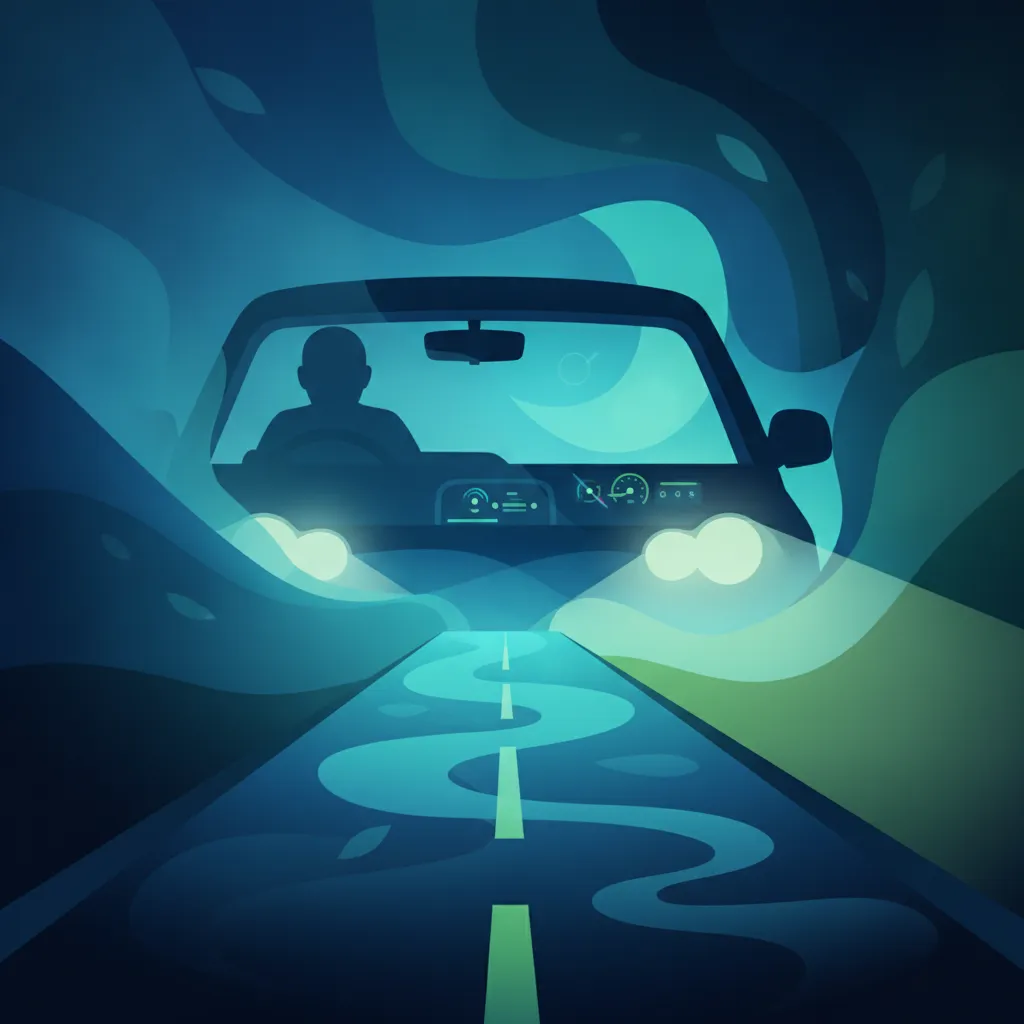
This lesson focuses on the challenges of riding when you can't see or be seen clearly. It covers the correct use of lights in fog, rain, and at night to maximize both your vision and your visibility to others. You will learn why reducing speed is critical, how to use reflective clothing effectively, and strategies for dealing with the glare from other vehicles' headlights to ensure you can navigate safely in all lighting conditions.
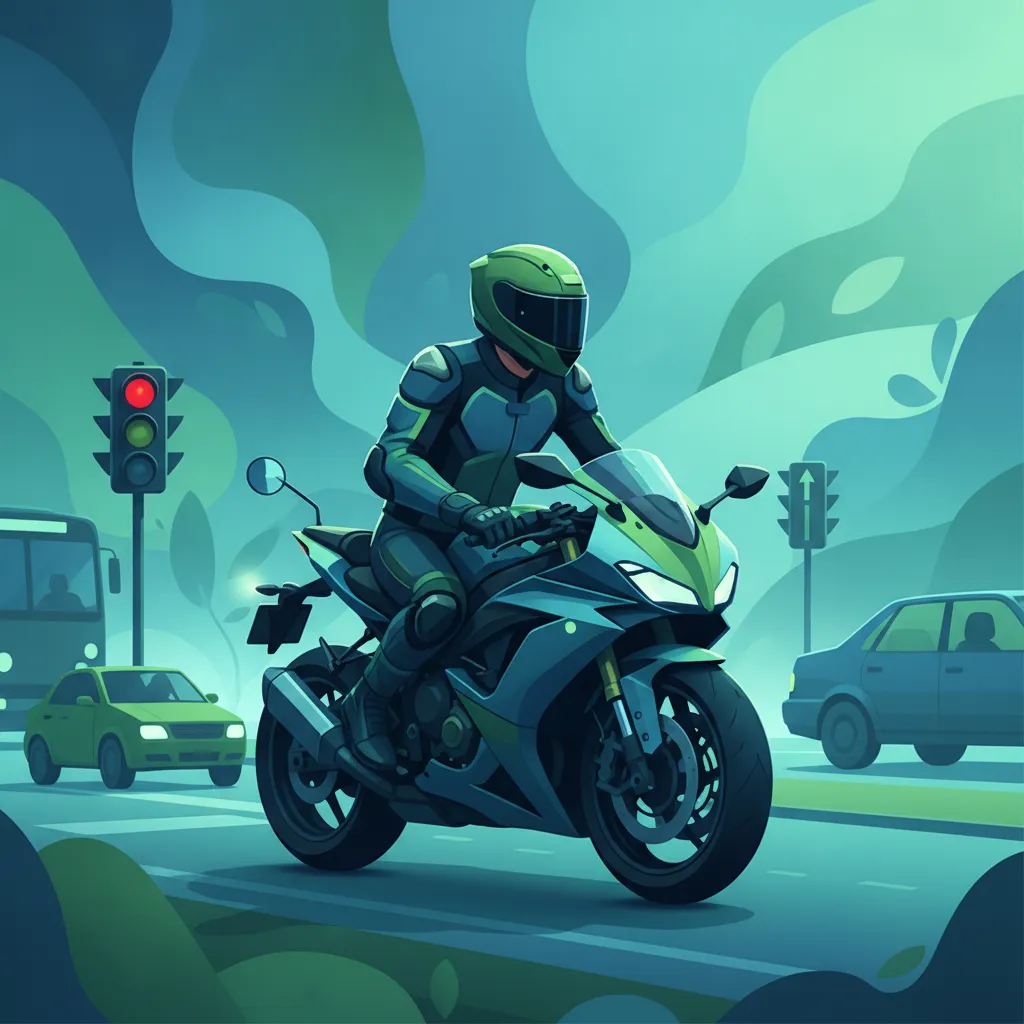
This lesson outlines the fundamental responsibilities of an AM driver on British roads, focusing on adherence to the Highway Code and cultivating a safety-first mindset. You will learn the principles of defensive riding, the importance of being visible to others, and the need to protect vulnerable road users like pedestrians and cyclists. The content also covers legal duties such as vehicle maintenance and conducting risk assessments before every journey to promote responsible road behaviour.
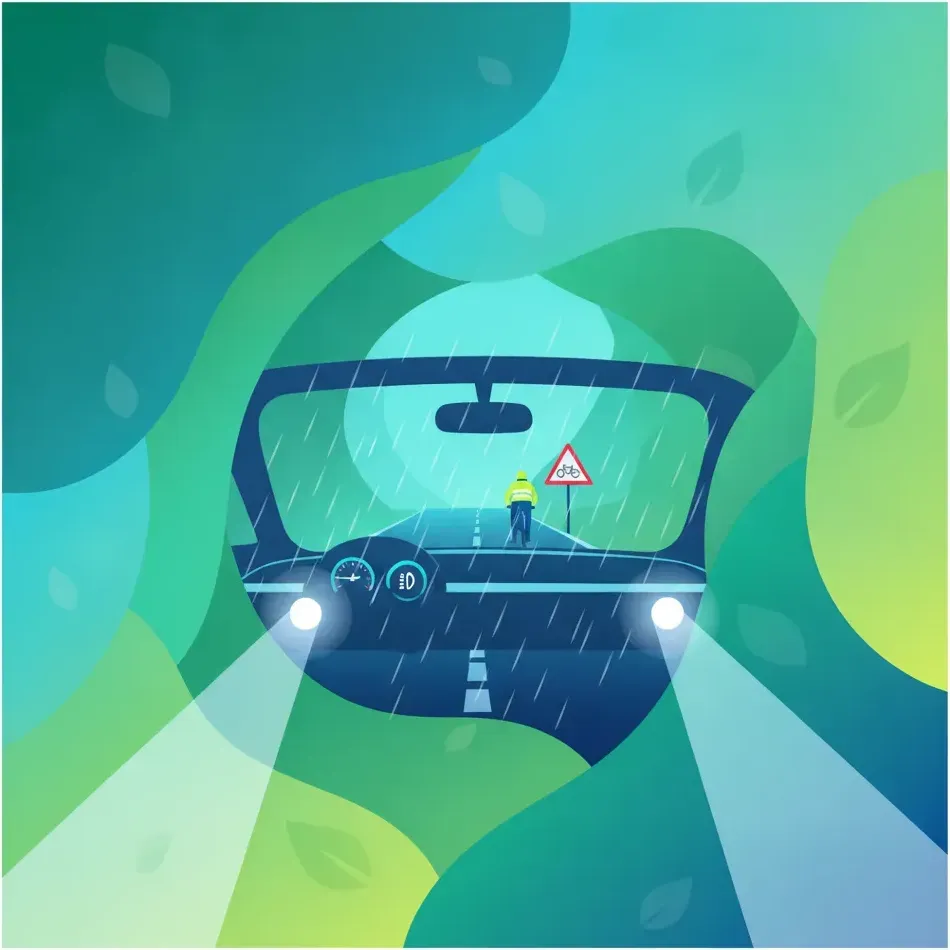
This lesson details the legal requirements and best practices for using lights and reflectors on your moped or light quadricycle. It covers the correct operation of headlamps, daytime running lights, brake lights, and indicators to communicate your intentions clearly to other road users. You will also learn how to enhance your visibility further with strategically placed reflectors and reflective tape, ensuring you remain conspicuous in low-light conditions and compliant with British lighting regulations.
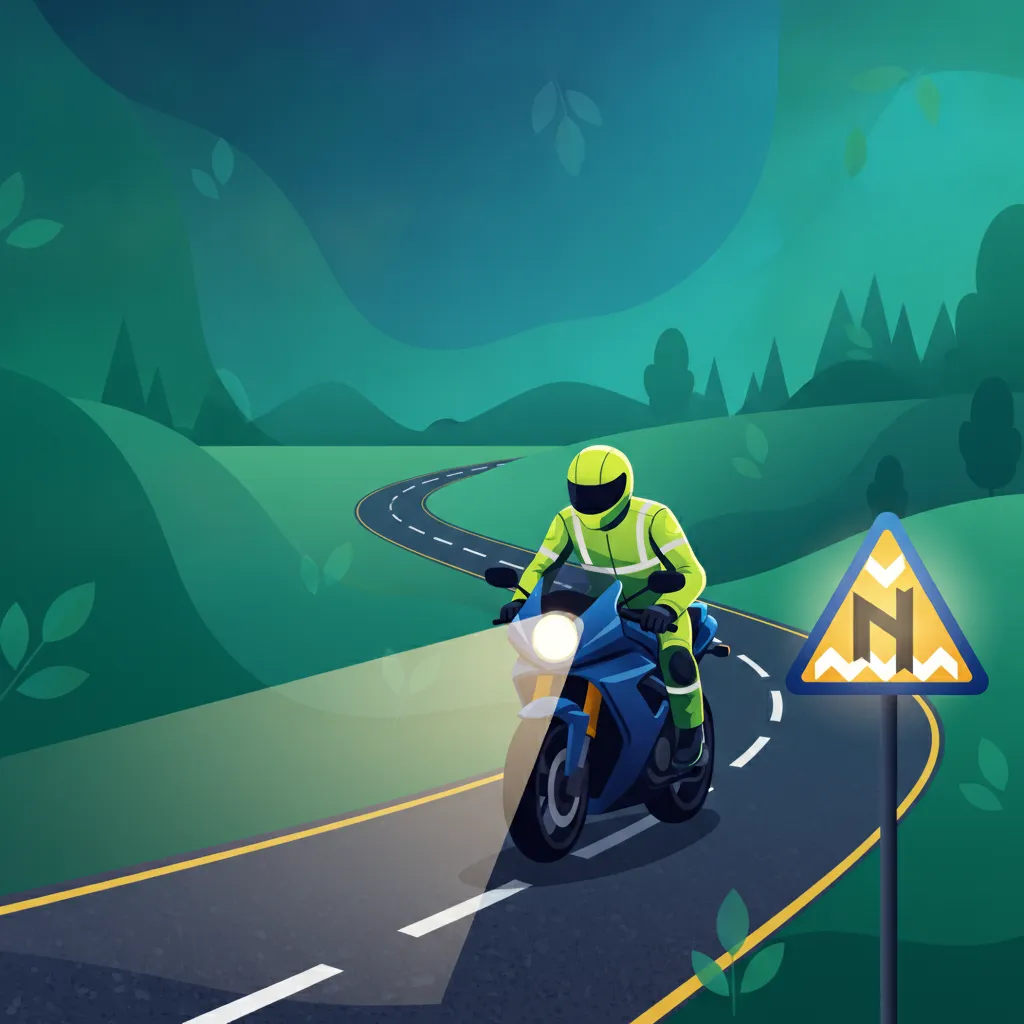
This lesson provides essential techniques for safe riding during nighttime and in poor visibility conditions like dawn or dusk. It covers the correct use of your headlamp's main and dipped beams, strategies for reducing glare from oncoming traffic, and the critical role of reflective clothing. You will also learn how to identify common nighttime hazards and manage fatigue, ensuring you can navigate British roads safely after dark while complying with all relevant road rules.
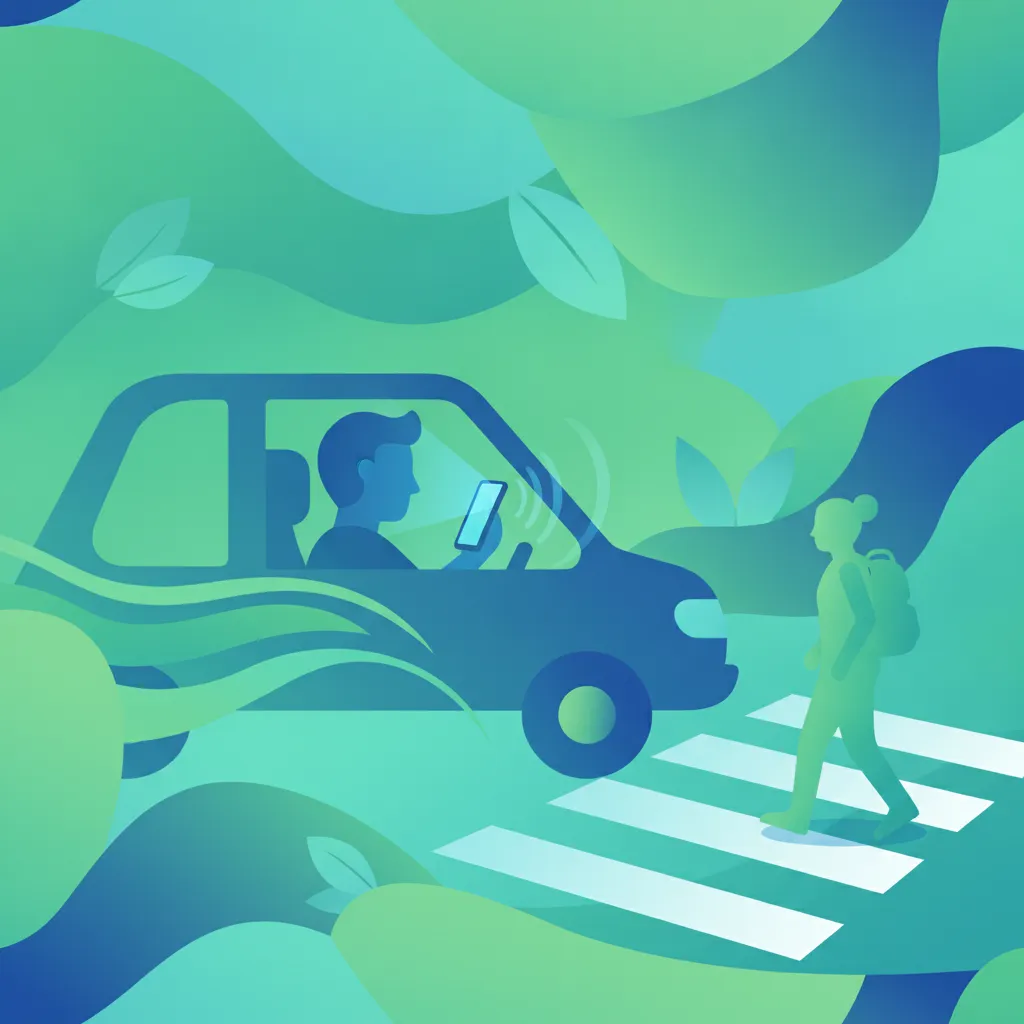
This lesson identifies behaviours that significantly increase a rider's risk of being involved in a collision. It explains the dangers of excessive speed, following too closely, and aggressive riding. You will learn how a rider's attitude and choices directly contribute to their safety and the legal penalties associated with these offences.
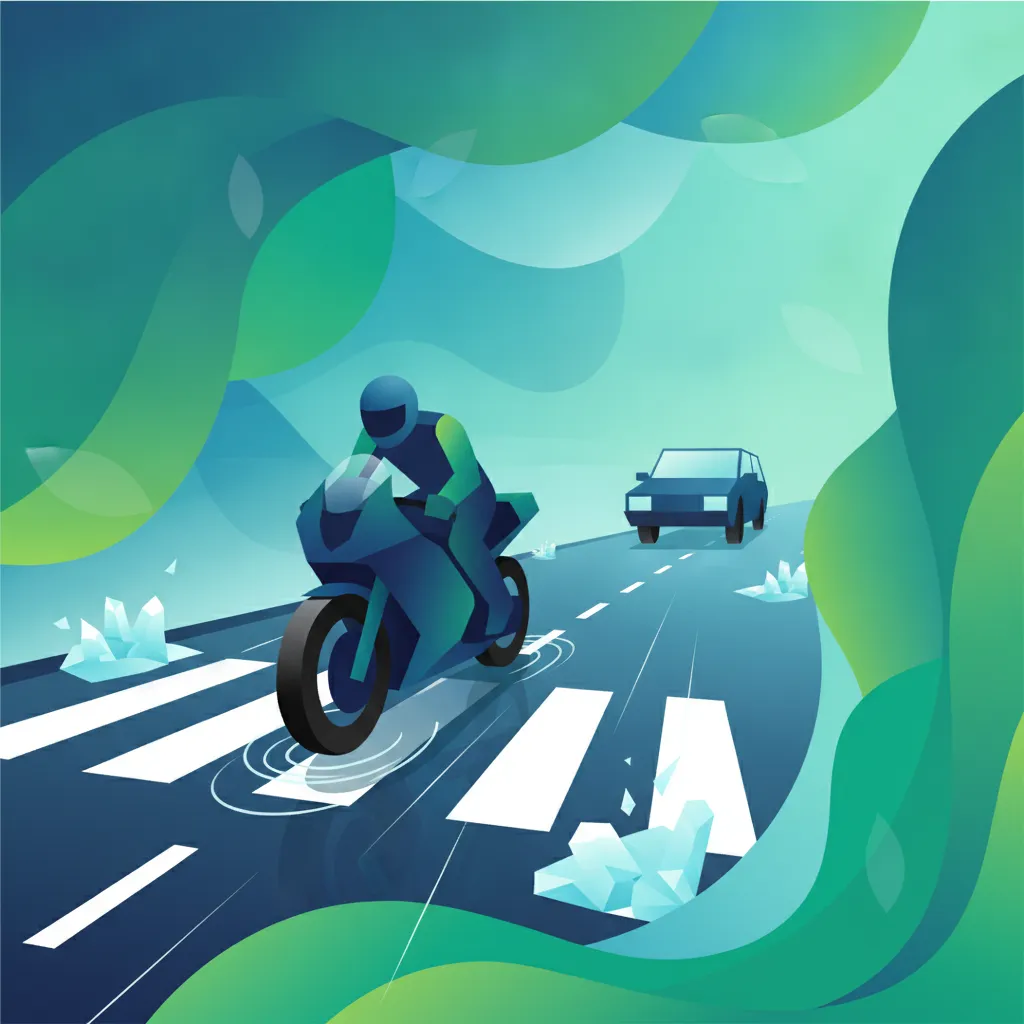
This lesson provides essential advice for riding safely in adverse weather conditions that reduce tyre grip. You will learn how rain, ice, and wet leaves dramatically increase braking distances and affect handling. Key strategies covered include reducing speed, increasing following distances, making smooth control inputs, and anticipating slippery areas to maintain control and avoid skidding on compromised road surfaces.
This lesson covers the strict laws and significant safety risks associated with drink and drug riding. It explains the legal blood alcohol limits in Great Britain, the procedures for roadside testing, and the severe penalties for infringement, including fines, disqualification, and imprisonment. You will also learn how various substances, including some prescription medications, can dangerously impair your riding ability.
This lesson highlights why motorcyclists are considered vulnerable road users. It covers the increased risk of serious injury in a collision due to lack of physical protection compared to car occupants. You will learn about common visibility challenges and how to adopt proactive, defensive strategies to mitigate risks and anticipate potential hazards on the road.
Find clear answers to common questions learners have about Substance Use, Distractions, and Peer Pressure. Learn how the lesson is structured, which driving theory objectives it supports, and how it fits into the overall learning path of units and curriculum progression in Great Britain. These explanations help you understand key concepts, lesson flow, and exam focused study goals.
Great Britain has strict alcohol limits for drivers and riders. While the limits are set, it is safest to have no alcohol at all. Any amount can impair your coordination and judgment, leading to serious accidents and heavy legal penalties including loss of your licence.
Using a mobile phone or any handheld device while riding is illegal and highly dangerous. In the context of your theory test, you must understand that even momentary distraction leads to slow reaction times, which is a major factor in the hazard perception scenarios you will face.
Yes. Drug driving is a serious criminal offence in Great Britain. If caught, you will face severe consequences, including mandatory disqualification, large fines, and a criminal record, which stays with you and affects your future insurance premiums and employment prospects.
The DVSA includes this because peer pressure is a significant risk factor for young and new riders. Understanding that you must resist the urge to show off or take risks is a core component of being a responsible road user and is frequently assessed in theory test scenarios.
Dive into our comprehensive question bank to find exactly what you need for your Great Britain theory test. Use our advanced filters to pinpoint specific subjects or test your knowledge on challenging areas, ensuring you're fully prepared for success.