This lesson provides an in-depth look at the British system of warning signs, which are essential for identifying potential hazards ahead. By mastering these triangular signs, you will be able to anticipate changes in road layout and react safely to various dangers. This is a critical step in your Category B theory preparation as it directly impacts your ability to scan the road for hazards.

Lesson content overview
Navigating the roads safely in Great Britain requires a thorough understanding of all traffic signs. Among the most crucial are warning signs, which are designed to alert drivers to potential hazards or changes in road conditions ahead. For Great Britain Category B learner drivers, mastering the interpretation and appropriate response to these signs is not only essential for passing the driving theory test but, more importantly, for ensuring safety on every journey. This comprehensive guide will equip you with the knowledge to identify, interpret, and react correctly to the myriad of warning signs you will encounter.
Warning signs serve as fluorescent warning devices, providing critical safety information that allows drivers to anticipate and prepare for upcoming conditions that may affect their driving behaviour. Unlike regulatory signs that command specific actions, warning signs aim to inform and prompt proactive adjustments. By detecting hazards early, drivers gain valuable time to adapt their speed, adjust their lane position, and modify their driving actions, thereby mitigating risks and preventing accidents.
The Highway Code mandates the recognition and appropriate response to warning signs, underscoring their legal importance. Their distinct design leverages human visual perception principles, such as shape and colour salience, ensuring rapid detection even at peripheral angles. This early detection is a cornerstone of safe driving and hazard perception, making warning signs indispensable for road safety.
Road signs in Great Britain follow a standardised system, and warning signs have a unique visual identity that makes them immediately recognisable. Understanding these core principles is fundamental to their interpretation.
The most defining characteristic of a warning sign in Great Britain is its equilateral triangular shape, always pointing upwards. This universal shape instantly distinguishes warning signs from other categories, such as circular regulatory signs or rectangular directional and informative signs. This distinct geometry allows for quick identification, even at a glance or in challenging visibility conditions. Drivers must learn to treat any triangular sign as an immediate indication of a potential hazard ahead, requiring heightened attention.
The colour scheme of most warning signs is deliberately chosen for high contrast and immediate impact. They feature a red border, a white background, and black symbols. The red border universally signals caution and danger, drawing the eye to the sign. The white background provides a clear canvas for the black symbols, ensuring maximum legibility under a wide range of lighting conditions, from bright daylight to dusk. This high-contrast design ensures that the critical information conveyed by the symbol is easily perceived and understood by drivers.
Instead of text, warning signs primarily use pictograms, or standardised symbols, to represent the nature of the hazard. These symbols are universally recognised, minimising language dependency and enabling rapid comprehension across diverse road users. Examples include a black curve indicating a sharp bend, a silhouette of an animal for an animal crossing, or a depiction of roadworks. Correct interpretation requires familiarity with the meaning of each symbol, which is a key part of your driving theory knowledge.
Warning signs are strategically positioned relative to the hazard they herald, providing advance warning distance. This placement is crucial as it allows drivers sufficient time to process the information, reduce their speed, and plan any necessary manoeuvres safely. The exact distance can vary depending on the expected speed limit and the nature of the hazard, but the underlying principle is to ensure adequate reaction and stopping distance. Drivers must anticipate the hazard based on the sign's location, rather than waiting until they physically see the hazard itself.
Often, a warning sign will be accompanied by a supplementary panel placed directly below it. These are typically rectangular and provide additional, precise details about the warning. This might include the length of a roadwork zone, the distance to the hazard, the direction the warning applies to, or an advisory speed limit. Failure to read and understand these supplementary panels can lead to a misinterpretation of the warning's scope, potentially compromising safety. They are an integral part of the overall warning message.
Warning signs can be broadly categorised by the type of hazard they convey. Understanding these categories helps in anticipating common scenarios and preparing appropriate responses.
These signs alert drivers to common changes in road layout or surface conditions that require a general adjustment in driving behaviour.
These signs depict particular, often dynamic, hazards that require a specific behavioural response from the driver.
These signs alert drivers to conditions that are usually present only under specific weather patterns, requiring significant adjustments to driving style.
Temporary warning signs are used during roadworks, special events, or emergencies. They are distinct due to their orange background (though their shape remains triangular).
Compliance with warning signs is not just good practice; it is legally enforced through the Highway Code. Understanding the relevant rules is crucial for safe and lawful driving.
This rule forms the core principle for all warning signs. It emphasises that warning signs provide advance notice, enabling safe driving decisions.
This rule specifically addresses hazards related to road surface conditions. It highlights the importance of adapting to environmental factors suggested by warning signs.
This rule underscores the mandatory nature of temporary warning signs, particularly those related to roadworks. Non-compliance can have severe consequences, as it endangers workers and disrupts traffic management.
Even experienced drivers can sometimes misinterpret or neglect warning signs. Being aware of common pitfalls helps in developing safer driving habits.
Failure to Reduce Speed for a Sharp Bend Warning:
Assuming a Pedestrian Crossing Sign Means Pedestrians Must Wait:
Misreading Directional Supplementary Panels:
Ignoring Temporary Roadworks Warnings in Good Weather:
Accelerating Through an Animal Crossing Warning:
Neglecting a Supplementary Panel Denoting Length of Hazard:
The effectiveness of warning signs depends not only on their design but also on how drivers interpret them within the broader driving context. External factors significantly influence the appropriate driver response.
The direct link between a driver's actions regarding warning signs and road safety outcomes is profound.
Empirical evidence consistently shows that compliance with warning signs effectively reduces accident rates at hazardous locations, often by a significant margin compared to uncontrolled sites. This is partly due to the psychology of expectancy: warning signs create anticipatory mental models, priming drivers to actively look out for specified hazards, which in turn reduces the element of surprise and enhances readiness.
Warning signs are silent sentinels of the road, providing vital information that empowers drivers to make safe and timely decisions. For Great Britain Category B drivers, proficiency in interpreting these signs is paramount.
By diligently adhering to these principles, you will not only improve your chances of passing the driving theory test but, more importantly, dramatically reduce the likelihood and severity of accidents, ensuring a safer journey for yourself, your passengers, and all other road users.
Explore all units and lessons included in this driving theory course.
Lesson content overview
Explore all units and lessons included in this driving theory course.
Explore search topics learners often look for when studying Warning Signs Overview. These topics reflect common questions about road rules, driving situations, safety guidance, and lesson level theory preparation for learners in Great Britain.
Browse additional driving theory lessons that cover connected traffic rules, road signs, and common driving situations related to this topic. Improve your understanding of how different rules interact across everyday traffic scenarios.
Understand the meaning of triangular warning signs in Great Britain. Learn how these signs alert you to hazards like sharp bends, slippery roads, and pedestrian areas to improve your hazard perception skills.

This lesson teaches you to interpret warning signs, which are typically triangular and designed to alert you to potential hazards ahead. You will learn the meanings of common signs indicating sharp curves, slippery surfaces, roadworks, or areas with frequent pedestrian or animal crossings. Understanding these signs is crucial for anticipating dangers and adjusting your speed and position defensively, which is especially important for vulnerable riders of AM vehicles.
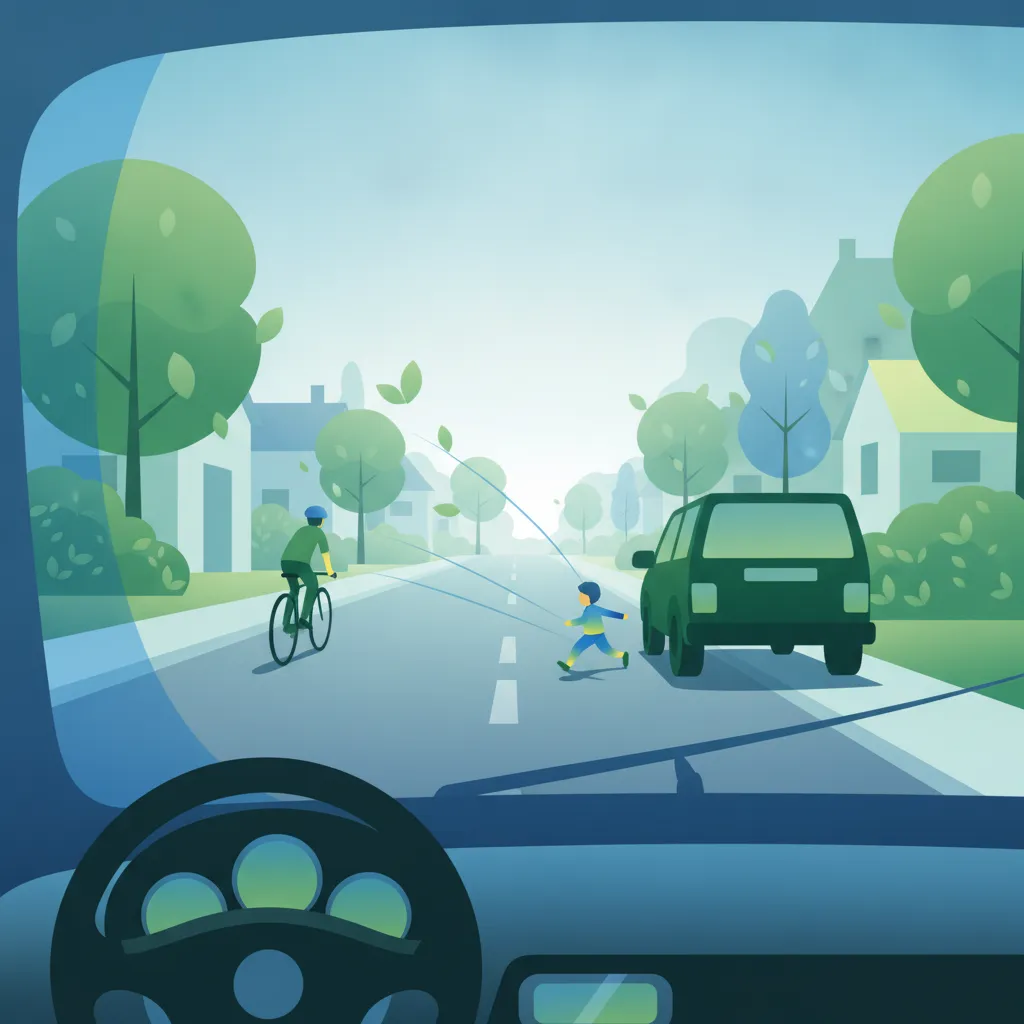
This lesson introduces the skill of hazard perception, a critical component of the official theory test and safe driving. It teaches you to actively scan your environment for potential dangers, such as a pedestrian about to cross or a car waiting to emerge from a junction. By identifying these situations early, you can take action to avoid them turning into actual dangers.

This lesson explains how to drive safely through areas where roadworks are taking place. It stresses the importance of obeying all temporary signs, especially mandatory speed limits, which are in place for your safety and the safety of road workers. You will learn about navigating narrow lanes, contraflow systems, and how to follow official diversion signs.

This lesson provides essential advice for driving when weather conditions are poor. It explains how rain can cause aquaplaning and why you must double your following distance. You will also learn techniques for driving in icy conditions, including gentle use of controls to avoid skidding, and the correct use of lights in fog.

This lesson prepares you for the challenges of countryside driving. It emphasizes that the national speed limit on these roads is often too fast for the conditions. You will learn how to approach sharp bends, use passing places on single-track roads, and anticipate hazards like slow-moving tractors, horse riders, or mud on the road surface.

This lesson addresses the unique challenges of driving a large vehicle on rural roads. It provides techniques for positioning the vehicle through sharp bends and on narrow lanes, and for safely navigating unmarked or uncontrolled junctions. Learners will be taught to anticipate hidden hazards common in the countryside, such as slow-moving farm vehicles, animals on the road, and concealed entrances. The correct use of passing places and strategies for meeting oncoming traffic are also covered.

This lesson prepares you for the specific challenges of driving in the countryside. It explains the correct procedure for overtaking horse riders: slow down and pass wide, ensuring you do not spook the animal. You will also learn how to anticipate and safely manage encounters with slow-moving tractors and other farm machinery.

This lesson provides a detailed map of the significant blind spots located to the front, sides, and rear of a typical heavy goods vehicle. It explains the purpose of the different classes of mirrors and how to adjust them correctly for maximum visibility. Learners will be taught effective scanning techniques—'mirror-signal-manoeuvre'—to actively check these zones before changing position, ensuring they are aware of any hidden hazards or other road users.

This lesson addresses the increased risks associated with driving after dark. It explains when to switch between dipped and main beam headlights to maximise your own vision without dazzling other drivers. Techniques for reducing glare and spotting hazards like cyclists or pedestrians with poor visibility are also covered.

This lesson contrasts the challenges of different road types. It covers how to handle the hidden bends, poor surfaces, and unexpected hazards of rural roads. It then details the specific procedures for using dual carriageways and motorways, including using slip roads, adhering to strict lane discipline, and safely overtaking at high speeds.
Explore the different categories of road signs in Great Britain, comparing warning signs with regulatory and informative signs. Understand their distinct shapes, colours, and purposes to navigate roads safely.
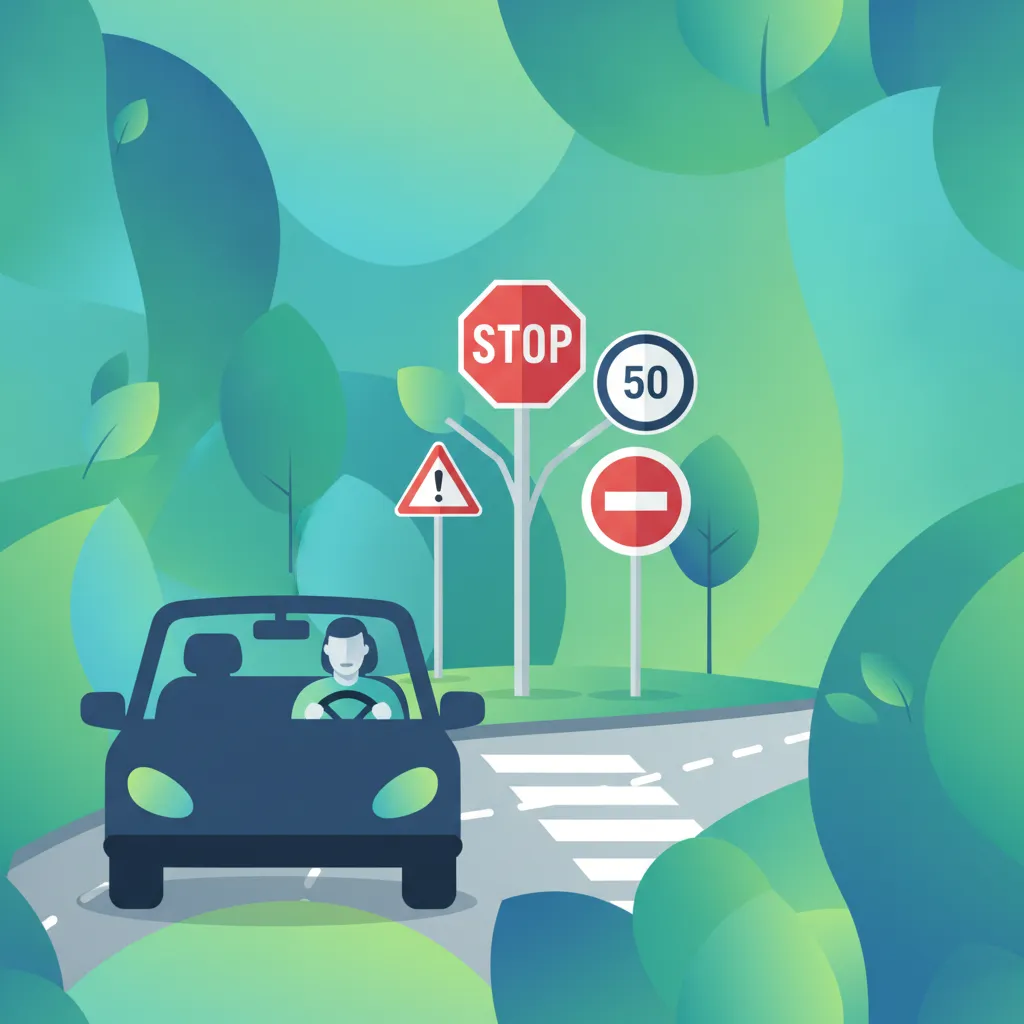
This lesson focuses on regulatory signs, which are legally enforceable and must be obeyed. It explains the difference between prohibitory signs, such as 'No Entry' or speed limits, and mandatory signs, like 'Turn Left'. Understanding the design and meaning of these signs is fundamental to safe and lawful driving in the UK.

This lesson covers the signs that help you navigate your journey effectively. It explains how sign colours indicate the type of road—blue for motorways, green for primary routes, and white for non-primary routes. You will also learn to interpret signs for tourist attractions, services, and lane information at complex junctions.
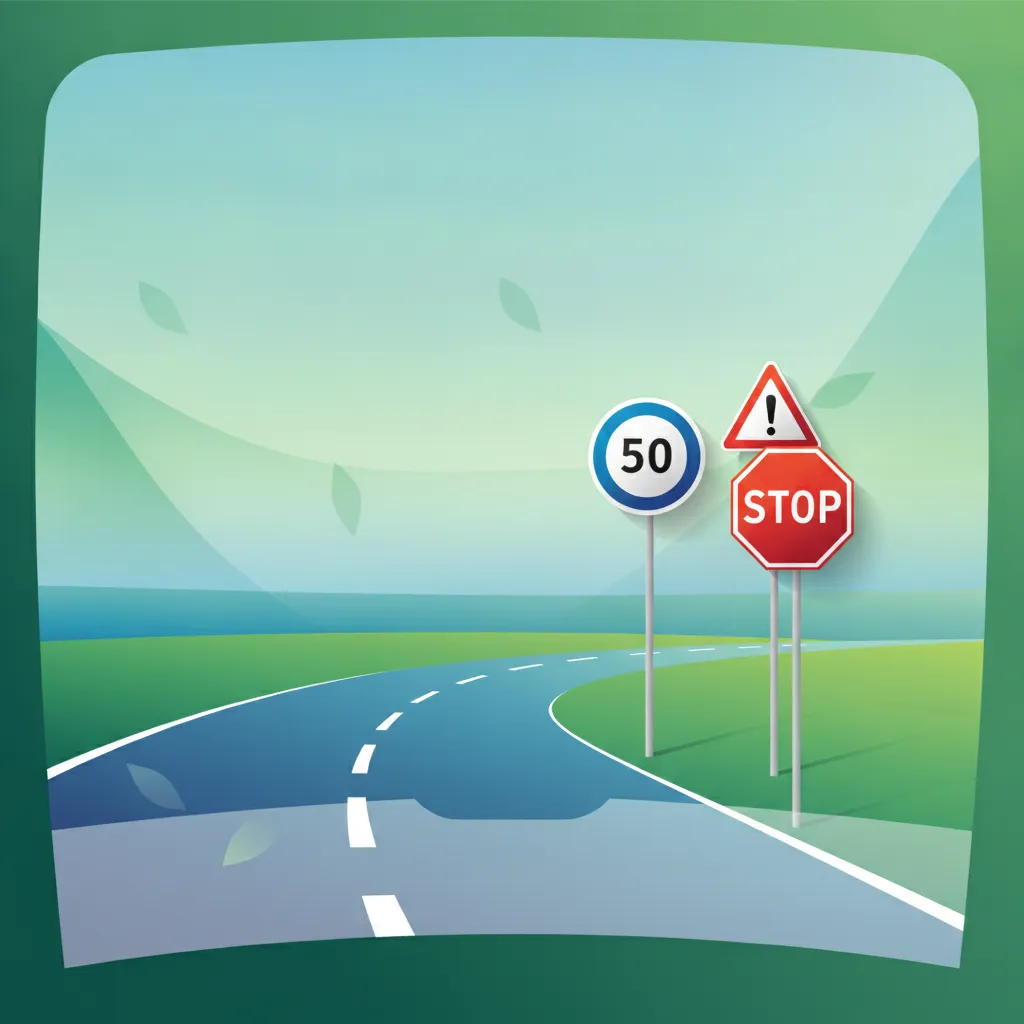
This lesson covers the full range of road signs encountered by passenger vehicle drivers, focusing on regulatory, warning, and informational signs. It explains the visual characteristics of sign shapes, colors, and symbols, particularly those associated with bus lane usage and priority rules. By mastering sign hierarchy and meaning, drivers can quickly interpret the sign's intent and adjust their driving behaviour accordingly, ensuring full compliance with the Highway Code and enhancing road safety.
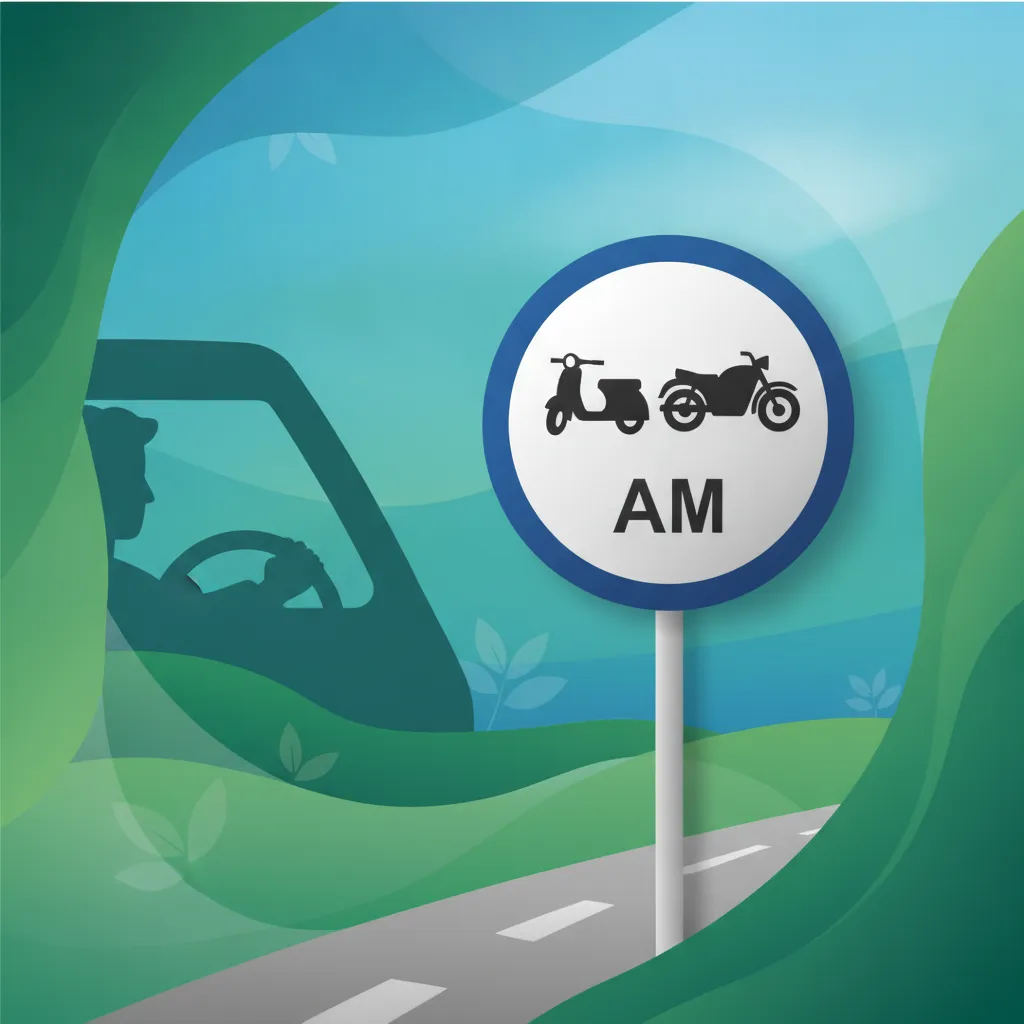
This lesson focuses on regulatory road signs, which convey legally enforceable instructions that all road users must follow. You will learn to identify and understand signs dictating speed limits, prohibited actions like 'no entry' or 'no overtaking', and mandatory directions at junctions. The content explains the distinct shapes and colours used for these signs, ensuring you can comply with their instructions correctly and avoid penalties while riding your AM vehicle.
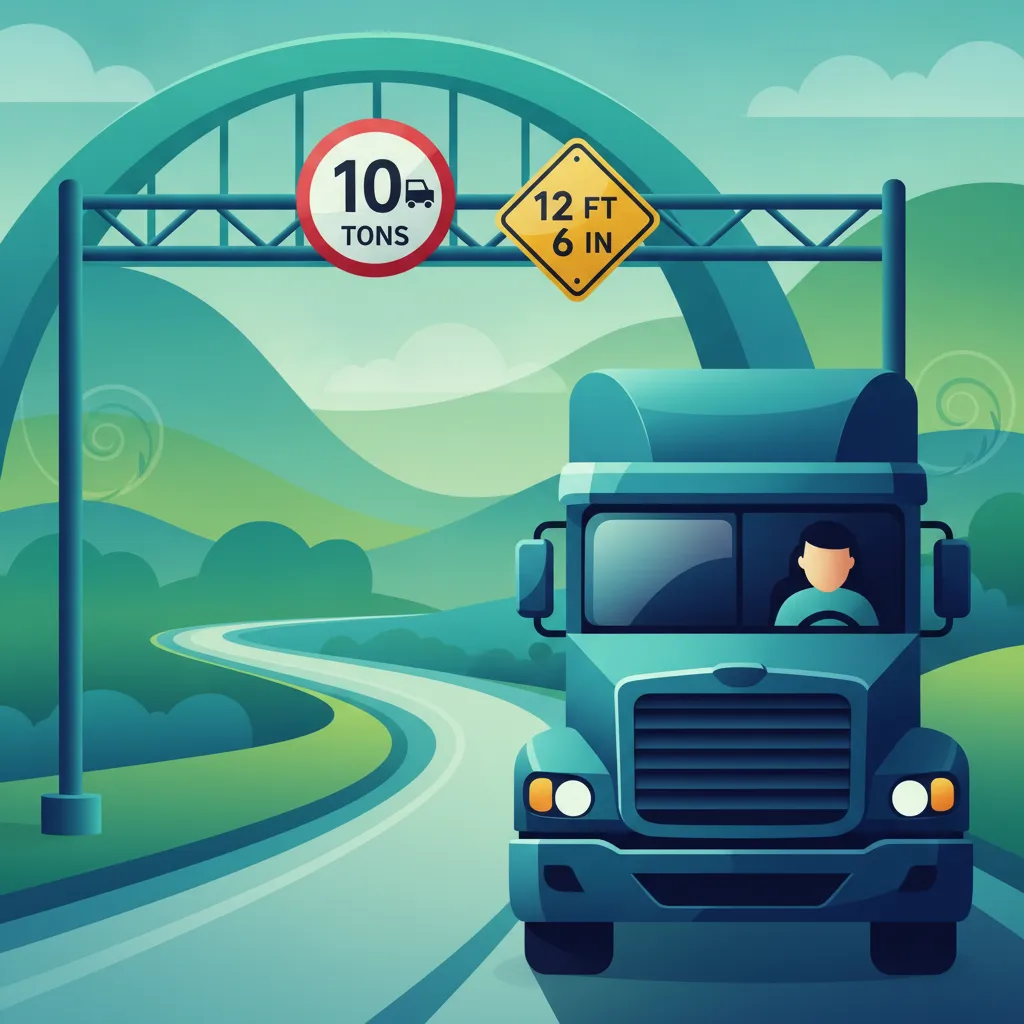
This lesson provides a detailed focus on the specific road signs that directly affect drivers of large goods vehicles. You will learn to accurately interpret mandatory signs for weight, height, and width restrictions, as well as signs indicating lane usage and prohibited routes. Understanding these signs is not optional; it is a legal requirement for avoiding fines, preventing accidents, and ensuring the safe passage of your vehicle through the road network.

This lesson focuses on regulatory signs, which are legally enforceable and typically circular in shape. You will learn the meaning of signs with red borders that prohibit actions and blue signs that give a mandatory instruction. Understanding these signs, such as speed limits and 'no entry', is essential for lawful and safe riding.
This lesson explains how to drive safely through areas where roadworks are taking place. It stresses the importance of obeying all temporary signs, especially mandatory speed limits, which are in place for your safety and the safety of road workers. You will learn about navigating narrow lanes, contraflow systems, and how to follow official diversion signs.
This lesson teaches you to interpret warning signs, which are typically triangular and designed to alert you to potential hazards ahead. You will learn the meanings of common signs indicating sharp curves, slippery surfaces, roadworks, or areas with frequent pedestrian or animal crossings. Understanding these signs is crucial for anticipating dangers and adjusting your speed and position defensively, which is especially important for vulnerable riders of AM vehicles.
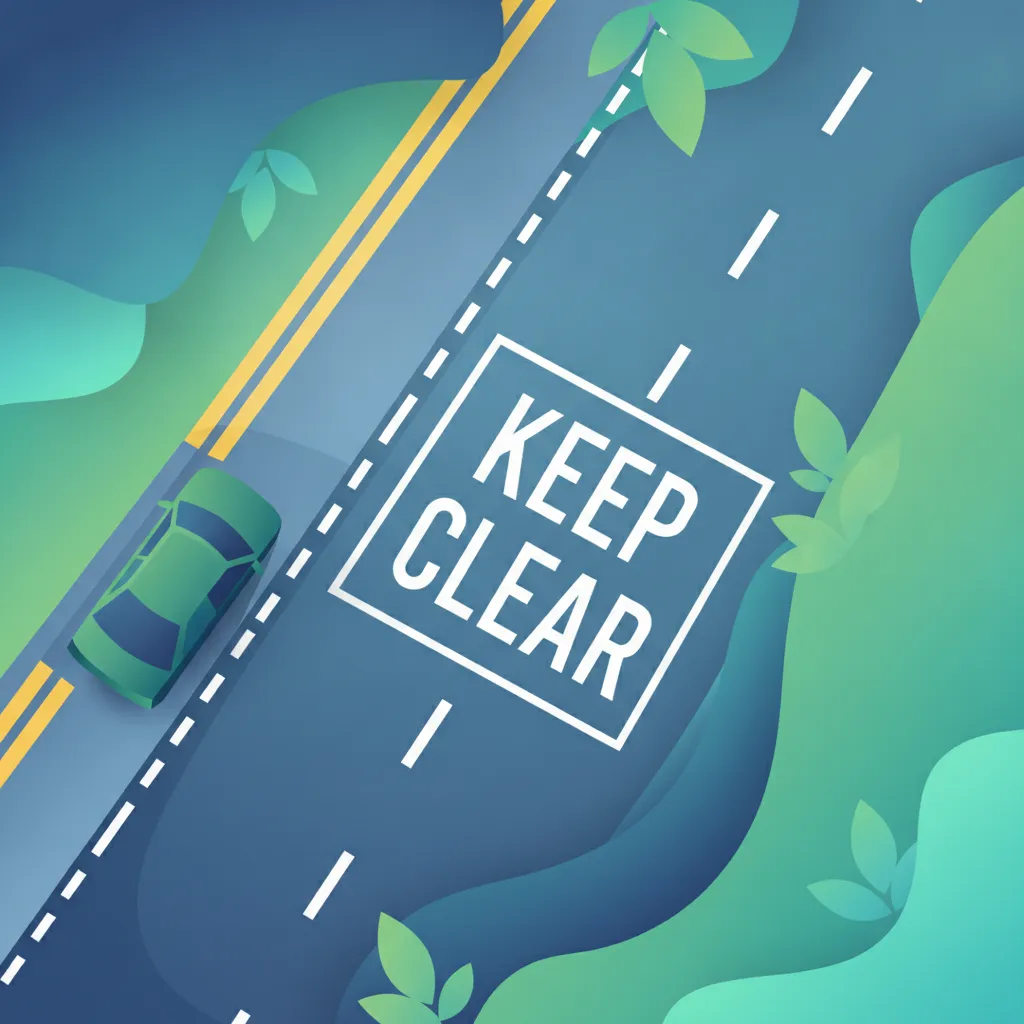
This lesson explains markings found at the side of the road that regulate parking and stopping. You will learn the meaning of single and double yellow lines, and the stricter rules associated with red lines on 'Red Routes'. The lesson also covers markings for parking bays, loading zones, and hatched areas that are designed to separate traffic.
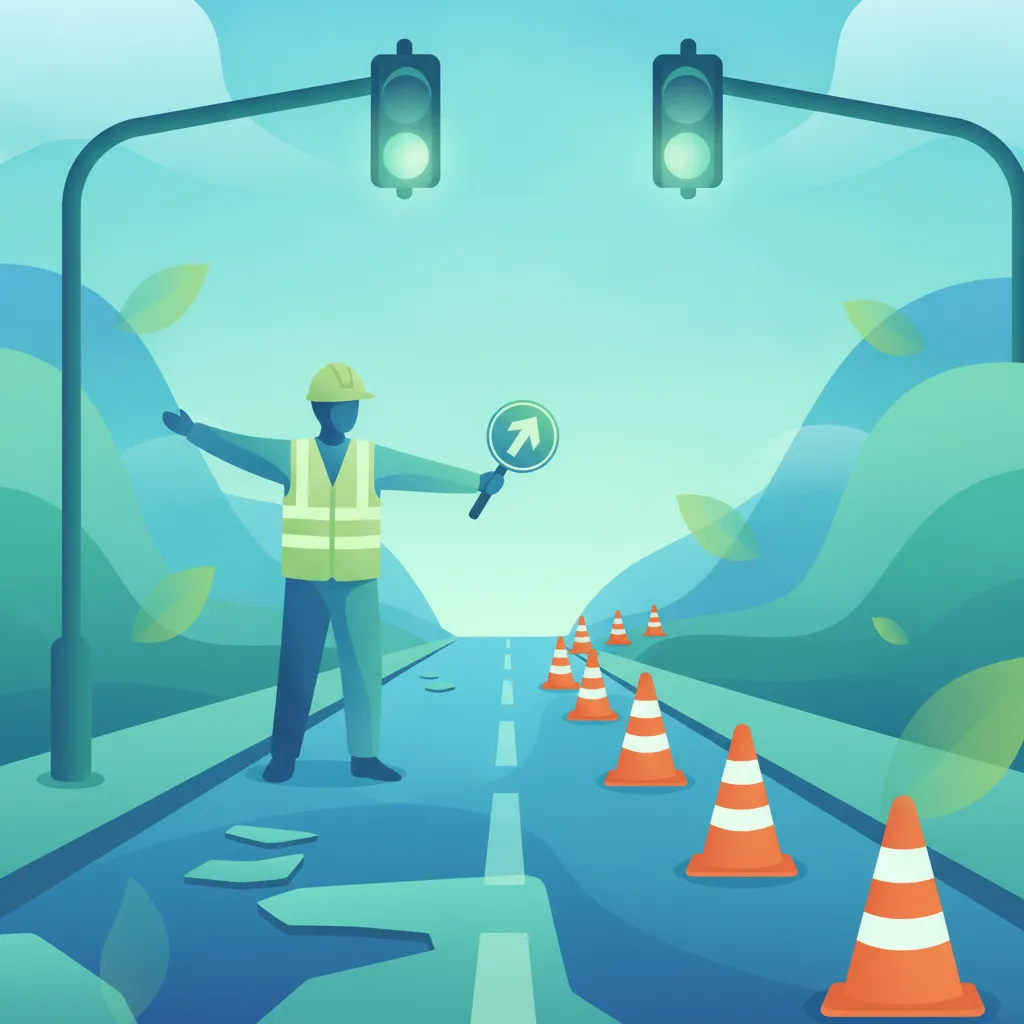
This lesson provides guidance on how to safely and compliantly navigate through roadworks, which are a common feature of the road network. It covers the interpretation of temporary signs, strict adherence to reduced speed limits, and how to maneuver through narrow lanes and contraflow systems. The paramount importance of protecting road workers by driving with extra care and attention is a central theme of this lesson.
Find clear answers to common questions learners have about Warning Signs Overview. Learn how the lesson is structured, which driving theory objectives it supports, and how it fits into the overall learning path of units and curriculum progression in Great Britain. These explanations help you understand key concepts, lesson flow, and exam focused study goals.
Most warning signs in Great Britain are triangular with a red border and a white background. This specific design helps drivers immediately identify them as a caution, signalling a potential hazard or change in the road layout ahead.
While most do, some specific warning signs, such as those used at roadworks or temporary hazards, may use different shapes or amber backgrounds. Always look for the symbol inside to determine the nature of the danger.
Recognizing a warning sign allows you to anticipate a 'developing hazard' before it actually happens. In the test, this helps you click earlier when you see the sign and the associated potential risk, leading to higher scores.
Not necessarily, but you should always assess the situation. A warning sign tells you to be prepared to slow down or change your driving; the appropriate action depends on the specific hazard indicated by the sign's symbol.
Dive into our comprehensive question bank to find exactly what you need for your Great Britain theory test. Use our advanced filters to pinpoint specific subjects or test your knowledge on challenging areas, ensuring you're fully prepared for success.