
This lesson guides you through the necessary precautions when sharing rural roads with horse riders, cyclists, and slow-moving agricultural machinery. As part of our unit on vulnerable road users, this training helps you develop the observation skills required to anticipate hazards in the countryside and pass your theory exam with confidence.
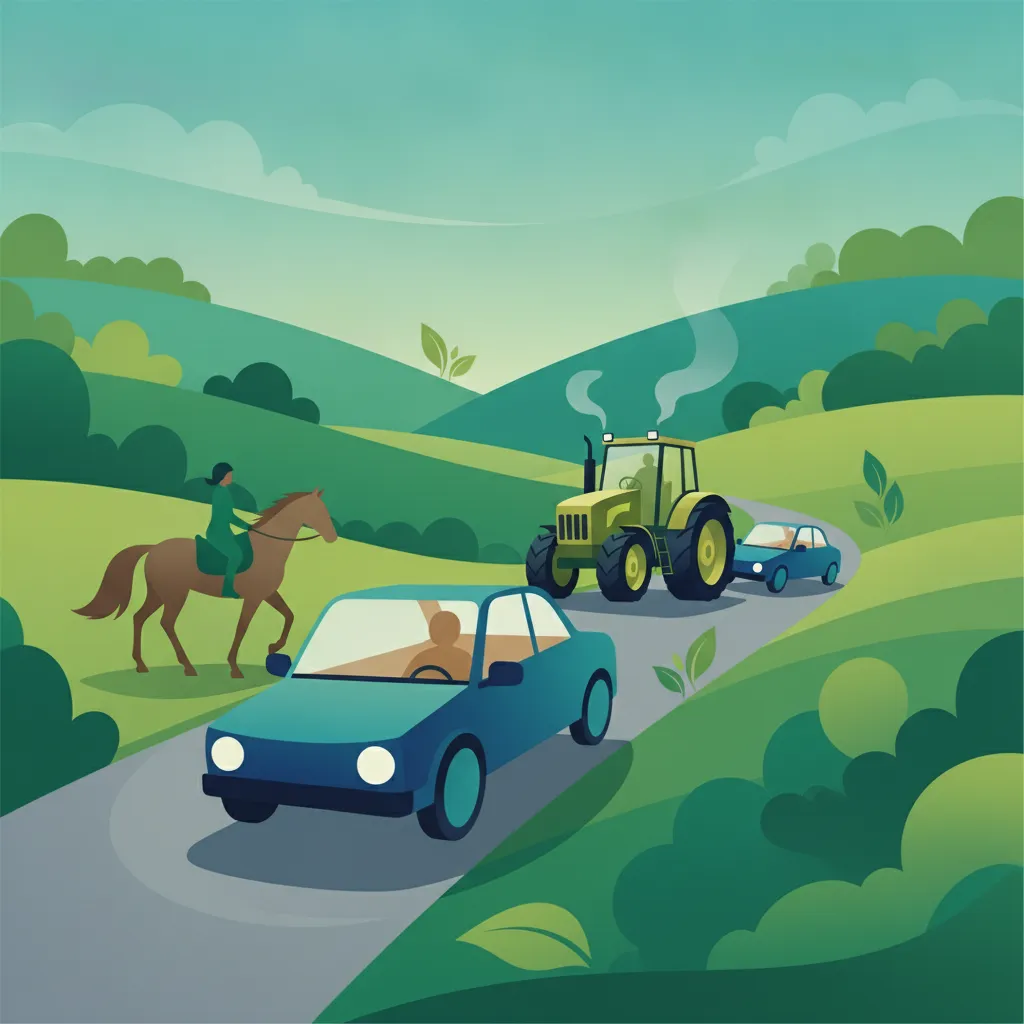
Lesson content overview
Driving in rural areas of Great Britain presents a unique set of challenges that differ significantly from urban environments. Country roads often feature narrower lanes, winding turns, reduced visibility, and varying surfaces, all of which demand heightened awareness from drivers. This lesson is specifically designed for Great Britain Category B learner drivers to equip you with the knowledge and skills necessary to safely interact with vulnerable road users commonly found in rural settings.
Understanding and anticipating the behaviour of these users, such as horse riders, agricultural vehicles, and livestock, is crucial for preventing collisions and promoting road safety. This chapter will delve into the specific procedures and legal requirements for safe driving in the countryside, ensuring you are prepared for your driving theory test and responsible driving practices.
Vulnerable road users (VRUs) are individuals who are more susceptible to severe injury in the event of a collision due to their lack of external protection. In rural environments, this category expands beyond pedestrians and cyclists to include specific users with unique characteristics and needs. Recognizing these users early allows you to anticipate potential hazards and adjust your driving accordingly.
Any road user in a rural environment who is exposed to increased injury risk, including horse riders, agricultural vehicle operators, livestock, cyclists, and pedestrians.
Horses and their riders are a common sight on many country roads and bridleways in Great Britain. A horse, even when ridden, is an animal with natural instincts that can be unpredictable. They may react suddenly to loud noises, fast-approaching vehicles, or unexpected movements. Horse riders, often wearing reflective gear, will attempt to make themselves visible, but it is primarily the motor vehicle driver's responsibility to approach with extreme caution.
You might encounter:
These users often travel at slower speeds and may not always move in a predictable straight line, especially if startled. Their vulnerability means you must exercise an exceptional duty of care.
Agricultural vehicles, such as tractors, combine harvesters, and sprayers, are an integral part of the rural landscape. These machines are often large, slow-moving, and have unique operational characteristics that drivers must understand.
Common types include:
Farm vehicles often have restricted rear visibility, slower acceleration and braking capabilities, and their drivers may be focused on operating complex machinery. They may also need to make wide turns, sometimes extending into the opposite lane to clear corners. Reflective markings and lights may be present but can sometimes be obscured by mud or agricultural work.
Beyond horses and farm vehicles, rural roads are used by a variety of other vulnerable individuals and groups:
These users frequently lack high-visibility clothing or sufficient lighting, especially outside of daylight hours, making them difficult to spot until close proximity. Your proactive scanning and anticipation are essential.
The core of safe rural driving involves specific procedures for interacting with these vulnerable road users. Your approach, speed, and overtaking decisions must always prioritise their safety.
When you encounter horse riders on the road, your primary goal is to avoid startling the animal. Horses have sensitive hearing and vision, and sudden noises or rapid movements can cause them to panic, potentially leading to the rider losing control.
Slow Down Early: As soon as you spot a horse rider, reduce your speed significantly. Aim for a speed that allows you to stop immediately if the horse reacts unexpectedly.
Increase Following Distance: Maintain a generous distance behind the horse rider to give them space and avoid appearing threatening.
Prepare to Stop: Be ready to stop your vehicle completely if the horse appears agitated or if the rider signals you to do so.
Check for Oncoming Traffic and Road Conditions: Ensure the road ahead is clear, and there are no bends, dips, or hazards that might compromise your view or the rider's safety during the overtake.
Signal Your Intention: Indicate early if you intend to overtake, but avoid doing so if it might surprise the horse.
Pass Wide and Slow: When it is safe to do so, pass the horse rider with a minimum lateral clearance of at least 1.5 metres (5 feet). Drive slowly past them, smoothly and quietly. Do not accelerate harshly or rev your engine.
Avoid Using Your Horn: Never use your horn directly at a horse, as this can easily startle it. Only use the horn if absolutely necessary to prevent an immediate danger, and even then, consider if a gentle tap is sufficient.
Maintain Speed Past Horse: Once you have started the overtake, maintain a consistent, slow speed until you are well past the horse. Do not speed up abruptly.
Wait for Multiple Horses: If there are multiple horses, wait until you can safely overtake the entire group in one go, maintaining the 1.5m clearance.
Highway Code Rule 229: "Never overtake a horse rider if you cannot give them at least 1.5 metres (5 feet) clearance. Pass wide and slow." This is a mandatory rule, and failing to comply can lead to prosecution for careless or dangerous driving.
Agricultural vehicles require patience and understanding from other road users due to their size, limited manoeuvrability, and slower speeds.
Anticipate Slow Speeds: Expect farm vehicles to travel significantly slower than the posted speed limit. Adjust your speed early.
Maintain Safe Following Distance: Keep a substantial distance behind farm vehicles, as they may brake suddenly, make unexpected turns, or shed debris from their load. Their braking distances can be longer than standard cars.
Yield to Maneuvers: Agricultural vehicles often need to make wide turns, especially when entering or exiting fields. Be prepared to yield and allow them to complete their manoeuvre. Never try to overtake a farm vehicle if it is indicating a turn or in the process of turning.
Check for Extended Implements: Be aware that farm machinery can have wide implements or trailers that extend far beyond the vehicle's body. These might not always be immediately obvious, especially at night or in poor visibility.
Overtake Only When Safe: Only attempt to overtake a farm vehicle when there is a clear, long stretch of road ahead, ample visibility, and you can maintain a safe lateral clearance. Due to their length, this may take longer than overtaking a car. Always check for oncoming traffic.
Look for Warning Flags/Lights: Some wider farm implements may display warning flags or additional lighting. Respect these warnings.
Highway Code Rule 230: "Never overtake a farm vehicle unless it is safe to do so." This includes ensuring it is not indicating or executing a turn.
The same principles of care and patience apply to pedestrians, cyclists, livestock, and horse-drawn vehicles.
Rural roads often present additional environmental challenges that demand adjustments to your driving style.
Many country lanes are not maintained to the same standard as main roads or motorways. You might encounter:
Always adjust your speed to the conditions, not just the posted speed limit. A speed limit is a maximum, not a target.
Rural environments frequently present challenges to visibility:
When driving at night, use your dipped beam headlights when within 100 metres of a horse rider (Highway Code Rule 166) or other vulnerable road users. High beams can blind or startle animals and other road users. Always ensure your headlights are correctly aimed.
Adverse weather compounds the challenges of rural driving:
Driving in rural areas, especially around vulnerable road users, is not just about common sense; it is governed by specific legal obligations outlined in the Highway Code and the Road Traffic Act.
Failure to comply with these rules can result in penalty points on your licence, fines, or even prosecution for careless or dangerous driving.
Motorways Regulations: Horses and agricultural vehicles are generally prohibited from using motorways in Great Britain. If you encounter them on a motorway, it signifies an illegal entry and a significant hazard.
Your actions behind the wheel have direct consequences, especially when interacting with vulnerable road users.
Positive Outcomes (When Principles are Followed):
Negative Outcomes (When Principles are Violated):
Responsible driving in rural areas is about more than just avoiding immediate danger; it's about anticipating potential reactions from animals and limitations of machinery, fostering a safe environment for all road users.
Explore all units and lessons included in this driving theory course.
Lesson content overview
Explore all units and lessons included in this driving theory course.
Explore search topics learners often look for when studying Horses, Agricultural Vehicles and Rural Vulnerables. These topics reflect common questions about road rules, driving situations, safety guidance, and lesson level theory preparation for learners in Great Britain.
Browse additional driving theory lessons that cover connected traffic rules, road signs, and common driving situations related to this topic. Improve your understanding of how different rules interact across everyday traffic scenarios.
Learn the specific UK driving theory rules for safely interacting with vulnerable road users like horse riders and slow-moving agricultural vehicles. Understand UK Highway Code requirements for rural environments.
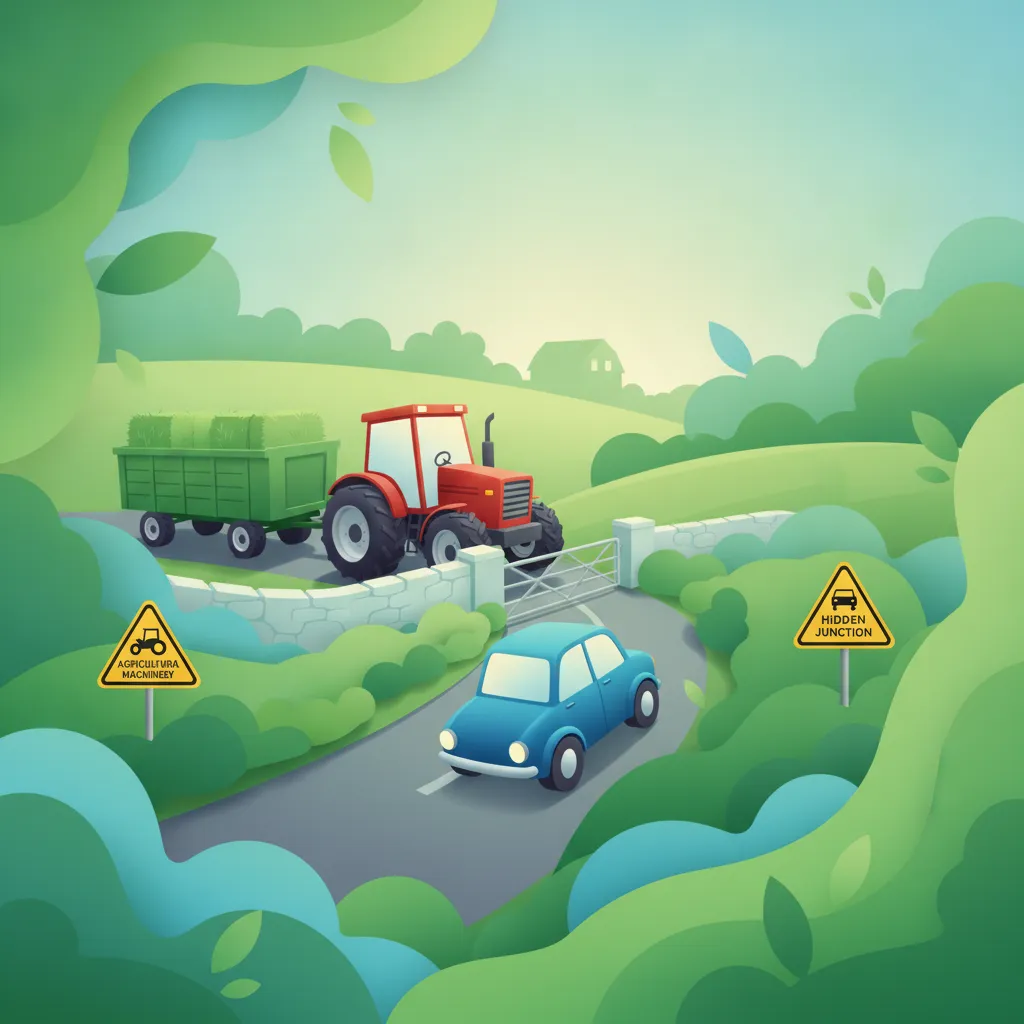
This lesson prepares you for the challenges of countryside driving. It emphasizes that the national speed limit on these roads is often too fast for the conditions. You will learn how to approach sharp bends, use passing places on single-track roads, and anticipate hazards like slow-moving tractors, horse riders, or mud on the road surface.
This lesson addresses the unique challenges of driving a large vehicle on rural roads. It provides techniques for positioning the vehicle through sharp bends and on narrow lanes, and for safely navigating unmarked or uncontrolled junctions. Learners will be taught to anticipate hidden hazards common in the countryside, such as slow-moving farm vehicles, animals on the road, and concealed entrances. The correct use of passing places and strategies for meeting oncoming traffic are also covered.
This lesson addresses the unique set of challenges that rural roads present to HGV drivers. It covers how to safely navigate narrow and winding lanes, the importance of anticipating hazards like slow-moving agricultural machinery, mud on the road, and wildlife. You will learn how the national speed limit applies to your vehicle on these roads and why it is often necessary to travel at a much lower speed to ensure safety.

This lesson contrasts the challenges of different road types. It covers how to handle the hidden bends, poor surfaces, and unexpected hazards of rural roads. It then details the specific procedures for using dual carriageways and motorways, including using slip roads, adhering to strict lane discipline, and safely overtaking at high speeds.
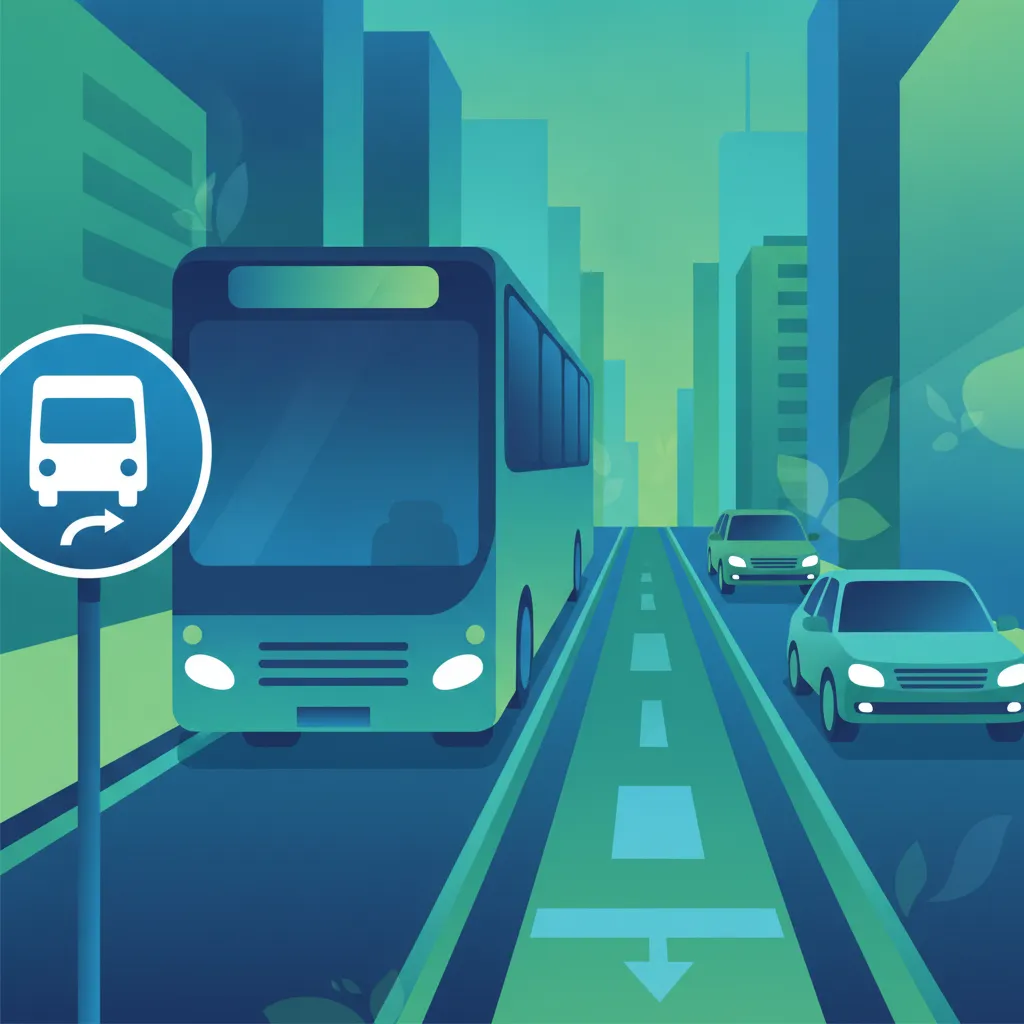
This lesson examines the unique rules and restrictions governing buses and coaches, focusing on bus lane priority, time-based restrictions, and loading zone limitations. Learners will explore the criteria for using bus-only routes and understand the legal consequences of non-compliance. The content also reviews signage indicating bus gate operation and areas where passenger vehicles are prohibited from stopping or loading outside of designated zones, ensuring lawful and efficient urban navigation.
This lesson focuses on the specific rules and best practices for driving HGVs on motorways in Great Britain. It covers mandatory speed limits for goods vehicles, lane discipline including restrictions on using the outside lane, and procedures for safely joining and leaving the motorway. The lesson also includes up-to-date information on driving on smart motorways, including understanding the signs and using emergency refuge areas correctly.
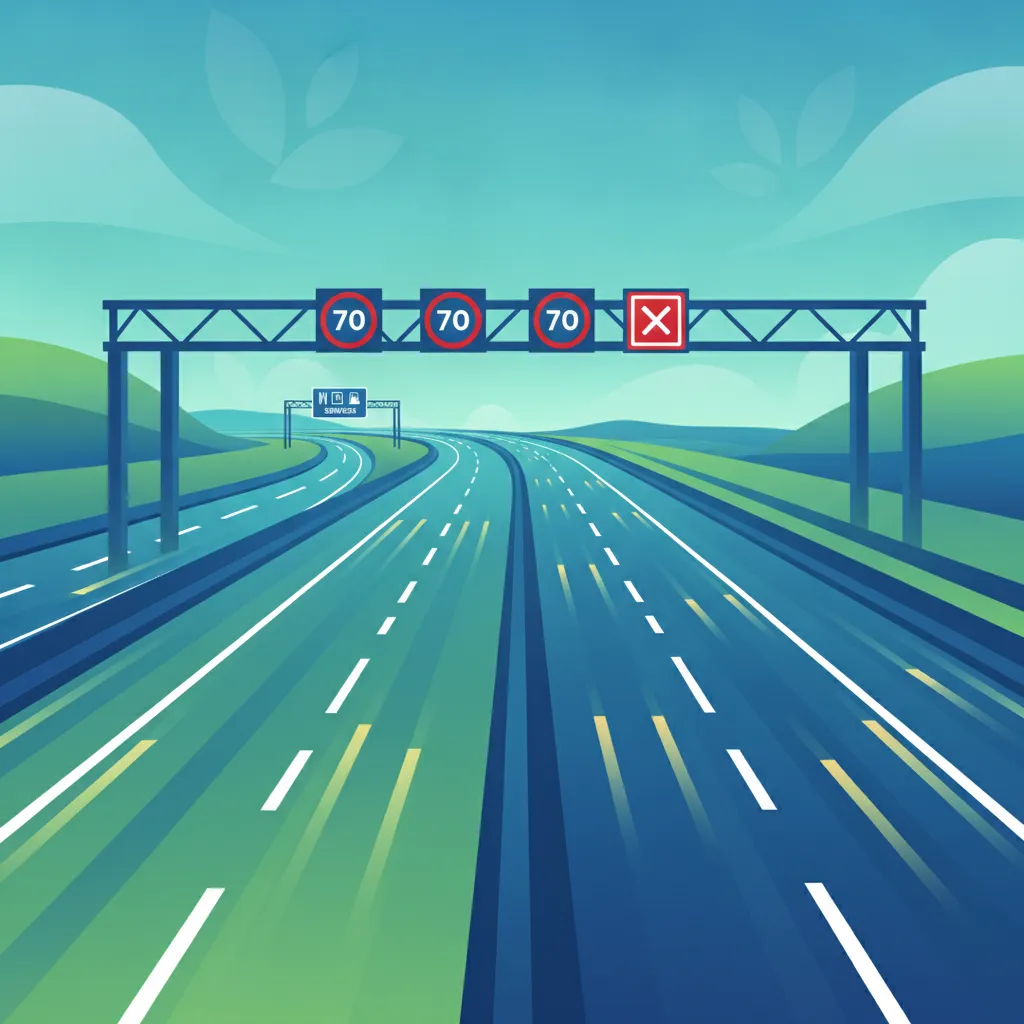
This lesson covers the unique aspects of motorway driving, from joining and leaving the carriageway to the strict lane discipline of keeping to the left unless overtaking. It explains the features of smart motorways, such as variable speed limits and the meaning of a Red X symbol above a lane. The safe procedure for handling a breakdown is also a key topic.
This lesson focuses on the regulations and best practices for driving a bus or coach on motorways. It details the specific speed limits applicable to PCVs and reinforces strict lane discipline. The content covers the correct procedures for safely joining from a slip road, overtaking other vehicles, and exiting the motorway. It also explains the features of smart motorways and the correct safety procedures to follow in the event of a breakdown, including the use of the hard shoulder.
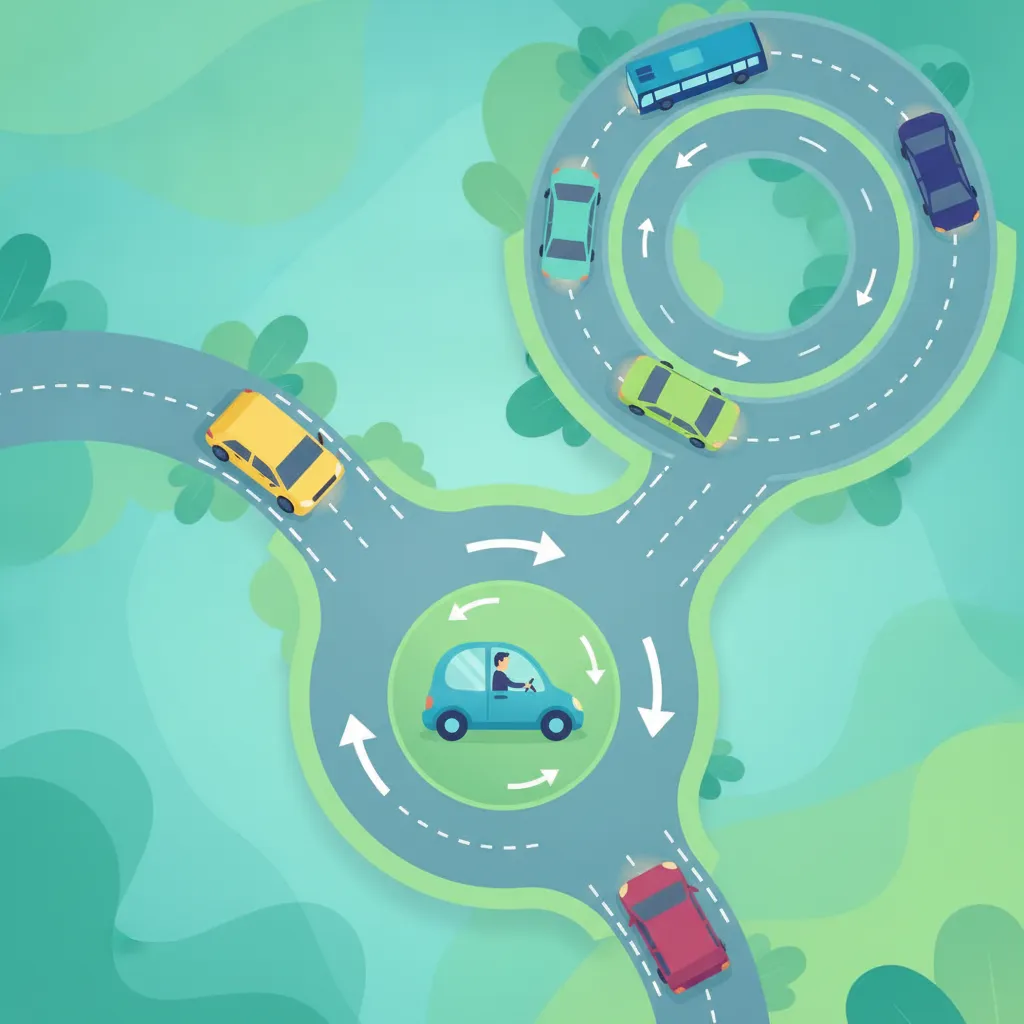
This lesson provides specific techniques for safely navigating the two main types of roundabouts in Great Britain. For multi-lane roundabouts, it covers how to choose the correct lane on approach, maintain your lane while circulating, and signal your exit correctly. It also explains the unique rules for mini-roundabouts, emphasizing the importance of giving way to traffic from the right and navigating them with caution due to their small size.
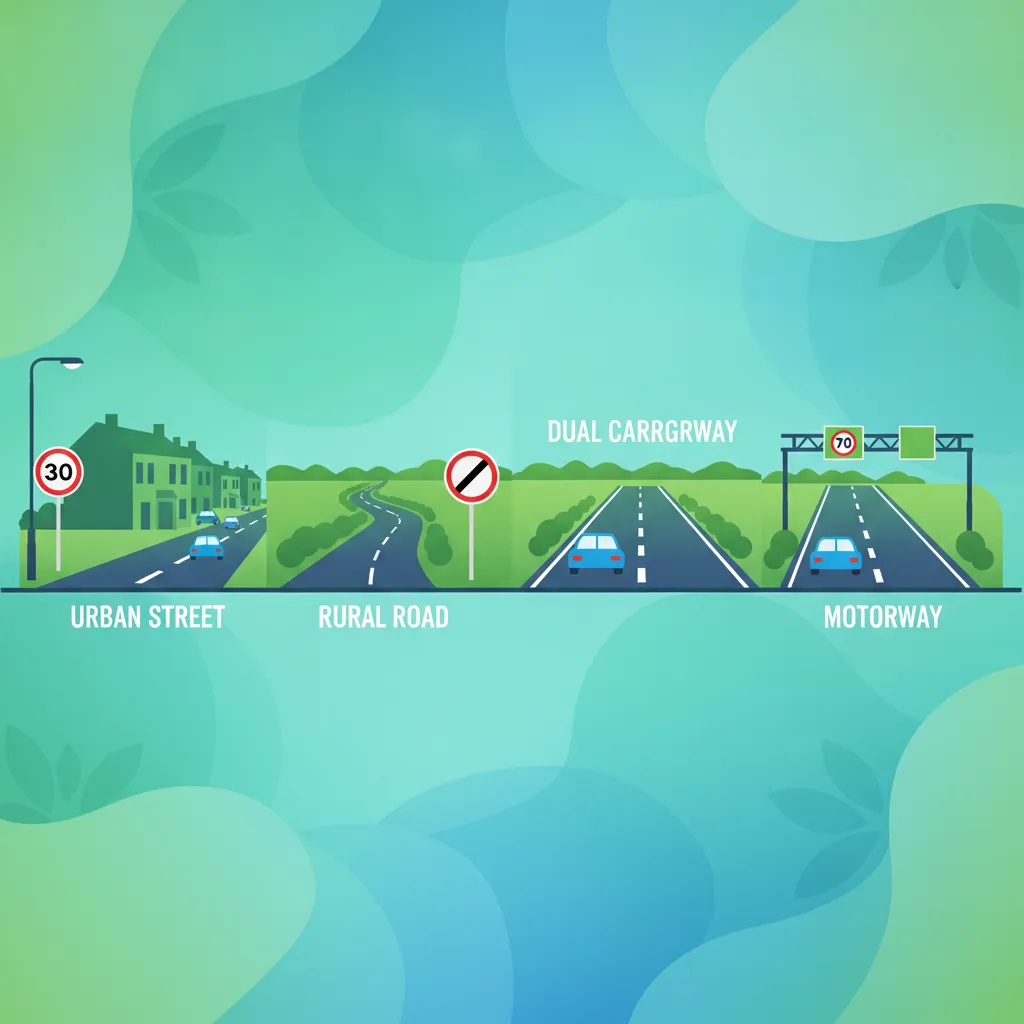
This lesson details the default speed limits for cars in Great Britain. You will learn the 30 mph limit for built-up areas, 60 mph on single carriageways, and 70 mph on dual carriageways and motorways. It also covers how to identify these roads and the importance of looking for signs indicating a different limit is in force.
Master safe overtaking rules on rural roads and for special cases like horse riders, cyclists, and wide agricultural vehicles. This lesson covers specific UK Highway Code clearances and techniques.
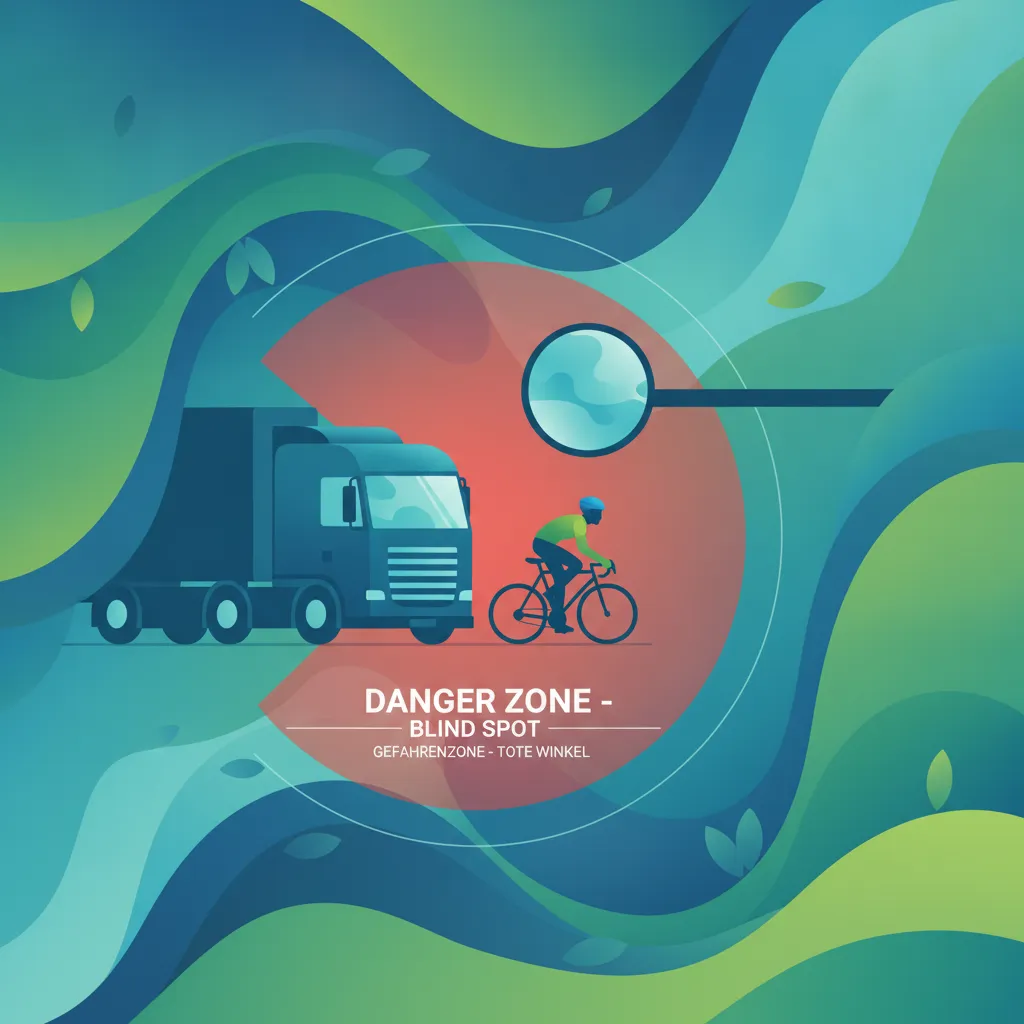
This lesson highlights the significant danger posed by the large blind spots of HGVs and buses. You will learn to identify these hazardous areas around a vehicle where the driver cannot see you. The lesson provides practical strategies for staying out of these zones, especially at junctions and when overtaking, to prevent serious accidents.
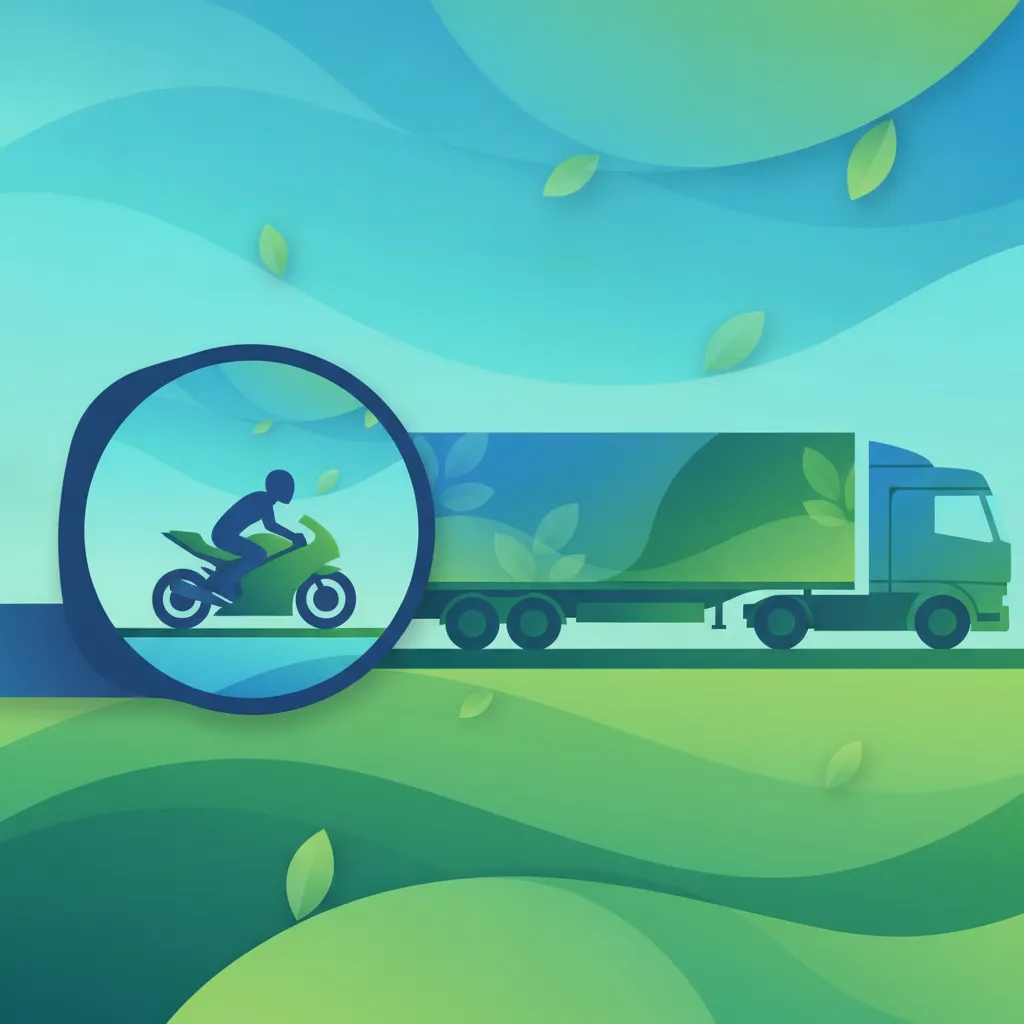
This lesson explains how to adapt your driving around different vehicles. You will learn to look out for motorcyclists, who are often hard to see, especially at junctions. It also covers the challenges of sharing the road with large vehicles, such as their extended blind spots, wider turning circles, and the wind turbulence they can create.
This lesson explains the decision-making process for safe overtaking. It covers how to ensure you have enough clear road ahead, how to judge the speed of both your vehicle and the one you are passing, and when overtaking is prohibited, such as on the approach to a junction or where there are solid white lines. Safety is the primary consideration in any overtaking manoeuvre.
This lesson addresses the unique challenges of operating a large goods vehicle in congested urban and city environments. It focuses on techniques for navigating narrow streets, making tight turns, and safely accessing delivery points while being highly aware of vulnerable road users like pedestrians and cyclists. The importance of exceptional observation, low-speed control, and clear communication with other road users is heavily emphasized to minimize risk in these complex settings.

This lesson focuses on the safe interaction between cars and bicycles. It covers the importance of giving cyclists ample room when overtaking—at least 1.5 metres—and looking for them before turning or changing lanes. You will also learn about cyclist-specific infrastructure like cycle lanes and how to use the 'Dutch Reach' method to open your car door safely.
This lesson focuses on safe interaction with cyclists, a key aspect of urban driving for PCV operators. It details the rules for cycle lanes and advanced stop lines, and the correct procedure for overtaking cyclists, emphasizing the need to provide ample space. The content stresses the importance of frequent mirror checks to manage blind spots where cyclists can be hidden, especially when turning at junctions, to ensure their safety and comply with the Highway Code's road user hierarchy.
This lesson addresses the unique challenges of driving a large vehicle on rural roads. It provides techniques for positioning the vehicle through sharp bends and on narrow lanes, and for safely navigating unmarked or uncontrolled junctions. Learners will be taught to anticipate hidden hazards common in the countryside, such as slow-moving farm vehicles, animals on the road, and concealed entrances. The correct use of passing places and strategies for meeting oncoming traffic are also covered.
This lesson reinforces the vital safety rule of maintaining an adequate following distance from the vehicle ahead. It explains why the standard 'two-second rule' must be extended for heavy vehicles, especially in poor weather or when heavily laden, to account for longer stopping distances. You will learn practical methods for judging a safe gap in various traffic situations, creating a crucial safety buffer to react to unforeseen hazards.
This lesson explores how to maintain safe following distances specific to large passenger vehicles, accounting for their higher inertia and longer braking distances. It covers time-gap calculations, such as the four-second rule, and dynamic following distance adjustments based on speed and road conditions. Emphasis is placed on avoiding tailgating, ensuring a sufficient safety buffer is always present, and developing an awareness of convoy driving scenarios where multiple large vehicles are present.
This lesson is dedicated to the safe interaction between large vehicles and the most vulnerable road users: pedestrians and cyclists. It highlights high-risk scenarios, such as left turns at junctions, where cyclists can be hidden in nearside blind spots. The content stresses the importance of anticipation, using signals clearly, and providing generous space at crossings, in cycle lanes, and within pedestrianized zones to prevent tragic accidents.
Find clear answers to common questions learners have about Horses, Agricultural Vehicles and Rural Vulnerables. Learn how the lesson is structured, which driving theory objectives it supports, and how it fits into the overall learning path of units and curriculum progression in Great Britain. These explanations help you understand key concepts, lesson flow, and exam focused study goals.
You should slow down, allow plenty of room, and pass wide. Avoid revving your engine or making sudden noises that could spook the horse, and keep an eye on the rider's signals in case they need to move out to avoid a drain or hazard.
While there is no single 'rule' for tractors, you must be prepared to follow them at low speeds for longer periods. Always look for their indicators, as they may turn into narrow field entrances, and ensure it is safe to overtake before pulling out.
Only pass if you are certain it is safe to do so. If the road is narrow, a bend is approaching, or there is oncoming traffic, wait until the situation is clear and you can maintain a wide passing distance.
Agricultural vehicles are often wider than normal cars, move at much lower speeds, and may have amber flashing beacons to warn of their presence. They are common on rural roads and often require extra patience when navigating.
Dive into our comprehensive question bank to find exactly what you need for your Great Britain theory test. Use our advanced filters to pinpoint specific subjects or test your knowledge on challenging areas, ensuring you're fully prepared for success.