
This lesson guides you through the critical principles of lane discipline and correct vehicle placement for large goods vehicles. You will learn how to safely navigate motorways and dual carriageways while maintaining appropriate positioning to protect vulnerable road users and ensure traffic flow. This knowledge is essential for both your professional Category C theory test and your everyday driving safety.

Lesson content overview
Driving a Category C goods vehicle, often referred to as a Large Goods Vehicle (LGV) or heavy truck, demands an exceptionally high standard of road craft. Among the most critical skills for professional LGV drivers is mastering lane discipline and correct vehicle placement. This involves not only knowing which lane to use but also precisely positioning your vehicle within that lane and communicating your intentions clearly to other road users.
This lesson delves into the rules and best practices for lane selection on motorways, dual carriageways, and urban roads in Great Britain. We will explore how to maintain optimal positioning within a lane to maximise safety margins, enhance visibility, and operate your vehicle efficiently while adhering to the Highway Code and DVSA regulations.
Excellent lane discipline is paramount for LGV drivers for several compelling reasons, directly impacting safety, efficiency, and legal compliance. Large goods vehicles have distinct characteristics compared to passenger cars, including longer stopping distances, larger blind spots, and different handling dynamics due to their size, weight, and potentially shifting loads.
Firstly, precise lane discipline minimises the risk of collisions. By staying within your designated lane and maintaining adequate clearance, you reduce the chances of side-swiping other vehicles or encroaching on road edges. Secondly, correct placement maximises visibility for you and other road users, allowing smaller vehicles to anticipate your movements and giving you a better view of vulnerable road users who might otherwise be obscured by your vehicle's blind spots. Thirdly, adherence to lane rules promotes smoother traffic flow, preventing congestion and reducing the need for other drivers to make sudden adjustments. Finally, good lane discipline helps fulfil legal obligations under the Highway Code and DVSA regulations, preventing fines, penalty points, and potential licence endorsements. It also contributes to reduced wear on vehicle components by avoiding unnecessary abrupt manoeuvres.
Successful lane discipline for Category C drivers hinges on a few core principles that guide every manoeuvre and decision on the road. Understanding these principles ensures safe operation and compliance with traffic laws.
Choosing the appropriate lane is the first step in effective lane discipline. For Category C vehicles on motorways and dual carriageways in Great Britain, the general rule is to keep to the left-hand lane unless you are overtaking, intending to turn right, or need to move into another lane for an upcoming exit. This principle prevents your large vehicle from obstructing faster-moving traffic and helps manage road space efficiently. Obstructing other drivers by driving in an inappropriate lane can lead to frustration and increase the risk of dangerous overtaking manoeuvres by others.
Effective communication of your intentions is vital for road safety, especially when driving a large vehicle. Early signalling means providing a clear indication of your lane changes, exits, or overtaking intentions well in advance. On motorways, for example, you should activate your indicator at least 200 metres before an exit. For any lane change, your signal must be displayed before you initiate any lateral movement. This gives following traffic ample time to anticipate your actions, adjust their speed, or modify their position, thereby significantly reducing the risk of rear-end collisions or sudden braking.
Lane centralisation refers to keeping your vehicle accurately positioned in the centre of your chosen lane. Given the width of Category C vehicles and the potential for trailer overhang, this principle is crucial. Optimal lane centralisation maximises the safety margin to kerbs, barriers, and adjacent lanes. It also helps to minimise the impact of strong crosswinds and maintain vehicle stability, especially for vehicles with a high centre of gravity. Drivers must avoid hugging either edge of the lane, which can create a false sense of security or unintentionally reduce the safe passing distance for other vehicles. Maintaining equal clearance on both sides of your vehicle within the lane improves overall visibility and predictability for all road users.
Lane discipline becomes even more critical during heavy traffic congestion and when navigating roadworks. In these situations, drivers must resist the urge to make unnecessary lane changes, as these significantly increase collision risk and can exacerbate traffic jams. Always obey temporary lane markings, signs, and directions from traffic officers or automated systems. On motorways, if traffic is moving slowly (typically under 30 mph), Category C vehicles should remain in the left-hand lane unless specifically directed by overhead gantries or road signs to use other lanes. This helps ensure that middle or right-hand lanes are not unnecessarily blocked by slower-moving heavy vehicles.
Interpreting road markings correctly is fundamental to proper lane discipline. These markings provide critical information about permissible movements and lane boundaries.
Road lanes are delineated by various markings, each carrying specific instructions for drivers:
The hard shoulder on motorways and some dual carriageways is reserved exclusively for emergencies, breakdowns, or when directed to use it by traffic signs or the emergency services. It is not a regular driving lane. Unauthorised use of the hard shoulder is illegal and highly dangerous, as it can impede emergency vehicles and create a collision risk with stationary vehicles. In certain "smart motorway" sections, the hard shoulder may be temporarily opened as a live lane during peak hours, indicated by overhead gantries or signs; only then is it permissible to use it for travel.
Beyond the basic principles, effective lane discipline requires adaptation to specific road environments and vehicle states.
When approaching intersections, junctions, or roundabouts, correct lane positioning is paramount for Category C vehicles. You must select the lane designated for your intended exit or direction of travel well in advance. For example, if you intend to turn right, you must position your vehicle in the right-most lane available for that manoeuvre.
Using dedicated turning lanes where available is mandatory (Highway Code Rule 185). This facilitates smoother traffic flow and prevents your large vehicle from blocking through traffic. Overtaking within a junction or on a roundabout is generally prohibited for Category C vehicles, as it can be incredibly dangerous given their larger turning radii and blind spots. Always ensure you are fully within a single lane and avoid encroaching on adjacent lanes, especially when navigating the tight confines of a roundabout.
While the principles are similar, there are nuances in lane use between motorways and dual carriageways.
Driving an articulated vehicle (a tractor unit pulling a trailer) or any vehicle with a trailer attached presents unique challenges for lane discipline. The trailer's path will always differ slightly from the tractor unit, especially during turns or lane changes. This phenomenon, known as 'trailer swing' or 'off-tracking', requires the driver to anticipate the trailer's movement to ensure it remains entirely within the lane markings.
Adverse conditions significantly impact driving safety and necessitate adaptations to your lane discipline.
Adherence to the Highway Code is a legal requirement for all drivers in Great Britain, and specific rules apply to large goods vehicles regarding lane discipline.
Several key rules from the Highway Code directly govern lane discipline for Category C drivers:
Failing to comply with lane discipline rules can lead to serious consequences, including fines, penalty points, and increased accident risk. Here are some common violations:
Understanding the underlying physics and principles of visibility helps LGV drivers appreciate the critical nature of precise lane discipline.
Maintaining a central lane position significantly enhances the driver's field of vision through mirrors. By being centrally placed, you have a better view down both sides of your vehicle, allowing you to monitor adjacent traffic and vulnerable road users more effectively. This positioning also helps to minimise the effect of the large blind spots inherent in heavy vehicles, making you more predictable to others. When you hug a lane edge, you effectively reduce the visible area on that side or invite smaller vehicles to squeeze into a space that is not safe.
Large goods vehicles, especially when fully loaded, have a high centre of gravity. This makes them more susceptible to lateral forces that can lead to instability or even rollover.
Mastering lane discipline and placement is a cornerstone of professional driving for Category C goods vehicle drivers. It extends beyond simply staying within lines; it encompasses strategic lane selection, clear communication, and precise vehicle control under varying conditions.
By consistently applying these principles, Category C drivers can operate their vehicles safely, efficiently, and professionally, contributing to safer roads for everyone.
Explore all units and lessons included in this driving theory course.
Lesson content overview
Explore all units and lessons included in this driving theory course.
Explore search topics learners often look for when studying Lane Discipline and Placement. These topics reflect common questions about road rules, driving situations, safety guidance, and lesson level theory preparation for learners in Great Britain.
Browse additional driving theory lessons that cover connected traffic rules, road signs, and common driving situations related to this topic. Improve your understanding of how different rules interact across everyday traffic scenarios.
Explore how lane discipline and vehicle placement rules differ across various road types in Great Britain. Understand specific requirements for motorways, dual carriageways, and complex urban environments for Category C vehicles.
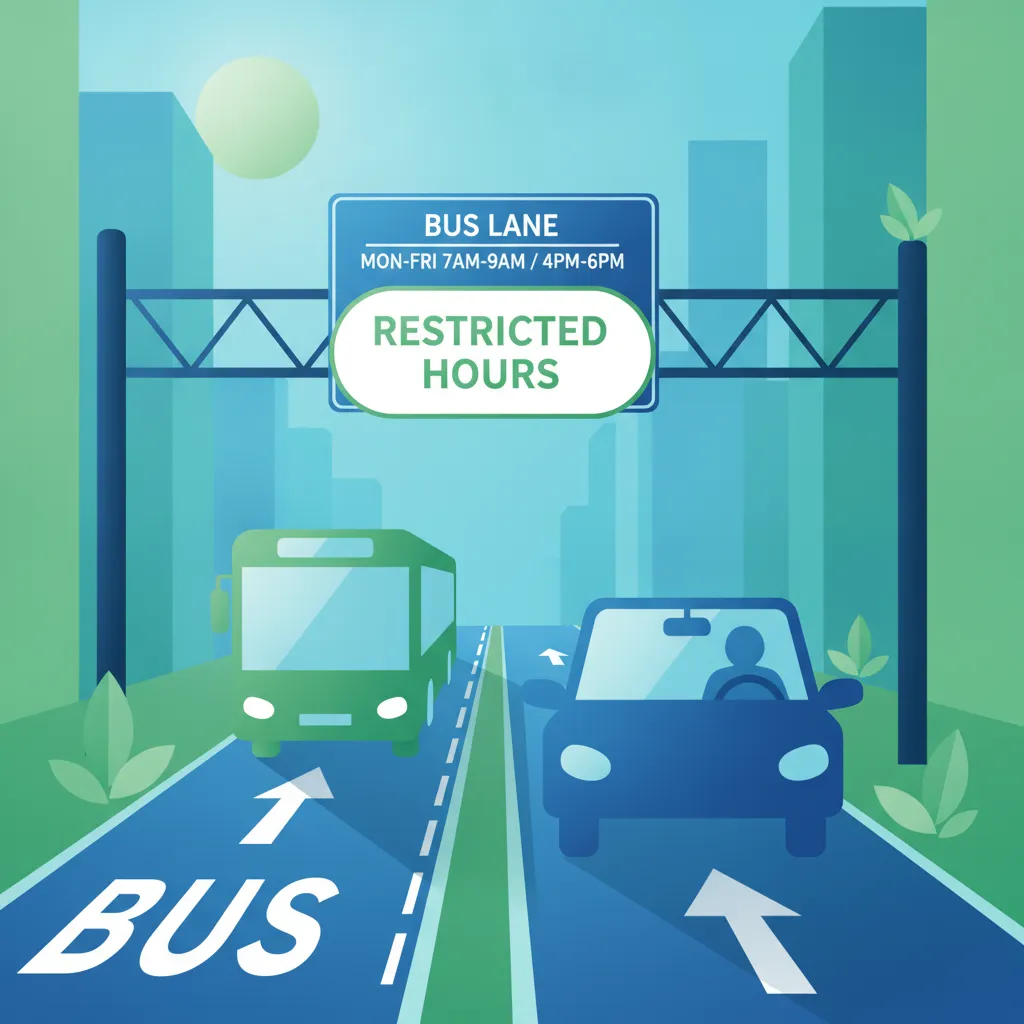
This lesson covers the importance of maintaining correct lane discipline when driving a large passenger vehicle. It details how to position your vehicle safely within a lane on various road types, including multi-lane carriageways and motorways. You will learn the specific rules governing bus lanes, including how to interpret markings, adhere to operating times, and understand the exemptions and penalties associated with their use to ensure legal and efficient driving.

This lesson focuses on the specific rules and best practices for driving HGVs on motorways in Great Britain. It covers mandatory speed limits for goods vehicles, lane discipline including restrictions on using the outside lane, and procedures for safely joining and leaving the motorway. The lesson also includes up-to-date information on driving on smart motorways, including understanding the signs and using emergency refuge areas correctly.
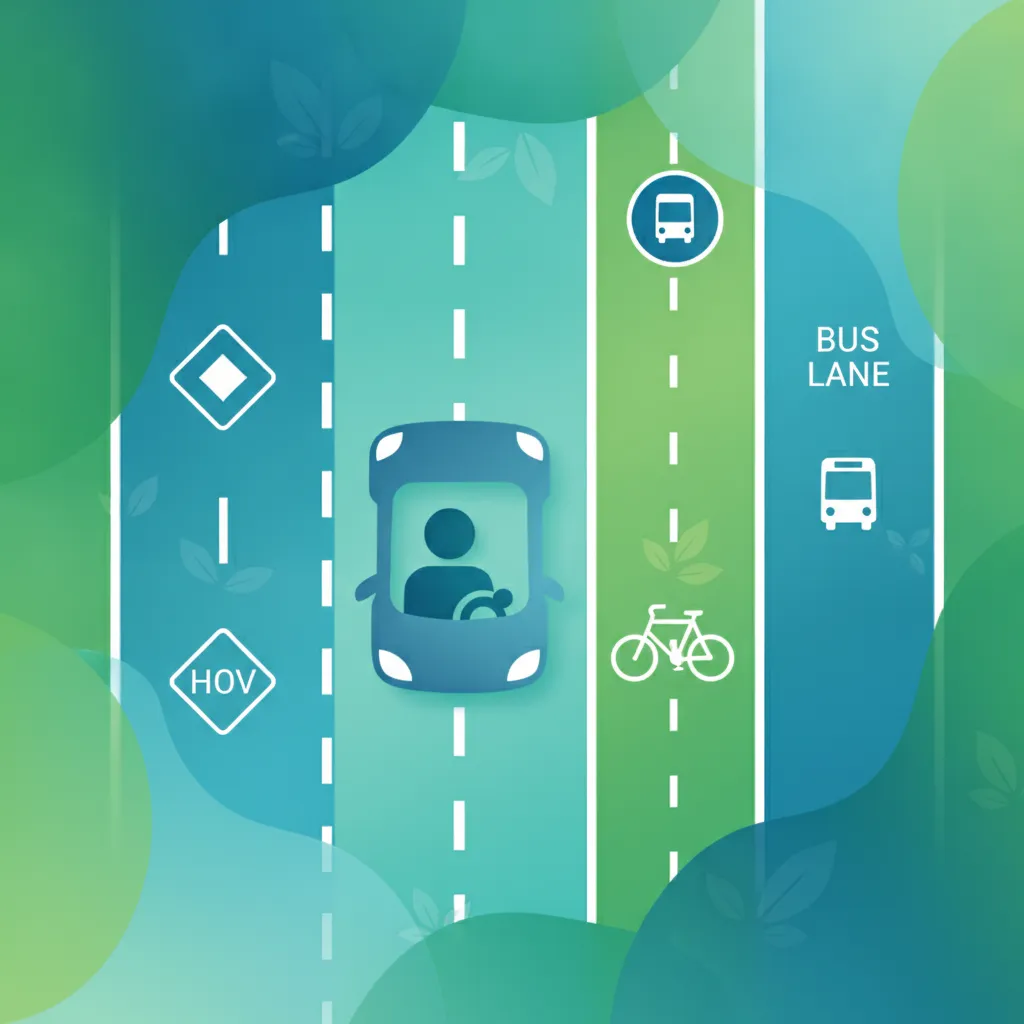
This lesson covers lanes designated for specific types of traffic to improve flow and safety. You will learn to identify mandatory and advisory cycle lanes, and understand the signs indicating the operational hours of bus lanes. The rules governing these lanes are critical for avoiding penalties and ensuring the safety of all road users.

This lesson examines the unique rules and restrictions governing buses and coaches, focusing on bus lane priority, time-based restrictions, and loading zone limitations. Learners will explore the criteria for using bus-only routes and understand the legal consequences of non-compliance. The content also reviews signage indicating bus gate operation and areas where passenger vehicles are prohibited from stopping or loading outside of designated zones, ensuring lawful and efficient urban navigation.
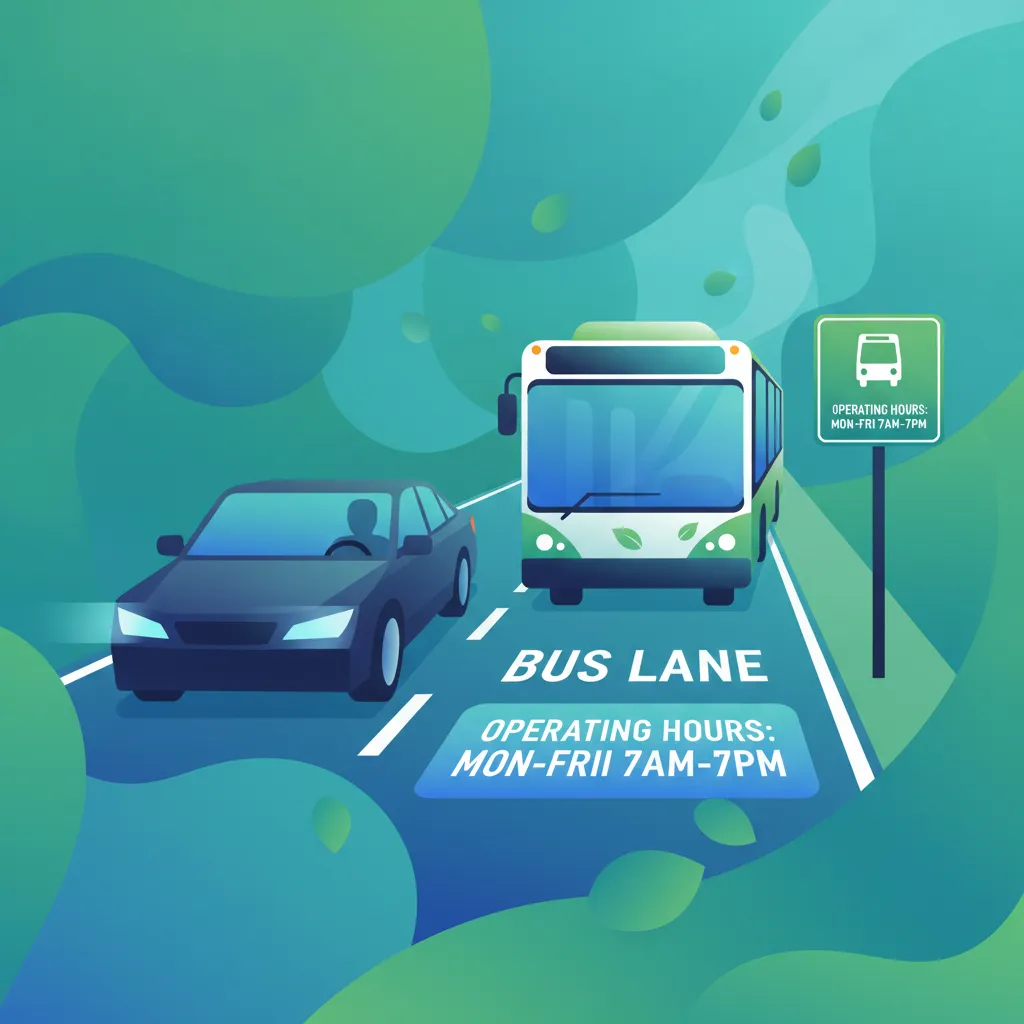
This lesson explores the specifics of bus lane markings, operating times, and priority situations where buses have precedence over other traffic. It emphasizes correct lane discipline, lawful entry and merging practices, and the exemptions granted to designated passenger vehicles. Learners will also understand how bus lane enforcement works and what penalties may be incurred for non-compliance, ensuring safe and efficient movement through urban traffic systems.

This lesson focuses on the regulations and best practices for driving a bus or coach on motorways. It details the specific speed limits applicable to PCVs and reinforces strict lane discipline. The content covers the correct procedures for safely joining from a slip road, overtaking other vehicles, and exiting the motorway. It also explains the features of smart motorways and the correct safety procedures to follow in the event of a breakdown, including the use of the hard shoulder.

This lesson covers the unique aspects of motorway driving, from joining and leaving the carriageway to the strict lane discipline of keeping to the left unless overtaking. It explains the features of smart motorways, such as variable speed limits and the meaning of a Red X symbol above a lane. The safe procedure for handling a breakdown is also a key topic.
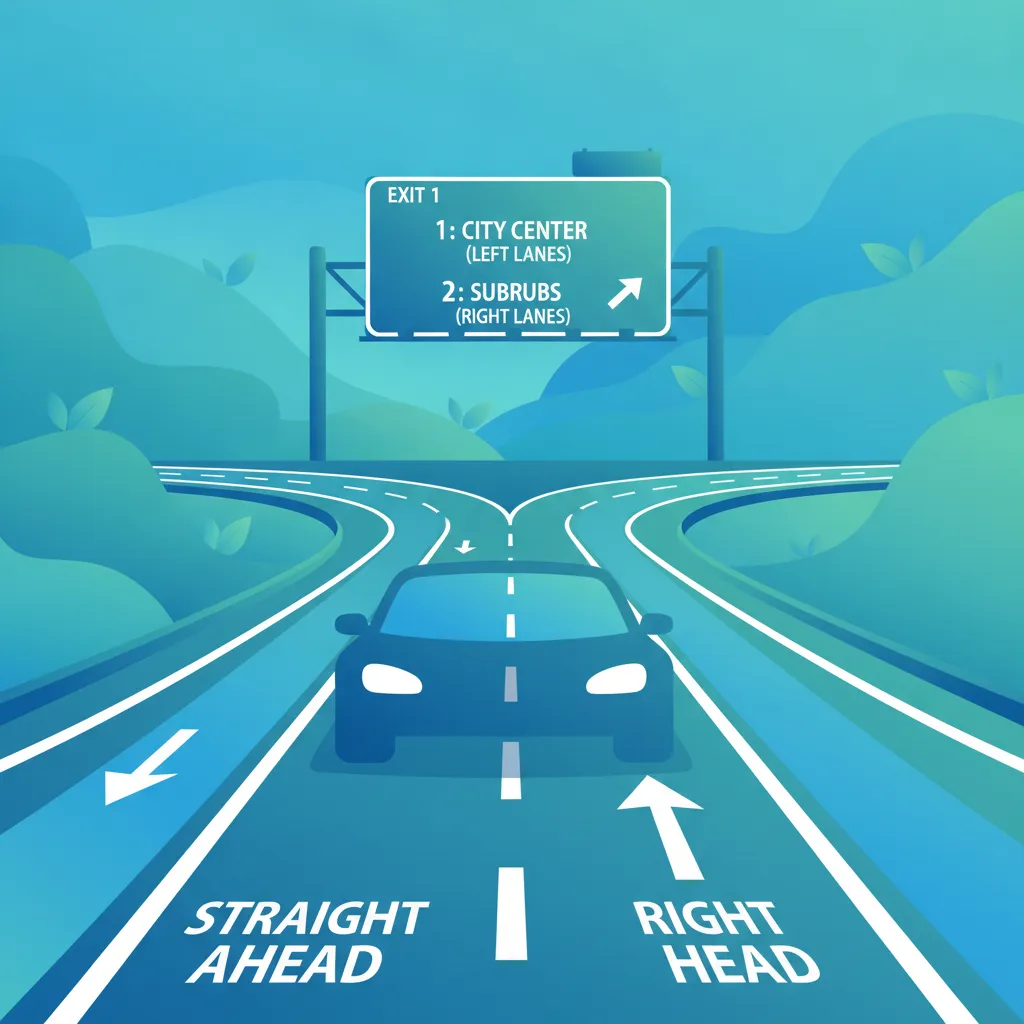
This lesson focuses on the rules conveyed by road markings, such as solid and broken white lines that dictate overtaking rules and lane boundaries. You will learn to interpret waiting and stopping restrictions indicated by yellow and red lines, and understand markings for specific road users like bus and cycle lanes. Maintaining correct lane discipline based on these markings is a fundamental skill for safe navigation and compliance with the Highway Code.

This lesson explains how lines running parallel to the kerb control traffic movement. You will learn that broken white lines divide lanes, while solid white lines generally prohibit crossing them. The specific rules for double white lines, including when you are permitted to cross, are also covered in detail to ensure safe overtaking.

This lesson analyzes the significant impact that large goods vehicles have on overall traffic flow, particularly in congested urban areas and on narrow roads. It discusses how their size can contribute to lane blockages, reduced overtaking opportunities, and bottlenecks at junctions. Learners will study strategies to minimize these effects, such as careful lane selection, maintaining steady speeds, and allowing adequate space, to promote safer and more efficient traffic movement for everyone.
Find clear answers to common questions learners have about Lane Discipline and Placement. Learn how the lesson is structured, which driving theory objectives it supports, and how it fits into the overall learning path of units and curriculum progression in Great Britain. These explanations help you understand key concepts, lesson flow, and exam focused study goals.
In Great Britain, vehicles subject to speed limiters and those exceeding 7.5 tonnes may be prohibited from using the outside lane of a motorway with three or more lanes. Always check current traffic signs and specific legal restrictions for your vehicle weight.
Proper lane positioning prevents sideswipe collisions and ensures you have enough room to negotiate corners without encroaching on other lanes. It also helps manage blind spots and keeps you clearly visible to other drivers.
Because of your vehicle's turning circle and length, you may need to adopt a wider approach compared to a car. Always check your mirrors and blind spots carefully before adjusting your position, ensuring you do not leave a gap that cyclists or motorcyclists might attempt to fill.
Yes, the test often features hazard perception and multiple-choice questions focusing on the unique spatial requirements of large and articulated vehicles in various road configurations.
Dive into our comprehensive question bank to find exactly what you need for your Great Britain theory test. Use our advanced filters to pinpoint specific subjects or test your knowledge on challenging areas, ensuring you're fully prepared for success.