
Driving Theory
British Driving Theory Courses

Lesson 2 of the Lane Use, Turning, Reversing, Manoeuvring and Trailer Awareness unit

GB Goods Vehicle Theory: Turning Radii and Cornering Techniques

This lesson explores the essential physics of manoeuvring a heavy goods vehicle, focusing on turning radii and safe cornering techniques. You will learn to manage the unique handling characteristics of long vehicles to navigate junctions and roundabouts without incident, building on the safety principles established in our unit on road space occupancy.

Category CHGV TheoryCorneringOff-trackingVehicle Dynamics
GB Goods Vehicle Theory: Turning Radii and Cornering Techniques

Lesson content overview

GB Goods Vehicle Theory

Mastering Turning Radii and Cornering for Large Goods Vehicles

Operating a Category C goods vehicle safely requires a deep understanding of its unique dynamics, especially when turning, cornering, or negotiating junctions and roundabouts. Unlike smaller passenger vehicles, large goods vehicles (LGVs) exhibit phenomena like off-tracking and tail swing, which demand specific techniques and heightened awareness from the driver. This lesson provides professional goods vehicle drivers with the essential knowledge and skills to navigate turns safely, efficiently, and in compliance with road regulations.

Understanding Heavy Vehicle Turning Dynamics: Off-tracking and Tail Swing

The sheer size and length of a large goods vehicle fundamentally change how it behaves in a turn. The distinct characteristics of turning radius, off-tracking, and tail swing are critical concepts that every professional driver must master to prevent collisions, damage to the vehicle, and potential harm to other road users.

What is Turning Radius in LGVs?

Definition

Turning Radius

The smallest circular path a vehicle’s reference point (typically the front axle centreline) can describe while executing a turn. For Category C vehicles, both an outer and an inner turning radius are relevant.

The turning radius of a vehicle defines the minimum amount of road space required to complete a turn. For large goods vehicles, it is crucial to understand that there are effectively two turning radii: the outer turning radius, which describes the path of the front wheels, and the inner turning radius, which describes the path of the rear wheels. Due to the vehicle's length and the position of its axles, the rear wheels will always follow a tighter path than the front wheels. This difference is a core aspect of off-tracking.

The turning radius is not static; it is influenced by speed, steering angle, and the vehicle's specific dimensions. Drivers must not assume a fixed turning radius, as misjudging this can lead to encroaching on adjacent lanes, mounting kerbs, or colliding with street furniture. Accurately assessing the required road space based on the vehicle’s turning capabilities is paramount for safe navigation.

The Off-tracking Phenomenon: Why Rear Wheels Cut Corners

Definition

Off-tracking

The lateral deviation where the rear axle of a vehicle follows a tighter path than the front axle during a turn. This creates a difference between the path of the rear wheels and the front wheels.

Off-tracking is a critical dynamic unique to longer vehicles. When a Category C vehicle turns, its rear wheels do not follow the exact same path as the front wheels. Instead, they cut inwards, following a tighter curve. The distance between the path of the front wheels and the path of the rear wheels is known as the off-track distance. This phenomenon is most pronounced in tight turns and at lower speeds.

For a professional goods vehicle driver, anticipating off-tracking is vital. Failure to account for the inward path of the rear wheels can lead to several dangers:

  • Mounting Kerbs: The rear wheels could climb onto the kerb, potentially damaging tyres, wheels, or suspension, and causing instability.
  • Striking Street Furniture: Road signs, lampposts, traffic light poles, or bollards can be hit by the rear of the vehicle.
  • Encroaching on Opposite Lanes: In a right-hand turn, the rear of the vehicle might swing into the opposing lane, creating a head-on collision risk.
  • Endangering Vulnerable Road Users: Cyclists or pedestrians positioned alongside the vehicle may be trapped or struck by the rear wheels cutting in.

Drivers must always consider the full length of their vehicle and the path of its rear wheels, not just the front. This requires a proactive approach to road positioning, especially when entering turns or roundabouts.

Preventing Tail Swing: Dangers and How to Manage It

Definition

Tail Swing

The outward lateral movement of the rear end of a large vehicle during a turn, particularly noticeable at low speeds or when steering sharply.

While off-tracking describes the inward path of the rear wheels, tail swing refers to the outward movement of the very rear end of the vehicle. This is distinct from off-tracking and is particularly dangerous because the vehicle's rear corners can sweep outside the path of the front wheels. Tail swing is most pronounced when a vehicle is steering sharply at low speeds, such as turning into a narrow street or negotiating a tight roundabout.

The dangers of tail swing are significant, particularly for:

  • Vulnerable Road Users: Cyclists, motorcyclists, and pedestrians who may be alongside the vehicle are at severe risk of being hit by the swinging rear.
  • Adjacent Traffic: Vehicles in parallel lanes or waiting at junctions can be struck.
  • Fixed Obstacles: Parked cars, walls, or street furniture near the outer perimeter of the turn are susceptible to impact.

To mitigate tail swing, drivers must:

  • Reduce Speed: Slower speeds give more control and reduce the momentum of the swinging tail.
  • Maintain Clearance: Always assume the tail will swing out and leave ample space for it, especially on the side of the turn.
  • Vigilant Mirror Checks: Continuously use mirrors to monitor the position of the rear of the vehicle relative to other road users and obstacles.
  • Smooth Steering: Avoid sudden, sharp steering inputs which exaggerate tail swing.

Understanding both off-tracking and tail swing is foundational for safe heavy vehicle operation, requiring continuous mental calculation of the vehicle's entire envelope in motion.

Essential Techniques for Safe HGV Cornering and Junction Navigation

Successfully negotiating turns and junctions in a Category C vehicle involves more than just steering. It requires a combination of precise speed control, continuous observation, and strategic lane positioning. These techniques work together to ensure the vehicle remains within its intended path and avoids hazards.

Speed Management and Turning Geometry for Category C Vehicles

The speed at which a large goods vehicle enters and navigates a turn profoundly influences its turning dynamics, including off-tracking and tail swing. This relationship is known as speed-dependent turning geometry.

  • Slower Speeds, Larger Turning Circles: Counter-intuitively, at very low speeds (e.g., 5-10 km/h), a driver may need to apply more steering lock to achieve a turn, which can actually increase the off-track distance and exaggerate tail swing. This is because the vehicle pivots more around its rear axle.
  • Moderate Speeds, Controlled Turns: There is an optimal speed range for most turns where the vehicle tracks smoothly, off-tracking is manageable, and stability is maintained. This speed is significantly lower than for passenger cars and often below the posted speed limit.
  • Excessive Speed, Loss of Control: Entering a turn too quickly can lead to a loss of traction, oversteering (where the front wheels lose grip) or understeering (where the rear wheels lose grip), increased risk of roll-over, and an uncontrolled increase in turning radius. The vehicle's momentum will carry it wider than intended.

Tip

When approaching a bend or junction, always reduce your speed well in advance. Select a gear that allows you to accelerate smoothly out of the turn, maintaining power and control. This "slow in, fast out" approach provides better stability and control.

Drivers must continuously evaluate the radius of the turn, the condition of the road surface (wet or icy conditions reduce grip, effectively enlarging the required turning radius), and the vehicle's load distribution to determine the appropriate speed. A heavy, rear-biased load, for instance, will require a slower speed to prevent excessive tail swing and maintain stability.

Effective Mirror Scanning for Comprehensive Situational Awareness

Definition

Mirror Scanning

The continuous, systematic observation of all available mirrors (internal, left, and right external) to maintain awareness of traffic and potential hazards around the vehicle, especially during turns and manoeuvres.

For a large goods vehicle driver, mirrors are not merely for checking behind; they are essential tools for monitoring the vehicle's entire turning envelope. Mirror scanning must be a continuous process, not just a fleeting glance.

Key aspects of effective mirror scanning during turns include:

  • Pre-Turn Glance: Before initiating any turn, conduct a thorough check of all mirrors to identify any vulnerable road users (cyclists, pedestrians), adjacent vehicles, or obstacles that might be affected by off-tracking or tail swing.
  • Continuous Monitoring: Throughout the turn, your eyes should constantly move between the road ahead, the left mirror, and the right mirror. This allows you to track the progress of your rear wheels and the vehicle's tail, ensuring they remain clear of hazards.
  • Specific Hazard Detection: Pay particular attention to the inner mirror for off-tracking and the outer mirror for tail swing. For example, when turning left, frequently check the left mirror to ensure the rear wheels aren't mounting the kerb and that no cyclist is being cut off. When turning right, check the right mirror for tail swing impacting adjacent lanes or obstacles.
  • Post-Turn Check: Once the turn is completed and the vehicle is straightened, a final mirror check confirms that the manoeuvre was executed safely and that no new hazards have appeared.

Properly adjusted mirrors are crucial. They should provide a wide field of view, covering the sides and rear of the vehicle, minimizing blind spots. Regular mirror checks integrate seamlessly with speed control and lane positioning, allowing drivers to make timely adjustments to their driving if necessary.

Optimal Lane Positioning for Approaching Junctions and Roundabouts

Correct lane positioning on approach to a junction or roundabout is one of the most critical techniques for managing the turning dynamics of a large goods vehicle. It involves deliberately placing your vehicle in the optimal part of the lane, or even an adjacent lane (where permitted and safe), to allow sufficient space for off-tracking and tail swing.

Consider these principles for lane positioning:

  • Anticipate and Plan Early: Identify your intended turn well in advance. This gives you time to assess the road layout, traffic conditions, and plan your approach.
  • Wide Approach for Tight Turns: For many tight left-hand turns (or right-hand turns on a reverse lane configuration), you may need to position your vehicle further to the right side of your lane on approach. This creates a wider arc for your front wheels, which in turn provides more room for your rear wheels to off-track without mounting the kerb or striking obstacles.
  • Utilising Multiple Lanes (Where Permitted): Some junctions and roundabouts have specific markings for large vehicles, indicating that they may need to use more than one lane to complete a turn safely. Always follow these markings. If no specific markings exist, and it is necessary to temporarily move into an adjacent lane to complete a safe turn, ensure it is safe to do so, signal clearly, and yield to other traffic.
  • Protecting Your Space: By positioning correctly, you are actively protecting the space your vehicle needs. This makes it clear to other road users what your intentions are and discourages them from attempting to overtake or squeeze past in a dangerous position.
  • Roundabout Entry: When approaching a roundabout, select the appropriate lane well in advance. For large vehicles, this often means using the outermost lane even if you are going straight or turning right, to allow for the sweeping path required. Always indicate your intentions clearly and check mirrors continuously.

Incorrect lane positioning is a common cause of incidents involving LGVs during turns, often leading to collisions with fixed objects or other vehicles. Always remember the Highway Code rule that states you must occupy the lane appropriate for your direction of travel and not straddle lanes on approach unless explicitly necessary for safety.

Adhering to the Highway Code and other regulations is fundamental for safe and legal operation of Category C vehicles. Several rules are particularly pertinent to turning radii and cornering techniques.

RegulationRule StatementApplicabilityLegal StatusRationale
Highway Code Rule 127When approaching a bend, you must move to the appropriate lane to negotiate the bend safely, taking into account the size and turning radius of your vehicle.All road users, particularly heavy goods vehicles (HGVs) with length > 12 metres.Mandatory for all drivers.Guarantees sufficient clearance for off-tracking and tail swing, preventing encroachment into opposing lanes or collision with obstacles.
Highway Code Rule 128At junctions, you must not move to a lane that is not intended for your direction of travel unless there is a clear and justified reason, for example, to accommodate the turning circle of a long vehicle.Intersection and roundabout approaches.Mandatory.Prevents vehicles from cutting across lanes unexpectedly, reducing conflict with other road users and enhancing safety.
Highway Code Rule 215 (Roundabouts)When entering a roundabout, you must give way to traffic already on the roundabout, and indicate when you leave the roundabout. Drivers of large vehicles should be particularly aware of vulnerable road users on the outer edge of the roundabout and use mirrors carefully.Roundabouts of any size.Mandatory.Ensures predictability and safety for all road users, with an emphasis for HGV drivers to protect cyclists and pedestrians from tail swing.
Highway Code Rule 163 (Clearance 1 m)Vehicles must maintain at least 1 metre clearance from roadside hazards when negotiating a turn, where possible.Urban streets, roundabouts, and intersections with fixed obstacles.Mandatory.Provides sufficient space for off-tracking and tail swing, preventing damage to the vehicle and infrastructure.
EU Directive 2005/55/EC (Maximum Legal Dimensions)Defines maximum dimensions for HGVs, including length and width, which affect turning envelope calculations.All HGV operations within the UK (post-Brexit, UK regulations align with these standards).Mandatory (regulatory).Ensures vehicles stay within physical limits for turnable road space, promoting consistency and safety across road networks.
DVSA Guidance Note – HGV CorneringSpeed should be reduced to limit off-tracking, particularly in urban environments and at junctions.Recommended best practice for professional drivers.Recommended (advisory).Directly addresses the physics of turning, reducing kinetic energy and the turning radius required, thus improving control and safety.

It is crucial for Category C drivers to not only know these rules but understand the safety rationale behind them. Compliance prevents collisions and demonstrates professional competence.

Common Mistakes and How to Avoid Them During HGV Cornering

Even experienced drivers can make mistakes, especially when conditions are challenging or attention lapses. For large goods vehicles, these errors can have severe consequences. Here are some common pitfalls and how to avoid them:

  1. Late Lane Change Before a Bend or Junction

    • Wrong: Waiting until the last moment to shift into the correct lane before a sharp turn, causing the vehicle to swing too wide or cut across an opposing lane.
    • Correct: Anticipate the turn well in advance. Perform a smooth, early lane change into the required position, allowing ample time for other drivers to react.
    • Consequence: Near miss or collision with oncoming traffic, mounting the kerb, or striking an obstacle.
  2. Excessive Speed on a Roundabout or Tight Corner

    • Wrong: Entering a roundabout or corner at a speed that is too high for the vehicle's size and load, or the road conditions.
    • Correct: Reduce speed significantly before entering the turn. Select a gear that provides engine braking and allows for smooth acceleration out of the turn.
    • Consequence: Loss of control, increased off-track distance, amplified tail swing, potential roll-over, or collision with other road users.
  3. Insufficient Mirror Checks During a Turn, Especially on Exit

    • Wrong: Focusing only on the front of the vehicle or glancing briefly in mirrors before a turn, then failing to monitor them throughout the manoeuvre and on exit.
    • Correct: Conduct continuous, systematic mirror scanning before, during, and after the turn. Pay particular attention to the inner mirror for off-tracking and the outer mirror for tail swing, especially when exiting a roundabout or turning into a new road.
    • Consequence: Side-impact collision with cyclists, pedestrians, or other vehicles hidden in blind spots or affected by tail swing.
  4. Clearing Obstacles by Relying Solely on the Front Wheels

    • Wrong: Positioning the vehicle such that the front wheels comfortably clear an obstacle (e.g., a kerb), but forgetting that the rear wheels will follow a tighter path and strike it.
    • Correct: Always consider the full turning envelope of your vehicle. Maintain sufficient clearance for the rear wheels' anticipated off-track path, not just the front.
    • Consequence: Vehicle damage (tyres, wheels, suspension), potential loss of cargo stability, or a dangerous situation for vulnerable road users.
  5. Turning at Very Low Speed with Exaggerated Steering Inputs

    • Wrong: Steering sharply and rapidly at a crawl speed, causing the rear end to swing far outward (tail swing).
    • Correct: Maintain a steady, controlled, moderate speed (not excessively slow or fast) and use gentle, progressive steering inputs. This minimises exaggerated tail swing.
    • Consequence: Unexpected encroachment into adjacent lanes, risk to vulnerable road users, or striking nearby vehicles/objects.
  6. Ignoring Load Distribution Effects on Turning

    • Wrong: Failing to consider how a rear-heavy or poorly distributed load can affect the vehicle's centre of gravity, increasing tail swing and off-track.
    • Correct: Be aware of your load's distribution. Adjust your speed and lane positioning accordingly, giving more allowance for increased off-track or tail swing with certain loads.
    • Consequence: Unpredictable vehicle behaviour, increased risk of rollover, cargo shifting, or unexpected encroachment into adjacent spaces.
  7. Emergency Braking Mid-Turn

    • Wrong: Abruptly applying the brakes while in the middle of a turn, especially on wet or slippery surfaces.
    • Correct: Complete all heavy braking before entering the turn. Use gentle, progressive braking if absolutely necessary while turning, or engine braking where applicable, to maintain stability.
    • Consequence: Loss of control, skidding, rear wheels locking and swinging outward, potential jack-knifing (with trailers), and severe collisions.

Adapting Turning Techniques to Different Conditions and Scenarios

Safe cornering is not a one-size-fits-all skill. Professional drivers must adapt their techniques to varying environmental, road, and vehicle conditions.

  • Adverse Weather (Rain, Snow, Ice):
    • Variation: Reduce speed significantly more than usual.
    • Reasoning: Reduced tyre grip on wet or icy surfaces decreases the vehicle's ability to withstand lateral forces, increasing stopping distances and making the vehicle more prone to skidding. The effective turning radius will increase, and off-tracking/tail swing can become less predictable.
  • Low Visibility (Fog, Heavy Rain, Night):
    • Variation: Increase the frequency and thoroughness of mirror checks.
    • Reasoning: Limited visibility of road edges, markings, and other road users means a greater reliance on indirect vision and a need for slower speeds to react to unseen hazards. Ensure headlights are correctly aimed.
  • Urban vs. Rural Roads:
    • Variation: Urban roads often require earlier and more precise lane positioning due to tighter clearances, parked vehicles, and a higher presence of vulnerable road users. Rural roads may offer more space but can present hidden dips, sharper unbanked bends, or less forgiving roadside hazards like trees or ditches.
    • Reasoning: Different environments dictate specific space constraints and hazard profiles.
  • Partial Roadworks or Temporary Delineation:
    • Variation: Adhere strictly to temporary road signs, reduced speed limits, and altered lane markings.
    • Reasoning: Roadworks often reduce available lane width or change turning paths, necessitating a larger turning radius or more careful negotiation.
  • Presence of Vulnerable Road Users (Cyclists, Pedestrians):
    • Variation: Always assume vulnerable road users are present, especially in urban areas. Further reduce speed and increase mirror checks on the side where they might be.
    • Reasoning: Tail swing and off-tracking pose direct physical threats to cyclists and pedestrians, who may not fully understand the dynamics of large vehicles.
  • Roundabouts with Dedicated HGV Lanes:
    • Variation: Always use designated large-vehicle lanes if available.
    • Reasoning: These lanes are specifically engineered to accommodate the wider turning envelope of HGVs, ensuring safe passage without encroaching on other lanes.
  • Steep Gradient Entry to a Turn:
    • Variation: Adjust speed considering gravity. When turning downhill, greater braking effort is needed before the turn. When turning uphill, maintaining sufficient power is crucial to avoid stalling or losing momentum.
    • Reasoning: Gravity influences kinetic energy and vehicle dynamics, requiring careful speed and gear selection to maintain control.
  • Vehicle Mechanical Issues (e.g., Steering Play, Worn Tyres):
    • Variation: Reduce speed substantially and increase following distance.
    • Reasoning: Mechanical flaws impair the vehicle’s ability to follow a precise path and reduce control, making off-tracking and tail swing harder to manage.

Enhancing Safety: The Principles Behind Safe HGV Turns

The techniques discussed are not arbitrary rules; they are rooted in principles of physics, human psychology, and extensive safety research. Understanding these underlying reasons helps drivers make more informed decisions.

  • Visibility and Reaction Time: Properly adjusted mirrors extend a driver's field of view, especially to the rear (up to 150-180°). This expanded visibility reduces blind spots and provides earlier warning of hazards. At 30 km/h, a driver travels approximately 8.3 metres per second. A typical perception-reaction time of 2.5 seconds means a vehicle will travel over 20 metres before any corrective action can be taken. Early hazard detection through mirror scanning and proactive positioning is thus critical.
  • Psychological Load: Driving a large goods vehicle is cognitively demanding. Reducing speed before and during a turn lowers the immediate cognitive load, freeing up mental resources for critical tasks like continuous mirror scanning, hazard perception, and precise steering. This allows for better decision-making under pressure.
  • Physics of Lateral Forces: During a turn, tyres generate lateral forces to keep the vehicle on its curved path. The maximum lateral force a tyre can generate is proportional to its grip (coefficient of friction, μ) and the vertical load. Lower speeds mean lower lateral forces are required, reducing the risk of tyre slip, understeer (front wheels lose grip), or oversteer (rear wheels lose grip). This enhances vehicle stability and control, particularly on slippery surfaces.
  • Preventing Vehicle Damage and Wear: Maintaining appropriate speeds, using correct lane positioning, and avoiding kerb strikes significantly reduces wear and tear on tyres, suspension, and steering components. This contributes to vehicle longevity and reduces maintenance costs.
  • Data-Driven Safety: Statistics from organisations like the DVSA consistently show that HGVs involved in junction or cornering collisions often exceeded recommended speeds or failed to adequately account for off-tracking. This empirical evidence underscores the critical importance of mastering these specific turning techniques for road safety.

Key Takeaways for Professional Goods Vehicle Drivers

  • Turning Radius: Differentiate between the wider path of the front wheels (outer radius) and the tighter path of the rear wheels (inner radius/off-track).
  • Off-tracking: Always anticipate that your rear wheels will follow a tighter path than your front wheels during a turn. Plan your positioning to accommodate this.
  • Tail Swing: Be aware of the outward swing of your vehicle's rear end, especially at low speeds or when steering sharply. This poses a significant danger to vulnerable road users.
  • Speed-Dependent Geometry: Understand that slower speeds are crucial for maintaining control and managing off-tracking/tail swing, though excessively slow speeds can sometimes exaggerate tail swing with sharp steering.
  • Lane Positioning: Implement early and precise lane positioning on approach to turns, often requiring a wider arc to allow for your vehicle's turning envelope. Follow any dedicated HGV lane markings.
  • Mirror Scanning: Maintain continuous, systematic observation of all mirrors before, during, and after a turn to monitor the vehicle's position relative to hazards and other road users.
  • Load Distribution Effects: Remember that a heavy or poorly distributed load can significantly alter vehicle dynamics, increasing off-tracking and tail swing.
  • Road Conditions: Adapt your speed and techniques for adverse weather, low visibility, and different road types (urban vs. rural).
  • Legal Obligations: Adhere to Highway Code rules (e.g., 127, 128, 163, 215) and statutory maximum vehicle dimensions to ensure compliance and safety.
  • Safety Protocols: Always aim for at least 1-metre clearance from road edges and fixed obstacles. Prioritise the safety of vulnerable road users above all else.
  • Common Pitfalls: Actively guard against late lane changes, excessive speed, inadequate mirror checks, and misjudging the vehicle's full turning envelope.
  • Inter-Lesson Links: This lesson builds upon knowledge from vehicle dimensions, speed control, and lane discipline, and prepares you for complex urban manoeuvring.

Learn more with these articles

Check out these practice sets


Search topics related to Turning Radii and Cornering Techniques

Explore search topics learners often look for when studying Turning Radii and Cornering Techniques. These topics reflect common questions about road rules, driving situations, safety guidance, and lesson level theory preparation for learners in Great Britain.

HGV turning radii and cornering techniqueshow to handle off-tracking in a goods vehicleCategory C theory test cornering tipsmanaging tail swing on Category C vehiclesHGV road positioning at roundaboutsDVSA theory test HGV handling questions

Related driving theory lessons for Turning Radii and Cornering Techniques

Browse additional driving theory lessons that cover connected traffic rules, road signs, and common driving situations related to this topic. Improve your understanding of how different rules interact across everyday traffic scenarios.

Advanced Manoeuvring and Turning Techniques for HGVs

Explore advanced strategies for navigating complex turns and junctions with large goods vehicles. Learn to master challenging manoeuvres, manage extreme off-tracking and tail swing scenarios, and refine road positioning for optimal safety in varied driving conditions.

Category CHGV TheoryAdvanced ManoeuvringTurning TechniquesRoad PositioningUrban Driving
Manoeuvring in Urban Environments lesson image

Manoeuvring in Urban Environments

This lesson addresses the unique challenges of operating a large goods vehicle in congested urban and city environments. It focuses on techniques for navigating narrow streets, making tight turns, and safely accessing delivery points while being highly aware of vulnerable road users like pedestrians and cyclists. The importance of exceptional observation, low-speed control, and clear communication with other road users is heavily emphasized to minimize risk in these complex settings.

GB Goods Vehicle TheoryLane Use, Turning, Reversing, Manoeuvring and Trailer Awareness
View lesson
Road Space Occupancy and Maneuvering Clearance lesson image

Road Space Occupancy and Maneuvering Clearance

This lesson examines the physical space a goods vehicle occupies on the road and its impact on maneuvering at junctions, roundabouts, and in tight spaces. Learners will understand the concepts of tail swing and off-tracking, and how to calculate the necessary clearance for safe turns. The content emphasizes maintaining safe distances from other road users and infrastructure, which is a key component of professional spatial awareness and accident prevention.

GB Goods Vehicle TheoryVehicle Size, Weight, Dimensions and Road Space
View lesson
Turning Techniques for Large Vehicles lesson image

Turning Techniques for Large Vehicles

This lesson provides detailed instruction on turning techniques tailored for long vehicles. It explains the concepts of off-tracking (where rear wheels follow a tighter path than front wheels) and rear swing, and how to compensate for them. Learners will understand how to position the vehicle correctly when approaching and navigating left and right turns at junctions, roundabouts, and tight corners, using mirrors and signals effectively to ensure clearance and safety.
GB Passenger Vehicle TheoryLane Use, Turning, Blind Spots, Reversing and Manoeuvring
View lesson
Reversing Large Vehicles Safely lesson image

Reversing Large Vehicles Safely

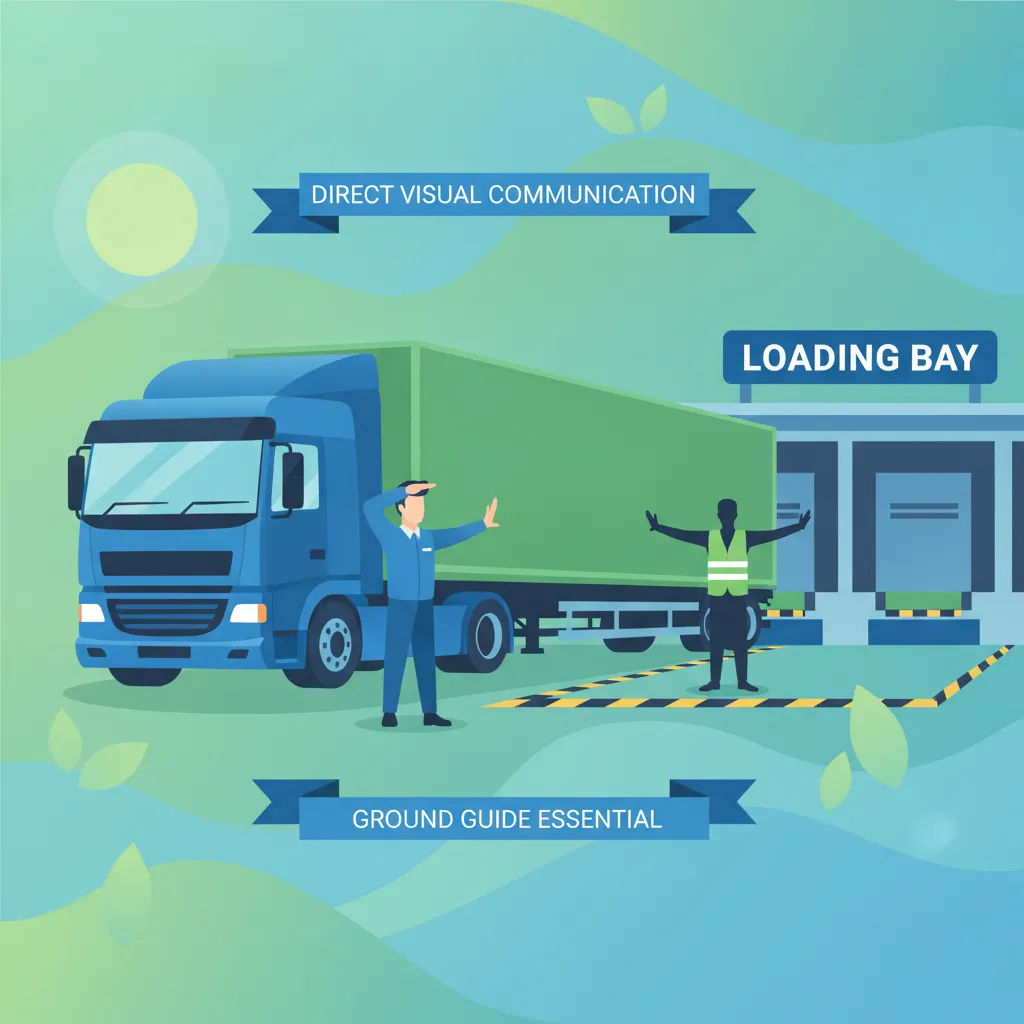
Reversing is one ofthe highest-risk maneuvers for an HGV driver. This lesson provides a structured guide to reversing safely, covering the 'get out and look' principle, effective use of all mirrors, and the use of reversing cameras and alarms. It stresses the importance of using a trained banksman (signaller) whenever possible, using agreed signals, and maintaining a slow, controlled speed throughout the maneuver to prevent accidents.

GB Goods Vehicle TheoryLane Use, Turning, Reversing, Manoeuvring and Trailer Awareness
View lesson
Managing Heavy Vehicle Dynamics in Adverse Conditions lesson image

Managing Heavy Vehicle Dynamics in Adverse Conditions

This lesson equips drivers with strategies for maintaining control of a heavy vehicle during adverse weather conditions like heavy rain, ice, snow, and strong crosswinds. It covers the physics of traction loss, aquaplaning, and skidding, and explains how to use smooth inputs for steering, acceleration, and braking. The function of electronic stability control systems and other driver aids is also discussed as part of a proactive approach to safety in challenging environments.

GB Goods Vehicle TheorySpeed, Braking, Following Distance, Gradients and Heavy Vehicle Control
View lesson
Identifying and Managing Blind Spots lesson image

Identifying and Managing Blind Spots

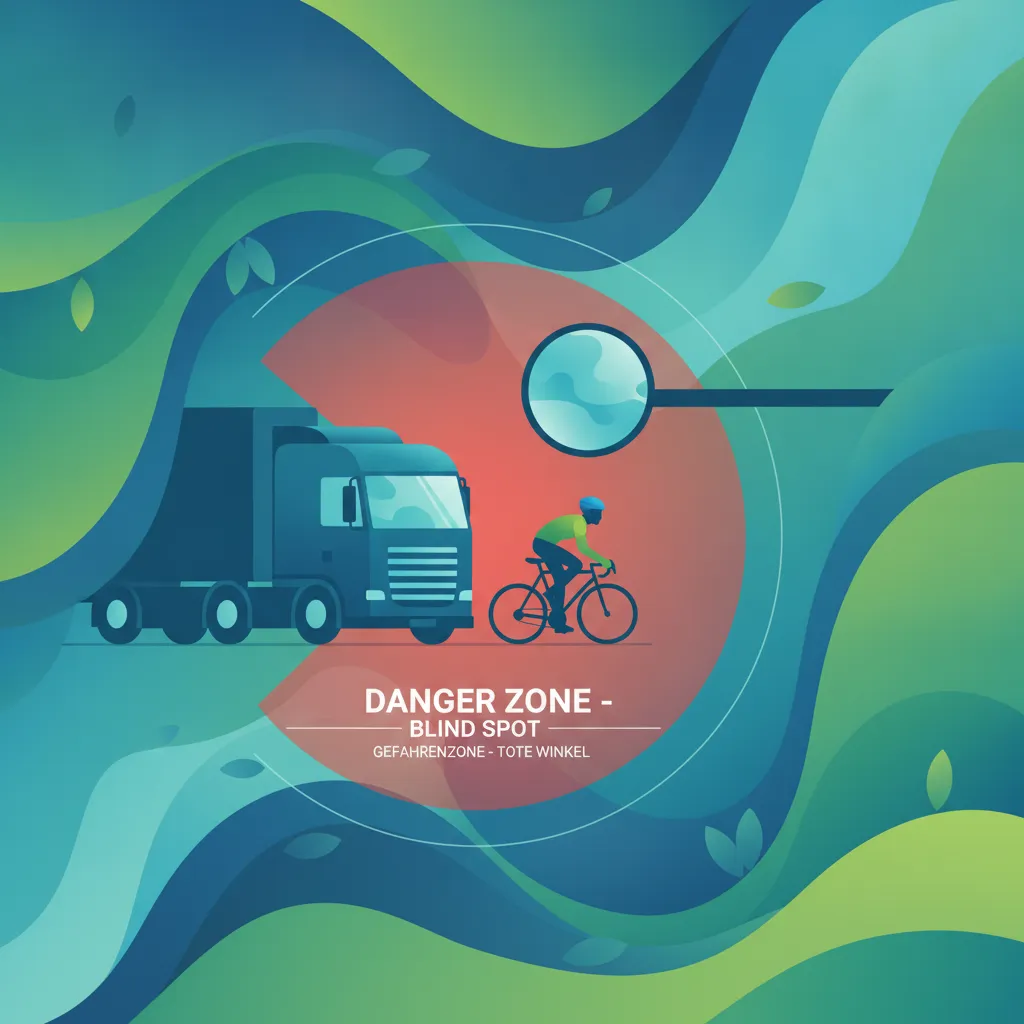
This lesson provides a detailed map of the significant blind spots located to the front, sides, and rear of a typical heavy goods vehicle. It explains the purpose of the different classes of mirrors and how to adjust them correctly for maximum visibility. Learners will be taught effective scanning techniques—'mirror-signal-manoeuvre'—to actively check these zones before changing position, ensuring they are aware of any hidden hazards or other road users.

GB Goods Vehicle TheoryBlind Spots, Vulnerable Road Users and Urban Delivery Risks
View lesson
Lane Discipline and Placement lesson image

Lane Discipline and Placement

This lesson focuses on the importance of excellent lane discipline for drivers of large vehicles. It details the rules and best practices for lane selection on motorways and dual carriageways, emphasizing the need to stay in the appropriate lane and signal intentions early. Correct positioning within a lane to maximize safety margins and visibility, especially around vulnerable road users, is a key focus for maintaining professional driving standards.

GB Goods Vehicle TheoryLane Use, Turning, Reversing, Manoeuvring and Trailer Awareness
View lesson
Route Planning for Goods Vehicles lesson image

Route Planning for Goods Vehicles

This lesson teaches a structured approach to effective route planning, a critical skill for any professional driver. It covers the use of specialized HGV navigation software and traditional maps to account for vehicle dimensions, weight limits, low bridges, and delivery time constraints. The goal is to create routes that are not only the most efficient in terms of time and fuel but are also safe, legal, and responsive to potential disruptions like roadworks or traffic.

GB Goods Vehicle TheorySigns, Restrictions, Route Planning and Access Limits
View lesson
Complex Manoeuvring in Confined Spaces lesson image

Complex Manoeuvring in Confined Spaces

This lesson builds on basic skills to address complex manoeuvres in challenging, confined environments such as bus stations, depots, and service areas. It covers techniques for positioning the vehicle for bay parking and navigating tight, complex routes. Key focus areas include developing precise spatial awareness, using reference points, maintaining extremely slow and controlled movements, and performing continuous observation to navigate safely without causing damage or injury.
GB Passenger Vehicle TheoryLane Use, Turning, Blind Spots, Reversing and Manoeuvring
View lesson
Using Navigation Aids and Real‑Time Updates lesson image

Using Navigation Aids and Real‑Time Updates

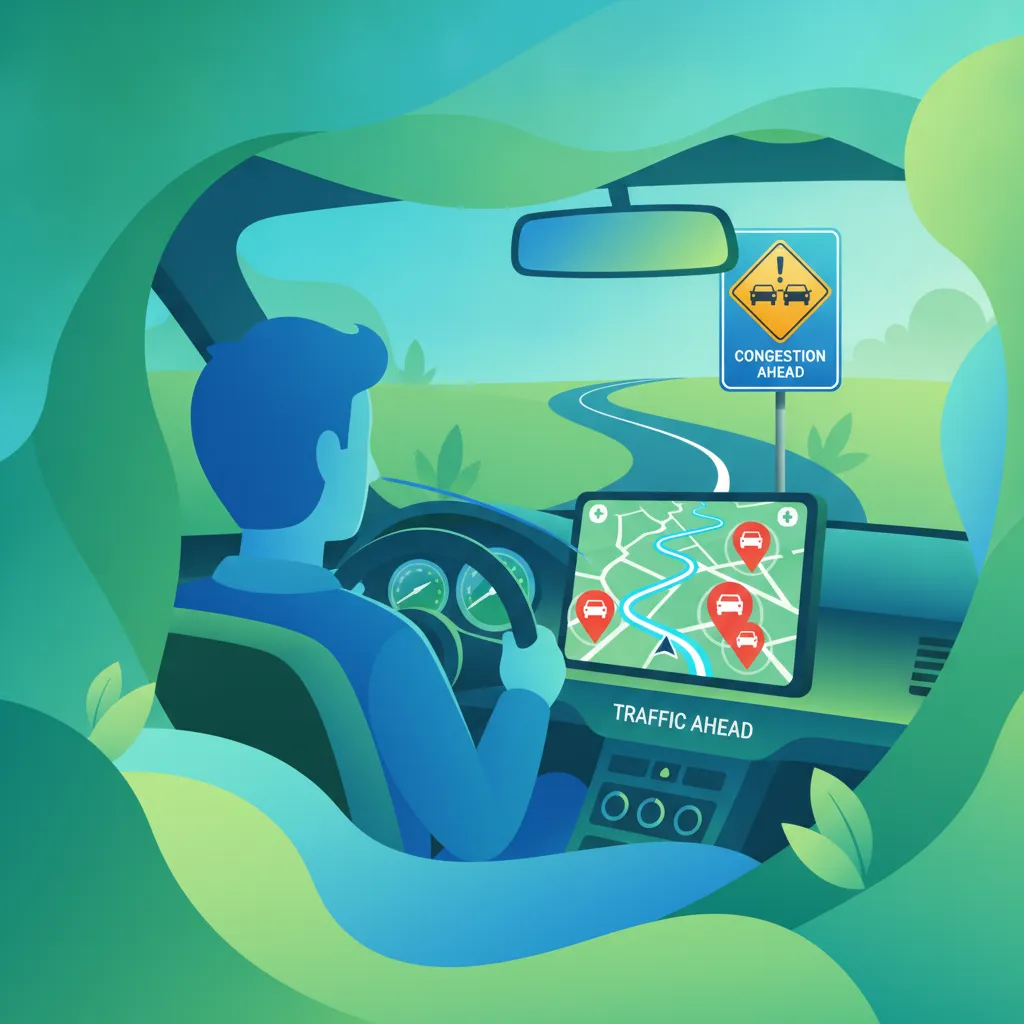
This lesson explores the effective use of modern digital navigation tools, including GPS systems and mobile apps tailored for HGVs. It explains how to leverage real-time traffic data, congestion alerts, and dynamic re-routing to adapt to changing road conditions. Importantly, it also emphasizes the need to use this technology safely, cross-referencing information with road signs and maintaining situational awareness to avoid distractions while driving.

GB Goods Vehicle TheorySigns, Restrictions, Route Planning and Access Limits
View lesson

Common Mistakes in HGV Turning and Cornering

Learn to identify and avoid frequent errors drivers make when cornering and turning large goods vehicles. This lesson covers typical mistakes related to speed, positioning, and mirror use, explained through real-world scenarios and their consequences.

Category CHGV TheoryCommon MistakesDriving ScenariosOff-trackingTail SwingRoad Safety
Road Space Occupancy and Maneuvering Clearance lesson image

Road Space Occupancy and Maneuvering Clearance

This lesson examines the physical space a goods vehicle occupies on the road and its impact on maneuvering at junctions, roundabouts, and in tight spaces. Learners will understand the concepts of tail swing and off-tracking, and how to calculate the necessary clearance for safe turns. The content emphasizes maintaining safe distances from other road users and infrastructure, which is a key component of professional spatial awareness and accident prevention.

GB Goods Vehicle TheoryVehicle Size, Weight, Dimensions and Road Space
View lesson
Turning Techniques for Large Vehicles lesson image

Turning Techniques for Large Vehicles

This lesson provides detailed instruction on turning techniques tailored for long vehicles. It explains the concepts of off-tracking (where rear wheels follow a tighter path than front wheels) and rear swing, and how to compensate for them. Learners will understand how to position the vehicle correctly when approaching and navigating left and right turns at junctions, roundabouts, and tight corners, using mirrors and signals effectively to ensure clearance and safety.

GB Passenger Vehicle TheoryLane Use, Turning, Blind Spots, Reversing and Manoeuvring
View lesson
Identifying and Managing Blind Spots lesson image

Identifying and Managing Blind Spots

This lesson provides a detailed map of the significant blind spots located to the front, sides, and rear of a typical heavy goods vehicle. It explains the purpose of the different classes of mirrors and how to adjust them correctly for maximum visibility. Learners will be taught effective scanning techniques—'mirror-signal-manoeuvre'—to actively check these zones before changing position, ensuring they are aware of any hidden hazards or other road users.

GB Goods Vehicle TheoryBlind Spots, Vulnerable Road Users and Urban Delivery Risks
View lesson
Manoeuvring in Urban Environments lesson image

Manoeuvring in Urban Environments

This lesson addresses the unique challenges of operating a large goods vehicle in congested urban and city environments. It focuses on techniques for navigating narrow streets, making tight turns, and safely accessing delivery points while being highly aware of vulnerable road users like pedestrians and cyclists. The importance of exceptional observation, low-speed control, and clear communication with other road users is heavily emphasized to minimize risk in these complex settings.

GB Goods Vehicle TheoryLane Use, Turning, Reversing, Manoeuvring and Trailer Awareness
View lesson
Reversing Large Vehicles Safely lesson image

Reversing Large Vehicles Safely

Reversing is one ofthe highest-risk maneuvers for an HGV driver. This lesson provides a structured guide to reversing safely, covering the 'get out and look' principle, effective use of all mirrors, and the use of reversing cameras and alarms. It stresses the importance of using a trained banksman (signaller) whenever possible, using agreed signals, and maintaining a slow, controlled speed throughout the maneuver to prevent accidents.

GB Goods Vehicle TheoryLane Use, Turning, Reversing, Manoeuvring and Trailer Awareness
View lesson
Lane Discipline and Placement lesson image

Lane Discipline and Placement

This lesson focuses on the importance of excellent lane discipline for drivers of large vehicles. It details the rules and best practices for lane selection on motorways and dual carriageways, emphasizing the need to stay in the appropriate lane and signal intentions early. Correct positioning within a lane to maximize safety margins and visibility, especially around vulnerable road users, is a key focus for maintaining professional driving standards.
GB Goods Vehicle TheoryLane Use, Turning, Reversing, Manoeuvring and Trailer Awareness
View lesson
Identifying and Avoiding Blind Spots of Larger Vehicles lesson image

Identifying and Avoiding Blind Spots of Larger Vehicles

This lesson highlights the significant danger posed by the large blind spots of HGVs and buses. You will learn to identify these hazardous areas around a vehicle where the driver cannot see you. The lesson provides practical strategies for staying out of these zones, especially at junctions and when overtaking, to prevent serious accidents.

Motorcycle Theory GBLane Positioning, Blind Spots, Filtering, Overtaking and Space Management
View lesson
Rural Roads, Curves, and Uncontrolled Intersections lesson image

Rural Roads, Curves, and Uncontrolled Intersections

This lesson addresses the unique challenges of driving a large vehicle on rural roads. It provides techniques for positioning the vehicle through sharp bends and on narrow lanes, and for safely navigating unmarked or uncontrolled junctions. Learners will be taught to anticipate hidden hazards common in the countryside, such as slow-moving farm vehicles, animals on the road, and concealed entrances. The correct use of passing places and strategies for meeting oncoming traffic are also covered.
GB Passenger Vehicle TheoryWeather, Motorways, Rural Routes, Terminals and Long-Distance Service
View lesson
Large Roundabouts and Multi‑Lane Roundabouts lesson image

Large Roundabouts and Multi‑Lane Roundabouts

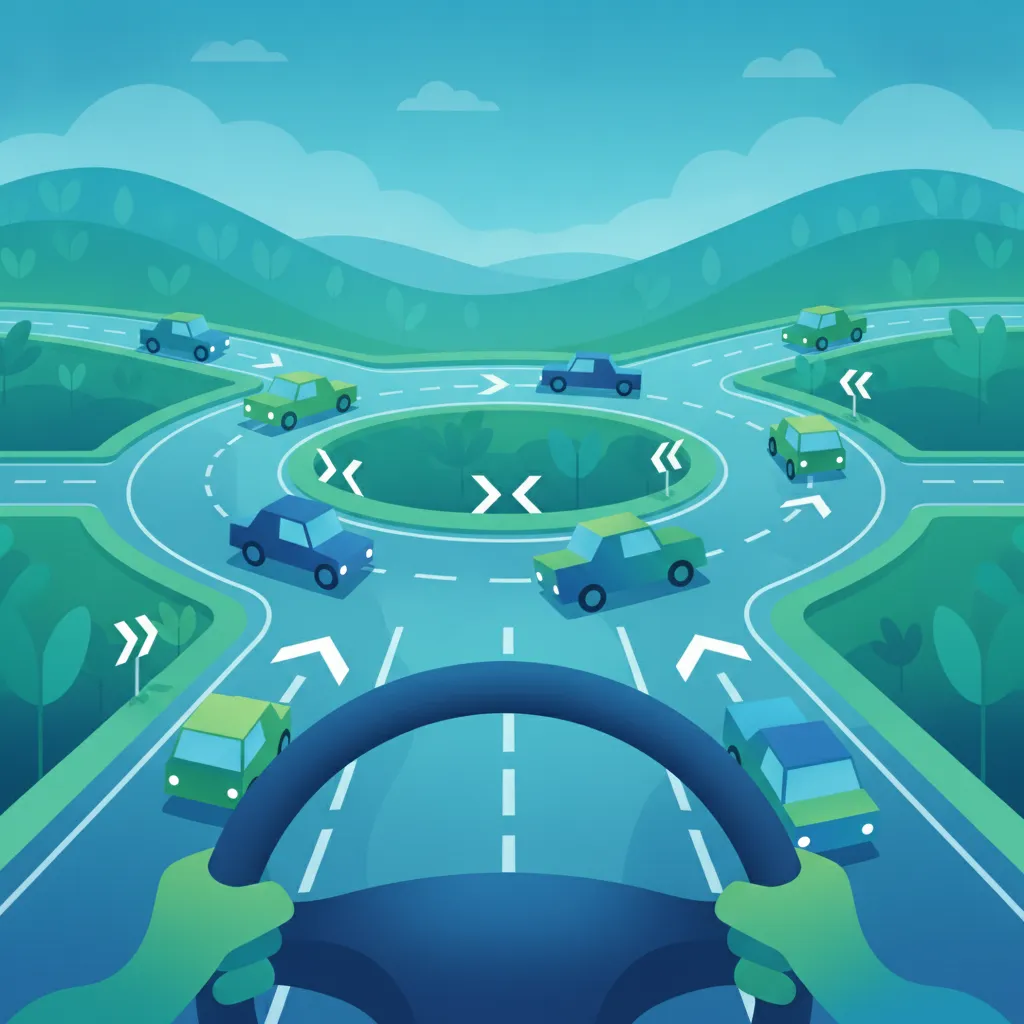
This lesson tackles the complexities of large roundabouts, which often have multiple lanes and exits. It stresses the importance of reading signs on the approach to select the correct lane for your destination. You will learn about maintaining lane discipline while on the roundabout and signalling correctly as you pass exits and prepare to leave.

GB Category B TheoryPriority Rules, Junctions and Roundabouts
View lesson
Maintaining Safe Following Distances lesson image

Maintaining Safe Following Distances

This lesson reinforces the vital safety rule of maintaining an adequate following distance from the vehicle ahead. It explains why the standard 'two-second rule' must be extended for heavy vehicles, especially in poor weather or when heavily laden, to account for longer stopping distances. You will learn practical methods for judging a safe gap in various traffic situations, creating a crucial safety buffer to react to unforeseen hazards.

GB Goods Vehicle TheorySpeed, Braking, Following Distance, Gradients and Heavy Vehicle Control
View lesson

Frequently asked questions about Turning Radii and Cornering Techniques

Find clear answers to common questions learners have about Turning Radii and Cornering Techniques. Learn how the lesson is structured, which driving theory objectives it supports, and how it fits into the overall learning path of units and curriculum progression in Great Britain. These explanations help you understand key concepts, lesson flow, and exam focused study goals.

What is off-tracking for a Category C vehicle?

Off-tracking occurs when the rear wheels of your vehicle follow a tighter path than the front wheels during a turn. Because of this, you must steer wider on approach to ensure the rear wheels do not mount the kerb.

How can I avoid tail swing risks while driving an HGV?

Tail swing happens when the rear of the vehicle swings outward during a turn. Always use your mirrors to check the area surrounding the rear of the vehicle before and during the turn to ensure no pedestrians or cyclists are in the path.

Why is mirror use critical during cornering for Category C?

Because of the length of goods vehicles, your blind spots change significantly during a turn. Frequent mirror checks are vital to monitor the vehicle's tracking and ensure no vulnerable road users are caught near the side of your vehicle.

How does speed management affect cornering stability?

Excessive speed during a turn significantly increases the risk of loss of control and load shift. You must reduce your speed before entering the turn to maintain stability and give yourself adequate time to adjust your steering path.

Start Your Targeted Practice Question Search Now

Dive into our comprehensive question bank to find exactly what you need for your Great Britain theory test. Use our advanced filters to pinpoint specific subjects or test your knowledge on challenging areas, ensuring you're fully prepared for success.

Search Practice Questions

Continue your British driving theory learning journey

British road signsBritish article topicsGB AM Moped Theory courseSearch British road signsMotorcycle Theory GB courseGB Category B Theory courseBritish driving theory homeBritish road sign categoriesBritish driving theory topicsGB Goods Vehicle Theory courseSearch British theory articlesBritish driving theory coursesBritish driving theory articlesBritish driving theory practiceBritish practice set categoriesGB Passenger Vehicle Theory courseBritish driving licence proceduresSearch British driving theory practiceBritish driving theory terminology A–ZBritish driving theory terms and glossaryGB Road Signs and Traffic Signals unit in GB Category B TheoryHelmet, Visibility and Protective Behaviour unit in GB AM Moped TheoryAM Licence Basics and Small Vehicle Responsibility unit in GB AM Moped TheoryMotorcycle Licence Basics and Rider Responsibility unit in Motorcycle Theory GBVehicle Size, Weight, Dimensions and Road Space unit in GB Goods Vehicle TheoryCategory B Licence Basics and Driver Responsibility unit in GB Category B TheoryProtective Equipment, Visibility and Rider Condition unit in Motorcycle Theory GBGoods Vehicle Licence Scope and Professional Responsibility unit in GB Goods Vehicle TheoryPassenger Safety, Comfort, Accessibility and Driver Conduct unit in GB Passenger Vehicle TheoryPassenger Vehicle Licence Scope and Professional Responsibility unit in GB Passenger Vehicle TheoryLane Discipline and Placement lesson in Lane Use, Turning, Reversing, Manoeuvring and Trailer AwarenessReversing Large Vehicles Safely lesson in Lane Use, Turning, Reversing, Manoeuvring and Trailer AwarenessManoeuvring in Urban Environments lesson in Lane Use, Turning, Reversing, Manoeuvring and Trailer AwarenessTurning Radii and Cornering Techniques lesson in Lane Use, Turning, Reversing, Manoeuvring and Trailer AwarenessTrailer Coupling and Decoupling Procedures lesson in Lane Use, Turning, Reversing, Manoeuvring and Trailer Awareness