
Driving Theory
British Driving Theory Courses

Lesson 3 of the Fatigue, Documentation Awareness, Penalties and Professional Conduct unit

GB Goods Vehicle Theory: Penalties for Non‑Compliance

This lesson details the serious legal consequences of failing to adhere to transport laws while operating large goods vehicles. You will learn about the graduated system of enforcement used by the DVSA and police to ensure road safety and professional standards. Understanding these penalties is essential for passing your Category C theory test and maintaining a clean professional driving record.
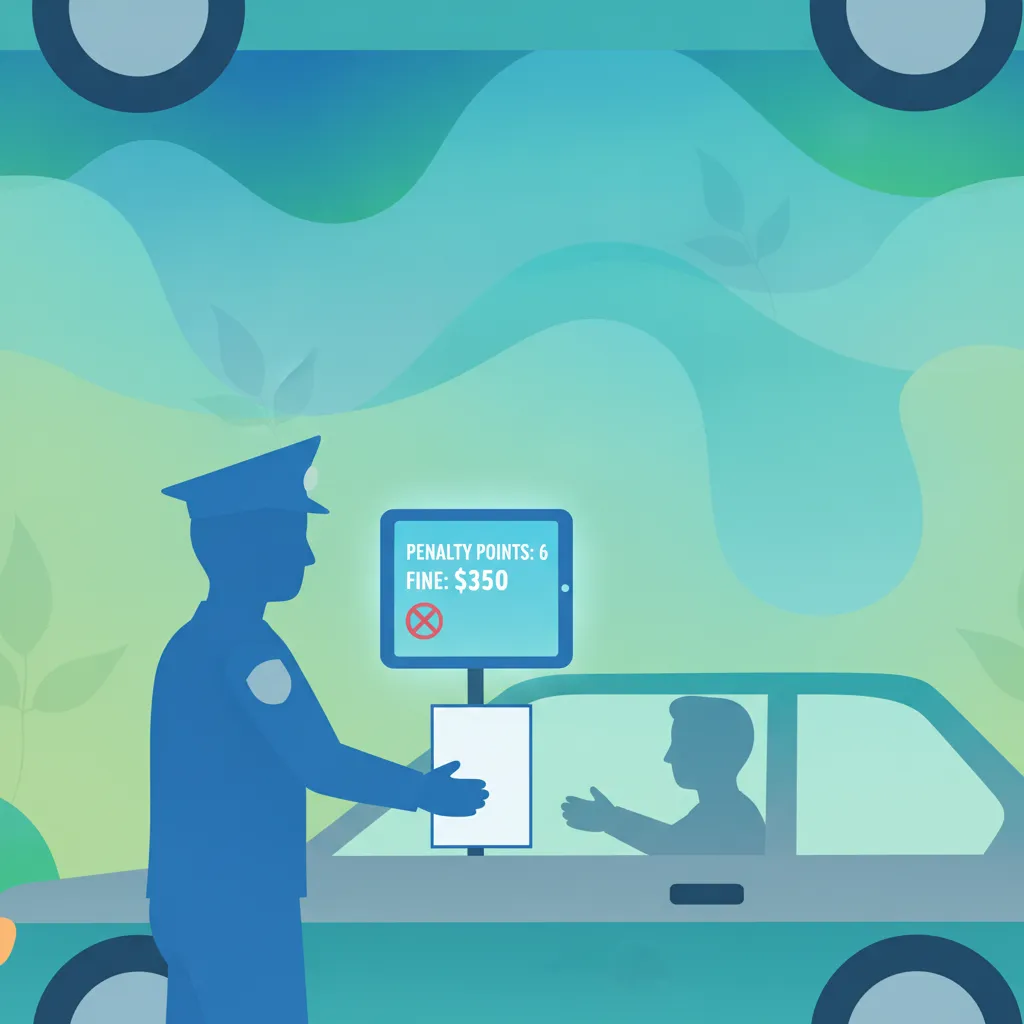
HGV complianceDVSA enforcementCategory C theoryprofessional conductroad transport law
GB Goods Vehicle Theory: Penalties for Non‑Compliance

Lesson content overview

GB Goods Vehicle Theory

Penalties for Non‑Compliance in Professional Goods Vehicle Driving

Operating a goods vehicle in Great Britain comes with significant responsibilities, not just to your employer and other road users, but also under a strict legal framework. Non-compliance with road transport law can lead to serious consequences, affecting both your driving career and the operating company. This lesson outlines the comprehensive system of penalties designed to deter unsafe practices, ensure road safety, and uphold professional standards for Category C licence holders. Understanding these penalties is not merely about avoiding fines; it's about fostering a proactive approach to safety and compliance, crucial for professional goods vehicle theory.

Understanding the Graduated Penalty System for Goods Vehicle Drivers

The enforcement of road transport law in Great Britain operates on a graduated penalty system. This means that the severity of the sanction generally increases with the seriousness of the offence, its potential impact on safety, and the frequency of violations. This tiered approach aims to provide proportionate responses, encouraging drivers and operators to correct minor breaches before they escalate into more severe issues. Penalties can range from immediate fixed fines and penalty points to vehicle prohibition, licence suspension, and even referral to a Traffic Commissioner.

This system serves several critical purposes:

  • Deterrence: To discourage drivers and operators from committing offences.
  • Punishment: To penalise those who break the law.
  • Correction: To prompt changes in behaviour and practices.
  • Protection: To safeguard other road users and the general public.
  • Improvement: To incentivise a continuous safety culture within the transport industry.

Key Enforcement Authorities: DVSA, Police, and Traffic Commissioner

Several authorities are empowered to enforce road transport law and impose penalties in Great Britain. Collaboration between these bodies ensures comprehensive oversight and effective action against non-compliance.

Driver and Vehicle Standards Agency (DVSA)

The DVSA plays a pivotal role in ensuring road safety and compliance. Its officers conduct roadside checks, inspect vehicles, and audit operator records. They are authorised to issue fixed penalty notices, vehicle prohibition orders, and refer serious cases to the Traffic Commissioner. Their focus is broad, covering drivers' hours, vehicle maintenance, load security, and operator licensing.

Police Forces

Police officers have the authority to stop goods vehicles on the road and conduct checks. They enforce all aspects of road traffic law, including drivers' hours, vehicle fitness, load security, and documentation. They can issue fixed penalty notices, report drivers for summons to court, and apply penalty points to driving licences. Their powers often overlap with the DVSA, particularly concerning immediate road safety issues.

The Traffic Commissioner

Traffic Commissioners are independent regulators responsible for the licensing and regulation of those who operate goods vehicles (and passenger vehicles). They hold statutory powers under the Goods Vehicles (Licensing of Operators) Act 1995. The Traffic Commissioner may review an operator's licence, suspend or revoke it, impose financial penalties, or disqualify individuals from holding an operator's licence if there are serious or repeated breaches of compliance. This typically occurs for systemic failures rather than isolated incidents.

Drivers' Hours and Rest Period Violations

One of the most common areas of non-compliance for Category C drivers relates to drivers' hours and rest period regulations. These rules are fundamental for preventing driver fatigue and ensuring road safety. They are primarily governed by EU Regulation (EC) No 561/2006, which has been retained in UK law.

Understanding Driving Time Limits

Professional goods vehicle drivers must adhere to strict limits on their driving time:

  • Daily Driving Limit: Generally, a maximum of 9 hours per day, extendable to 10 hours twice a week.
  • Weekly Driving Limit: A maximum of 56 hours in a single week.
  • Fortnightly Driving Limit: A maximum of 90 hours over any two consecutive weeks.

Exceeding these limits, even by a small margin, constitutes a violation. These rules are critical because prolonged driving significantly increases the risk of driver fatigue, which can impair reaction times and decision-making, similar to the effects of alcohol.

Mandatory Breaks

A driver must take a break of at least 45 minutes after 4.5 hours of driving. This break can be split into two parts: an initial break of at least 15 minutes, followed by a break of at least 30 minutes, to be taken within the 4.5-hour driving period. Failure to take these breaks is a common violation.

Daily and Weekly Rest Periods

Adequate rest is crucial for recovery.

  • Daily Rest: A regular daily rest period must be at least 11 hours. This can be reduced to a minimum of 9 hours (a 'reduced daily rest') no more than three times between any two weekly rest periods. The daily rest can also be split into two periods, with the first being at least 3 hours and the second at least 9 hours, amounting to a total of 12 hours.
  • Weekly Rest: A regular weekly rest period must be at least 45 hours. This can be reduced to a minimum of 24 hours (a 'reduced weekly rest'), but any reduction must be compensated by an equivalent period of rest taken en bloc before the end of the third week following the week in question. In any two consecutive weeks, a driver must take at least two regular weekly rest periods or one regular and one reduced weekly rest period.

Penalties for Drivers' Hours Violations

Violations of drivers' hours regulations can lead to:

  • Fixed Penalty Notices (FPNs): Often £100 to £300, depending on the severity of the overrun or insufficient rest.
  • Penalty Points: Typically 2-4 points for moderate infringements.
  • Court Prosecution: For serious or repeated offences, leading to potentially higher fines and more significant penalty points.
  • Driving Disqualification: In cases of severe or persistent breaches, a driver's licence can be suspended.

Warning

Common misunderstandings often involve incorrectly calculating 'on-duty' time versus 'driving' time, or misinterpreting the rules for split rests. Always ensure you understand the specific definitions for each period.

Maintaining Vehicle Fitness: Defects and Prohibition Orders

Ensuring the fitness and roadworthiness of a goods vehicle is a paramount responsibility. Non-compliance with vehicle maintenance standards can lead to severe penalties, as vehicle defects pose a direct threat to road safety. The Goods Vehicles (Licensing of Operators) Act 1995 and the Road Vehicles (Construction and Use) Regulations 1986 govern these requirements.

Classification of Vehicle Defects

Defects are typically classified based on their severity:

  • Critical Defects: These are immediate safety threats that render the vehicle dangerous to use. Examples include complete brake failure, severely damaged tyres with exposed cords, or steering mechanism failure. If a critical defect is found, it will almost always result in an immediate Vehicle Prohibition Order.
  • Major Defects: These are significant faults that affect vehicle performance or safety but may not pose an immediate danger. Examples include worn tyres approaching the legal minimum tread depth (1.6mm), a faulty headlight, or a minor brake imbalance. These typically require repair within a specified timeframe.
  • Minor Defects: These are non-safety-critical issues, such as a broken side mirror or a non-essential dashboard light. While not immediately dangerous, they should still be rectified promptly, usually at the next scheduled service or inspection.

Vehicle Prohibition Orders (VPOs)

A Vehicle Prohibition Order (VPO) is a legal instruction issued by the DVSA or police that prevents a vehicle from being used on public roads until specified remedial action has been taken.

  • Immediate Prohibition: Issued for critical defects that pose an immediate and serious risk to road safety. The vehicle cannot move until the defect is rectified, often requiring recovery to a repair facility.
  • Conditional Prohibition: Issued when major defects are found that require repair but do not present an immediate danger. The vehicle may be allowed to proceed to a repair location, but cannot be used for further journeys until the conditions of the prohibition are met and confirmed.

Ignoring a VPO and continuing to operate the vehicle is an extremely serious offence, potentially leading to arrest, heavy fines, criminal charges, and even imprisonment for reckless endangerment.

Penalties for Vehicle Defects

  • Fixed Penalty Notices: For minor and some major defects (e.g., £100 for a faulty light).
  • Vehicle Prohibition Order (VPO): For major and critical defects, leading to operational downtime and potential recovery costs.
  • Penalty Points: For serious defects that compromise safety.
  • Referral to the Traffic Commissioner: For operators who repeatedly fail to maintain their fleet, potentially leading to licence suspension or revocation.

Load Security and Stability Breaches

The safe transport of goods requires meticulous attention to load security and stability. An improperly secured or distributed load can have catastrophic consequences, leading to loss of vehicle control, accidents, and severe injuries. These requirements are outlined in the Road Vehicles (Construction and Use) Regulations 1986 and detailed Load Restraint Guidelines.

Principles of Load Security

  • Prevention of Movement: All cargo must be secured to prevent any movement (sliding, tipping, rolling, or falling) during normal driving, including emergency braking and sharp turns.
  • Load Distribution: Weight must be evenly distributed across the vehicle's axles and within its overall Gross Vehicle Weight (GVW) limits. Exceeding axle limits can compromise handling, braking, and cause structural damage to the vehicle and road infrastructure.
  • Appropriate Securing Methods: The choice of securing method (e.g., lashing straps, chains, nets, shoring bars, chocks, anti-slip mats) must be suitable for the type, weight, and dimensions of the load. Securing points on the vehicle must be used correctly.

Consequences of Load Security Failures

  • Loss of Vehicle Control: A shifting load can drastically alter the vehicle's centre of gravity, making it unstable, especially during cornering or braking, and potentially leading to a rollover.
  • Road Hazards: Falling cargo can create severe hazards for other road users, causing accidents, injuries, or fatalities.
  • Axle Overload: Improper distribution can lead to individual axles exceeding their legal weight limits, which affects handling and can damage roads.

Penalties for Load Security and Stability Breaches

  • Fines: Significant fines, which can be up to £5,000 in court, depending on the severity and risk posed.
  • Penalty Points: Applied to the driver's licence.
  • Vehicle Prohibition Order (VPO): An immediate VPO may be issued if the load is deemed critically unsafe.
  • Referral to the Traffic Commissioner: For operators whose vehicles are repeatedly found with unsafe loads, leading to potential licence action.
  • Criminal Charges: In cases where unsecured loads cause serious accidents, drivers and operators could face criminal prosecution.

Essential Documentation and Record-Keeping Failures

Accurate and accessible documentation is fundamental to demonstrating compliance with road transport law. Professional goods vehicle drivers and operators have legal obligations to maintain various records, which are subject to inspection by enforcement authorities.

Key Documentation Requirements

  • Tachograph Records: These devices record driving time, breaks, rest periods, and other work. Digital tachograph data must be regularly downloaded, stored, and produced upon request. Failure to produce valid records or evidence of tampering is a serious offence.
  • Vehicle Inspection Certificates: Valid MOT certificates (if applicable) and evidence of regular maintenance and safety checks are required for goods vehicles over 3,500kg.
  • Operator Licence Documents: The operating company must hold a valid Operator Licence, and its conditions must be adhered to.
  • Load Security Records: While not always a specific document, evidence of load security procedures and checks can be requested during audits.

Penalties for Documentation Non-Compliance

  • Fixed Penalty Notices: For minor infringements, such as failure to produce a tachograph record immediately (e.g., £300 and 3 penalty points).
  • Fines: Can escalate significantly if documentation is consistently missing or deliberately falsified.
  • Penalty Points: Often associated with tachograph and licensing offences.
  • Referral to the Traffic Commissioner: For systemic failures in record-keeping by the operator, potentially leading to licence suspension or revocation.
  • Criminal Prosecution: For deliberate falsification of records, which can result in unlimited fines and imprisonment.

Tip

Always ensure your tachograph data is up-to-date and downloaded within the legal timeframes. For roadside checks, digital tachograph cards must be carried, and print-outs may be required if the officer cannot view the data electronically.

Penalty Points, Driving Disqualification, and Licence Suspension

Beyond immediate fines and vehicle actions, individual drivers face penalty points on their driving licence, which can lead to disqualification. This system applies to goods vehicle drivers just as it does to car drivers, though the implications for a professional driver are often more severe.

How Penalty Points Work

  • Endorsements: Penalty points are 'endorsements' added to your driving licence record for specific offences. The number of points varies depending on the severity of the offence.
  • Accumulation: Points remain on your licence for a specified period (usually 3 or 4 years, depending on the offence, though they are 'active' for disqualification purposes for 3 years from the offence date).
  • Impact: Accumulating points can significantly increase your insurance premiums and, critically, lead to a driving disqualification.

Driving Disqualification (Licence Suspension)

  • 'Totting Up' Disqualification: If a driver accumulates 12 or more penalty points within a 3-year period, they face an automatic disqualification from driving. The minimum period for a first disqualification under 'totting up' is 6 months.
  • Direct Disqualification: For very serious offences (e.g., dangerous driving, drink or drug driving, severe drivers' hours violations, or serious load security breaches), a court can directly impose a driving disqualification, regardless of the number of points accumulated. This can be for much longer periods.
  • Professional Impact: For a Category C licence holder, a driving disqualification means a complete loss of livelihood during the disqualification period, as you are legally prohibited from driving a goods vehicle.

Warning

Even minor infringements can quickly add up. A professional driver must be acutely aware of their points tally and strive for zero infringements to protect their livelihood.

Traffic Commissioner Referrals and Operator Licence Action

While drivers face individual penalties, the operating company is also held accountable for the overall compliance of its fleet and drivers. The principle of 'Operator Liability' means that the company, as the holder of the Operator Licence, is legally responsible for ensuring continuous adherence to road transport law. Serious or repeated non-compliance by an operator can lead to intervention by the Traffic Commissioner.

Grounds for Traffic Commissioner Intervention

A Traffic Commissioner may initiate an investigation or public inquiry if there is evidence of:

  • Systemic Failures: Repeated drivers' hours violations, vehicle defects, or load security breaches across a fleet.
  • Lack of Management Control: Insufficient systems for checking driver compliance, vehicle maintenance, or managing records.
  • Financial Instability: Failure to demonstrate financial standing, which is a condition of the operator licence.
  • Repute Concerns: Convictions for serious offences or other behaviour that brings the operator's professional standing into question.

Potential Sanctions by the Traffic Commissioner

Following an inquiry, the Traffic Commissioner has a range of powers to impose sanctions:

  • Formal Warning: For minor breaches.
  • Curtailment: Reduction in the number of vehicles an operator can run, or the types of operations they can undertake.
  • Suspension of Operator Licence: A temporary halt to operations for a specified period.
  • Revocation of Operator Licence: The most severe sanction, leading to the permanent loss of the licence and the inability to operate goods vehicles. This effectively means business closure for transport companies.
  • Disqualification of Individuals: Directors, partners, or transport managers found responsible for systemic failures can be disqualified from holding or applying for an Operator Licence in the future.
  • Financial Penalties: Monetary fines can be imposed on operators.

Financial Penalties and Court Proceedings

Financial penalties, in the form of fines, are a primary enforcement tool. These can range from fixed penalties issued at the roadside to substantial court-imposed fines.

Fixed Penalty Notices (FPNs)

  • Purpose: Issued by the DVSA or police for specific, typically less severe, offences to offer a swift resolution without court proceedings.
  • Amounts: FPNs for goods vehicle offences can range from £100 (e.g., minor vehicle defect, failure to produce a document) to £300 (e.g., drivers' hours violations, more serious documentation breaches).
  • Acceptance: By paying the FPN, the driver accepts guilt and the matter is usually closed, though penalty points may still apply.

Court-Imposed Penalties

  • Escalation: If a driver contests an FPN, or if the offence is too severe for an FPN, the matter will proceed to court.
  • Higher Fines: Courts have the power to impose much higher fines, potentially thousands of pounds, with no upper limit for some serious offences.
  • Additional Sanctions: Courts can also impose higher penalty points, longer driving disqualifications, community service orders, or even imprisonment for extremely serious offences (e.g., dangerous driving, willful tachograph tampering, causing death by dangerous driving).
  • Costs: Conviction in court also typically involves paying court costs and victim surcharges, adding to the financial burden.

Note

Fine amounts and penalty points are subject to change and may vary depending on the specific circumstances and the latest DVSA enforcement schedules.

Professional Conduct and Avoiding Sanctions

Beyond strict legal compliance, professional conduct plays a significant role in mitigating the risk of penalties and maintaining a positive standing within the industry. This encompasses not just driving behaviour but also interactions with enforcement officers and general professional standards.

Standards of Professional Conduct

  • Cooperation with Authorities: Always cooperate calmly and respectfully with DVSA officers and police during roadside checks or inspections. Obstructing an officer is an additional offence.
  • Ethical Behaviour: Avoid any actions that could be perceived as dishonest, such as tampering with tachographs or falsifying records. These are serious criminal offences.
  • Safety-First Approach: Consistently prioritise safety over expediency. This includes conducting thorough daily checks, ensuring load security, and adhering strictly to drivers' hours.
  • Communication: Maintain open and honest communication with your employer regarding any issues (e.g., vehicle defects, fatigue).

Strategies for Avoiding Penalties

  • Pre-Journey Checks: Conduct thorough daily vehicle checks (walk-around checks) to identify and rectify minor defects before they become major issues.
  • Tachograph Management: Accurately record all driving, rest, and work periods. Download data regularly and ensure the tachograph unit is functioning correctly.
  • Load Security Discipline: Always verify load security before departure and at appropriate intervals during a journey. Ensure correct load distribution.
  • Continuous Learning: Stay updated with the latest regulations and best practices through ongoing training and professional development.
  • Fatigue Management: Proactively manage fatigue by taking all required breaks and rest periods. Do not drive when tired, even if technically within limits.

Contextual Factors Influencing Penalty Severity

The specific circumstances surrounding an offence can significantly influence the nature and severity of the penalty imposed. Enforcement authorities consider various contextual factors when deciding on appropriate action.

Weather Conditions

Adverse weather, such as heavy rain, snow, ice, or fog, can increase the severity of penalties for certain offences. For example:

  • Load Security: A minor load shift that might be overlooked in dry conditions could become a critical safety risk in icy conditions, leading to a more severe penalty or immediate VPO.
  • Vehicle Defects: A faulty headlight or windscreen wiper might attract a higher fine or prompt an immediate VPO if visibility is already poor due to weather.

Road Type and Environment

The type of road and the surrounding environment also play a role:

  • Motorways: Speeding, vehicle defects, or load security breaches on motorways are often treated more severely due to higher speeds and greater potential for multi-vehicle incidents.
  • Urban/Residential Areas: Violations that endanger vulnerable road users (pedestrians, cyclists) in urban settings, such as certain driving offences or critical vehicle defects, may attract higher penalties or additional community safety orders.

Vehicle State (Load & Trailer)

The condition of the vehicle, particularly whether it is loaded or towing a trailer, can impact penalties:

  • Overloaded Vehicles: An overloaded vehicle, even if the load is secured, presents increased risks to braking and handling. If detected, this will lead to higher fines, and possibly a VPO or referral to the Traffic Commissioner.
  • Trailer Defects: Defects specific to a trailer (e.g., faulty coupling, brake issues, unsecured drawbar) are treated with high severity due to the increased complexity and potential danger of an articulated vehicle.

Vulnerable Road Users

The presence of vulnerable road users (VRUs) such as cyclists, pedestrians, or motorcyclists, especially in urban or high-traffic areas, will heighten enforcement focus. Any violation that could directly endanger VRUs will likely result in more severe penalties.

Time of Day

Certain offences may be viewed differently depending on the time of day:

  • Night-Time Driving: Drivers' hours breaches during night-time hours, when fatigue is naturally higher, may attract greater scrutiny. Similarly, lighting defects are more critical at night.

Conclusion and Key Takeaways

Understanding the penalties for non-compliance is a critical component of professional goods vehicle theory for Category C licence holders in Great Britain. The graduated system ensures that enforcement is proportionate, but it also means that ignoring minor issues can quickly lead to severe consequences.

Key Takeaways:

  • Compliance is Non-Negotiable: Adhering to drivers' hours, maintaining vehicle fitness, ensuring load security, and meticulous record-keeping are fundamental legal obligations.
  • Graduated Penalties: Be aware that penalties escalate from fixed fines and points to vehicle prohibitions, licence suspensions, and operator licence revocation.
  • Multiple Authorities: The DVSA, police, and Traffic Commissioner all have powers to enforce compliance, and their actions can be coordinated.
  • Operator Liability: Employers share responsibility, and systemic failures can lead to their operating licence being suspended or revoked.
  • Protect Your Career: Accumulating penalty points or facing disqualification can end a professional driving career. Proactive safety and compliance are your best defence.
  • Context Matters: Be aware that external factors like weather and road type can influence how severely an offence is treated.

By embracing a culture of continuous improvement and prioritizing safety, professional goods vehicle drivers can navigate the complexities of road transport law, ensuring their own safety, that of other road users, and the longevity of their careers.

Learn more with these articles

Check out these practice sets


Search topics related to Penalties for Non‑Compliance

Explore search topics learners often look for when studying Penalties for Non‑Compliance. These topics reflect common questions about road rules, driving situations, safety guidance, and lesson level theory preparation for learners in Great Britain.

penalties for HGV non-compliance GBDVSA enforcement for goods vehicleswhat is a vehicle prohibition noticeconsequences of drivers hours offencesTraffic Commissioner powers Category CHGV theory test compliance questionspenalties for failing to secure load GB

Related driving theory lessons for Penalties for Non‑Compliance

Browse additional driving theory lessons that cover connected traffic rules, road signs, and common driving situations related to this topic. Improve your understanding of how different rules interact across everyday traffic scenarios.

Penalties and Enforcement Actions for Goods Vehicle Non-Compliance UK

Understand the range of penalties for violating goods vehicle regulations in Great Britain. This lesson details fines, licence suspension, and other enforcement actions by the DVSA and police for offences like drivers' hours breaches and vehicle defects.
DVSA enforcementroad transport lawCategory C penaltieslicence suspensionfines
Liability, Penalties, and Enforcement lesson image

Liability, Penalties, and Enforcement

Gain a comprehensive understanding of the legal repercussions for violating goods vehicle regulations, which can range from civil penalties to criminal prosecution. This lesson details the fines, penalty points, and potential vehicle seizure enforced by authorities like the DVSA and the police. It clarifies how serious offences are handled in court and how repeated infractions can lead to escalating sanctions, impacting both your licence and professional career.
GB Goods Vehicle TheoryGoods Vehicle Licence Scope and Professional Responsibility
View lesson
Penalties, Legal Consequences, and Reporting lesson image

Penalties, Legal Consequences, and Reporting

This lesson outlines the serious legal and professional consequences of committing traffic offences. It covers common issues such as speeding, using a mobile phone, and the strict limits on alcohol, explaining the system of fixed penalty notices and penalty points. The content makes clear how accumulating points can lead to fines, licence suspension or revocation, and the loss of a professional driving career. The importance of understanding and following company policy on incident reporting is also stressed.

GB Passenger Vehicle TheoryEmergencies, Evacuation, Fatigue, Penalties and Safe Passenger Service
View lesson
Penalties, Points, and Legal Consequences lesson image

Penalties, Points, and Legal Consequences

This lesson explains the legal consequences of committing traffic offences in Great Britain. It details the penalty points system, explaining how points are issued for various offences like speeding or using a mobile phone, and the thresholds that can lead to a driving ban. Understanding these penalties, fines, and potential licence revocation reinforces the importance of consistent, lawful riding and helps you appreciate the value of a clean driving record.
GB AM Moped TheoryWeather, Risk Behaviour, Emergencies and Penalties
View lesson
Weight, Width and Axle Restrictions lesson image

Weight, Width and Axle Restrictions

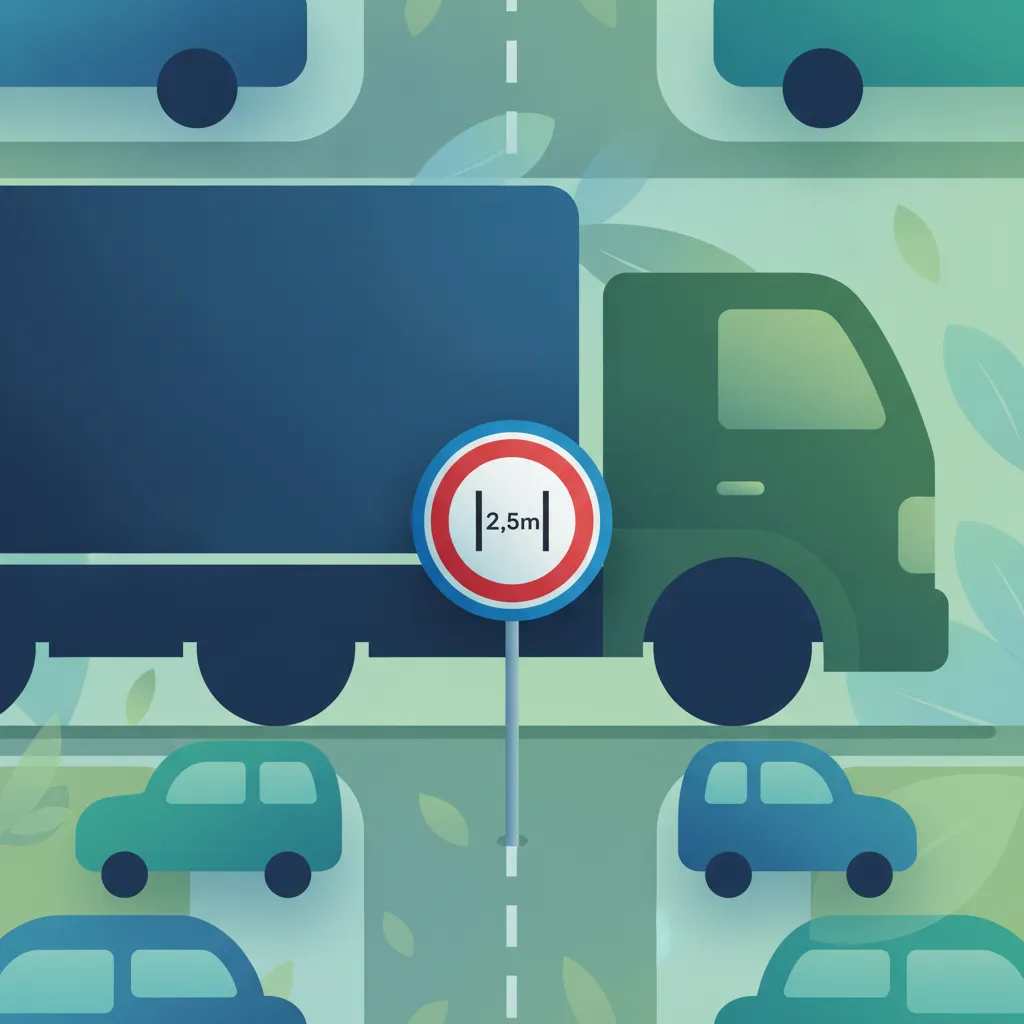
This lesson offers a deep dive into the specific regulations concerning weight, width, and axle load restrictions for goods vehicles. It covers how to read and comply with the associated road signs to avoid overloading weak bridges and entering restricted areas. Learners will understand the importance of correct load assessment and the serious penalties for non-compliance, which are enforced through DVSA roadside inspections and weighbridges.

GB Goods Vehicle TheorySigns, Restrictions, Route Planning and Access Limits
View lesson
Fatigue Management and Rest Hours lesson image

Fatigue Management and Rest Hours

This lesson addresses the serious danger of driver fatigue, a major cause of incidents involving commercial vehicles. It details the complex EU and GB domestic rules on drivers' hours, including driving limits and required rest periods. Learners will be taught to recognize the physical and mental signs of fatigue and understand the importance of taking quality rest to maintain alertness and ensure their own safety and that of others.
GB Goods Vehicle TheoryFatigue, Documentation Awareness, Penalties and Professional Conduct
View lesson
Penalties, Fines, and Licence Points for Motorcyclists lesson image

Penalties, Fines, and Licence Points for Motorcyclists

This lesson explains the legal consequences of committing traffic offences. It covers how the penalty points system works, the number of points for common offences like speeding, and how accumulating 12 points can lead to disqualification under the 'totting-up' procedure. You will also learn about the specific rules for new riders, who can have their licence revoked with just 6 points.
Motorcycle Theory GBRisk Behaviour, Emergencies, Penalties and Defensive Riding
View lesson
Penalties, Penalty Points, and Disqualification Processes lesson image

Penalties, Penalty Points, and Disqualification Processes

This lesson details the consequences of committing traffic offences. It explains how penalty points are added to your licence for infractions like speeding or using a mobile phone. You will learn about the threshold for disqualification (totting-up) and the specific, stricter rules that apply to new drivers within the first two years of passing their test.
GB Category B TheoryAlcohol, Drugs, Fatigue, Penalties, Emergencies and Responsible Driving
View lesson
Bus-Specific Road Rules and Restrictions lesson image

Bus-Specific Road Rules and Restrictions

This lesson examines the unique rules and restrictions governing buses and coaches, focusing on bus lane priority, time-based restrictions, and loading zone limitations. Learners will explore the criteria for using bus-only routes and understand the legal consequences of non-compliance. The content also reviews signage indicating bus gate operation and areas where passenger vehicles are prohibited from stopping or loading outside of designated zones, ensuring lawful and efficient urban navigation.

GB Passenger Vehicle TheorySigns, Bus Rules, Restrictions, Stops and Route Awareness
View lesson
Driving on Motorways with Goods Vehicles lesson image

Driving on Motorways with Goods Vehicles

This lesson focuses on the specific rules and best practices for driving HGVs on motorways in Great Britain. It covers mandatory speed limits for goods vehicles, lane discipline including restrictions on using the outside lane, and procedures for safely joining and leaving the motorway. The lesson also includes up-to-date information on driving on smart motorways, including understanding the signs and using emergency refuge areas correctly.
GB Goods Vehicle TheoryWeather, Motorways, Rural Roads, Roadworks and Emergency Situations
View lesson
Dimensions, Mass and Legal Limits lesson image

Dimensions, Mass and Legal Limits

This lesson introduces the statutory limits governing the dimensions and mass of goods vehicles in Great Britain, including gross vehicle weight and individual axle loads. It explains how to calculate a vehicle's loaded weight to ensure it remains within legal parameters, preventing penalties and safety risks. Understanding these regulations is crucial for preventing damage to road infrastructure and ensuring the vehicle's stability and safe operation on every journey.

GB Goods Vehicle TheoryVehicle Size, Weight, Dimensions and Road Space
View lesson

Driving Licence Penalties and Disqualification for HGV Drivers GB

Explore how penalty points work on a Category C licence, the process of driving disqualification, and the powers of the Traffic Commissioner. Learn about consequences for drivers and operators regarding compliance failures.

penalty pointsdriving disqualificationTraffic Commissioneroperator liabilityprofessional conduct
Penalties, Penalty Points, and Disqualification Processes lesson image

Penalties, Penalty Points, and Disqualification Processes

This lesson details the consequences of committing traffic offences. It explains how penalty points are added to your licence for infractions like speeding or using a mobile phone. You will learn about the threshold for disqualification (totting-up) and the specific, stricter rules that apply to new drivers within the first two years of passing their test.

GB Category B TheoryAlcohol, Drugs, Fatigue, Penalties, Emergencies and Responsible Driving
View lesson
Penalties, Legal Consequences, and Reporting lesson image

Penalties, Legal Consequences, and Reporting

This lesson outlines the serious legal and professional consequences of committing traffic offences. It covers common issues such as speeding, using a mobile phone, and the strict limits on alcohol, explaining the system of fixed penalty notices and penalty points. The content makes clear how accumulating points can lead to fines, licence suspension or revocation, and the loss of a professional driving career. The importance of understanding and following company policy on incident reporting is also stressed.

GB Passenger Vehicle TheoryEmergencies, Evacuation, Fatigue, Penalties and Safe Passenger Service
View lesson
Penalties, Fines, and Licence Points for Motorcyclists lesson image

Penalties, Fines, and Licence Points for Motorcyclists

This lesson explains the legal consequences of committing traffic offences. It covers how the penalty points system works, the number of points for common offences like speeding, and how accumulating 12 points can lead to disqualification under the 'totting-up' procedure. You will also learn about the specific rules for new riders, who can have their licence revoked with just 6 points.

Motorcycle Theory GBRisk Behaviour, Emergencies, Penalties and Defensive Riding
View lesson
Liability, Penalties, and Enforcement lesson image

Liability, Penalties, and Enforcement

Gain a comprehensive understanding of the legal repercussions for violating goods vehicle regulations, which can range from civil penalties to criminal prosecution. This lesson details the fines, penalty points, and potential vehicle seizure enforced by authorities like the DVSA and the police. It clarifies how serious offences are handled in court and how repeated infractions can lead to escalating sanctions, impacting both your licence and professional career.

GB Goods Vehicle TheoryGoods Vehicle Licence Scope and Professional Responsibility
View lesson
Penalties, Points, and Legal Consequences lesson image

Penalties, Points, and Legal Consequences

This lesson explains the legal consequences of committing traffic offences in Great Britain. It details the penalty points system, explaining how points are issued for various offences like speeding or using a mobile phone, and the thresholds that can lead to a driving ban. Understanding these penalties, fines, and potential licence revocation reinforces the importance of consistent, lawful riding and helps you appreciate the value of a clean driving record.

GB AM Moped TheoryWeather, Risk Behaviour, Emergencies and Penalties
View lesson
Fatigue Management and Rest Hours lesson image

Fatigue Management and Rest Hours

This lesson addresses the serious danger of driver fatigue, a major cause of incidents involving commercial vehicles. It details the complex EU and GB domestic rules on drivers' hours, including driving limits and required rest periods. Learners will be taught to recognize the physical and mental signs of fatigue and understand the importance of taking quality rest to maintain alertness and ensure their own safety and that of others.

GB Goods Vehicle TheoryFatigue, Documentation Awareness, Penalties and Professional Conduct
View lesson
Driving on Motorways with Goods Vehicles lesson image

Driving on Motorways with Goods Vehicles

This lesson focuses on the specific rules and best practices for driving HGVs on motorways in Great Britain. It covers mandatory speed limits for goods vehicles, lane discipline including restrictions on using the outside lane, and procedures for safely joining and leaving the motorway. The lesson also includes up-to-date information on driving on smart motorways, including understanding the signs and using emergency refuge areas correctly.
GB Goods Vehicle TheoryWeather, Motorways, Rural Roads, Roadworks and Emergency Situations
View lesson
Liability, Insurance, and Penalties lesson image

Liability, Insurance, and Penalties

Explore the critical topics of driver liability, insurance, and legal penalties in Great Britain. This lesson distinguishes between civil and criminal liability in the context of road incidents. It details the compulsory third-party insurance every driver must have and explains the penalty points system for traffic offences, including fines and potential disqualification.

GB Category B TheoryCategory B Licence Basics and Driver Responsibility
View lesson
Weight, Width and Axle Restrictions lesson image

Weight, Width and Axle Restrictions

This lesson offers a deep dive into the specific regulations concerning weight, width, and axle load restrictions for goods vehicles. It covers how to read and comply with the associated road signs to avoid overloading weak bridges and entering restricted areas. Learners will understand the importance of correct load assessment and the serious penalties for non-compliance, which are enforced through DVSA roadside inspections and weighbridges.

GB Goods Vehicle TheorySigns, Restrictions, Route Planning and Access Limits
View lesson
Required Documentation and Record‑Keeping lesson image

Required Documentation and Record‑Keeping

This lesson covers the critical legal requirement for accurate record-keeping in the transport industry. It provides detailed instruction on the correct use of both analogue and digital tachographs to record driving time, breaks, and other work. You will also learn about other essential documents that must be carried, such as load manifests and delivery notes, and the importance of keeping these records accurate and available for inspection by enforcement authorities.

GB Goods Vehicle TheoryFatigue, Documentation Awareness, Penalties and Professional Conduct
View lesson

Frequently asked questions about Penalties for Non‑Compliance

Find clear answers to common questions learners have about Penalties for Non‑Compliance. Learn how the lesson is structured, which driving theory objectives it supports, and how it fits into the overall learning path of units and curriculum progression in Great Britain. These explanations help you understand key concepts, lesson flow, and exam focused study goals.

What is the difference between a fixed penalty and a referral to the Traffic Commissioner?

A fixed penalty is usually issued for minor, immediate offences like specific lighting defects or minor documentation issues. A referral to the Traffic Commissioner typically occurs for repeated offences or serious breaches that call into question your professional fitness and conduct, potentially leading to licence revocation.

Can a police officer prohibit a vehicle from continuing its journey?

Yes, if an officer or a DVSA examiner finds a defect that makes the vehicle unroadworthy or dangerous, they can issue a prohibition notice. This legally prevents the vehicle from being driven until the defect is rectified and formally cleared.

How do penalty points affect a Category C professional driver?

Professional drivers face the same penalty point system as other motorists, but reaching a threshold can lead to disqualification. Crucially, transport offences can also impact your professional credibility and may be reviewed by the Traffic Commissioner, regardless of your personal driving licence points.

Why is it important to know about enforcement as a learner?

The theory test includes questions on legal responsibilities because as an HGV driver, you are professionally accountable. Knowing the consequences of non-compliance ensures you treat safety checks, documentation, and driving hours with the high level of seriousness required for the role.

Start Your Targeted Practice Question Search Now

Dive into our comprehensive question bank to find exactly what you need for your Great Britain theory test. Use our advanced filters to pinpoint specific subjects or test your knowledge on challenging areas, ensuring you're fully prepared for success.

Search Practice Questions

Continue your British driving theory learning journey

British road signsBritish article topicsGB AM Moped Theory courseSearch British road signsMotorcycle Theory GB courseGB Category B Theory courseBritish driving theory homeBritish road sign categoriesBritish driving theory topicsGB Goods Vehicle Theory courseSearch British theory articlesBritish driving theory coursesBritish driving theory articlesBritish driving theory practiceBritish practice set categoriesGB Passenger Vehicle Theory courseBritish driving licence proceduresSearch British driving theory practiceBritish driving theory terminology A–ZBritish driving theory terms and glossaryGB Road Signs and Traffic Signals unit in GB Category B TheoryHelmet, Visibility and Protective Behaviour unit in GB AM Moped TheoryAM Licence Basics and Small Vehicle Responsibility unit in GB AM Moped TheoryMotorcycle Licence Basics and Rider Responsibility unit in Motorcycle Theory GBVehicle Size, Weight, Dimensions and Road Space unit in GB Goods Vehicle TheoryCategory B Licence Basics and Driver Responsibility unit in GB Category B TheoryProtective Equipment, Visibility and Rider Condition unit in Motorcycle Theory GBGoods Vehicle Licence Scope and Professional Responsibility unit in GB Goods Vehicle TheoryPassenger Safety, Comfort, Accessibility and Driver Conduct unit in GB Passenger Vehicle TheoryPassenger Vehicle Licence Scope and Professional Responsibility unit in GB Passenger Vehicle TheoryPenalties for Non‑Compliance lesson in Fatigue, Documentation Awareness, Penalties and Professional ConductFatigue Management and Rest Hours lesson in Fatigue, Documentation Awareness, Penalties and Professional ConductRequired Documentation and Record‑Keeping lesson in Fatigue, Documentation Awareness, Penalties and Professional ConductProfessional Conduct and Customer Service lesson in Fatigue, Documentation Awareness, Penalties and Professional ConductContinuous Improvement and Safety Culture lesson in Fatigue, Documentation Awareness, Penalties and Professional Conduct